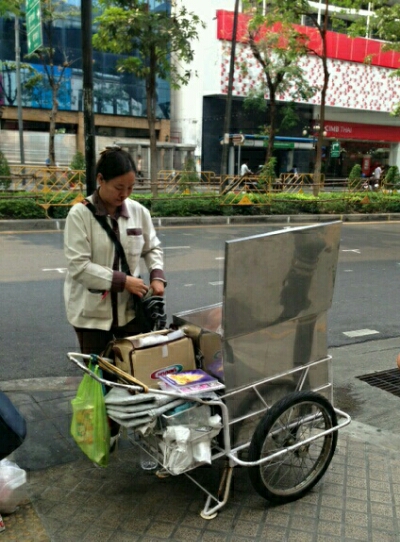
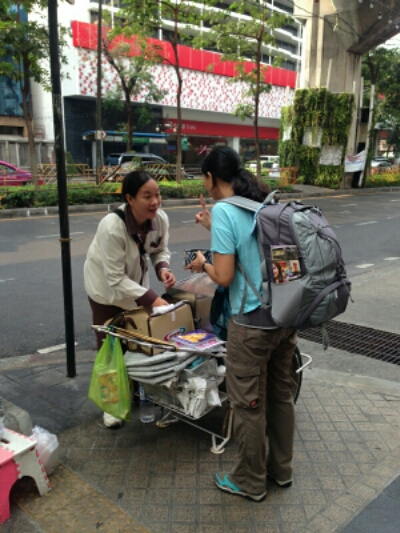
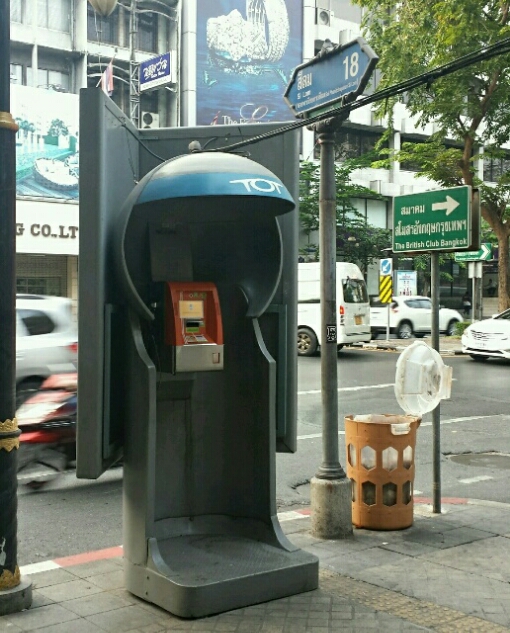
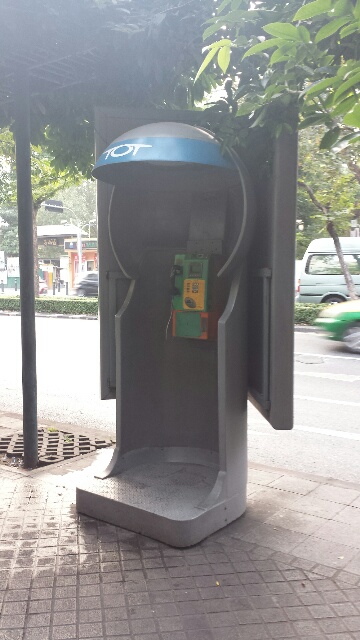
Thai Yakult Lady

Siam Call Box

Thai Curiosities at a Race in Khao Yai

image

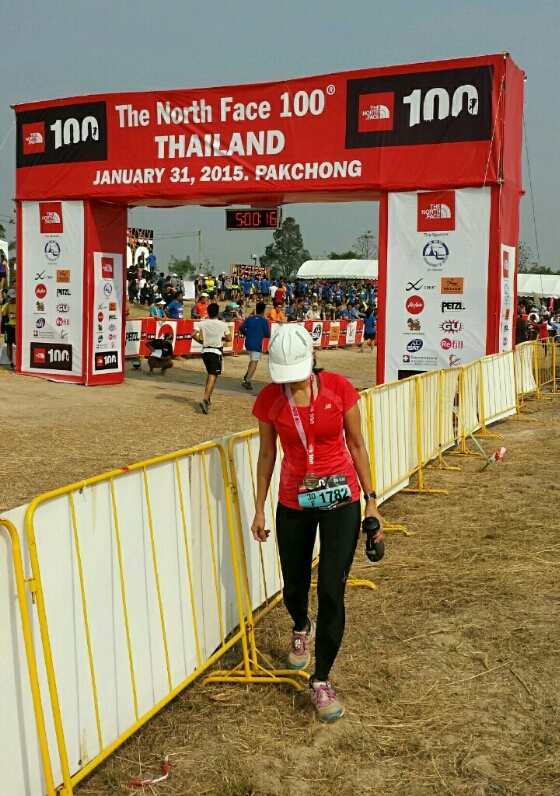
Last January 31, I found myself in Khao Yai, Pak Chong about 200 kilometers from Bangkok for some running related journey. Runners from 40 countries participated in this quite popular Asia Pacific trail running race series organized by The North Face.

image

Waiting for the race briefing the day before the race, while seeing several trail ultra marathoners with smooth head but in an appealing masculine way.

I have previously participated in the Philippine and Singapore editions of this series. This time I joined the Thailand edition.

image

The author finished at 3:10:48 in 12th place out of 225 women participants (6/118 in age category) of the 25 km distance race.

The event was terrific. Furthermore, the local flair of this race was noteworthy where at gun start (actually squeeze horns were used), a Buddhist monk stood at the starting line and blessed the runners with some sort of holy water as we started to cross it. And where the rising sun was seen as prominently round, with yellow-orange color above the hills as we ran on reddish dry dirt including some nonrunnable ascent to almost 600 meters above sea level. And where the trail passed through chilli and cassava plantations.

image

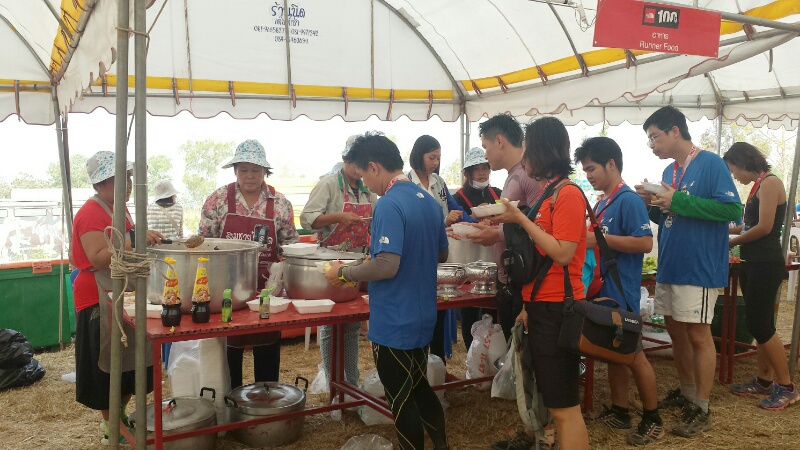
Post race buffet of Thai dishes of which the author partook to her heart’s content, seasoning her rice with Thai patis

And where the post race food was a buffet of khao pad, pad thai, unidentified Thai macaroni dish with accompanying condiments such as Thai fish sauce with chillies, and local fruits – banana, watermelon, and guava.

image

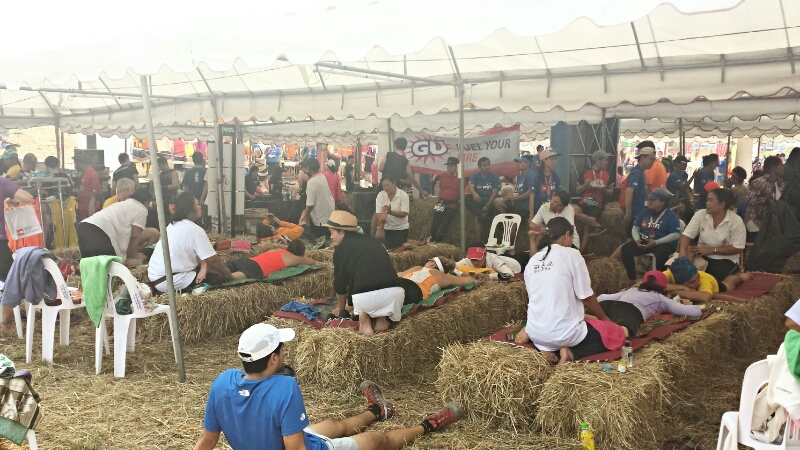
Thai massage on hay beds

And for a post race treat – signature Thai massage by local women on hay beds.

image

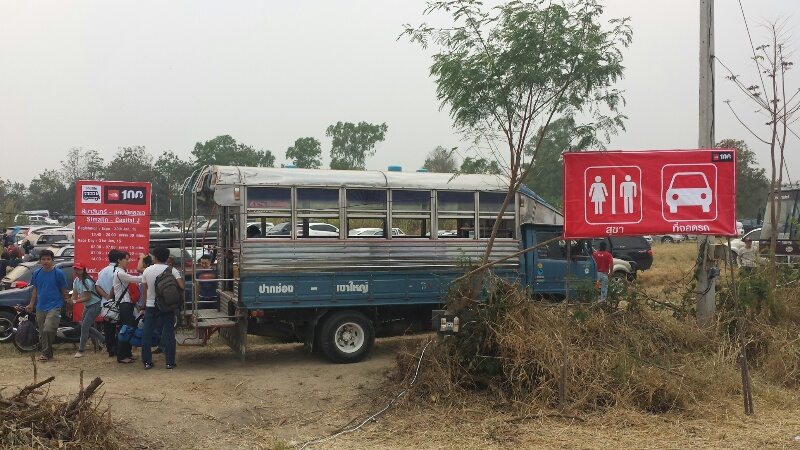
The mighty songthaew as the runners’ shuttle

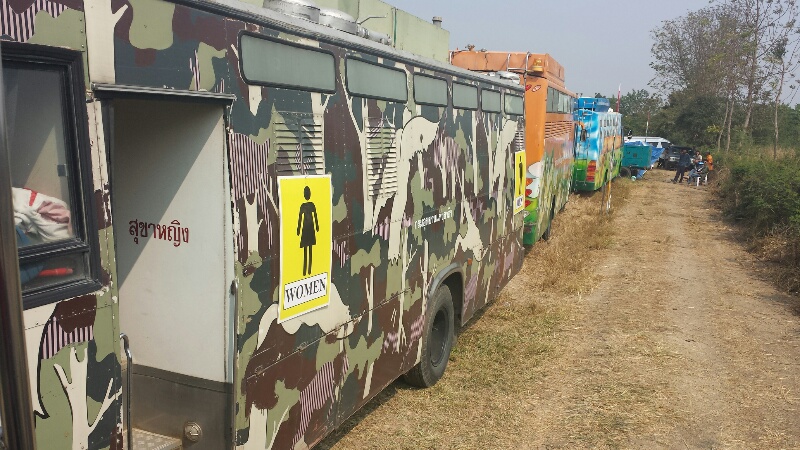
With regards to ferrying runners from nearby hotels to the race venue and back, there were those ruggedly handsome songthaews. As for the necessary amenities, they have those portalet trucks with theme park look but with practical toilet configuration, and this has become my favorite race portalet as of today. And of course, the run on the trails of Thailand as well. Kob kun mak ka.

image

Portalet trucks: Each truck has door for female on one side and male on the opposite side with six cubicles for each gender plus a wash sink

On Traveling Light

image

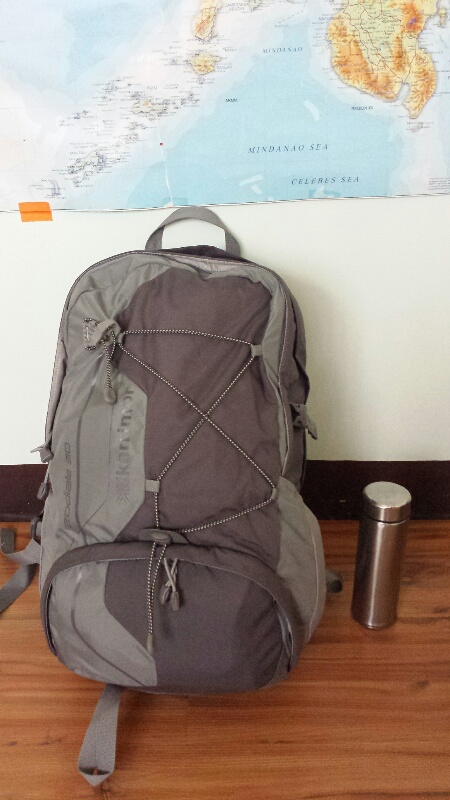
My pack is 5 kilos only for 5 days including my race gear and I don’t even have to use my allotted 30 kilos for check-in baggage. Though I’m very fond of my lightweight Highland duffel bag, this time I’ll be hopping on buses and trains of which I imagine that I may need to be hands-free most of the time, hence a backpack.  This is not Japan, in other words the conditions may not be as precise and predictable. And I’m not fond of wheel bags. It’s too cumbersome, there is no freedom of movement, and you need a bit more space around you which is not practical at times in public places. Aside from that, the concept itself is plain boring.  I believe that I must be fit and strong enough to carry my personal stuff for it is an indication that I can do more, travel far and be flexible enough for spontaneous decisions.

What I routinely do in my everyday life, I can afford to eliminate when traveling. If one’s reason for traveling is to have some diversion now and then, then one can do away with daily rituals and this varies from one person to the next. It may be all sorts of body creams and beauty regimen for some, fancy shoes and clothes, or electronic gadgets for others. Without these, then one may realize that it is easy to pack light after all. But if you absolutely cannot do away with creams and extra fancy clothes, then objectively, maybe that kind of traveling is not the same as what I have in mind. Or presumably, you are not that cute as you think you are.

Edible Winter Ornamental Plant

image

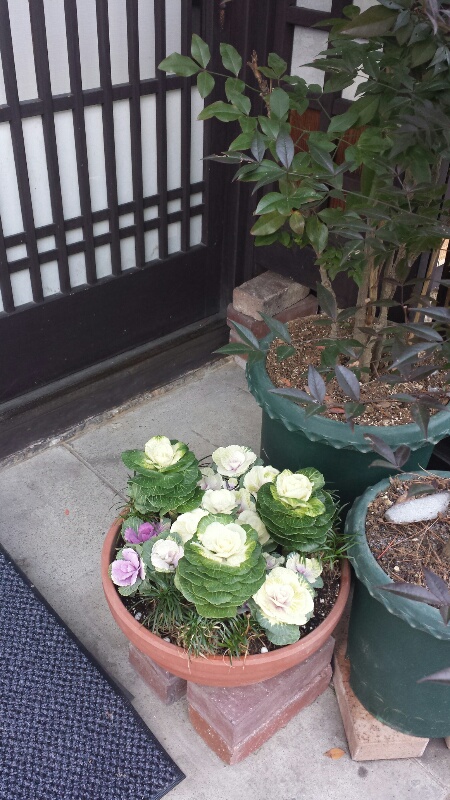
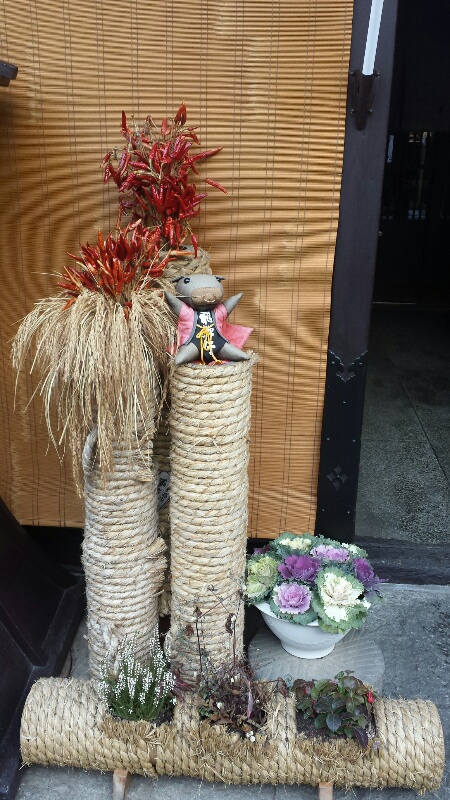
I have noted the presence of potted kale in various places in Japan this winter. From what I gather this vegetable is frost resistant and that is why it is pretty common at winter time though not for eating but for the beautification of their doorsteps.

image

New Year Ornaments in Japan

image

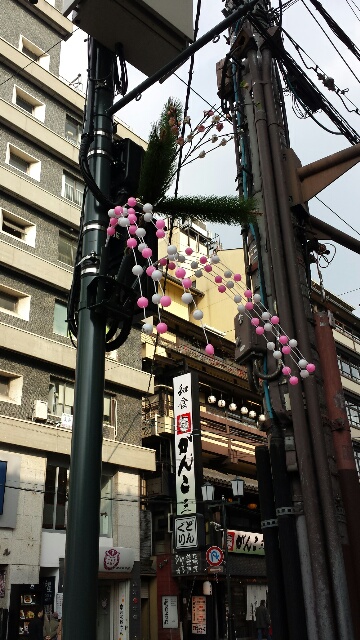
Kyoto street posts with pine branches and tiny pink round balls

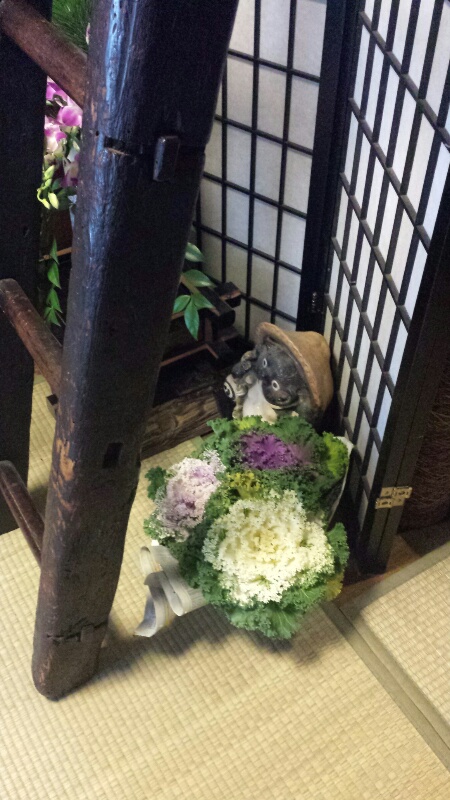
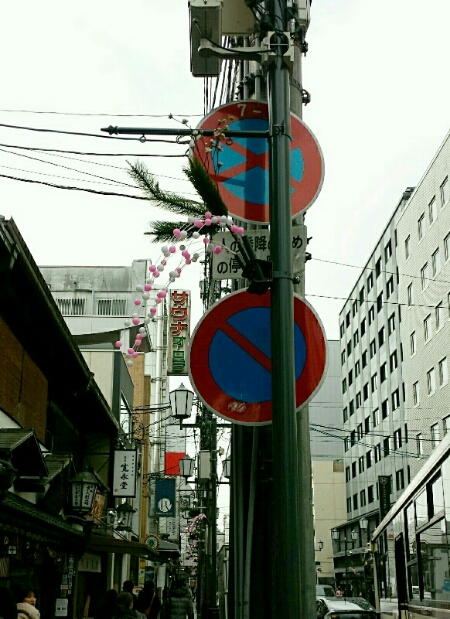
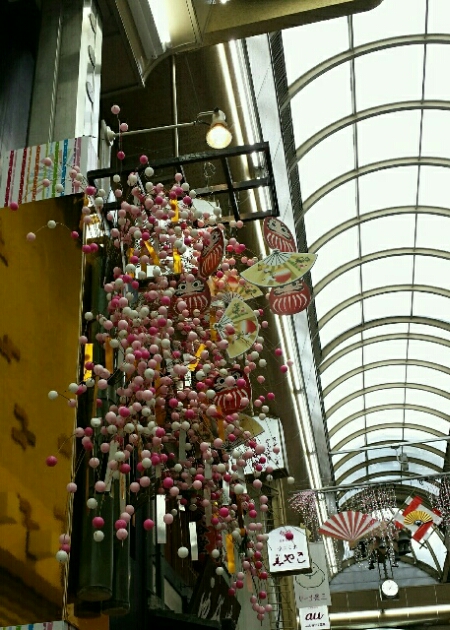
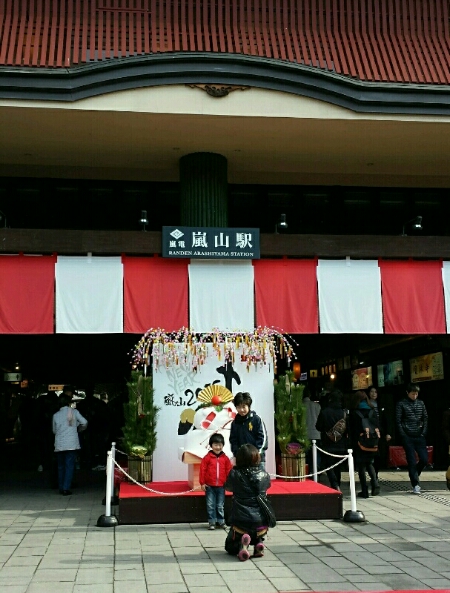
In the Philippines there is absence of New Year ornaments. We celebrate the event with fireworks, noisemakers, and food, including trays of round fruits on New Year’s Eve. But there are no traditional decorations unlike in Japan where in the days leading to this event, one can see ornaments like bamboo, rope, round pink balls, and pine branches. This was a curiosity to me that I took few snapshots of the ornaments.

image

image

More tiny pink round balls in this shopping street

image

New Year decoration at Randen Arashiyama streetcar station

image

Ropes as New Year ornament too

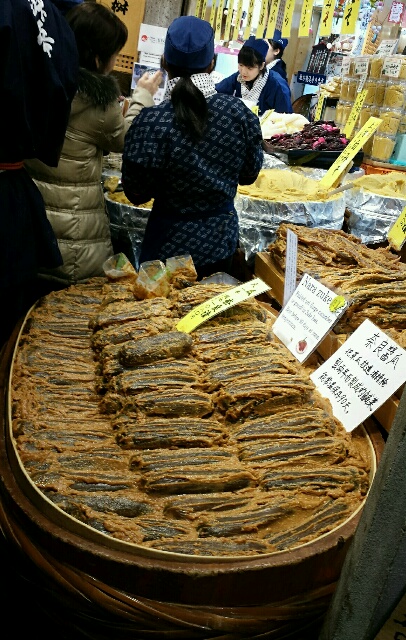
Narazuke

On Itinerary

image

In relation to the traveling I have done, often times I would get polite requests for itinerary.  Itinerary is non-existent in my realm. I do have an idea what kind of stuff I want to see, and what sort of place I want to immerse myself that my decisions were largely based on that. I think I do it on purpose to go on a trip unprepared, sort of. Without some extensive pre-journey notes afforded me with observations and discoveries entirely my own. Several people may tread the same path, may perceive things the same way, may do things the same way, but I may see things differently if my mind is independent.

image

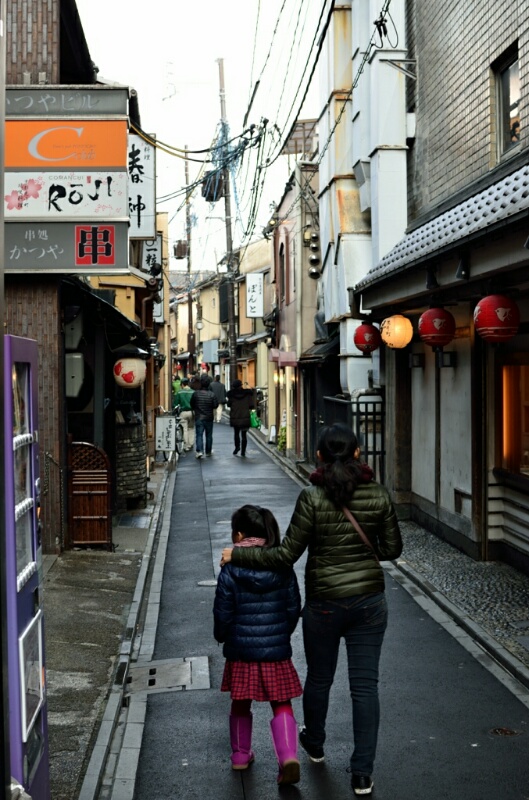
Walking about for some Kyoto enlightenment

Moreover, without itinerary there is no timetable to follow as this is something that I truly have an aversion to. Something repulsive as: 5 AM: Wake-up call; 7 AM: Hotel breakfast; 8:30 AM: Temple hopping; 10 AM: Off to this museum ; 12 PM: Lunch at resto X; 2 PM: Photo-ops at this tourist spot; 4 PM: Souvenir shopping; 6-8 PM: Free time; 8 PM: Dinner at resto Y.

Spontaneous decision on what to do and where to go is more fun. And when time is not micromanaged, ideas flow freely. Learning becomes more profound when you check out certain curiosities and make discoveries in an unhurried mood, thus making your trip an exceptional one.

Kyoto and its Yellow Garbage Bags

image

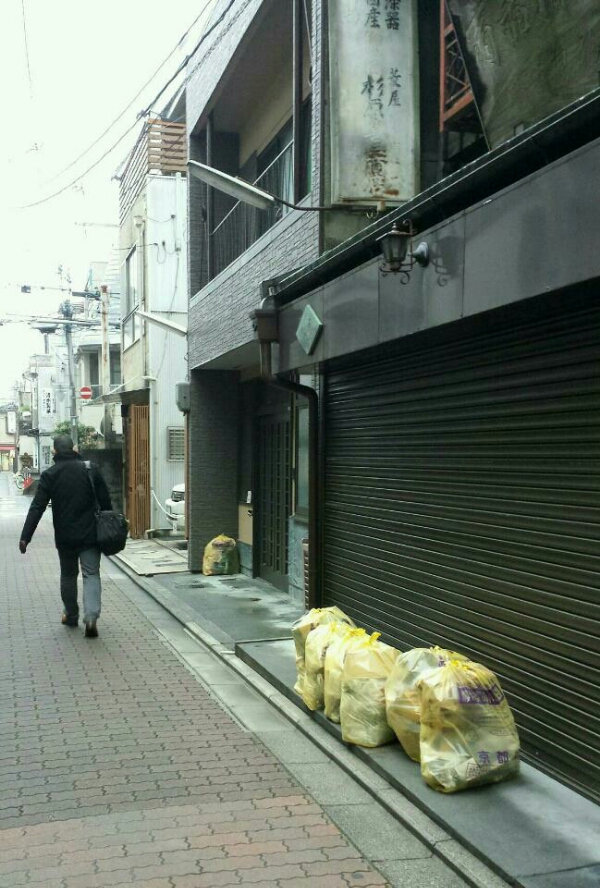
About 8:00 in the morning of Dec 29, 2014, in the course of the long walk towards the streetcar station, I saw several garbage bags in front of homes and in designated pickup spots. Obviously, that day was the assigned day for collecting yellow garbage bags.

image

As noted, each bag was neatly tied. Apparently, yellow bag must only contain burnable trash (e.g. kitchen trash and paper trash). Garbage not placed inside the official yellow colored plastic bags will not be collected on the scheduled yellow garbage bag collection day.

image

Several days after in another place, I saw colorless transparent garbage bags with all sorts of bottles – presumably, another category of garbage. With this, I must say that Kyoto’s color-coded garbage collection system is such a neat idea.

image

Very neat like in a queue

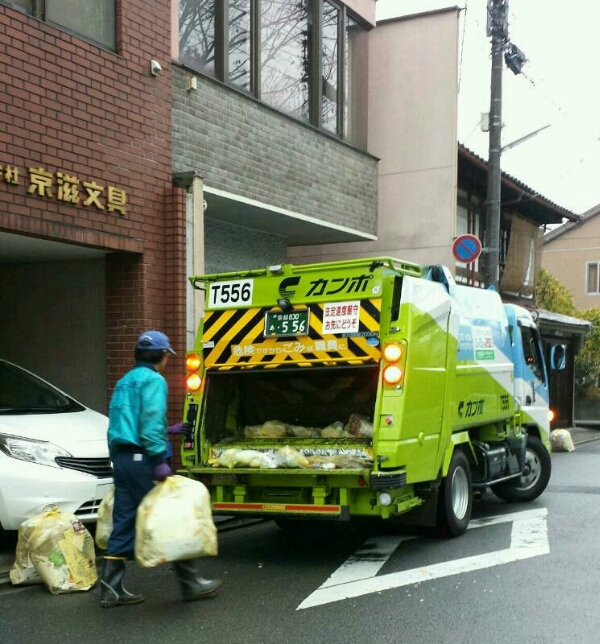
image

May look like a small dump truck but it has the ability to crush garbage bags thereby making it compact

Footwear as Rope Floater

image

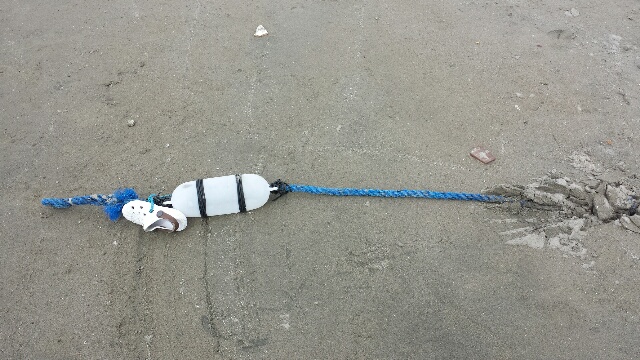
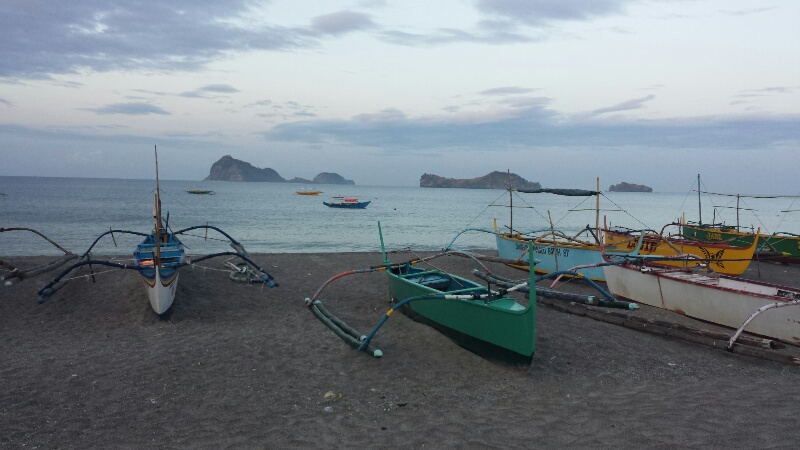
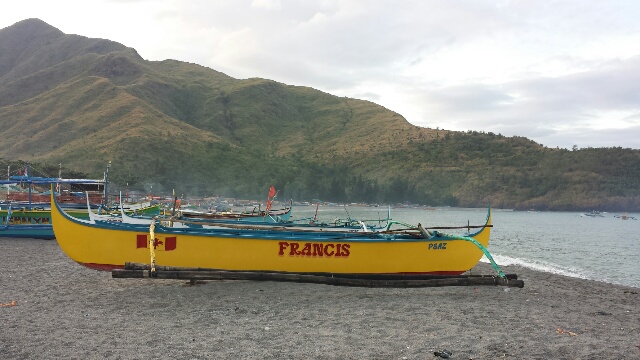
This rope is used to secure small bancas (like those in the photograph below) by the beach. When the tide comes in, the rope remained visible owing to the attached floaters such as the ala Crocs footwear.

image

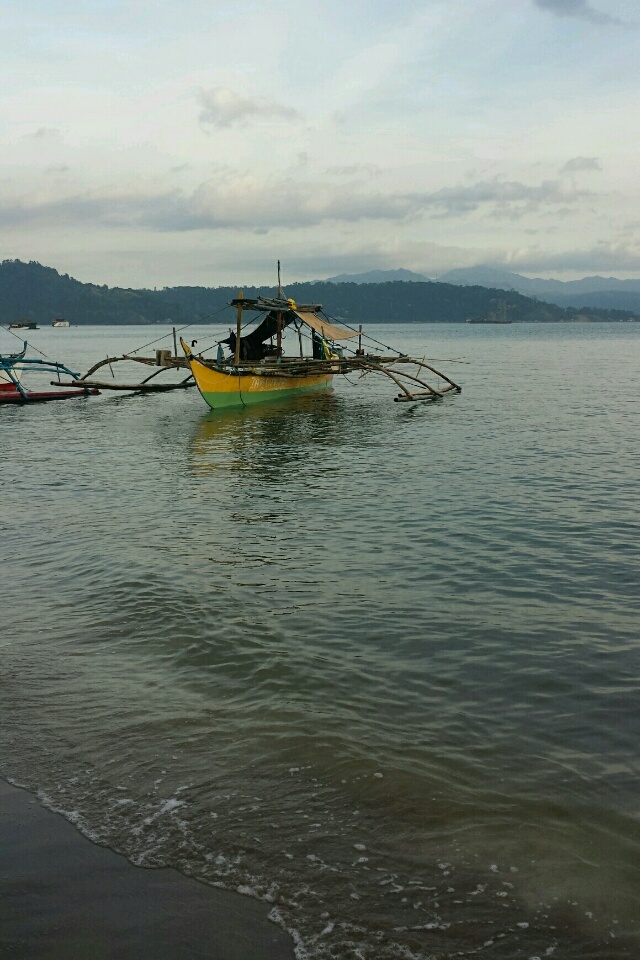
Small bancas

Of Santo Papa and Banca

image

Walking by the shore of Pundaquit days ago, I saw this banca while the Santo Papa was in Manila. So I thought about the pope and nothing else

I imagine that one day the Santo Papa might ride a banca to visit the fisher folks like how I often visualize Jesus Christ – mingling among the fishermen including Simon. Simon later on became Peter the Apostle, the first pope in history.  So perhaps the banca is better suited as popemobile, at least symbolically.

Plying Subic Bay for Seashell Shoppers

image

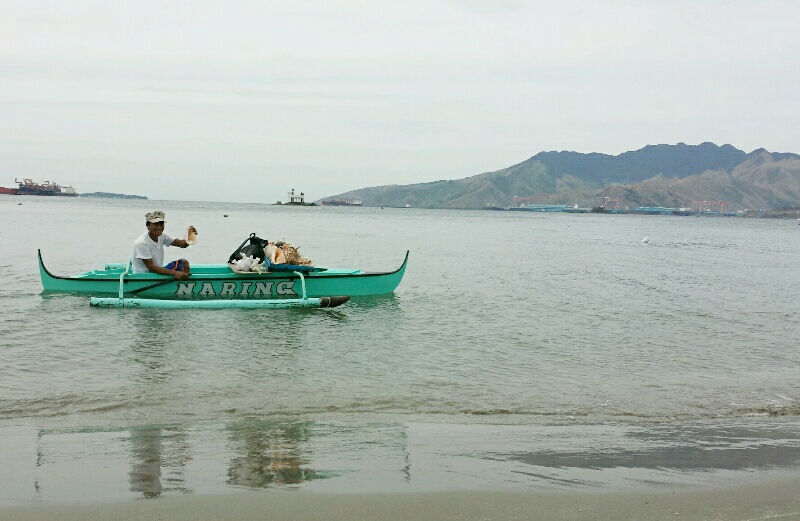
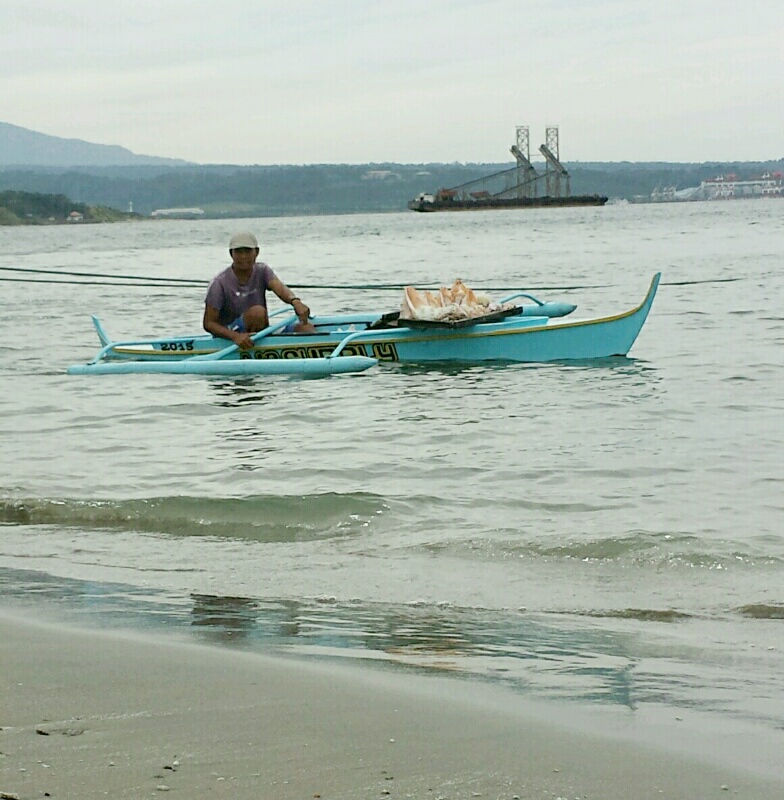
As much as I want to buy from them for their livelihood sake and for those pretty conches, I can’t bring myself to do that. It may encourage this kind of damaging trade.

image

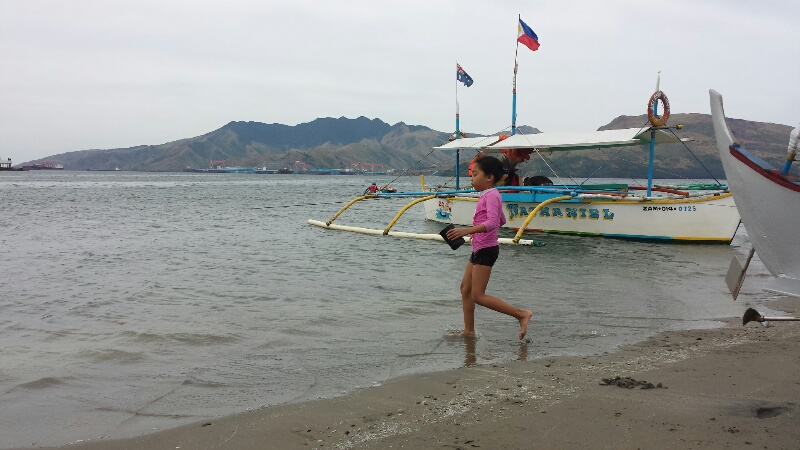
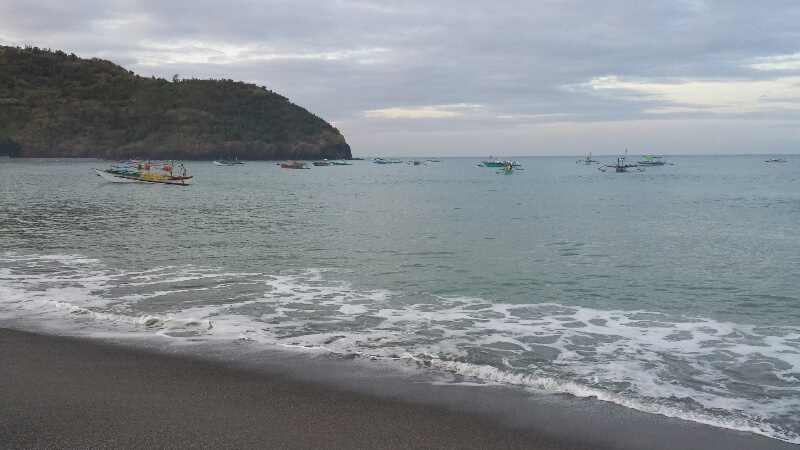
Zambales Waters

Traveling Beach Salesmen

image

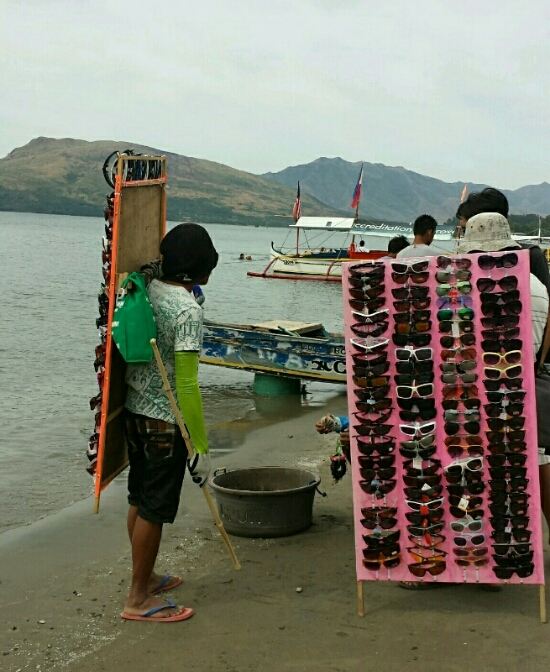
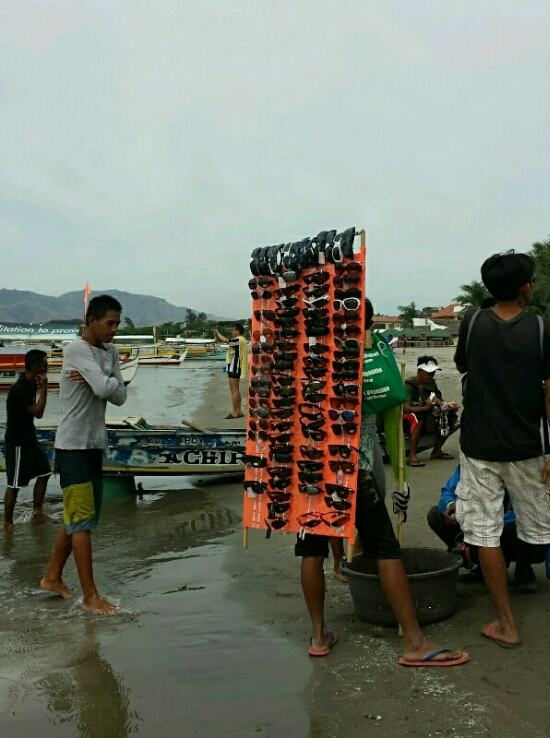
Sunglasses for sale are displayed on a wooden panel and carried around by vendors. Notably I haven’t seen at least one successful sale transaction so far.

image

Snow Related Warning

Ainokura Village

Ainokura is one among the three villages with gassho-style houses that was inscribed on the World Heritage List (two others are Shirakawa-go and Suganuma ).

image

Ainokura is home to about 80 residents who are working together to preserve their priceless cultural properties. This village and the gassho-style inn where I stayed has now become my most favorite place outside Philippines.

image

Map given to visitors


image

Ainokura has 20 gassho-style houses


image

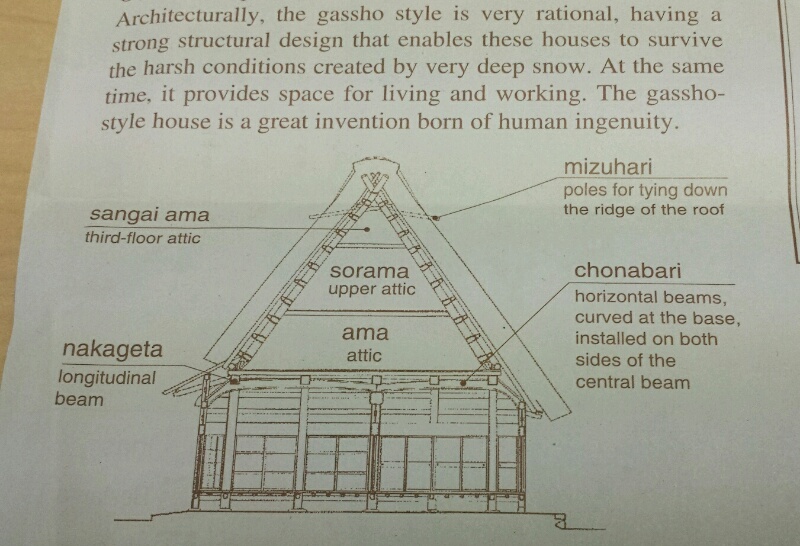
Illustration of a gassho-style architecture


image


image

The inn. I’d rather stay a night here than a thousand nights at The Peninsula Tokyo


image

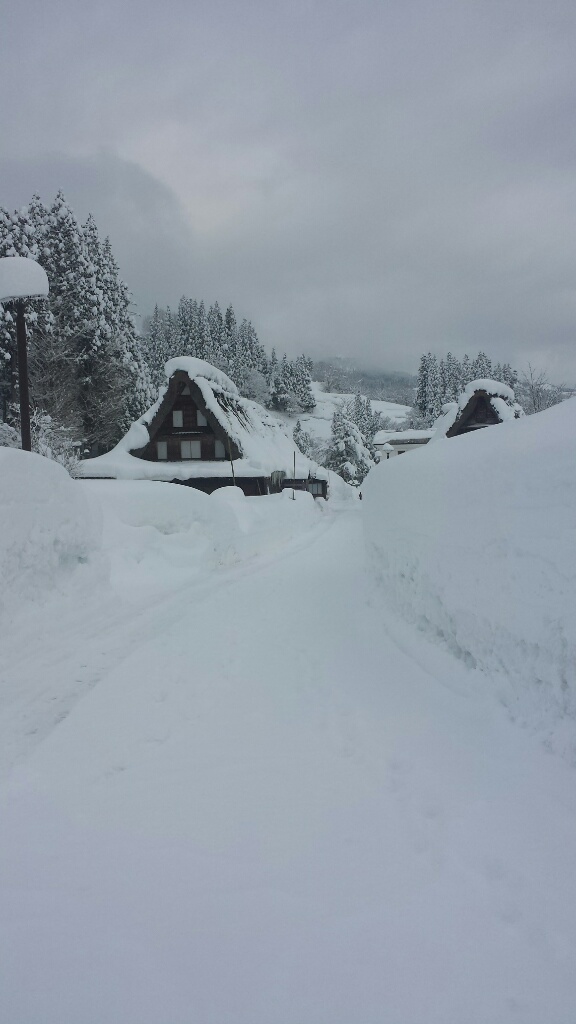
The walk to the bus stop on a snow covered road on the day I left the inn

image

Ainokura bus stop

image

Bus schedule

image

Signage on the highway as seen from the bus stop


Kyoto Bird Control

Old World Monkeys at Mount Arashiyama

image

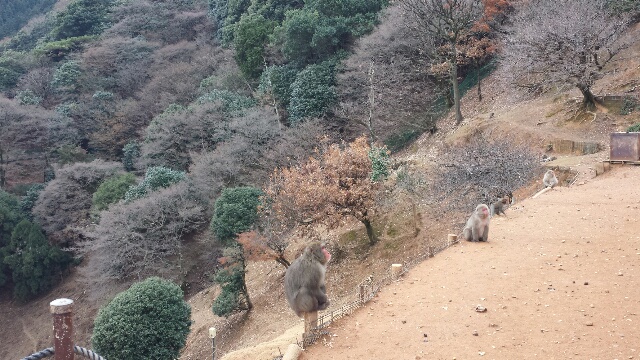
Almost at the summit of Mt Arashiyama

Mount Arashiyama in Kyoto is one such location for seeing Japanese macaques. Referred to as the monkey park, this place is a great way for fellow primates to bond (humans and non-humans).

image

Macaques roam freely while the humans are caged

These red-faced old world monkeys that reminded me of Borneo’s Proboscis monkeys are native to Japan, hence my interest in visiting them. The walk up the mountain at winter, though chilly, is generally a short and pleasant hike as long as you’re fit.

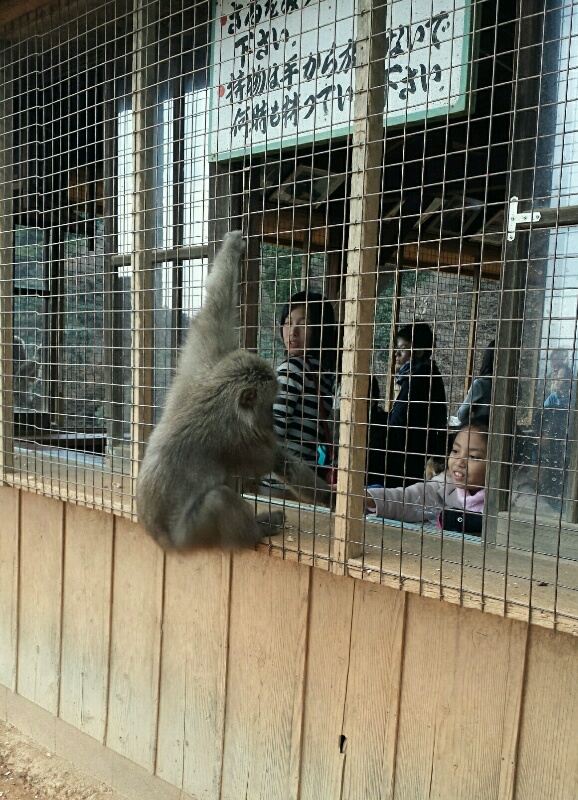
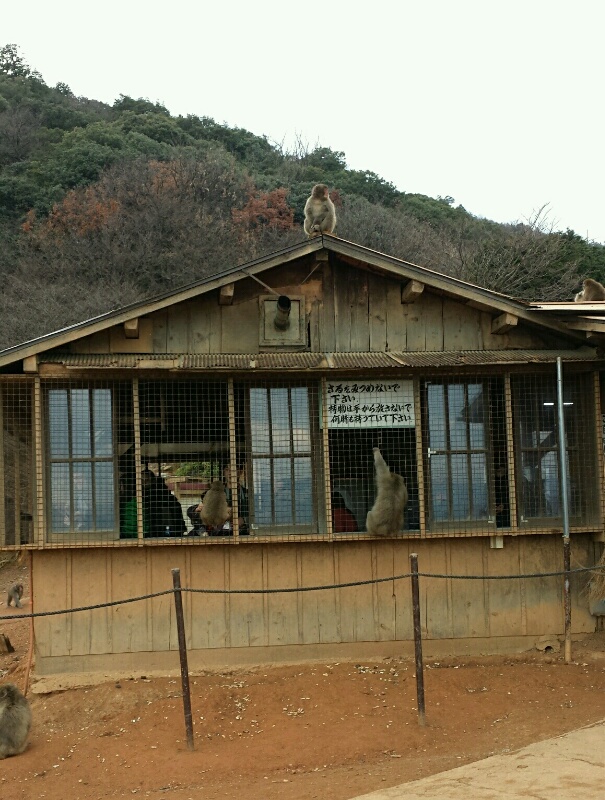
image

Caged cabin for human primates to rest, warm themselves or feed the non-human primates

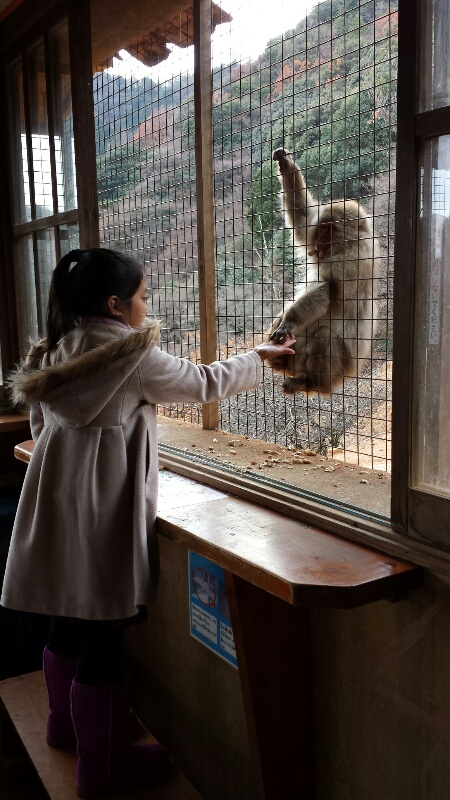
Interacting with the macaques can be brought to an intimate level wherein visitors are allowed to feed them by hand, provided that you are inside the cabin. The idea is that the macaques can roam freely while the humans are caged.

image

The proper way to feed by hand is to put food in one's palm for the monkey to reach out for it

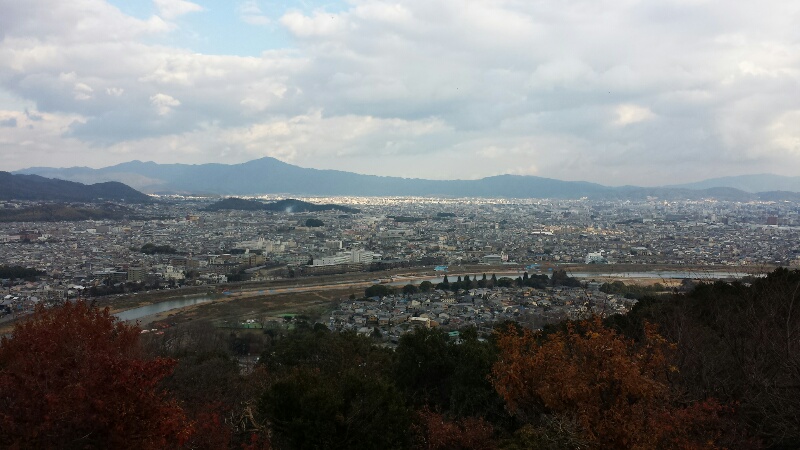
Other than meeting these relatively good looking fellows, the top view of Kyoto City from here which is as tall as the Kyoto Tower is my kind of high altitude sightseeing, that is, hiking up in a natural setting rather than riding up an elevator towards the roof of a skyscraper, or steel tower. Generally, no matter how grand those steel towers or glass skyscrapers are, and no matter where they are, I feel nothing for them. No fresh air, vegetation, earth, exercise and sometimes red-faced primates.

image

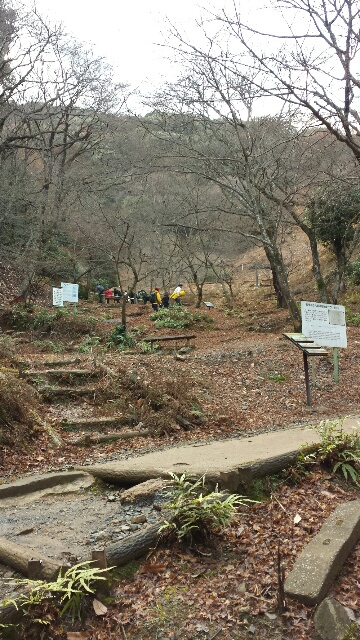
Path on the way up to the monkey park

image

View of Kyoto at Mt Arashiyama

image

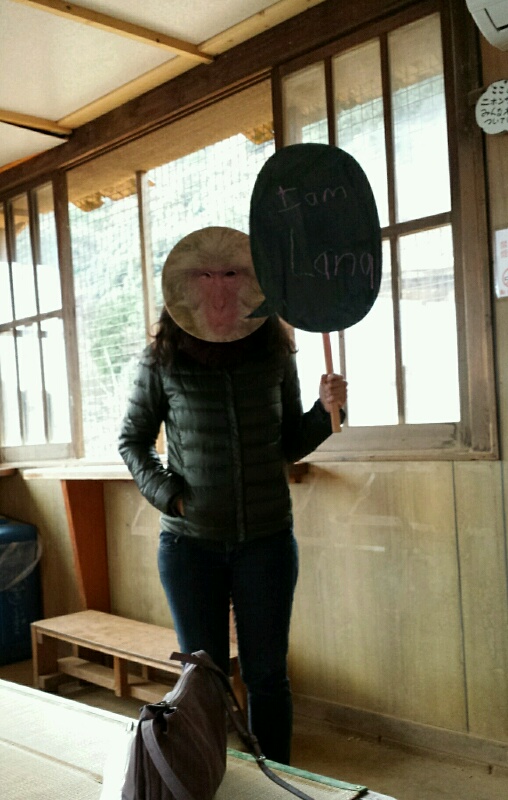
My daughter wrote those and insisted I do this

Of Japan’s Winter and Kerosene Heater

image

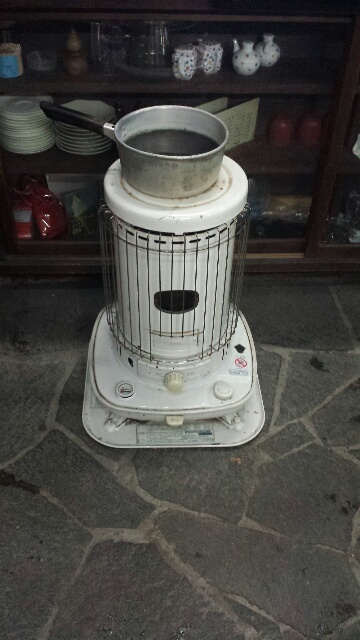
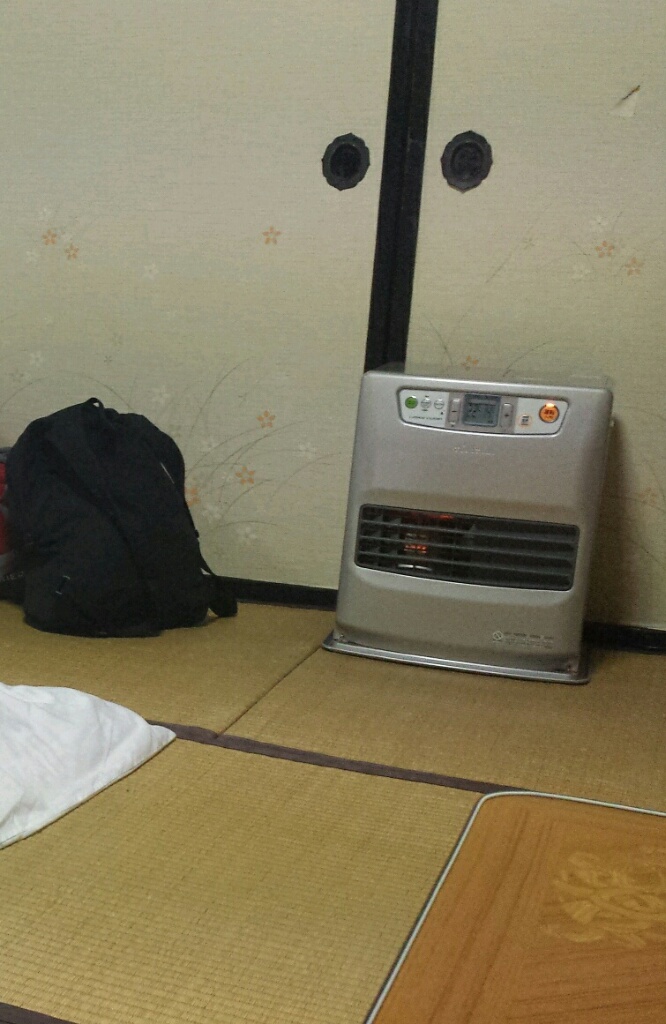
To maximize the heat at the top, use it to warm some water

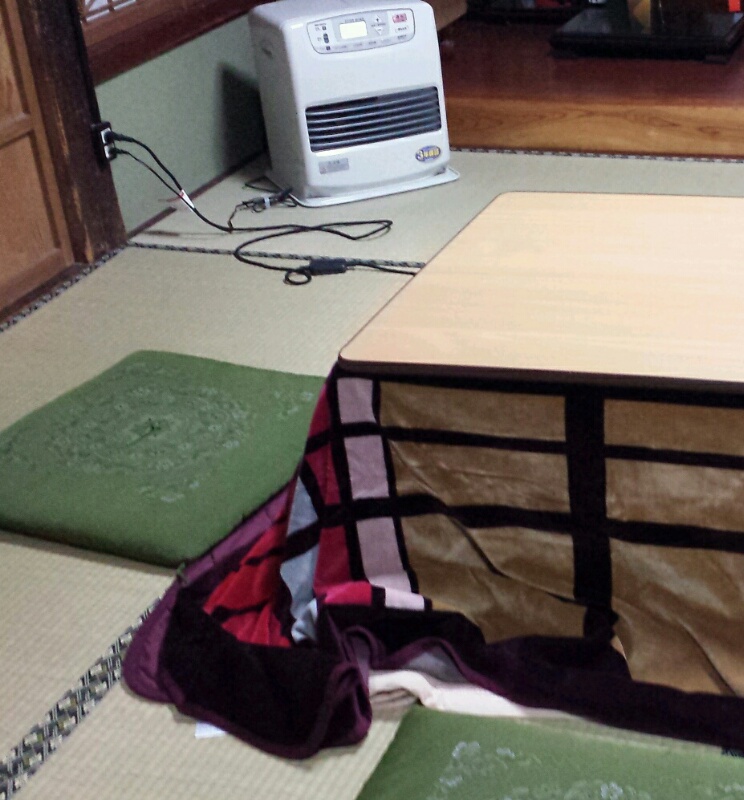
Kerosene heater is the most endearing winter necessity in Japan. It’s a pretty common space heating device in homes and shops other than the kotatsu.

image

Most common kerosene heater design

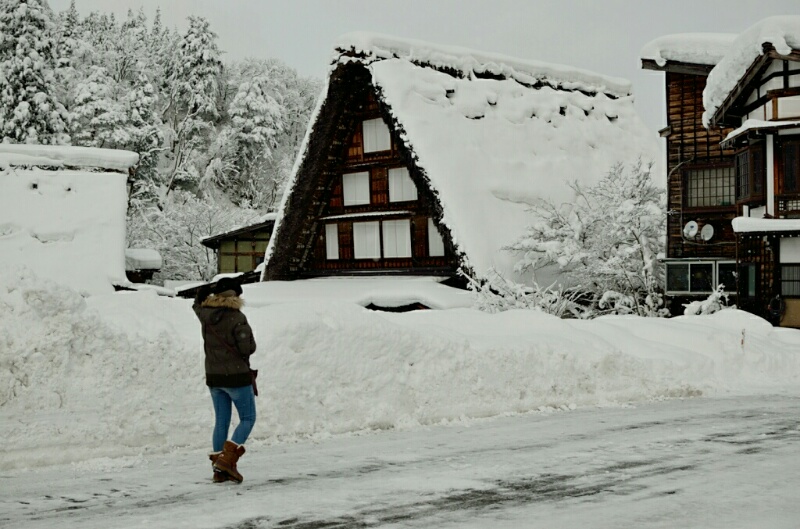
Throughout my temple stay in Hida-Takayama and mountain village stay in Gokayama in Japan Alps, multiple kerosene heaters are the primary source of heat indoors where outside temperature ranges from -1°C to -7°C.

image

Kerosene heater + kotatsu = Japan winter survival

Winter Walk in Hida-Takayama

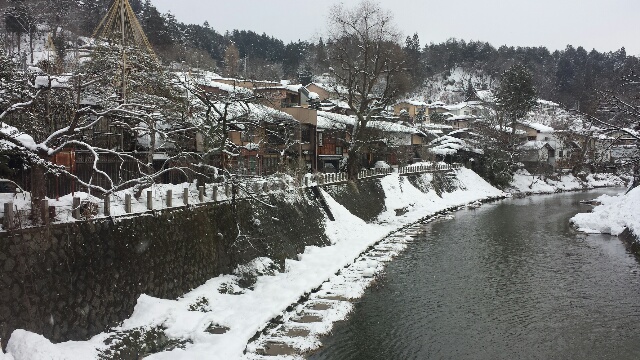
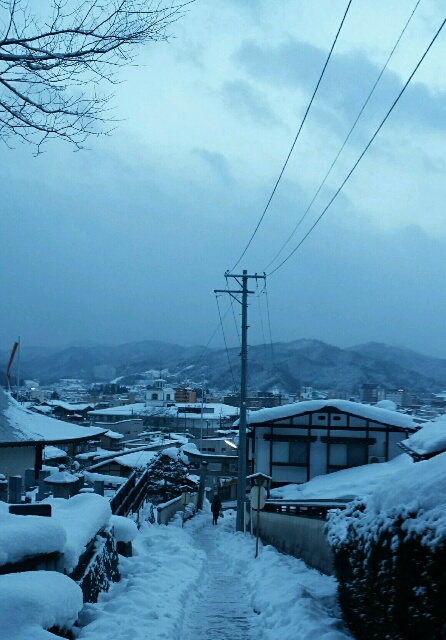
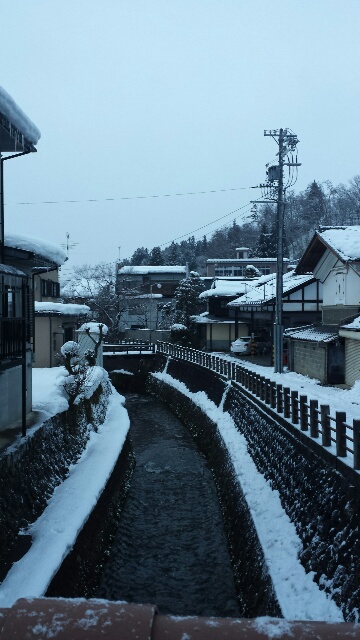
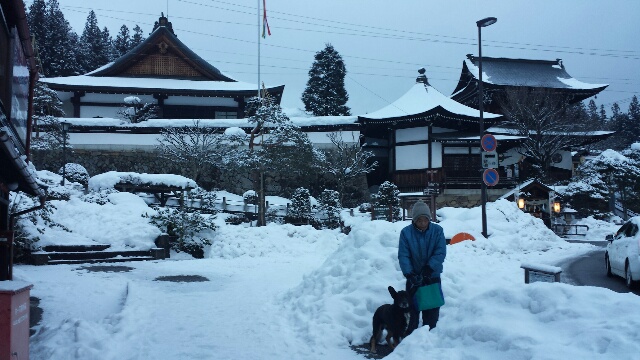
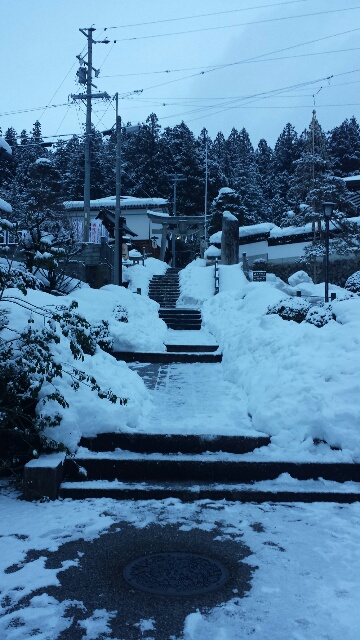
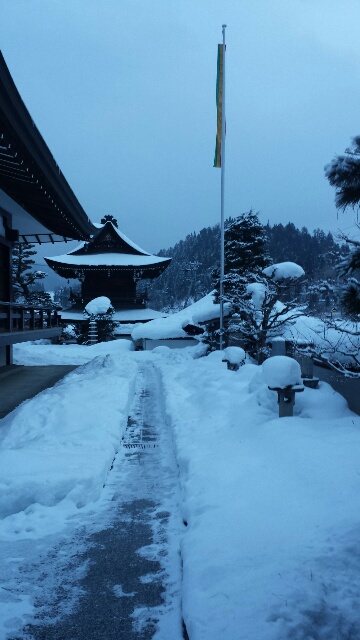
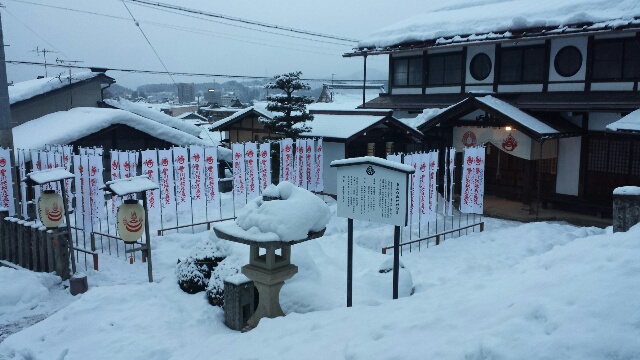
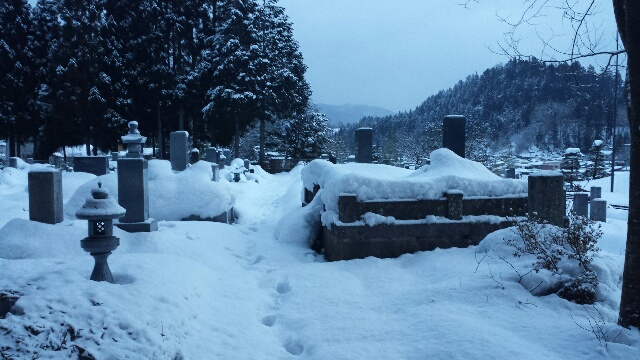
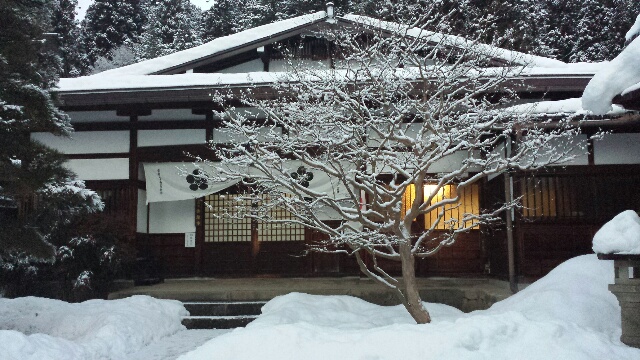
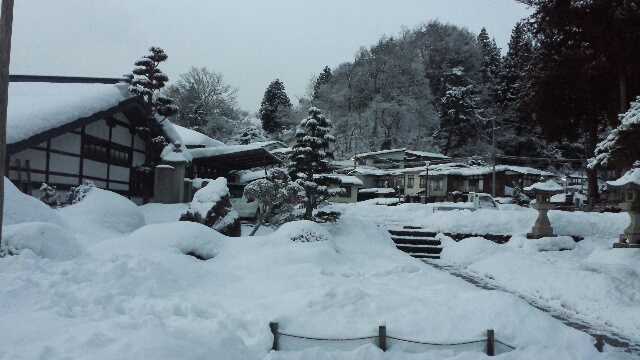
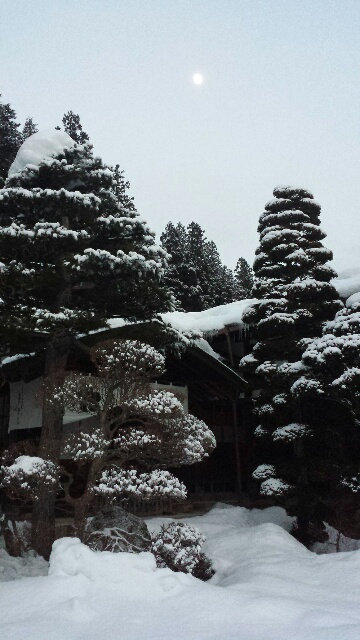
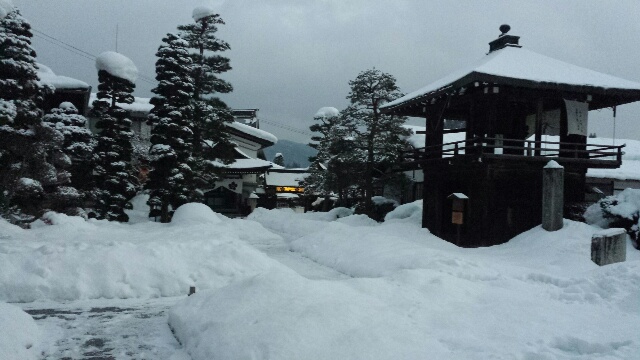
Some aimless unhurried walking late in the afternoon on the first day of calendar year 2015 in Hida-Takayama, a traditional city in Japan Alps.

image

image

image

image

image

image

image

image

Graveyard

image

image

image

image

image

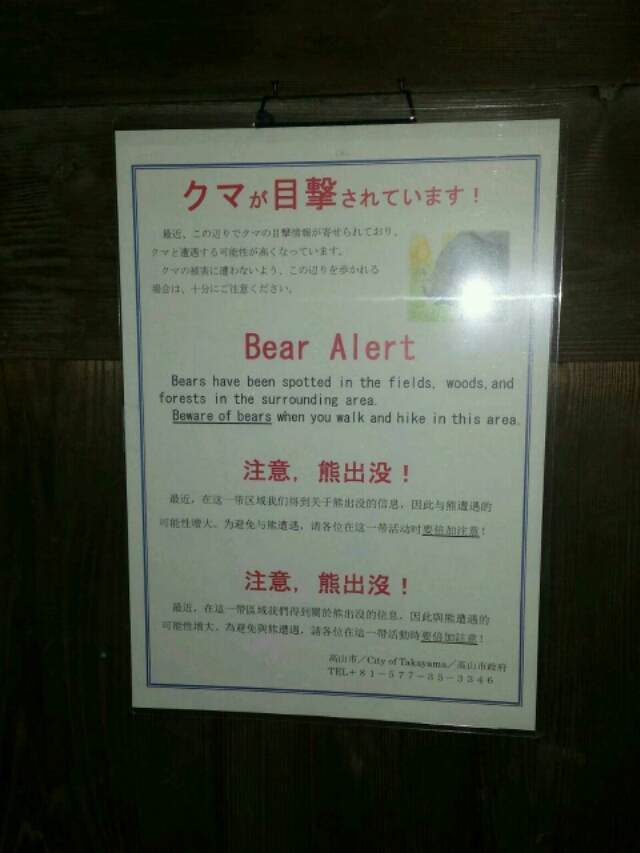
I appreciate the English translation