Category Archives: Japan

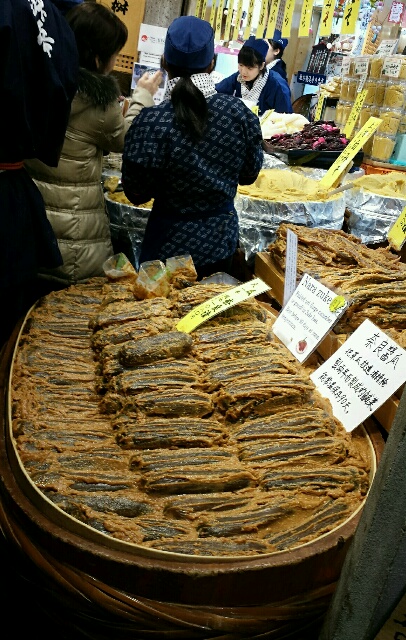
Narazuke

Kyoto and its Yellow Garbage Bags

image

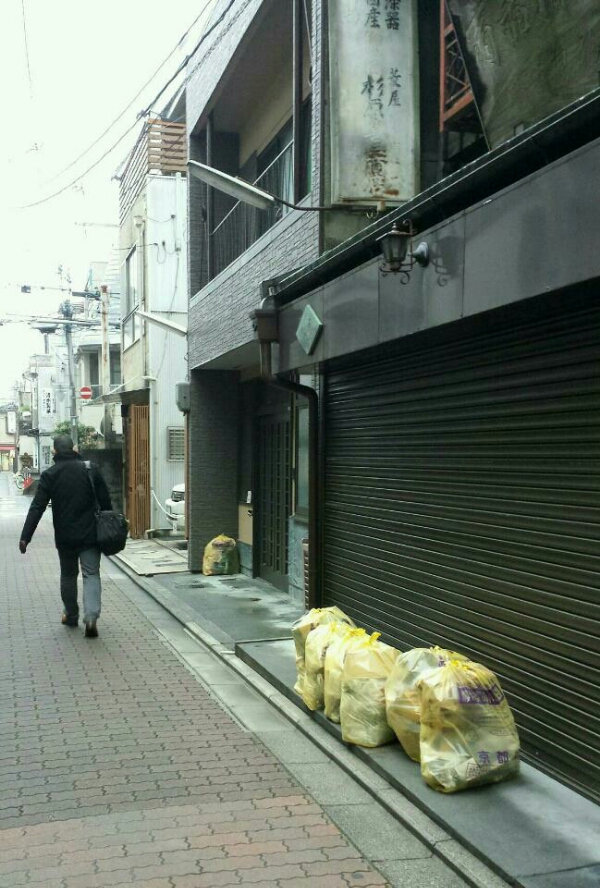
About 8:00 in the morning of Dec 29, 2014, in the course of the long walk towards the streetcar station, I saw several garbage bags in front of homes and in designated pickup spots. Obviously, that day was the assigned day for collecting yellow garbage bags.

image

As noted, each bag was neatly tied. Apparently, yellow bag must only contain burnable trash (e.g. kitchen trash and paper trash). Garbage not placed inside the official yellow colored plastic bags will not be collected on the scheduled yellow garbage bag collection day.

image

Several days after in another place, I saw colorless transparent garbage bags with all sorts of bottles – presumably, another category of garbage. With this, I must say that Kyoto’s color-coded garbage collection system is such a neat idea.

image

Very neat like in a queue

image

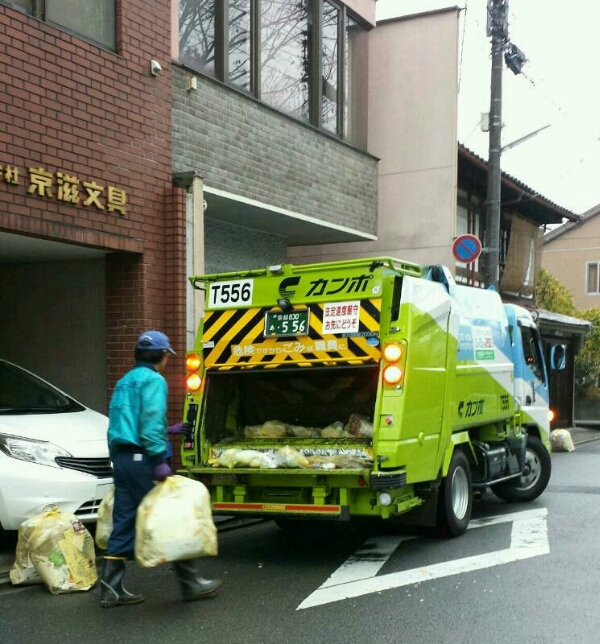
May look like a small dump truck but it has the ability to crush garbage bags thereby making it compact

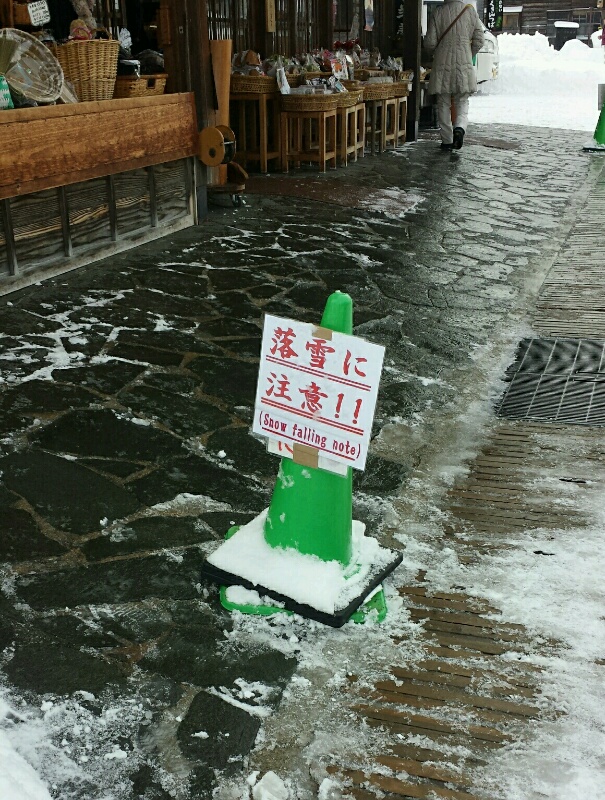
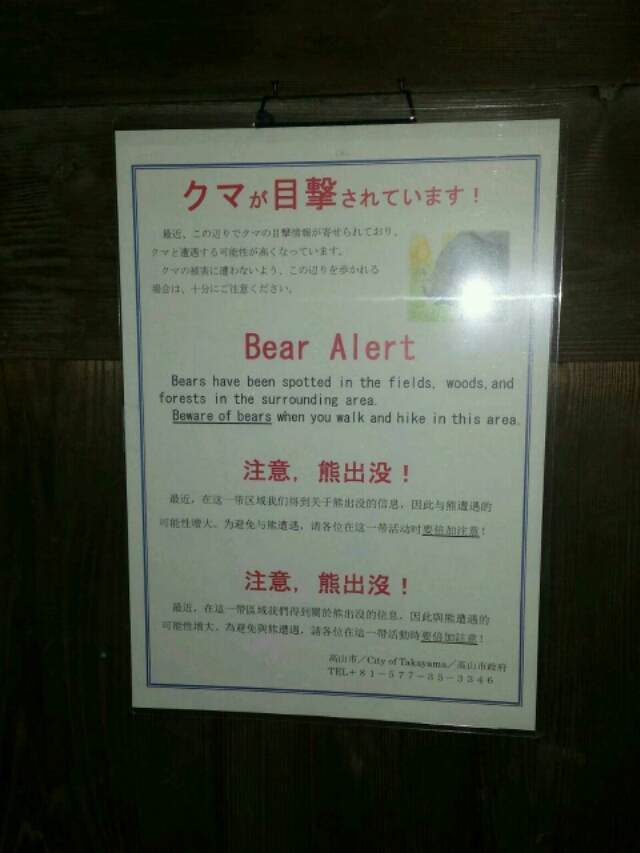
Snow Related Warning

Ainokura Village

Ainokura is one among the three villages with gassho-style houses that was inscribed on the World Heritage List (two others are Shirakawa-go and Suganuma ).

image

Ainokura is home to about 80 residents who are working together to preserve their priceless cultural properties. This village and the gassho-style inn where I stayed has now become my most favorite place outside Philippines.

image

Map given to visitors


image

Ainokura has 20 gassho-style houses


image

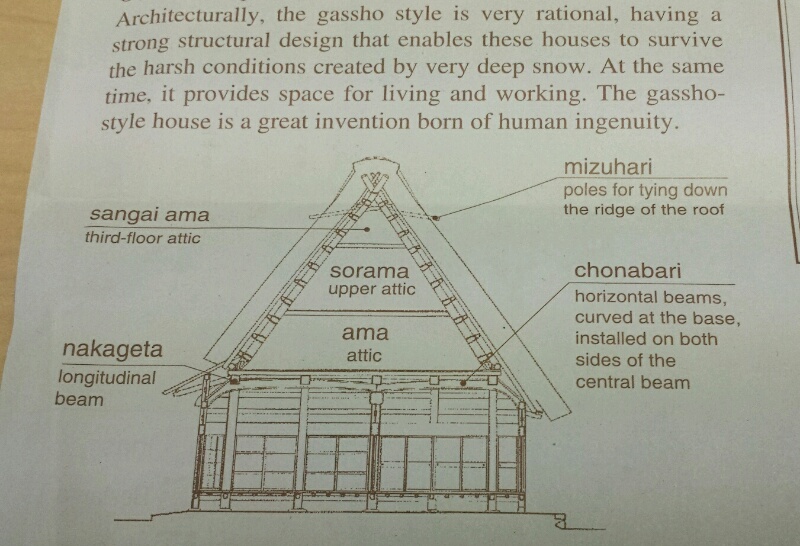
Illustration of a gassho-style architecture


image


image

The inn. I’d rather stay a night here than a thousand nights at The Peninsula Tokyo


image

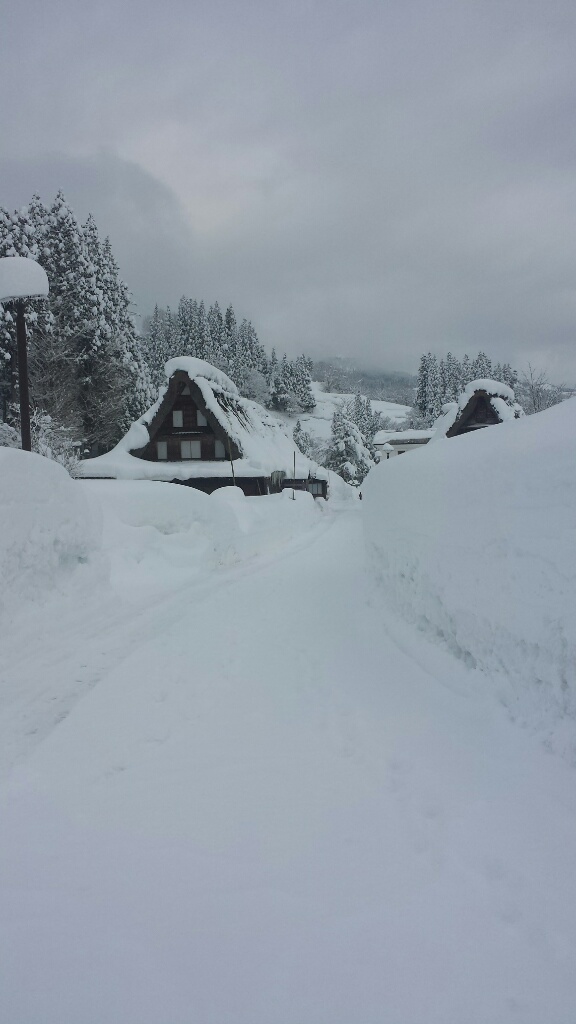
The walk to the bus stop on a snow covered road on the day I left the inn

image

Ainokura bus stop

image

Bus schedule

image

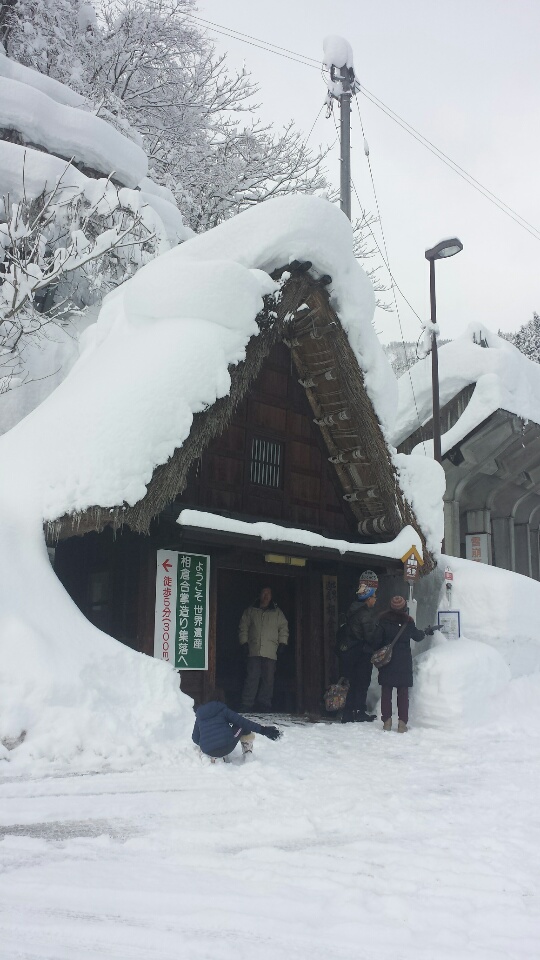
Signage on the highway as seen from the bus stop


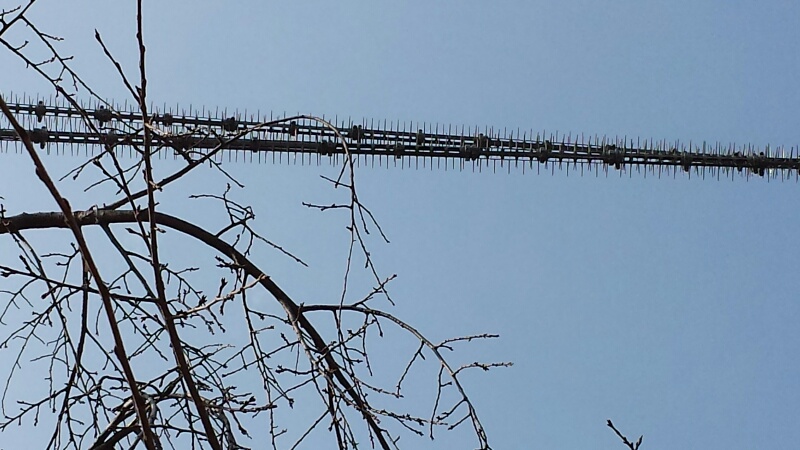
Kyoto Bird Control

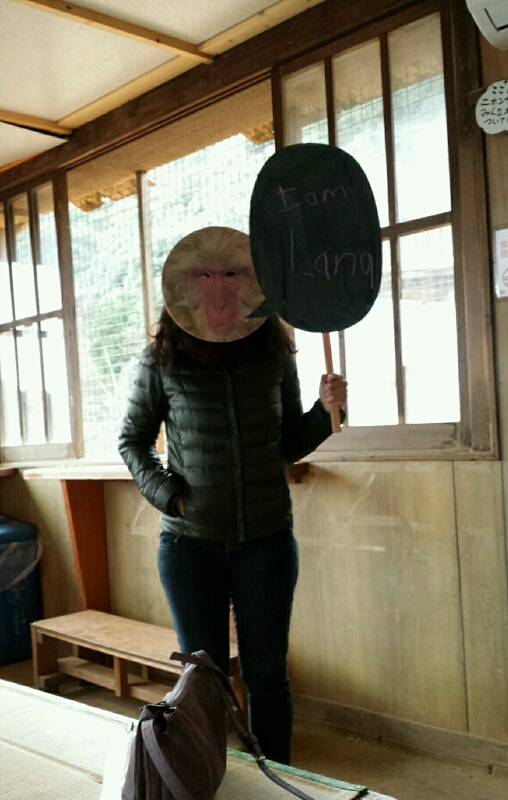
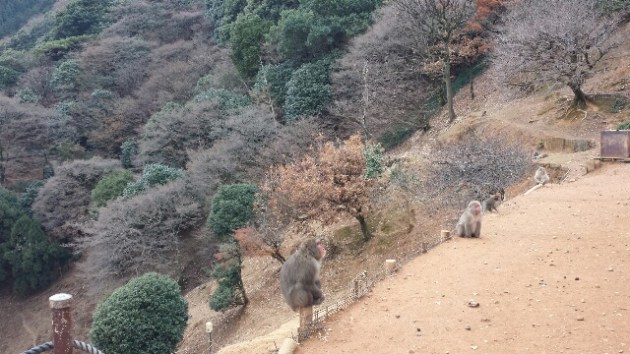
Old World Monkeys at Mount Arashiyama

image

Almost at the summit of Mt Arashiyama

Mount Arashiyama in Kyoto is one such location for seeing Japanese macaques. Referred to as the monkey park, this place is a great way for fellow primates to bond (humans and non-humans).
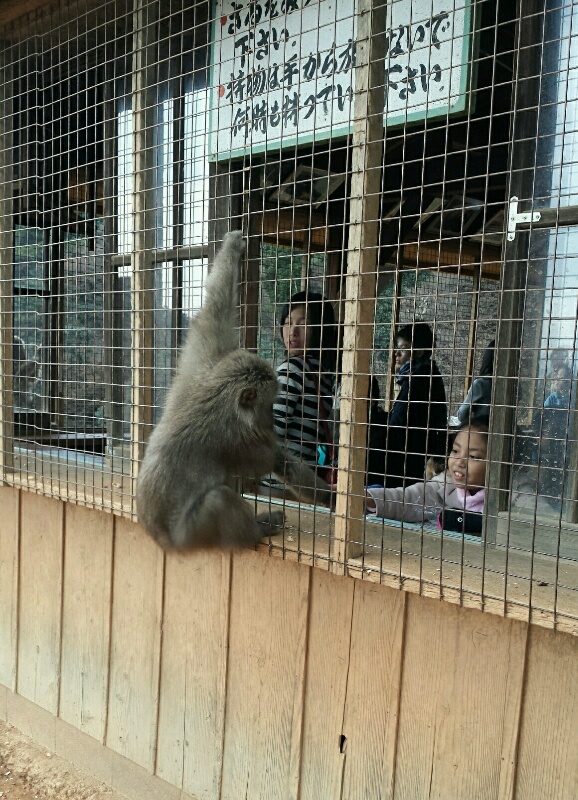
image

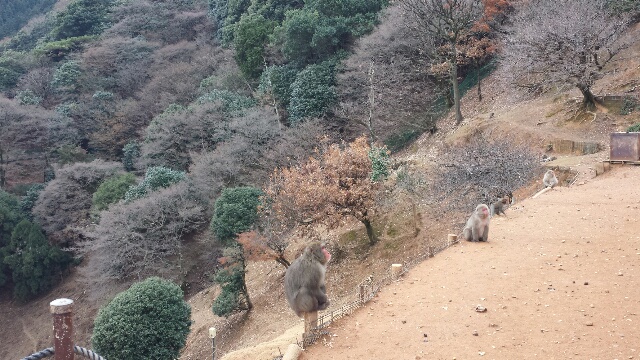
Macaques roam freely while the humans are caged

These red-faced old world monkeys that reminded me of Borneo’s Proboscis monkeys are native to Japan, hence my interest in visiting them. The walk up the mountain at winter, though chilly, is generally a short and pleasant hike as long as you’re fit.
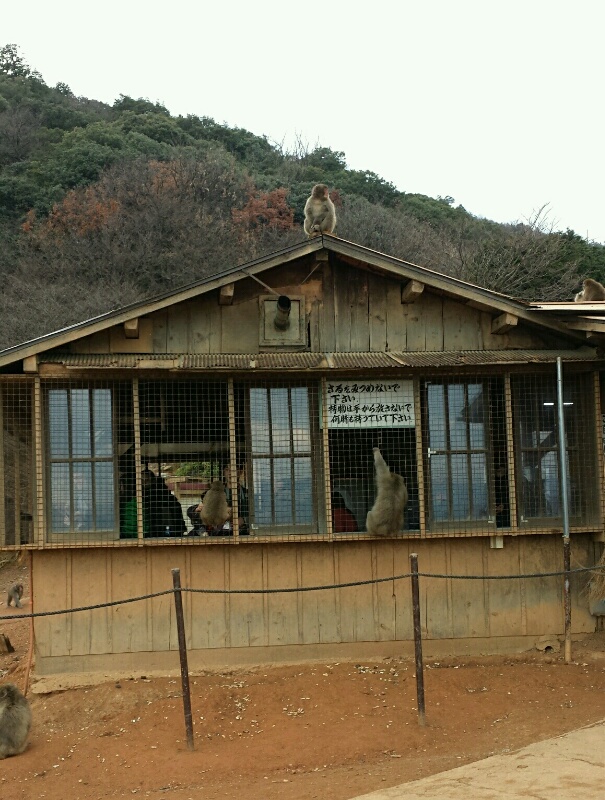
image

Caged cabin for human primates to rest, warm themselves or feed the non-human primates

Interacting with the macaques can be brought to an intimate level wherein visitors are allowed to feed them by hand, provided that you are inside the cabin. The idea is that the macaques can roam freely while the humans are caged.
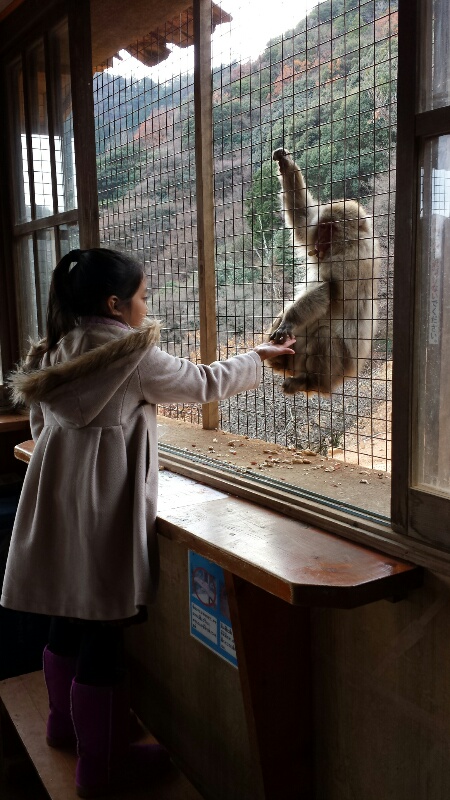
image

The proper way to feed by hand is to put food in one's palm for the monkey to reach out for it

Other than meeting these relatively good looking fellows, the top view of Kyoto City from here which is as tall as the Kyoto Tower is my kind of high altitude sightseeing, that is, hiking up in a natural setting rather than riding up an elevator towards the roof of a skyscraper, or steel tower. Generally, no matter how grand those steel towers or glass skyscrapers are, and no matter where they are, I feel nothing for them. No fresh air, vegetation, earth, exercise and sometimes red-faced primates.
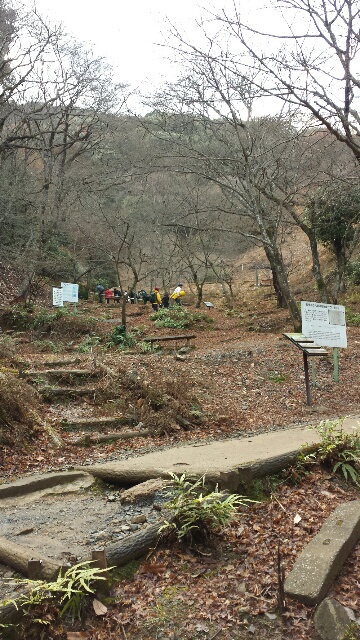
image

Path on the way up to the monkey park
image

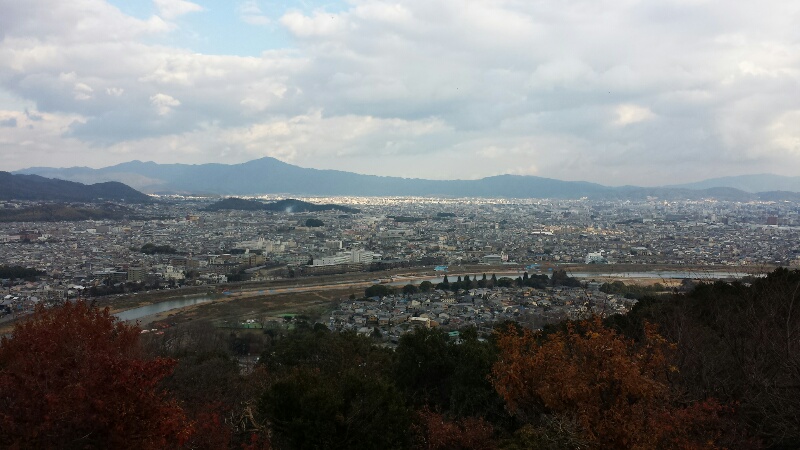
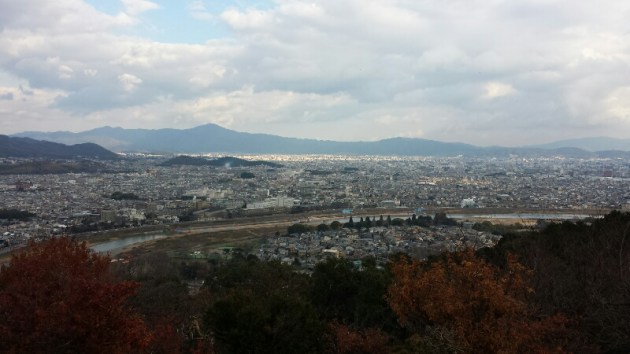
View of Kyoto at Mt Arashiyama

image

My daughter wrote those and insisted I do this
Of Japan’s Winter and Kerosene Heater

image

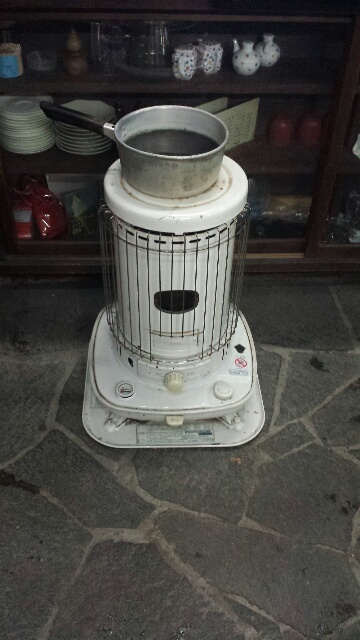
To maximize the heat at the top, use it to warm some water

Kerosene heater is the most endearing winter necessity in Japan. It’s a pretty common space heating device in homes and shops other than the kotatsu.

image

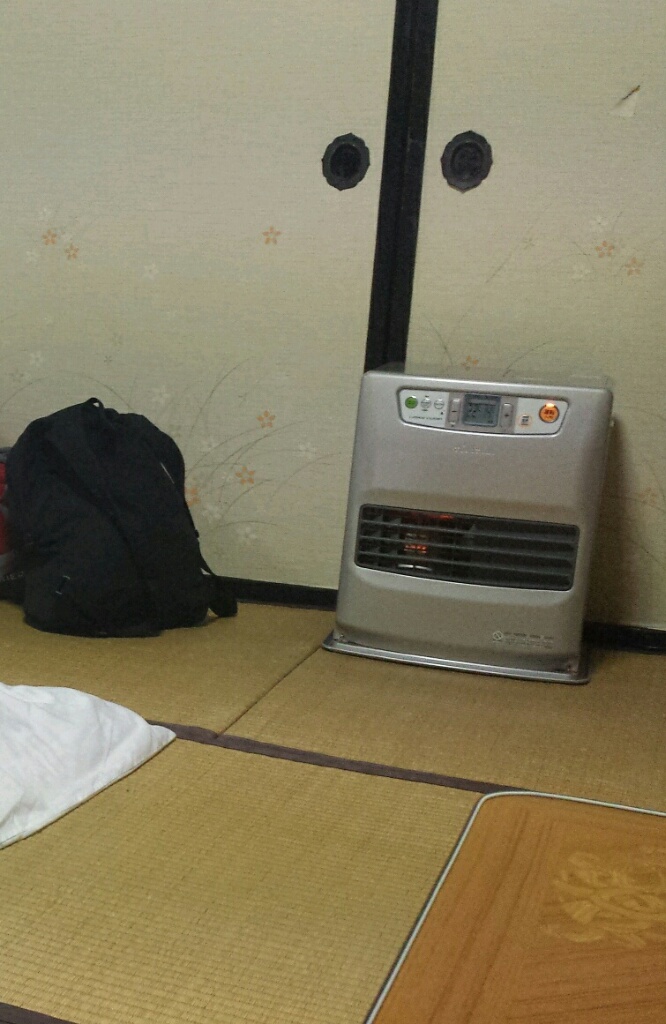
Most common kerosene heater design

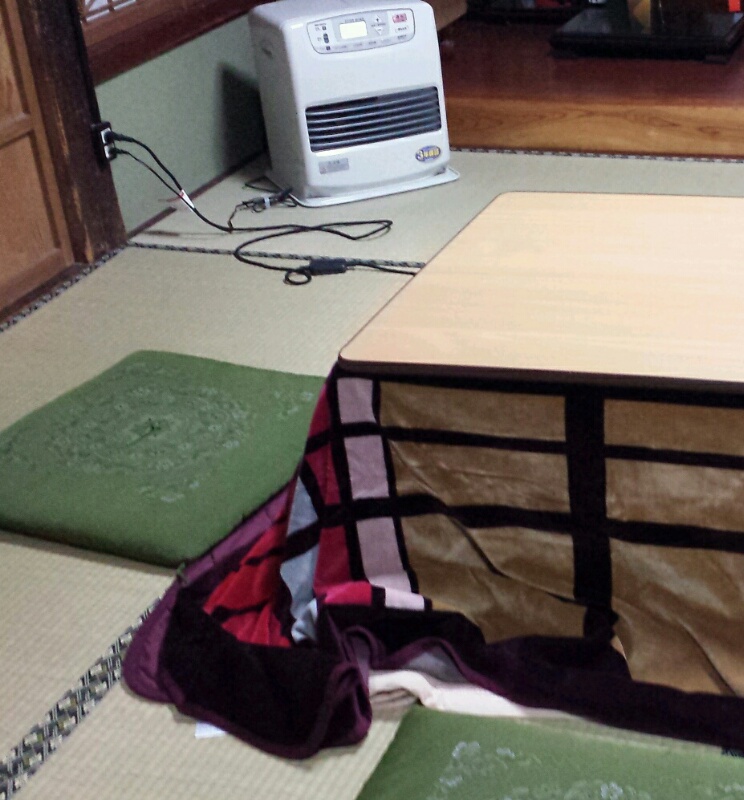
Throughout my temple stay in Hida-Takayama and mountain village stay in Gokayama in Japan Alps, multiple kerosene heaters are the primary source of heat indoors where outside temperature ranges from -1°C to -7°C.

image

Kerosene heater + kotatsu = Japan winter survival

Winter Walk in Hida-Takayama

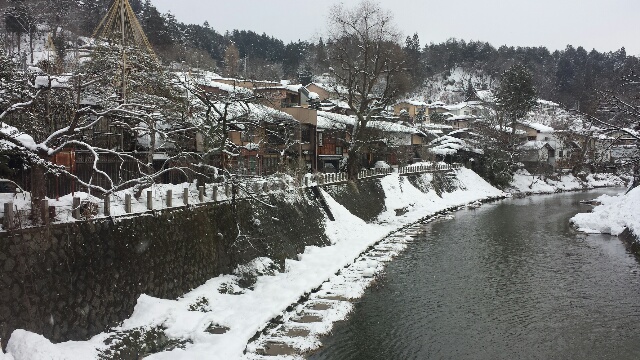
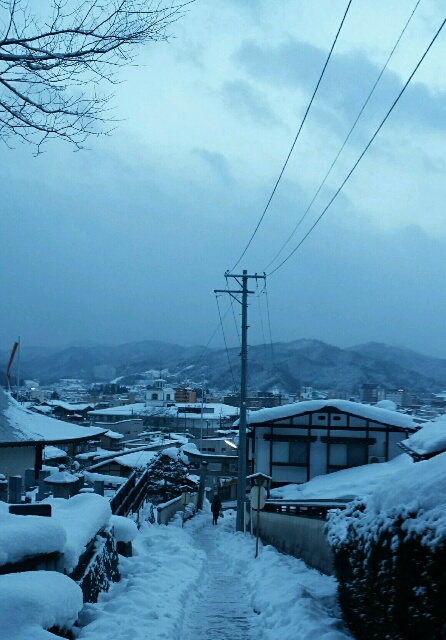
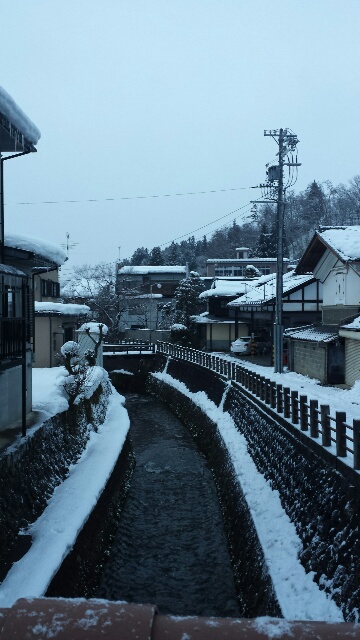
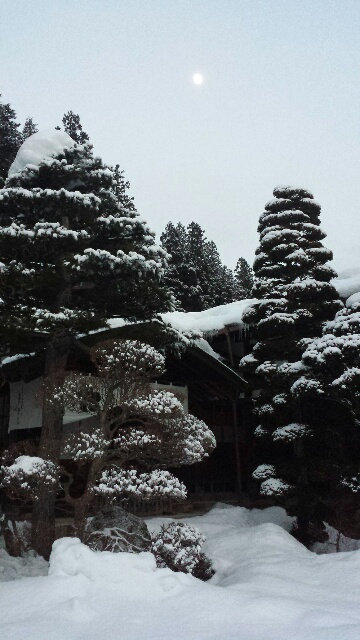
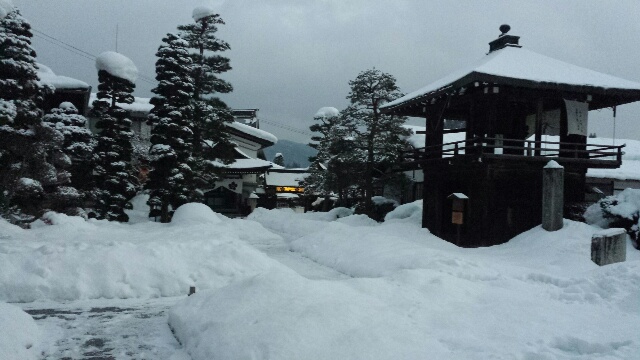
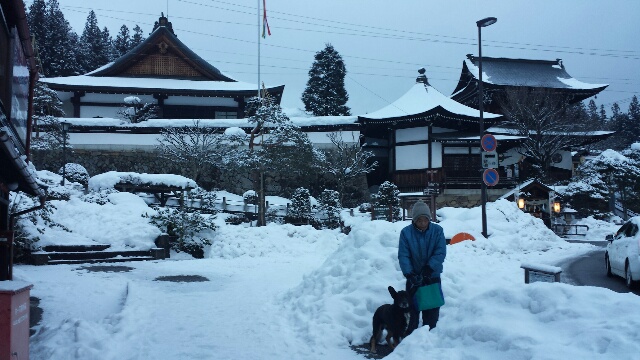
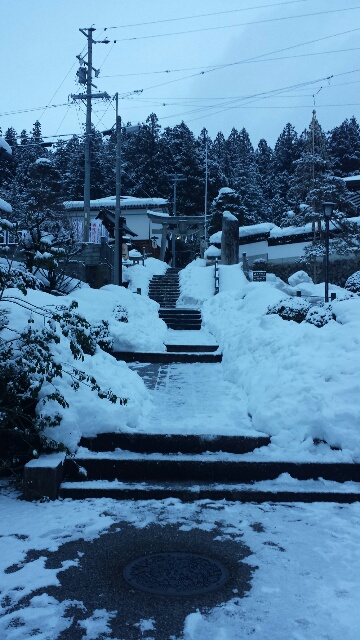
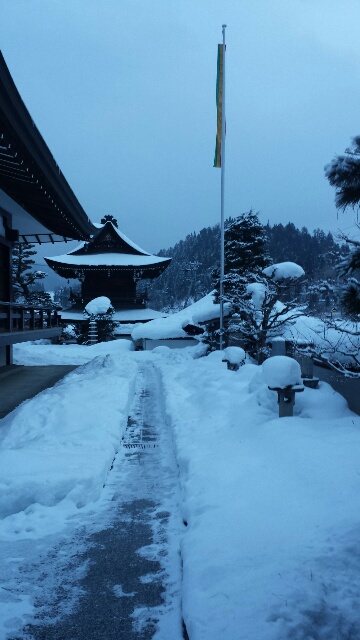
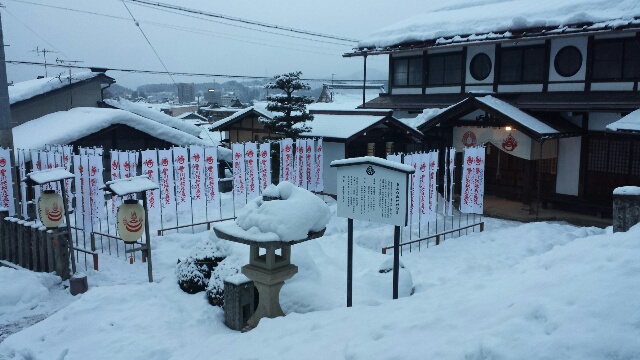
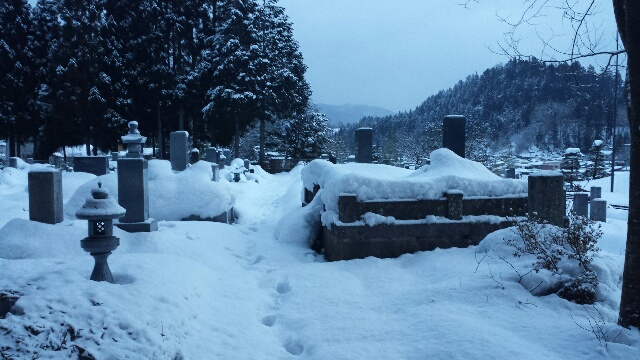
Some aimless unhurried walking late in the afternoon on the first day of calendar year 2015 in Hida-Takayama, a traditional city in Japan Alps.

image

image

image

image

image

image

image

image

Graveyard

image

image

image

image

image

I appreciate the English translation

Kotatsu

image

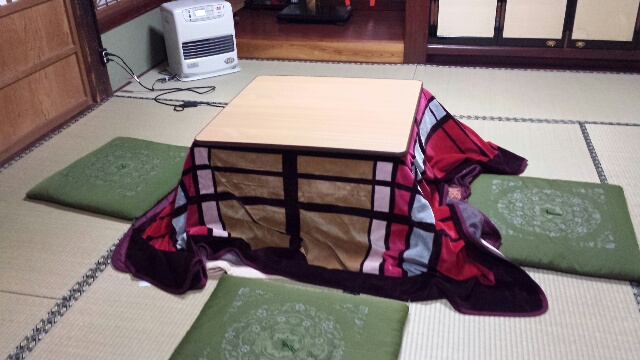
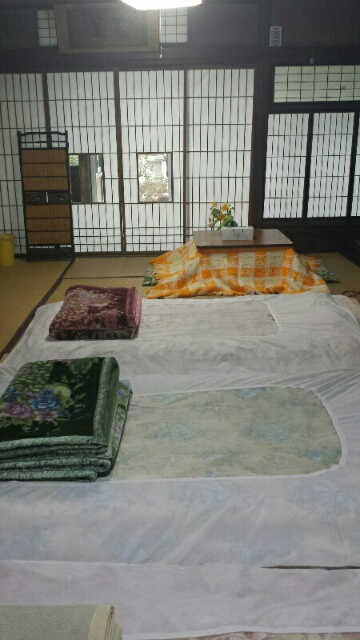
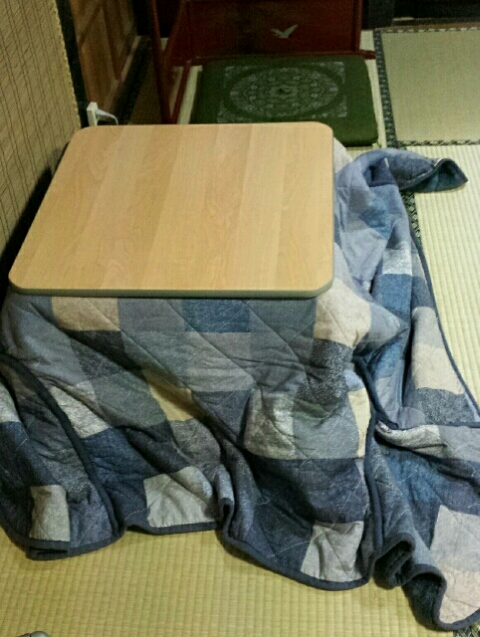
Kotatsu at the gassho-style farmhouse inn. Ainokura in Gokayama


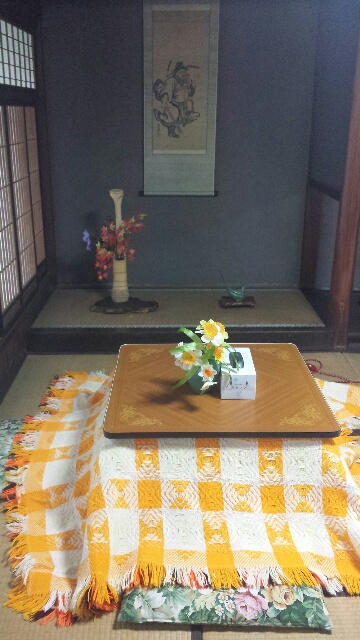
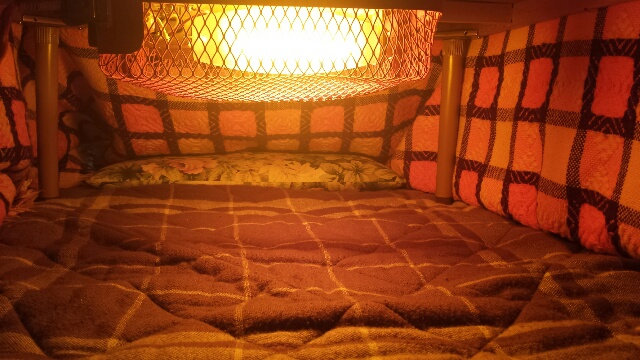
Under the kotatsu is the most comfortingly warm place during winter when centralized heating is not available indoors, as most temples or houses in rural Japan. This space heating device has electric heat source under the low table frame, where a blanket or futon is inserted between the table frame and tabletop as covering, and a futon placed on the tatami as sitting cushion. Putting one’s bottom-half underneath the cover as one sits, warms the lower body.

image

Kotatsu inside the Japanese Buddhist Temple inn at Hida-Takayama in Gifu


So, while the kotatsu is mildly toasting half of me, I can do something worthwhile on the tabletop like sipping tea, snacking, reading, or writing something, though my hands would still be freezing that I had to put both under the table from time to time.

image

Closer look of the kotatsu


image

Closer look of the heating source under the tabletop


image

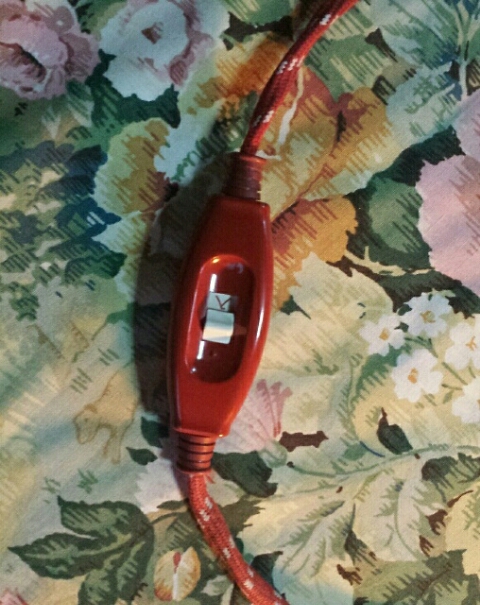
Switch for the heat source


Kotatsu can be used for sleeping as well, as what I’ve seen in Japanese movies. But in real life, it feels uncomfortable because of the physical restriction, and still cold, unless you can manage to put your whole body under, or unless it’s the only heating you have at home. Only in Japan…

image

Shirakawa-go Farmhouses at Winter

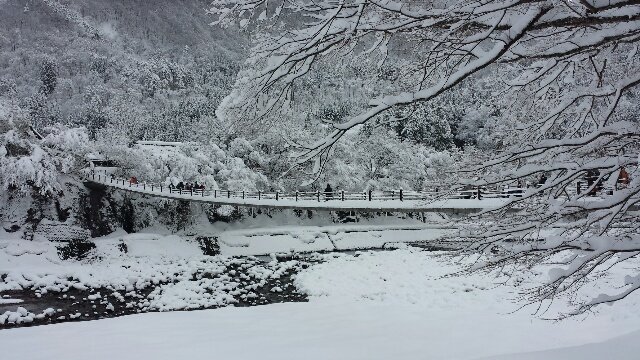
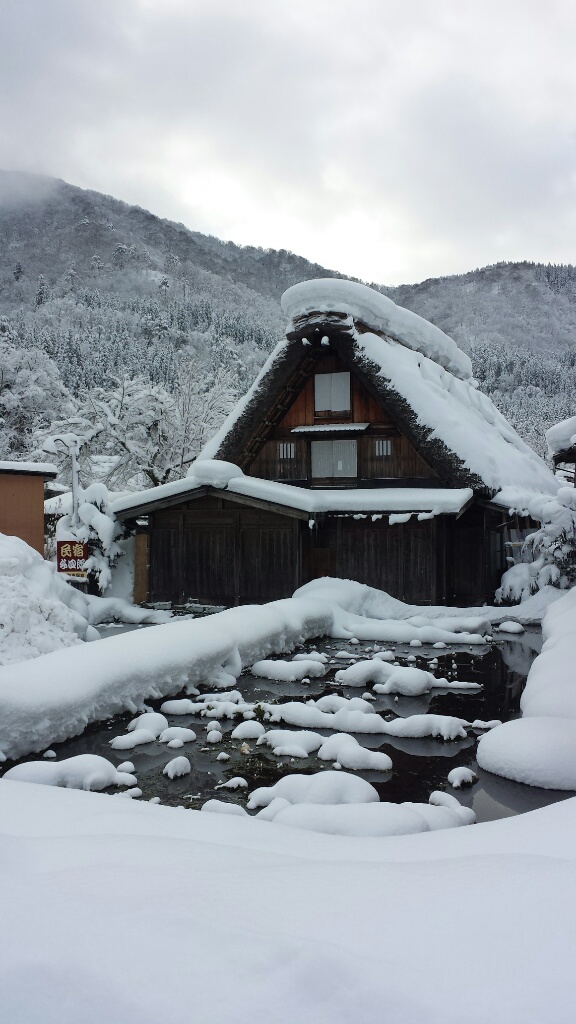
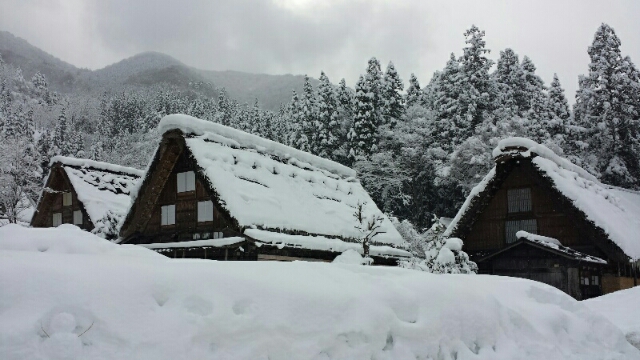
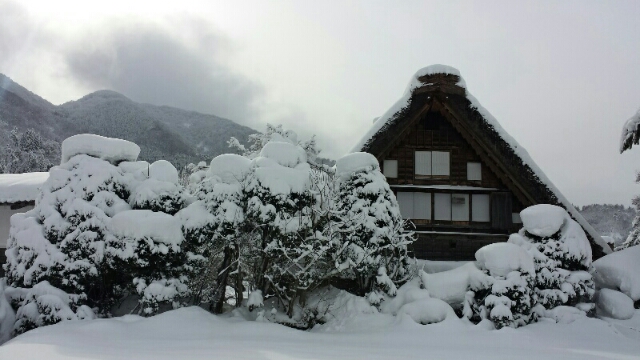
Deep in the valley of Northern Japan Alps lies this mountain village where farmhouses have equilateral triangle thatched roof. This traditional house design known as gassho-style allows snow to slide off easily from the roof.
image

To access the Shirakawa-go village is to cross this footbridge
 

image

Gassho-style farmhouse


image

image

Winter is so beautiful in this village
 

The Ainokura Way of Grilling

image

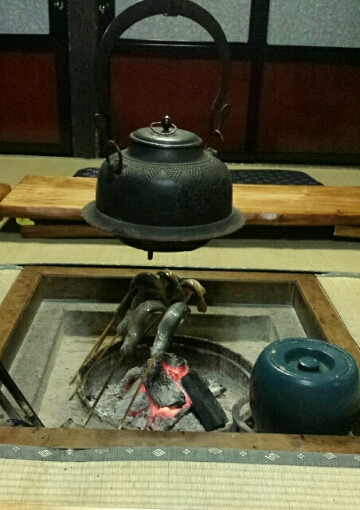
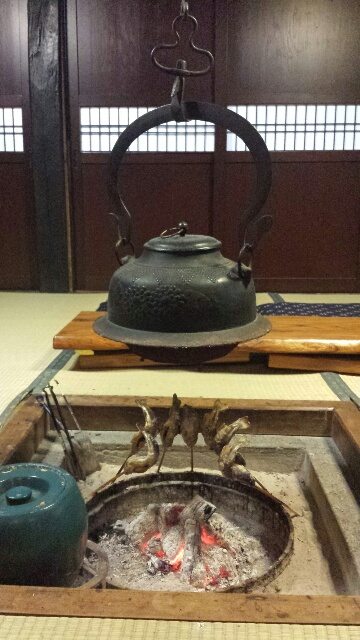
Grilling in an Ainokura way

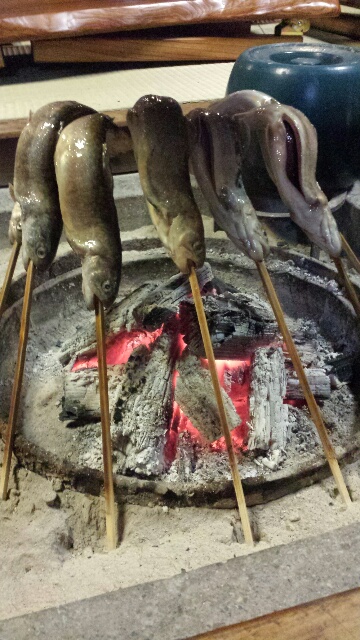
Trout from the mountain streams are grilled with salt in skewers over live charcoals in an almost standing position. It’s a local fare in Ainokura, a remote but very lovely mountain village in Gokayama region.

image

Tastes really smoky good when cooked that I consumed two sticks

image

Fish almost fully-cooked

Meanwhile in Arashiyama

image

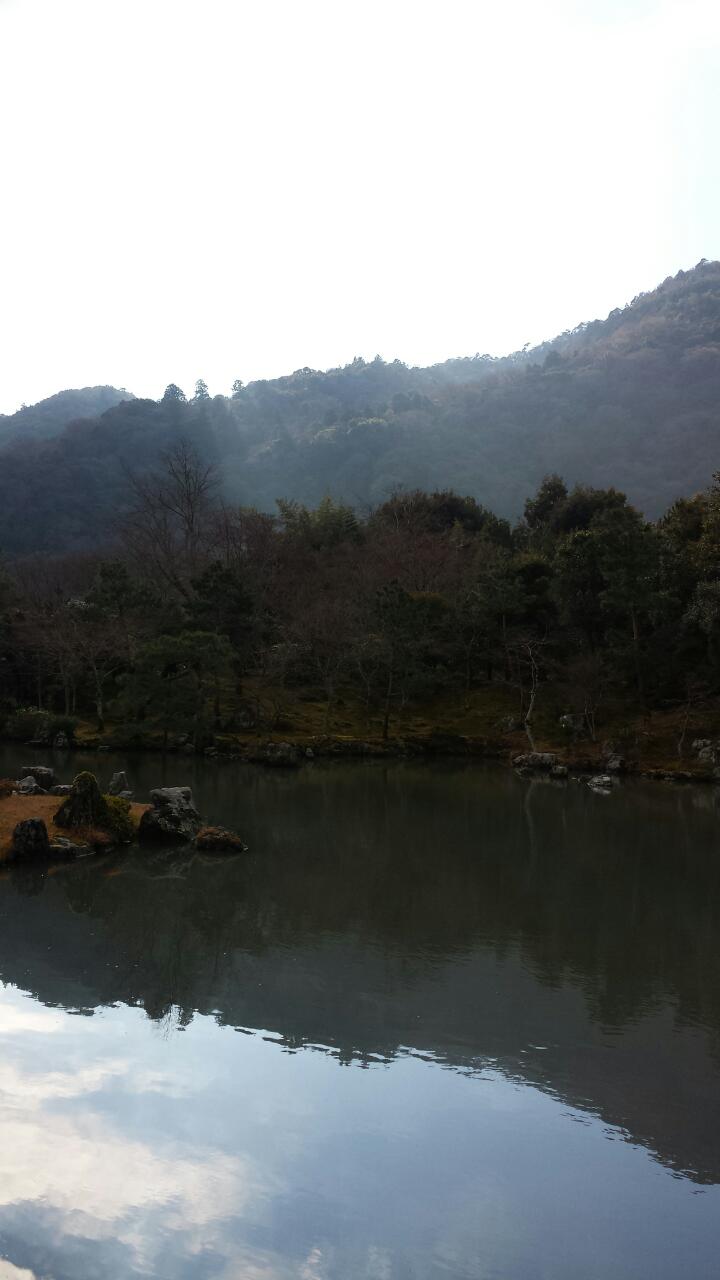
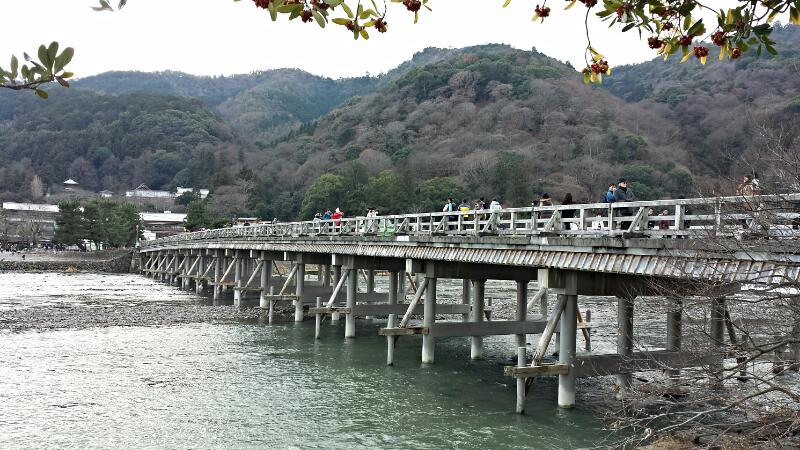
These two snapshots certainly do not convey the expanse of Arashiyama and its every beauty. But the memories of its elements and structures influenced a feeling of calm in me, that perhaps a couple of images I’ve documented here shall remind me of this place as a whole.
image

Of River and Running in Japan

Hanging Festive Decors

Potted Wisteria

image

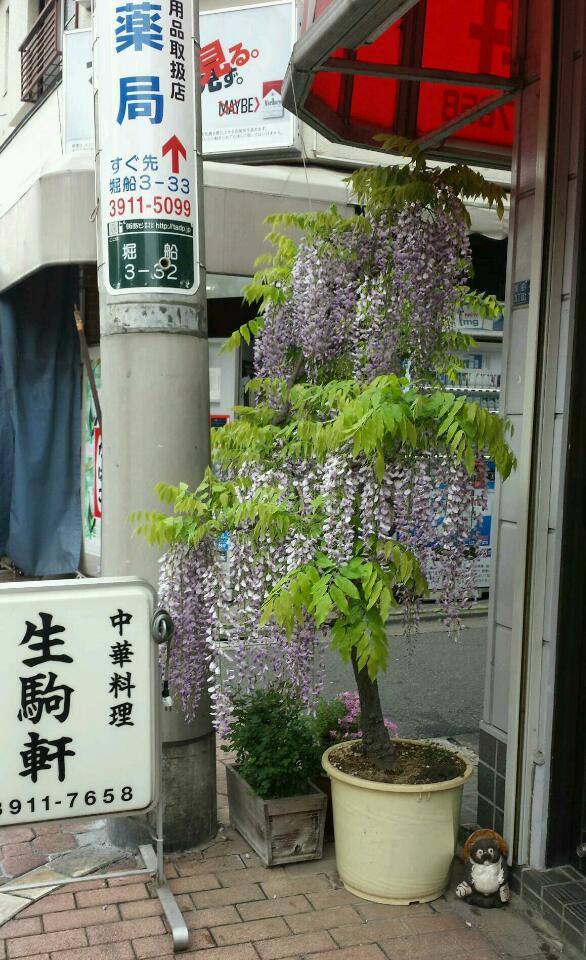
Strolling in Kajiwara somewhere near the streetcar station, I spotted a wisteria on a pot. Container flower gardening is their way of beautifying the frontage of their small homes or shops and one of the many street scenes I find pleasantly cute in Japan.

Izakaya

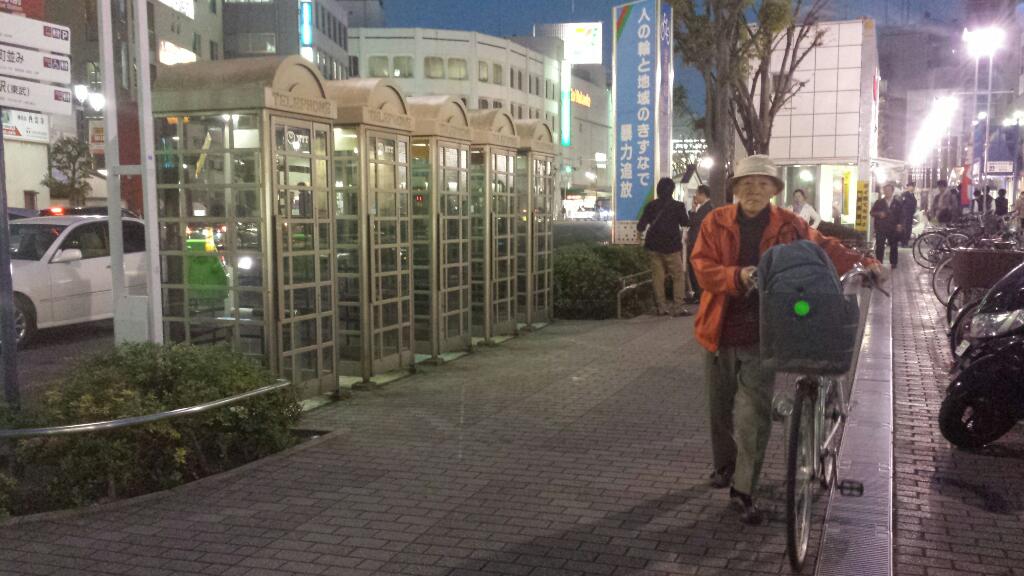
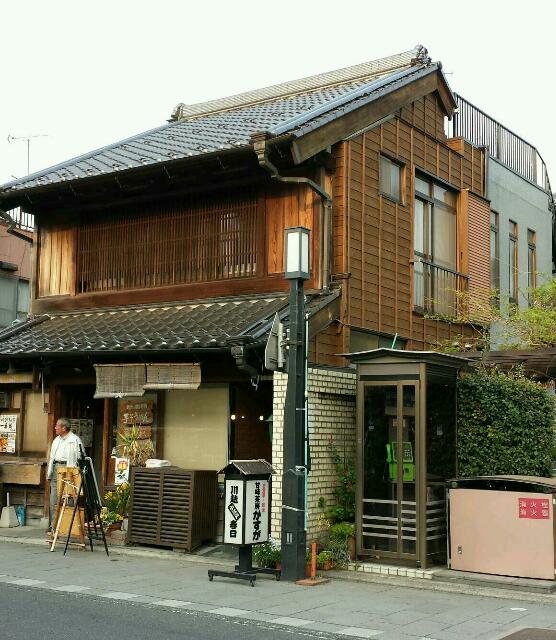
Japan’s Call Box

Red Post Box

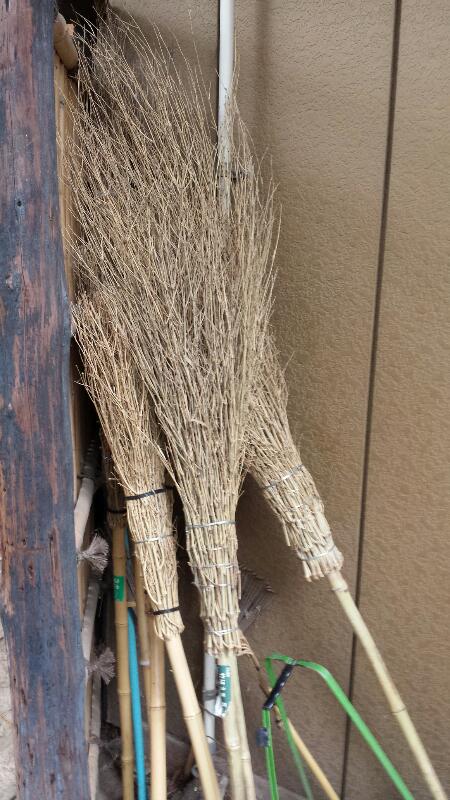
Japan’s Medieval Broomstick

24 Rib Umbrellas