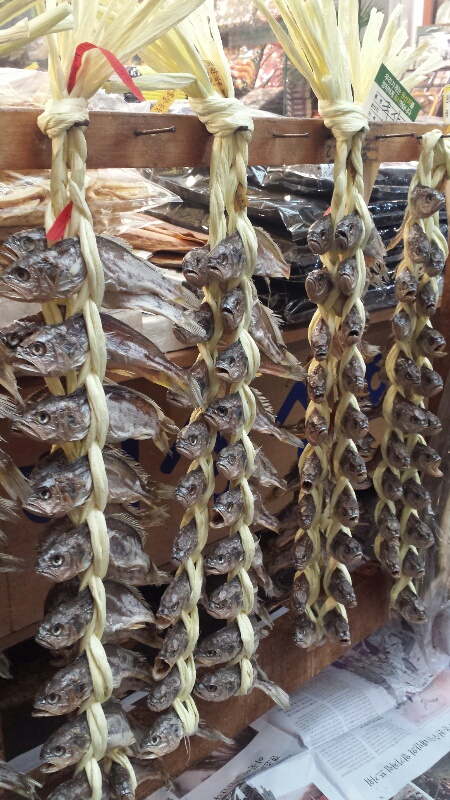
Fish Chain

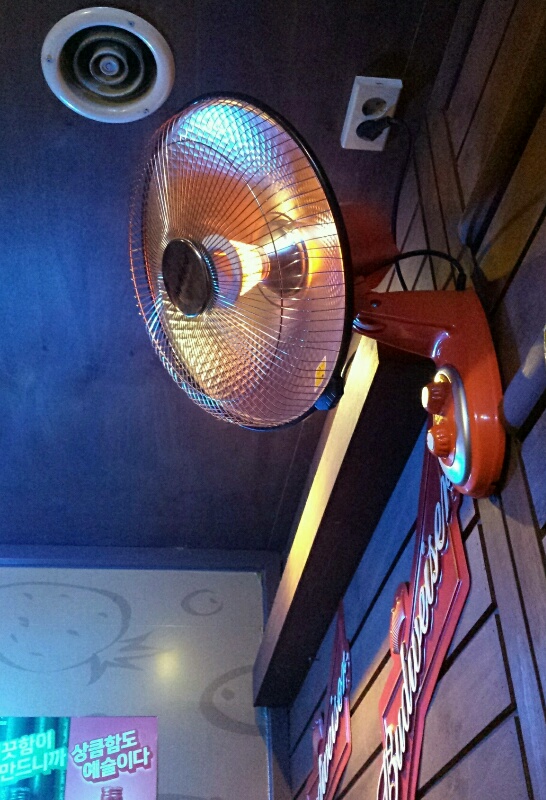
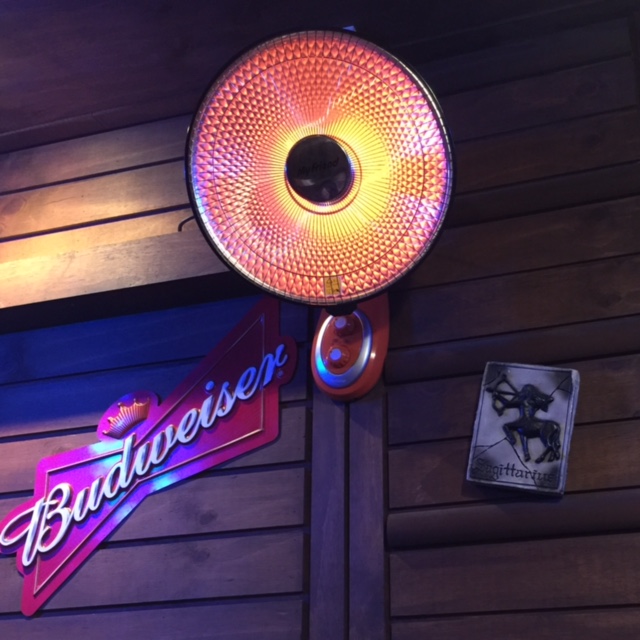
Winter Electric Fan

image

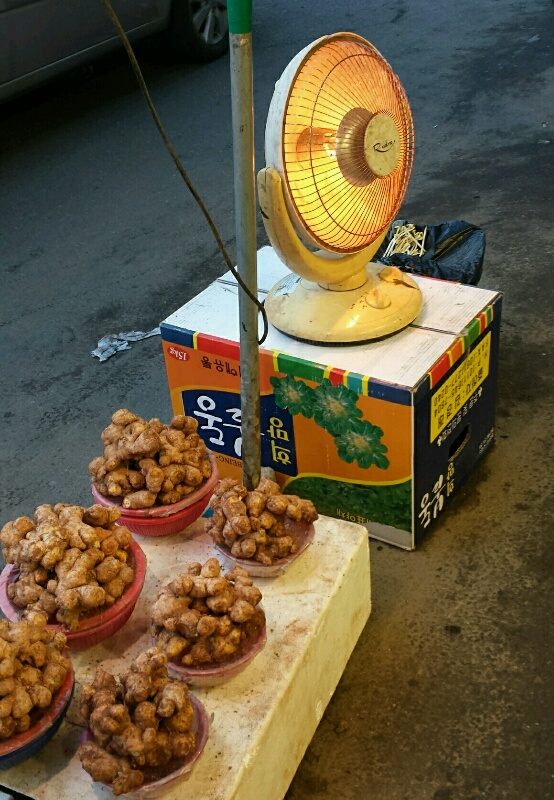
Electric fans as space heaters are ubiquitous in Korea to combat the chill. This is something out of ordinary for someone who lives in a tropical country and uses the fan all year round to combat the tropical heat.

image

image

Chicken Illustrations

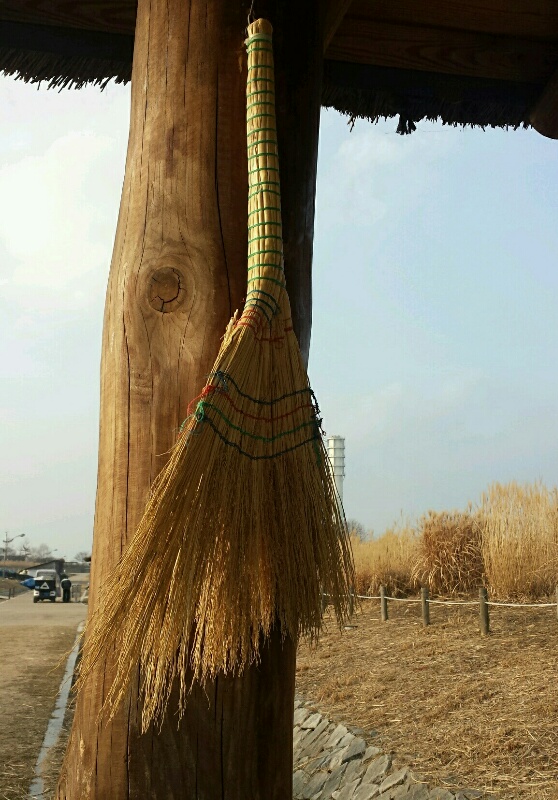
K-Broom

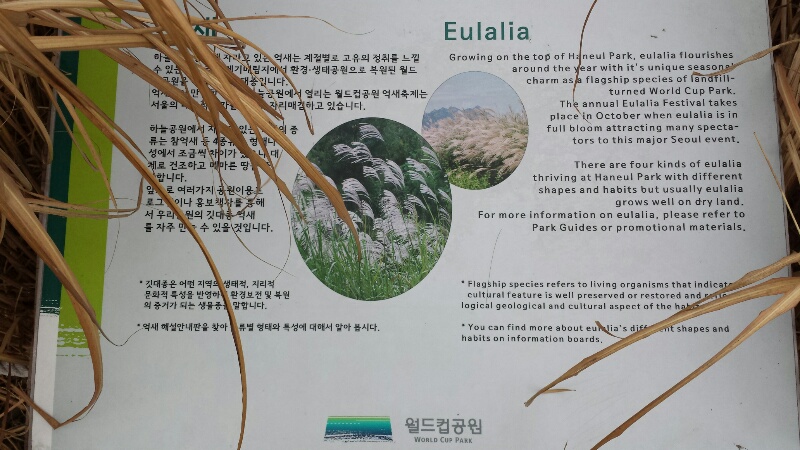
Eulalia

image

Talahib is romantic

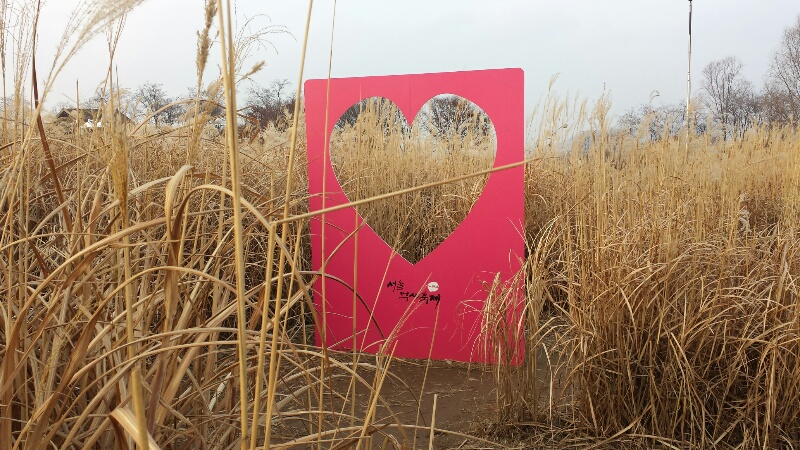
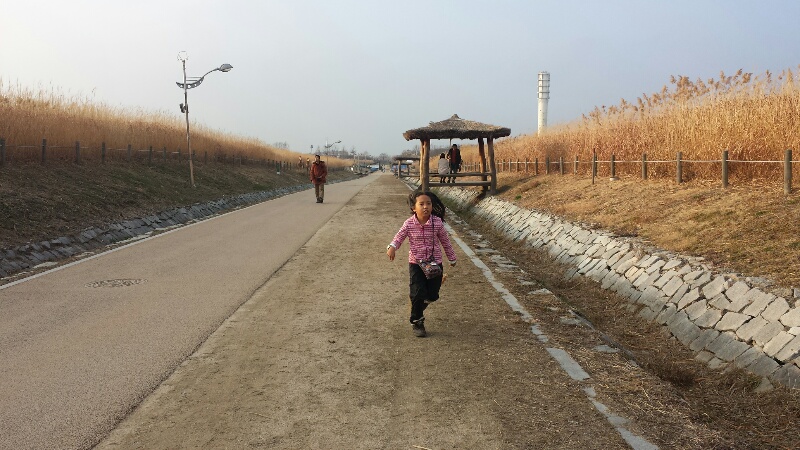
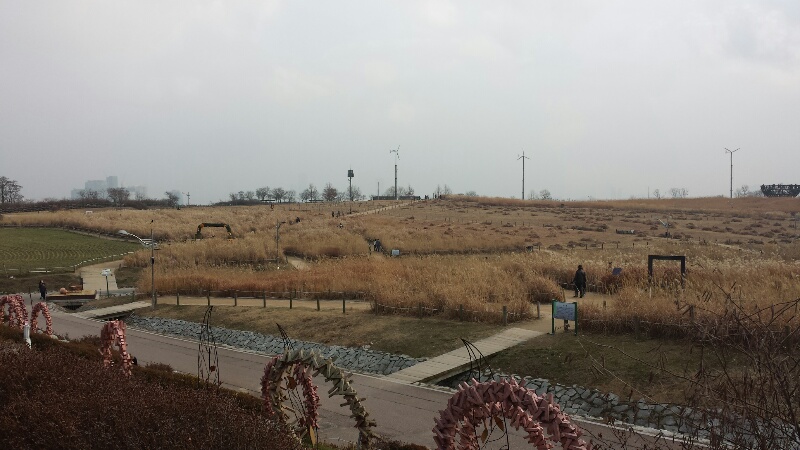
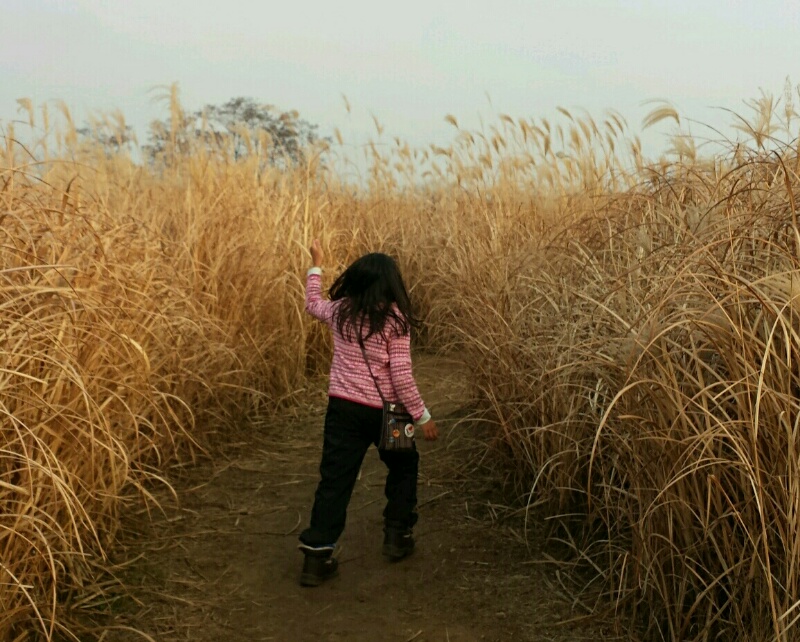
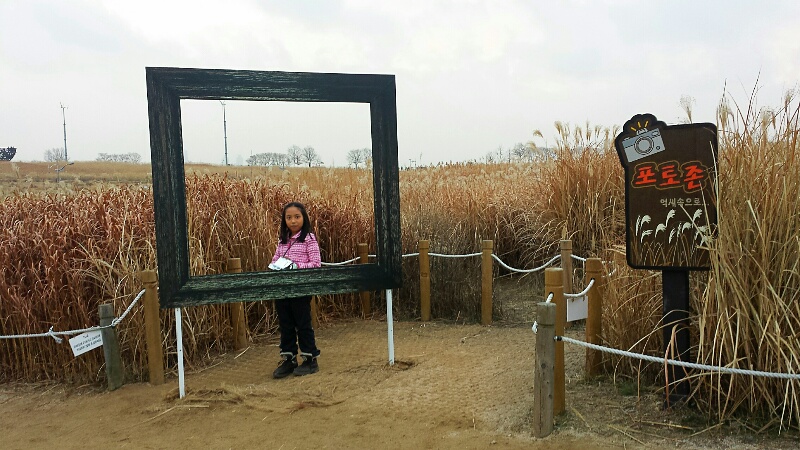
It is a peculiarity of Korea to regard the talahib as attraction and photography backdrop. And in this winter season, dead grasses exude its own kind of collective beauty.

image

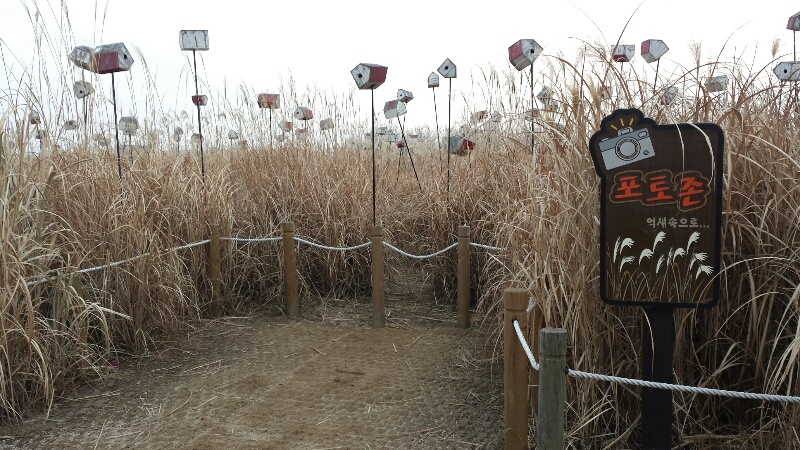
Art installations among the talahib as photography backdrop

image

image

image

The beauty of dead grasses

image

It says here there’s even a festival for the talahib

image

Winter Solution at the Market

image

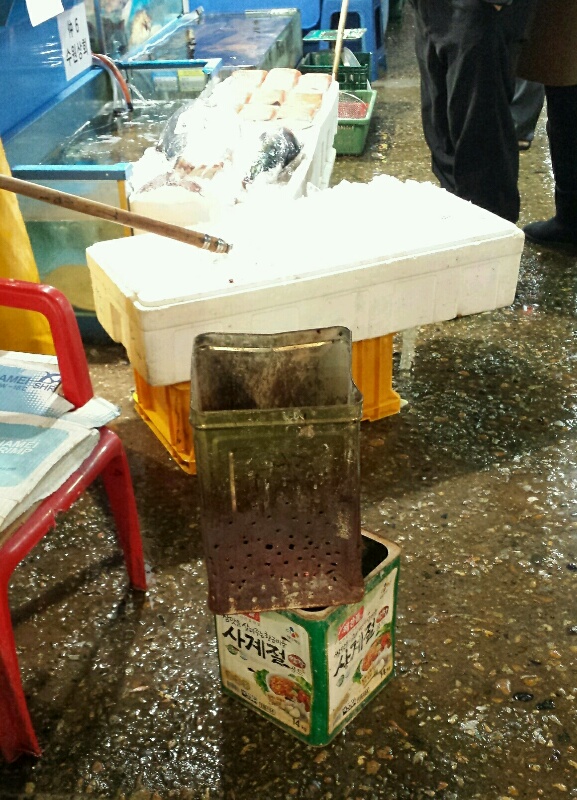
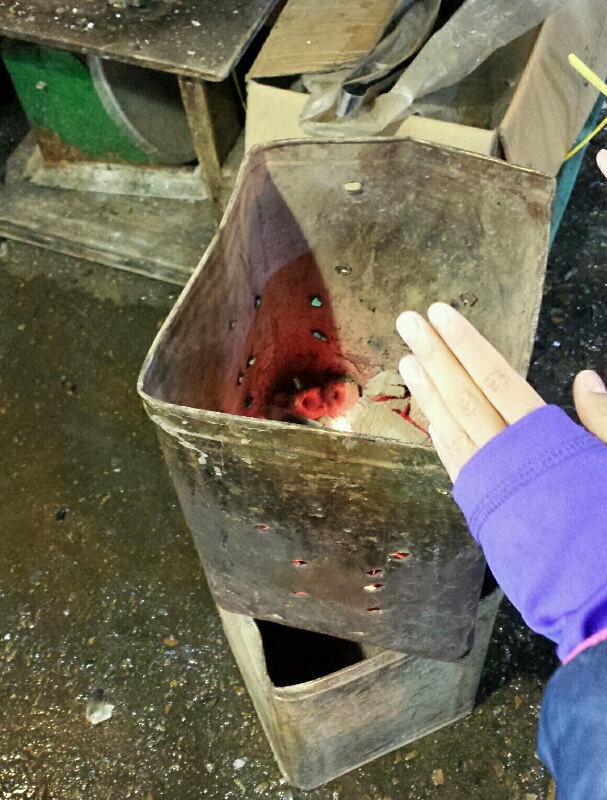
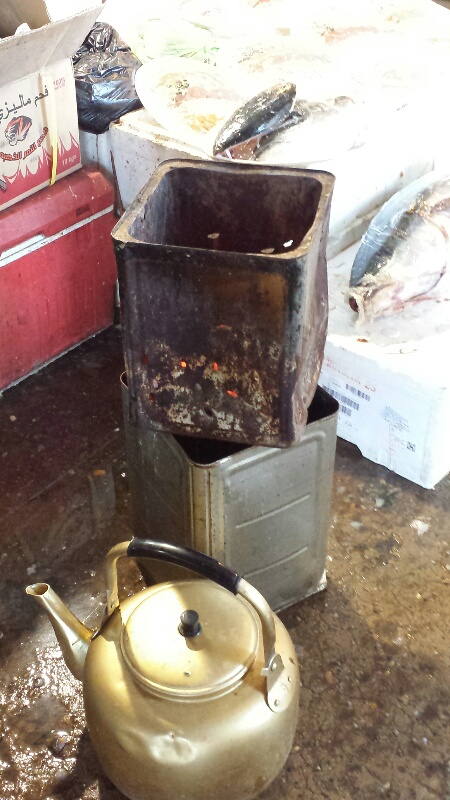
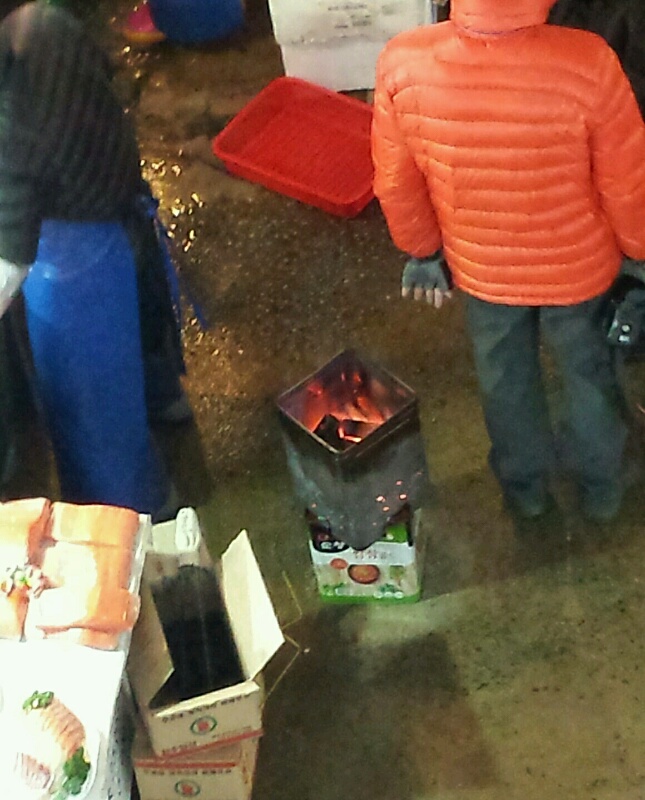
The ajummas and ajeossis of the Noryangjin Fish Market would warm their hands from time to time on a tin can with live charcoal. Almost every fish vendor has one near its stall. Yet another Korean winter solution.

image

image

image

Hot Eats on a Hot Bench

image

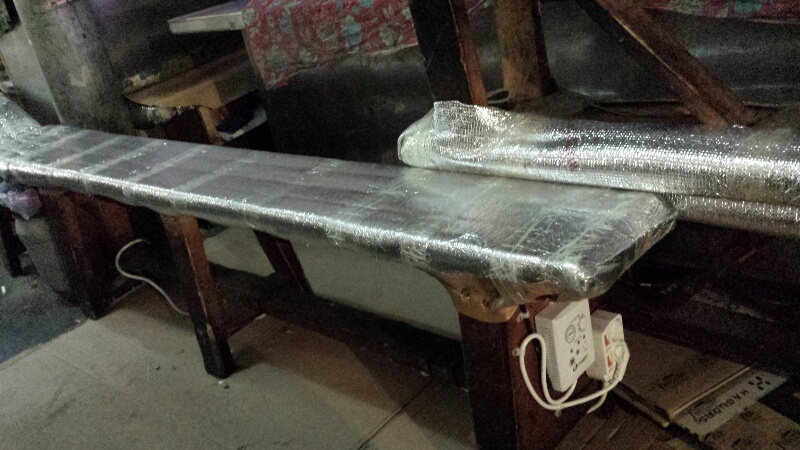
Hot eats on a heated bench

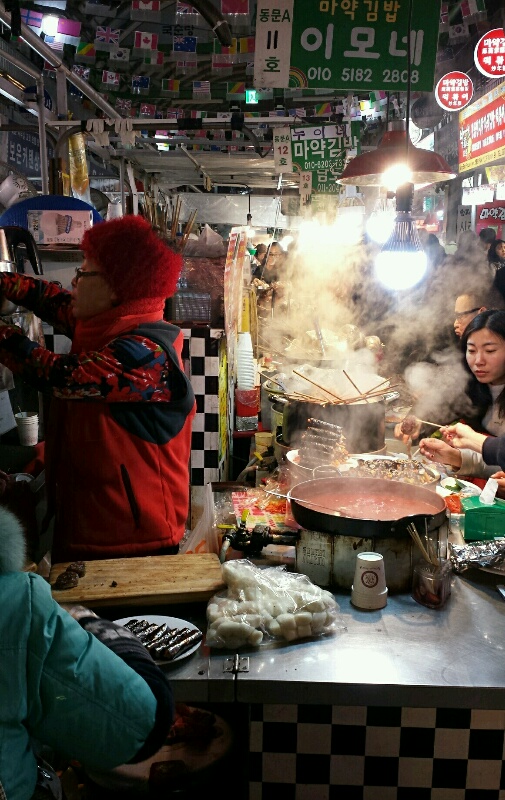
Hot eats on a heated bench is one example of Korean winter solution. Snacking at the bustling market despite the negative temperature outside is what makes the winter season lively instead of dreary in Seoul.

image

Heated bench

image

image

image

image

It is nice to be served hot food by the ajummas

image

image

Public Soap Bar

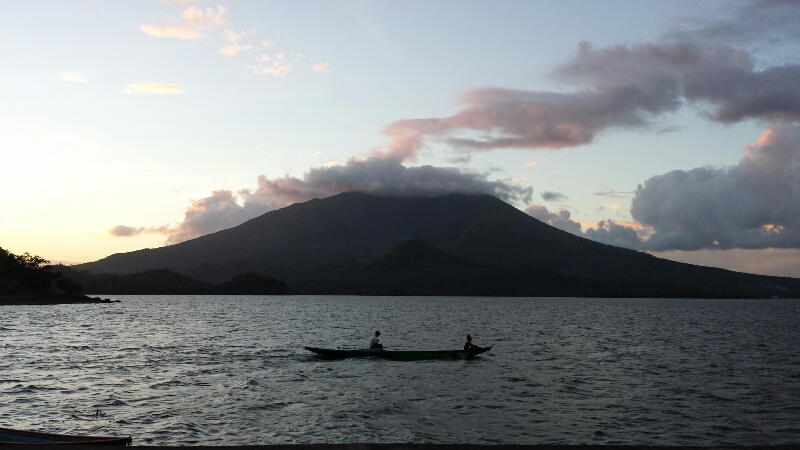
Christmas Day Sunset

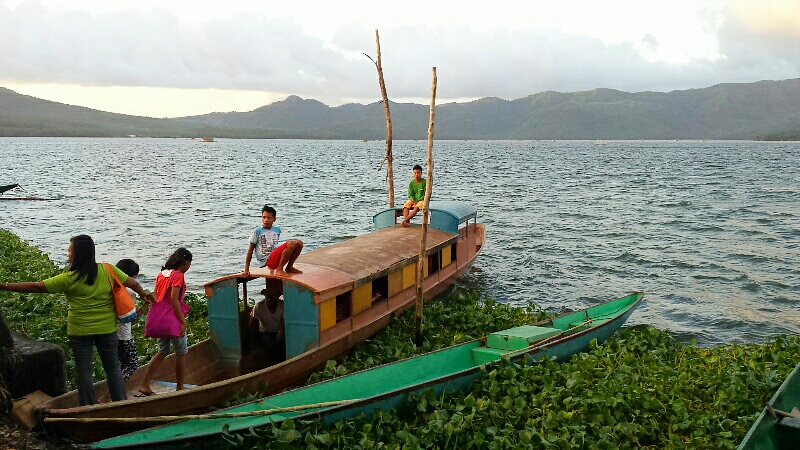
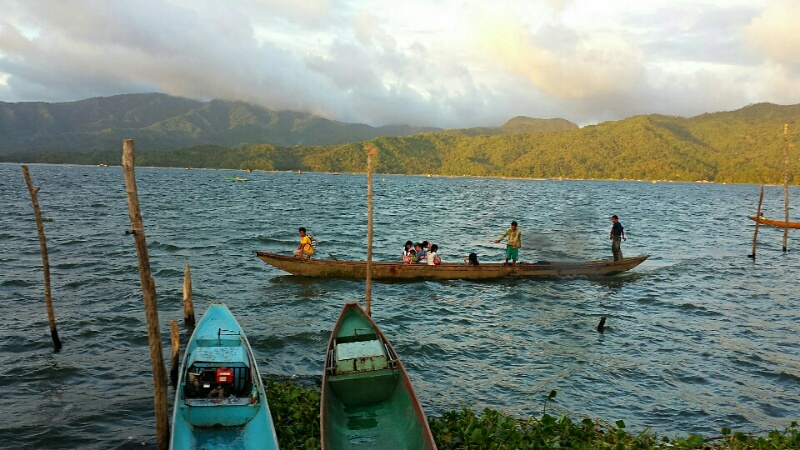
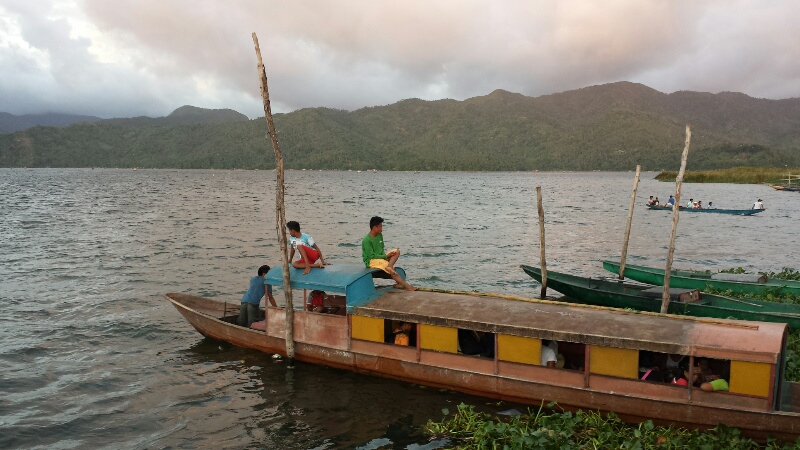
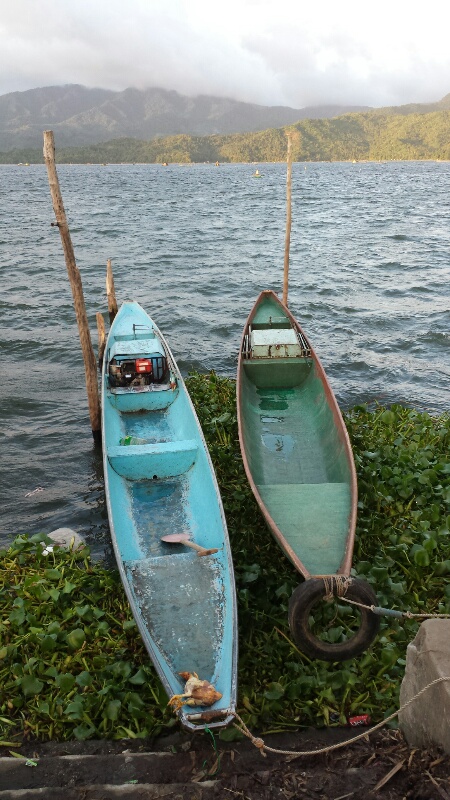
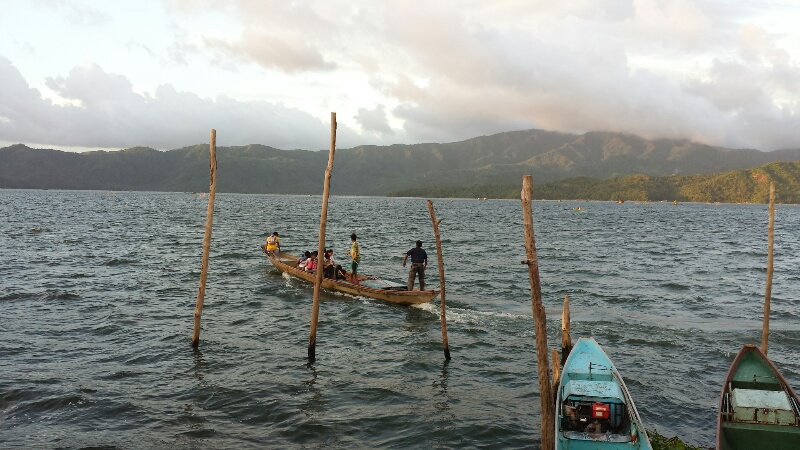
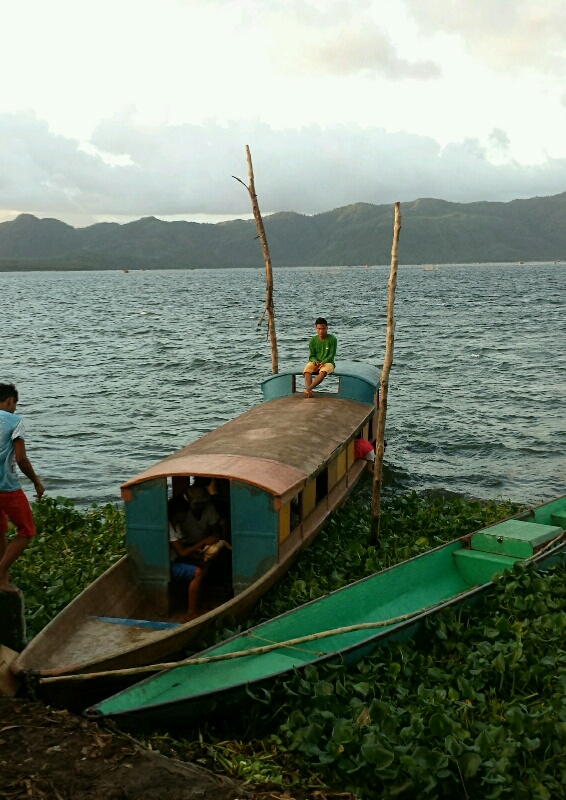
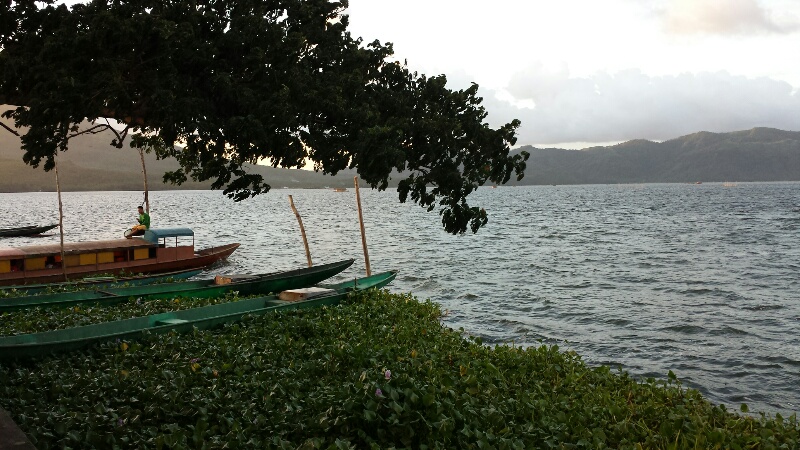
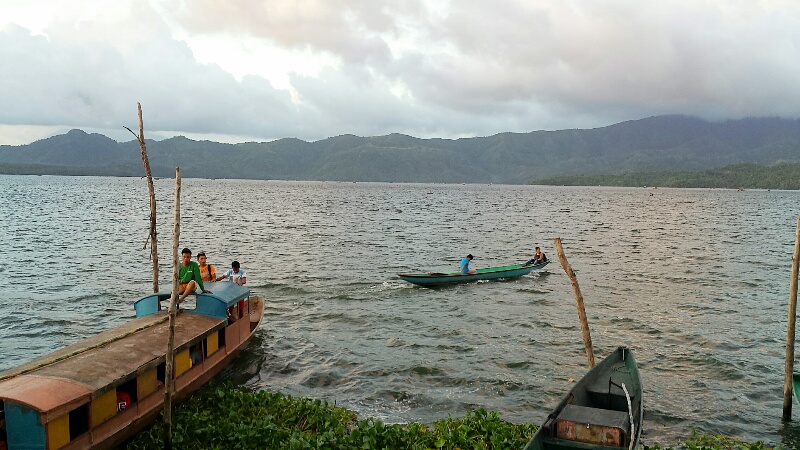
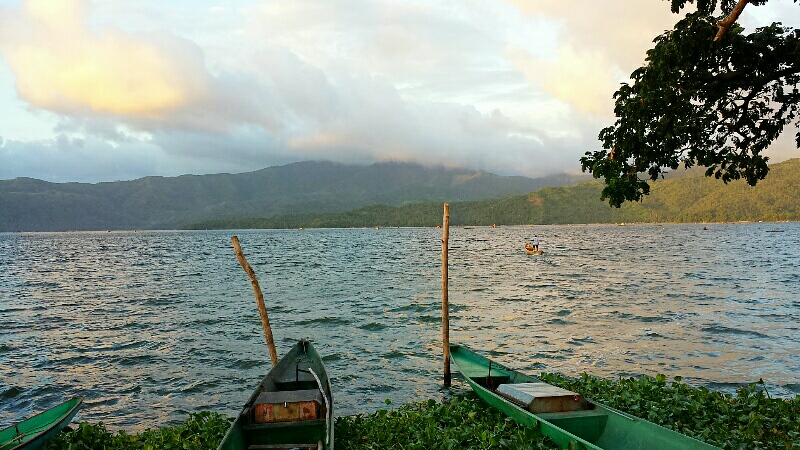
Lake Buhi Boats

Philippine Paper Cash Tickets

image

Cash tickets for the entrance fee of Bulusan National Park, Sorsogon

image

I forgot where I got this. I guess from the NPC Nature's Park in Iligan City

image

Cash tickets for the entrance fee of Cotta Fort in Ozamiz. The fee is 5 pesos so the two-peso ticket was halved. Is that allowed?

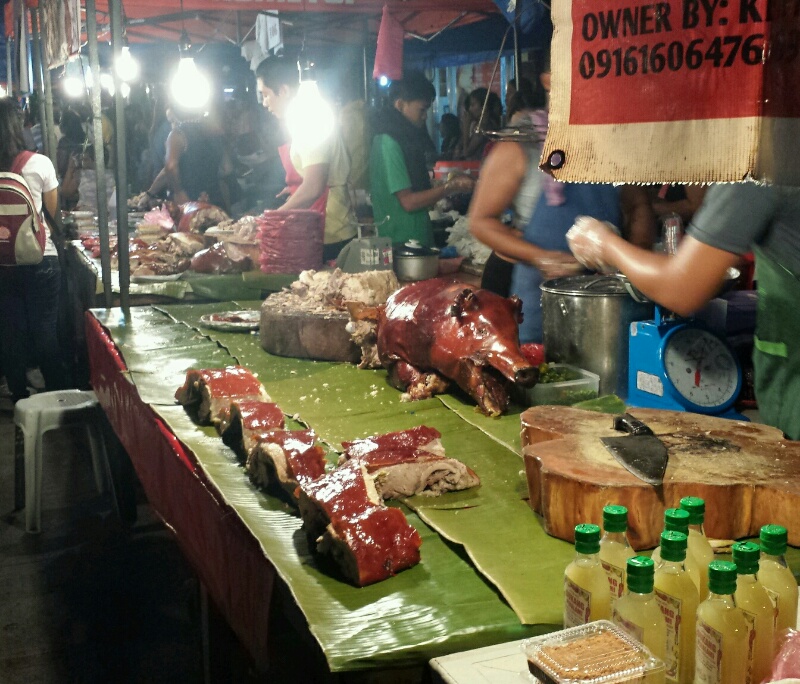
Everyday Lechon

image

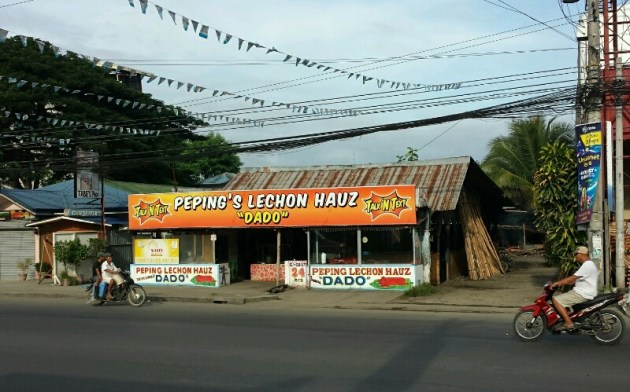
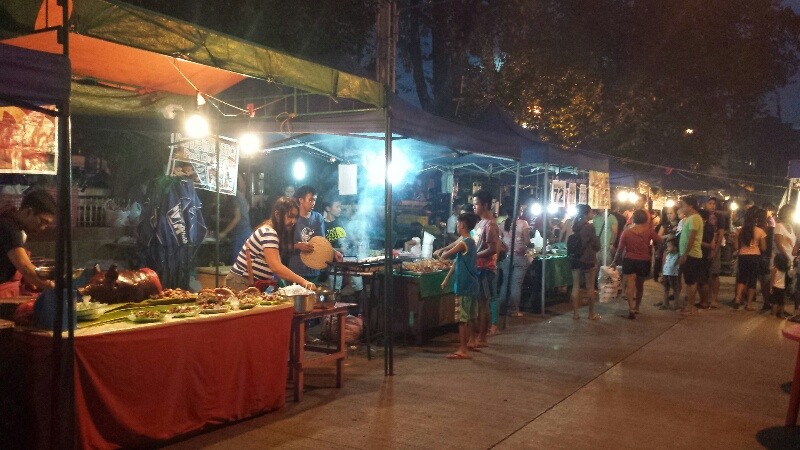
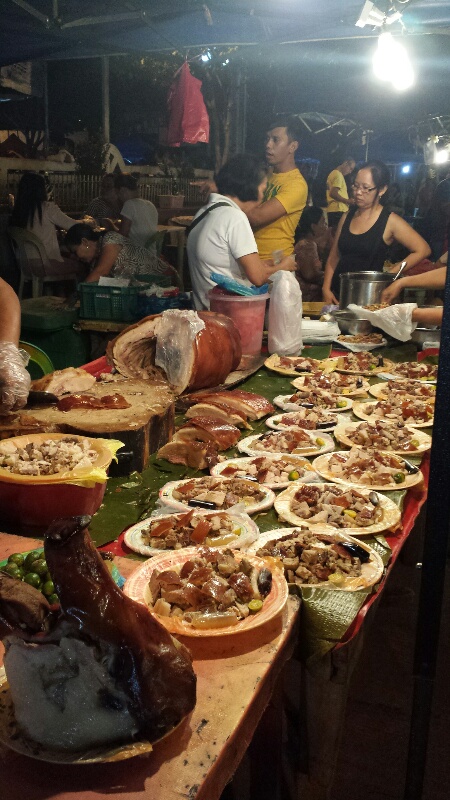
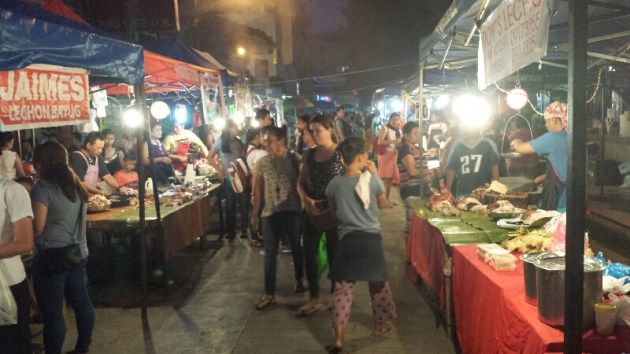
Lechon at the night market of Iligan

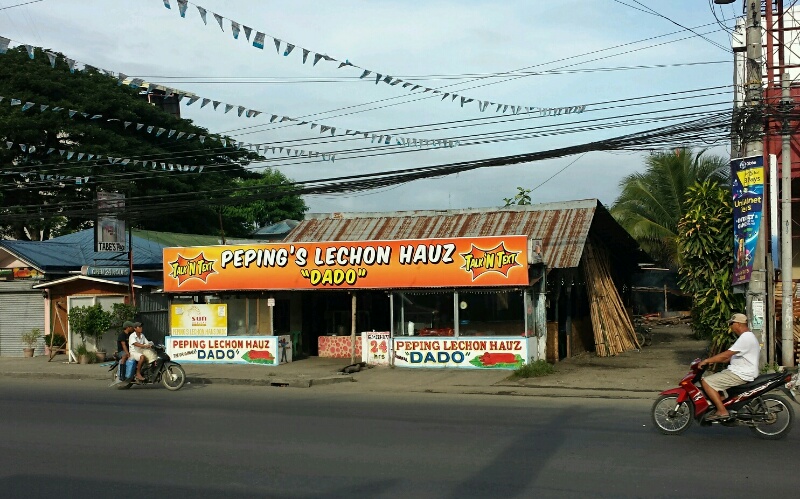
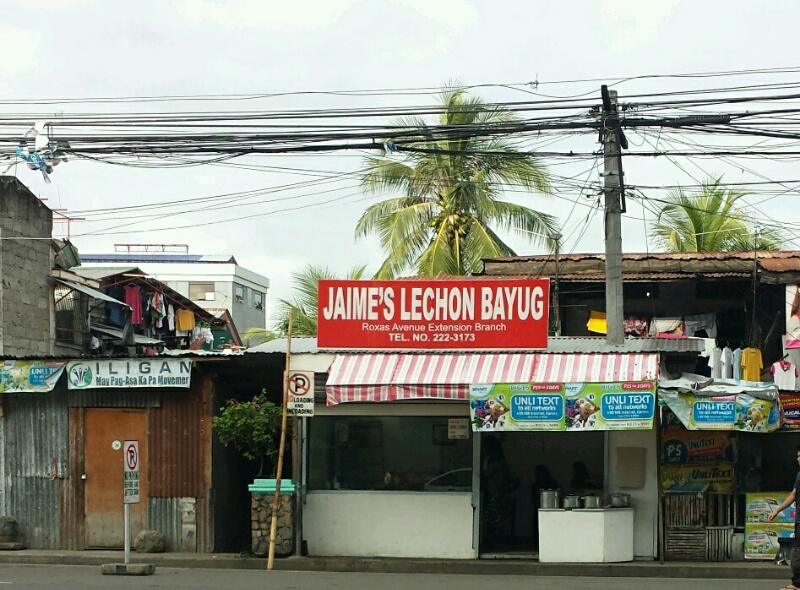
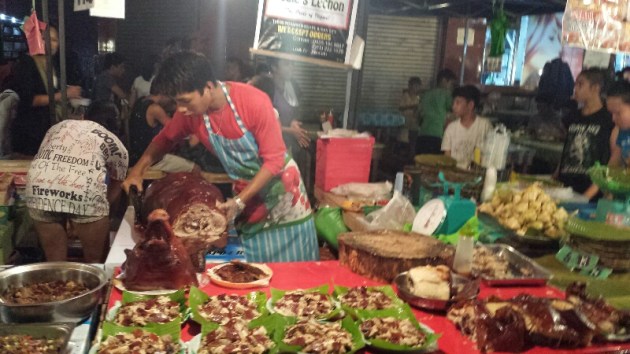
Lechon for breakfast, for lunch, and for dinner. Yes that’s how it is in Iligan (also in Tacloban). It’s an every day food and not just a special dish for celebrations. One thing I’ve noticed about the delicious Iligan’s lechon is that it is stuffed with lots of red onions.
image

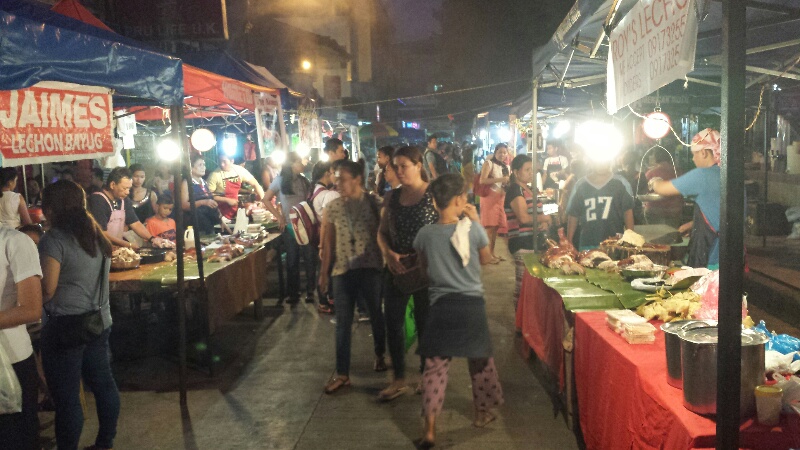
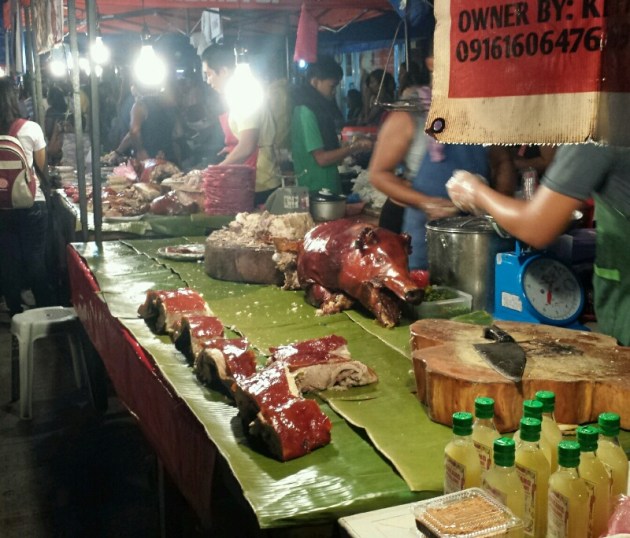
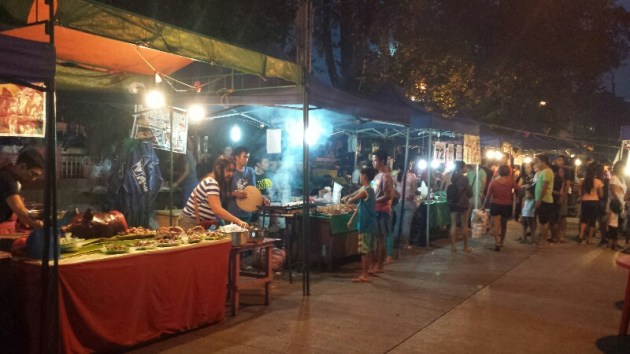
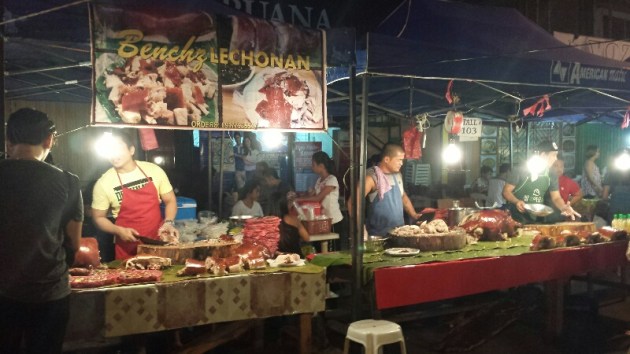
There are plenty of lechon stalls and lechon carinderia scattered in Iligan where one can buy by the kilo or fraction thereof. It is smoking hot and available early in the morning. One can even eat lechon for breakfast at the carinderia. During Friday and Saturday evenings, there’s a food night market at the plaza where the most dominant fare is the lechon, what else. This is where the residents go for Friday and Saturday dinner out. This is where folks from all levels bond happily over a lechon meal.
image

If I have to rank the sarapness of the lechon by place in the country, then Iligan is the champion, followed by Tacloban, and then Cebu City as second runner-up. I’ve lived in Cebu City for 5 years and lechon (inasal in Cebuano) was not nearly an every day food as compared to Iligan. In Bacolod, my hometown, I would buy lechon in Barangay Lechonan, at one of the several lechon stalls by the roadside.
image

Iligan’s lechon is without frills, readily available every day for the ordinary folks, and yet the best tasting, period.

Understandably the “best pig ever” of Anthony Bourdain is relative to his number of lechon exposure in the country (hence the ‘ever’). Sir Anthony, I hope one day you can experience lechon paired with puso and eaten onsite in one of the several small tables at the weekend night market of Iligan City. Perhaps you might find your “best pig, period”. No reservation necessary.
image

image

image

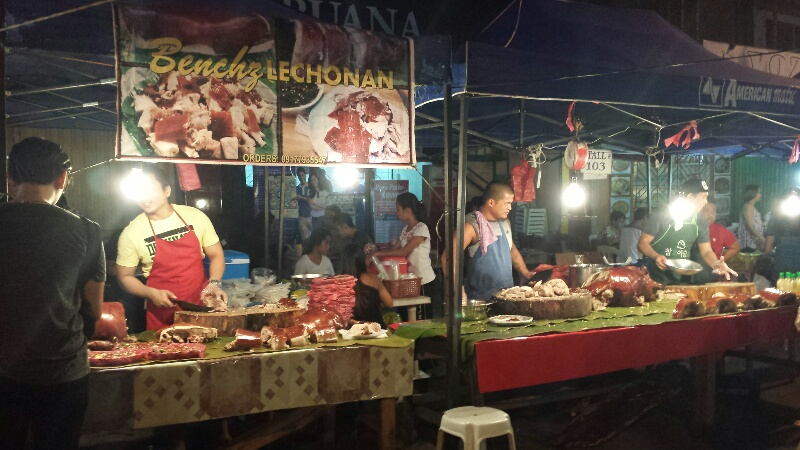
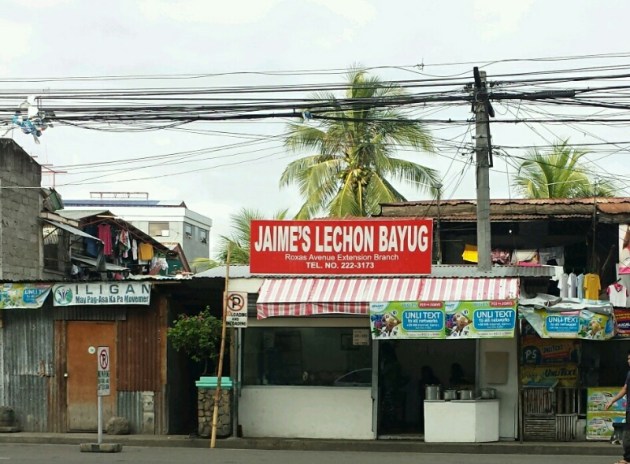
One of the several lechon places in Iligan
image

image

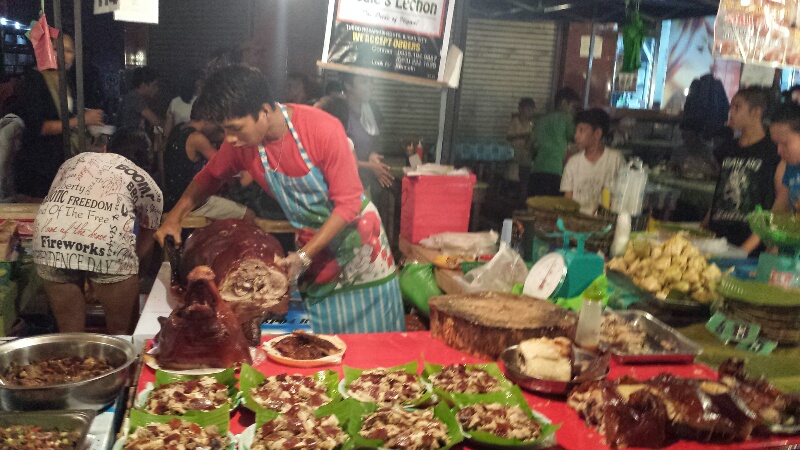
Photo taken around breakfast time and lechon is already available and smoking hot
Maria Cristina’s Power

image

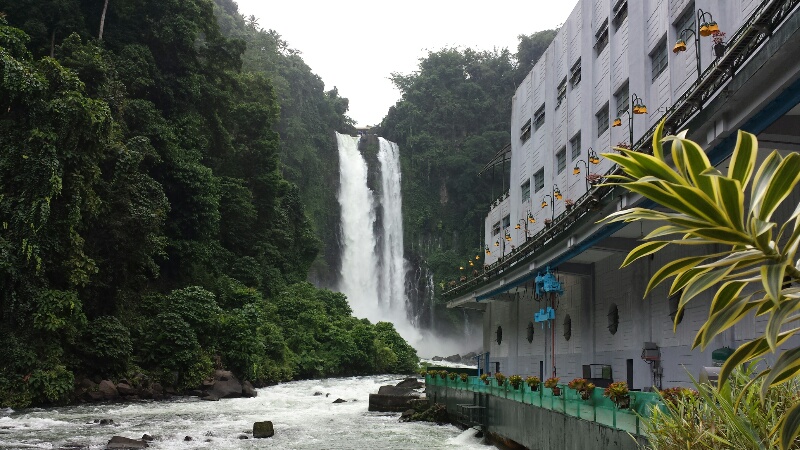
Maria Cristina Hydroelectric Plant

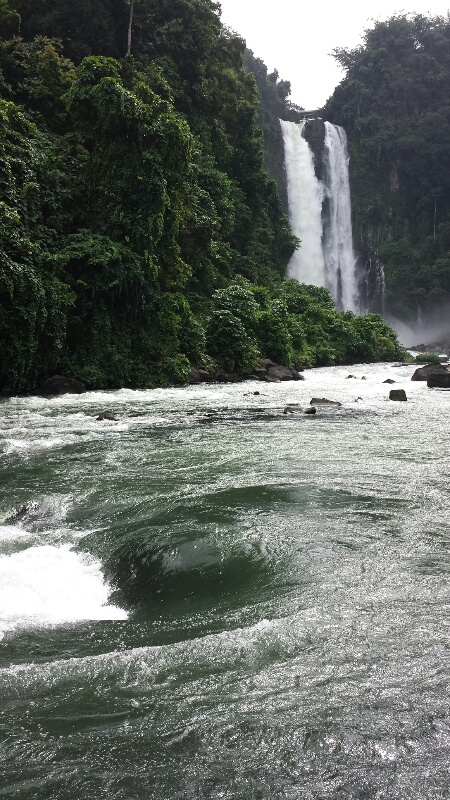
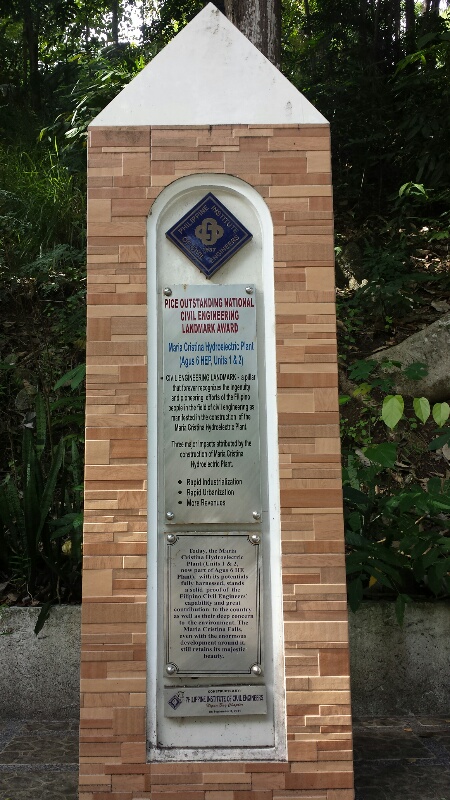
Maria Cristina Falls, a mainstay in Filipino textbooks as a favorite example of waterfall in the Philippines being among the tallest in the country. Now from a civil engineer’s point of view, it’s a great accomplishment to harness the power of Maria Cristina while retaining its majestic beauty.

image

The majestic Maria Cristina Falls from afar

image

Philippine Institute of Civil Engineers (PICE) Landmark Award in recognition of the capability of Filipino Civil Engineers in harnessing the full potential of Maria Cristina Falls through its construction of the hydroelectric plant

Guso Stalls

image

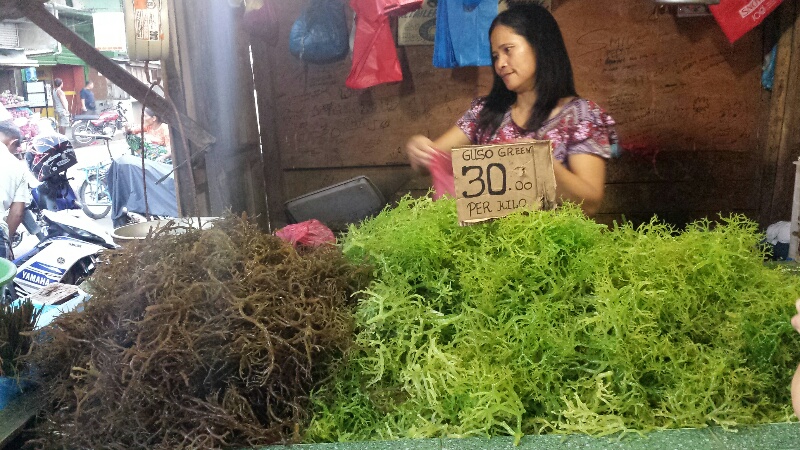
Guso stall at Iligan Public Market

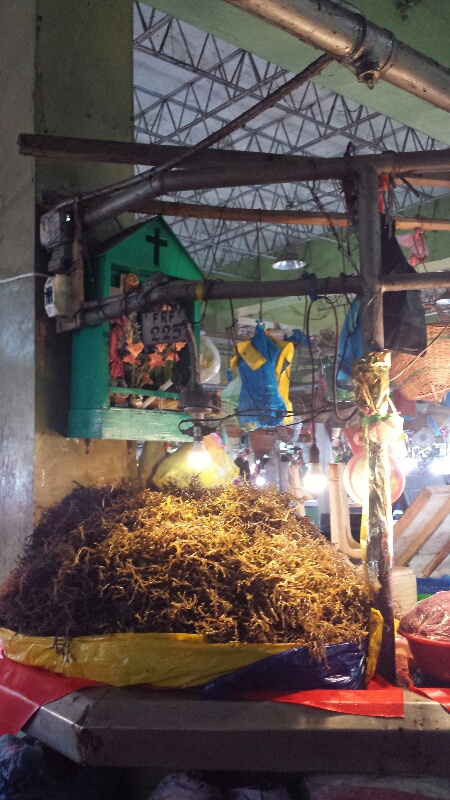
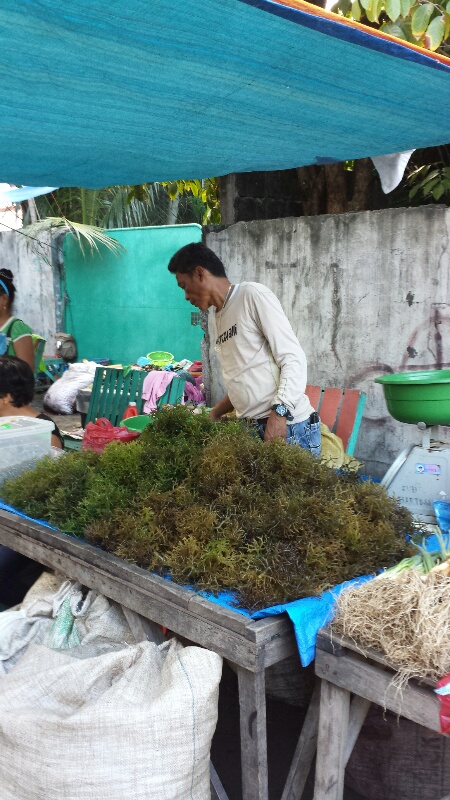
To my fellow guso-salad lover folks, here are snapshots of guso stalls sighted at the mercado of Iligan, Ozamiz, and Oroquieta.

image

Guso stall at Ozamiz Public Market

image

Guso stall at Oroquieta Sunday Market (Taboan)

Balot Tables
image

Balot tables beside the Cotta Fort in Ozamiz City
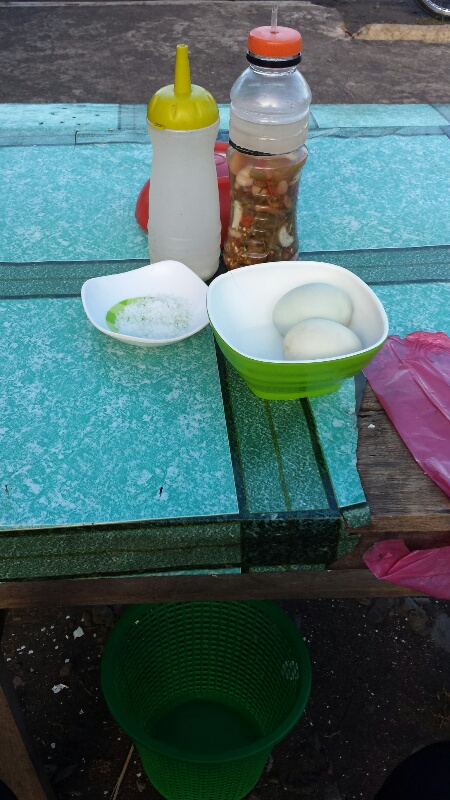
Balot snacking (spelled as balut in Manila), is a sit-down and unhurried street food indulgence in Misamis Occidental. Several small tables with chairs are available. On top of the table are the vinegar and salt condiments; under the table is a bin for egg shells and other throwaways. Indeed it’s only in Oroquieta and Ozamiz where I’ve seen an outdoor table service for balot so far.

image

Spiced vinegar and salt as condiments for eating balot

It is my observation that folks from Visayas and Mindanao love balot so much and treat it as an ordinary everyday fare. I’m from Visayas and I eat balot from my elementary days until now. I cannot imagine Manila kids doing the same level of indulgence on this delightful snack. Even though Manila population consists of migrant folks from VisMin, it seems that the passing down of balot snacking to the next generation is not easy. Availability isn’t the problem, rather it’s the lack of ‘balot-eating’ ambiance in mega cities. Too bad.

image

Balot tables near the plaza in Oroquieta City

Walis Beauty

Taal Volcano Horses

image

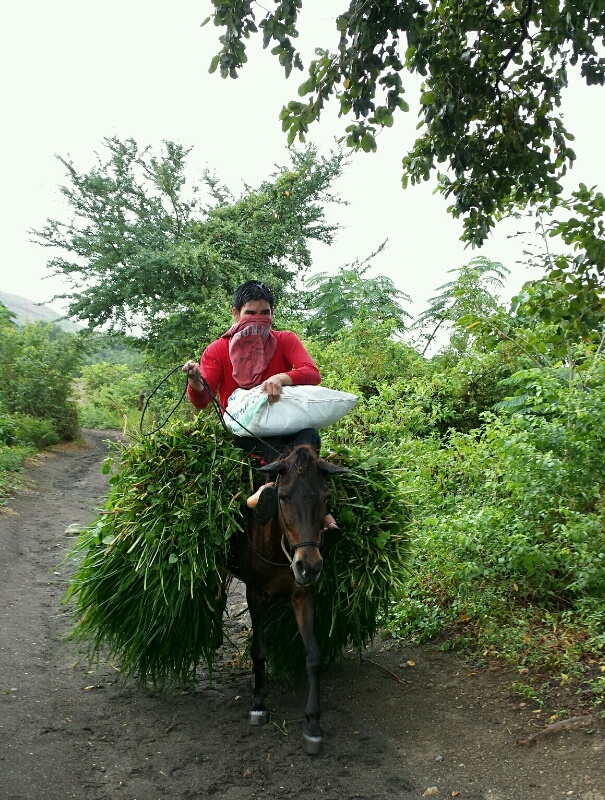
Horse carrying its keeper and its food, or maybe food for the working horses

Taal volcano is a regular tourist destination for visitors in Manila. But this post is not about it. Rather this is dedicated to those poor horses employed by the tourists. The horse’s job is to carry visitors who prefer not to walk to the top of Taal volcano and back. That’s their routine the whole day every day. Folks living in the volcano make money from these creatures by asking 500 pesos for the ride.

image

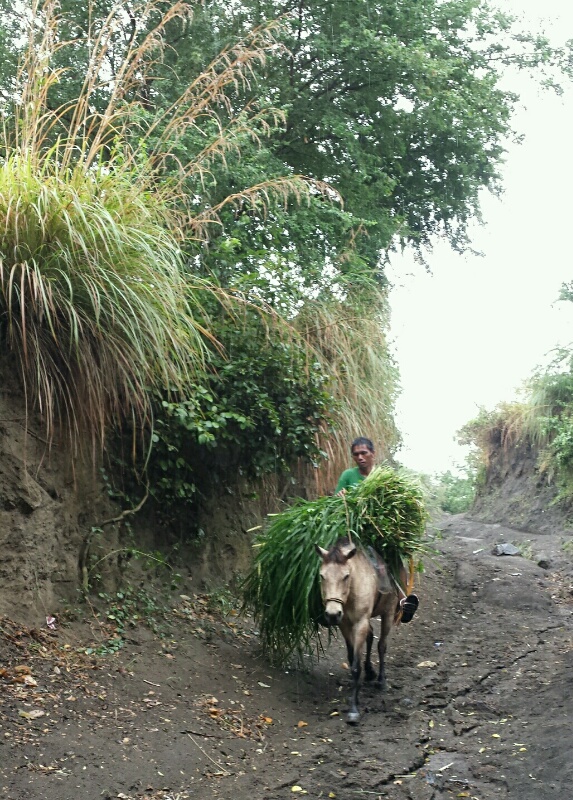
Another horse carrying horse food

I think you don’t need to be extraordinarily fit to tread the same path as that of the horses. The trail is unchallenging. It took me just an hour of roundtrip walk with summit view appreciation. I heard a local says it’s about 4 kilometers to the top but I think he meant the roundtrip distance. It’s so easy. Too short for running though. So unless you consider horse riding an experience, walking is better especially on a just rained ground.

image

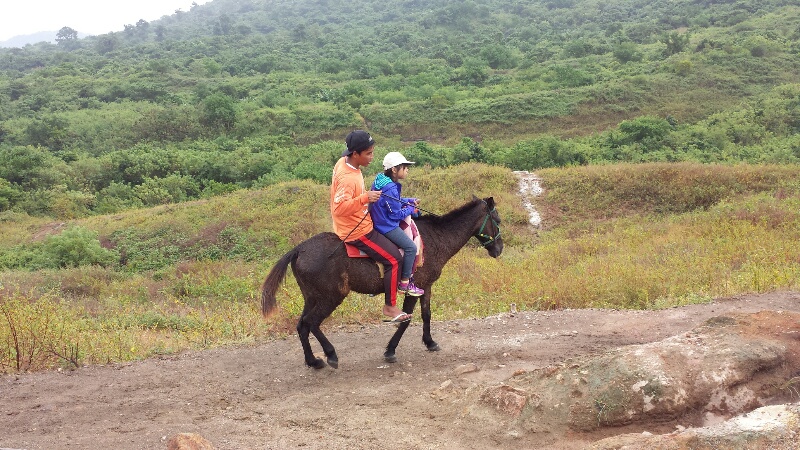
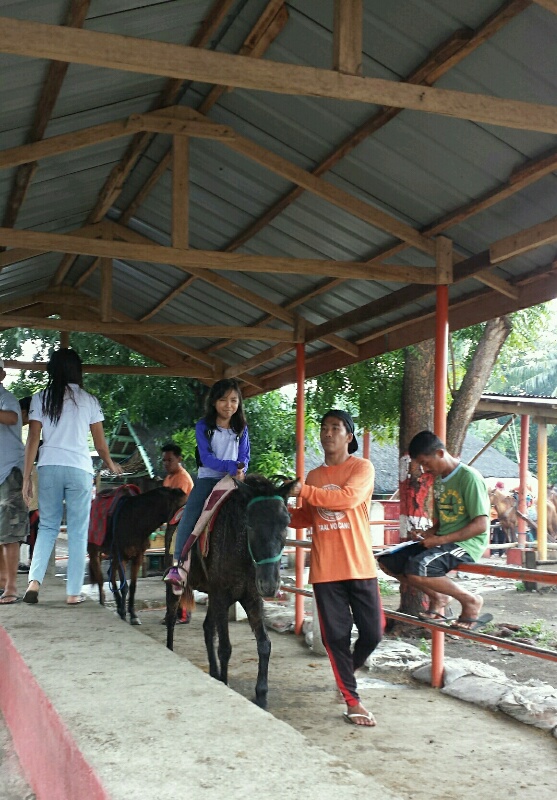
Child tourist on a horse

image

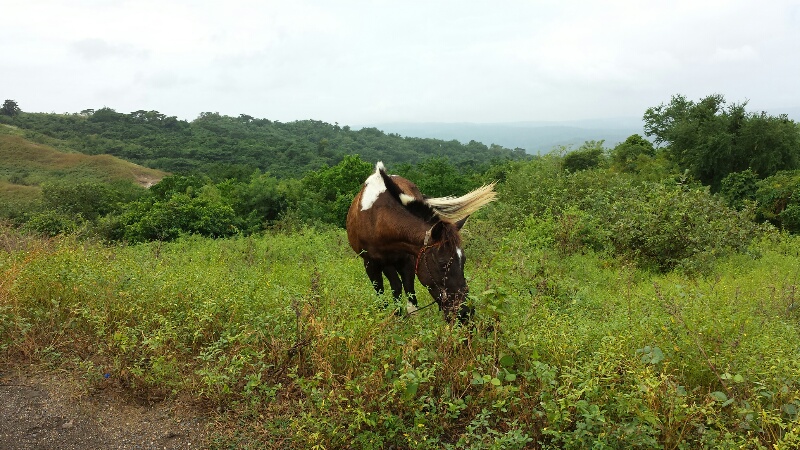
A grazing horse seen along the trail

image

Loading dock for tourists riding a horse

image

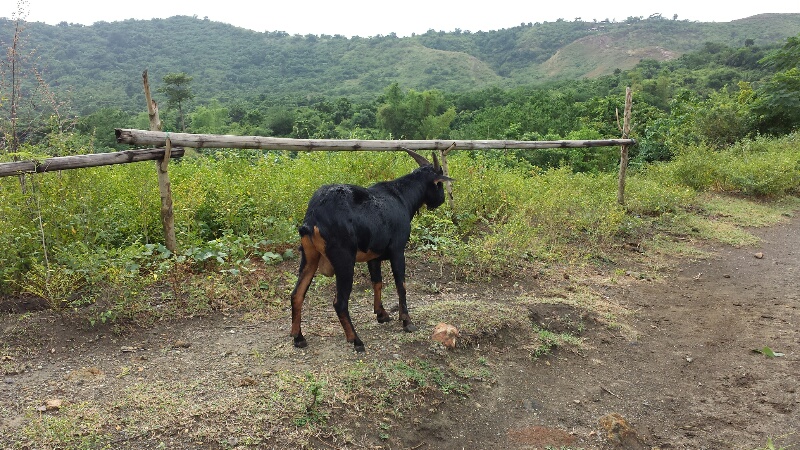
Obviously not a horse but this creature is welcome in this post too. See you can take a pause and appreciate a goat if you walk instead

image

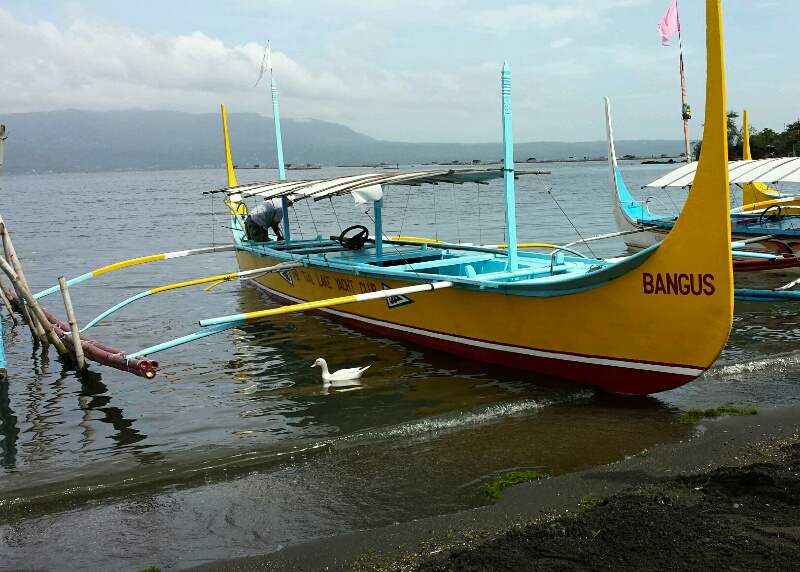
Another creature sighted at Taal Lake, the beginning and end of the Taal volcano walking tour

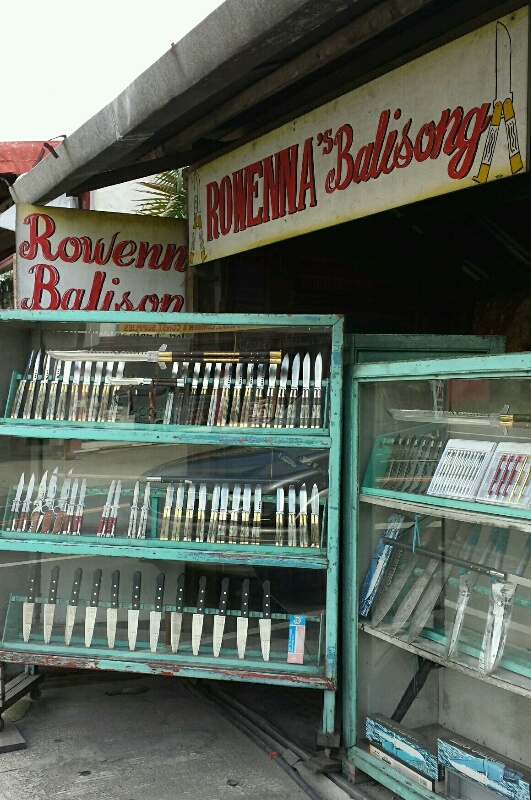
Typography: Balisong Shop

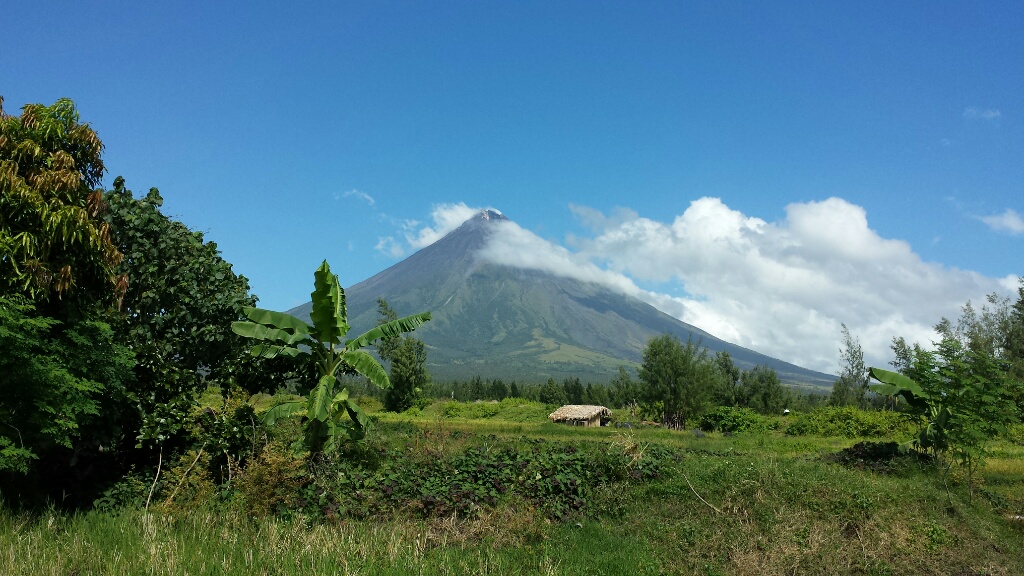
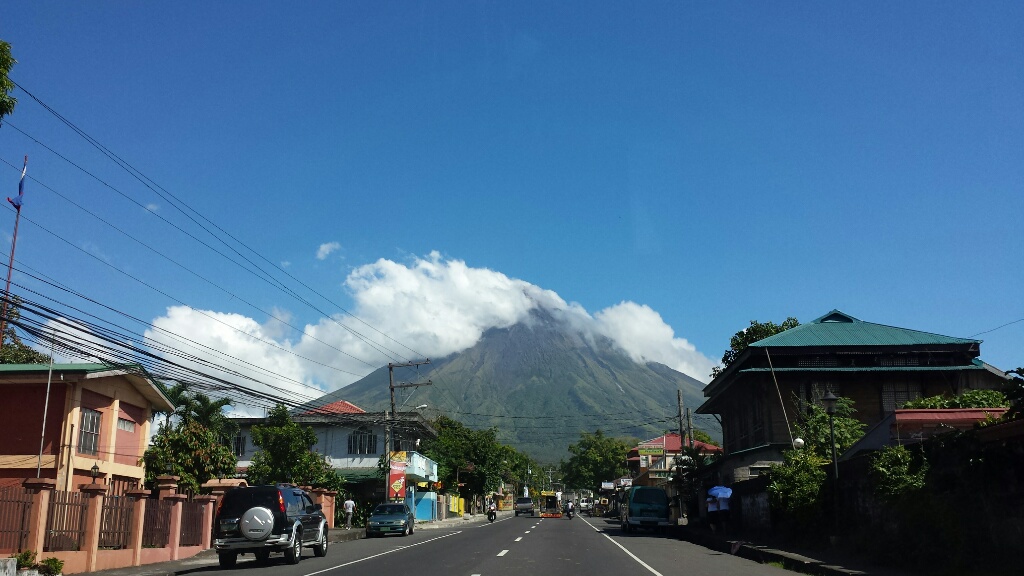
Mount Mayon

Drying Goods on the Road

image

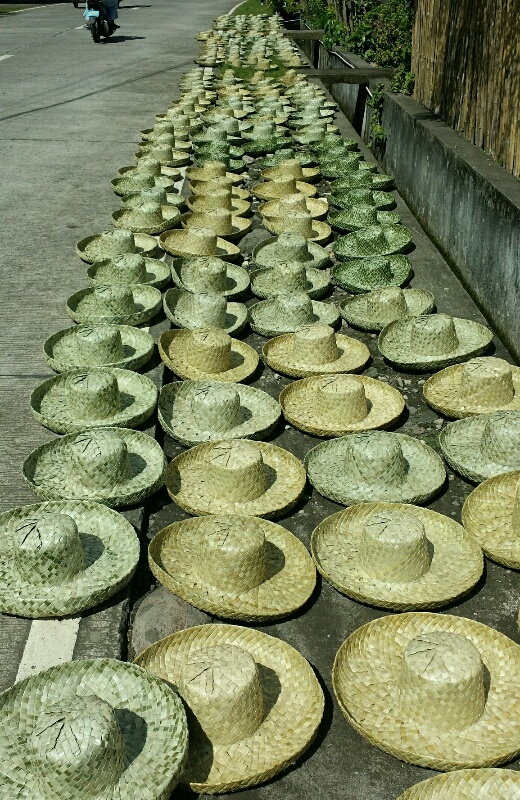
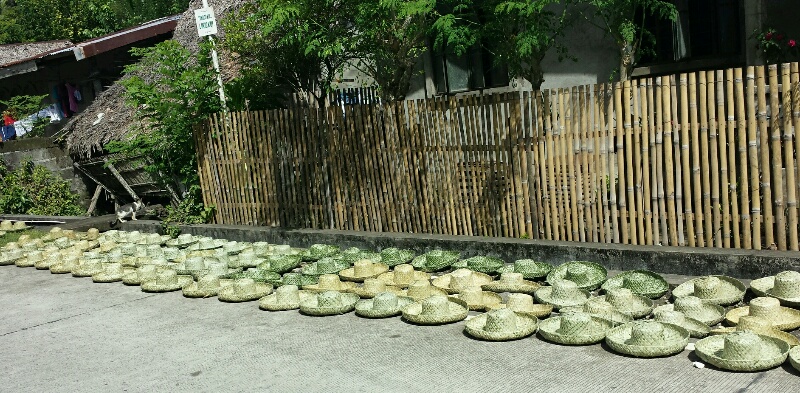
Karagumoy hats

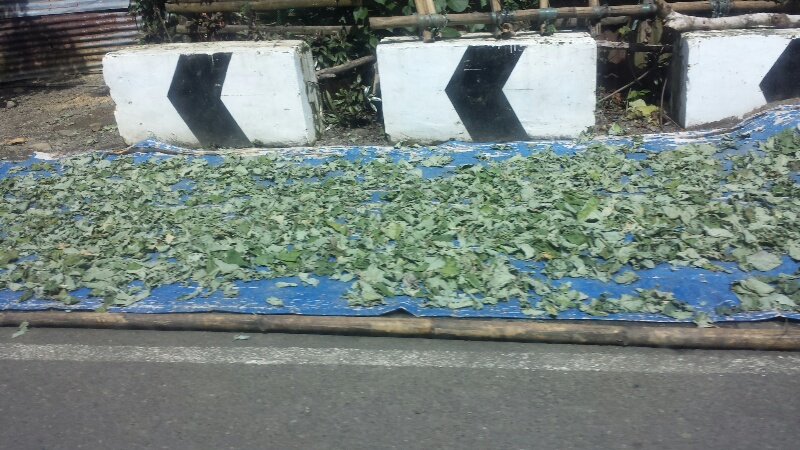
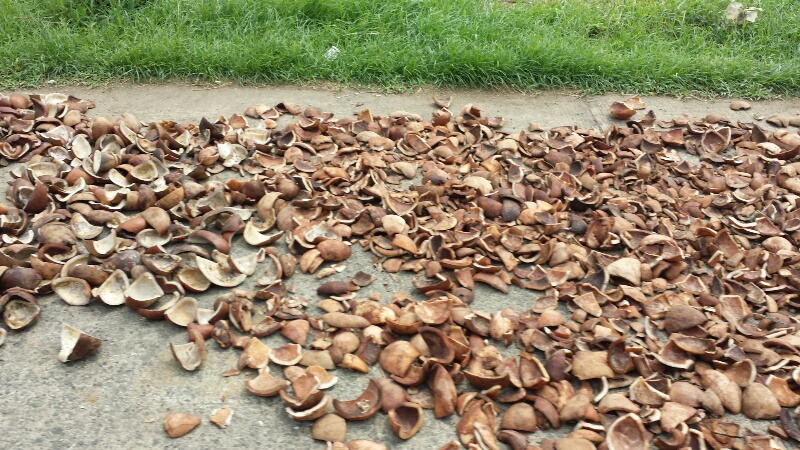
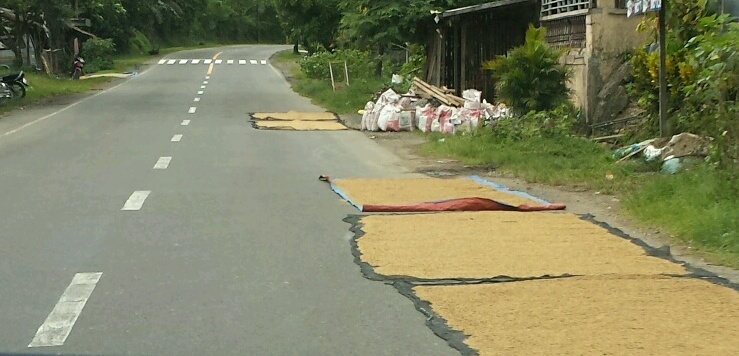
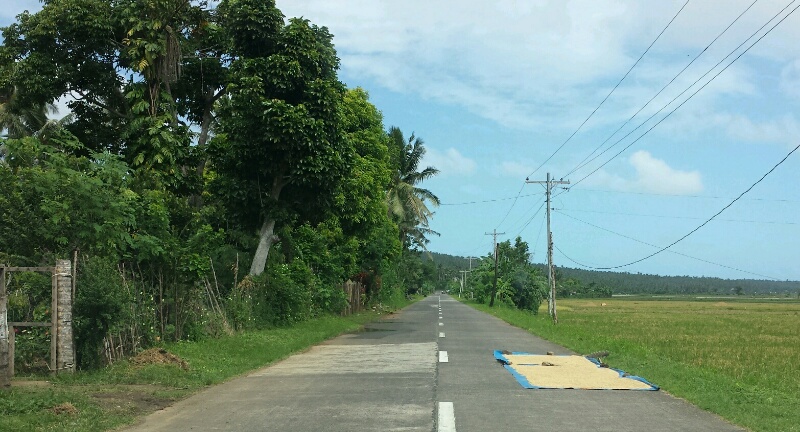
In the probinsya, public roads are not only for vehicles and pedestrians but as readily available space for sun drying food and non-food stuff. More frequently observed is grain drying, especially rice grains, and sometimes corn. Then there’s also coconut drying (copra). But it’s only in Bicol region where I saw gabi leaves drying and karagumoy hats drying.

image

image

Gabi leaves for laing?

image

Copra

image

Rice grains

image