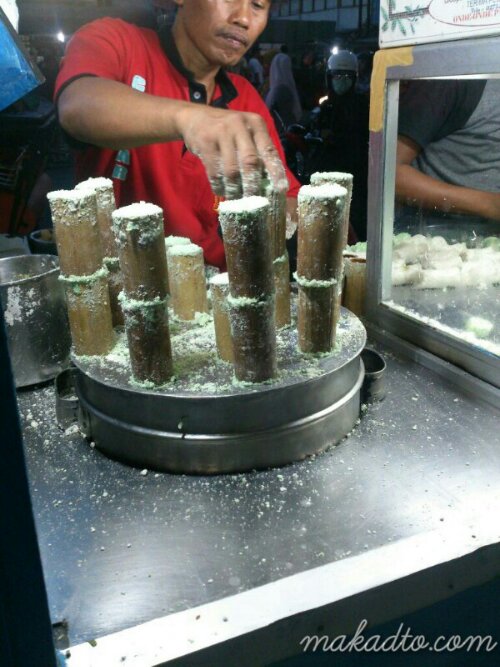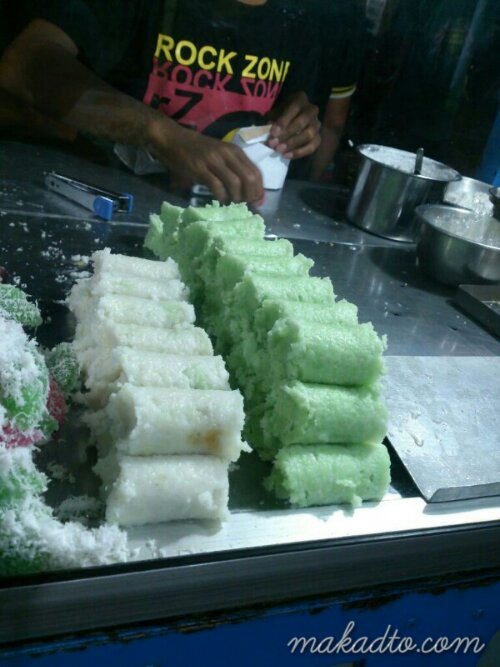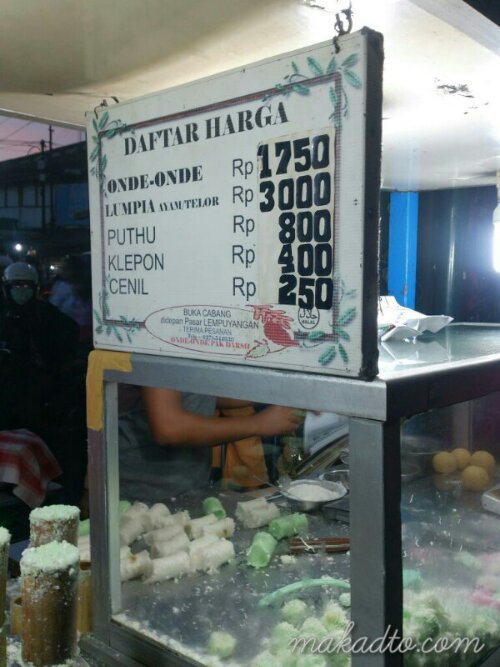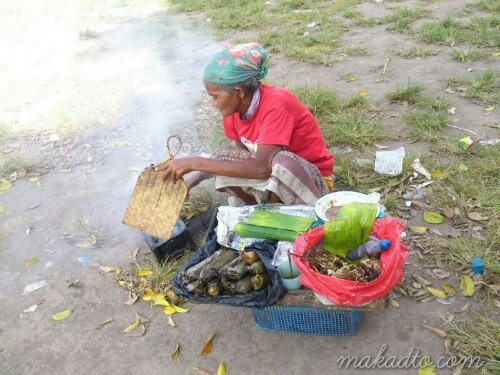
Category Archives: Food

Kalabasa Ukoy

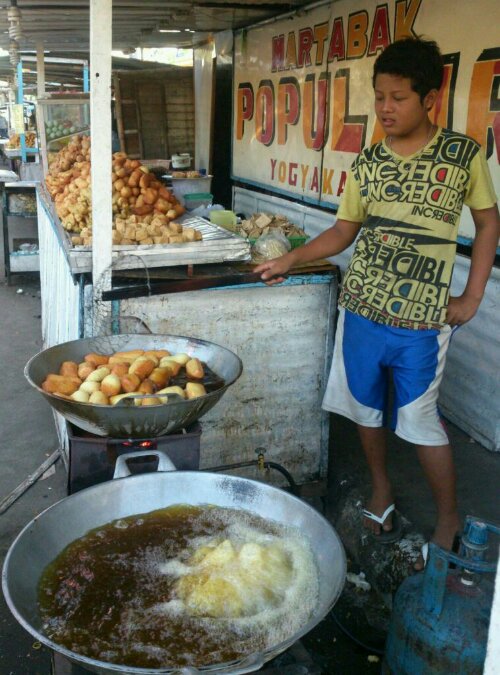
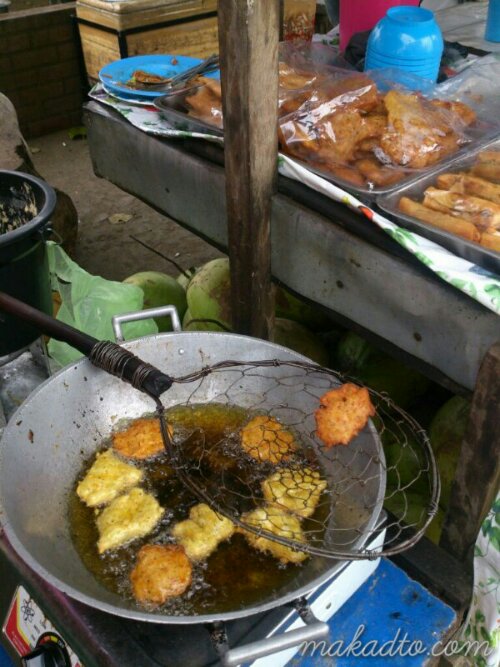
Fritters as street food as usual (in countless variations) like this vegetable one made from squash.

image

Makeshift spider strainer and wok as necessities

Newspaper as Food Wrap

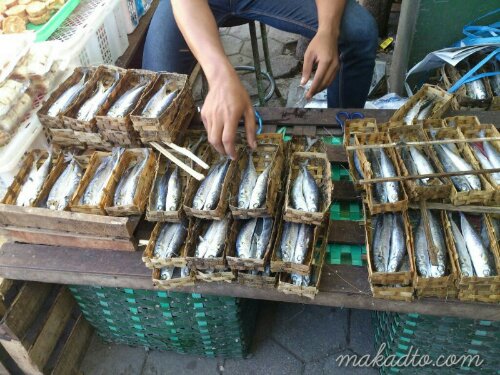
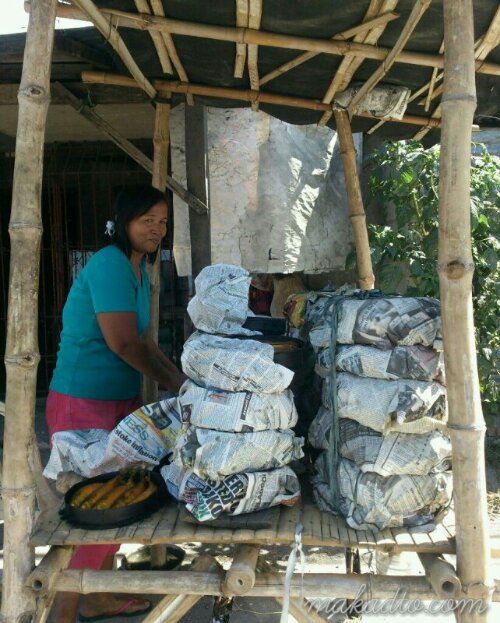
The bamboo container used during smoking process holds the smoked tamban for roadside selling. Each container is wrapped in newspaper as a sanitation idea while being displayed using stacking system on the bamboo shelf just by the national highway.
image

When you buy the smoked tamban, these will also be wrapped in newspaper.

Lugawan


image

Lugawan is fairly common in every region all over the archipelago. Lugaw (rice gruel) in several variations is an appealing option for a quick meal wherever its location may be, whether in poblacion or town plaza or along highways as food stop for motorists and provincial buses.

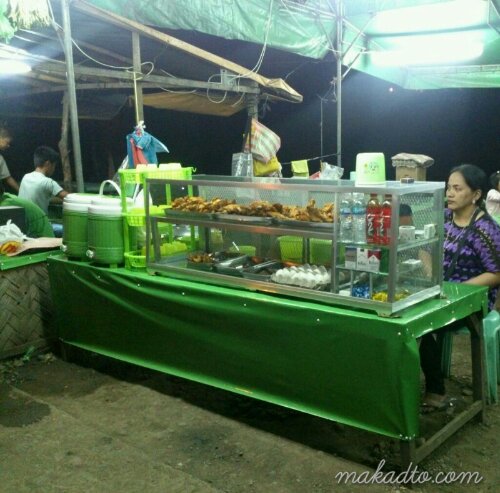
The lugawan in this post is in Alicia town of Isabela province and one can observe several of this table lugawan setup along the national highway where each one serve boiled culled layers as an accompaniment to the plain lugaw. I remember in Bantayan island of Cebu province, grilled culled layers are sold everywhere understandably because chicken egg production is the island’s primary industry. I did enjoy snacking on that tough but tasty meat.

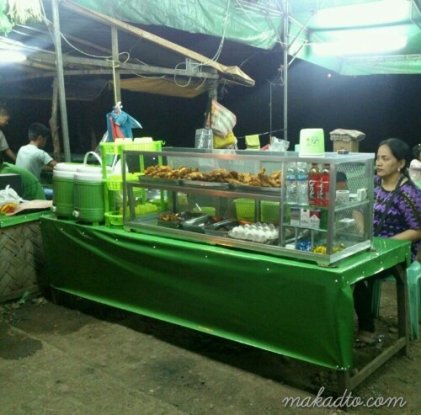
In that clear display shelf, one can choose chicken or egg as lugaw accompaniment or none at all but just plain lugaw depending on one’s budget.
image

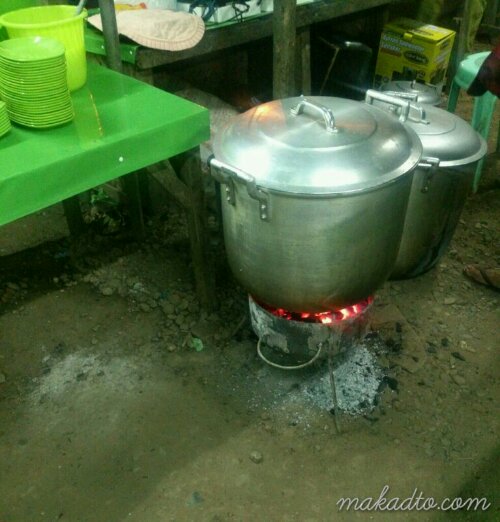
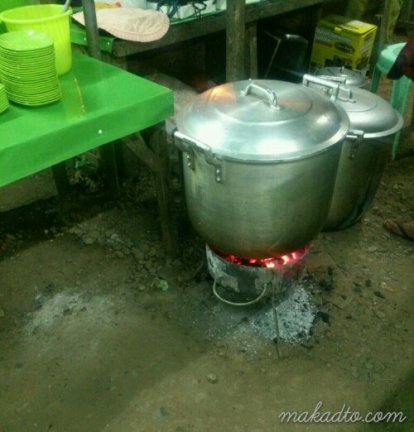
A lugawan place is attractive if there’s a giant caldero full of lugaw continuously heated in a stove using either charcoal or wood as fuel
image

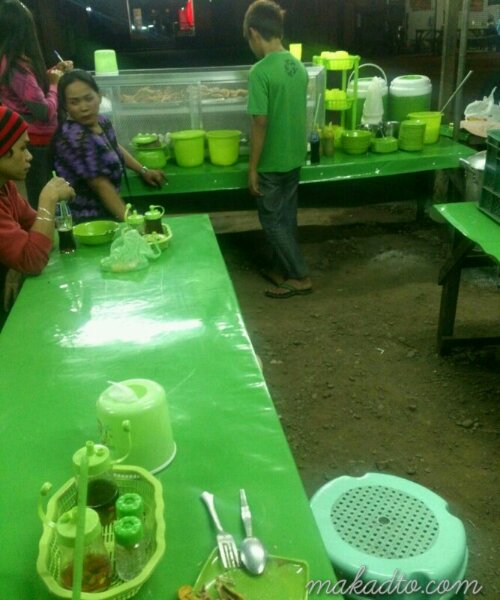
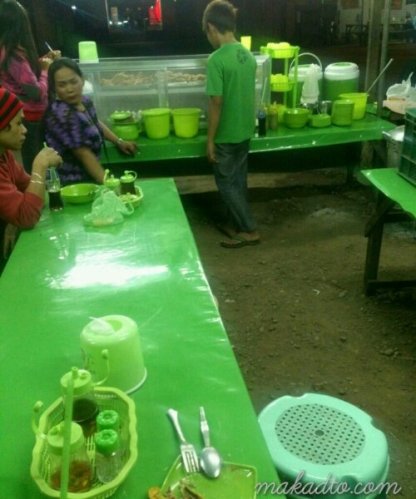
The lugaw proprietor has a penchant for green color
image

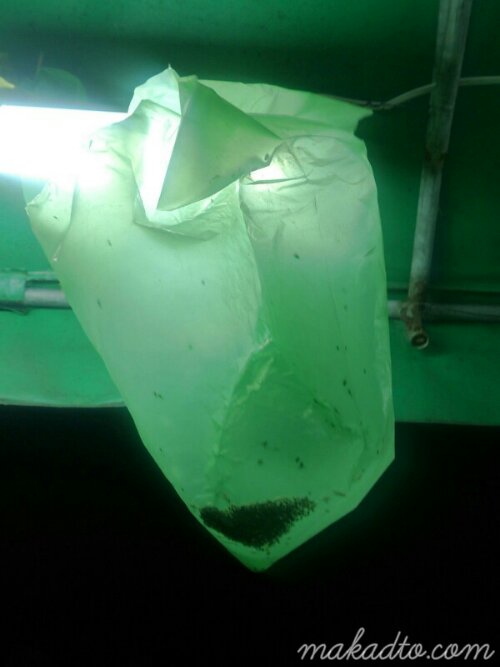
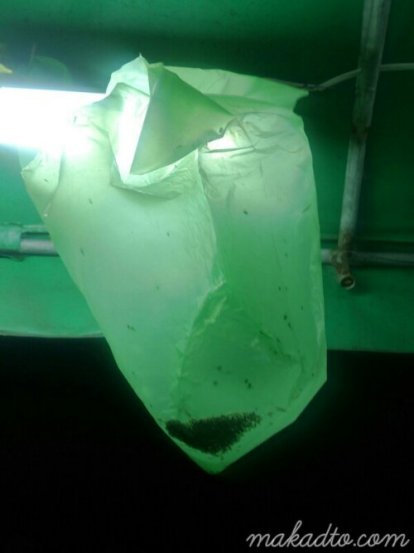
Some kind of a gamu-gamo trap under a light source. Just put a bit of water inside and the gamu-gamo will go in says the lugaw guy
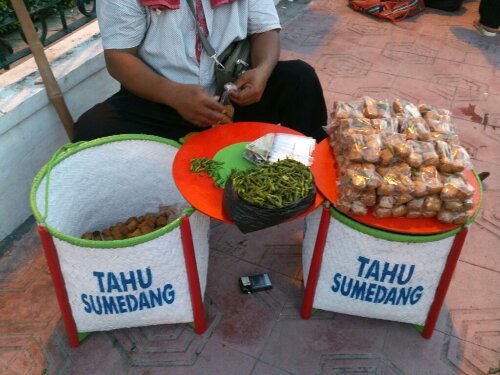
Tahu Sumedang

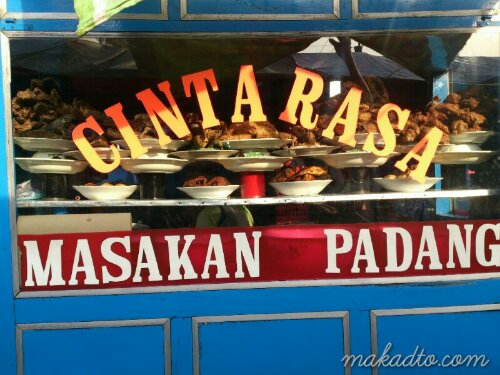
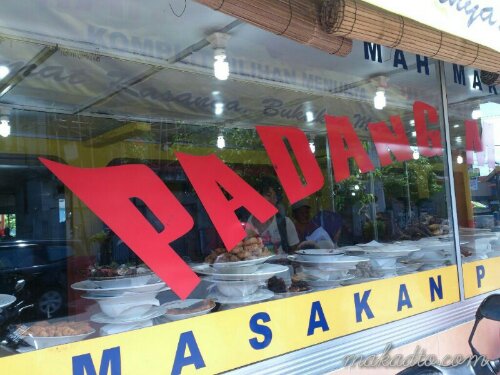
Padang

Assortment of fried or grilled stuff stacked on stacked plates by the display window. This buffet like arrangement looks better than the boring chafing dish.
image

Not as well stacked as couple of hours earlier in this padang understandably because this was past lunch hour already.
image

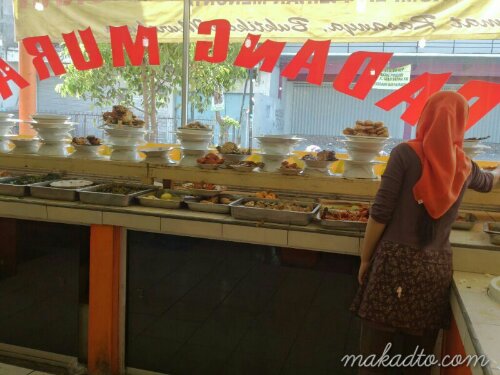
A look behind the display window where stacks of viand are almost gone.
image

Tricolor Rice Eats

Rub-a-dub-dub, three sticky rice thing in a tub.
And what do you think they were?

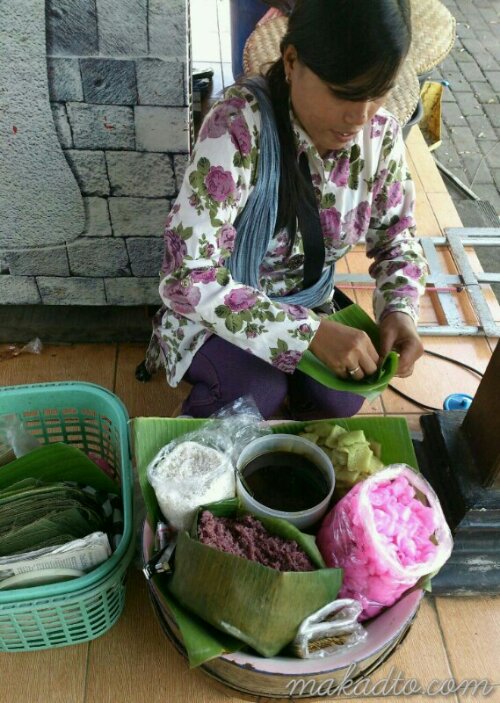
This lady vendor in Prambanan Temple Compound has three appealing variations of sticky rice snack where the texture and taste are similar to a couple of glutinous rice based kakanin in the Philippines.
image

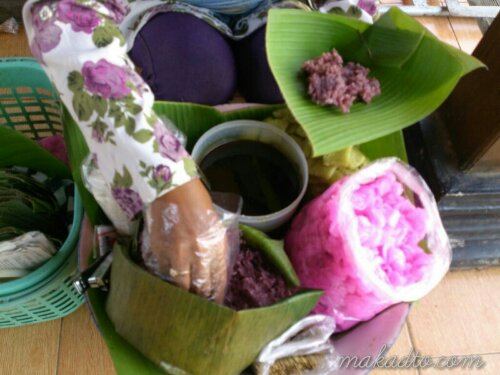
The purple one taste like puto maya while the pink one looks like an odd-shaped mochi with no filling (I was too full of the purple and green stuff to try this one, and its color isn’t natural that’s why).
image

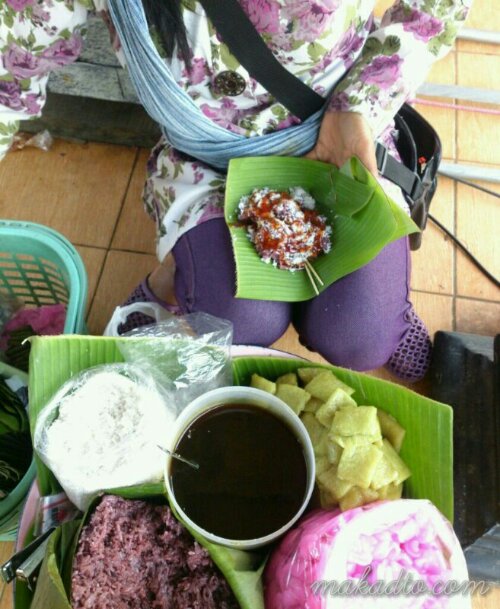
The green thing that’s more visible in the photo below taste like suman sa lihiya but presented in tiny square bite size.

image

Sticks as utensil and banana leaf as plate

Whichever color you’d choose, they’ll be served with that latik at the center of the tub (sugar-coconut syrup), and garnished with grated coconut meat.

Gorengan

Wonderful Indonesia

Met the Petai Once More

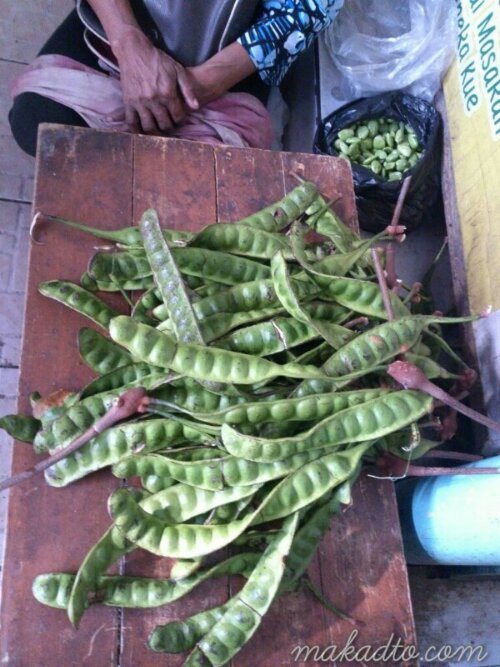
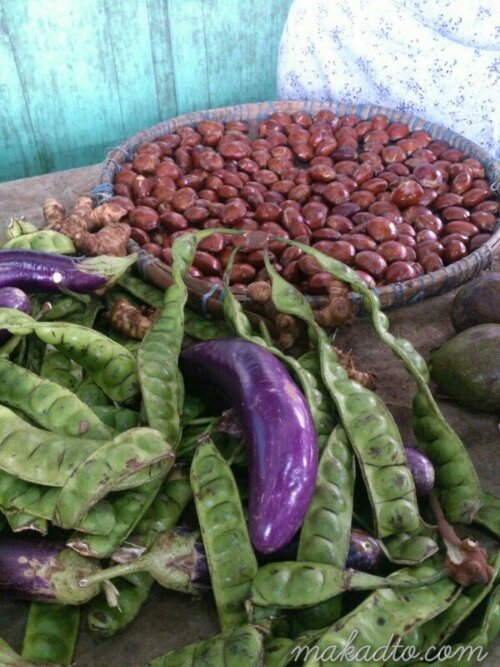
My initial sighting of this bean was in a tamu in Sabah, Malaysia. Then spotted anew in a pasar and padang in Yogyakarta, Indonesia (where I had some boiled ones still in its pod). After that, a more than just a stumble upon story when I cooked sambal with petai (aka stinky beans) in a Javanese cooking class. My conclusion is that, Malays love petai.

Mostly I see this variety.
image

But that brown one (in round tray) are also stinky beans says the cook.
image

Same with these packed ones.
image

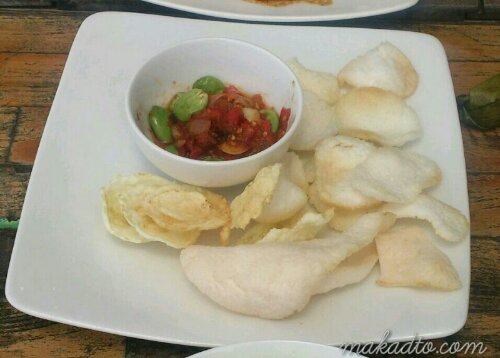
Sambal with stinky beans in the bowl.
image

Kerupuk Tin Can

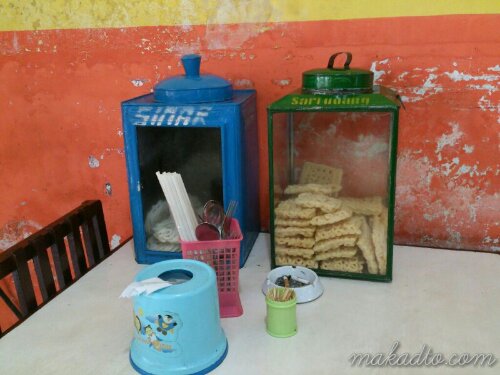
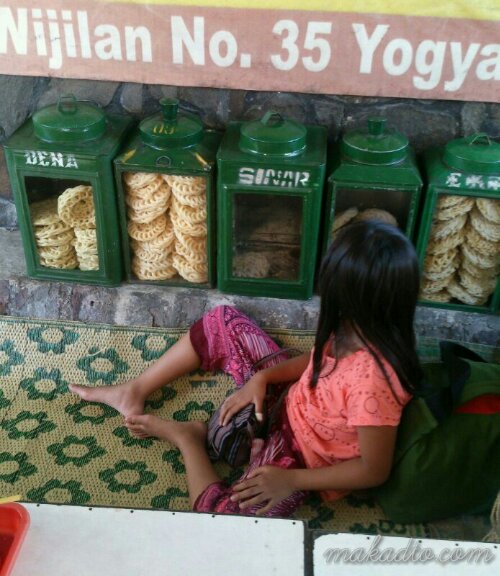
A see-through tin receptacle for large kerupuk (starch/flour/rice crackers) that are oftentimes eaten as side dish to a rice meal, as in one would chomp on the crackers, then partake on rice with viand using hands, then chomp on the crackers again and so on in that manner.  I’ve easily acquired the taste and habit of having kerupuk in my meals and have simply adapted to this kind of eating while I was in Indonesia.

Keeping kerupuk close to the padang diners by having a can or two in every table
image

Several cans within reach in this gudeg lesehan
image

Fish Organizer

Tempe

Very common in Javanese diet is this fermented whole soybeans known as tempe (or tempeh).

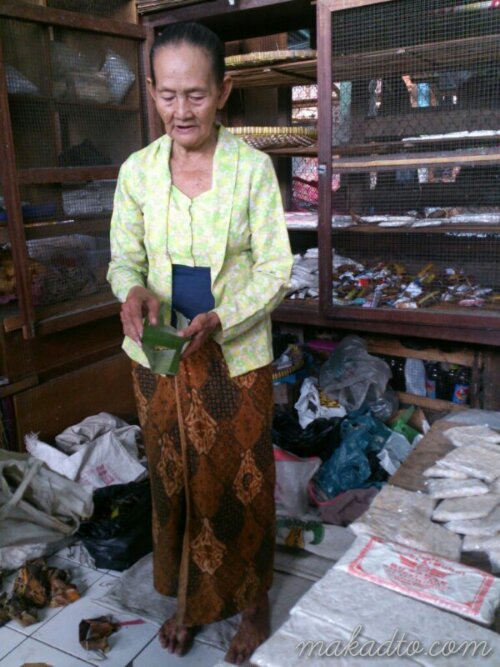
The lady at the market was showing the whole soybeans in banana leaf ready to be fermented inside those sacks in the floor.
image

Fermentation process ongoing in those sacks. After 24 hours one can already enjoy the protein rich tempe.
image

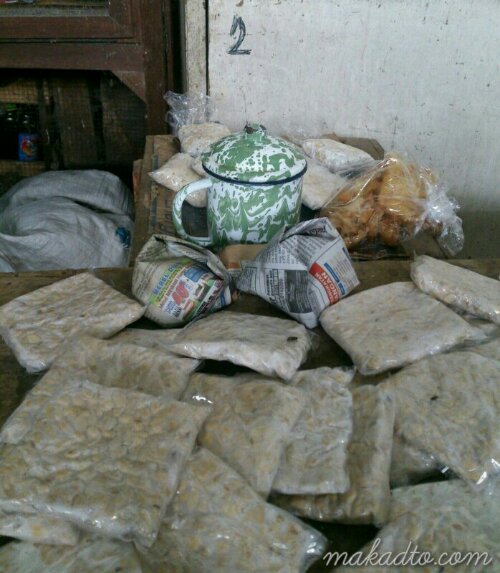
Newly fermented tempe on the table. Still warm when we bought it.
image

image

Slicing tempe in thin strips and frying it till crispy then covering it in caramel sauce using palm sugar will make a perfect accompaniment to spicy dishes.
image

Lesehan

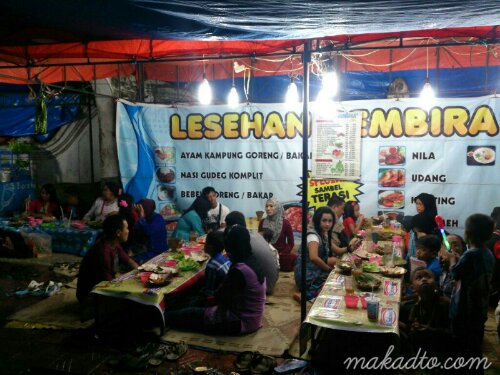
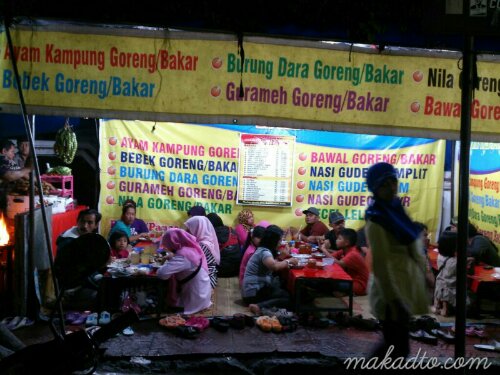
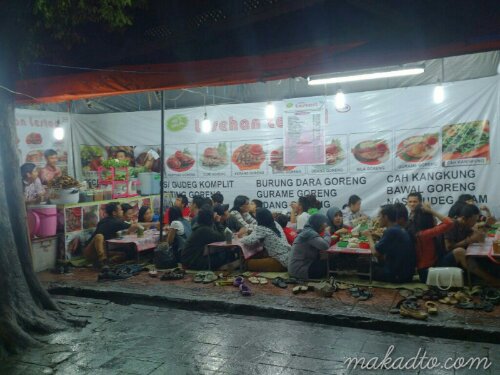
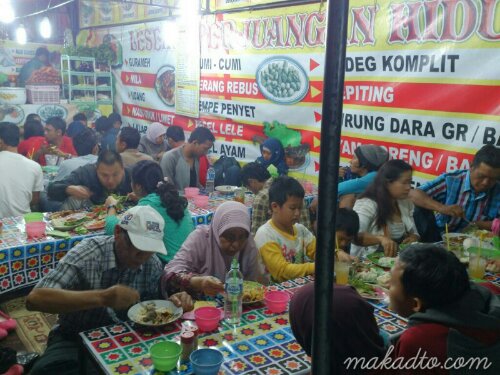
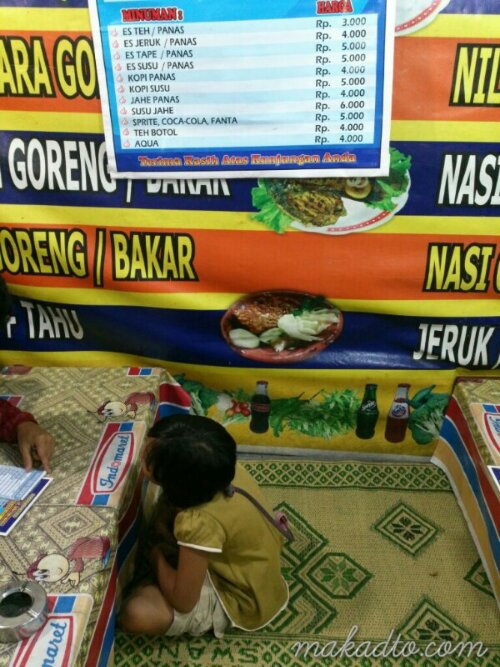
A kind of street restaurant (rather a sidewalk one) minus the chairs. But who needs chairs when one can comfortably sit and eat on the floor. Utensils are optional too but each one gets a bowl of water for handwashing.
image

image

image

image

The floor mat I noticed were those weaved plastic ones.
image

One can always have a typical restaurant dinner anytime in my home country and for occasions such as New Year’s Eve it’s kind of natural thinking for most (who can afford) to celebrate it in fancier restaurants (if eating outside home), in fine dining style. But my last dinner for 2013 was a very satisfying meal of bebek goreng and nasi goreng with lots of sambal, hand as utensils, in lesehan-style.

Belinjo / Melinjo

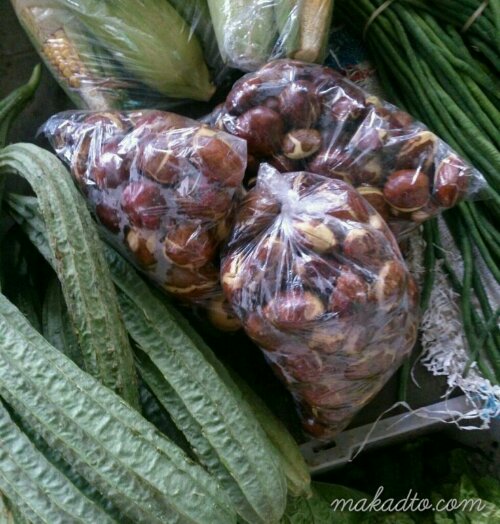
I’ve been seeing a lot of this tiny red fruit at the Prawirotaman market the first time I was there so the next time I went there with an English speaking Indonesian cook, I asked her for the name.

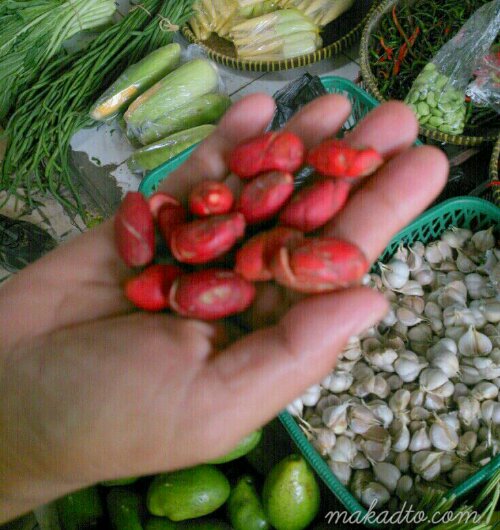
Belinjo says the cook while showing several fruits in her hand.
image

Here’s a closer look at the fruit and its nut inside.
image

Belinjo nut can be made into a krupuk when roasted, peeled and pounded manually. Krupuk is a standard side dish in Indonesia with several variations and this is one of those.
image

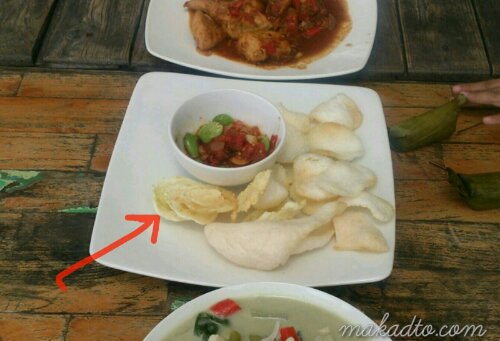
Garlic krupuk, shrimp krupuk and belinjo krupuk (pointed by the red arrow) with sambal as accompaniment to the lunch meal we prepared.
image

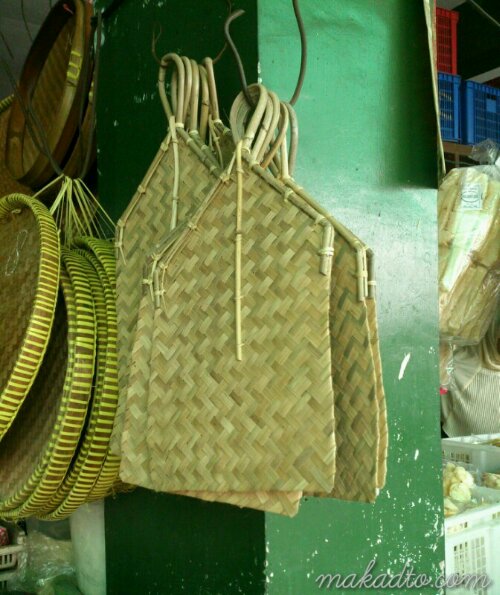
Sate Bamboo Fan

Salak / Snake Fruit

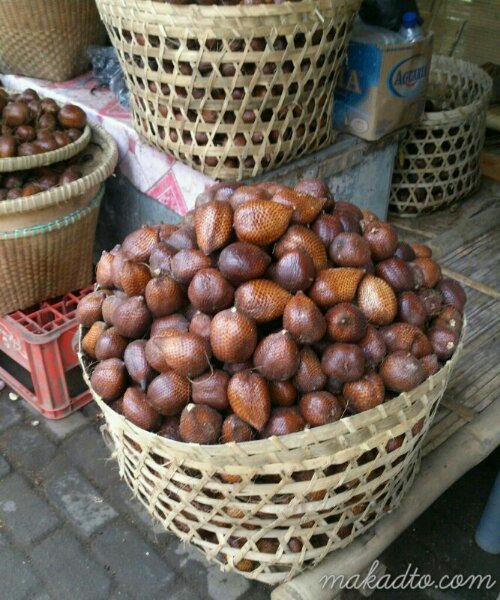
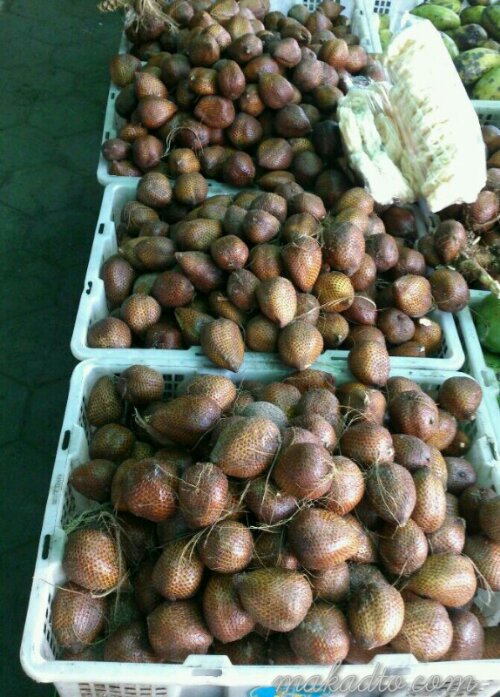
I’ve seen this palm fruit all over Yogyakarta, also in Magelang. Seems all over in Central Java.
image

image

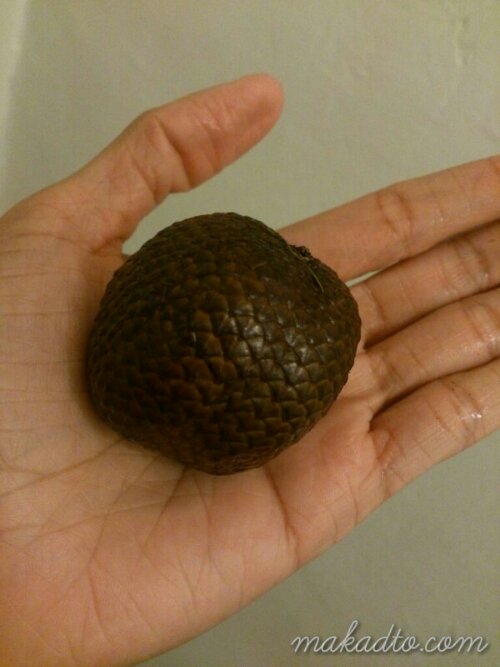
The skin is akin to that of a snake.
image

Peeled salak. Crunchy, sweet and sour.
image

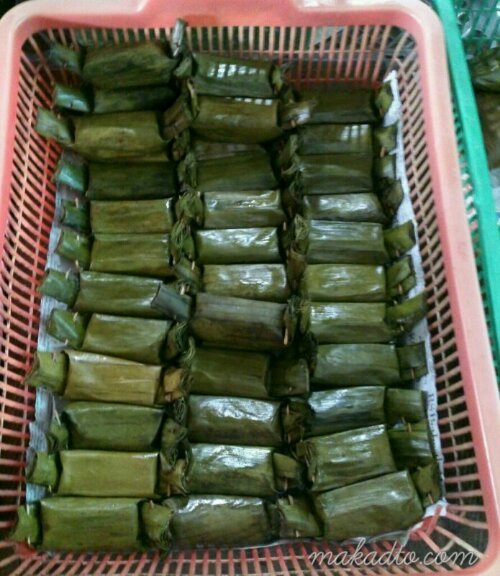
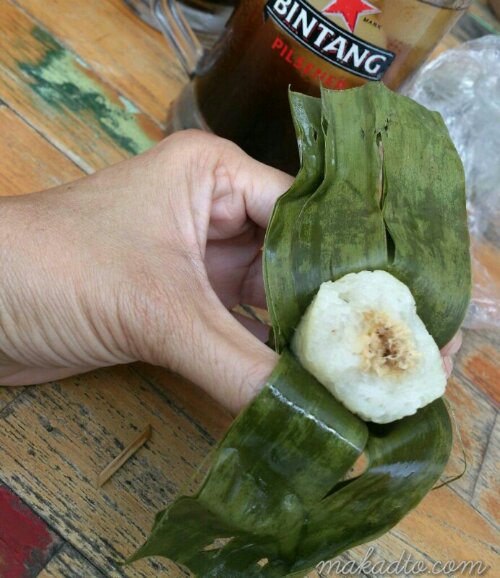
Lemper

Oleh-Oleh

The concept of pasalubong isn’t unique to Filipinos. It’s an Indonesian habit too and one can’t fail to notice that at Yogyakarta airport from their baggages and even as I queued at Dunkin Donuts to buy 2 pieces for my kid. Locals would order several dozens but instead of having it boxed by dozens, each doughnut was placed in paper bag, that’s about 36 tiny paper bags for the guy in front of me. Presumably those were for his work colleagues in Jakarta or maybe for his relatives and friends in Surabaya or Bali. Wherever his destination may be, he was leaving Yogyakarta with his oleh-oleh in the form of hand-carried 36 paper bags of Dunkin Donuts.
A place for last minute oleh-oleh shopping such as bakpia in Yogyakarta airport.
image

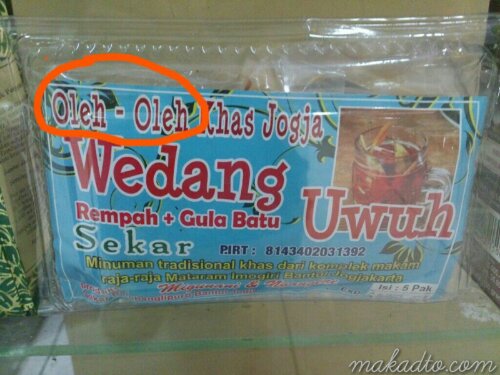
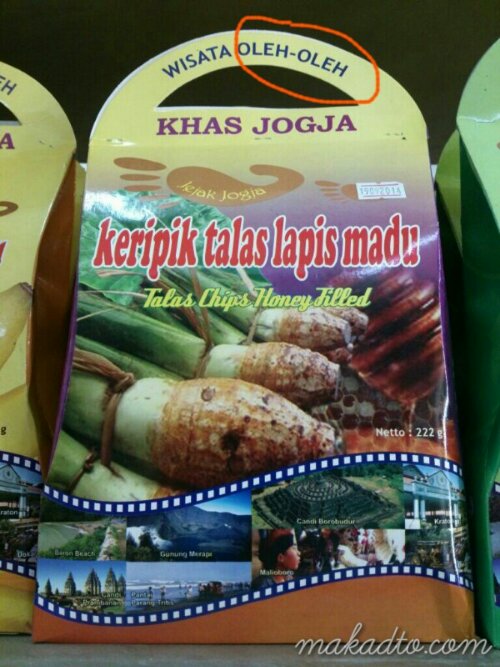
Oleh-oleh pertains to food/beverage only, that’s the difference between the term oleh-oleh and pasalubong.
image

image

Puthu

Sate Ladies

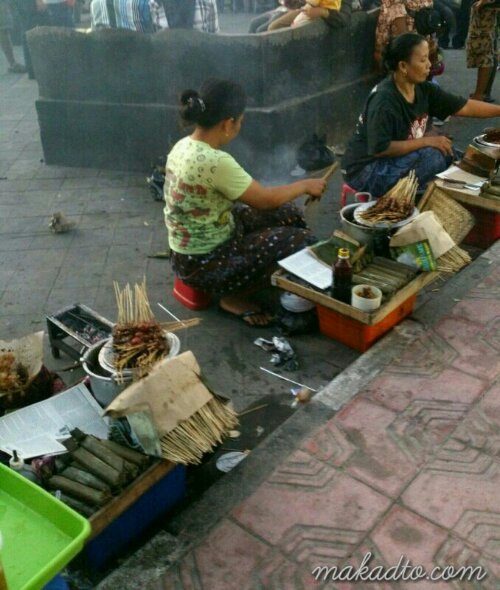
Looks like it’s a woman’s job to peddle sate on a chosen spot sitting almost at floor level beside their tiny grill.
image

Portable tiny grill that’s fit for the tiny skewered meat.
image

Banana leaf as sate plate.
image

More sate ladies in the street.
image

image