Category Archives: Pilipinas

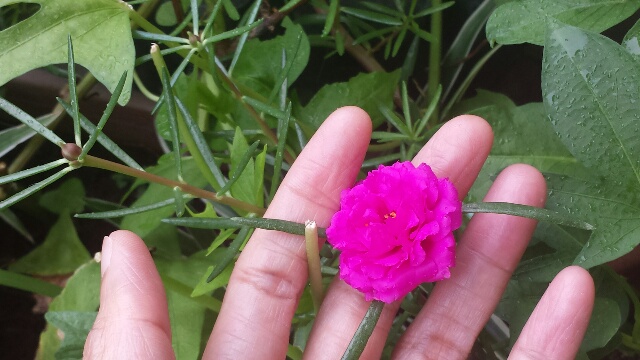
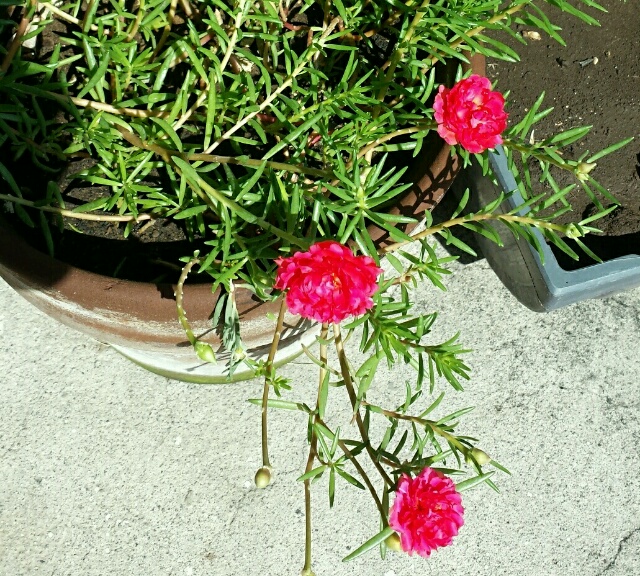
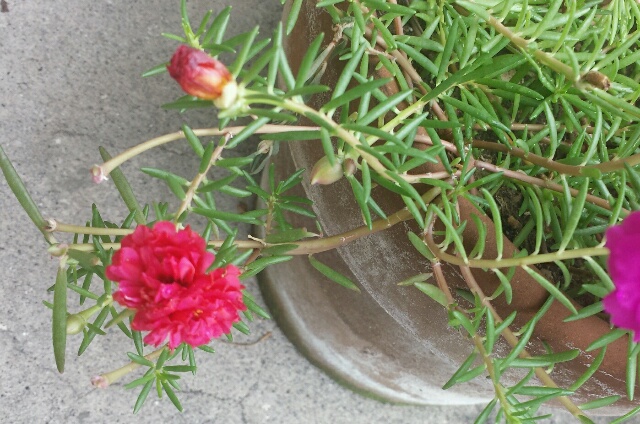
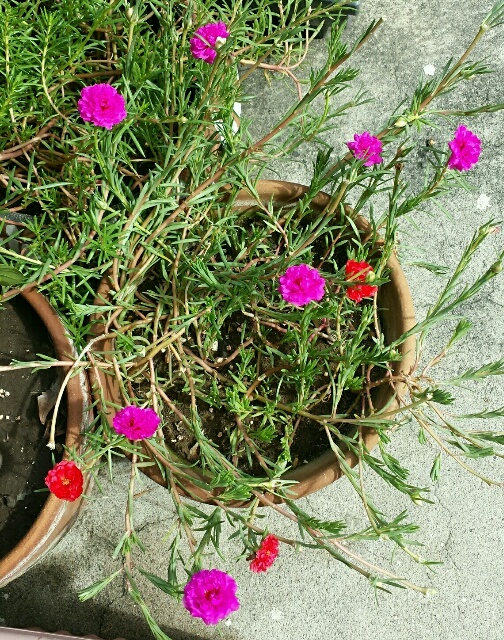
Moss Rose

Stimulus

image

Sunset

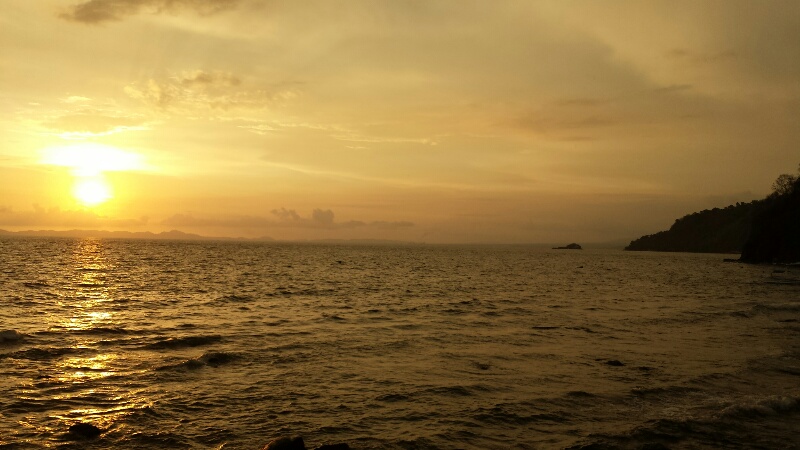
That vision of soft sunset by the sea is somewhat connected to my being. Particularly to my gut as I anticipate the forthcoming evening meal. Like a stimulus to my digestive system. By twilight, my anticipation grows stronger as I see myself about to eat. And so, sunset can be a joy for nonsentimental, nonpoetic, and non-cheesy reasons.

image

Now it's twilight...almost dinner

Run for all Seasons

image

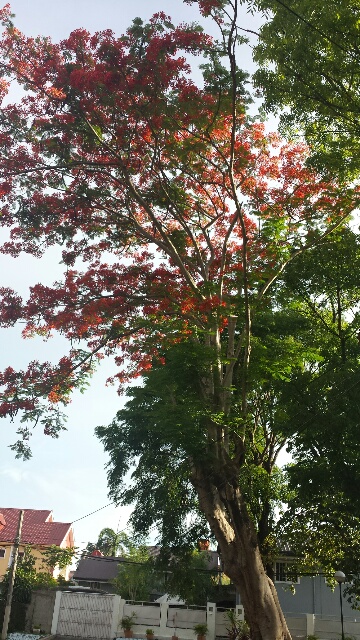
Fire tree

The gated community where I reside in Metro Manila has plenty of matured trees. Running all year round, I unconsciously got into the habit of observing seasons for blooming or fruiting. One couldn’t possibly miss the duhat season once its fruits littered the roads. Even in those designated running lane at the parks, one has to be careful to run around its fallen fruits or else you’ll get stains on your shoes or worst you’ll trip. Seeing those abundant duhat fruits just for the birds to eat and for the overripe ones to litter the ground, makes me want to harvest them myself and eat. Duhat season usually starts at the end of school year, on March.

When the duhat season is almost over, the Indian mango trees will by then be filled with fruits, a signal of the height of summer season in the country. There are plenty of mango trees in the village and there’s this one house who wants the whole village know that no one is allowed to pick their mangoes. They put up a sign that reads “Bawal magpitas ng mangga.” Beside the mango trees, the bougainvillea bloomed and colored the gardens of residents in its most saturated look under the intense summer sun. By the end of summer and around this time, santol trees are beginning to bear fruits while the fire trees are blooming intensely.

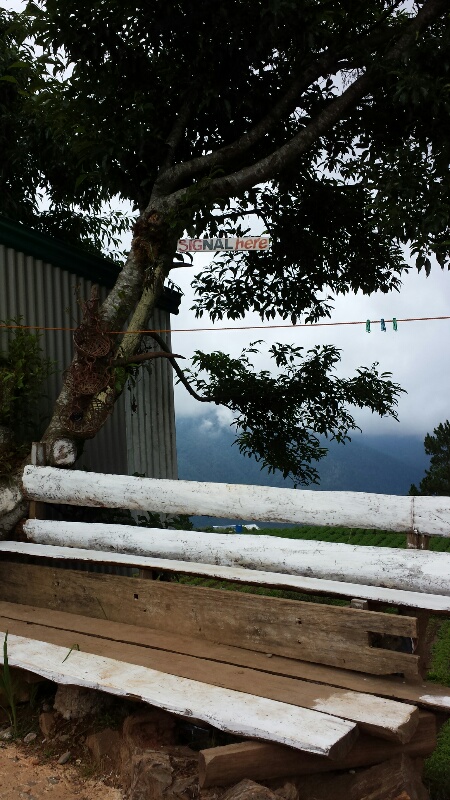
Signal Here

Pulag Plant Curiosities

image

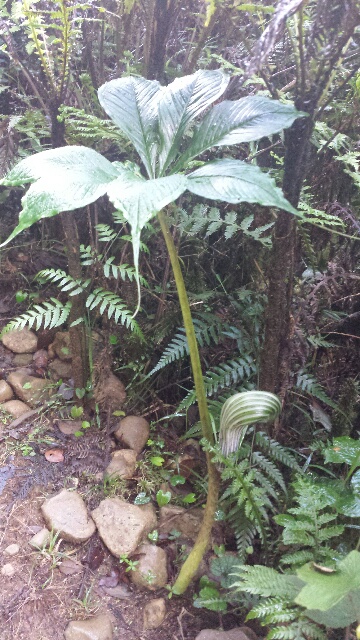
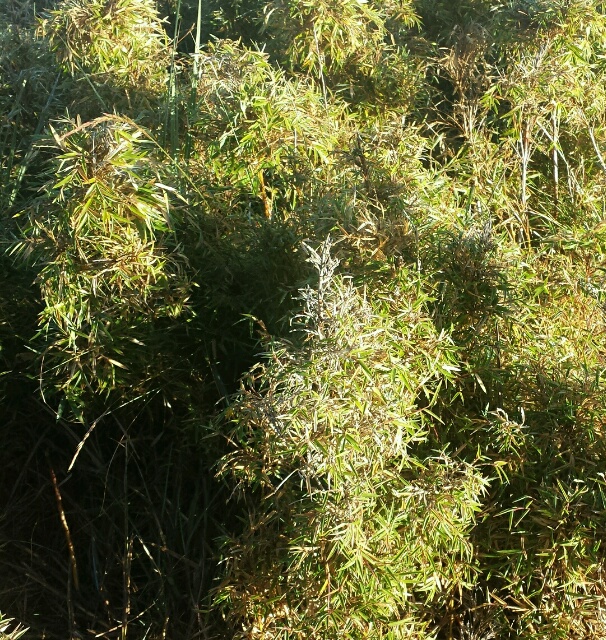
Plenty of sightings of this plant along the trail in the mossy forest of Mt Pulag

image

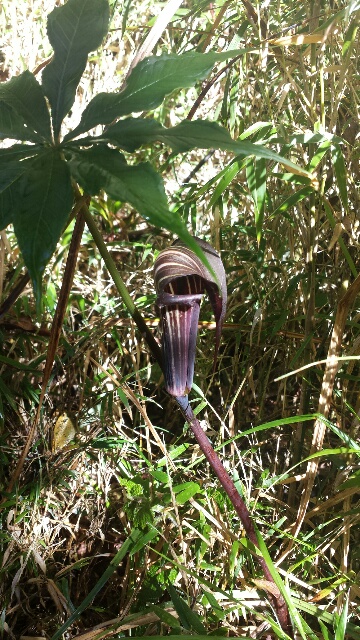
Same plant as above

image

Mt Pulag's dwarf bamboo

image

Clusters of dwarf bamboo grasses at the summit

image

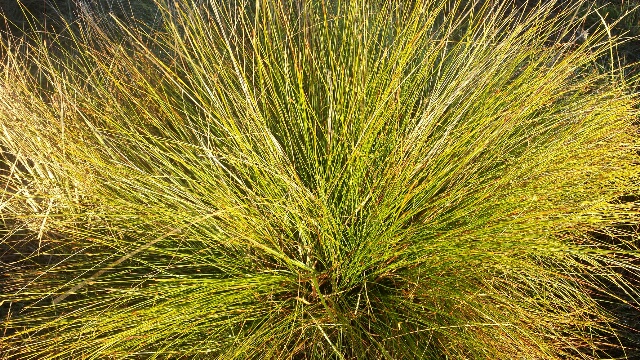
The grass in Mt Pulag's grassland area apart from the dwarf bamboo grasses

Leafy Edibles from the Garden

image

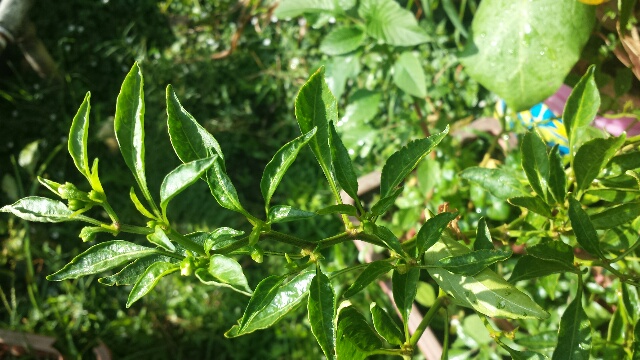
Siling labuyo

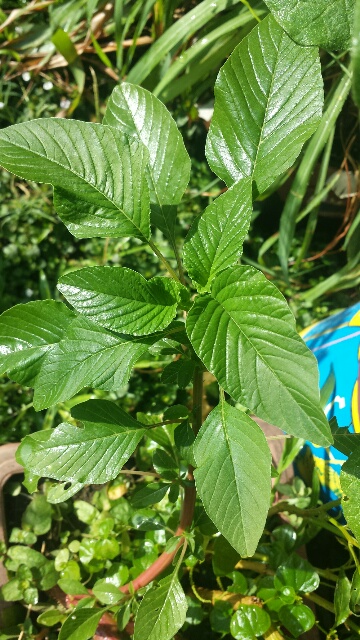
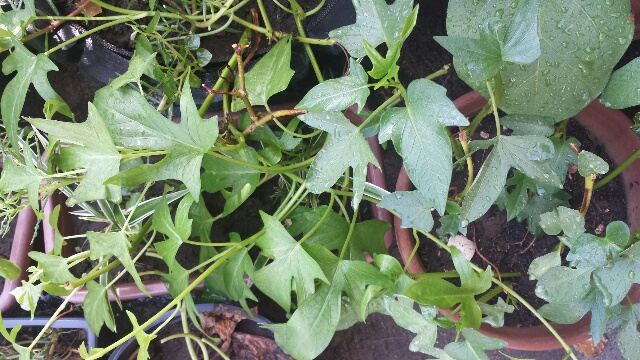
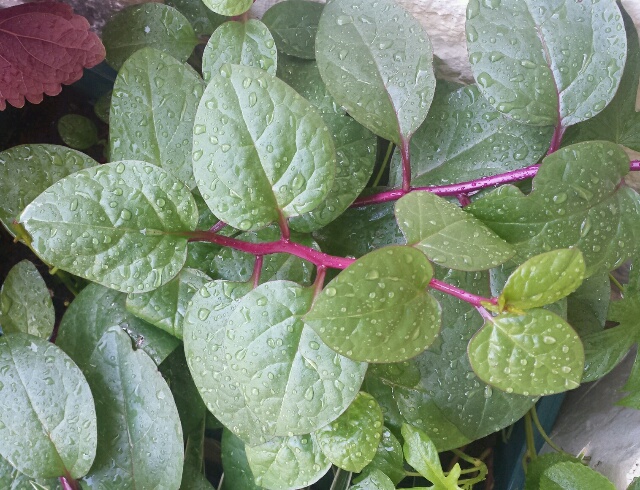
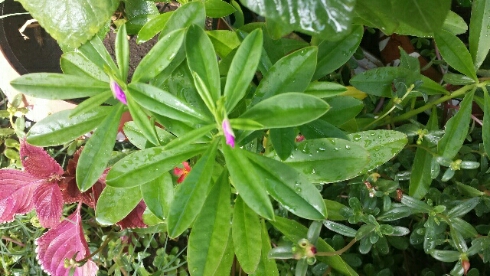
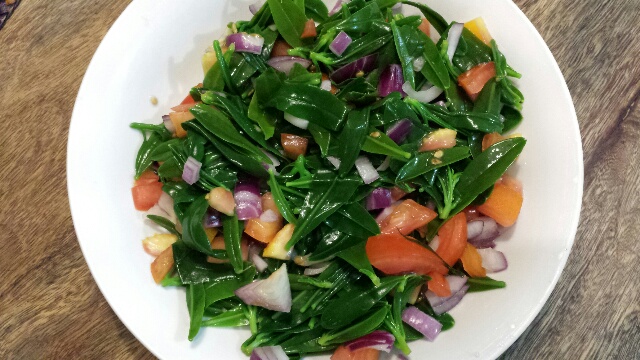
I have several plants with edible leaves from my container garden. Last night, I picked some talinum tops and made salad by adding chopped onions and tomatoes to the young leaves after blanching them. I then put a bit of sea salt as I mixed the three ingredients to come up with a deliciously nutritional salad accompaniment to my rice meal.

image

Kulitis

image

Kangkong I meant kamote

image

Alugbati

image

Talinum

image

Talinum leaves with tomatoes and onion salad

Pee Hole

image

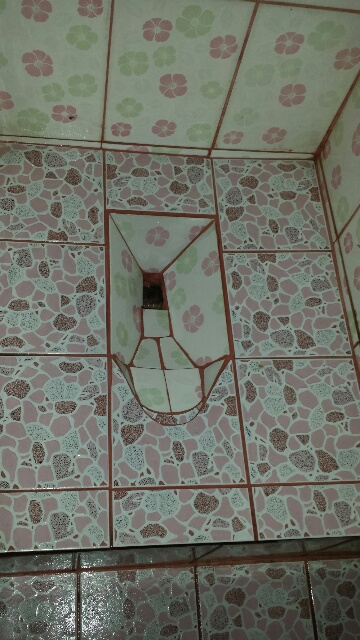
The tiny hole is meant for peeing only

Squat toilets in the country are not as common as in other Asian countries. It’s only in Benguet that I’ve seen several toilets of this type and normally in eating places that serve as motorist stops along Benguet-Nueva Vizcaya Road.

image

Although squat toilets like those in Japan and Malaysia have flushing system, every one of those I’ve seen here is meant to be flushed using small bucket of water. One thing that caught my fancy on a couple of toilets is that the design is meant for peeing only.

Kabayan Okoy

image

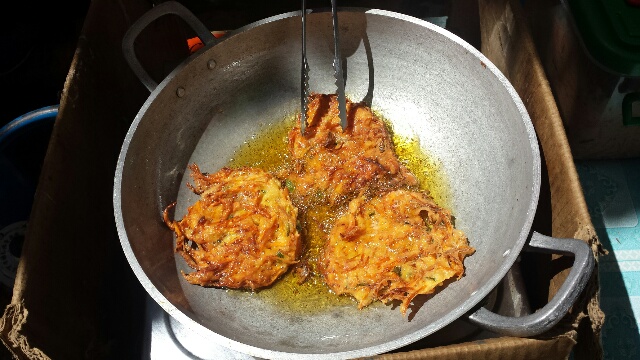
Vegetable okoy (fritter)

In a town where commercial vegetable farming is the livelihood of the folks apart from guide services in hiking Mt Pulag, it’s no wonder then that their okoy variation is vegetarian. Okoy is shrimp fritter normally, but there’s no shrimp in Kabayan, so what they have is vegetable okoy.

image

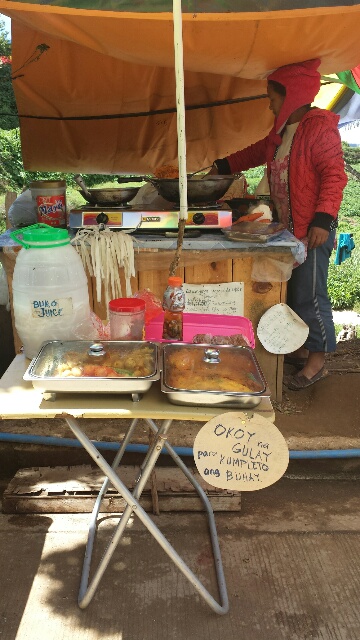
Translation: Vegetable okoy for a complete life

Visually, I was able to discern grated carrots only because I was too hungry to find out the rest of the ingredients. I ate two pieces of hot okoy. I got one each from the two vendors situated strategically near the gate of Mt Pulag National Park at the ranger station. It was the best okoy I had probably because I just came from a long mountain hike and was longing for a hot meal.

Mountain School

image

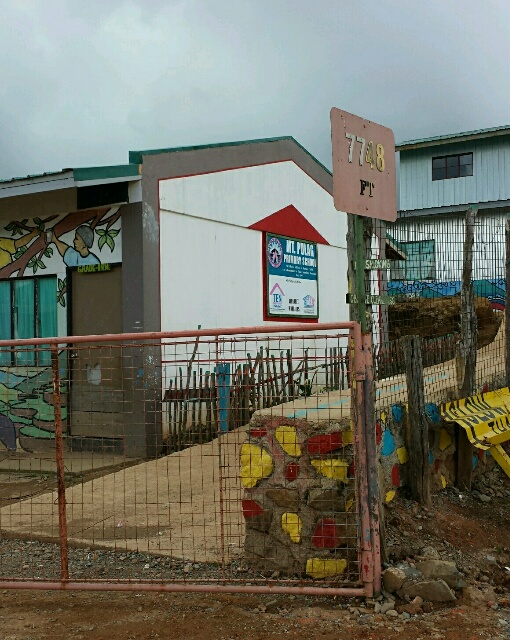
Mt Pulag Primary School at 7,748 feet above sea level

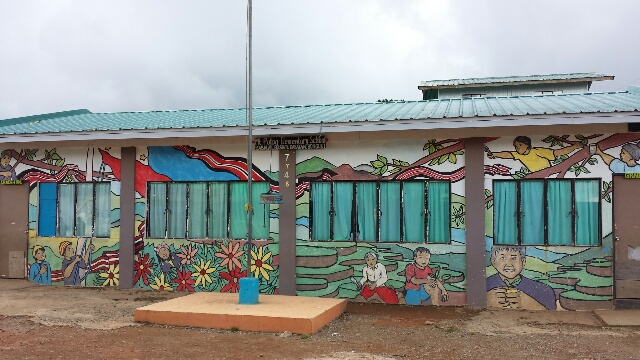
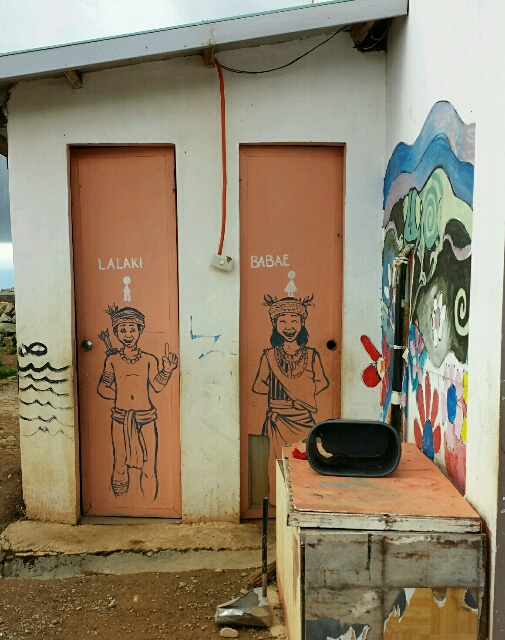
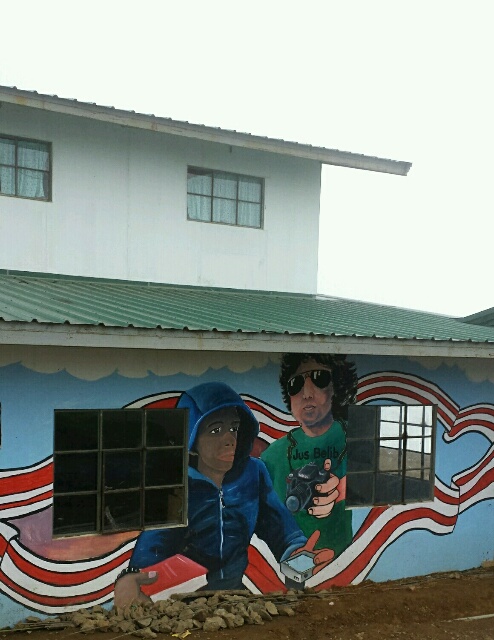
This primary school is situated 7,748 feet above sea level in the mountain town of Kabayan. There’s a sign out front that says “It takes a village to raise a child and a community to take care of the mountain. ” The school also has creative toilet signs depicting gender in traditional dresses.

image

image

Toilet signs

image

Just believe...ok?

Not the Garden of Eden

image

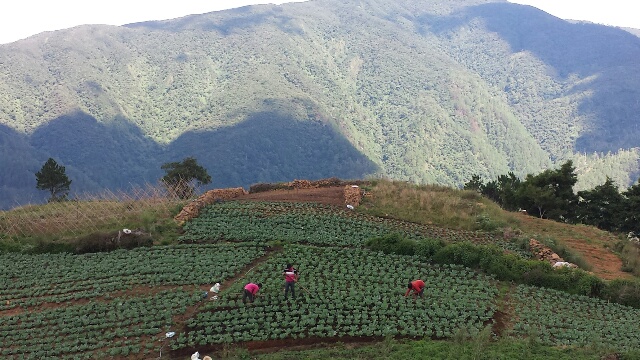
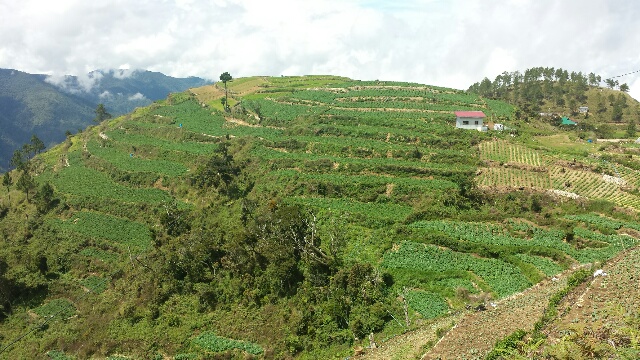
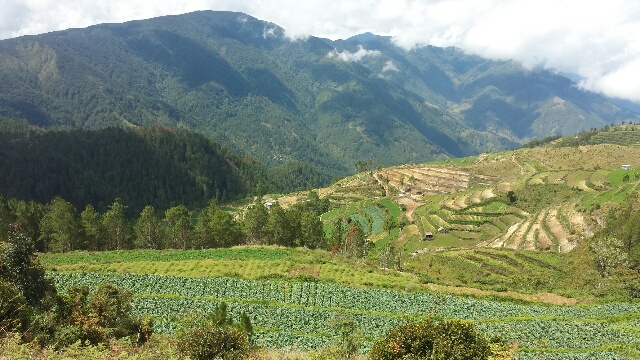
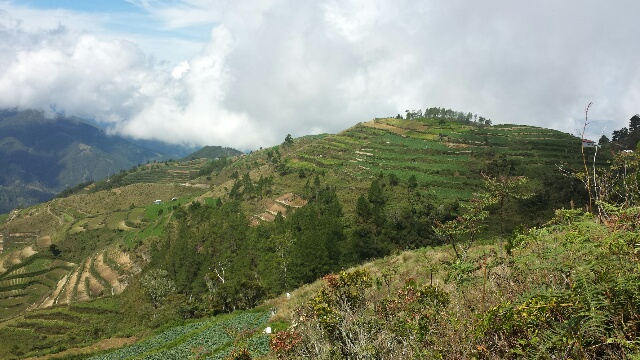
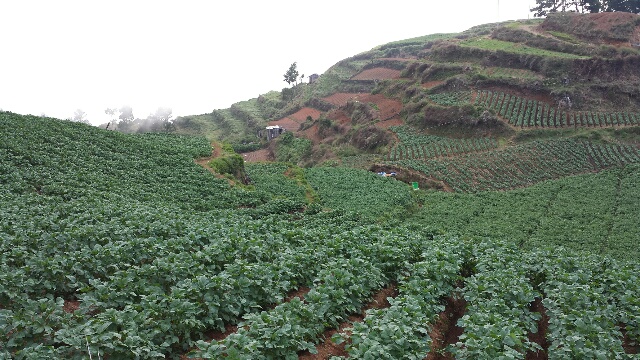
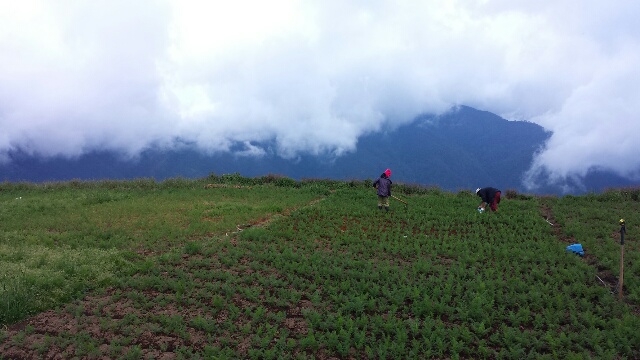
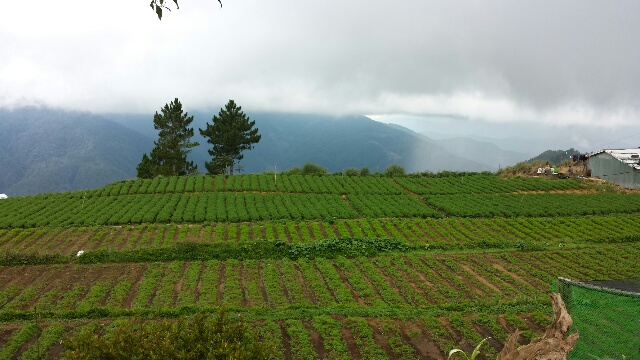
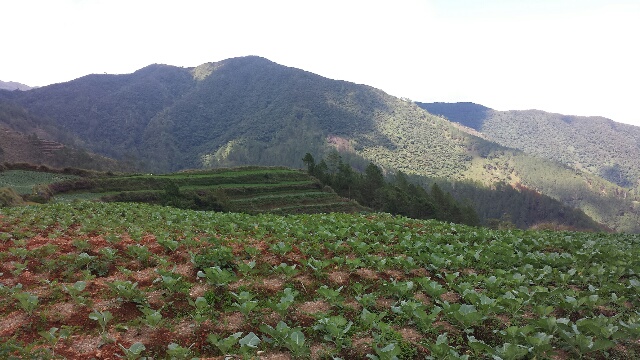
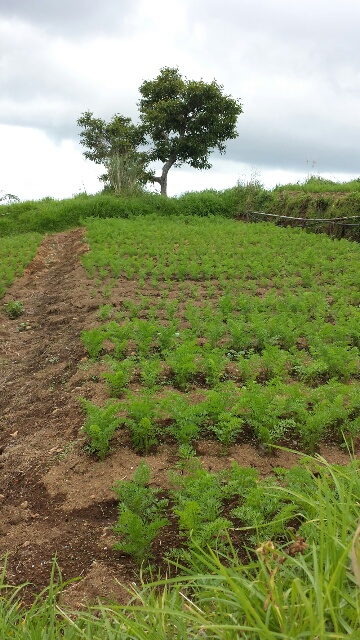
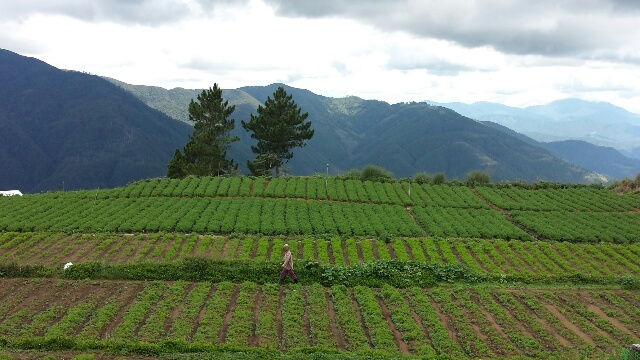
The view of vegetable gardens in Kabayan may look pretty but their presence meant the destruction of endemic plants and animals, forest cover, and watersheds. Thus, the conversion of more land in Mount Pulag National Park into vegetable gardens is a big concern of DENR. If the remaining pine forest, mossy forest and the grassland of Mount Pulag will become vegetable gardens, then it’s a horror story of the 21st century.

image

image

image

image

image

image

image

image

image

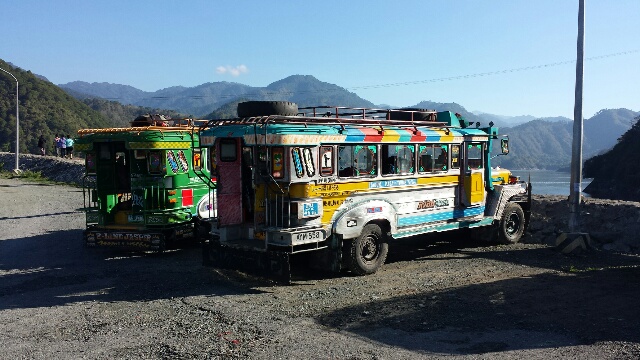
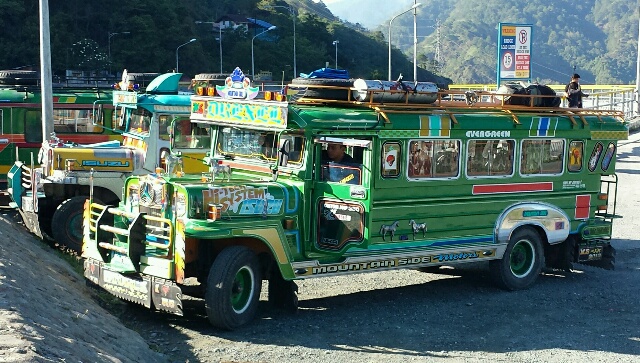
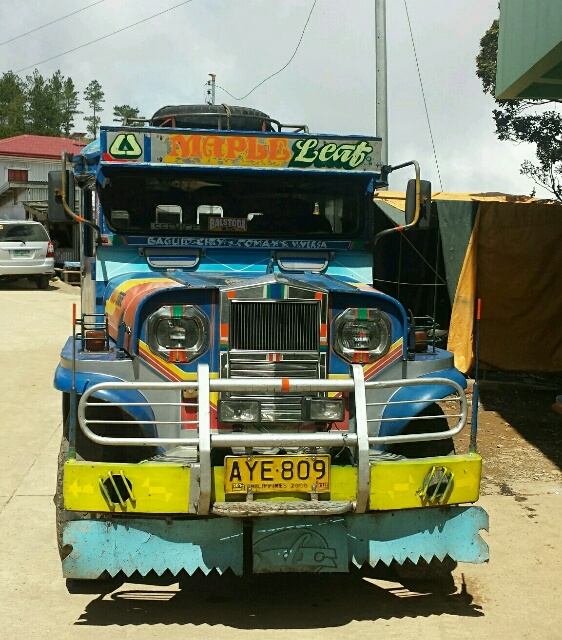
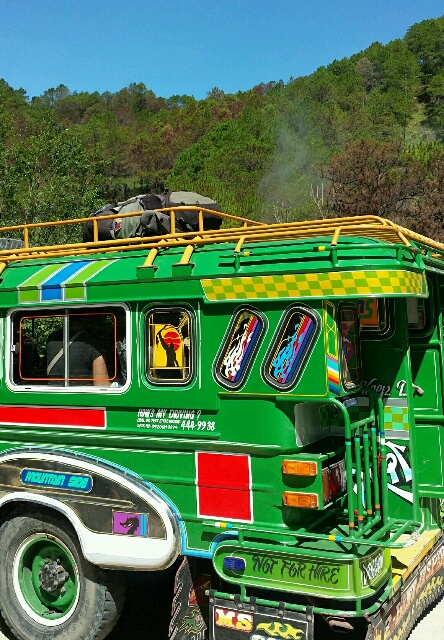
Benguet Jeepneys

image

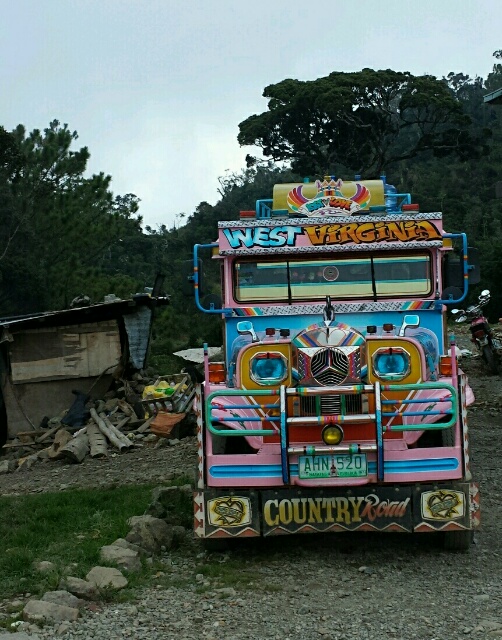
Reminds me of John Denver

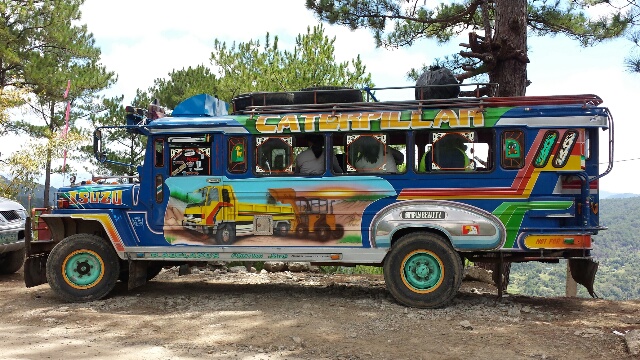
These are the mountain jeepneys seen along the Benguet-Nueva Vizcaya Road. Most of them are chartered ones traveling between Baguio and Kabayan.

image

image

image

image

image

Pulag Episode

image

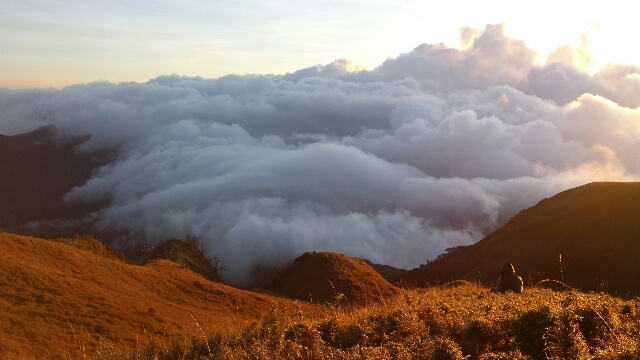
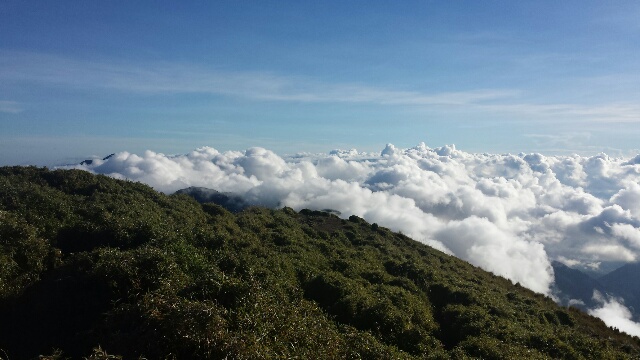
Hiker moment above the clouds

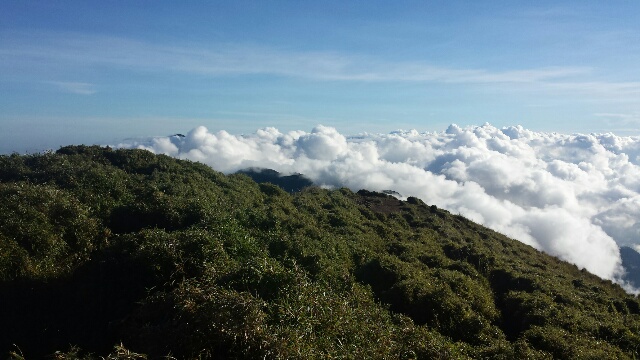
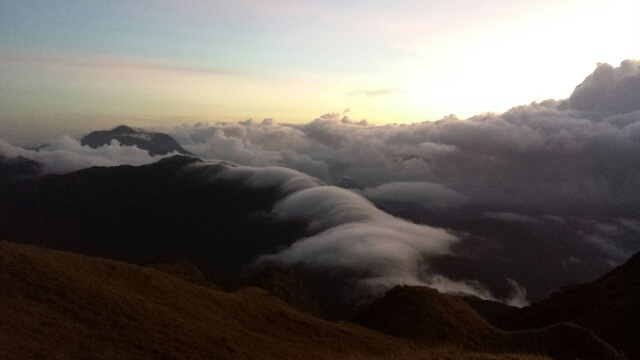
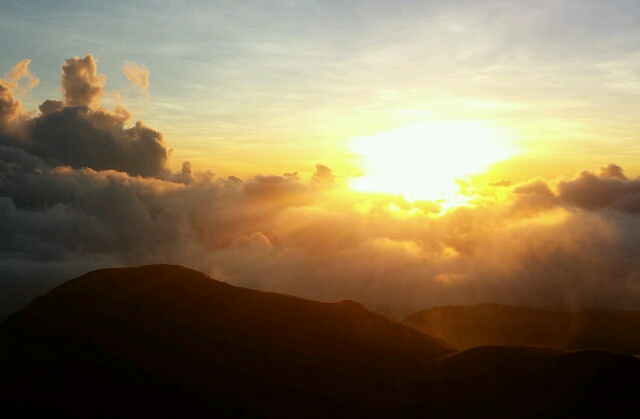
Hiking up the long but easy trail from the ranger station to one of the peaks of Mount Pulag three hours before sunrise was pleasant, notwithstanding it was still dark. Upon reaching Peak 2, we waited for few minutes just in time for the sun to come out behind the clouds. It was amazing looking down at the clouds while still on land, albeit on top of the mountain.

image

Pre-sunrise view

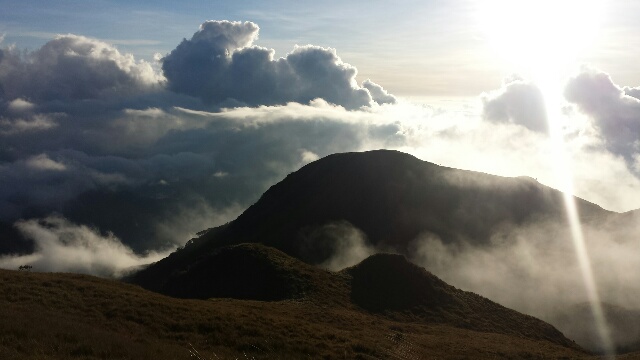
When the sun was already way too high, as indicated by the transition of golden light to white light, it was time to ascent to the summit, still fairly easy. Up there, shadow casts on the summit marker and it was tempting to pee in the middle of the thick dwarf bamboo bushes (but of course I didn’t).

image

Sunrise

image

Blinding light

image

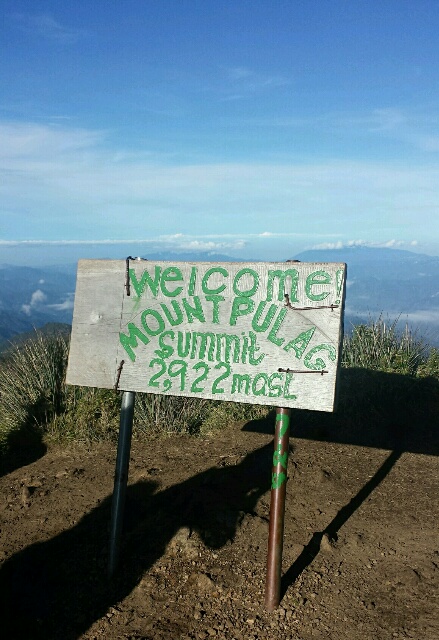
The marker on the summit

image

The bushes on the summit

Eats with Love

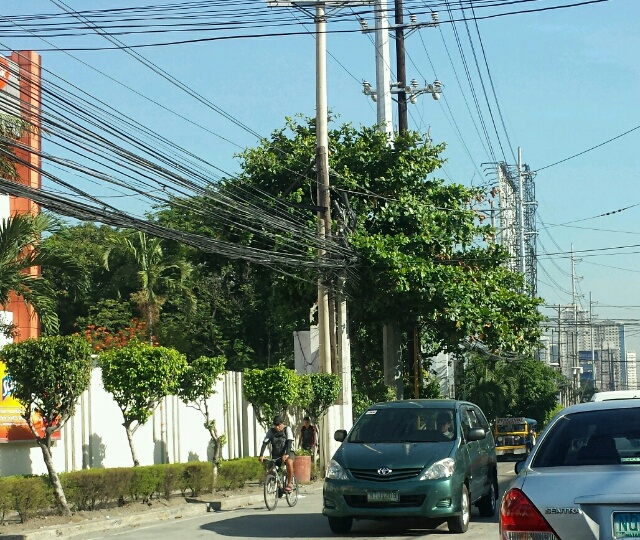
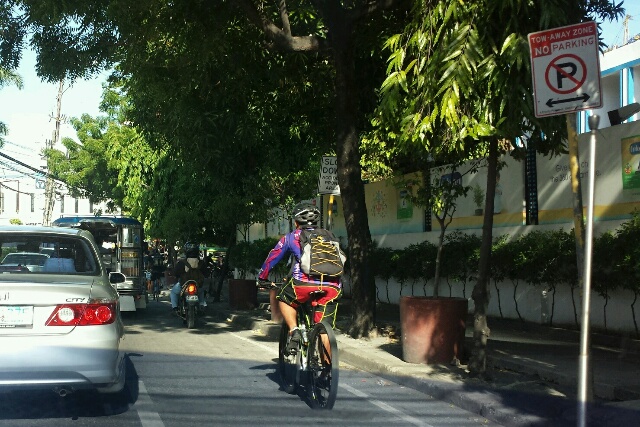
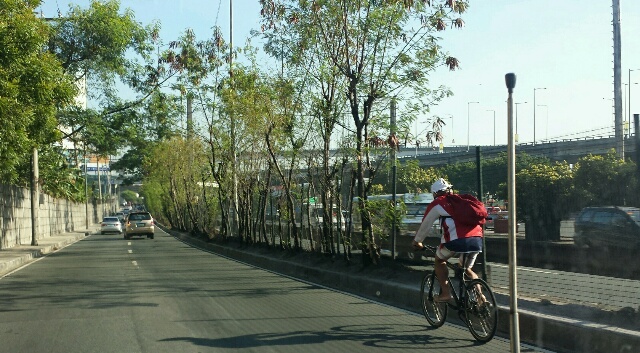
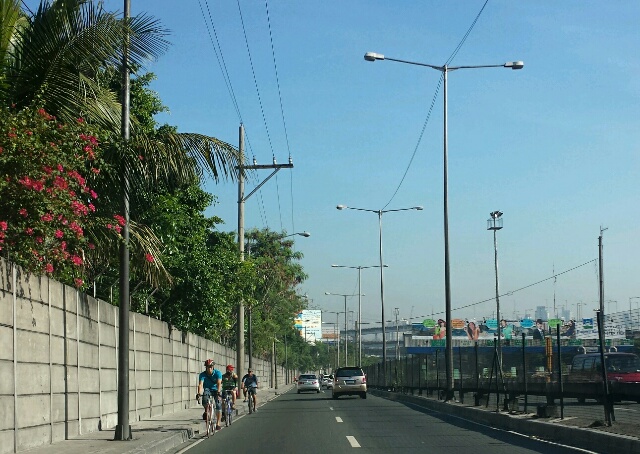
Bicycle Commuting

image

Pedaling is speedier in Manila’s rush hour

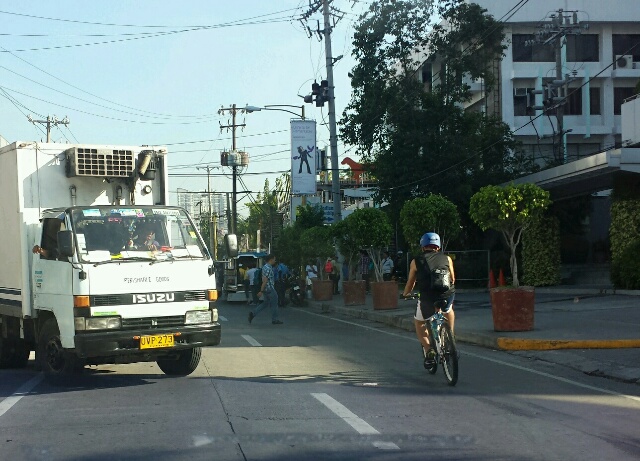
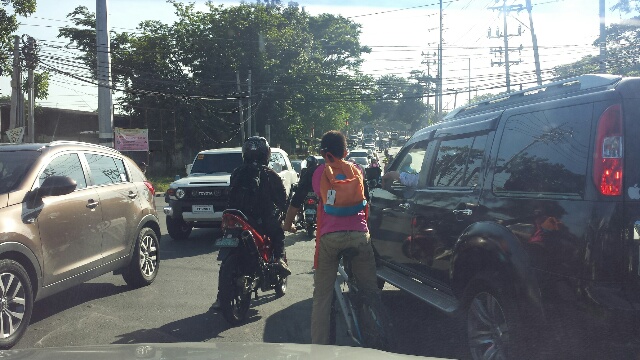
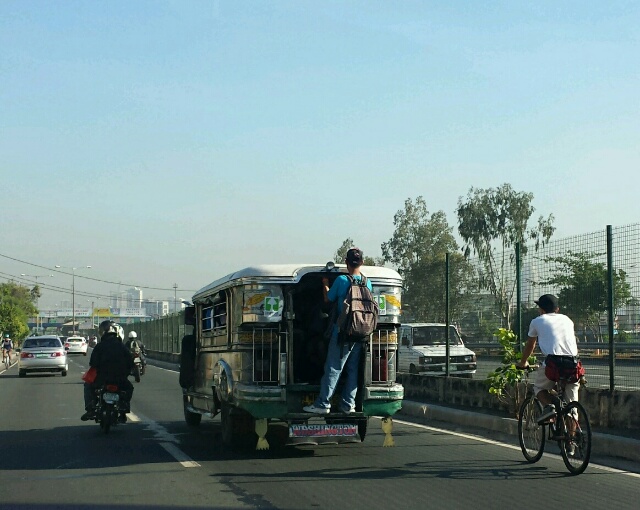
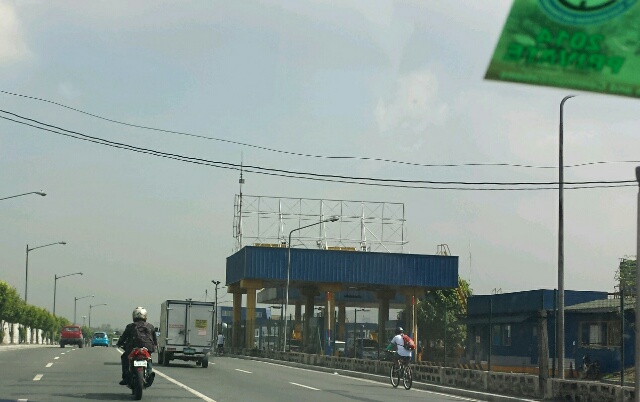
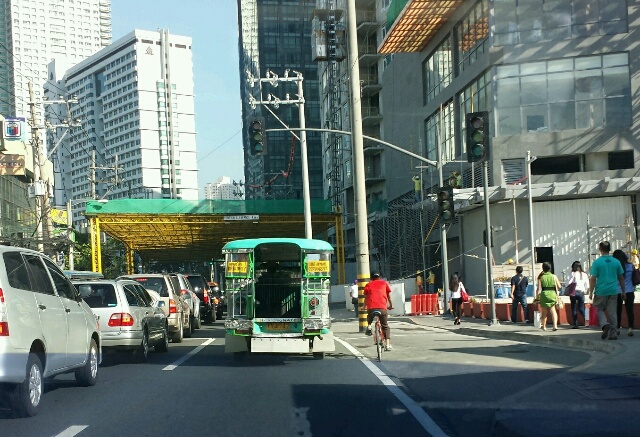
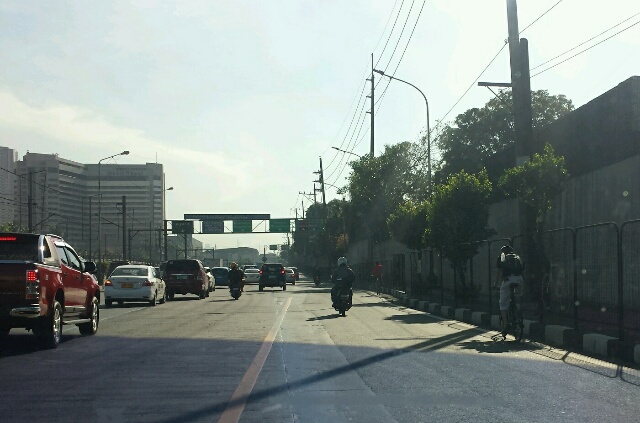
Here is an honest and spontaneous depiction of folks using bicycles for commuting on major roads of Metro Manila which I took from inside a vehicle while traveling to work. It appears that there are more bicycle commuters now than in the past but still the numbers are too insignificant for urban planners to provide lanes for bicycle commuting, and for private establishments to provide bicycle commuting-friendly provisions such as parking, shower rooms, or lockers. Also, bicycle commuters are still not that numerous enough for motorized vehicles to get used to them on the road.
image

If ideal provisions are provided, then probably hundreds will pedal to work thus easing traffic congestion. Otherwise, if it will be seen that there are already significant number of bicycle commuters on the road, then probably Metro Manila will evolve to provide provisions. It’s a chicken and egg scenario.
image

image

Cycling can be precarious in Edsa

image

image

His preference is the center line

image

image

Sharing the rightmost lane with motorized vehicles

image

Stopping at the center of the road

image

Some wear helmets, some do not

image

image

Single file to lessen life threatening risks

image

It’s better to pedal than ride an overloaded jeepney
Kibla

image

Kibla sign inside the desk drawer in guest room of Intercontinental Hotel in Makati

It is praiseworthy for this particular hotel in Makati to provide kibla sign in its rooms. Truly lives up to its “international” standards when it comes to religious sensitivity. I noticed the sign when I opened the right side drawer of the desk, whereas the left side drawer holds the Holy Bible. Kibla or qibla is the direction facing Mecca, so in a predominantly Catholic country, kibla signs are rare unlike in the guest houses or hotels in Malaysia or Indonesia.

image

Kibla sign (kiblat in Malay) on the ceiling of a guest house in Kota Bharu

Masa Art

Bus Window Peddlers

image

At the rest stops for bus journeys in Cebu province, peddlers will hawk refreshments, mostly local delicacies and travel food staples such as boiled eggs, boiled peanuts, or boiled corn in the bus open windows — that is if you’re on a window seat in a non-aircon bus. The advantages of riding non-aircon bus apart from paying less are the natural breeze, bukid scents, unobstructed view for sightseeing or capturing photos, and convenient window buying of snacks.

image

image

image

Vendors resting while waiting for the next bus


Of Old Structures & Respectful Silence

image

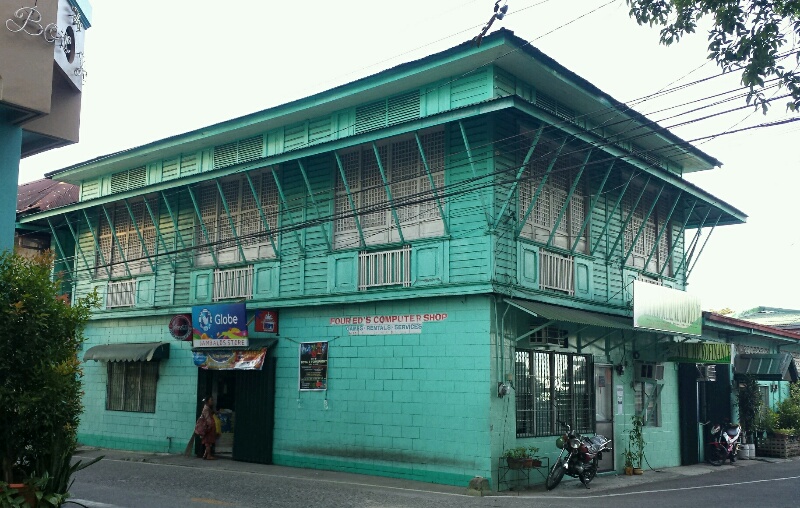
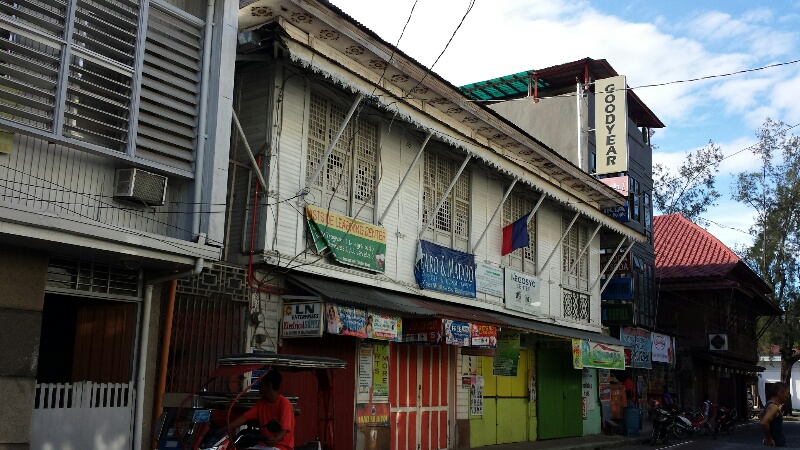
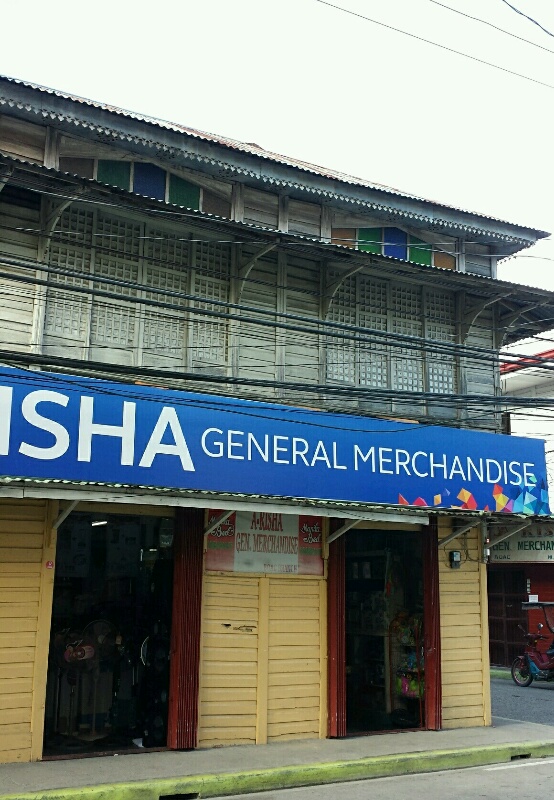
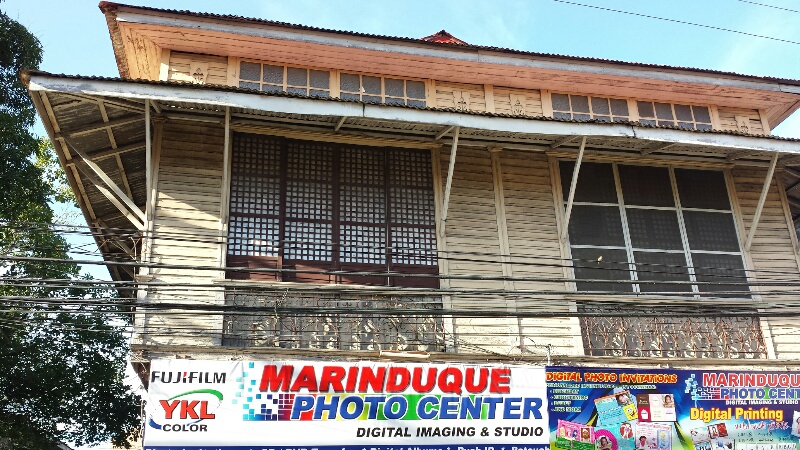
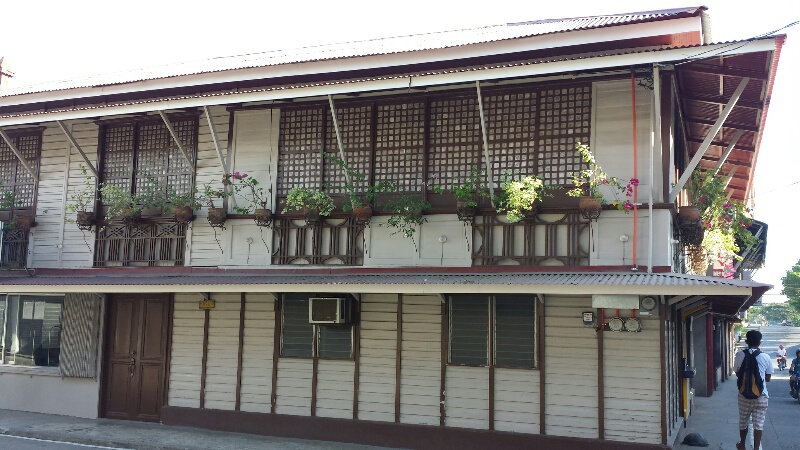
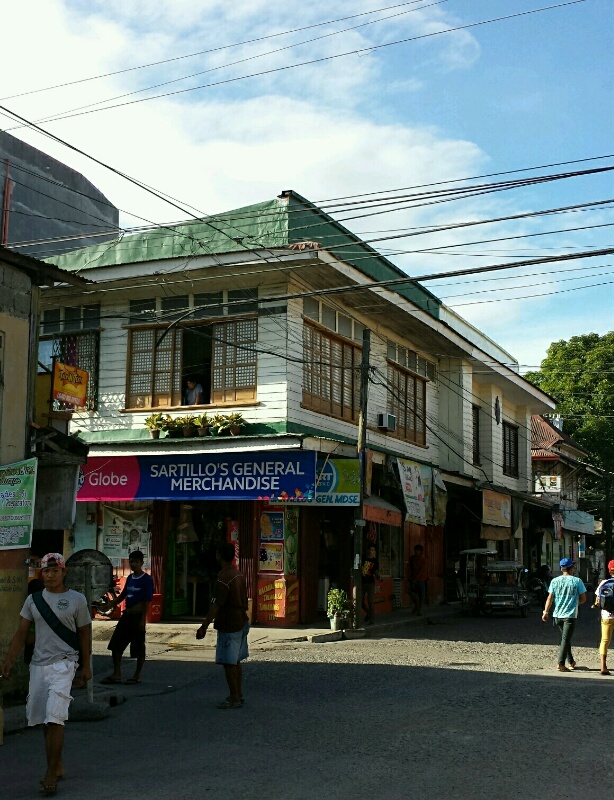
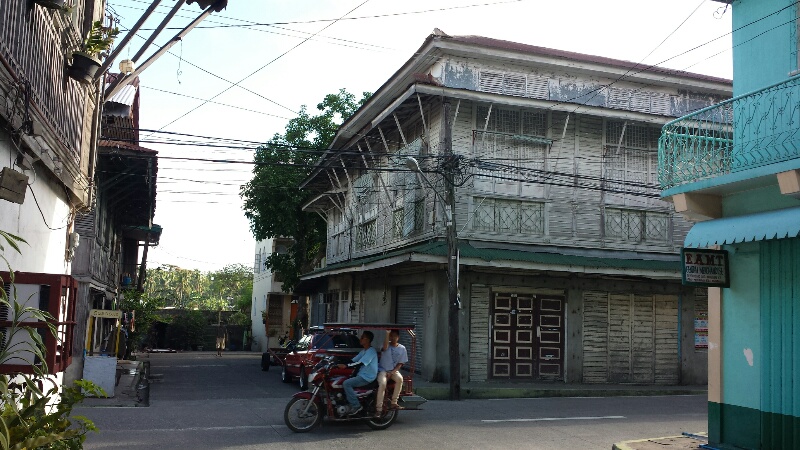
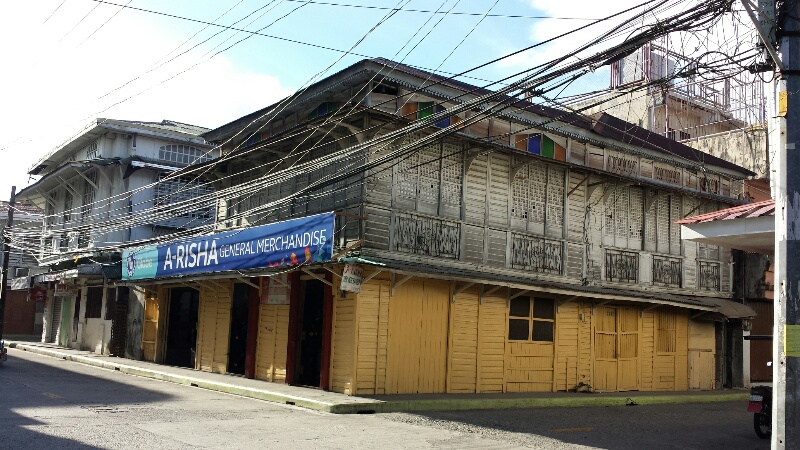
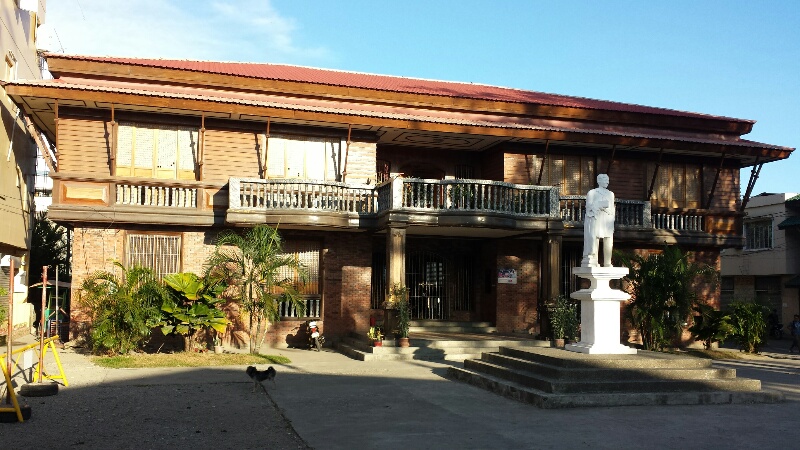
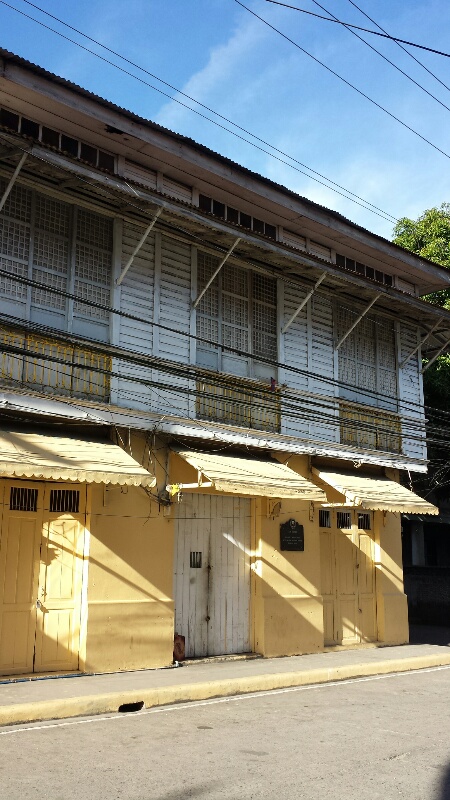
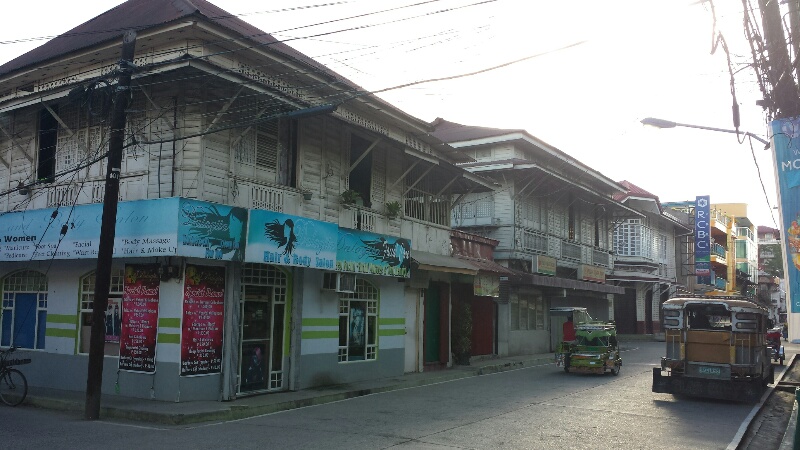
Plenty of old style buildings are still being used in this island where folks are respectfully silent in public places namely jeepneys, boats and eating places. Felt wonderful to dine where conversations in other tables do not reach you – finally, the perfect scenario for eating out in this country­­ but only in Marinduque.

image

image

image

image

image

image

image

image

image

image

Peanut Purveyor

EDSA John

image

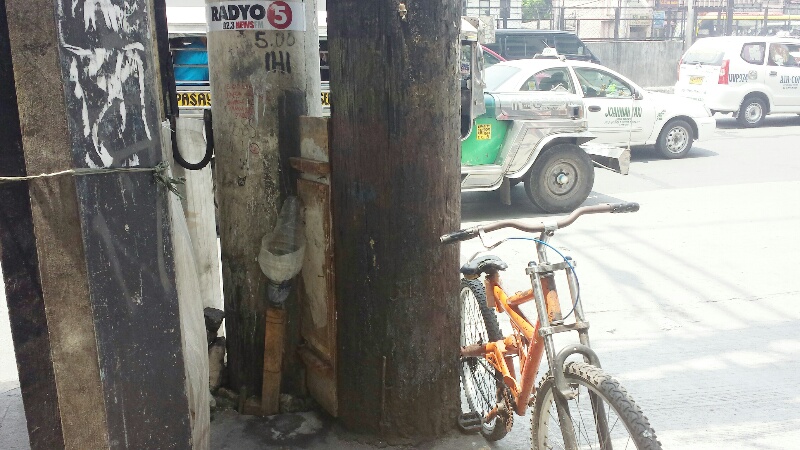
Makeshift pay urinal along EDSA near Malibay

People resort to inventing ‘work’ no matter how unnecessary their services may be just to survive in the city. You may see those folks calling out for passengers to ride the jeepney and they’ll receive few coins as fee from jeepney drivers. I’m sure some drivers find this unnecessary but they readily pay. They can relate, and so they recognize the effort of others trying to earn few pesos. You may also see those folks guiding drivers out from roadside parking, or those folks hailing taxis for other people hoping for tips. Some folks can be cunning where they capitalize on flash floods by providing makeshift raft for pedestrians who don’t want to walk on dirty water. Somebody also thought of capitalizing the lack of public toilets along EDSA by setting up makeshift pay urinal made from repurposed water container, and using scrap hose as drain to the sewer which has been secured to the ground by scrap wood.