Kotatsu

image

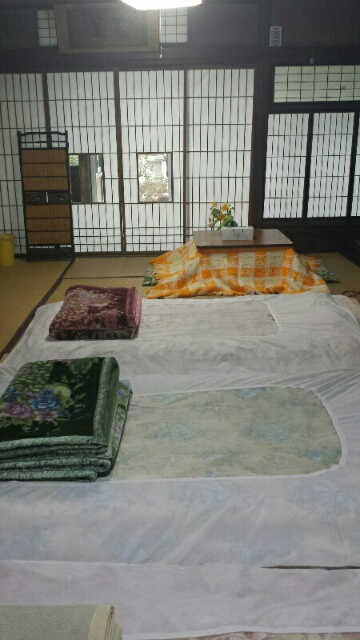
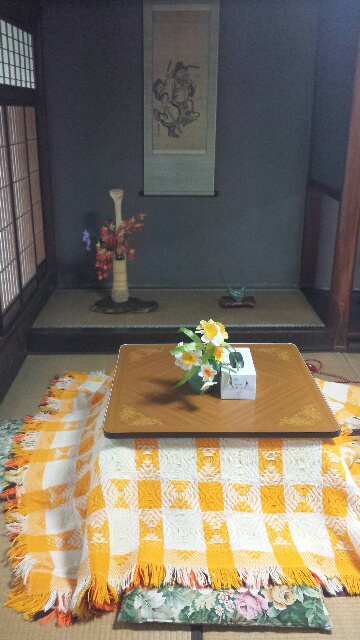
Kotatsu at the gassho-style farmhouse inn. Ainokura in Gokayama


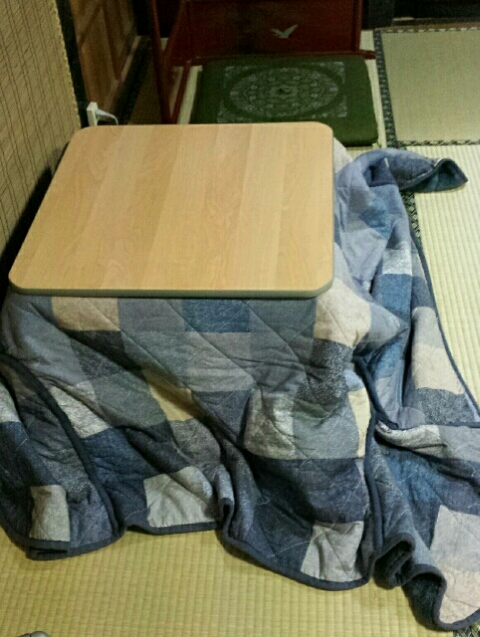
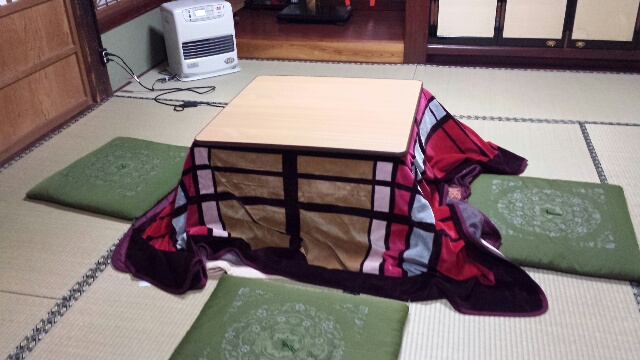
Under the kotatsu is the most comfortingly warm place during winter when centralized heating is not available indoors, as most temples or houses in rural Japan. This space heating device has electric heat source under the low table frame, where a blanket or futon is inserted between the table frame and tabletop as covering, and a futon placed on the tatami as sitting cushion. Putting one’s bottom-half underneath the cover as one sits, warms the lower body.

image

Kotatsu inside the Japanese Buddhist Temple inn at Hida-Takayama in Gifu


So, while the kotatsu is mildly toasting half of me, I can do something worthwhile on the tabletop like sipping tea, snacking, reading, or writing something, though my hands would still be freezing that I had to put both under the table from time to time.
image

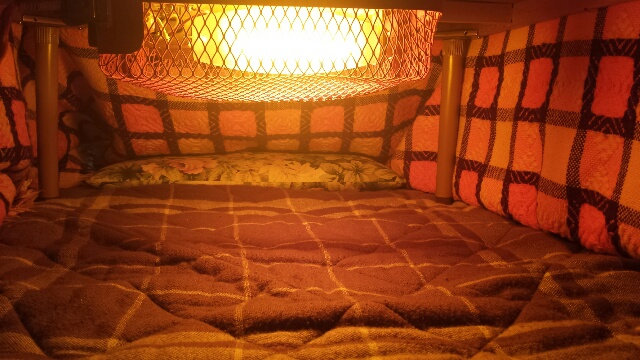
Closer look of the kotatsu


image

Closer look of the heating source under the tabletop


image

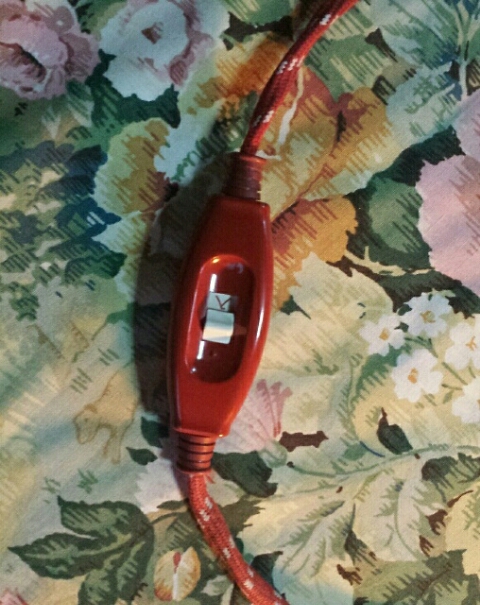
Switch for the heat source


Kotatsu can be used for sleeping as well, as what I’ve seen in Japanese movies. But in real life, it feels uncomfortable because of the physical restriction, and still cold, unless you can manage to put your whole body under, or unless it’s the only heating you have at home. Only in Japan…
image

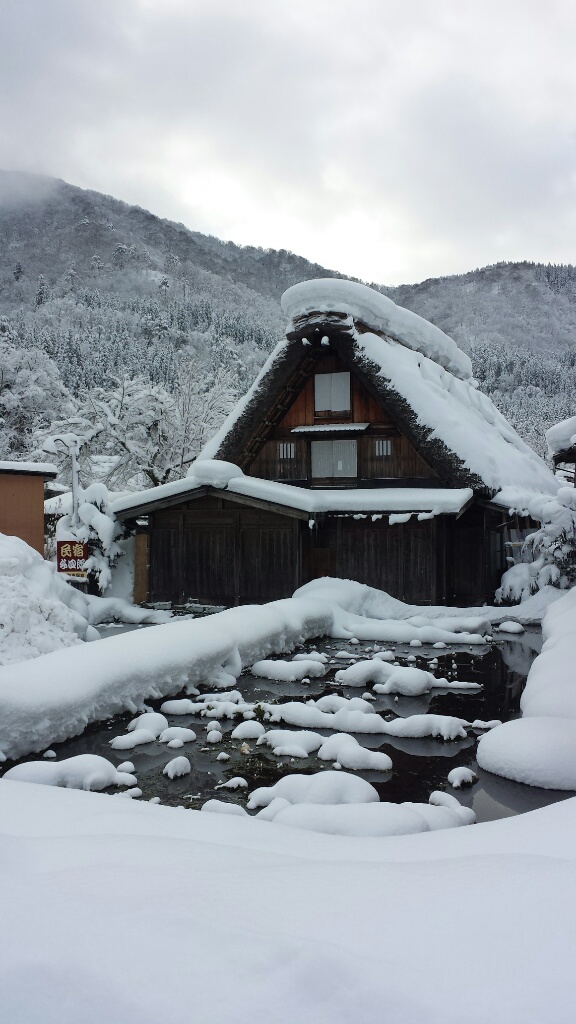
Shirakawa-go Farmhouses at Winter

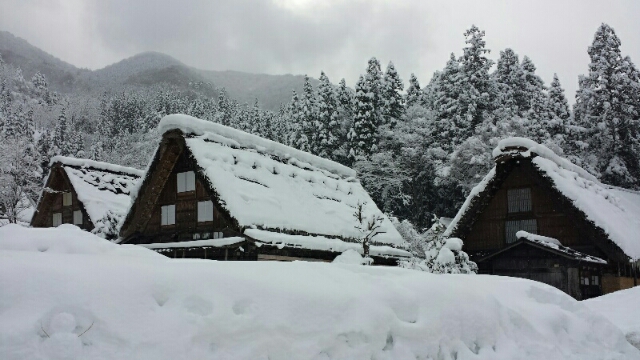
Deep in the valley of Northern Japan Alps lies this mountain village where farmhouses have equilateral triangle thatched roof. This traditional house design known as gassho-style allows snow to slide off easily from the roof.

image

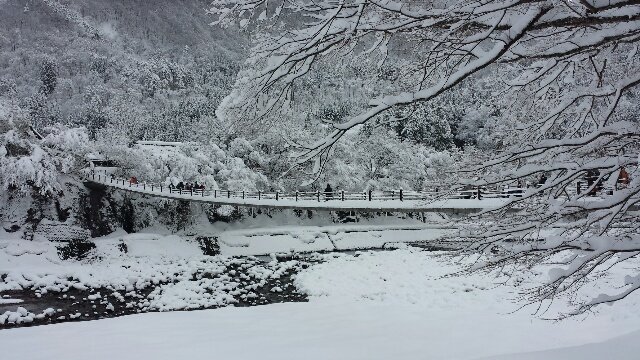
To access the Shirakawa-go village is to cross this footbridge


image

Gassho-style farmhouse


image

image

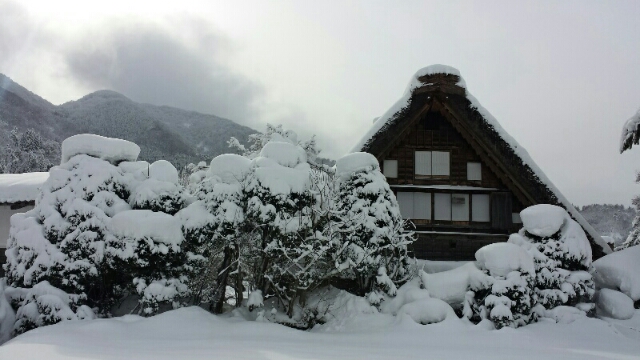
Winter is so beautiful in this village


The Ainokura Way of Grilling

image

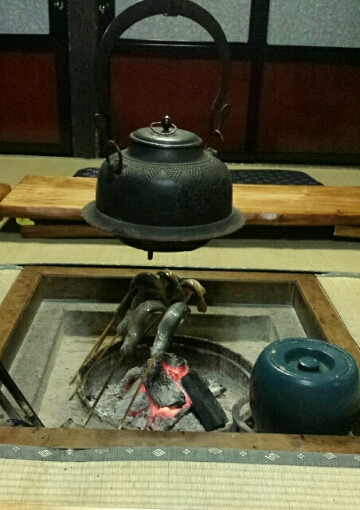
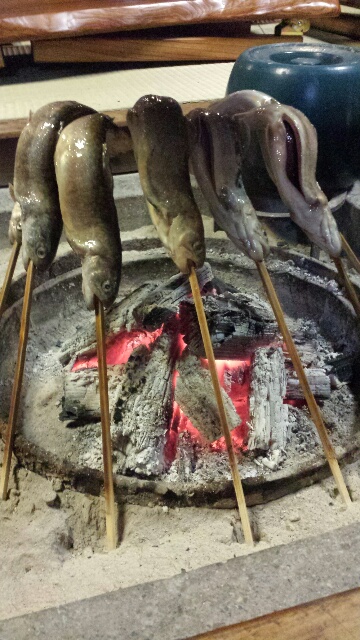
Grilling in an Ainokura way

Trout from the mountain streams are grilled with salt in skewers over live charcoals in an almost standing position. It’s a local fare in Ainokura, a remote but very lovely mountain village in Gokayama region.

image

Tastes really smoky good when cooked that I consumed two sticks

image

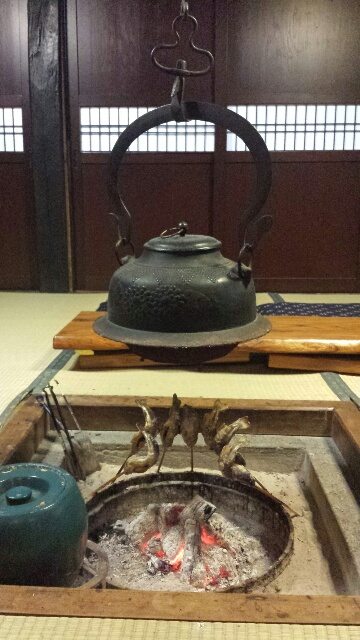
Fish almost fully-cooked

Meanwhile in Arashiyama

image

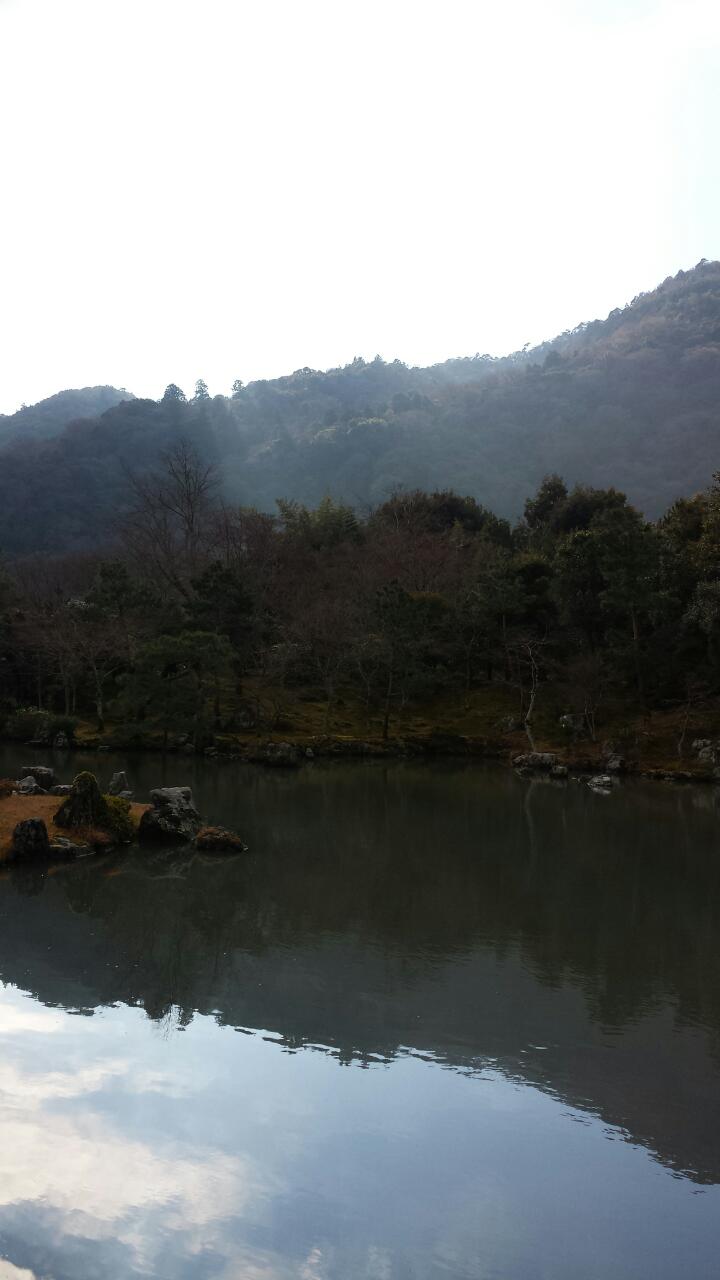
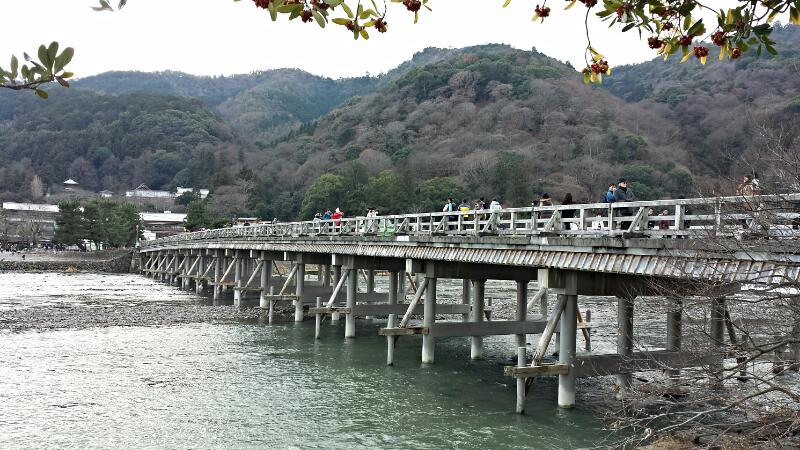
These two snapshots certainly do not convey the expanse of Arashiyama and its every beauty. But the memories of its elements and structures influenced a feeling of calm in me, that perhaps a couple of images I’ve documented here shall remind me of this place as a whole.

image

Of River and Running in Japan

New Year Curiosity

image

New year holiday last year in Yogyakarta, Indonesia

Unlike Christmas, New year celebration is universal even though the revelry varies in different territories of the earth. To spend New Year’s holiday in different realm every year means to take in the curiosities of this event in a particular setting. Thus, it’s a personal tradition worth keeping.

image

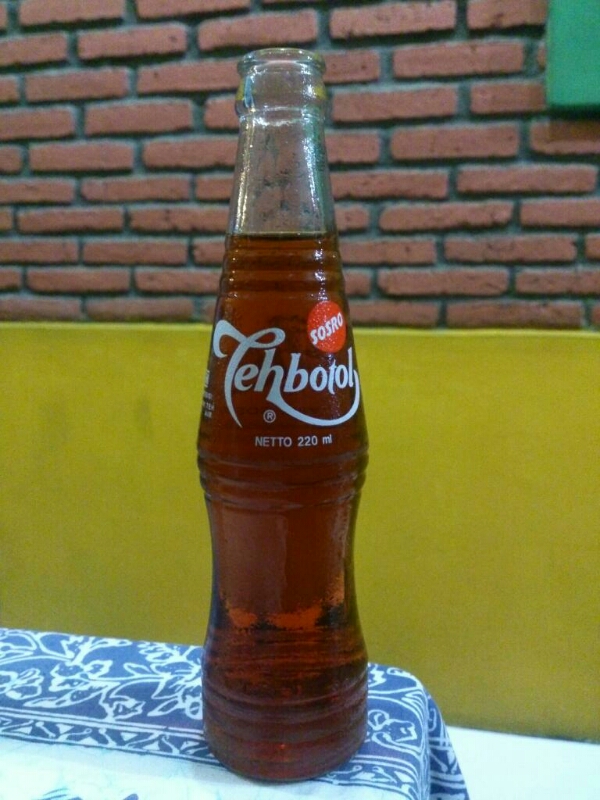
A drink for New Year 2014. As for New Year 2015...we'll see

Day after Christmas in Negros

image

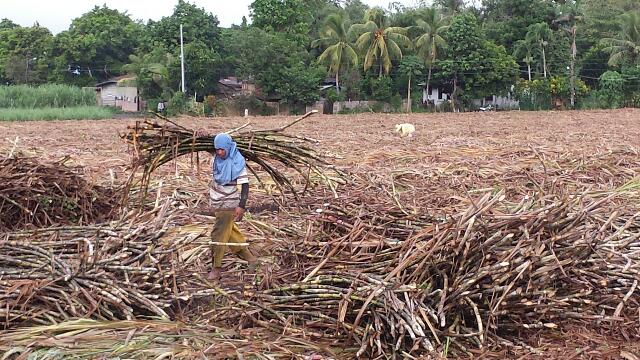
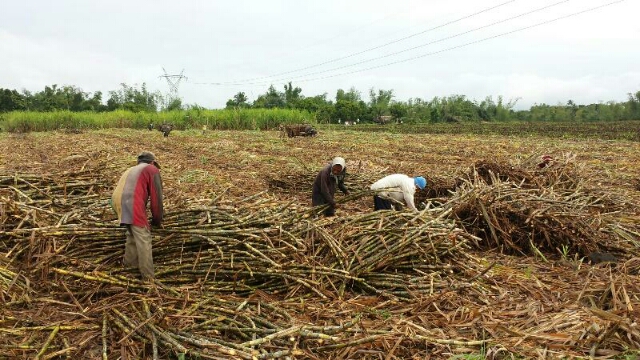
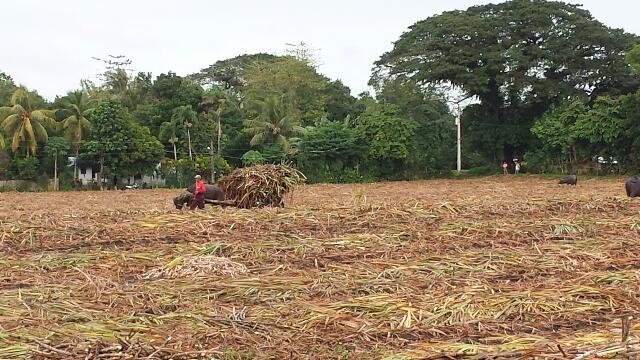
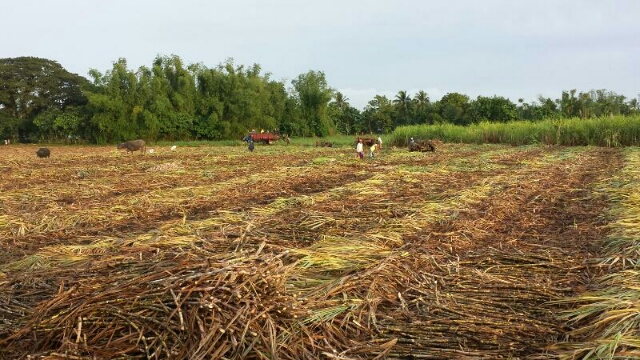
It’s the day after Christmas, the early morning of December 26, 2014. I went for a run. Still a national holiday but the sugarcane workers are back in the fields. Toiling.

image

image

image

The Pasar Near Melaka Sentral

image

Live catfish for sale

Upon reaching Melaka’s central bus terminal coming from Kuala Lumpur, I went inside this market across the street still carrying my duffel bag. I just came all the way from Terminal 2 of KLIA, and before that, all the way from Manila. My bag was light and manageable enough to lug while wandering from stall to stall, eager to see some curiosities of the pasar.

image

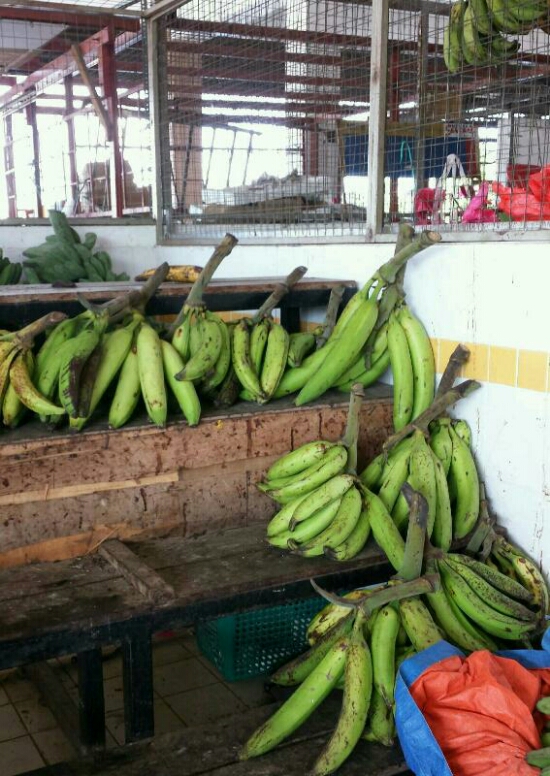
Huge bananas

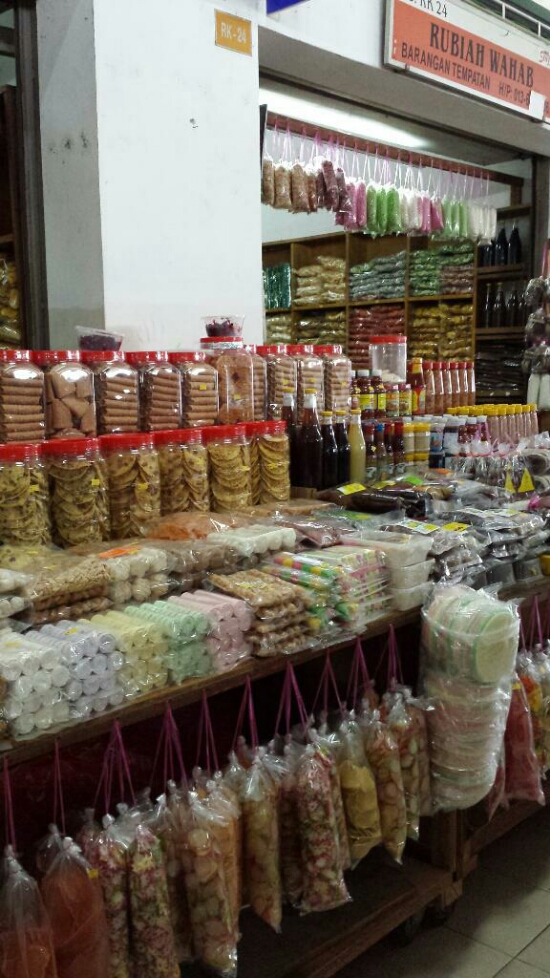
The marketplace was clean and organized from the fish section to the local delicacies section where I got a pack of gula melaka and dodol.

image

In one empty stall, I took snapshot of jumbo green bananas (or plantain?). And in one table, there was this unidentified yellow seed in dark brown hard shell that seems to come from a tree like the petai. I inquired and the answer I got sounds like gering ulam.

image

And so I continued to check the produce, ready made sauces, belacan etcetera, taking my time until I felt like eating.

image

Gering ulam? That’s what I heard from the vendor

That ended my market loitering. I then partook mee goreng (with ais kopi) at one of the food stalls in the second floor of the market. After which I rode a bus towards Bukit China to commence my five day Melaka trip.

image

A Collage of Humans with Feline Head

image

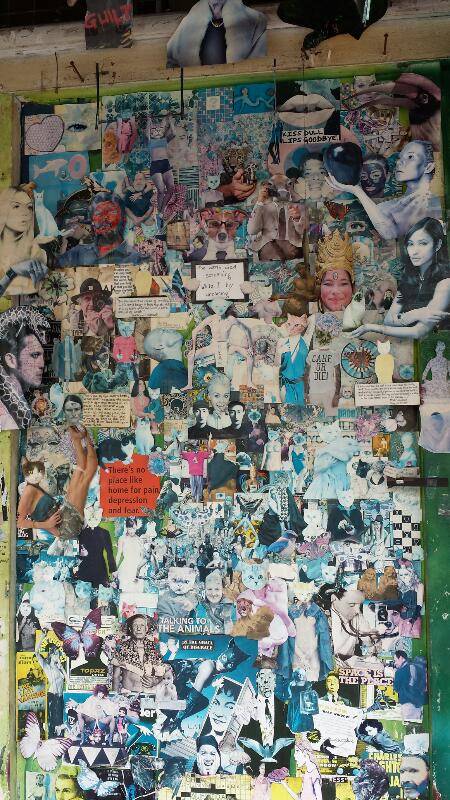
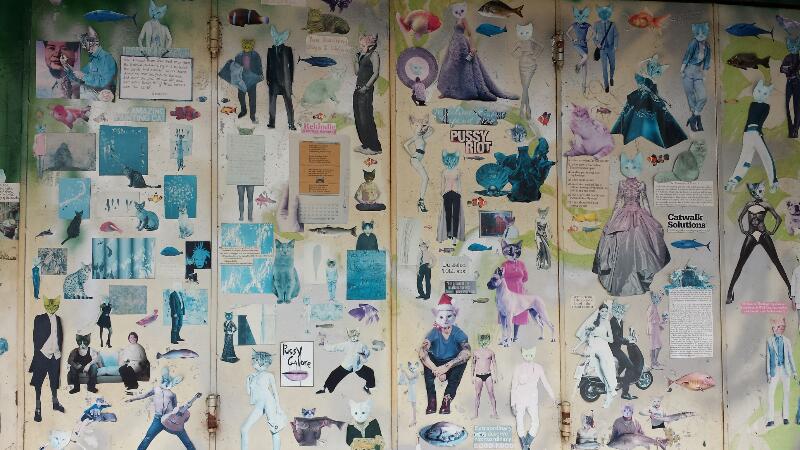
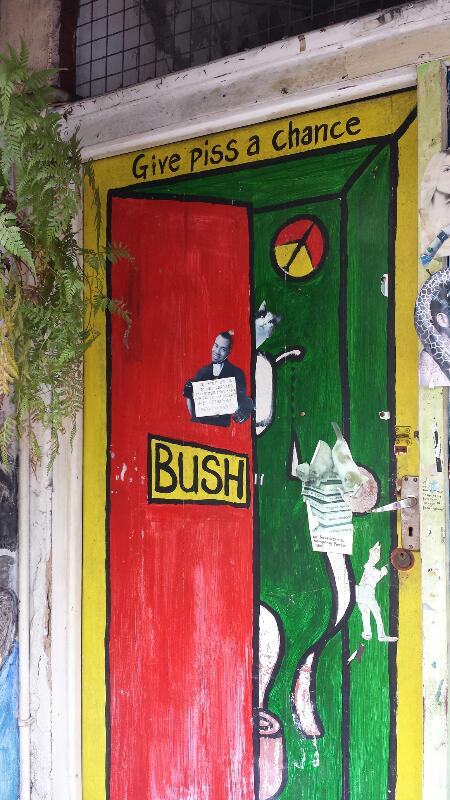
As you can see, almost entirely, those are cat head cutouts pasted over human bodies, and put together as collage on a wall by some fine arts dude, a cat fellow or somebody with a twisted mind. Adjacent to that collage wall is a door with “Give piss a chance” written on it.

image

Just one of those things that catches your attention in one of those streets in Melaka.

image

Population Explosion

image

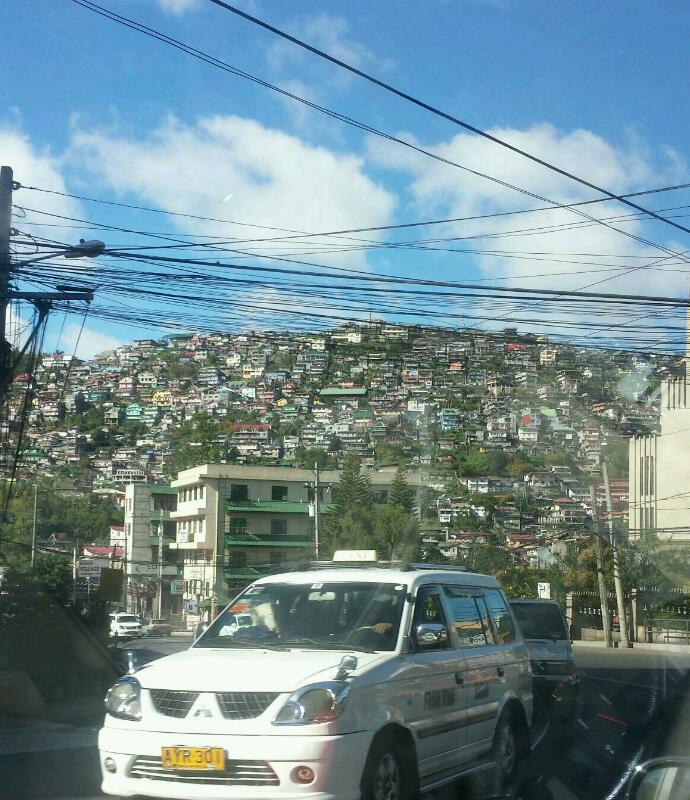
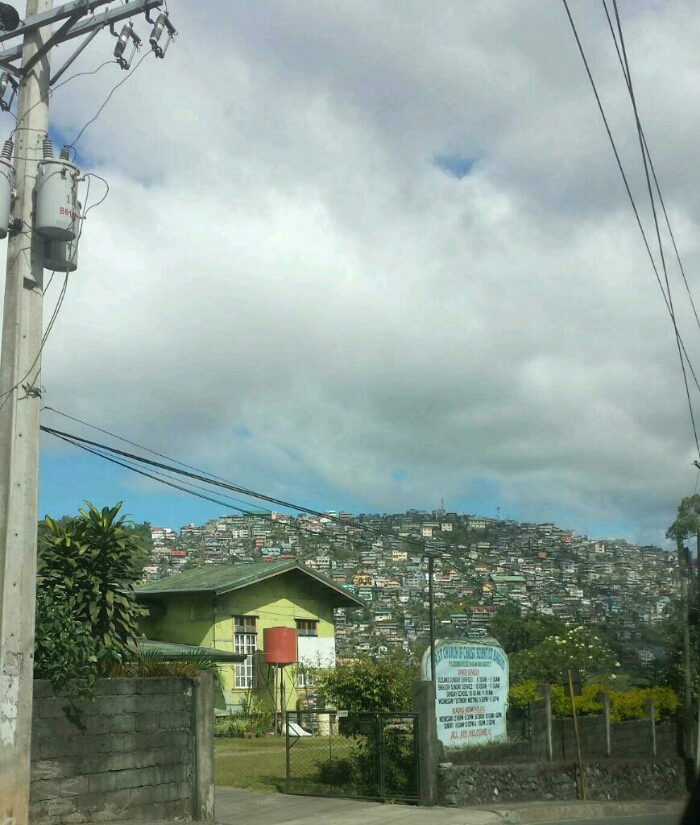
Mountain covered with houses at maximum capacity, as seen inside a moving vehicle on the road between La Trinidad city proper and Baguio City.

image

Some Structures in Melaka

image

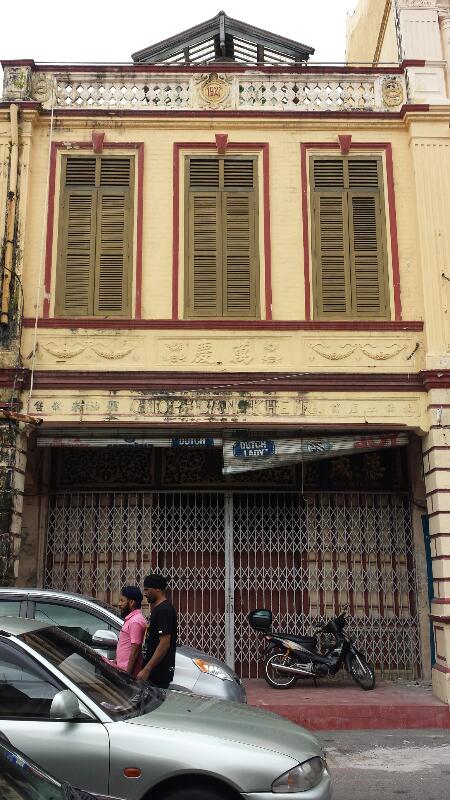
Shophouse

image

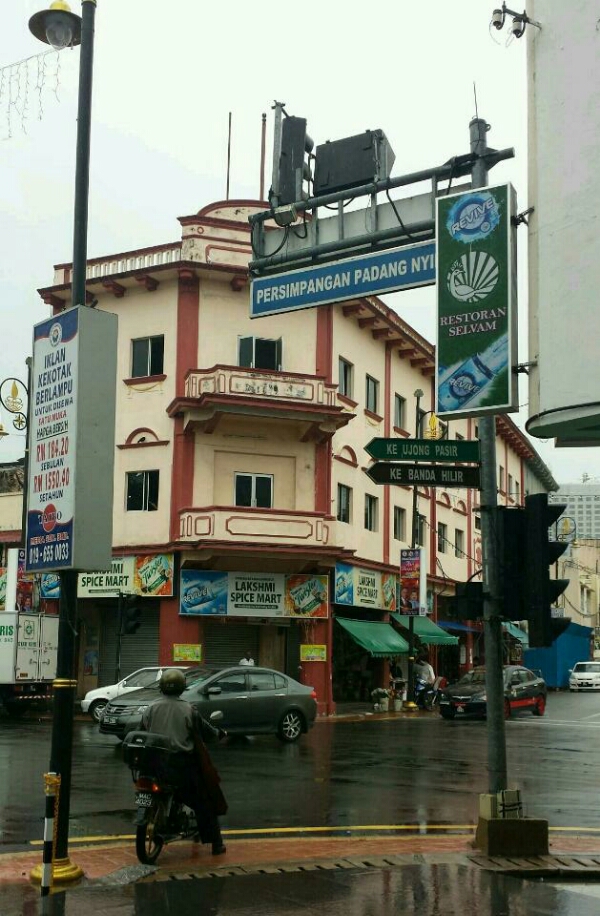
More shophouses

image

Bank

image

Low rise building

image

Melaka’s landmark. And that tower behind the Stadthuys should have been erected somewhere else instead

image

Sidewalk

image

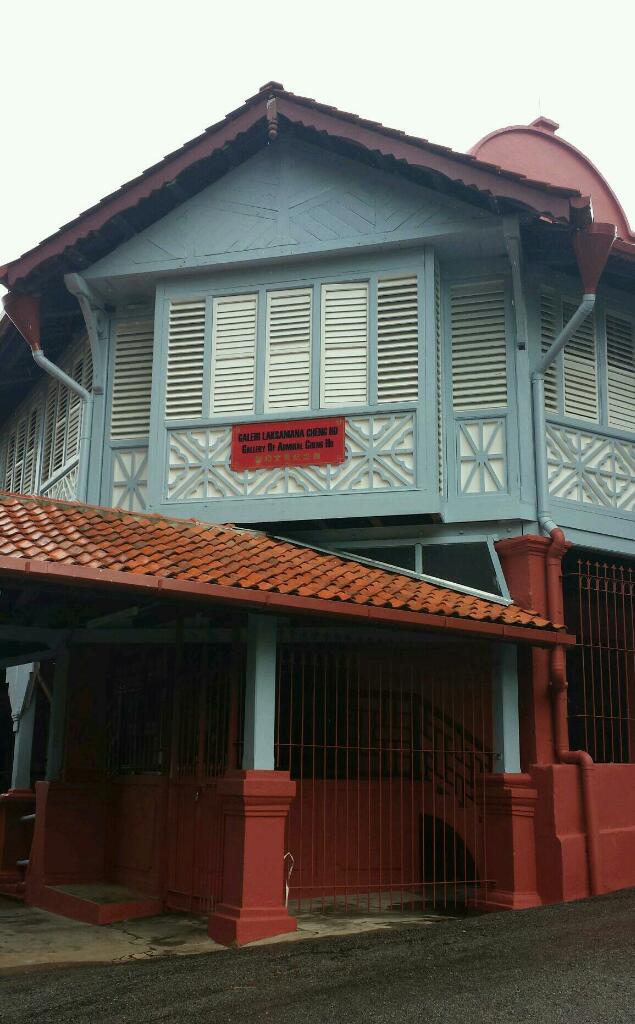
Museum

Unintentional Greenery

Glimpse of Greenery in Melaka

image

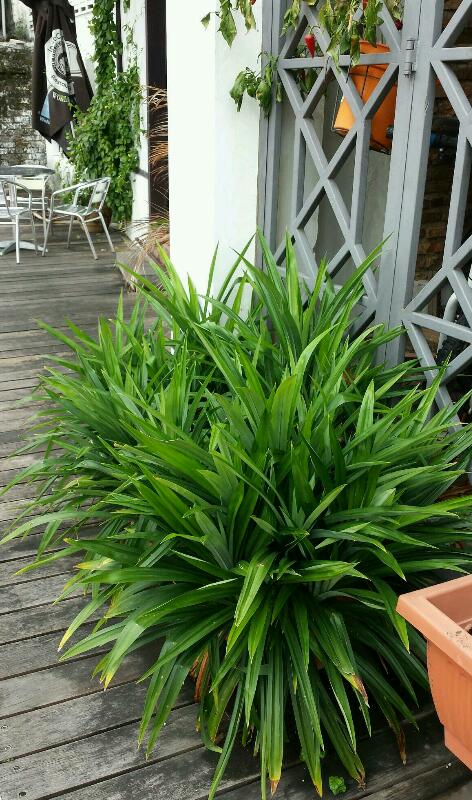
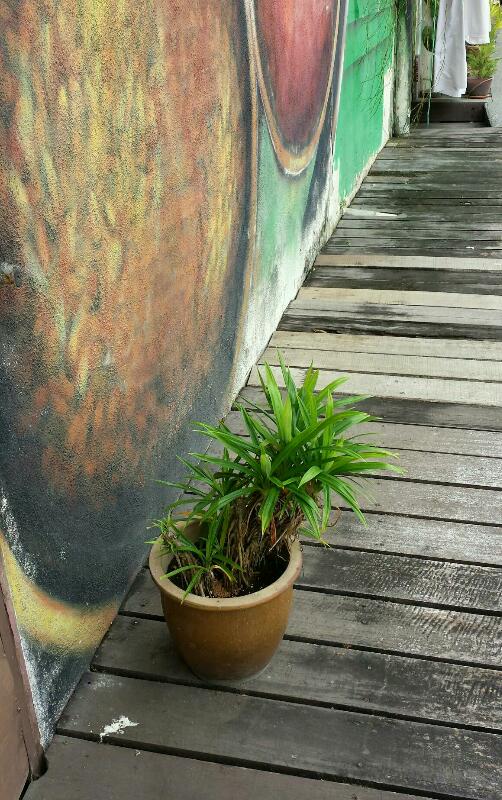
Pandan plant

As I travel in Melaka, I took some plant snapshots here and there…That pot of pandan on the wooden floor against the wall is a pretty sight.

image

And another pandan

I wonder if the human being behind that potted pandan uses it for purposes other than green ornamentation.

image

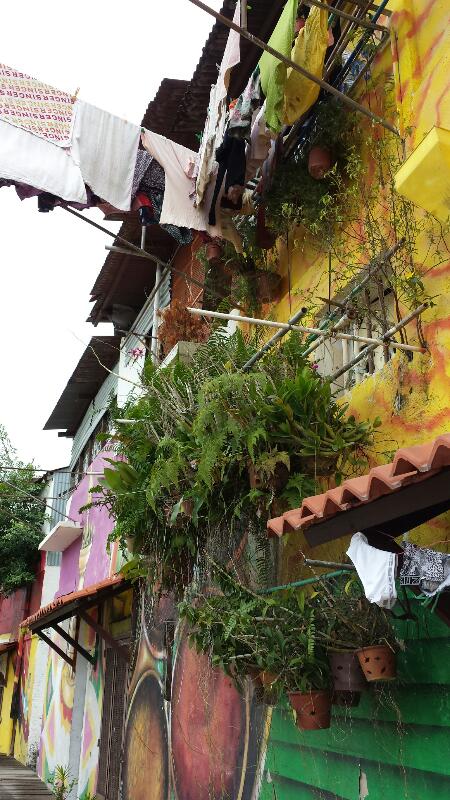
Meanwhile, those untamed hanging container plants against a wall with artwork caught my attention, for it seems that the water dripping from clothes has something to do with its flourishing state. Like an unintentional irrigation system.

image

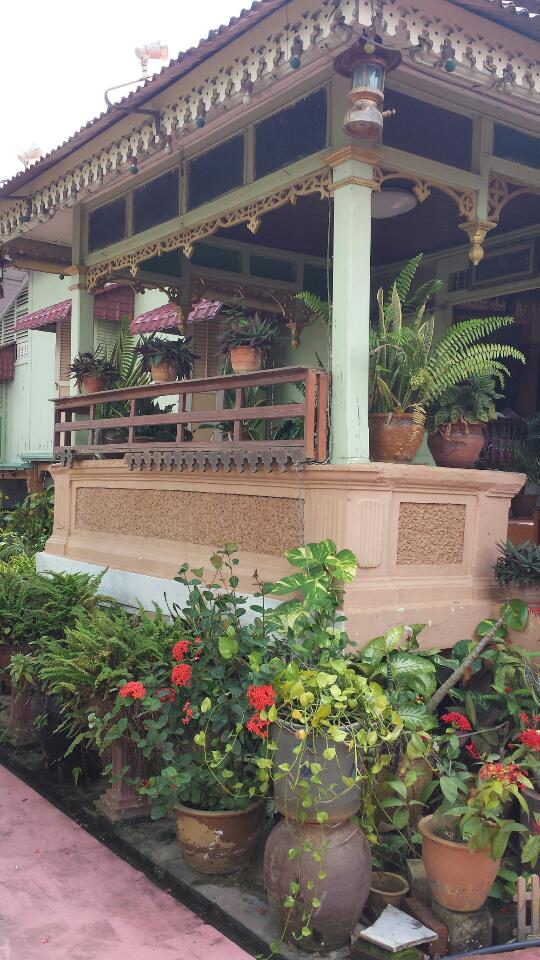
And then there was this traditional house in Kampung Morten with potted plants giving an impression of pleasantness and hospitable atmosphere, and not the stiff ‘architectural digest’ garden look.

Telephone Kiosk

Gula Melaka

image

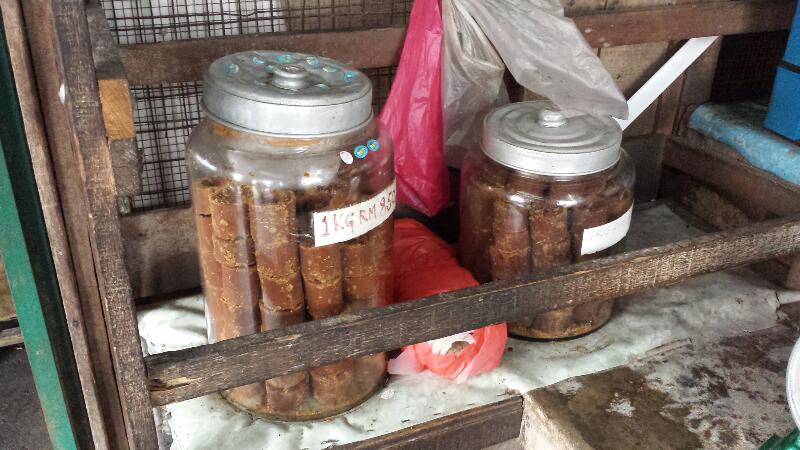
Gula melaka (translation: Melaka sugar) is the palm sugar of Malacca and used as sweetener for Peranakan desserts (e.g. kuih) and beverages. The crudeness of gula melaka reminds me of Philippine panocha, likewise a raw sugar in hemisphere form but extracted from sugarcane instead. Whereas the panocha’s hemisphere came to be because half coconut shells were used to solidify cane sugar, comparatively, the cylindrical shape of gula melaka was formed by solidifying palm sugar in bamboo tubes. Charmingly crude.

Melaka Murals

Traditional Biscuits in Melaka

image

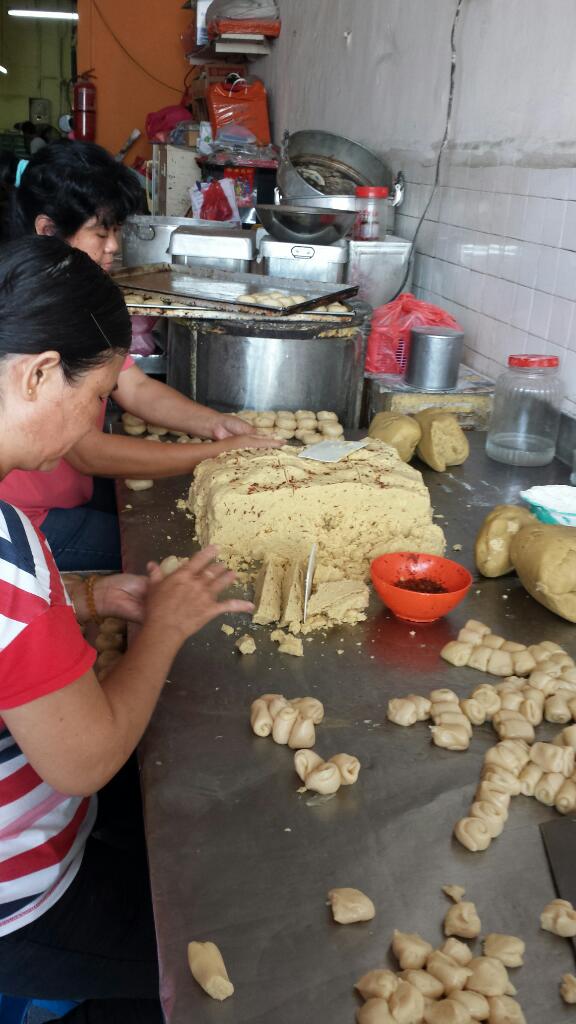
Manual biscuit making at Eng Chee Seng shop in Temenggong street, Bukit China

Whereas the street configuration and structures in Melaka remind me of Georgetown (Penang), their traditional biscuit shops and pineapple tart shops remind me a bit of Macau.

image

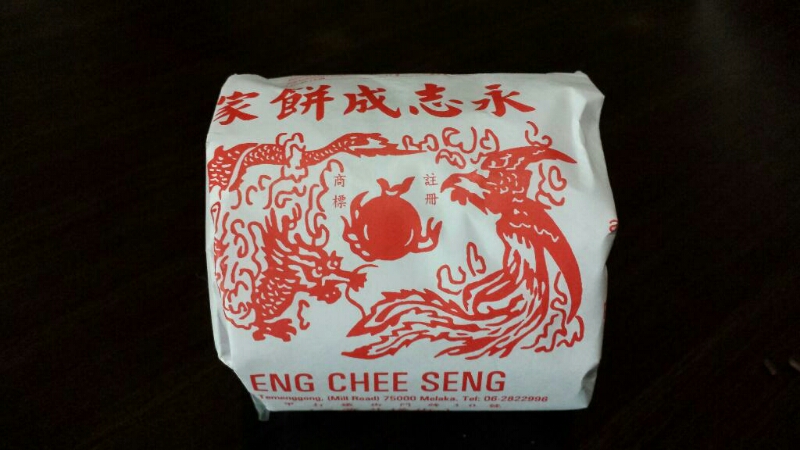
Paper packaging

image

All you need is some tea for these biscuits

By the Melaka River

image

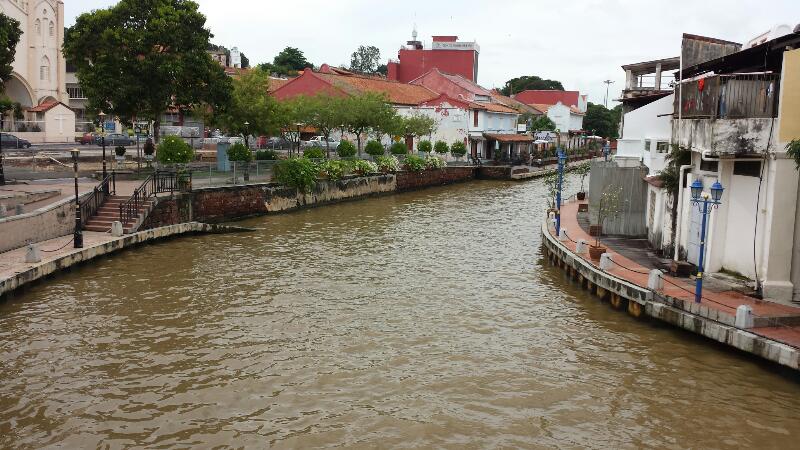
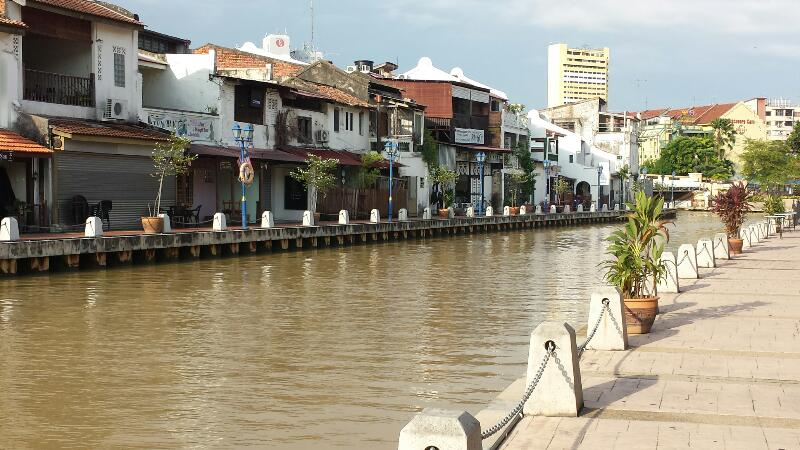
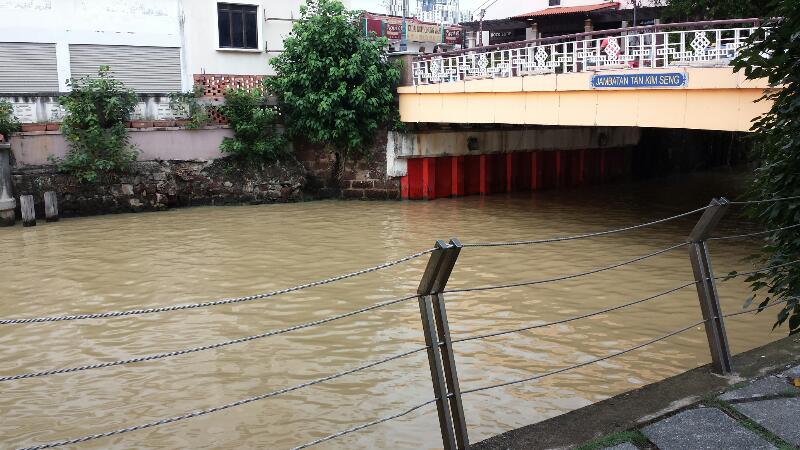
Unhurried stay, wanderings by the side streets, and most particularly the walks by the river for several days, impart some profound understanding of Melaka.

image

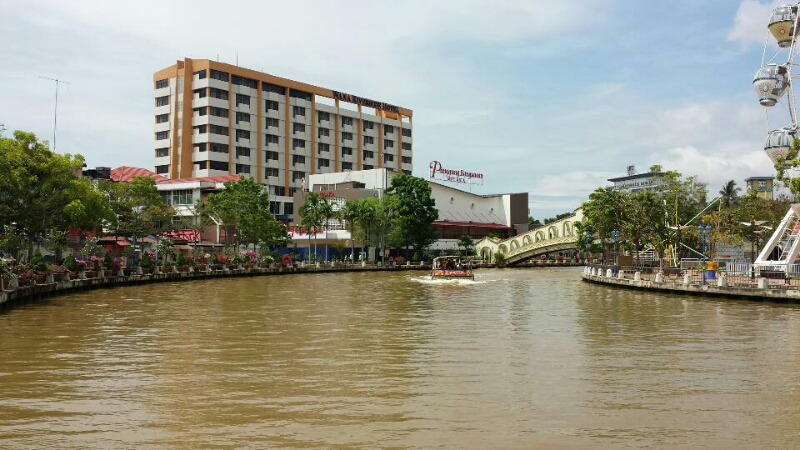
Something that cannot be accomplished by river cruising on a tourist boat for 45 minutes or by staying for couple of nights only.

image

image

image

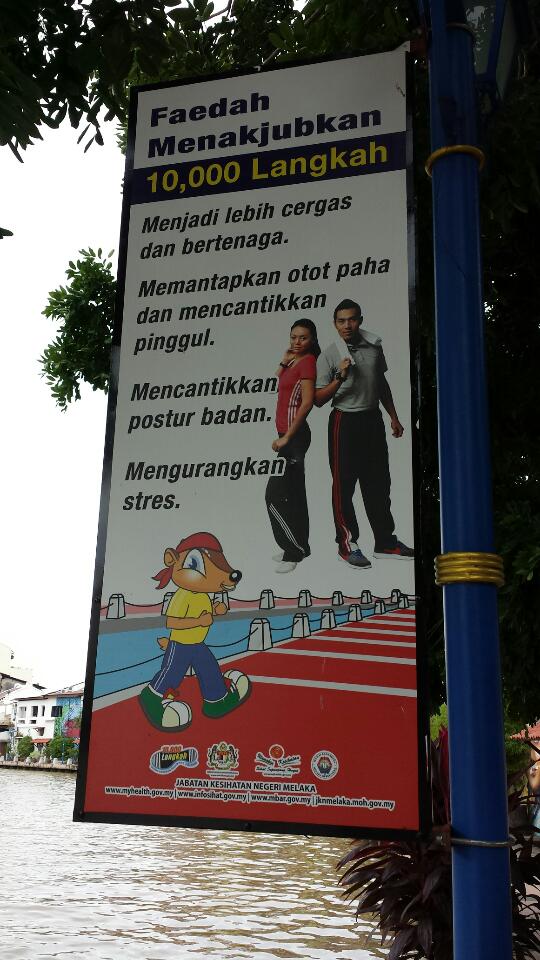
Health campaign post on the benefits of walking 10,000 steps

image

image

Tourist boat on a river cruise

image

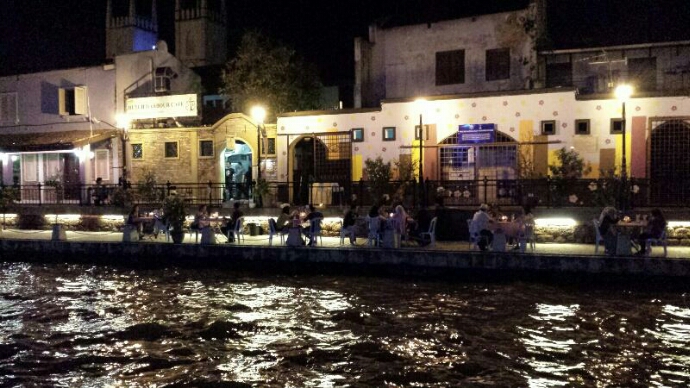
Dining by the river on a quiet evening

Catching Tilapia in Sungai Melaka

image

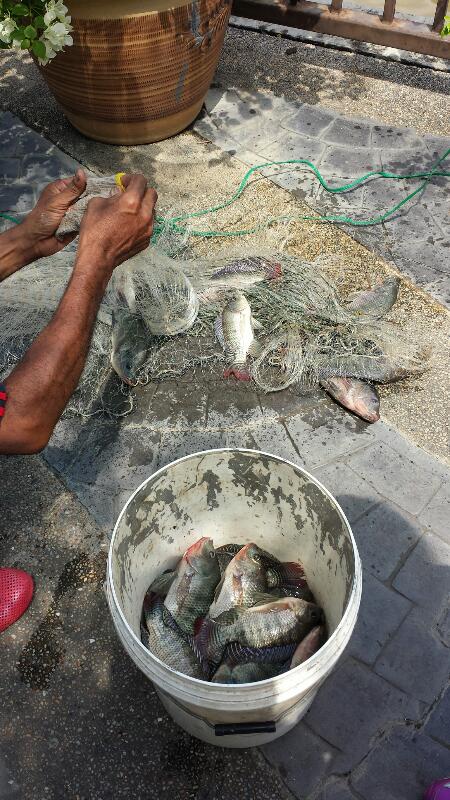
Caught tilapia

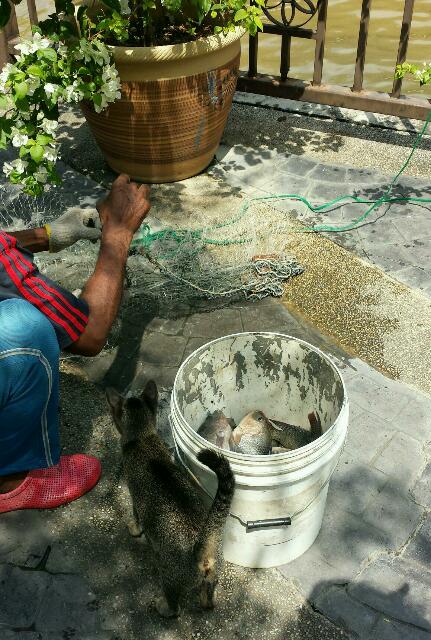
Around midday on a weekday in Melaka, things are quiet by the riverbank walkway. But for this local guy, it’s the best time to drop a net and catch some tilapia.

image

Somebody else is interested

image

Receptacle for the catch


Siesta in Melaka

image

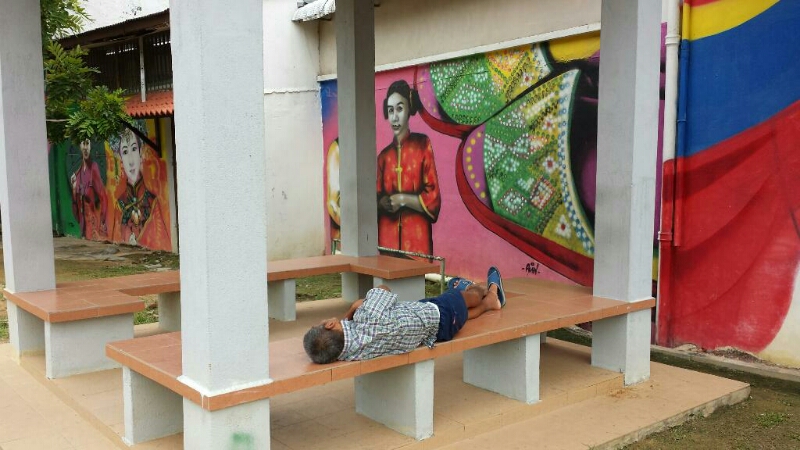
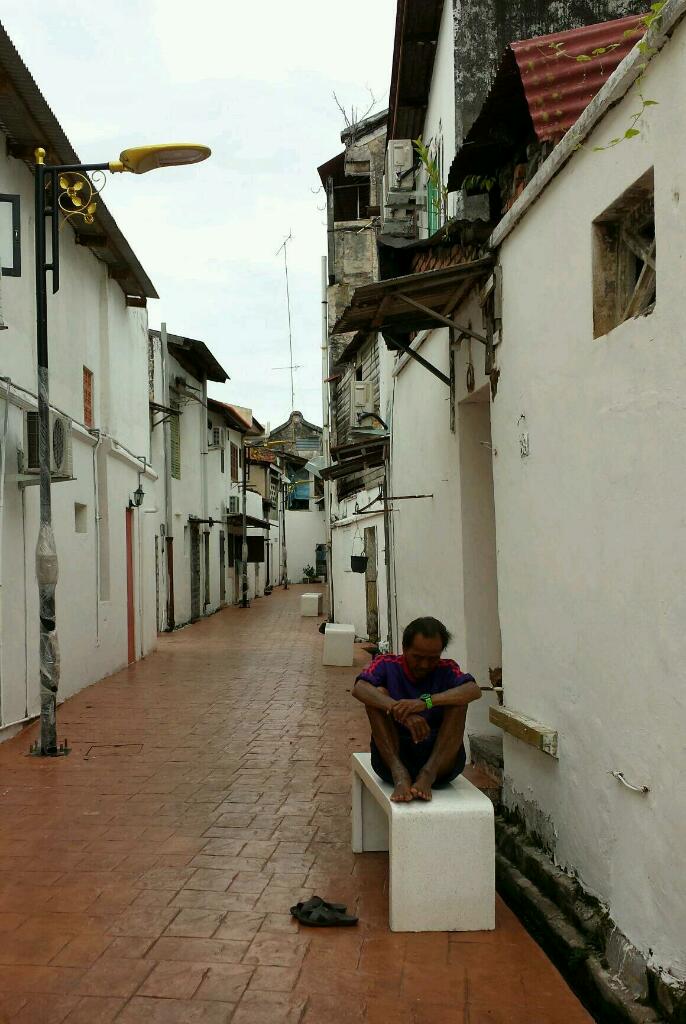
Observation on everyday scenes is the most honest thing one can get from traveling. Whether it’s about sun drying clothes in poles or clothesline, or people reading in different manner in all sorts of places, or observations on siesta time of locals in public places.

image