Metro Mornings

Typical scenes everyday in Metro Manila mornings.

image

image

They are most likely ambulant vendors that peddle inside a moving bus

image

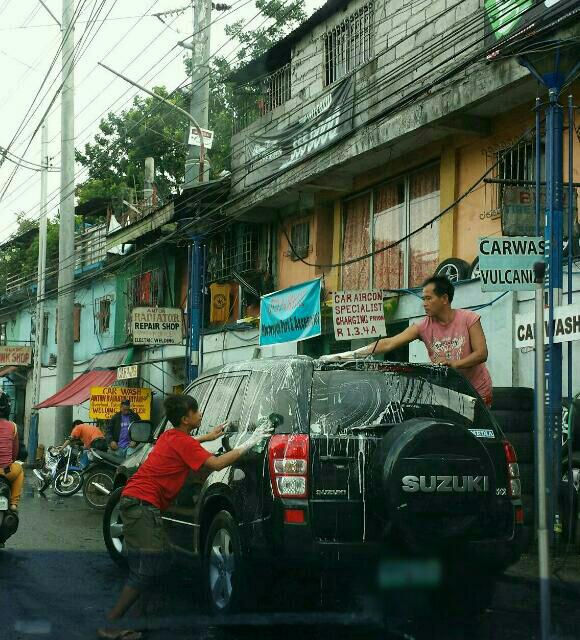
Car washing and other car services done on the road eating up a lane. Yet another typical scene

image

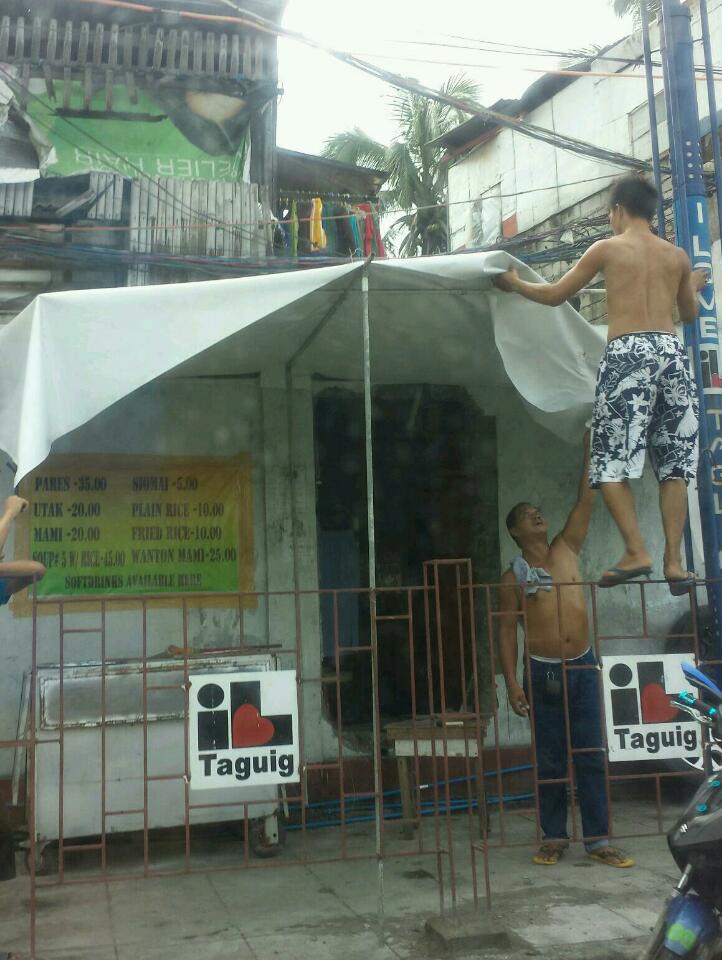
Rain proofing a sidewalk carinderia by setting up tarp

image

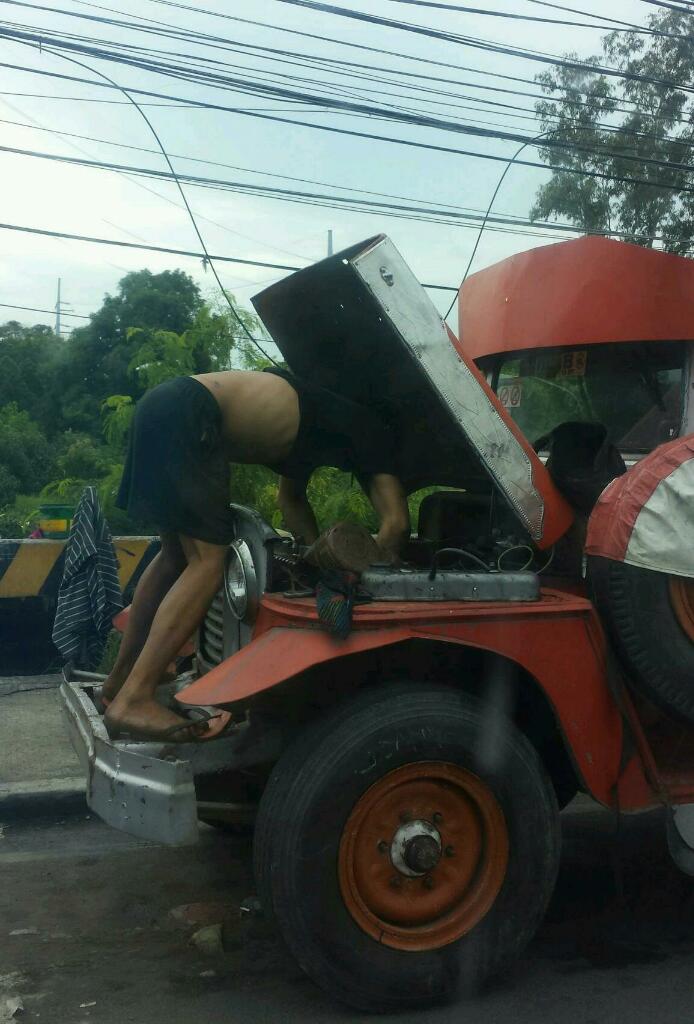
Mekanikong tsuper

Unnecessary Noise

image

During my pre-college years back in Bacolod City, it seems there were more major storms then than in the last 15 years I’ve lived in Metro Manila. Back then blackouts were frequent and when hit by typhoons, blackouts will last for a month or more. A few days or even a week of that hardly affects our day to day life then. That was yesterday; today, a 12 hour blackout seems like a personal catastrophe for most. Man have created this dependency on appliances, gadgets and comforts that when deprived of, the noise from the complaints made the natural disaster look more devastating than it should be.

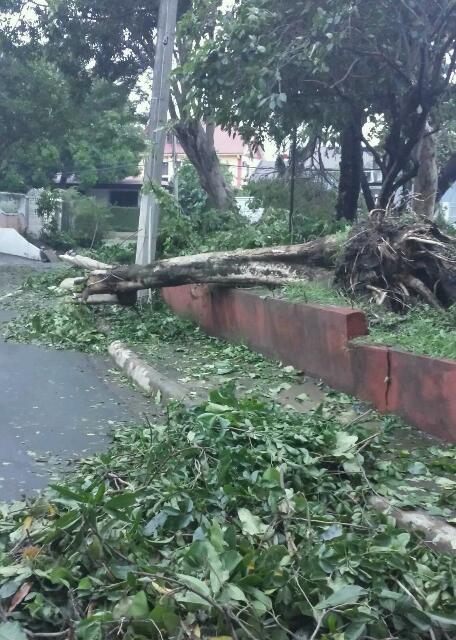
Yesterday afternoon in the wake of the storm, I surveyed the village where I live by running within its perimeter. There were several tree casualties, blackout like the rest of Metro Manila, but no flooding and no major debris blockage. It was very quiet in the village that I suppose residents must have fled to the malls because of electricity deprivation along with impending social media deprivation due to dying battery life of their gadgets.

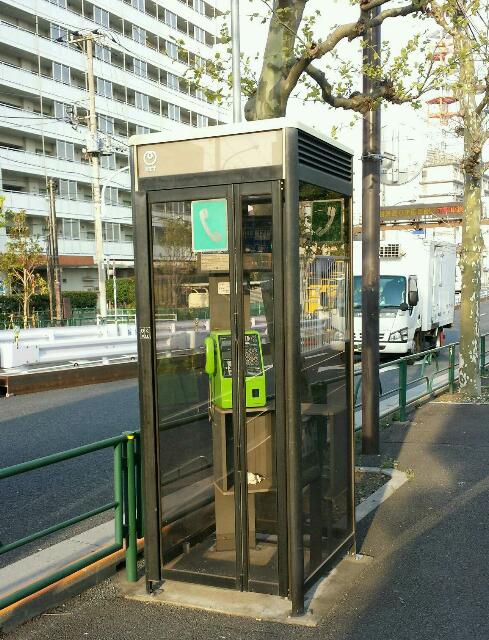
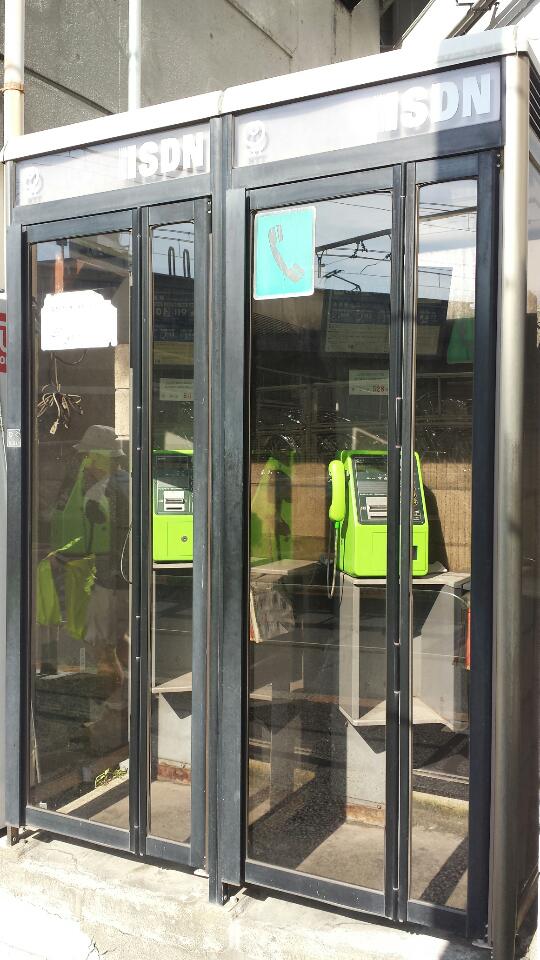
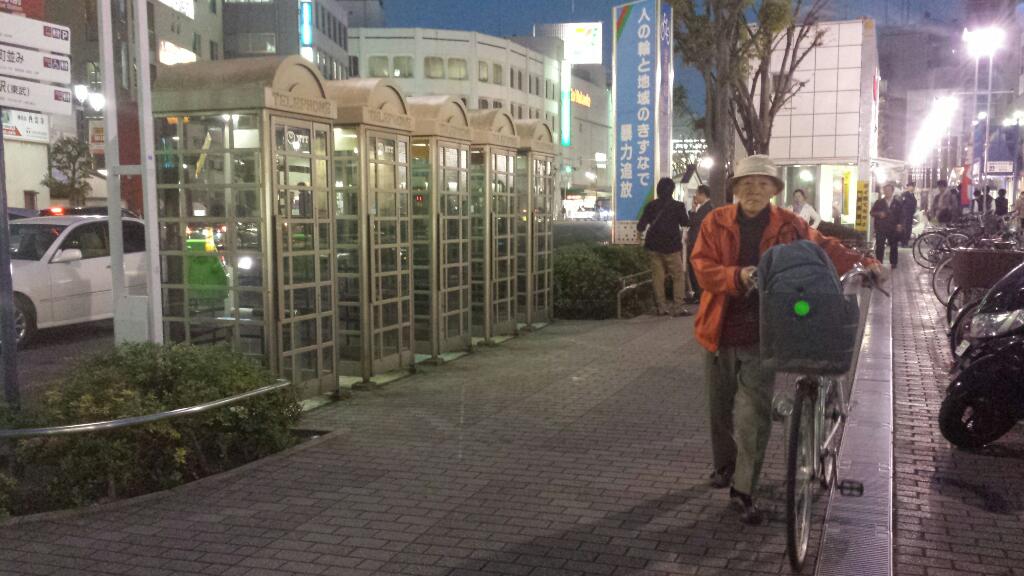
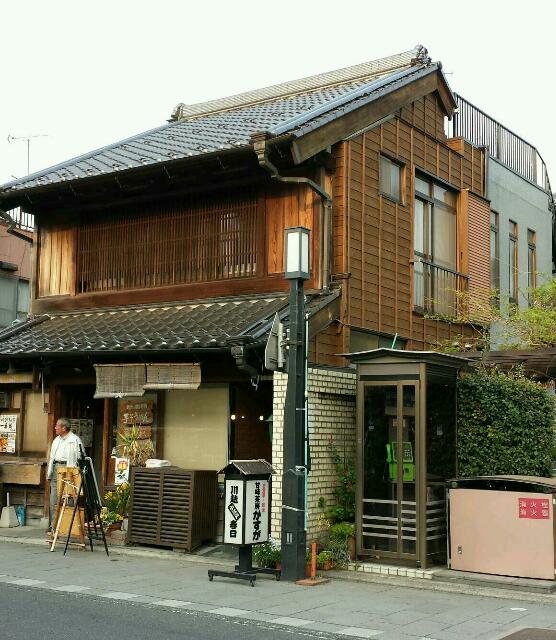
Japan’s Call Box

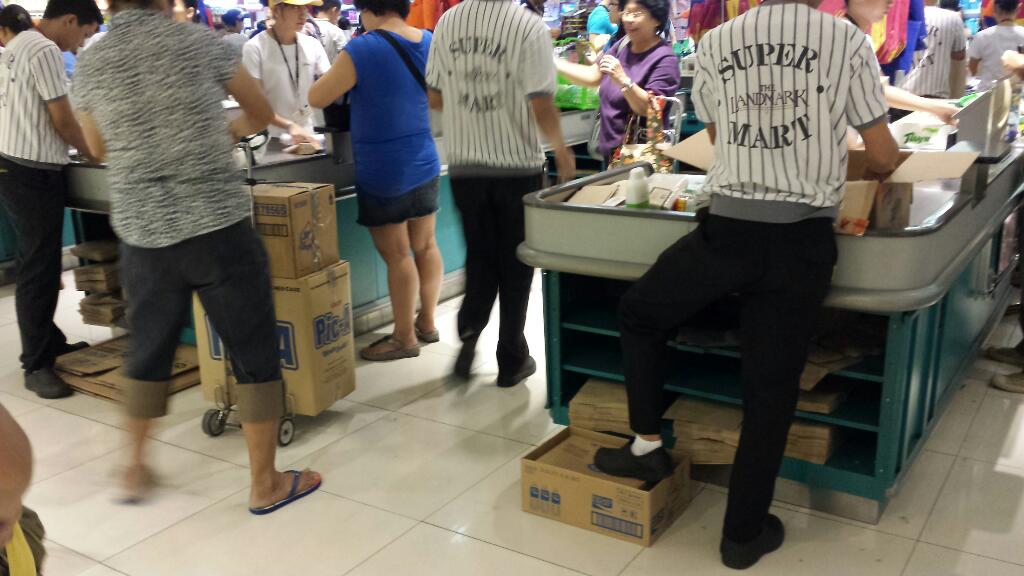
Boxing Day Everyday

image

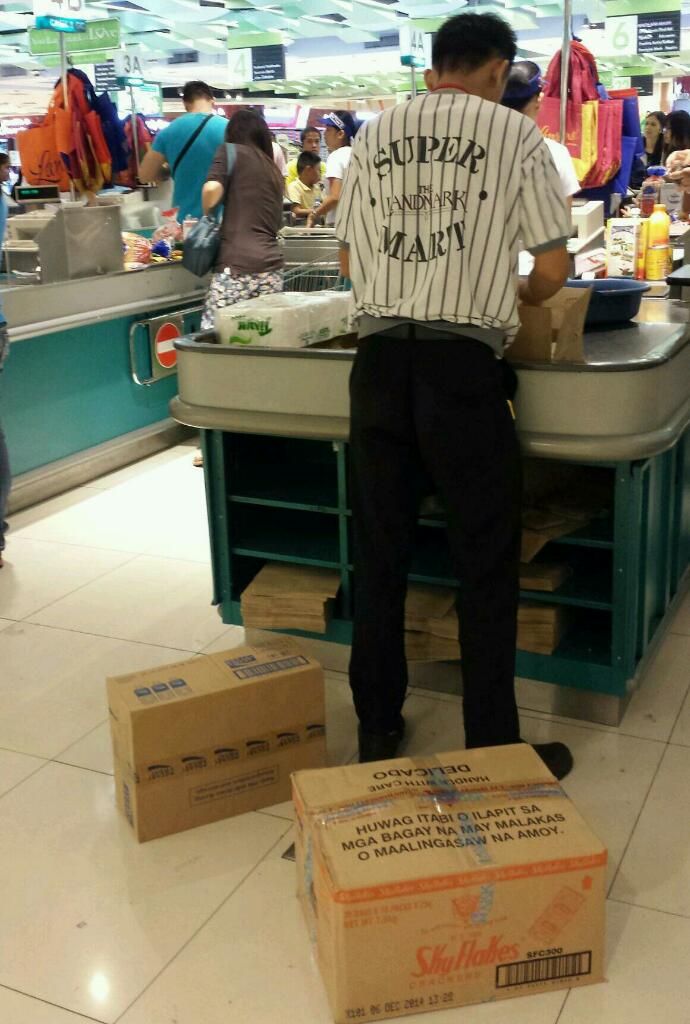
At the checkout counter, bagging of groceries can be three ways: In one’s brought bag, in supermarket provided paper bag, or in supermarket provided used carton. It’s been this way ever since plastic bags were banned in Makati City.

image

Used cartons for groceries

Maruya at Home

image

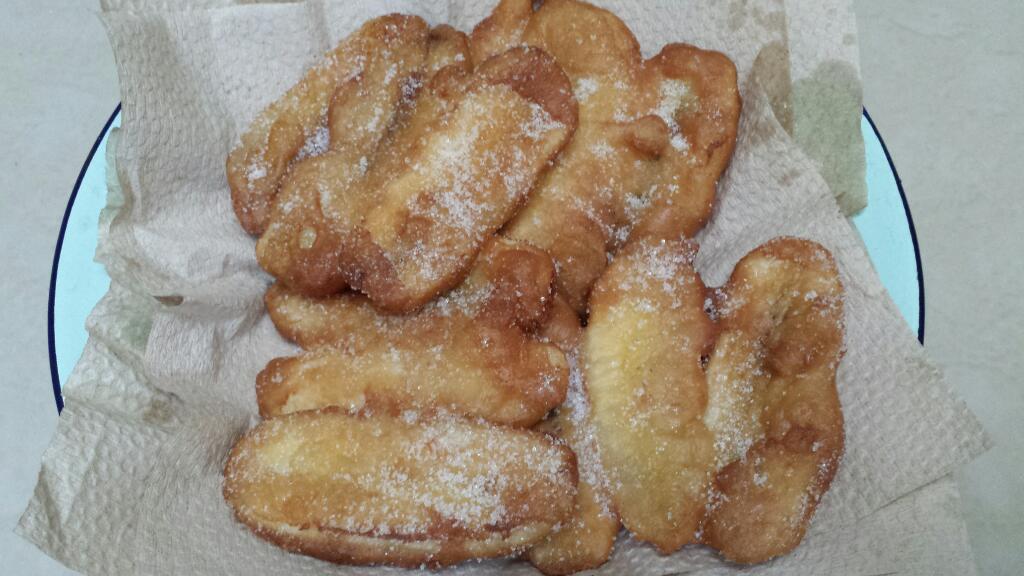
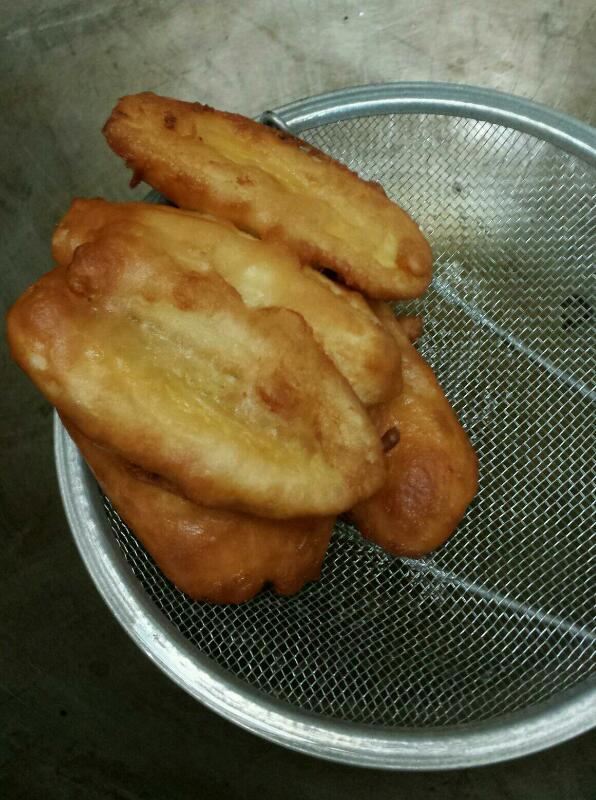
One of those delightful Philippine streetfood is  the maruya, a saba fritter (plantain fritter). Roadside vendors usually sell this hot and just off from the kawali. This merienda fare is very easy to make at home that I made more than enough to share some to a neighbor.

image

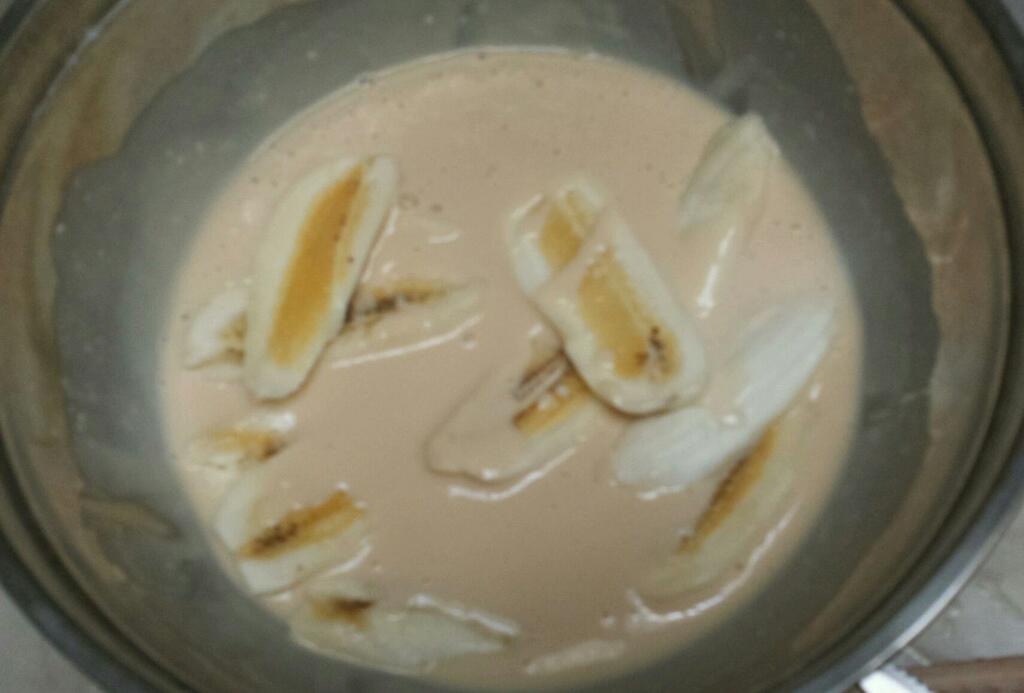
Three slices per saba

image

Batter: flour, baking powder, milk, egg, salt, sugar, oil

image

Frying in the kawali

image

After few minutes of frying, drain the fritters and sprinkle with sugar. That’s it

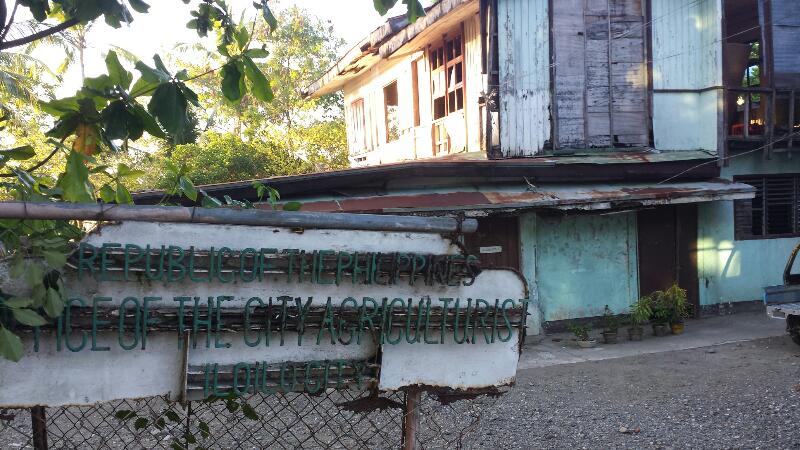
City Agriculture Office

Red Post Box

Japan’s Medieval Broomstick

image

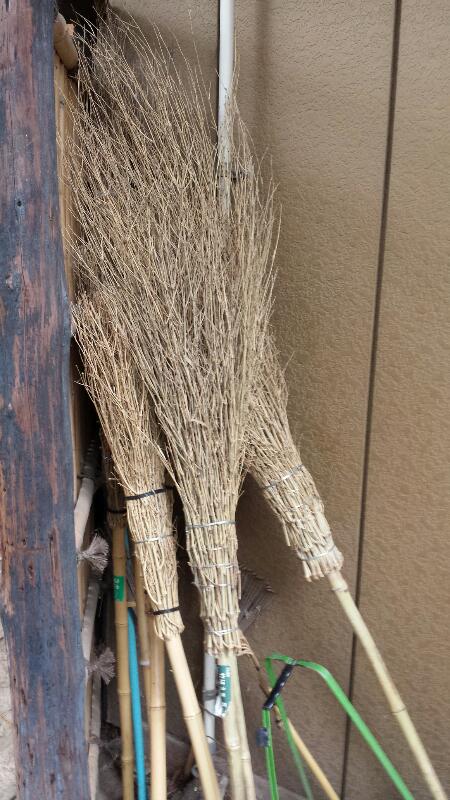
How about a quidditch match?

Outdoor broom used in Japan that’s made from twigs tied together on a stick. Something medieval looking in futuristic Japan.

Sailing Toyota Vios

image

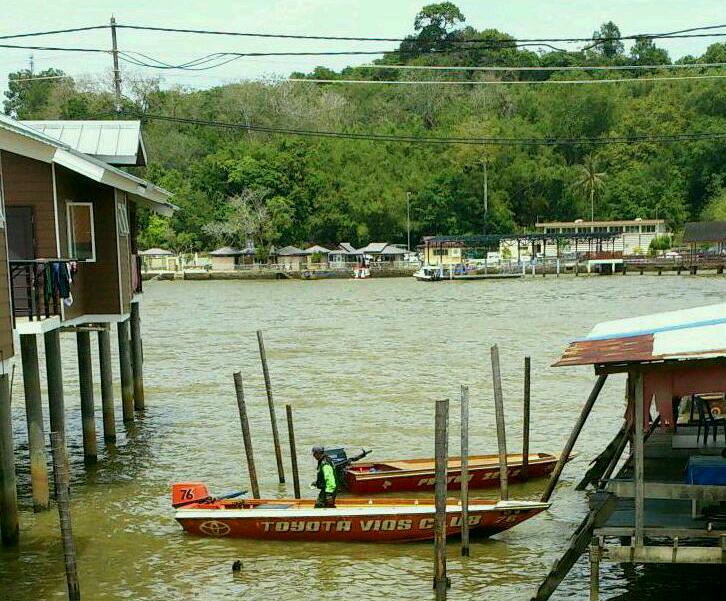
Toyota Vios and Proton

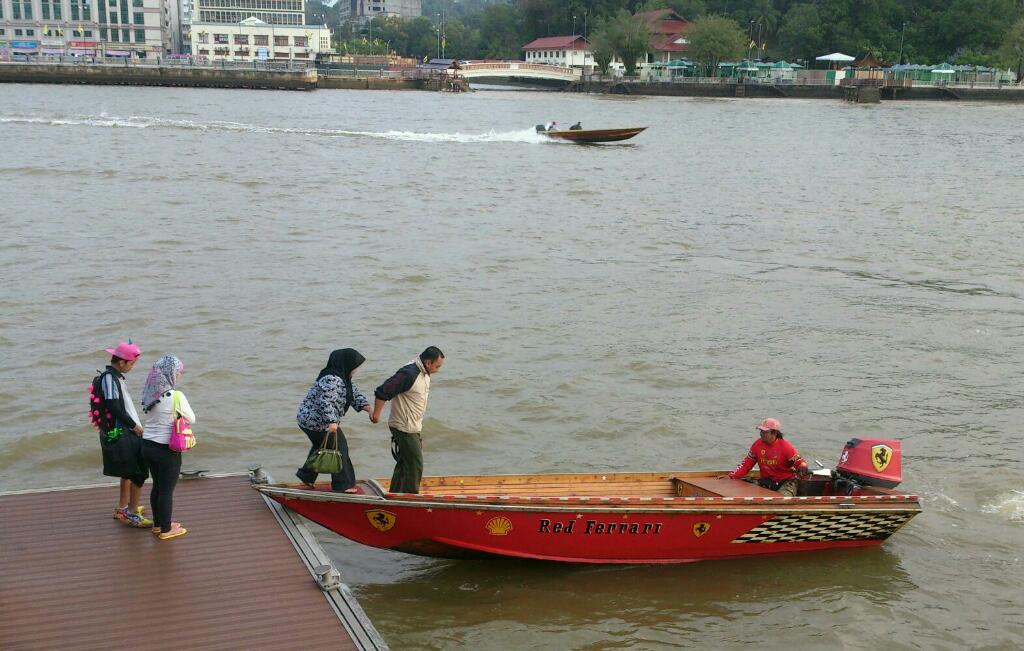
Some water taxis (tambangs) in Kampong Ayer are personalized with automobile brand names and logos. In similar fashion, stickers, embellishments, or knickknacks associated with certain automobile brand have adorned some jeepneys in the Philippines.

image

Red Ferrari

Tent Shops

Screw Signs

image

See the LRT train about to cross the street?

For all sorts of screw needs, it’s highly likely one can find it in Tomas Mapua street. Very visible from the above picture is the Screw City signage, then there’s also Screw Master behind UCPB, and on the right side is the To Suy Screw King.

Elastic Phenomenon

image
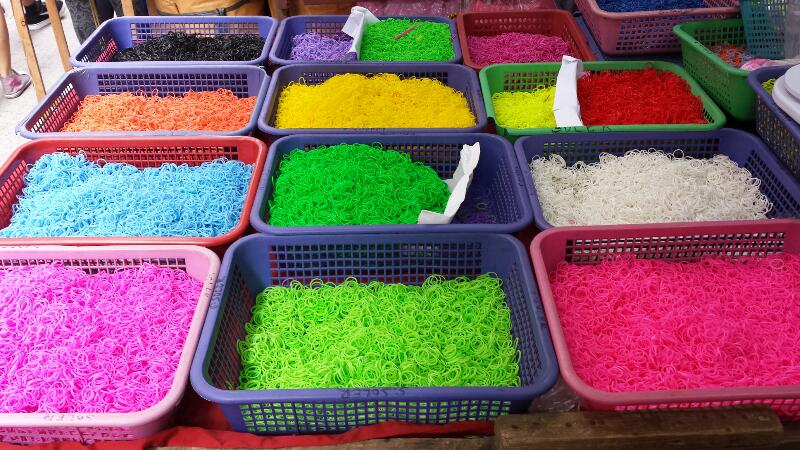
There’s some kind of a rubber band craze now, among children particularly, and this loom band thing found its way to my home even if I’ve spent zero pesos on it. Somebody gifted my kid…for it’s the “in” thing.
image

image

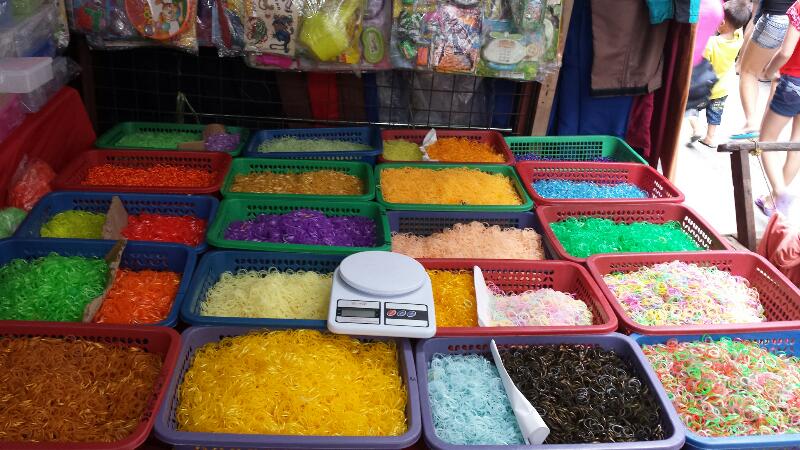
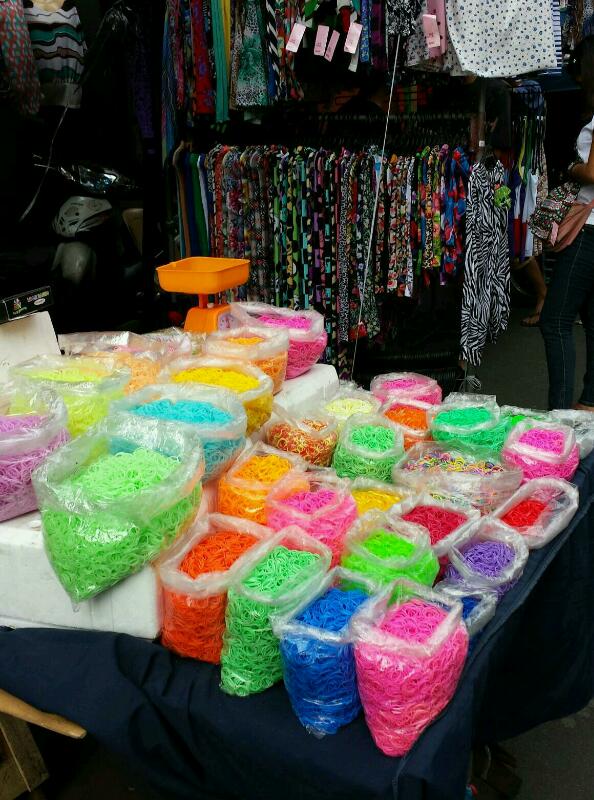
One can really gauge the hit factor of something through the viral way of it’s being replicated. It doesn’t matter to the masses if it’s the Rainbow Loom or an imitation loom. What matters to most are the acquisition of these colorful tiny rubber bands, and the pleasure of weaving these into jewelry, and accessorizing one self of this DIY stuff… for that’s the “in” thing.

image

Street vendors sell the rubber bands at 50 pesos per 50 grams

image

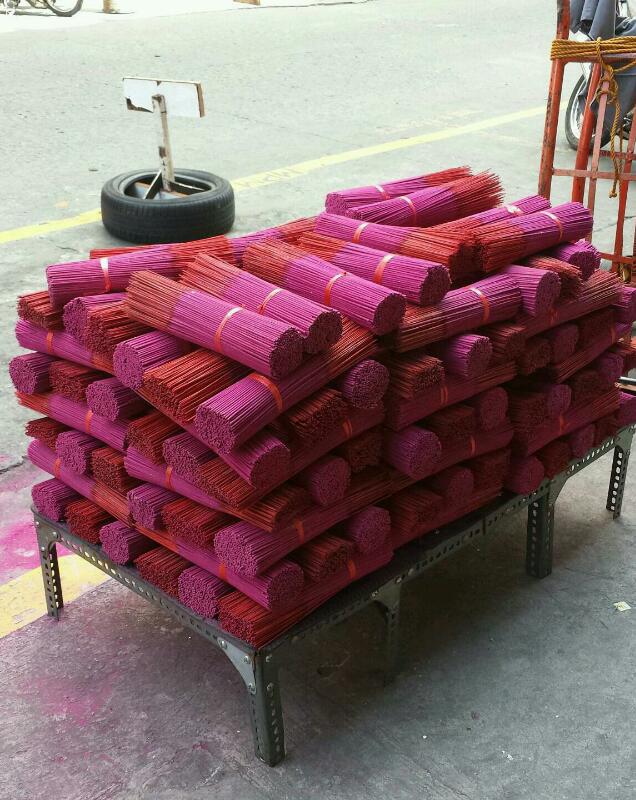
Incense

Kanonization of Education

image

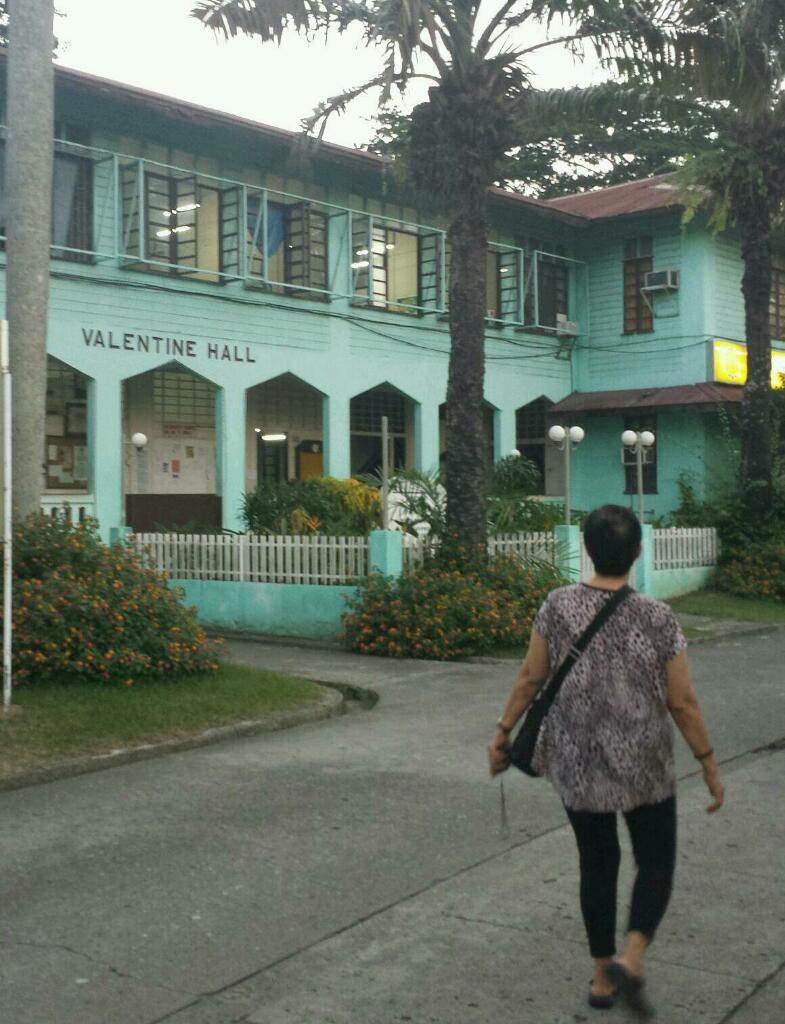
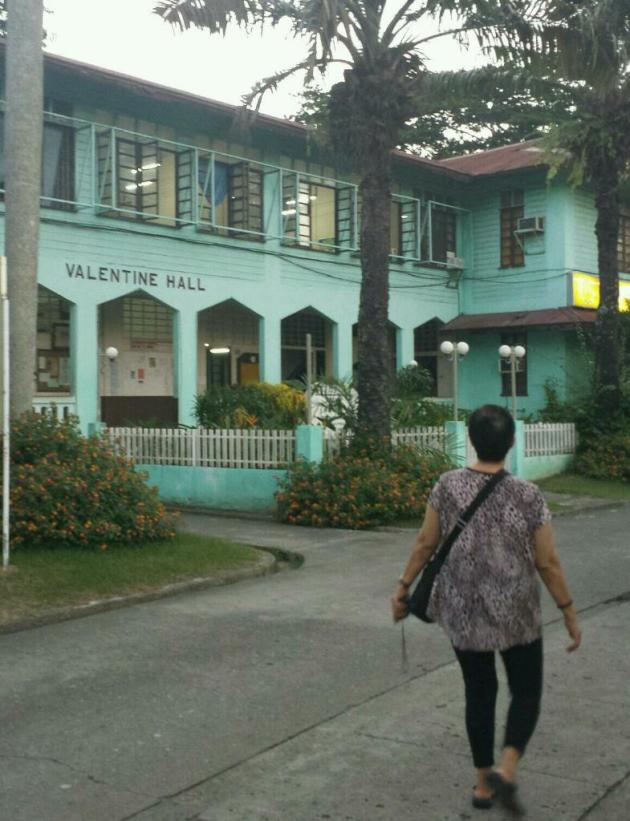
43 years ago, my mother graduated from Central Philippine University (CPU), a school founded in 1905 by American Missionaries in Jaro, Iloilo.
image

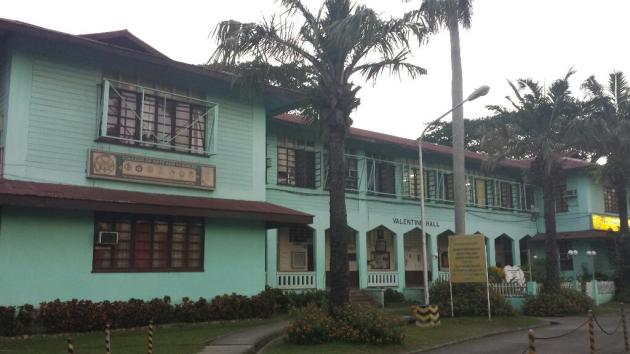
My mother in the picture was reminiscing her classroom days at Valentine Hall. Reverend William Valentine is the founding father of CPU

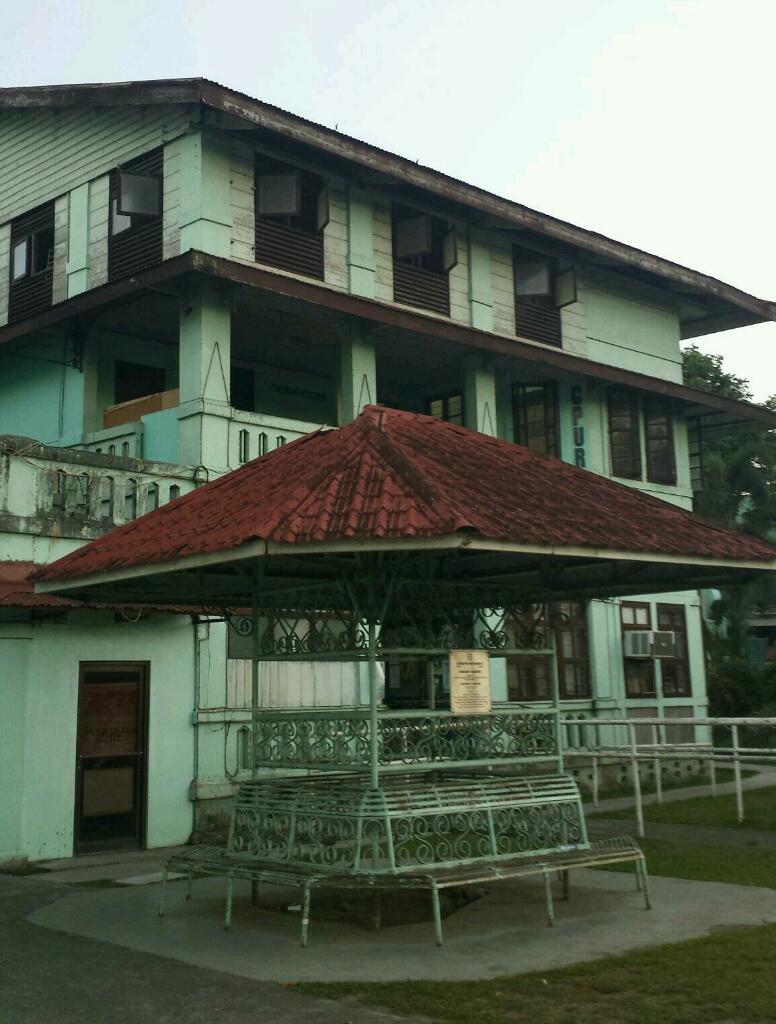
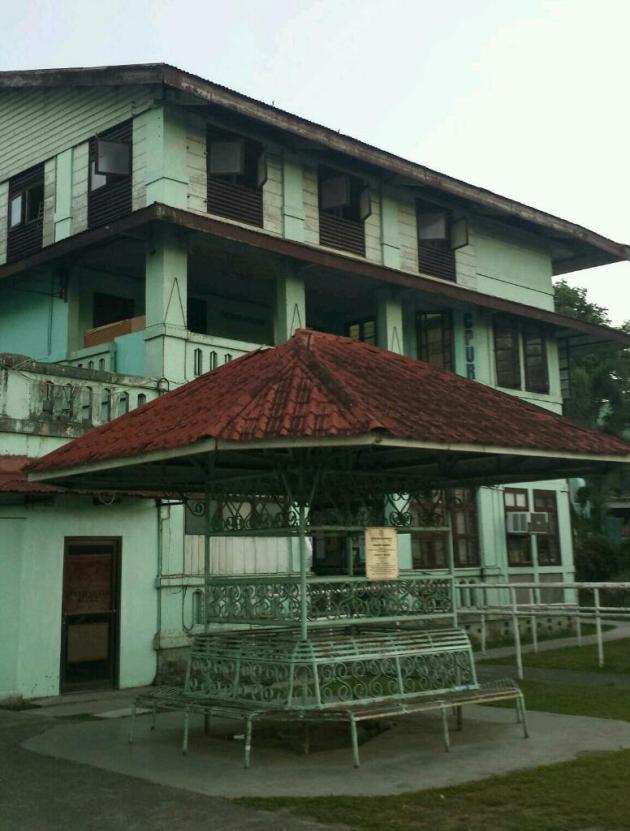
CPU is just one of the many institutions in the country founded by the Americans. The structures in the campus are just some of the many structures built or architecturally influenced by the Americans during their time.
image

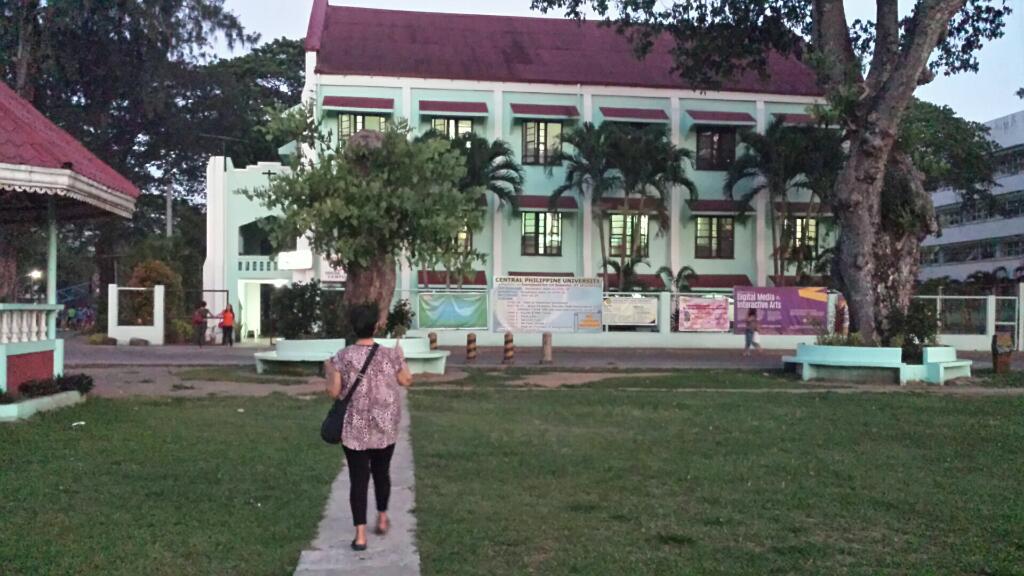
University of the Philippines, my alma mater, exists because of American colonization, which makes education as my favorite Americanization in the country.
image

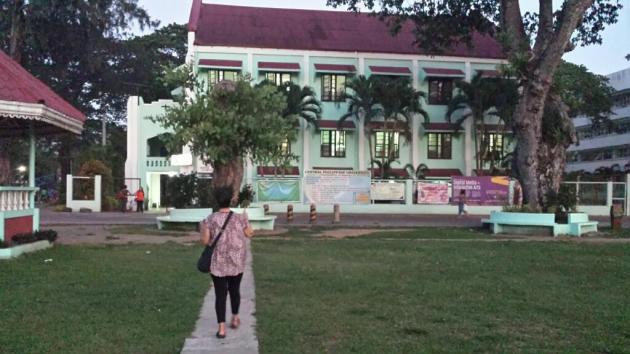
It was late afternoon when I accompanied my mother in her visit, hence the reason for the dusky look in all snapshots

Today, July 4, 2014, is a big day in USA, and the reason why I thought about CPU and the kanonization* of our education system.

*Kanonization is the term I used for Americanization in a local way. I do have that good book by Scott Garceau titled “Kano-nization: More Secrets from the X-Pat Files”. It’s about Filipino way of life that’s something of a bewilderment or humorous in the eyes of an American.
24 Rib Umbrellas

Traffic Jam Microenterprise

image

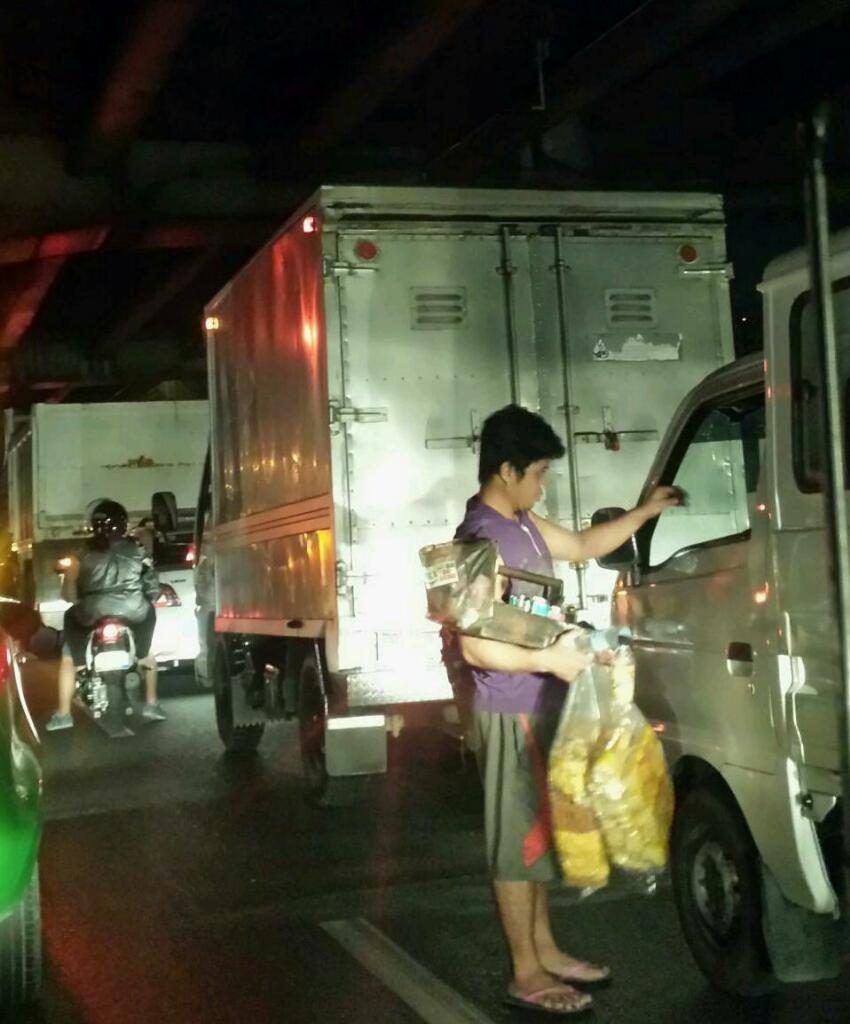
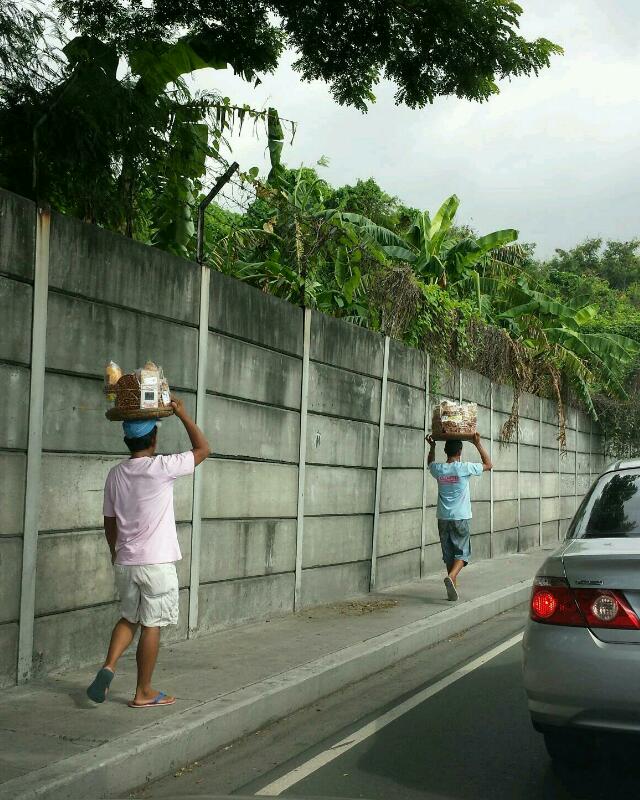
Peddling candies, cigarettes and chicharon/fish crackers in South Super Highway underneath the Skyway

Quite common in Manila to see ambulant vendors, taking advantage of constant stops from traffic jam, or red light waiting time, to peddle all kinds of stuff, from food to rags, in the middle of the road.
Tourism Shack

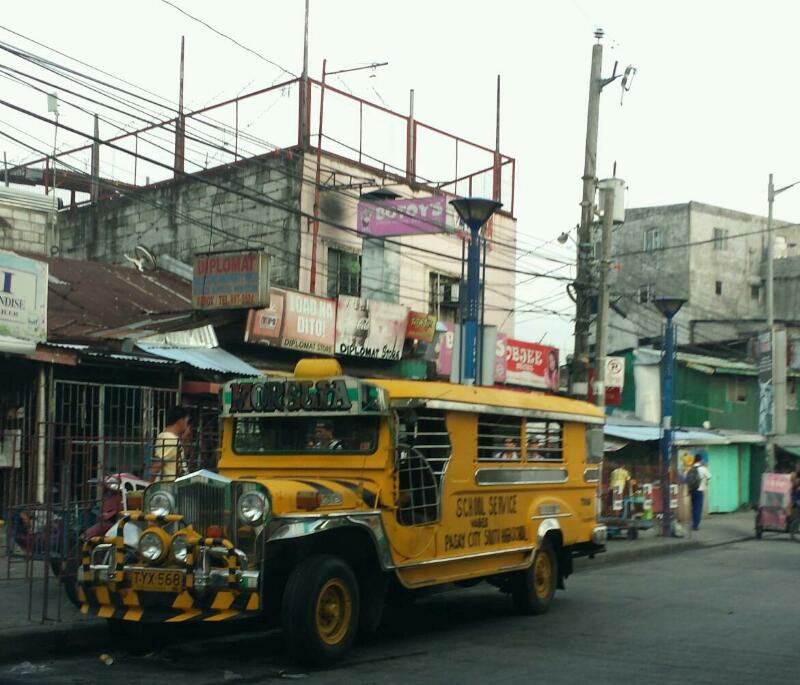
School Jeepney

Cat Chronicle: The Curious Cat

Hole Punched Info

image

Bus paper ticket of OHAYAMI Trans operated by Mr. Imayaho (Ohayami in reverse)

Provincial buses in the Philippines commonly use hole punched paper tickets as passengers’ fare document. By means of hand-held single-hole puncher, the bus conductor or the ticket guy at the terminal will put holes on the ticket to indicate fare amount and other relevant details.