Benguet Jeepneys

image

Reminds me of John Denver

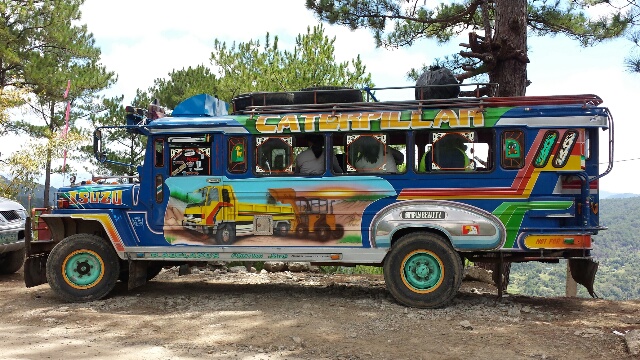
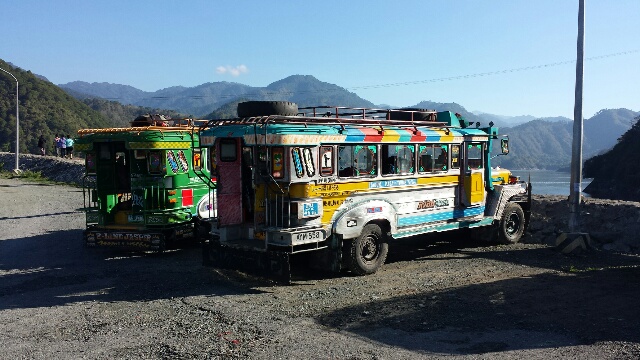
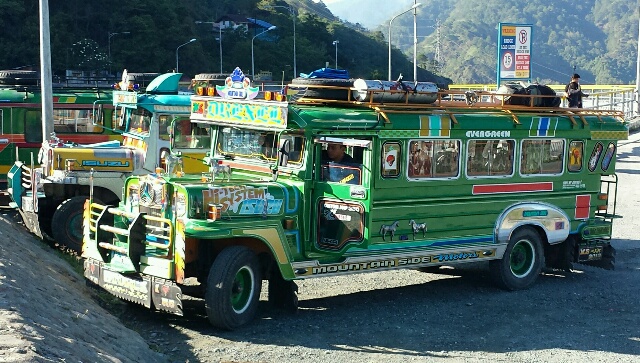
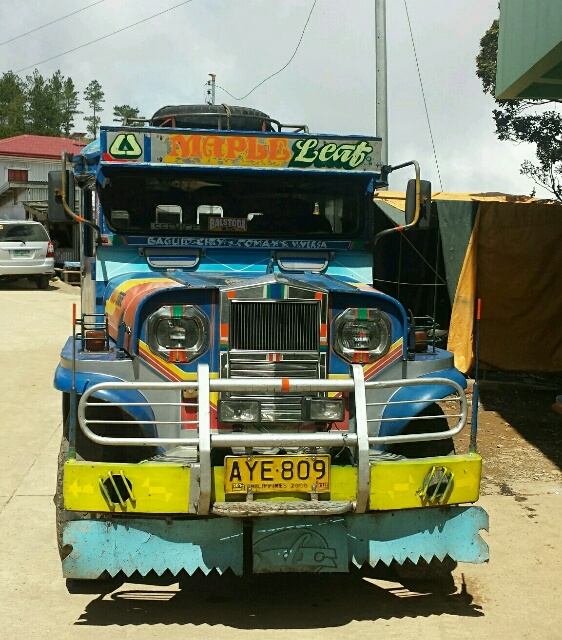
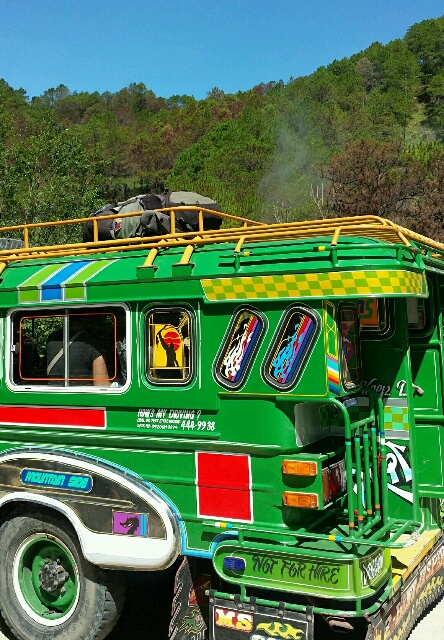
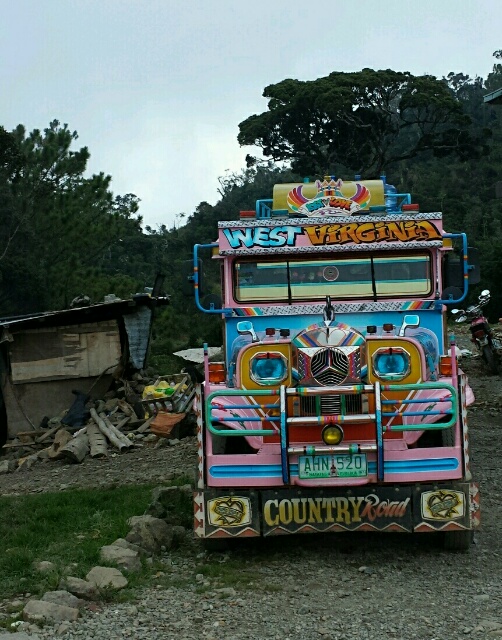
These are the mountain jeepneys seen along the Benguet-Nueva Vizcaya Road. Most of them are chartered ones traveling between Baguio and Kabayan.

image

image

image

image

image

Pulag Episode

image

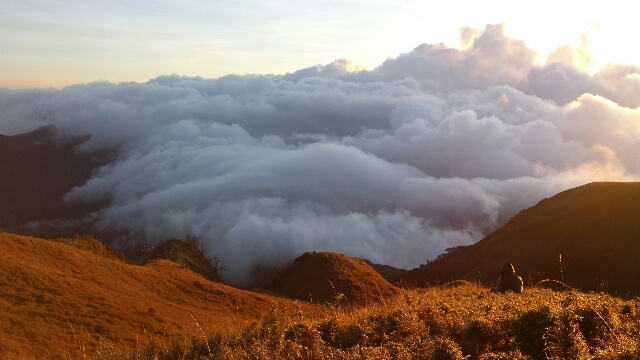
Hiker moment above the clouds

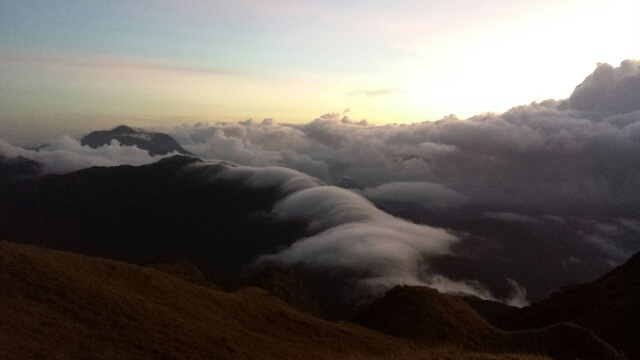
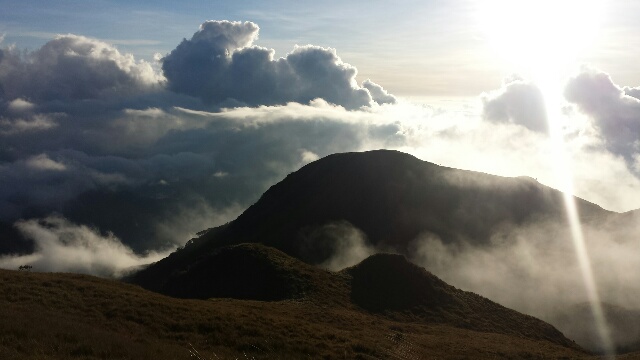
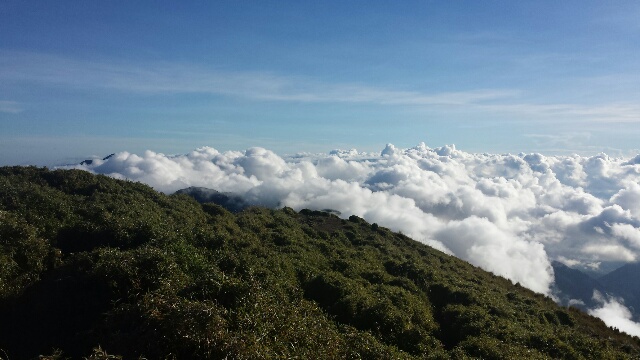
Hiking up the long but easy trail from the ranger station to one of the peaks of Mount Pulag three hours before sunrise was pleasant, notwithstanding it was still dark. Upon reaching Peak 2, we waited for few minutes just in time for the sun to come out behind the clouds. It was amazing looking down at the clouds while still on land, albeit on top of the mountain.

image

Pre-sunrise view

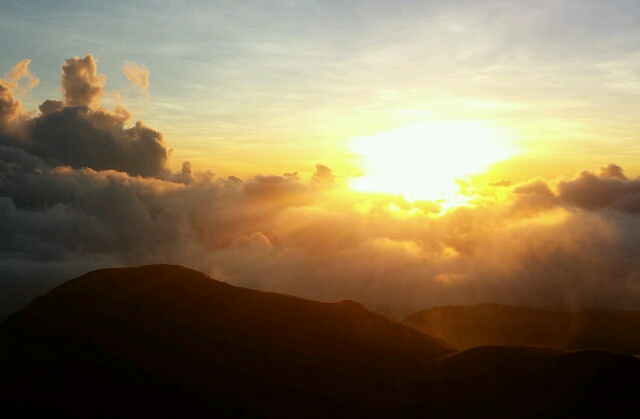
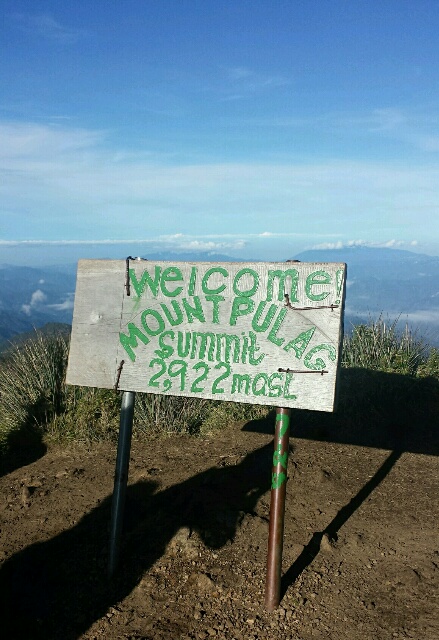
When the sun was already way too high, as indicated by the transition of golden light to white light, it was time to ascent to the summit, still fairly easy. Up there, shadow casts on the summit marker and it was tempting to pee in the middle of the thick dwarf bamboo bushes (but of course I didn’t).

image

Sunrise

image

Blinding light

image

The marker on the summit

image

The bushes on the summit

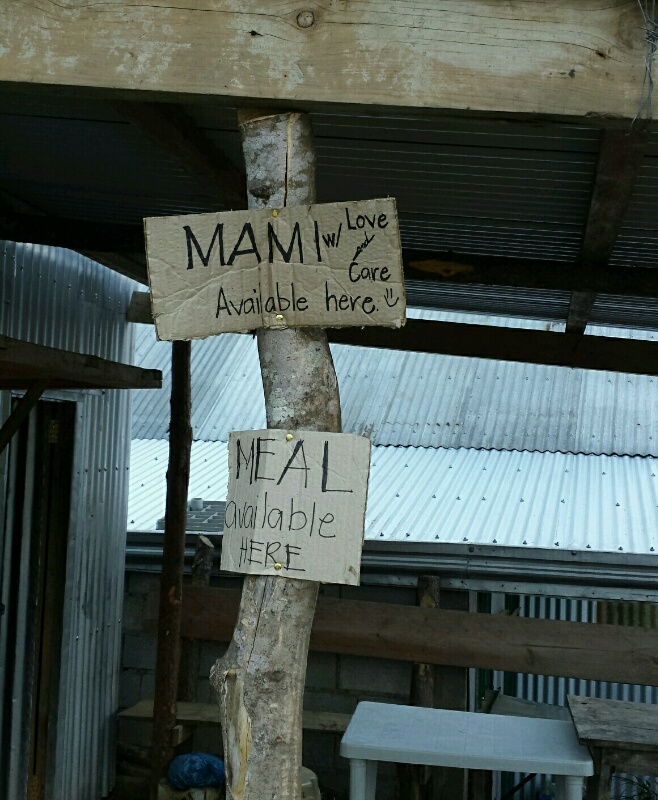
Eats with Love

Bicycle Commuting

image

Pedaling is speedier in Manila’s rush hour

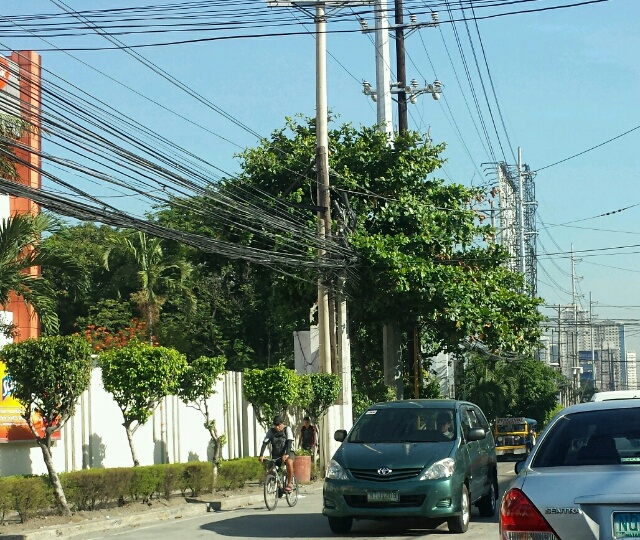
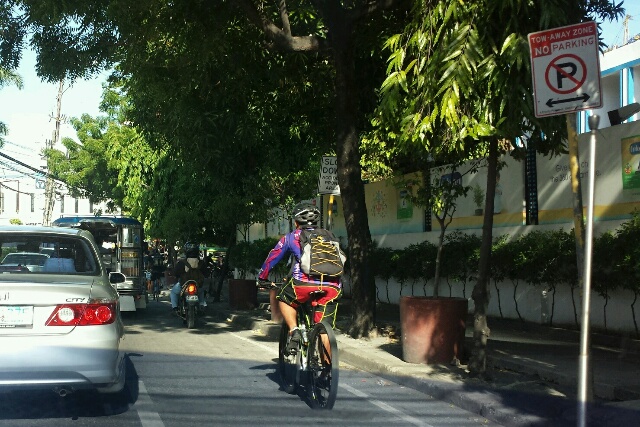
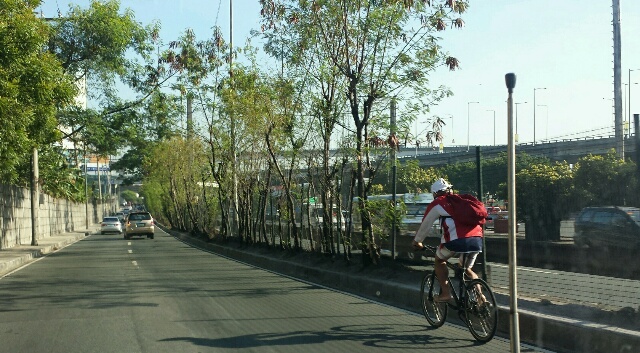
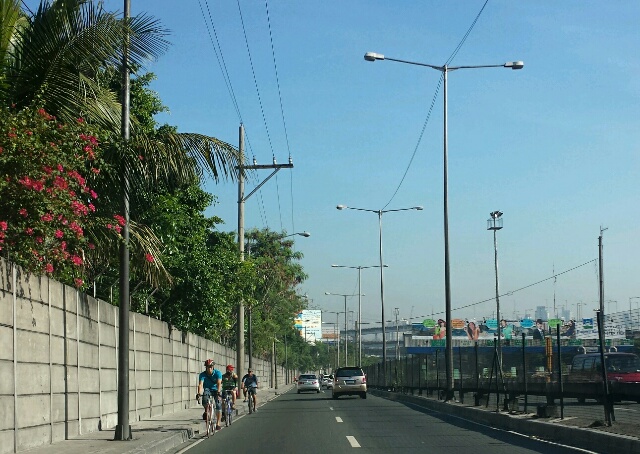
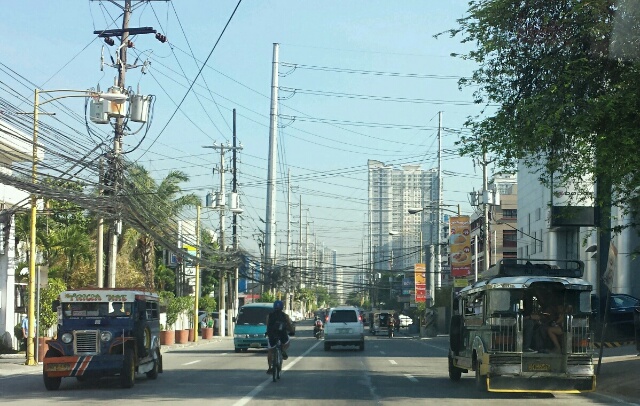
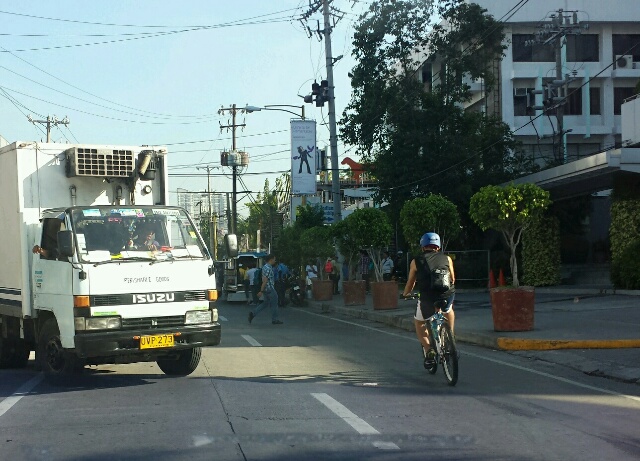
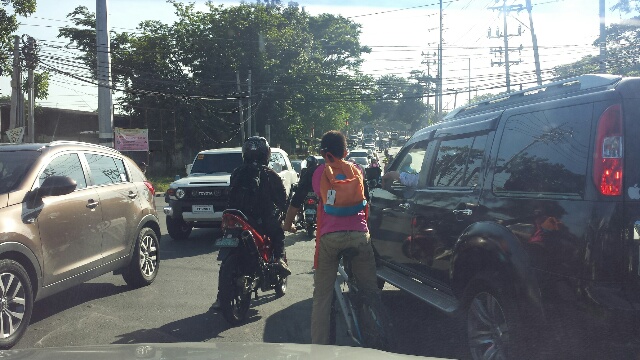
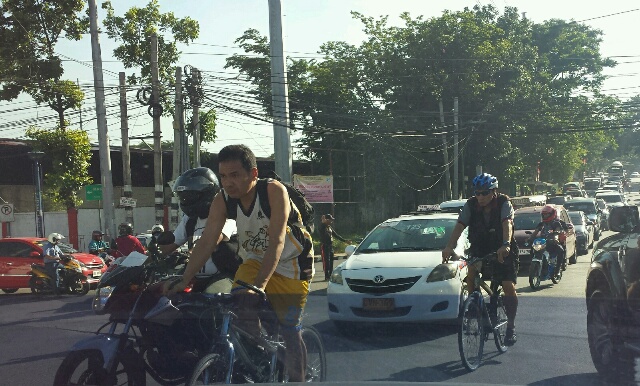
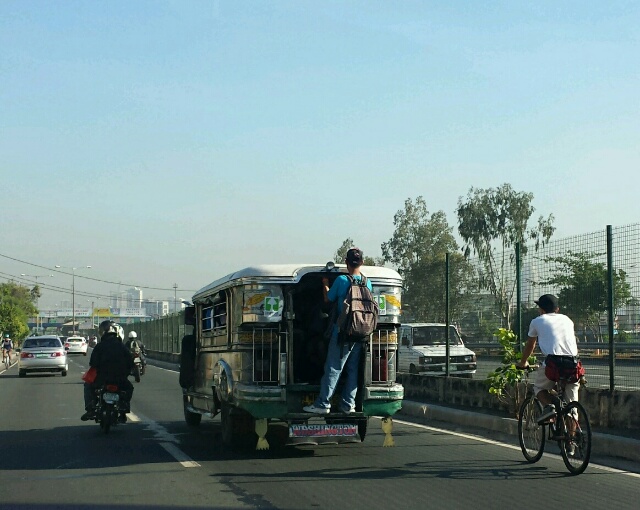
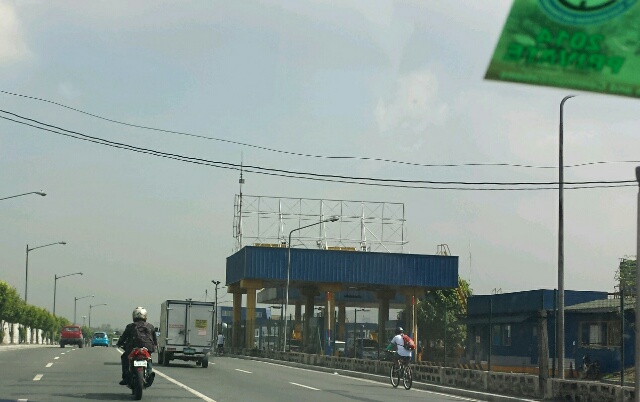
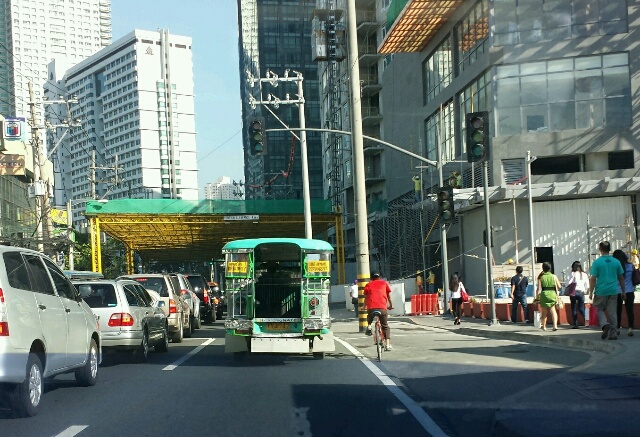
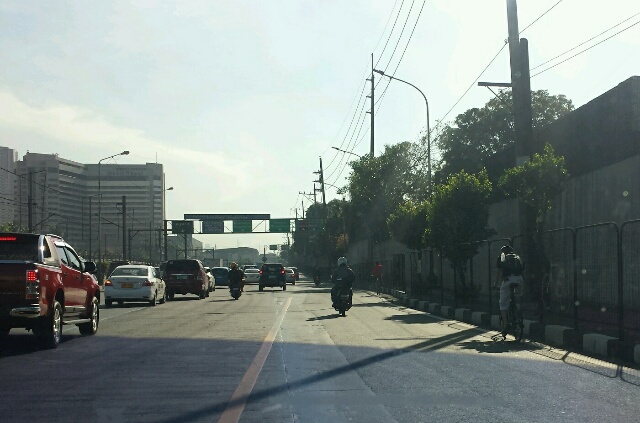
Here is an honest and spontaneous depiction of folks using bicycles for commuting on major roads of Metro Manila which I took from inside a vehicle while traveling to work. It appears that there are more bicycle commuters now than in the past but still the numbers are too insignificant for urban planners to provide lanes for bicycle commuting, and for private establishments to provide bicycle commuting-friendly provisions such as parking, shower rooms, or lockers. Also, bicycle commuters are still not that numerous enough for motorized vehicles to get used to them on the road.
image

If ideal provisions are provided, then probably hundreds will pedal to work thus easing traffic congestion. Otherwise, if it will be seen that there are already significant number of bicycle commuters on the road, then probably Metro Manila will evolve to provide provisions. It’s a chicken and egg scenario.
image

image

Cycling can be precarious in Edsa

image

image

His preference is the center line

image

image

Sharing the rightmost lane with motorized vehicles

image

Stopping at the center of the road

image

Some wear helmets, some do not

image

image

Single file to lessen life threatening risks

image

It’s better to pedal than ride an overloaded jeepney
Kibla

image

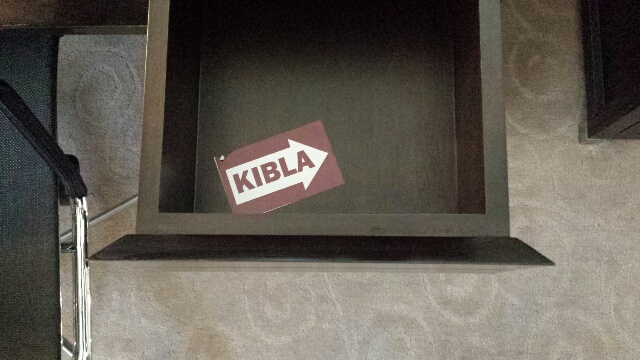
Kibla sign inside the desk drawer in guest room of Intercontinental Hotel in Makati

It is praiseworthy for this particular hotel in Makati to provide kibla sign in its rooms. Truly lives up to its “international” standards when it comes to religious sensitivity. I noticed the sign when I opened the right side drawer of the desk, whereas the left side drawer holds the Holy Bible. Kibla or qibla is the direction facing Mecca, so in a predominantly Catholic country, kibla signs are rare unlike in the guest houses or hotels in Malaysia or Indonesia.

image

Kibla sign (kiblat in Malay) on the ceiling of a guest house in Kota Bharu

Pasar Snapshots: Keropok of all sorts

image

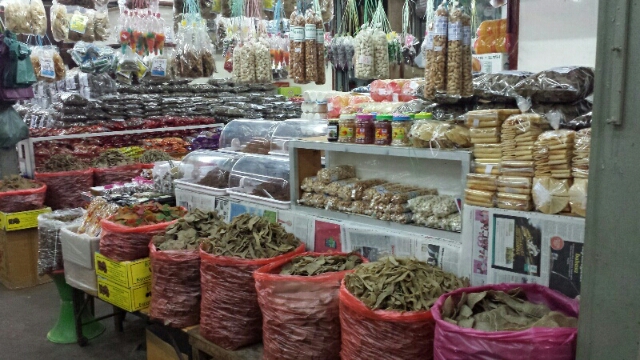
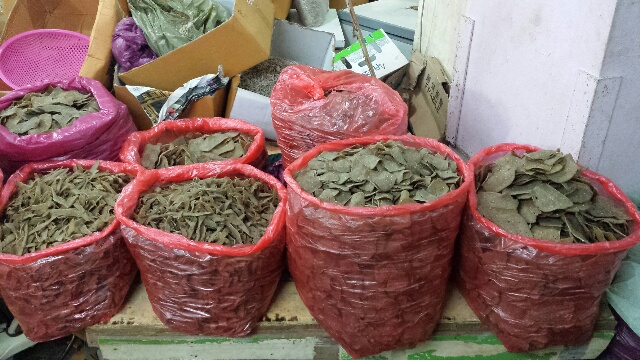
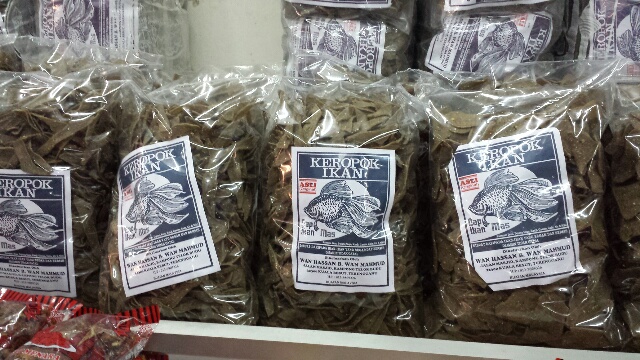
Keropok is the traditional chips of the Malays, particularly in Brunei, Indonesia, and Malaysia. The pictures here were taken from a market in Kelantan.

image

image

image

Masa Art

Flowered Trishaw

image

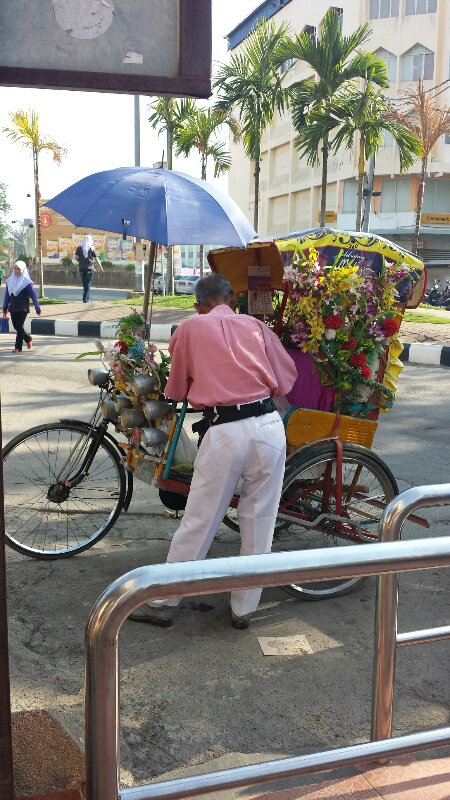
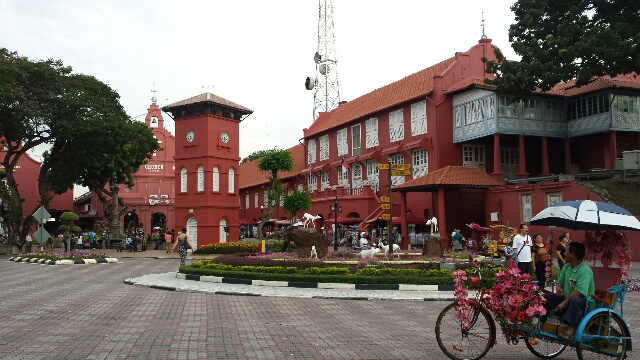
An elderly driver stood by his trishaw with fog lamps as props in Kota Bharu. Seems Malaysia has this penchant for artificial flower adorned trishaws. I have two more pictures below from Melaka to prove this.

image

image

Pasar Snapshots: Kuih-Muih

image

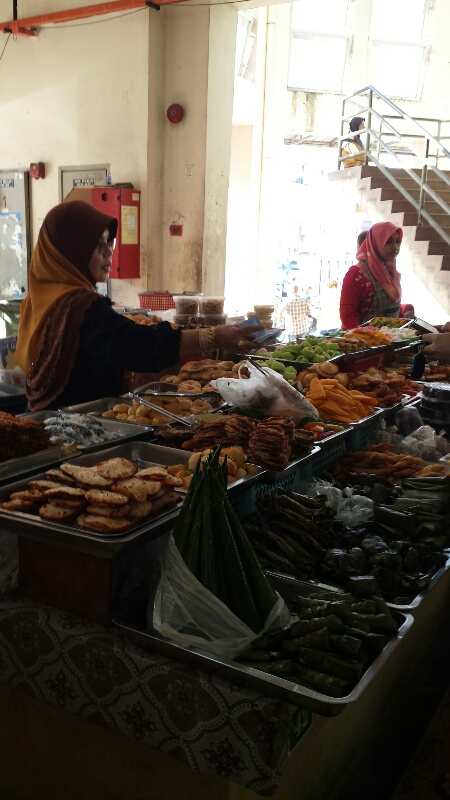
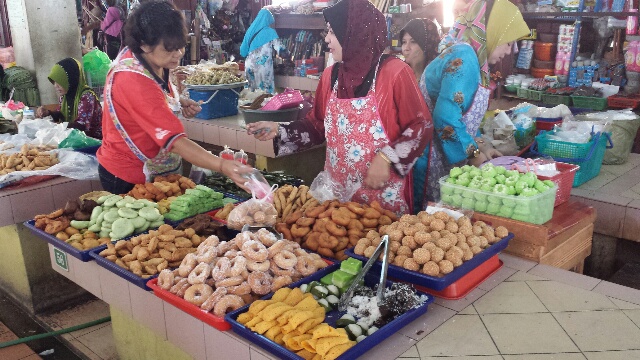
If Philippines has all sorts of kakanin, then Malaysia has all sorts of kuih-muih. Whereas the kakanin is something that you have to deliberately find because native food has taken a back seat over Western bites, kuih-muih contrastingly can be found in cafes, airports, streets, markets, everywhere – even in Kuala Lumpur. How nice it is to have something uniquely Southeast Asian that remains to be part of everyday breakfast, snack, tea or coffee accompaniment, or dessert.

image

image

image

Baywalk

image

I took this picture of Manila Baywalk on June 2008

In an archipelago nation like ours where most provincial capitals are not landlocked, the existence of “baywalk“ is common in towns and cities in modern day Philippines. Baywalk functions as park for public use. Perhaps the term “baywalk” was adopted throughout the country because of the Roxas Boulevard Baywalk in Manila, the most notable of them all.

image

Puerto Princesa Baywalk

image

Another view of Puerto Princesa Baywalk

image

Baywalk in Zamboanga City

image

Baywalk sunset in Zamboanga City

image

Baywalk in Dumaguete City


Bus Window Peddlers

image

At the rest stops for bus journeys in Cebu province, peddlers will hawk refreshments, mostly local delicacies and travel food staples such as boiled eggs, boiled peanuts, or boiled corn in the bus open windows — that is if you’re on a window seat in a non-aircon bus. The advantages of riding non-aircon bus apart from paying less are the natural breeze, bukid scents, unobstructed view for sightseeing or capturing photos, and convenient window buying of snacks.

image

image

image

Vendors resting while waiting for the next bus


Of Old Structures & Respectful Silence

image

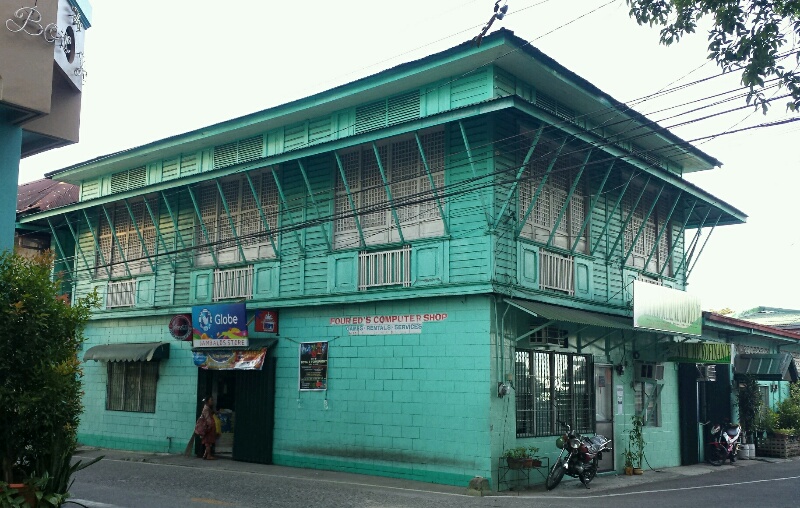
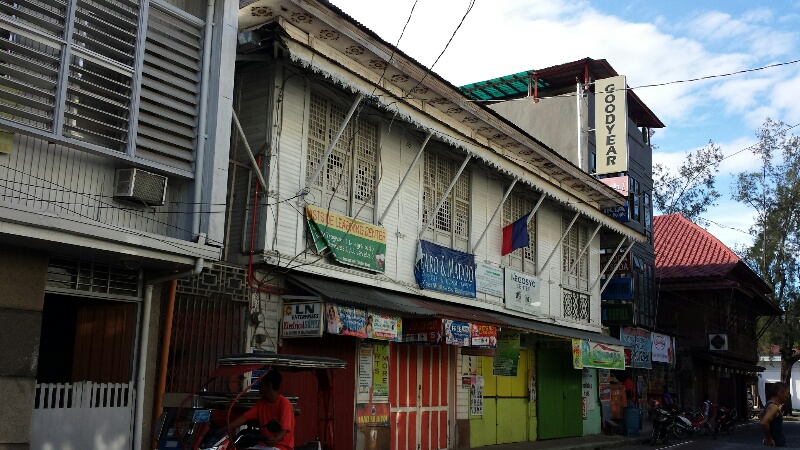
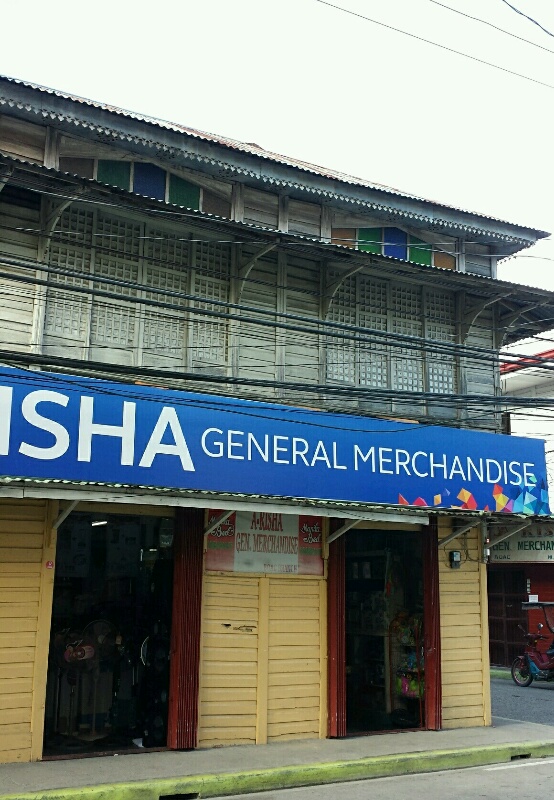
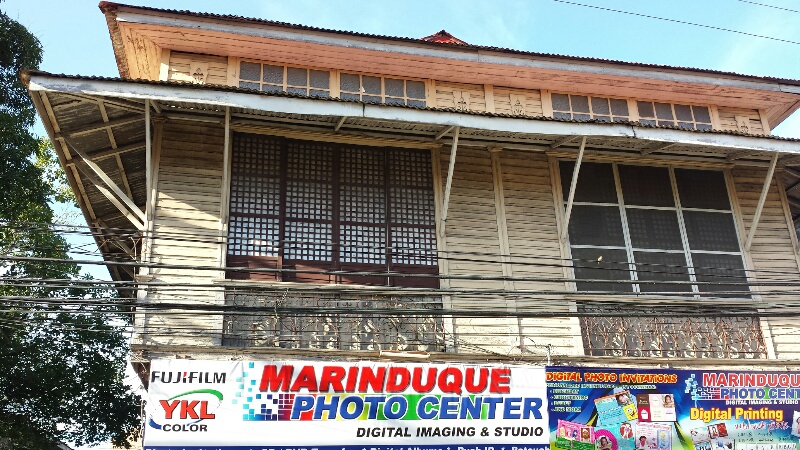
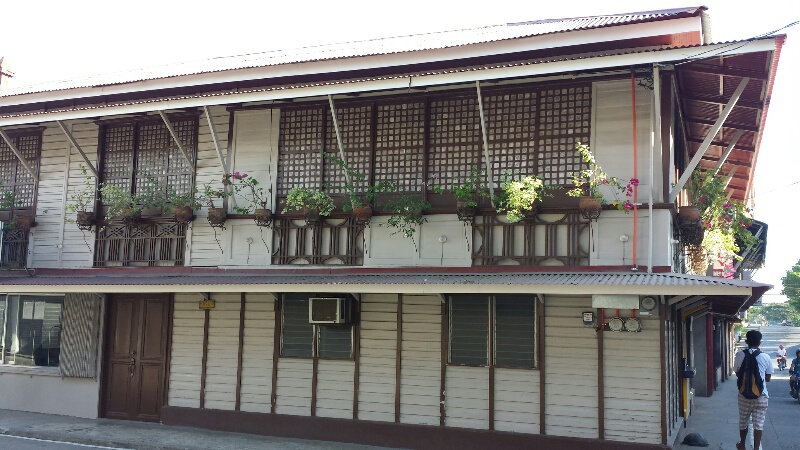
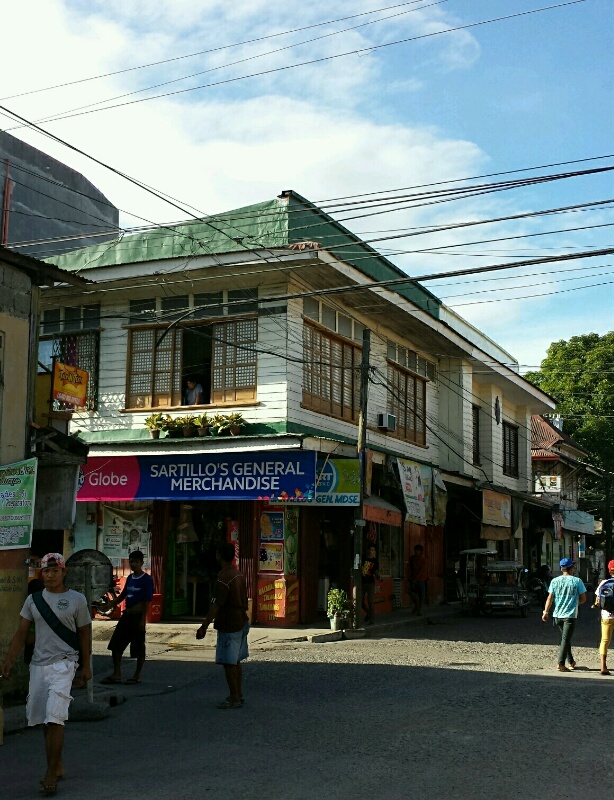
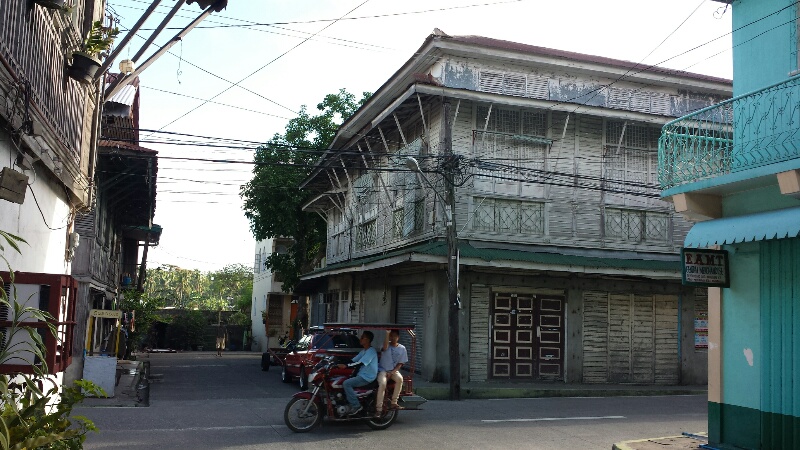
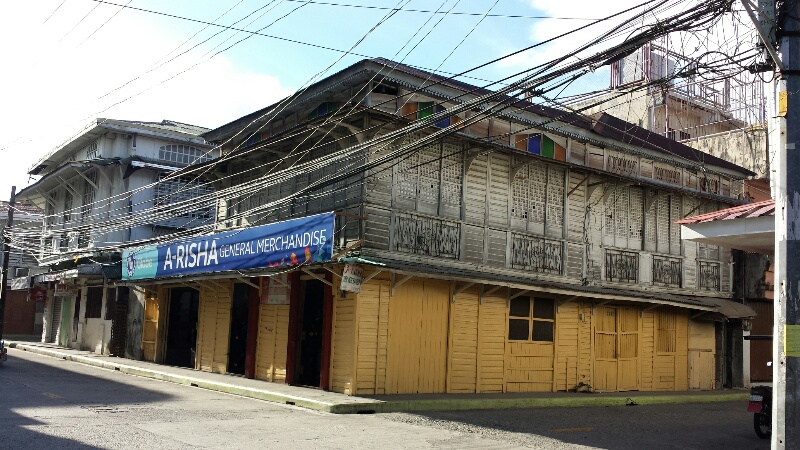
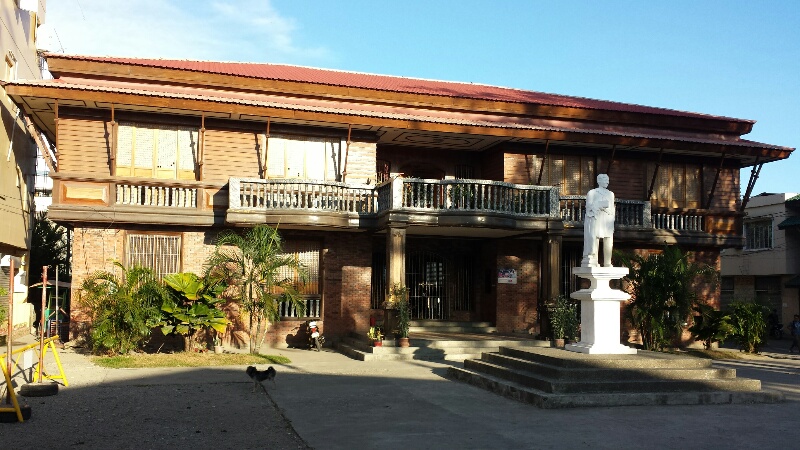
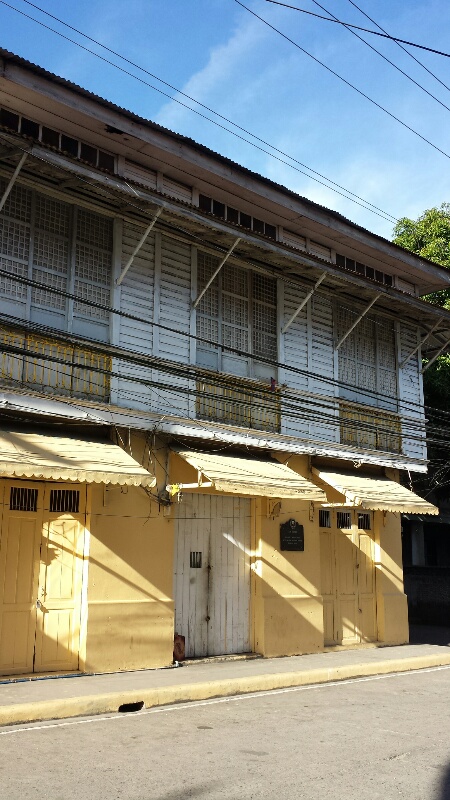
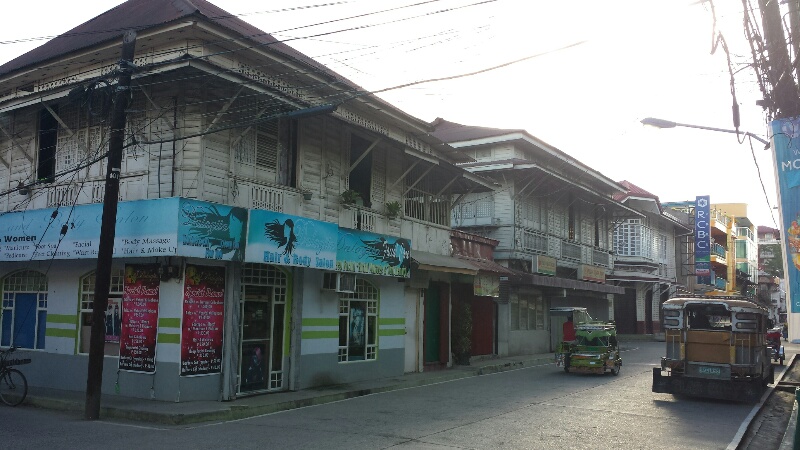
Plenty of old style buildings are still being used in this island where folks are respectfully silent in public places namely jeepneys, boats and eating places. Felt wonderful to dine where conversations in other tables do not reach you – finally, the perfect scenario for eating out in this country­­ but only in Marinduque.

image

image

image

image

image

image

image

image

image

image

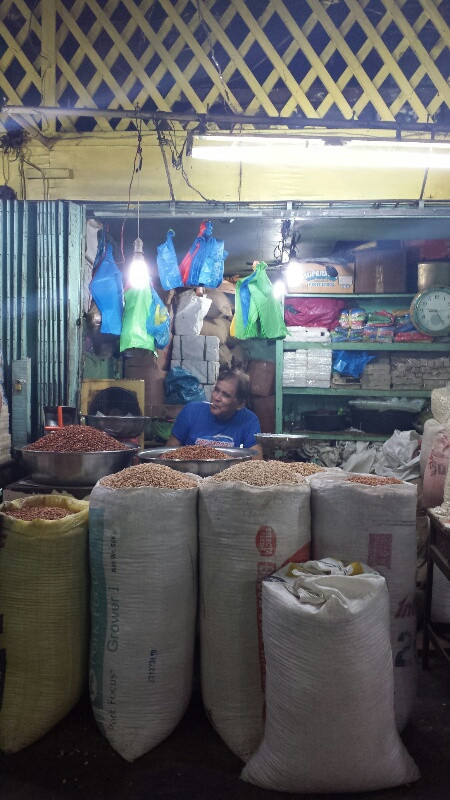
Peanut Purveyor

Nasi Tumpang

image

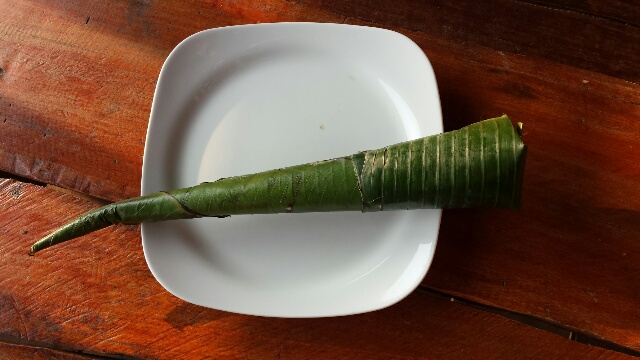
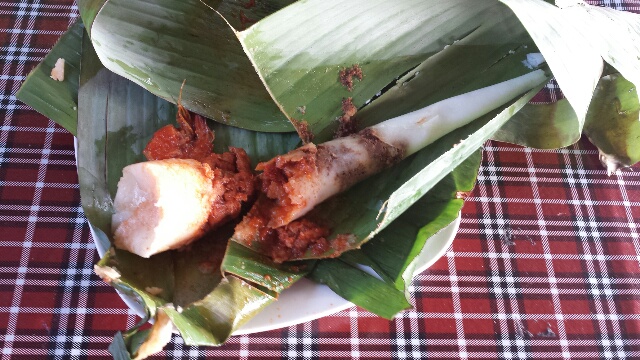
Nasi tumpang is a Kelantanese breakfast staple similar to nasi lemak but the rice with viand inside the banana leaf packaging is more compact in conical form. Its packaging makes it a portable meal (just like the banana leaf wrapped nasi lemak). The texture of the rice inside is like the ketupat – so dense. I suppose nasi tumpang is always eaten cold like the onigiri in Japan but I find its curry-sambal flavor layering quite appealing.

image

Nasi tumpang served by my host in Kota Bharu for breakfast

Okra Plant

image

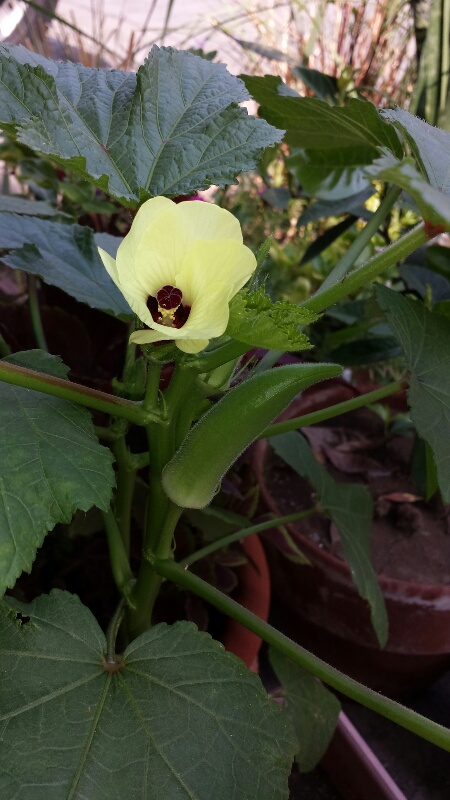
It has been my routine to work a bit in my container garden right after my morning run. A bit of weeding, transplanting (one plant/day), and watering. Since I’ll be sweating from my run and weather is too hot this time of the year, I hose down my head and neck too – like a plant. As for my okra plants, the pods are coming out these past few days. Okra is one vegetable I couldn’t let a week pass without it, a slimy delight added generously in laswa, pork sinigang, or ginataang gulay. I also like steamed okra to be dipped in soy sauce with calamansi.

EDSA John

image

Makeshift pay urinal along EDSA near Malibay

People resort to inventing ‘work’ no matter how unnecessary their services may be just to survive in the city. You may see those folks calling out for passengers to ride the jeepney and they’ll receive few coins as fee from jeepney drivers. I’m sure some drivers find this unnecessary but they readily pay. They can relate, and so they recognize the effort of others trying to earn few pesos. You may also see those folks guiding drivers out from roadside parking, or those folks hailing taxis for other people hoping for tips. Some folks can be cunning where they capitalize on flash floods by providing makeshift raft for pedestrians who don’t want to walk on dirty water. Somebody also thought of capitalizing the lack of public toilets along EDSA by setting up makeshift pay urinal made from repurposed water container, and using scrap hose as drain to the sewer which has been secured to the ground by scrap wood.
Hygiene Paraphernalia

Pier Snapshots: Balanacan Port

image

Mother Mary statue in Balanacan Port

When I’m in Manila it doesn’t feel like I’m living in an archipelago, but whenever I travel by sea, that’s when I can deeply feel our life in the archipelago. In my childhood days, I would travel for 2 hours by sea between Negros and Panay islands via Negros Navigation ferries. My favorite part of the voyage was seeing the Siete Pecados (group of seven islets). In my university years, I would travel between Negros and Cebu islands via RoRo vessels and my favorite part was seeing some dolphins across the strait. I would also travel by sea between Visayas and Mindanao or between Visayas and Luzon and these long voyages mean seeing plenty of islets and islands along the way. There was always land in my line of sight.

image

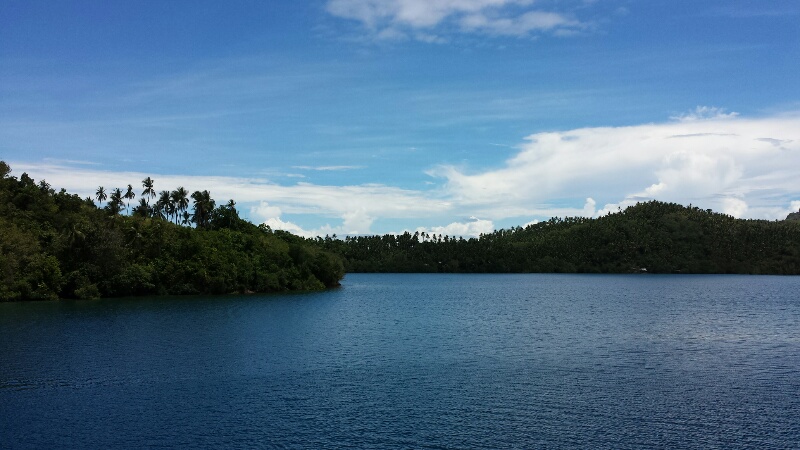
Moreover, I remember countless of sea trips for leisure such as between Cebu and Bohol islands, between Negros and Siquijor islands, between Luzon and Mindoro islands, and many more. So many islands, and likewise so many ports. Siquijor Port is one of the two seaports where I find the surrounding water and seascape quite beautiful. The other one is the Balanacan Port in Marinduque Island.

image

Napocor’s Power Barge

image

Last of the passengers boarding the RoRo vessel bound for Lucena

image

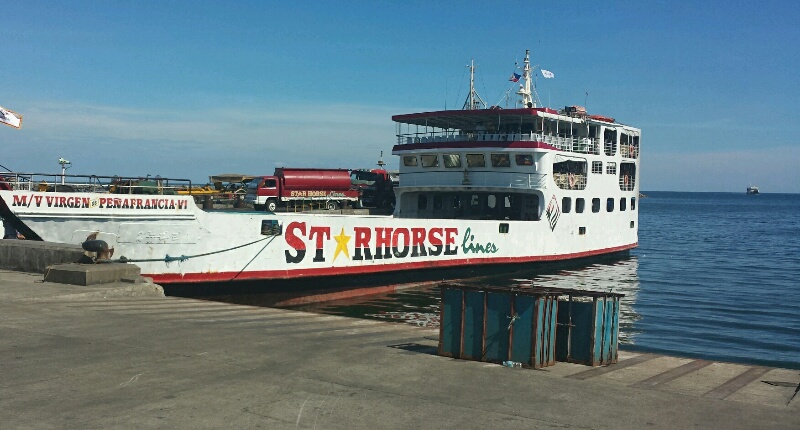
View from the Starhorse Lines RoRo vessel still docked at the Balanacan Port

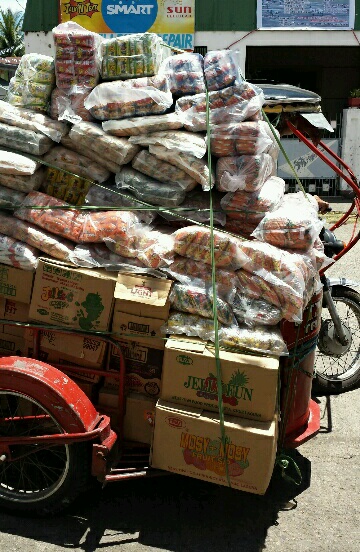
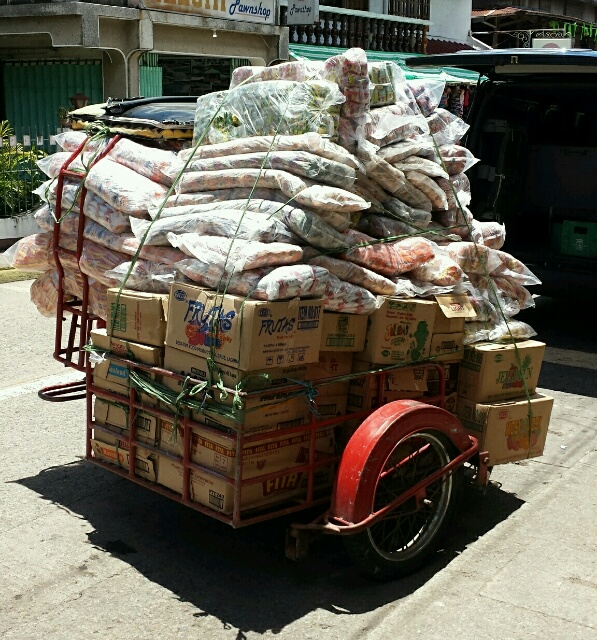
Overloaded Tricycle

image

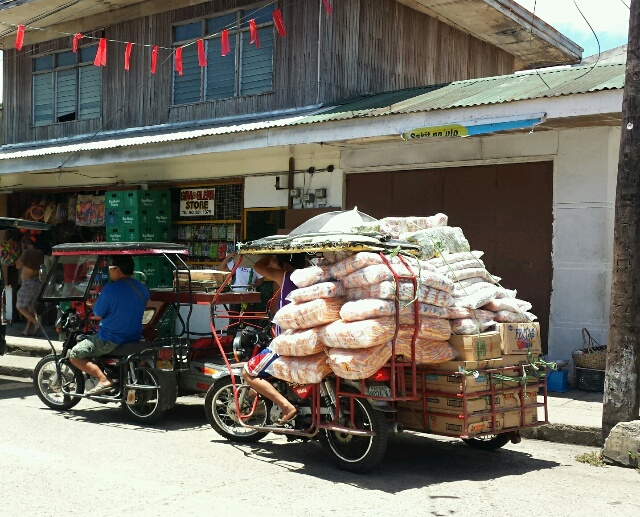
Sta Cruz, Marinduque: A tricycle with cargo occupying even the driver’s seat

The arrangement of stuff to maximize the load of a transport is not unusual in the country, or generally, in third world countries. Because of limited resources, improvisation and art seen in day to day life make third world countries more interesting than sterile and expensive cities.

image

image

Typography: Starhorse Lines