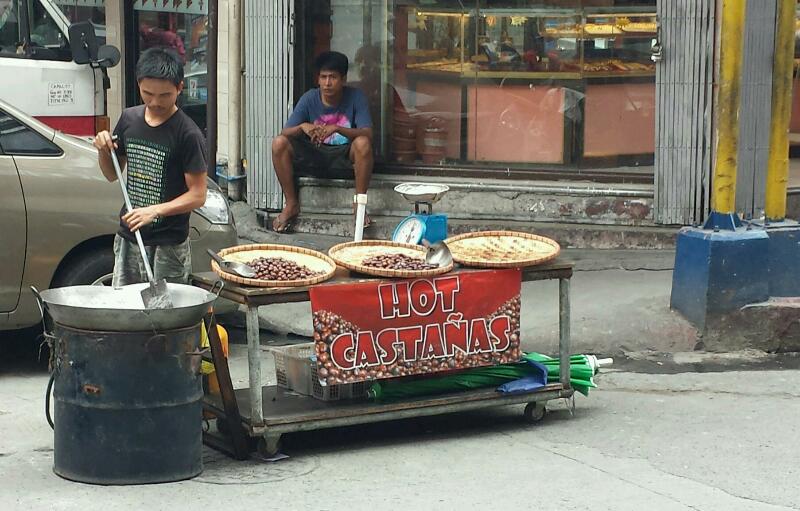

Chestnuts

Hanging Festive Decors

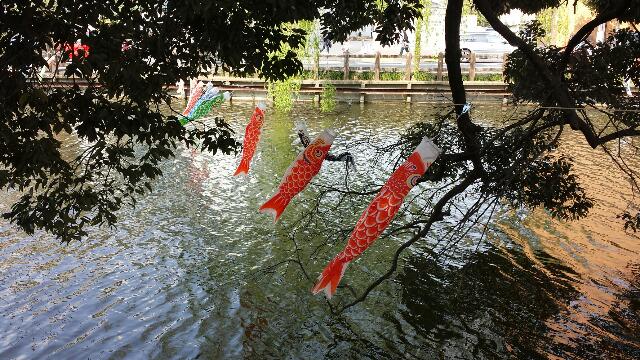
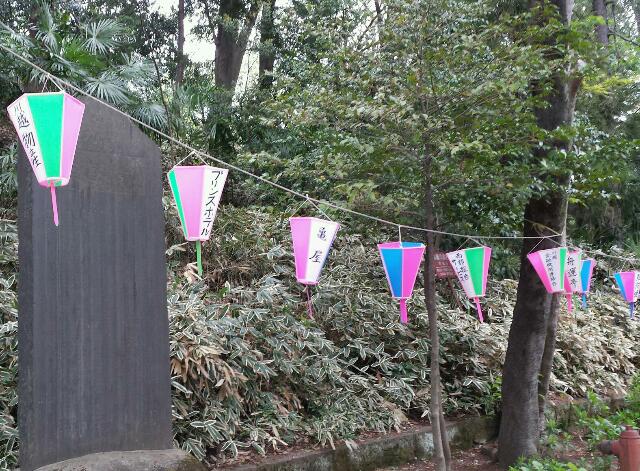
Hanging festive decors seen in Kanto region, Japan.

image

Carp streamers in Tsuchiura

image

Carp streamers in Kawagoe

image

Lanterns in temple grounds

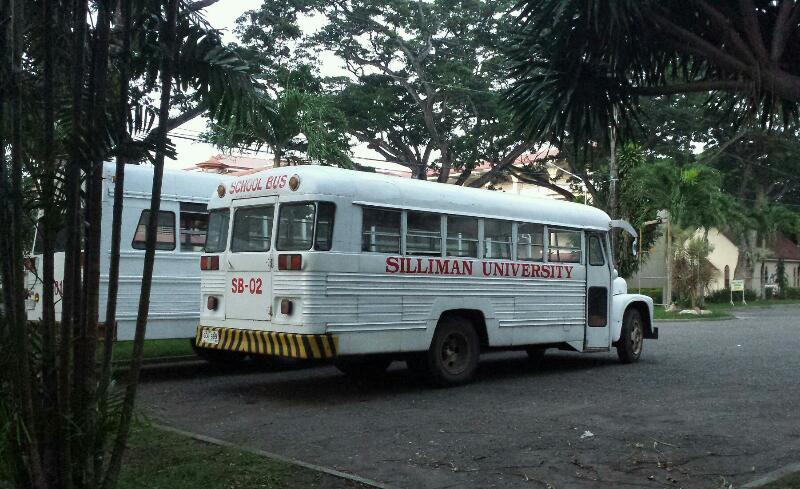
Silliman School Bus

Art and Campaign

Of Traveling and Newspapers

image

Dumaguete

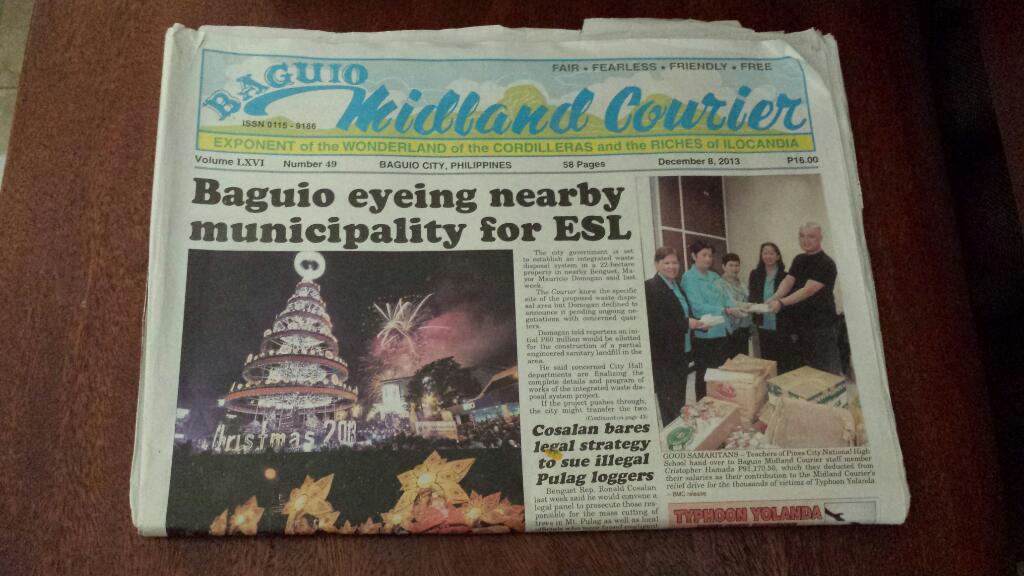
It’s interesting to read all sorts of news including the classified ads of the locality you find yourself at the moment.

image

Baguio

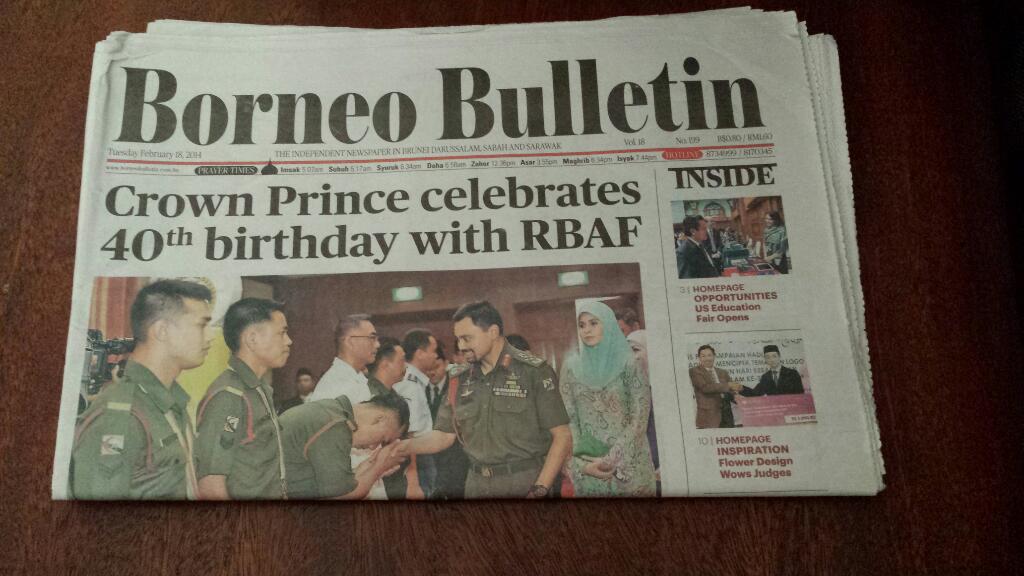
The act of buying from a newspaper kiosk, the possession of their paper, and the pleasure derived from reading it while resting at a park or at the common area in a guest house has become a part of my traveling habits.

image

Brunei

Tamperproofing Electric Meters

image

The higher the electric meters, the more difficult to tamper. And this is how Mandaluyong City deters electric meter tampering. Only in the Philippines, I guess.


image

image

Gimba

image

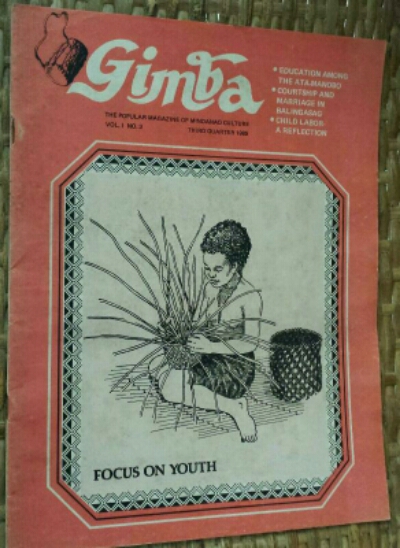
Front cover

Putting up with the crowd at last month’s International Book Fair and at the same time feeling a bit despondent that I was at MOA on a weekend (though I didn’t set foot inside the mall), was compensated when I acquired few books from small time publishing houses such as UP Press et al, and some old PCIJ magazines and one old magazine on Mindanao Culture called Gimba (the only edition I found).

image

Back cover

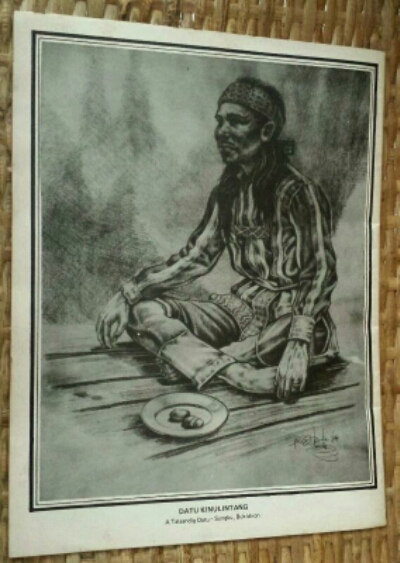
Gimba is the musical instrument of Manobo tribe in Mindanao, hence the magazine logo is an illustration of this drum. Subscription rate is 10 pesos per copy, 40 pesos for a year’s subscription as stated in the first page of this third quarter 1985 edition. It has 32 pages only but there is substance in every page. How I wish this kind of reading material is still in circulation today.

image

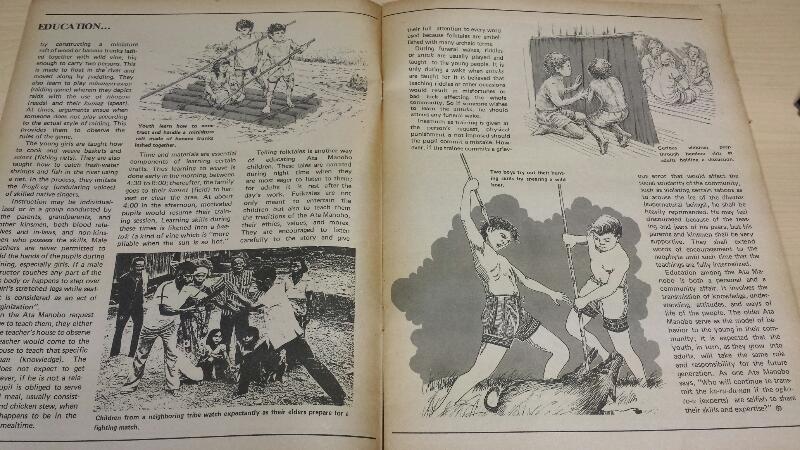
An article about education among the Ata Manobo

Bygone Snapshot: Garbage Livelihood

image

This man was scavenging recyclables from the accumulated garbage in the waters of Manila Bay beside the US Embassy fortress.Ā  I took this picture onĀ June 28, 2008 at 4:33 PM

Tambobo Bay

image

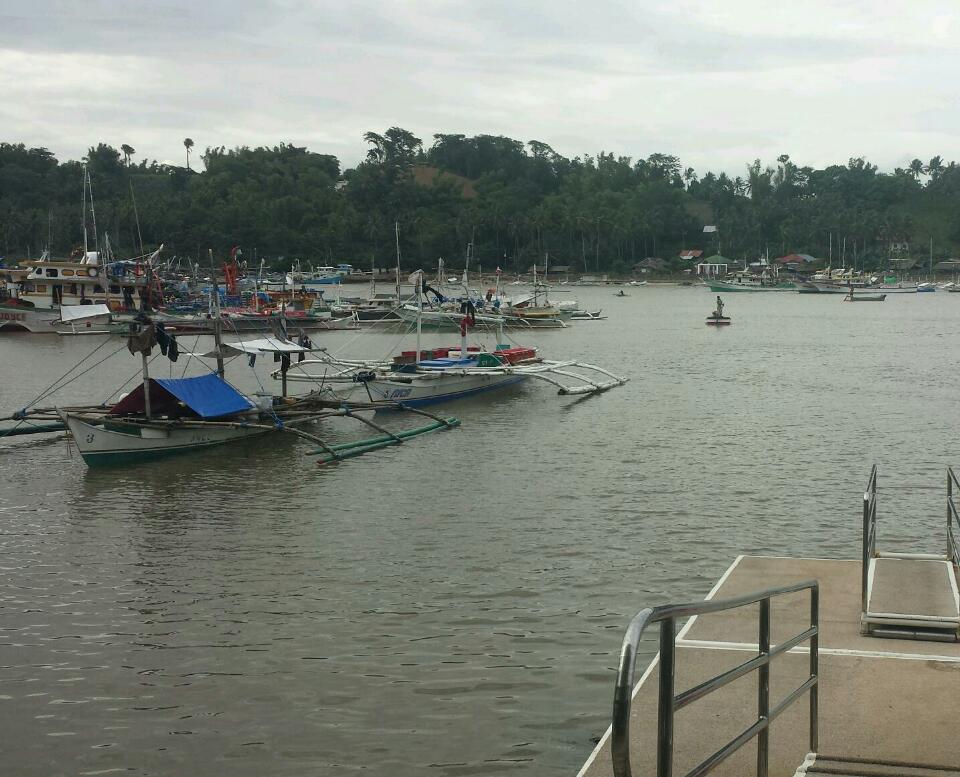
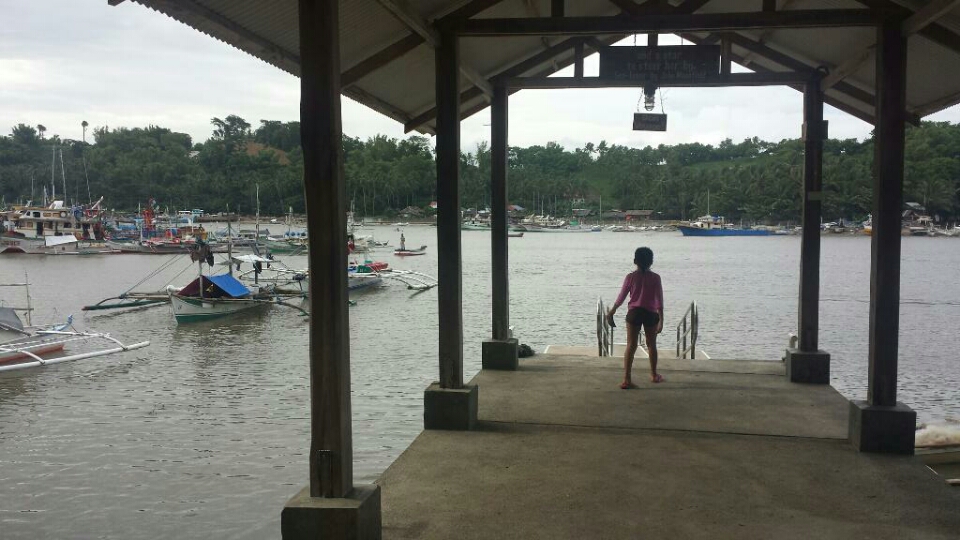
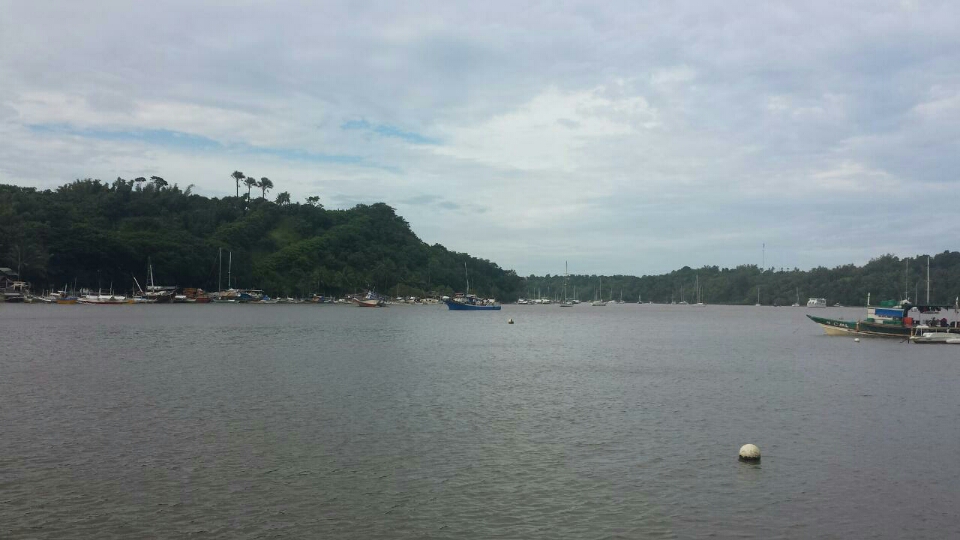
This enclosed Tambobo bay is huge that what is not seen in this picture are the yachts somewhere far inside to the right where some of them became living quarters that never leave the bay anymore

There is always a good chance that walking aimlessly will lead you to somewhere interesting. That somehow it’s in the unstructured and unhurried wanderings that a particular travel becomes unforgettable.Ā  As such, one of those occasions led me to this small community jetty in Tambobo Bay.

image

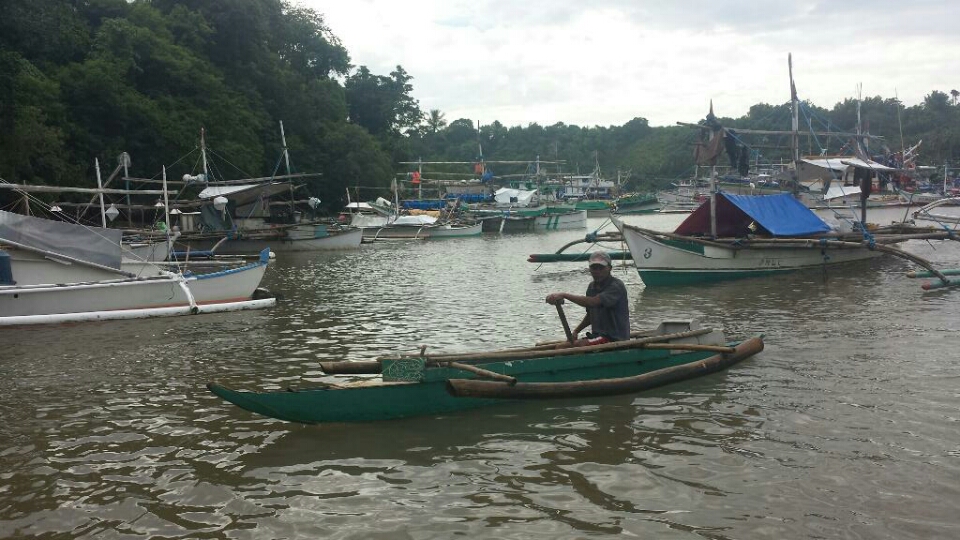
This man upon reaching very close to the jetty where I sat with my leg hanging above the water, greeted me back with “Ma’yong hapon”, after I said the same thing to him

image

image

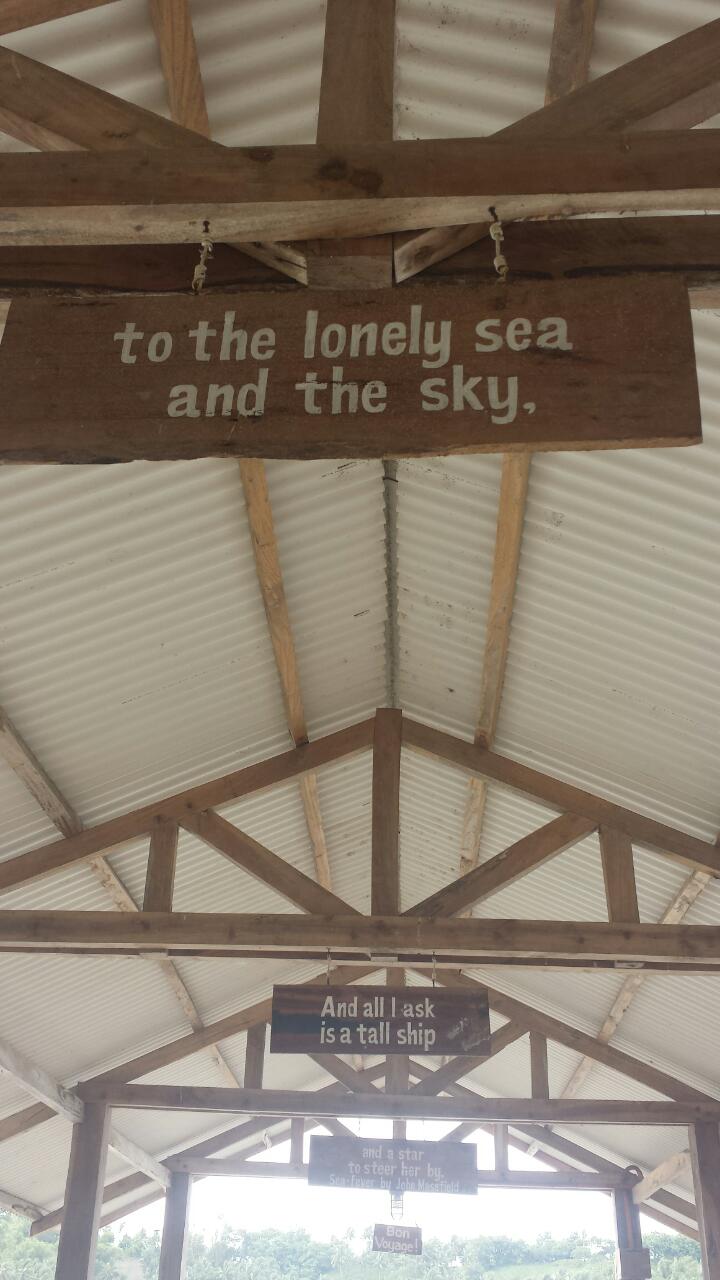
Ceiling of the jetty

image

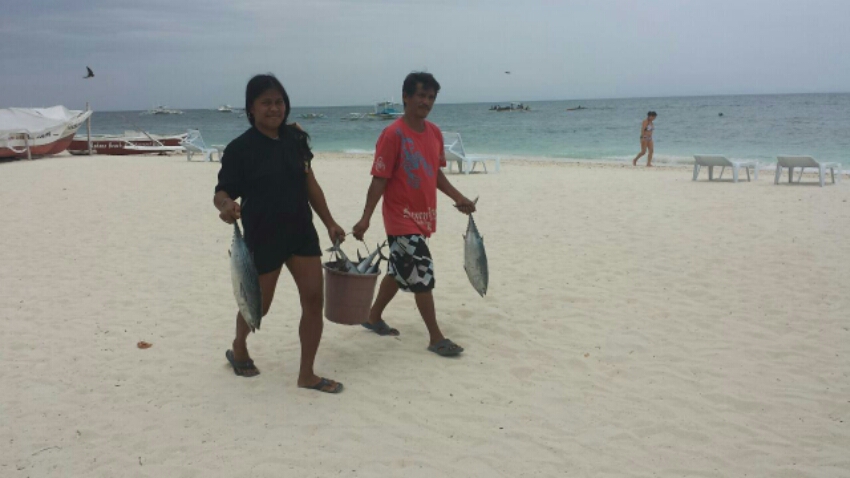
Fish Occupation

Potted Wisteria

image

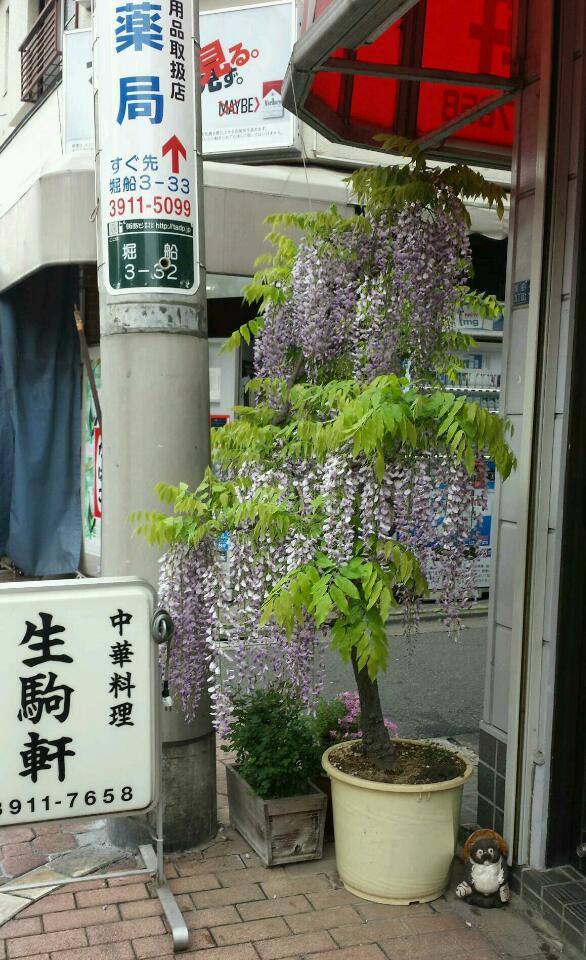
Strolling in Kajiwara somewhere near the streetcar station, I spotted a wisteria on a pot. Container flower gardening is their way of beautifying the frontage of their small homes or shops and one of the many street scenes I find pleasantly cute in Japan.

Rofat’s et al

image

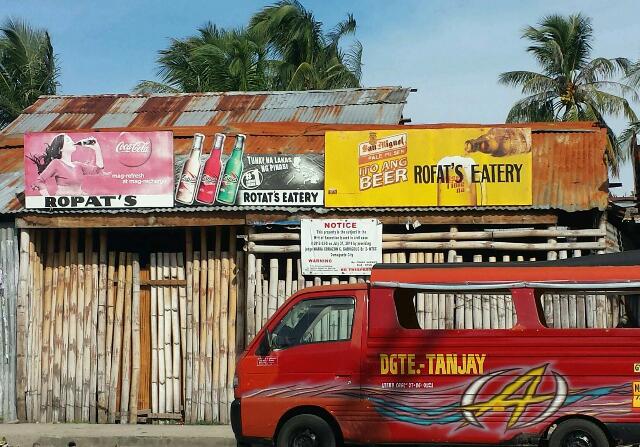
A carinderia spotted in Dumaguete has variation of its name written in its sponsored signages. What we have here presumably are exemplifications of name mispronunciation and misinterpretation of penmanship. My guess is that the correct name is Rofat and San Miguel got it right on its signage – Ā ROFAT’S EATERY. Meanwhile, the Coca-Cola agent must have heard it as Ropat due to mispronunciation of f, hence its ad signage for the eatery has the big bold ROPAT’S on it. On the other hand, Cobra agent probably wrote Rofat correctly on paper but the guy who painted the sign mistook the f as t, hence ROTAT’S EATERY. Who cares, these agents might have thought, as long as Coca-Cola or San Miguel or Cobra brands are explicit and unmistakable.

Ā Ā Ā Ā Ā Ā 

T-shirt Head Wrap

image

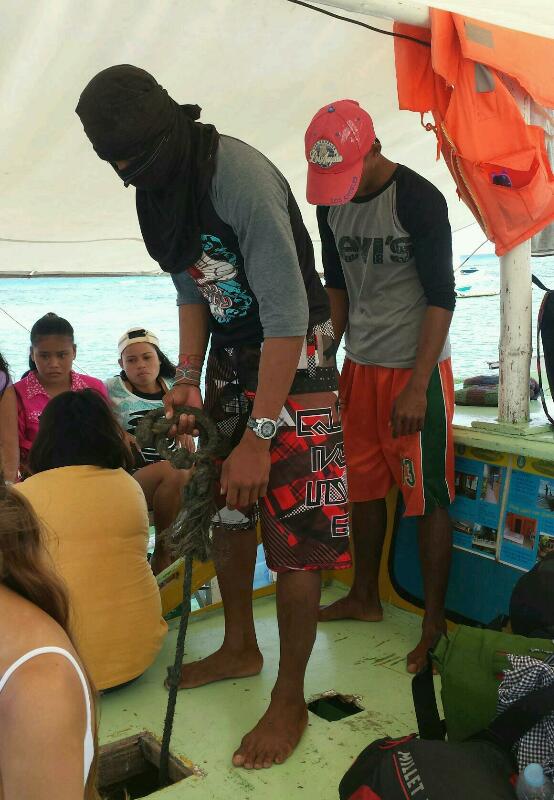
What they’ll do? Three bangkeros will hold the rope then pull it abruptly at the count of three to manually start the motor of this banca. Malapascua Island, Cebu

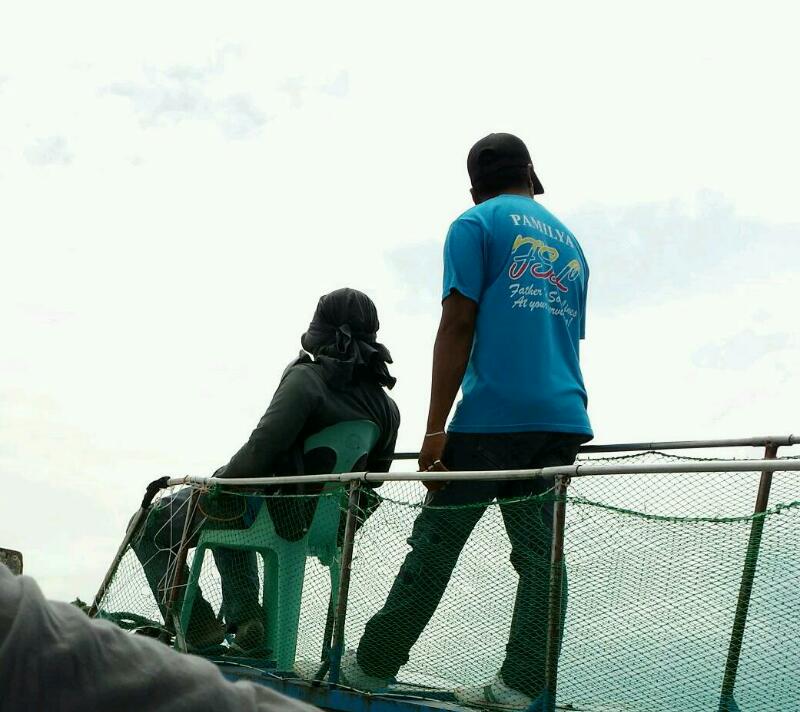
An old t-shirt is the stereotypical head wrap or mask of bangkeros where the neck hole becomes the opening for the eyes. Frequent windy conditions on the job make this t-shirt headwear as the more secure (readily available and cheaper) option than a baseball cap.

image

Lookout and passenger assistance task for these two banca men in this motorized outrigger boat from Batangas bound for Puerto Galera

Puerto Galera Snapshots: Sabang

image

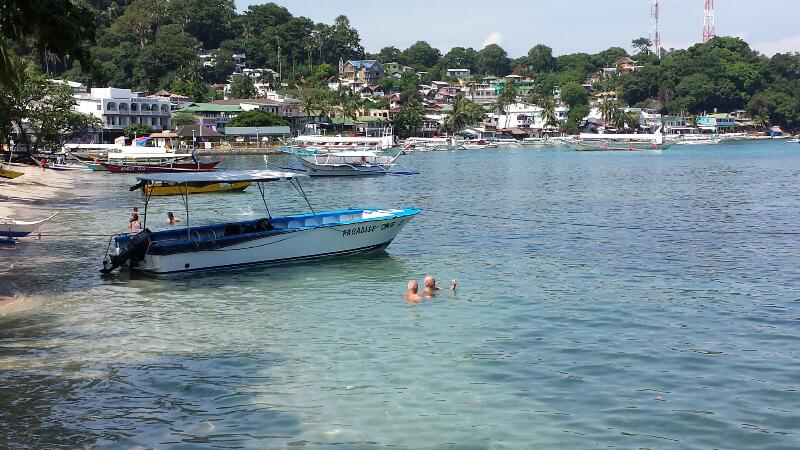
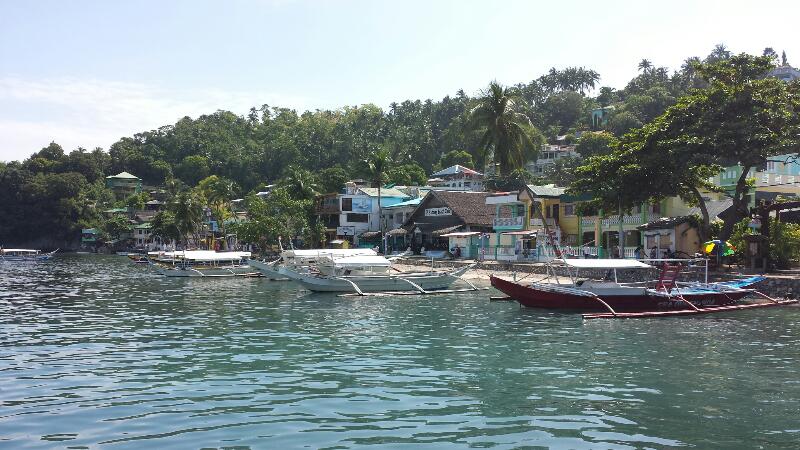
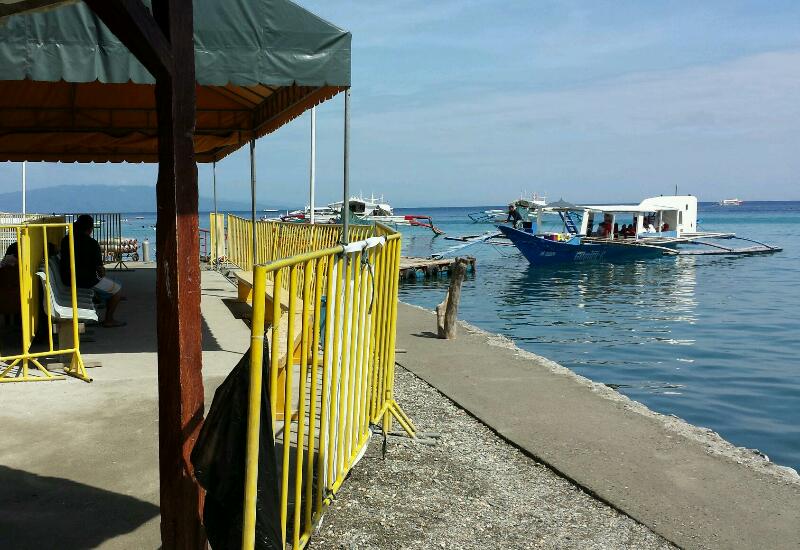
Most of the structures by the Sabang beach are dive shops or guest houses for diving tourists

image

Diving tourist base

image

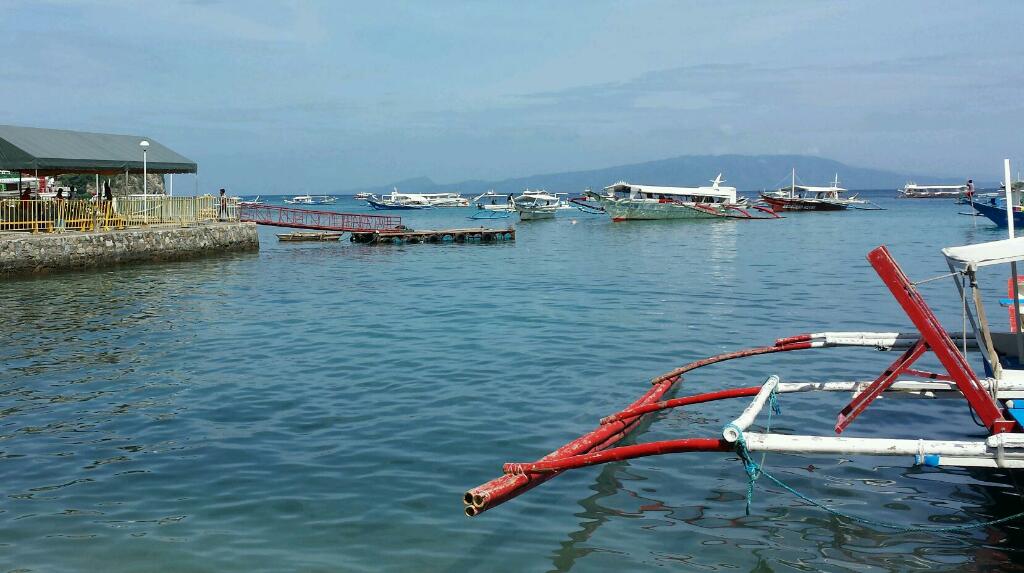
Jetty for passenger outrigger boats that ply between Batangas and Sabang

image

Sabang terminal as the gateway to diving in Puerto Galera

image

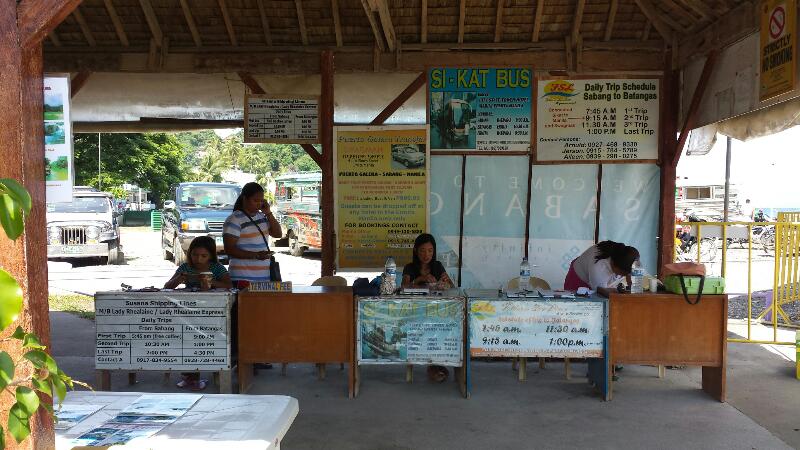
Ticketing tables for the outrigger boats between Batangas and Sabang

image

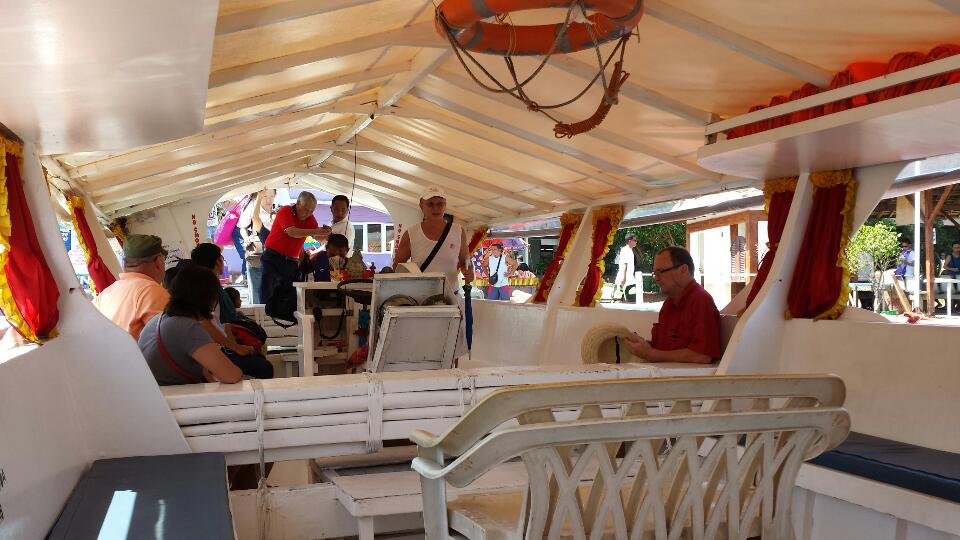
Inside the outrigger boat bound for Batangas pier. Fare is 230 pesos per passenger

Not Buying Convenience

image

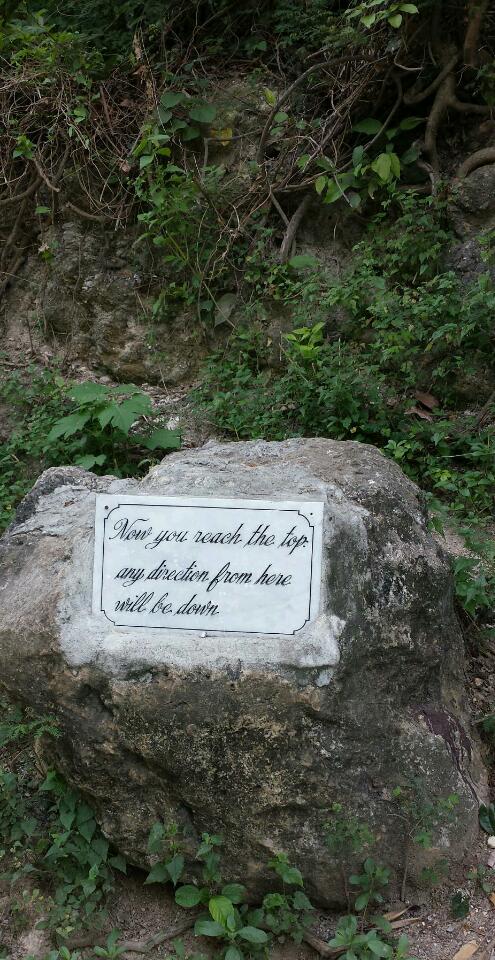
Now you reach the top any direction from here will be down

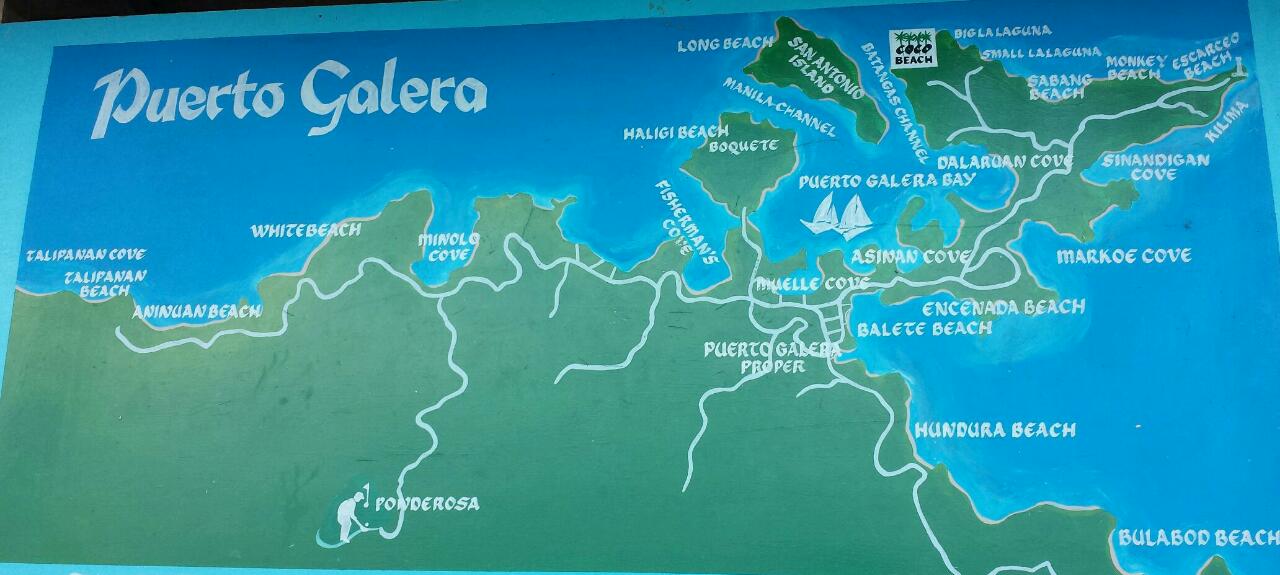
One reaches this marker on a hill when hiking from Sabang Ferry Terminal towards Coco Beach Island Resort. Ā I saw no other resort guest using this backdoor arrival. The usual way is via the resort’s private transfer from Manila or short boat ride from either Sabang Ferry Terminal or Puerto Galera Ferry Terminal (after reaching Oriental Mindoro from Batangas Pier).

image

Sabang beach is where the Sabang Ferry Terminal is situated

At the Sabang Ferry Terminal, there was this big guy standing beside the table where one pays for fifty pesos environmental fee. He asked my destination, I said Coco Beach, he said you need to ride a boat, I said I’ll walk, he countered it’s impossible, I smiled and replied it’s possible, Ā then I went my way. Ā The 2.4 km hike is nothing when one is fit. Other than that, there is always satisfaction in the seeing rather than the notion of just passing through. Convenience takes away discovery, physical activity, spontaneity and fun.

image

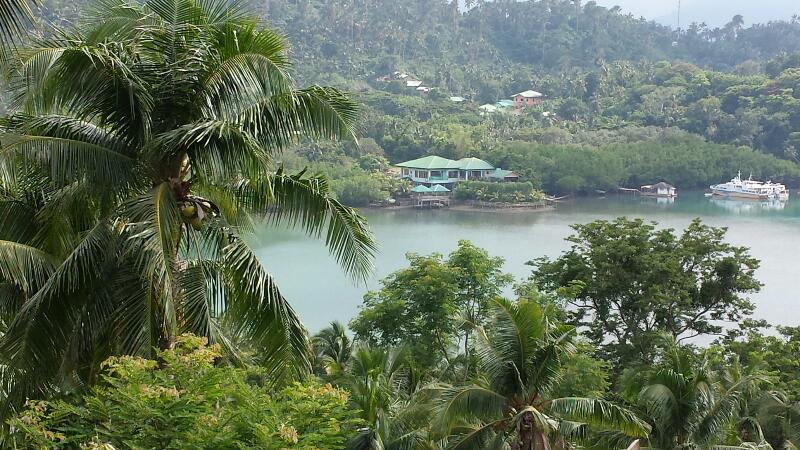
If you’ll hike, then you’ll see Dalaruan Cove on your left along the way

Sun-Proofed

Caballas

image

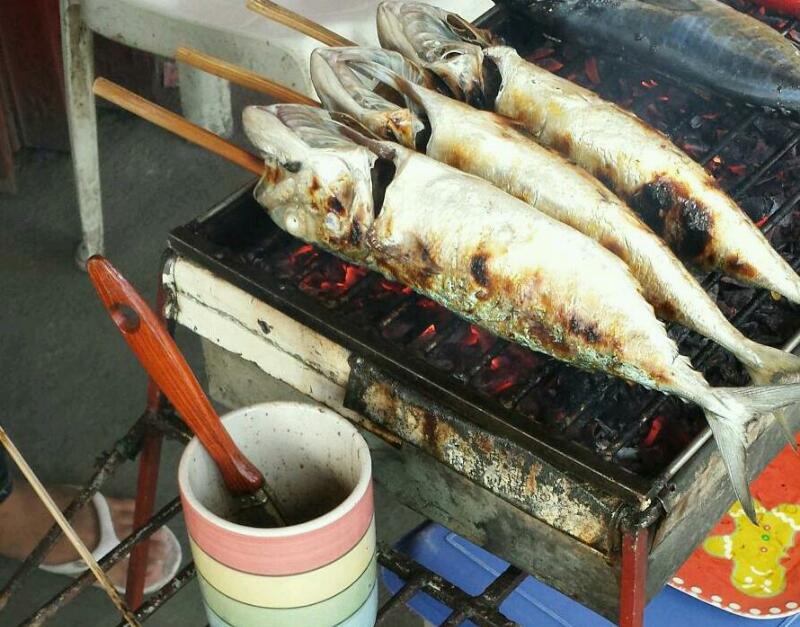
Dusking in the Philippines triggers the setup of grilling stand for selling hot-off-the-grill skewered viands. Ā We see pork or chicken barbeque in those ihaw-ihaw/sinugba stands that materialize every night in Luzon, Visayas, and Mindanao – generally. Ā But those typical Filipino barbeques are not widespread in Zamboanga City. What’s typical in Zambo for evening repast are these grilled caballas.

Izakaya

Talisay

image

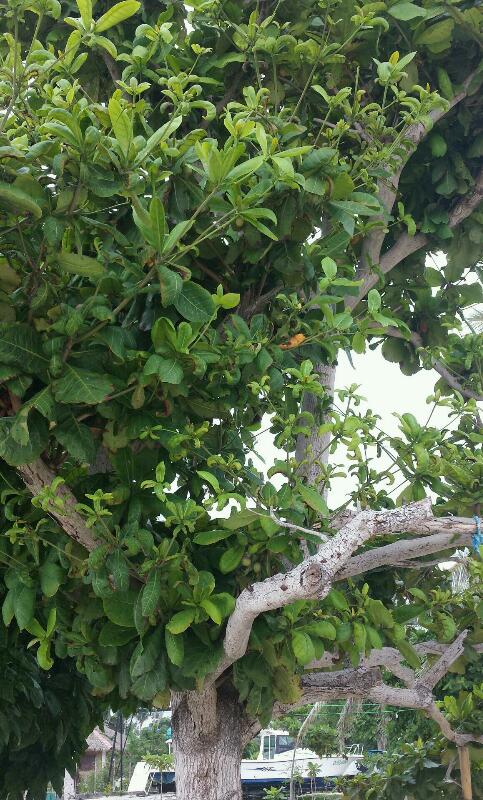
Talisay

Apart from the coconut tree, talisay is very common in the beaches and islands in the country. Not only that, talisay is everywhere inland and abundant in the cities. I started counting them inside the village in one of my runs last week.

image

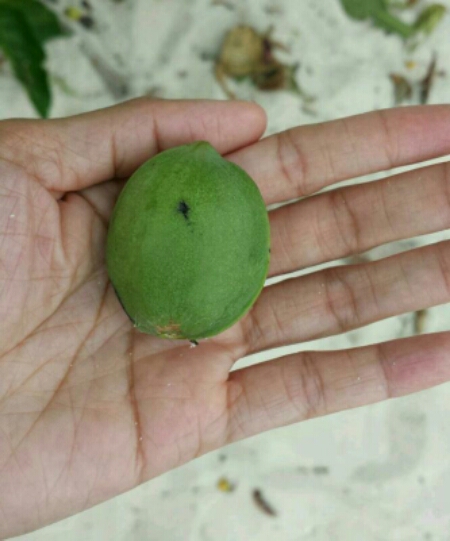
Talisay fruit

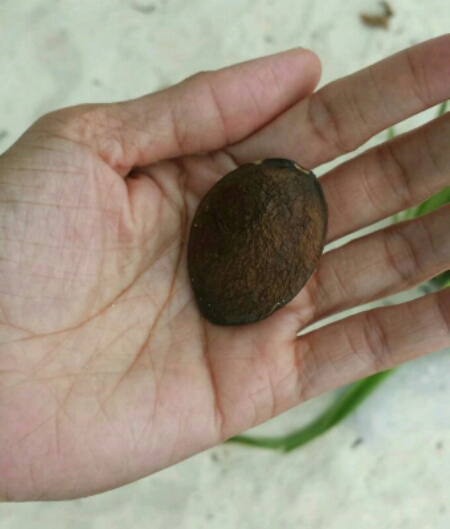
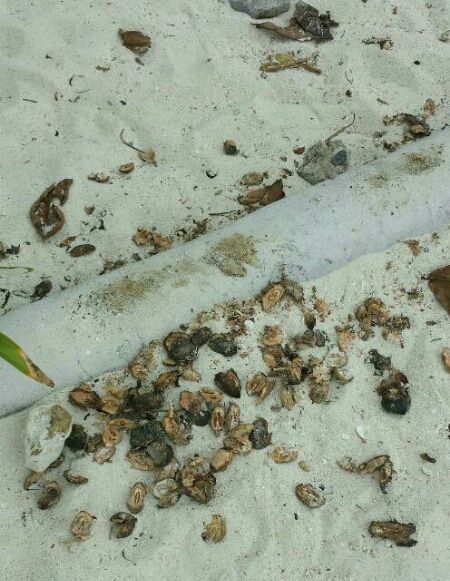
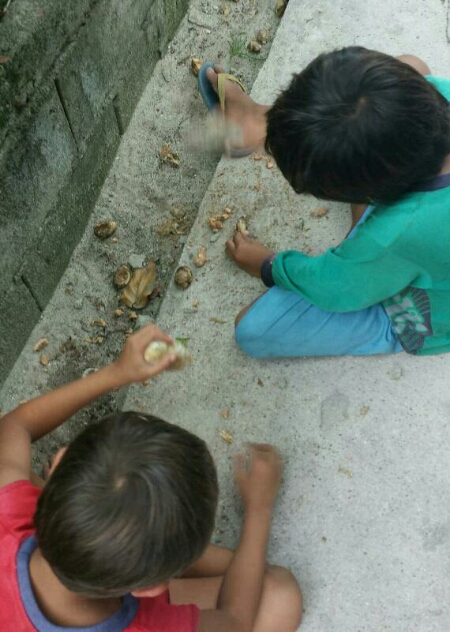
The fruit of talisay is green and hard and will turn dark brown when ripe. I’ve seen banca builders and local kids snacking on them. They’d pound the fruit with rock to separate the husk and eat right away the kernel.

image

Brown when ripe

UPLB Research, Development and Extension has developed a technology in processing talisay fruit as table nuts. According to their description, the product is crispy and almond-like in flavor. For your information, the status of the patent is public domain.

image

Evidence of talisay eating session

Meanwhile, I shall mentally tally the talisay trees along the path of my 7 kilometer run loop inside the village. Afterwards, double check my numbers in the succeeding loop.

image

Pounding the hard husk to extract the edible kernel

From Island To Mainland

The uncomplicated manner of commuting from the island of Malapascua to mainland Cebu province.

image

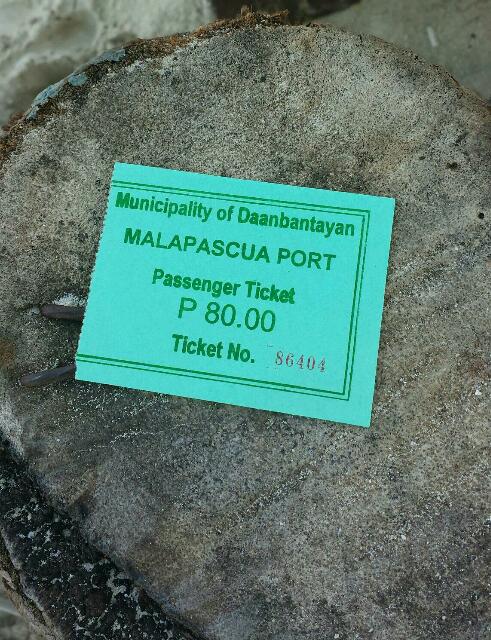
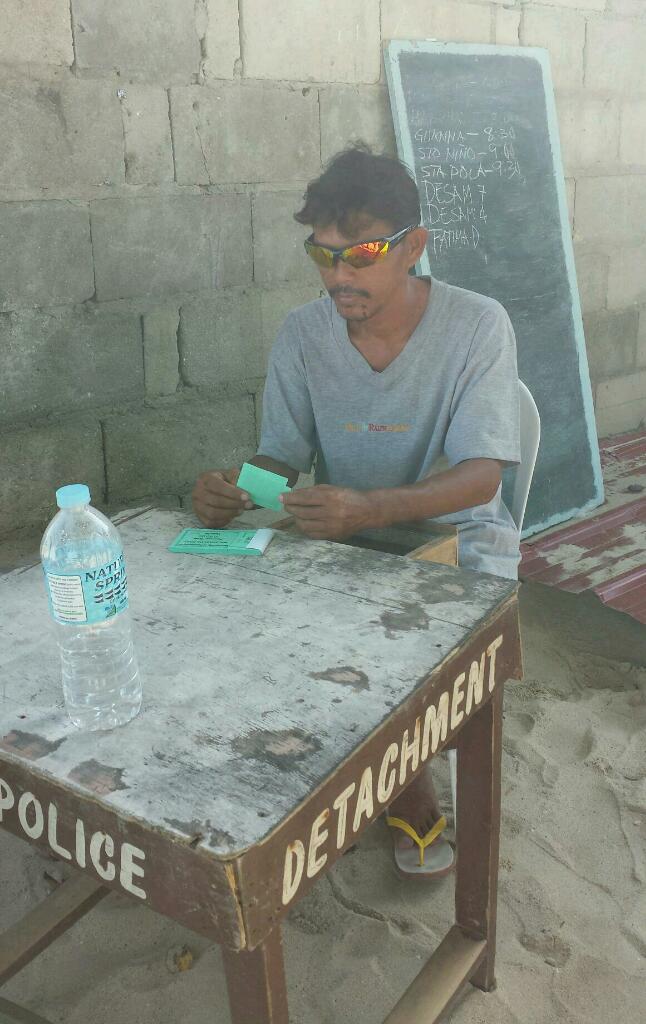
At Logon beach, procure a green paper ticket from the one-man ticketing office comprising of a small table that also serves as police detachment (says the sign) and a blackboard where the name of the boats and their corresponding schedules are written.

image

Ticketing office


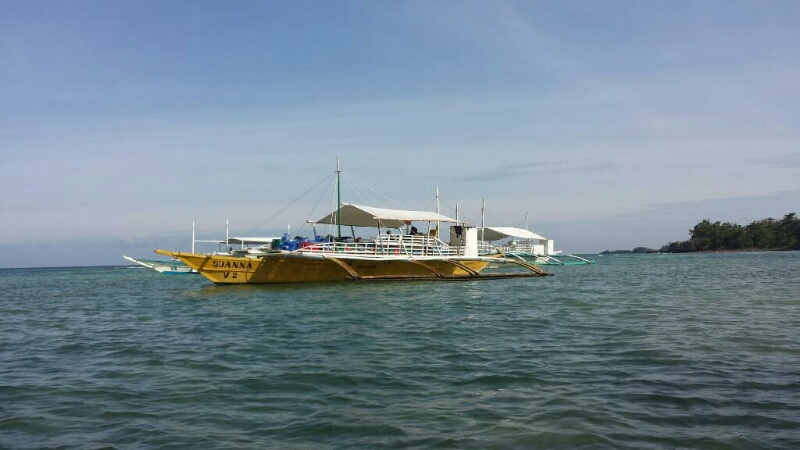
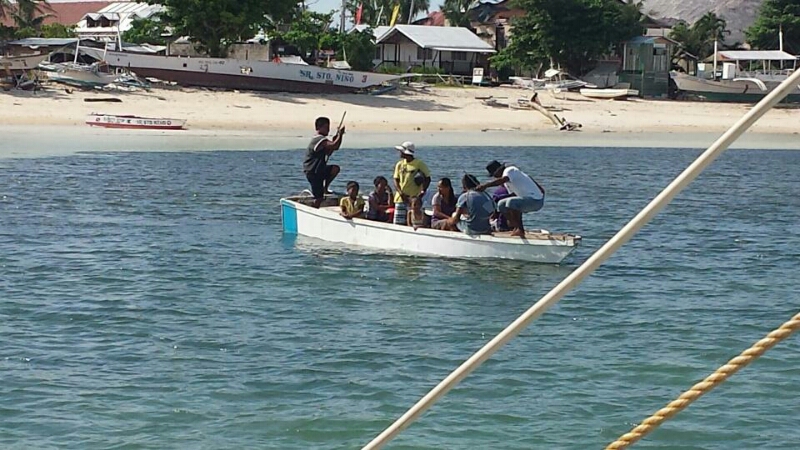
The green ticket says Malapascua Port. Where’s the port? The Guanna boat, a yellow banca anchored far from the beach, will leave at 8:30 according to the blackboard. How to get there? Ride a small paddle flat boat for 20 pesos per passenger. Simple. Uncomplicated.

image

Guanna, the commuter boat in “Malapascua Port”

image

Short transfer from Logon beach to Guanna boat