Category Archives: Art

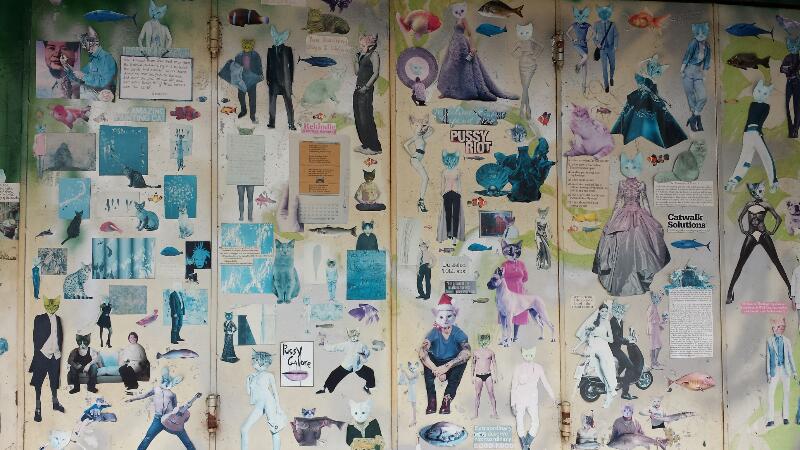
A Collage of Humans with Feline Head

image

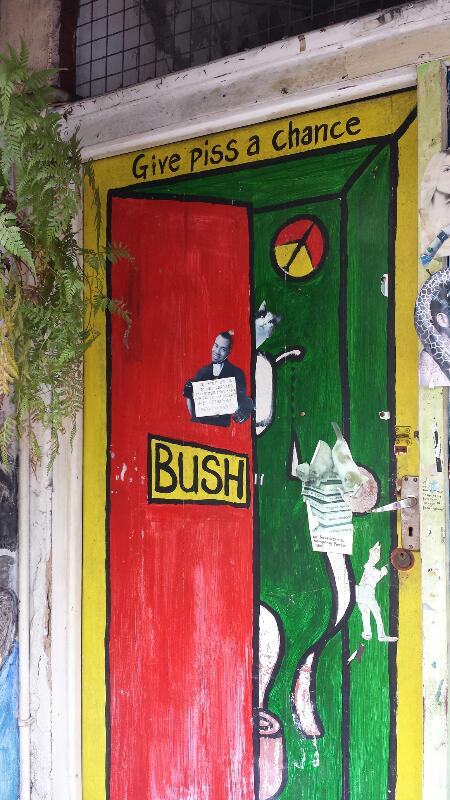
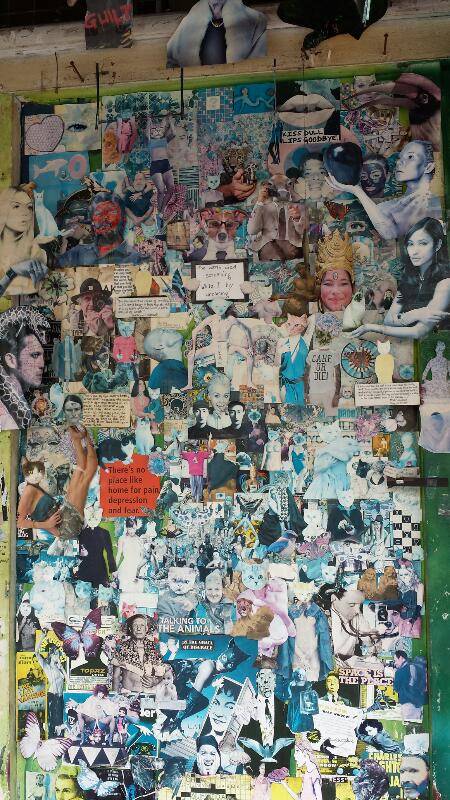
As you can see, almost entirely, those are cat head cutouts pasted over human bodies, and put together as collage on a wall by some fine arts dude, a cat fellow or somebody with a twisted mind. Adjacent to that collage wall is a door with “Give piss a chance” written on it.

image

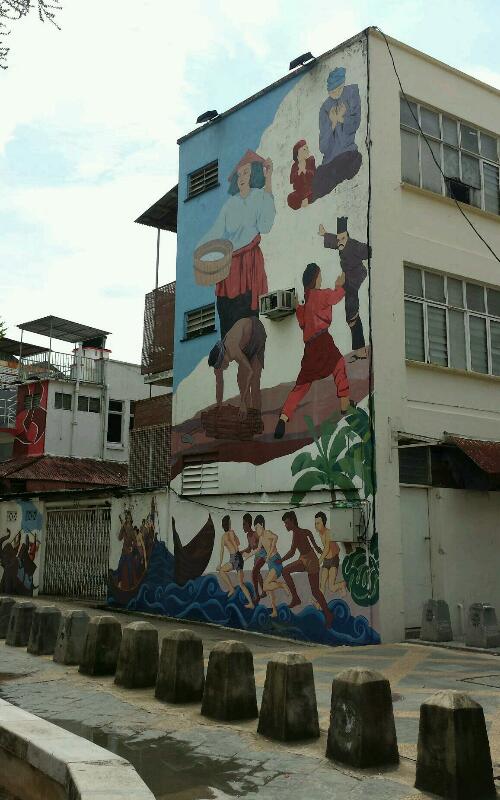
Just one of those things that catches your attention in one of those streets in Melaka.

image

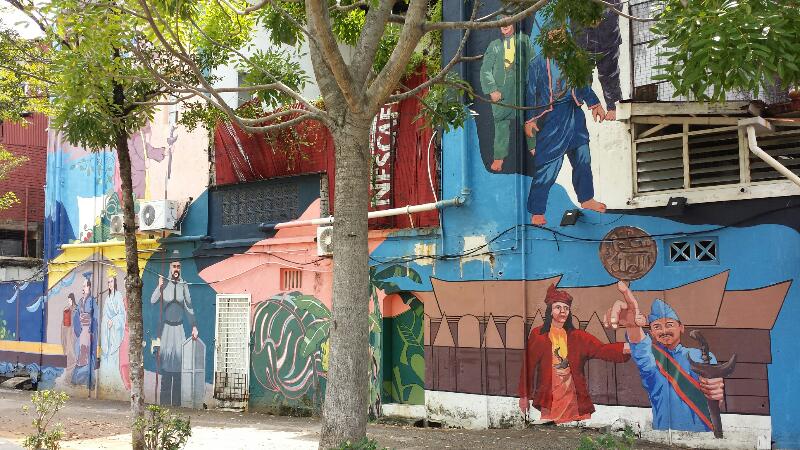
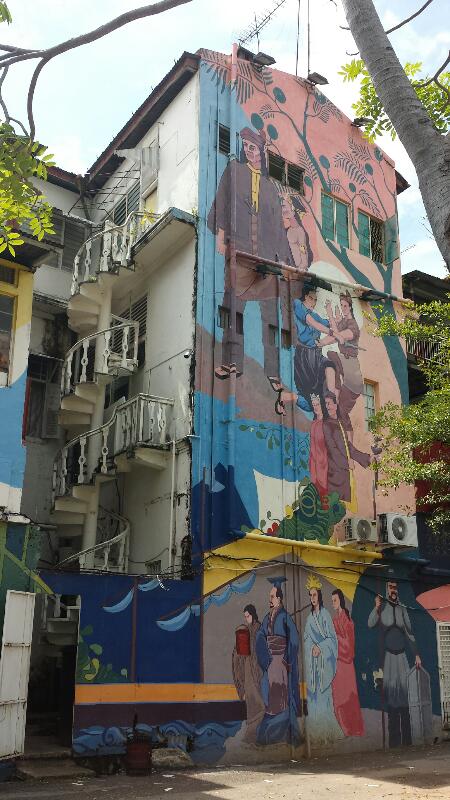
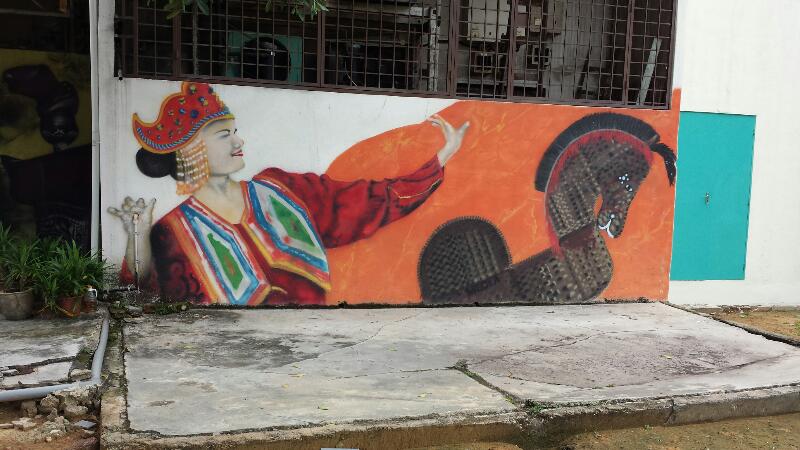
Melaka Murals

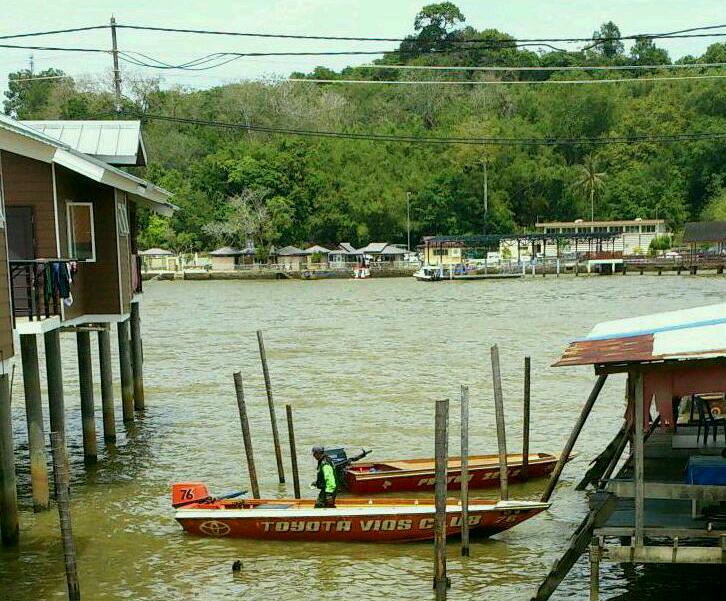
Sailing Toyota Vios

image

Toyota Vios and Proton

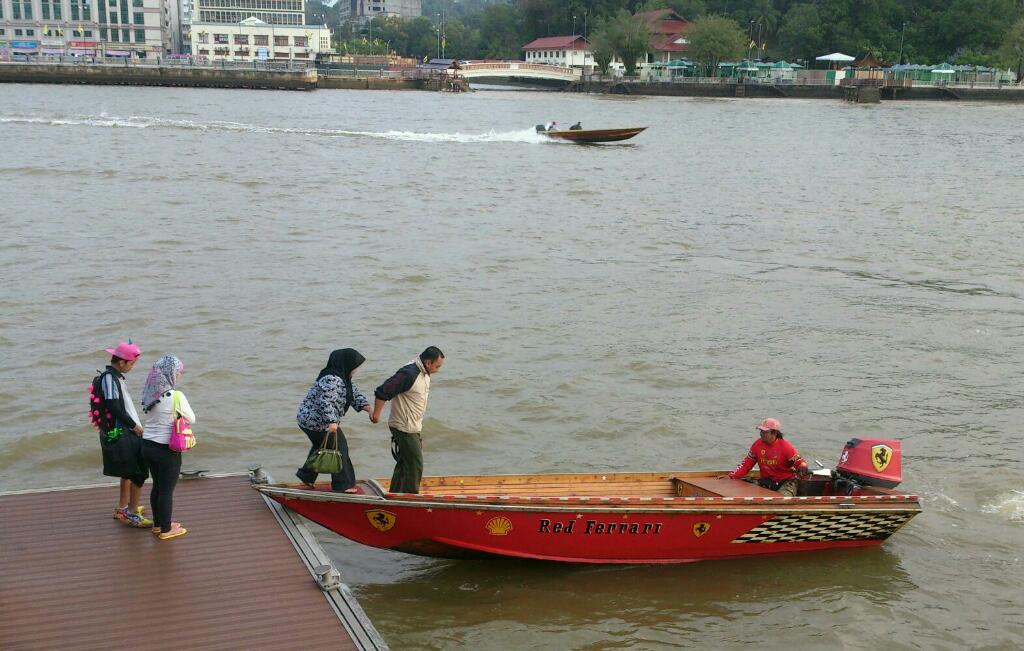
Some water taxis (tambangs) in Kampong Ayer are personalized with automobile brand names and logos. In similar fashion, stickers, embellishments, or knickknacks associated with certain automobile brand have adorned some jeepneys in the Philippines.

image

Red Ferrari

A Thousand Cranes

image

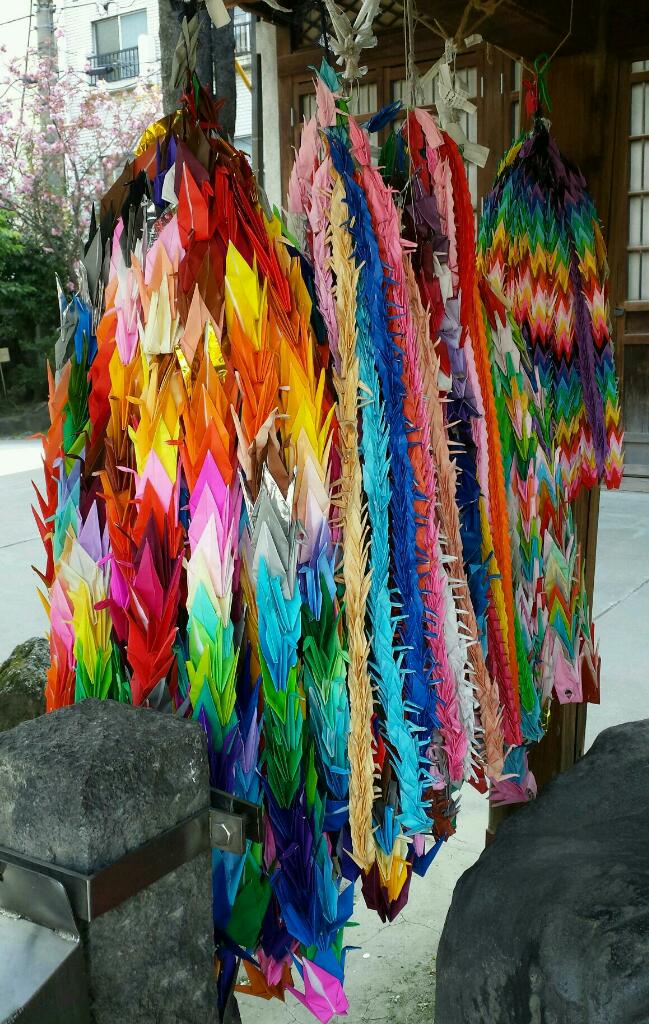
Garlands of senbazuru (thousand cranes)

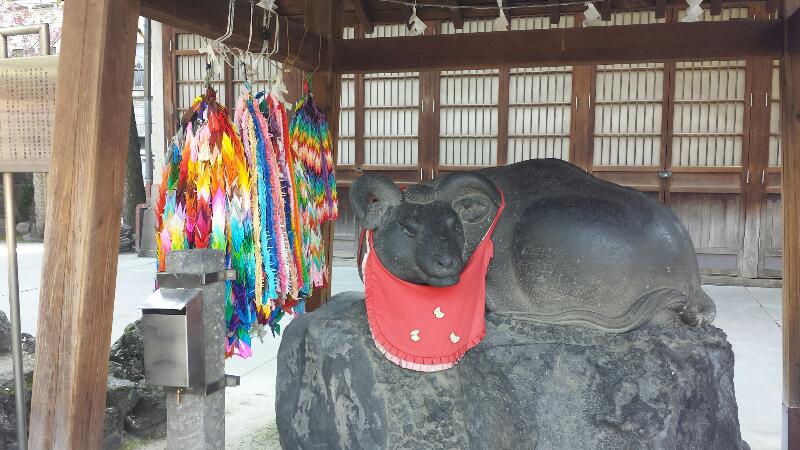
I’ve came upon garlands of one thousand folded cranes a few times in shrines suchlike the cattle shrine in this post, and also at the Yamashita shrine in Cavinti, Philippines. 

image

Cattle deity at Ushijima Shrine in Tokyo

A garland of one thousand cranes is a symbolic offering in shrines, though I’m also aware about the traditional practice in Japan to give one to a sick person. It is a belief that the perseverance of folding a thousand cranes rewards one a wish, a wish of good health for instance.

image

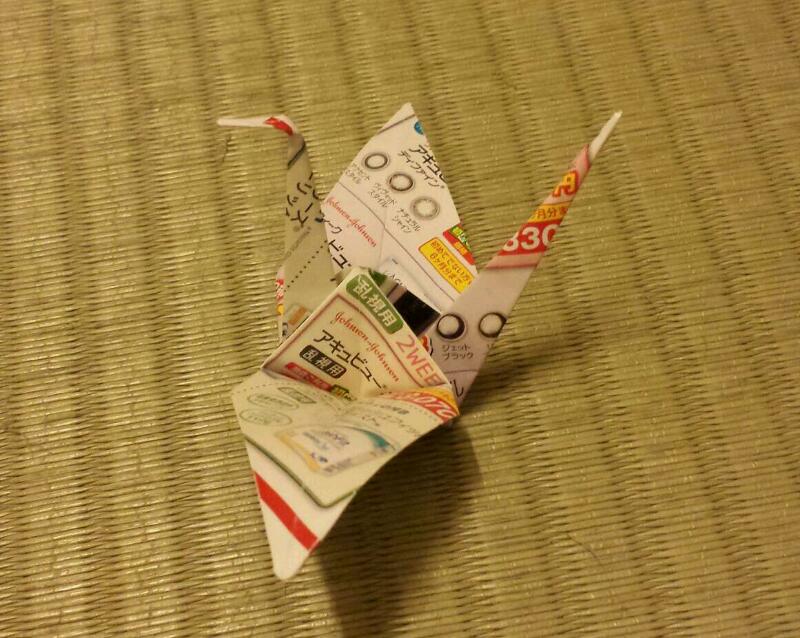
Origami crane on a tatami mat in my hotel (out of a flyer I got in the subway station). It is said that the mythological tsuru (crane) can live for a thousand years

Tsuru is a beautiful creature for it symbolizes a thousand years of life, a thousand years of happiness, and a thousand years of love.

image

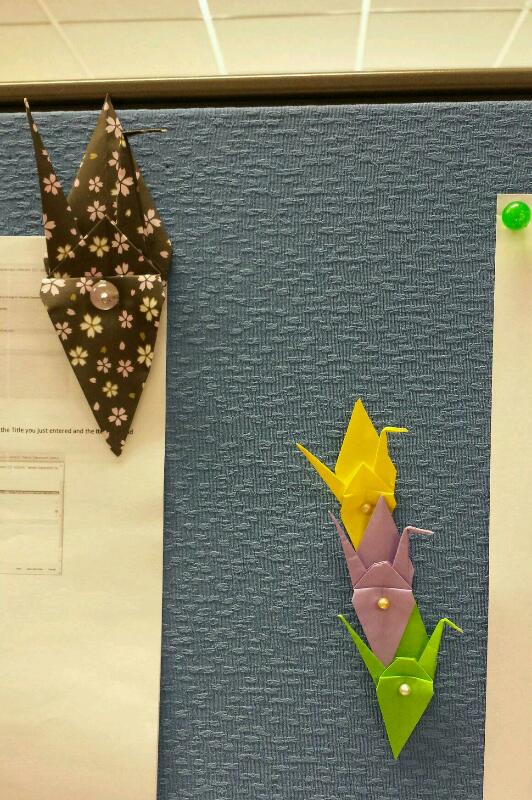
Origami crane as my office cubicle ornamentation. One day, a thousand of these to give...

Flying Folk Art

image

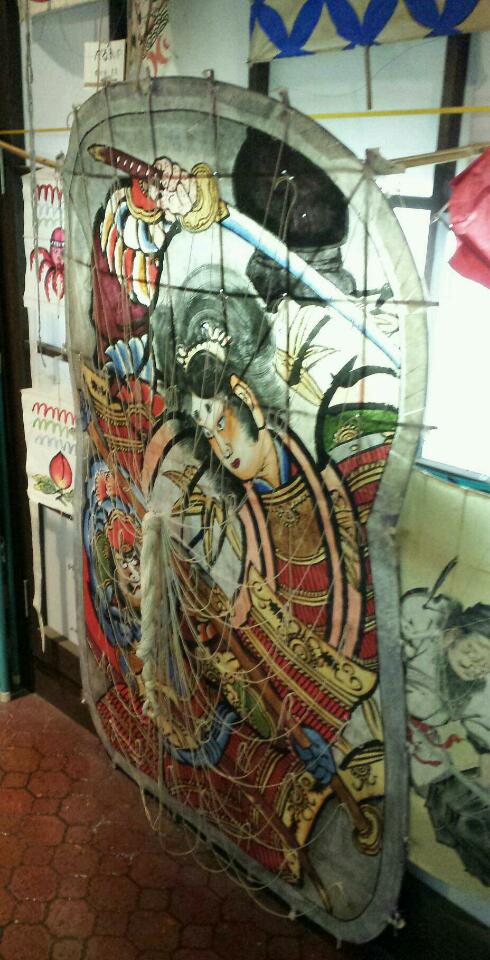
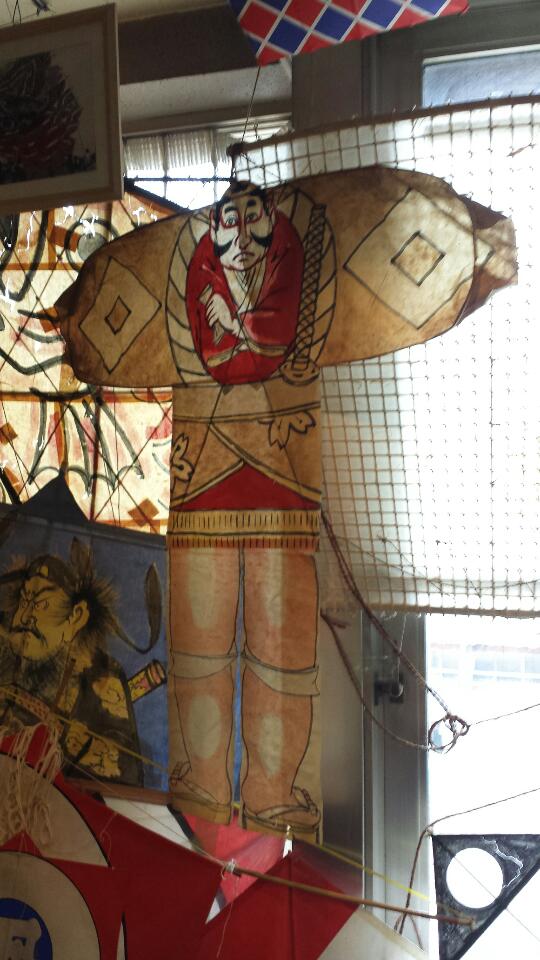
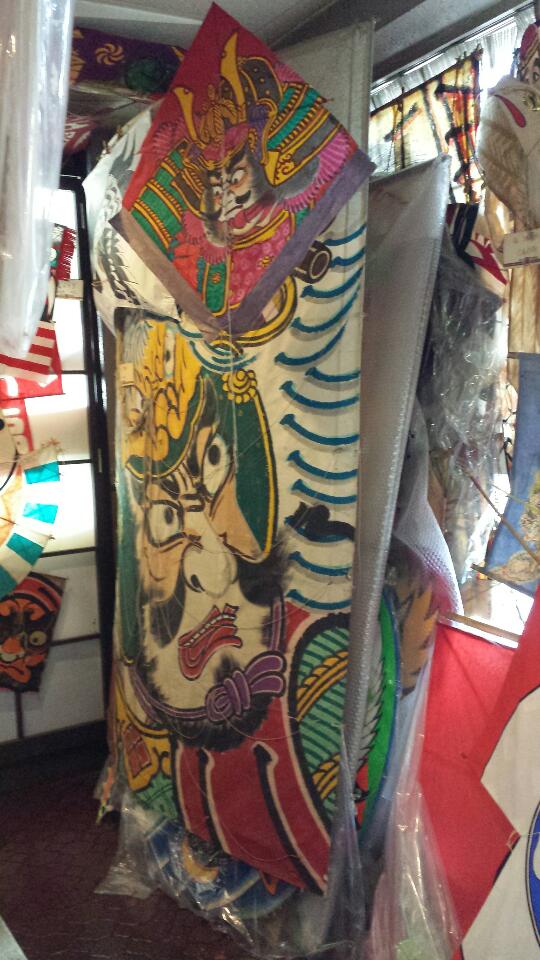
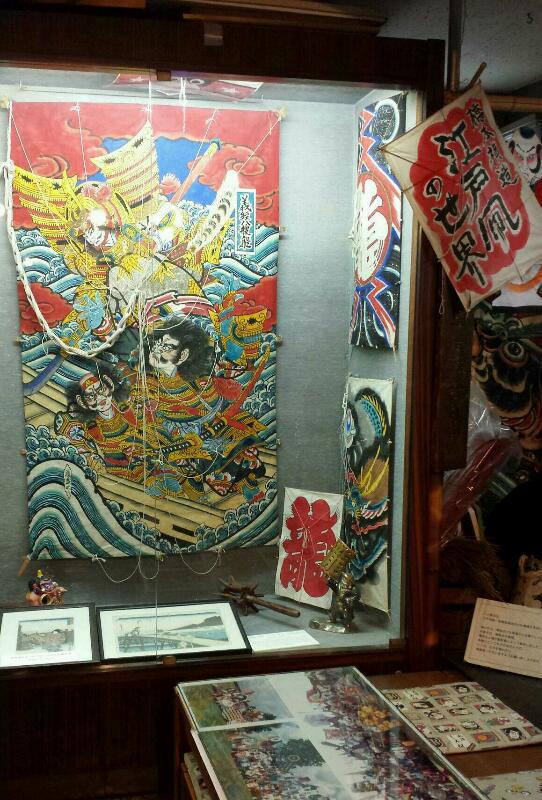
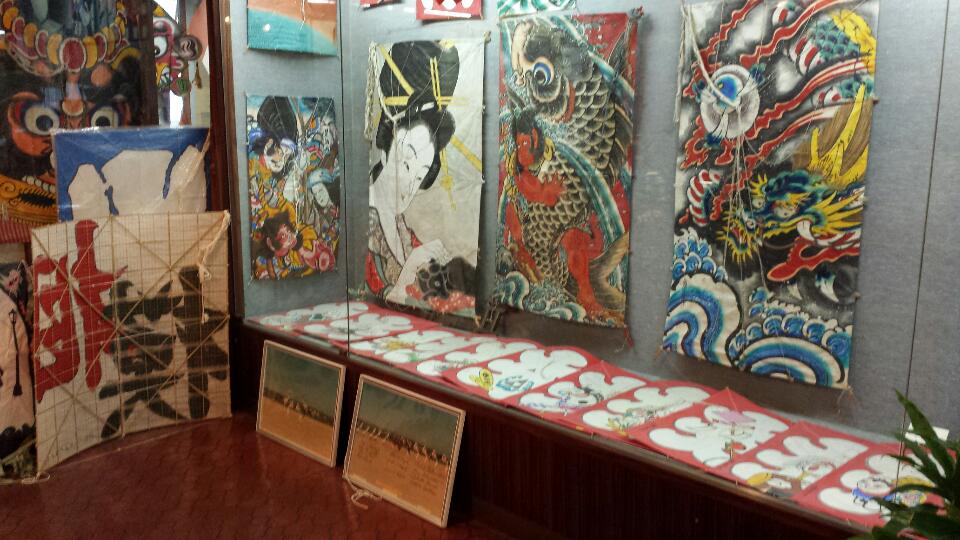
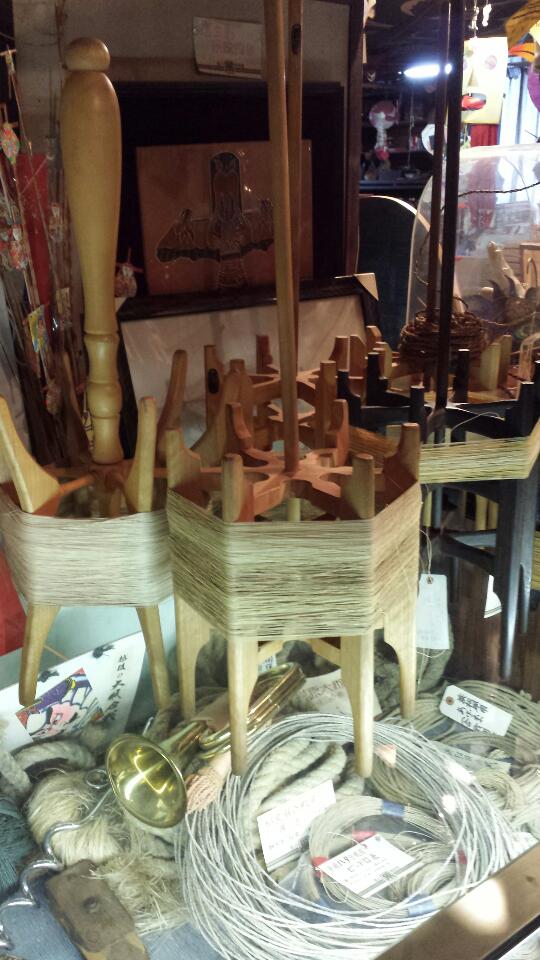
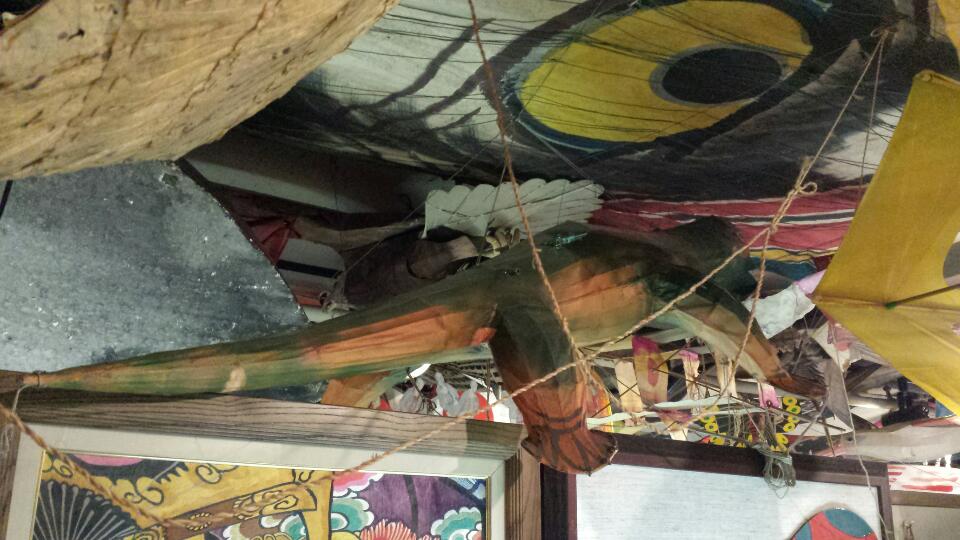
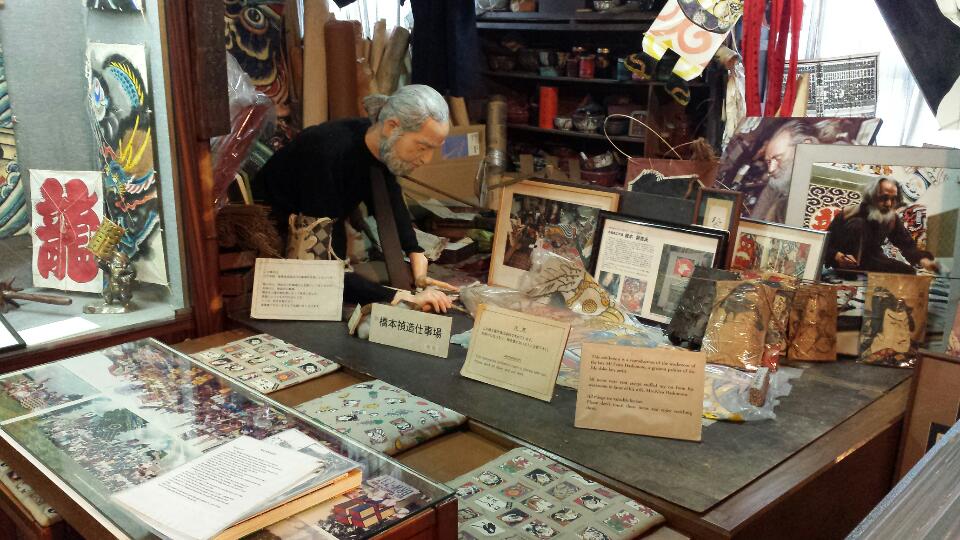
In Nihonbashi, Tokyo, there is this private museum of traditional Japanese kites at the 5th floor of a building where the Taimeiken restaurant is. These are the private collections of Mr. Shingo Modegi, the former master of the Taimeiken restaurant. His successor Mr. Masaaki Modegi is presently the restaurant master and curator of the kite museum. We truly have to be thankful to these two for sharing this wonderful collection.

image

Kite flying is a folk game not just in Japan, but other countries as well. Variations come in the form kite’s craftsmanship. I’ve seen the wau kite in Malaysia with its elaborate detail and moon-like form, very beautiful enough for this cultural icon to be used by Malaysian Airlines as their logo.

image

One day, I really have to see for myself these kites actually flying at the festivals in Kelantan, Malaysia or in Shizuoka, Japan. For these kites aren’t just folk games, these are flying folk arts.

image

image

image

image

image

image

image

image

image

image

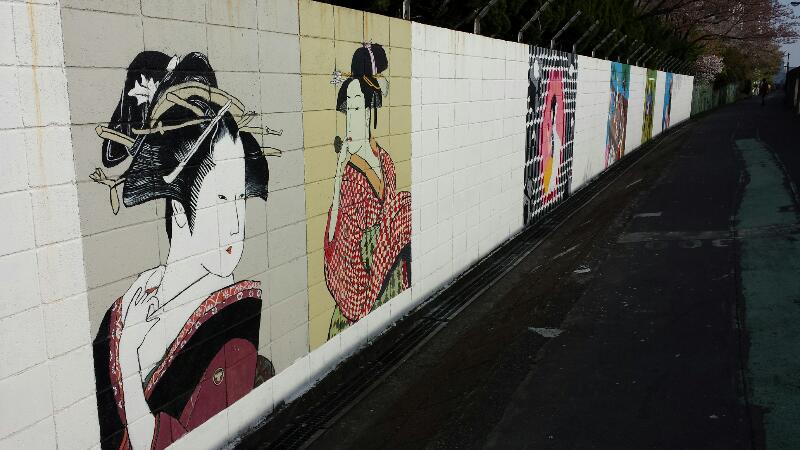
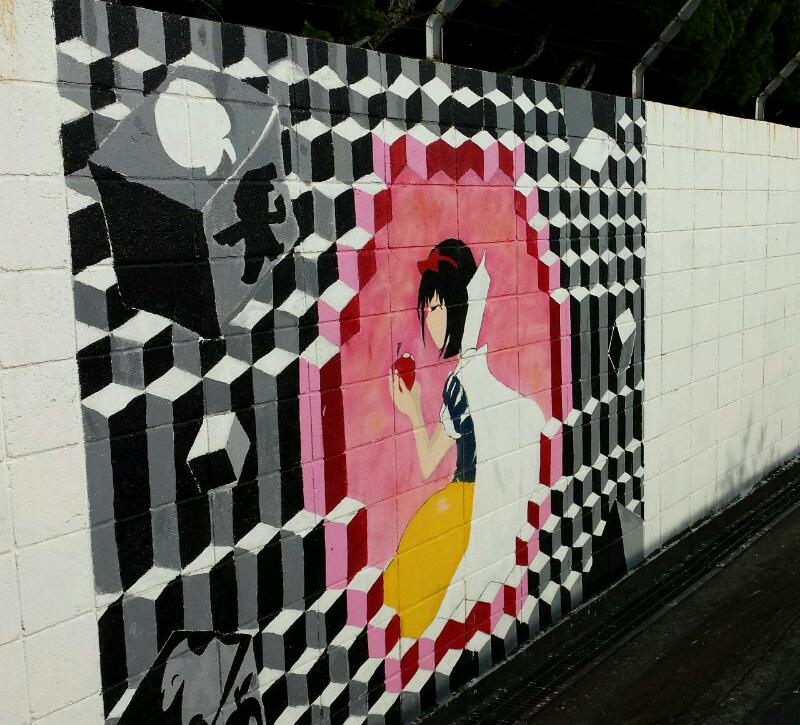
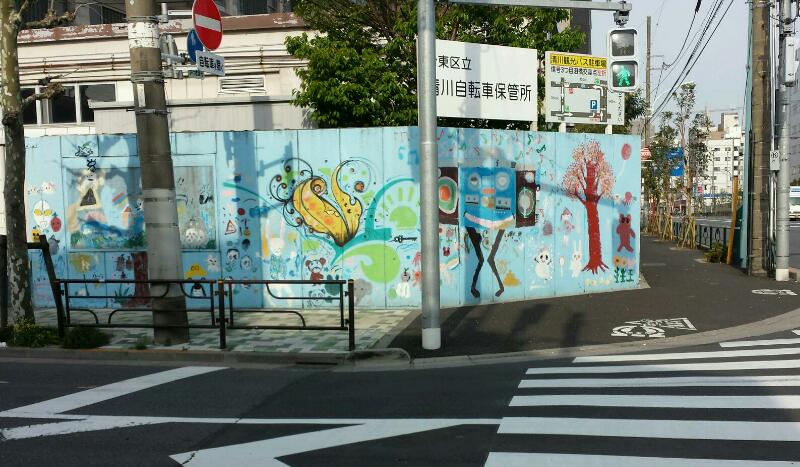
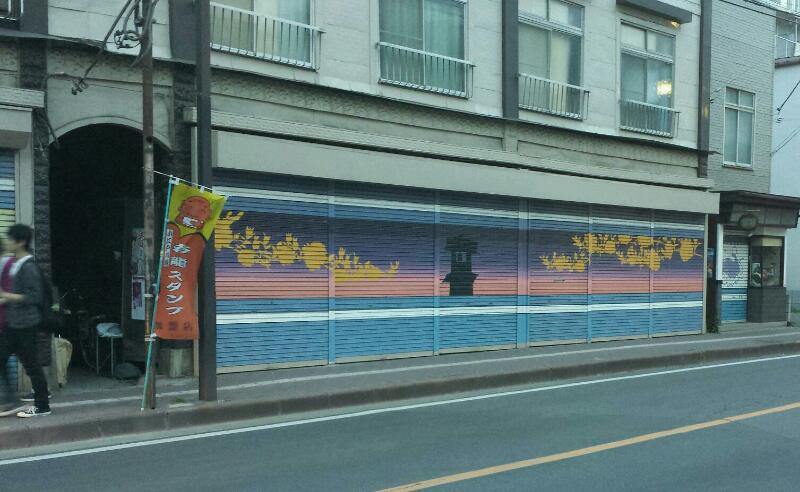
Tokyo Snapshots: Wall Art

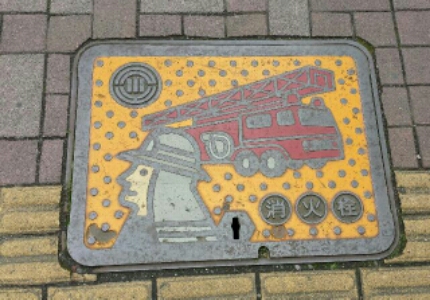
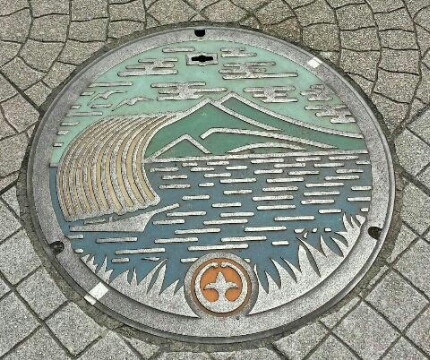
More Manhole Covers

image

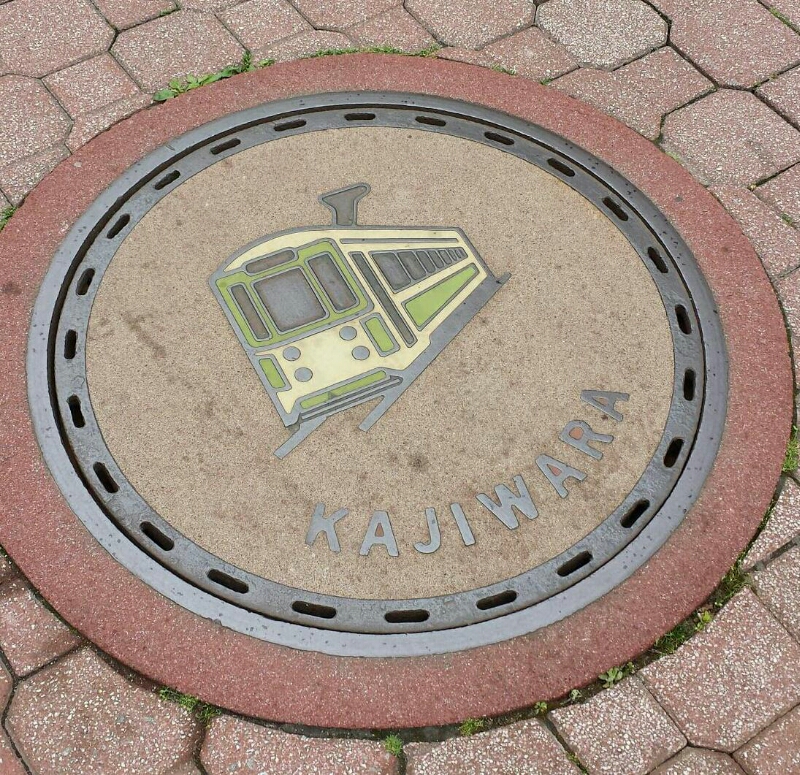
Kajiwara

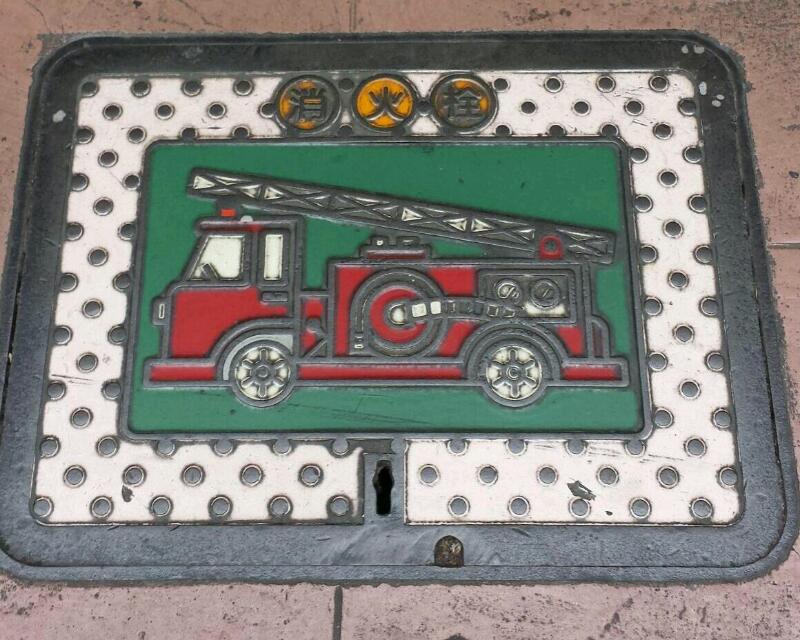
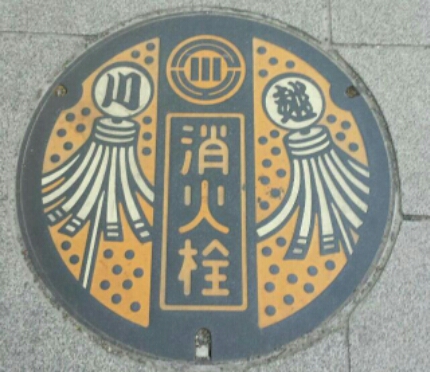
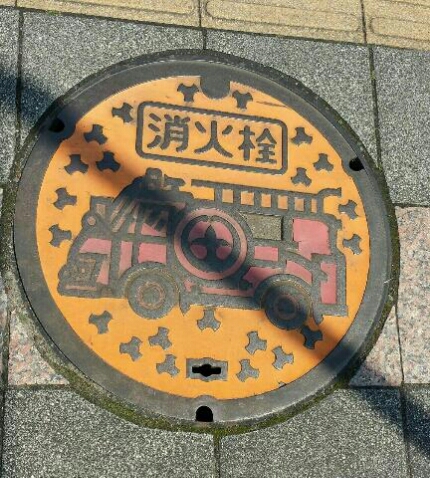
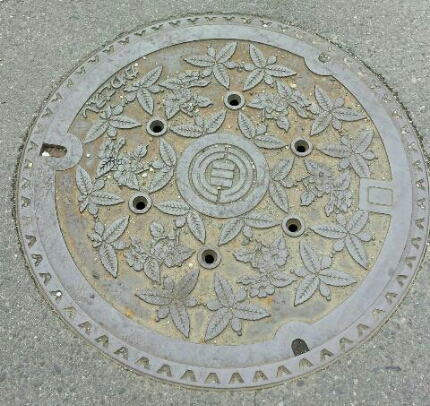
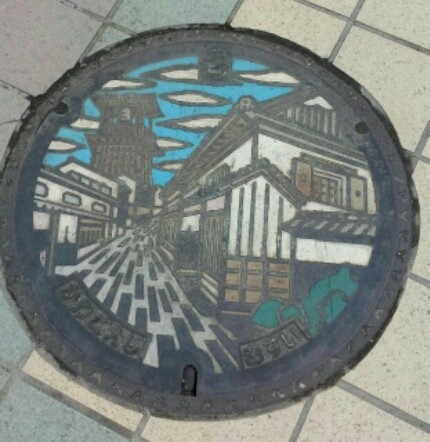
I have a few collection of manhole cover snapshots from Tsuchiura City and Kawagoe (both outside of Tokyo) in my previous post.  And today, while exploring the other side of Tokyo along the Arakawa Line, I found a couple more.

image

Minowa

Manhole Covers in Japan

Tudung Dulang

image

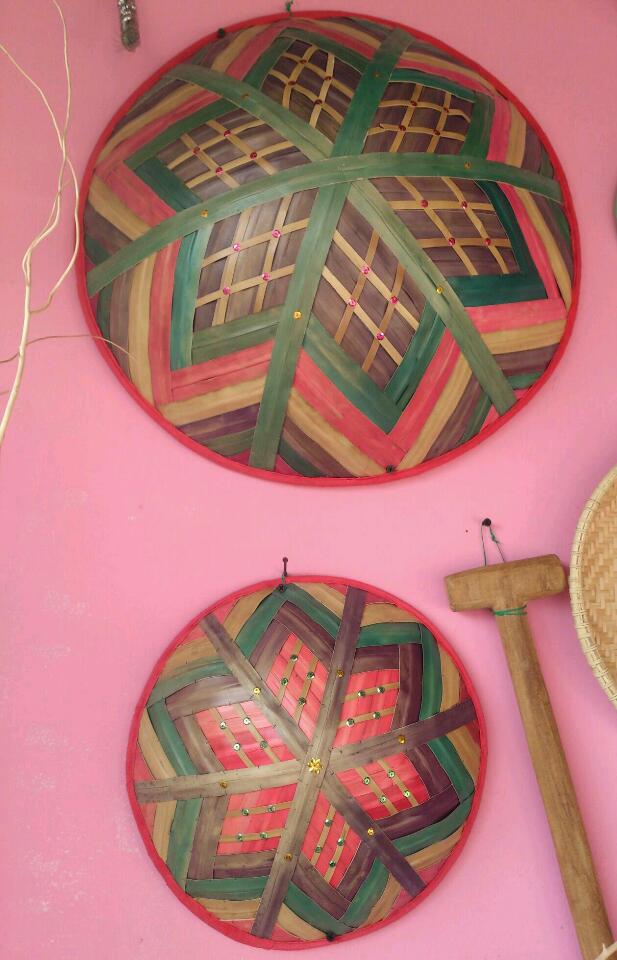
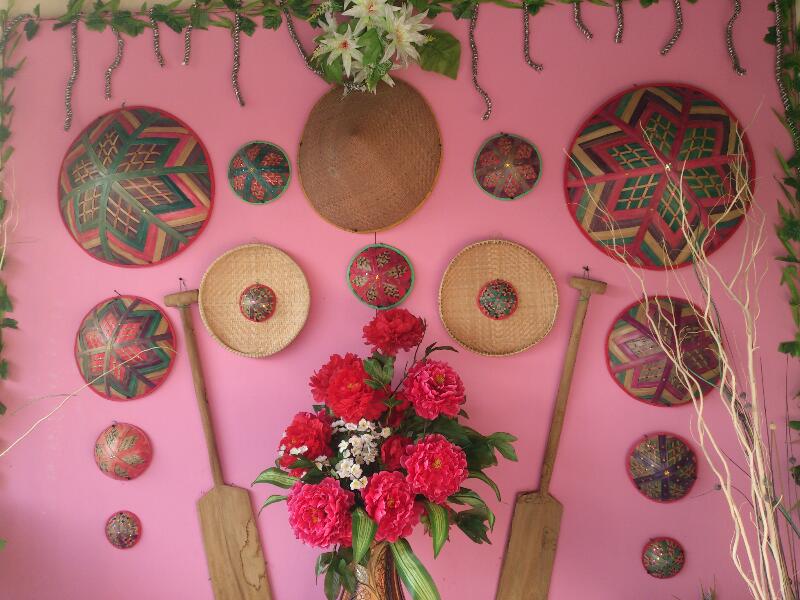
How beautiful this creation from dried dyed pandan leaves

It’s not a hat; it’s a dish cover. So colorful that it makes a pretty wall ornament as covering food to protect from flies isn’t a primary concern any longer. In the present times, screened houses render the usage of tudung dulang as somewhat obsolete.

image

The making of tudung dulang and other traditional crafts are encouraged (even if used as wall ornaments and bought as souvenirs) just so the tradition won’t disappear and thereby preserving the Bruneian Malay culture.

God in Mud Flaps

image

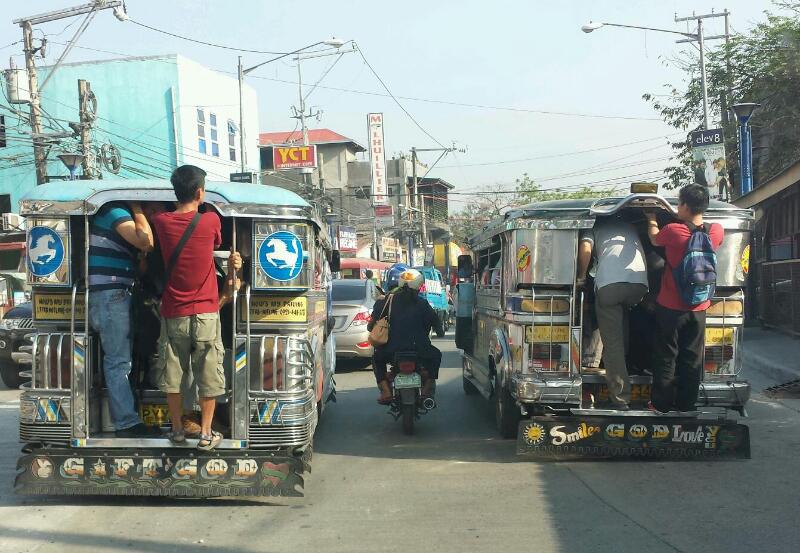
Gift of God / Smile God Love You

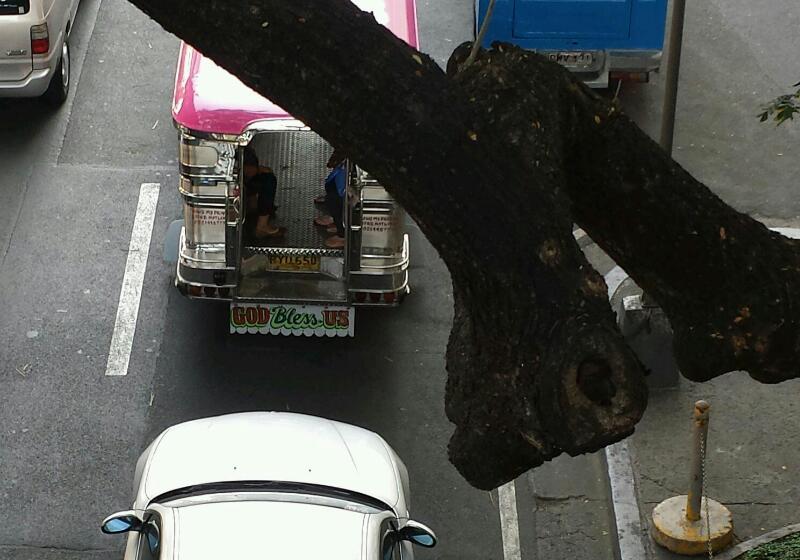
Every space in a jeepney can be a venue for masa art. Images such as zodiac stickers and Jesus Christ, writings such as dedications and Bible verses and also borloloys such as horns and horses. Philippines is predominantly Christian country so it’s not a wonder that in a span of 30 minutes I’ve sighted 3 mud flaps with God phrase.

image

God Bless Us

Wayang Kulit

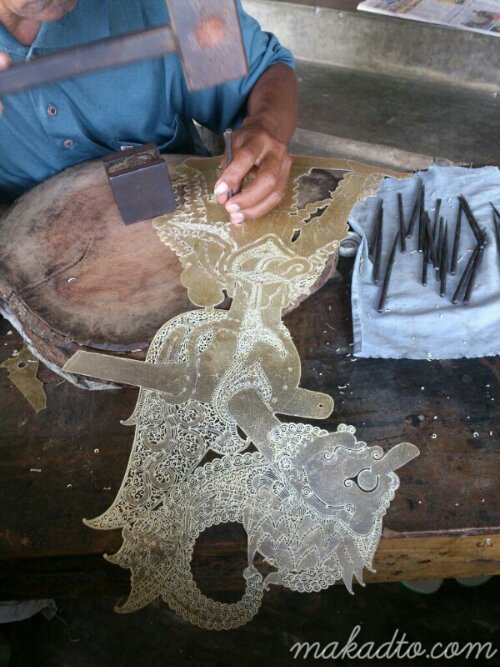
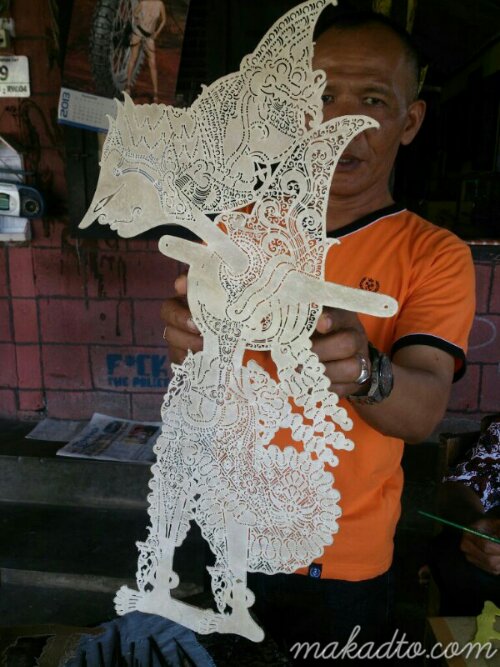
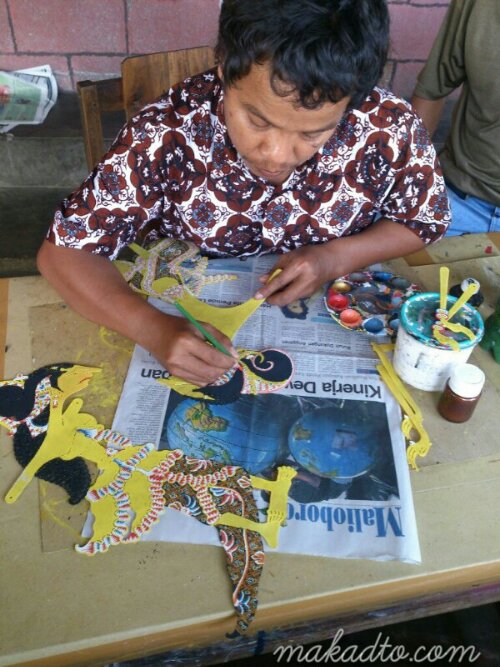
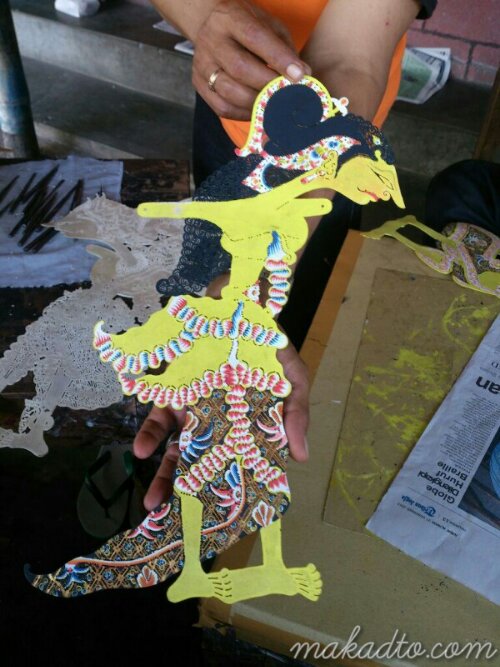
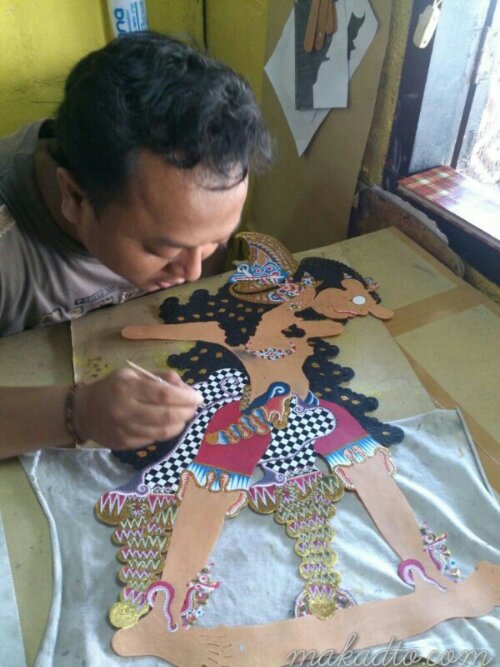
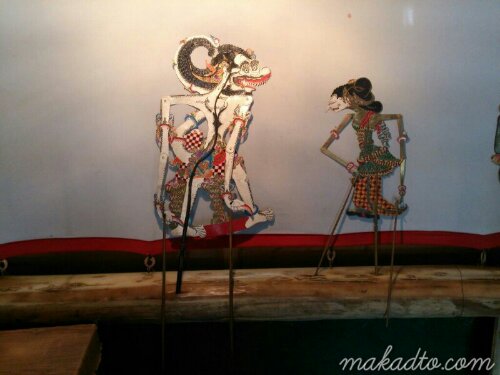
The making of Indonesian leather (kulit) shadow puppets (wayang) is done by hand in several stages involving different artists just like the time-consuming and tedious process of making hand painted batik fabric.

image

Punching holes one by one meticulously on the drawn outline in the buffalo hide

image

Is there a word for extremely detailed?

image

Putting on base paints

image

Just an initial layer of paint and still more paintings to be done

image

Layer upon layer of painting and then finishing it with gold leaf

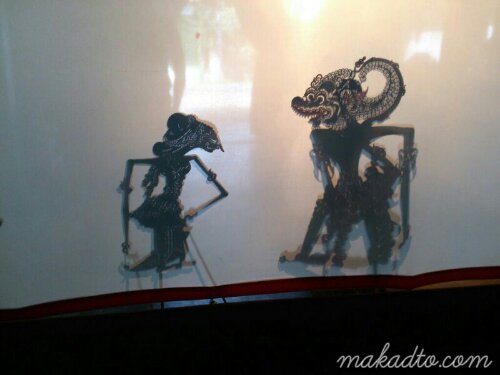
This is how it looks like at the back of the white screen during the show. The stick attached in the middle is wedged to the banana trunk so that the dalang (puppet master) can move the other sticks attached to the limbs.

image

By means of light behind the screen, the leather puppets come to life

image

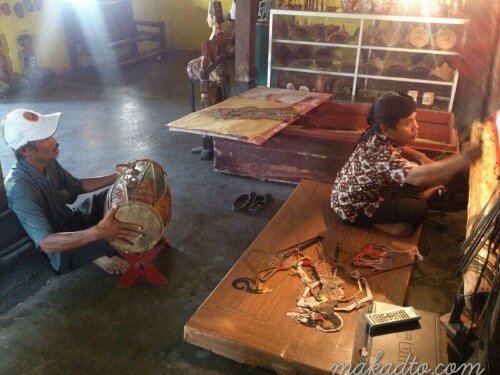
A dalang giving us a sample show in this puppet making place somewhere near kraton in Yogyakarta.

image

His right foot has some kind of metal attached between his toes to hit a some kind of a tiny gong to produce sounds during the show

Holy Geometry

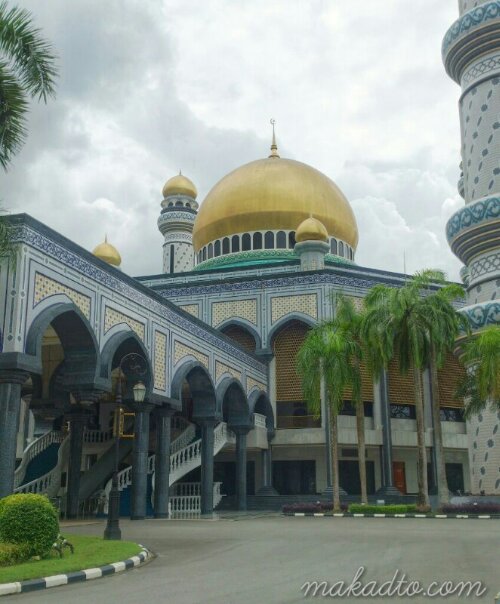
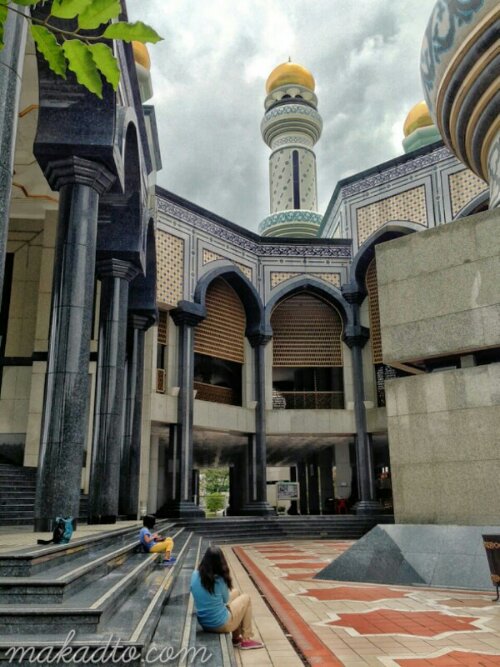
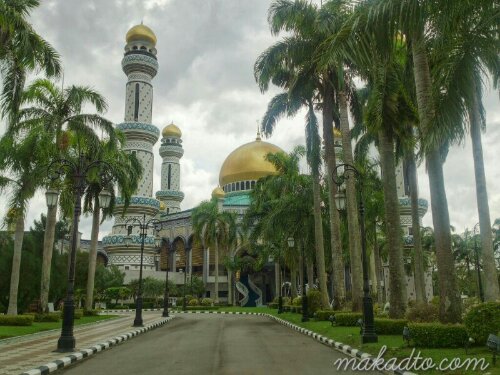
Behold this grand holy structure in this sulatanate nation of Brunei Darussalam where one can’t get enough of its stunning sight.

image

As for me what I saw first were the numerous but finite number of octagrams (eight-point stars) from the grounds up to its minarets in the said grand structure (aka Jame’Asr Hassanil Bolkiah Mosque).

image

Two squares where one is placed on top of the other makes an eight-point star (octagram)

image

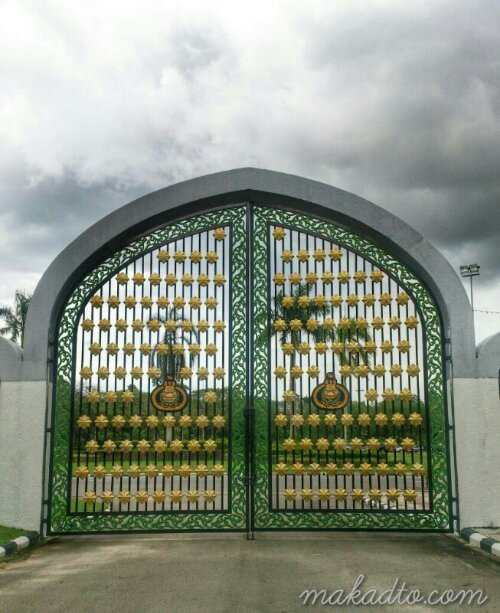
Octagram ornamentation in the mosque gate

image

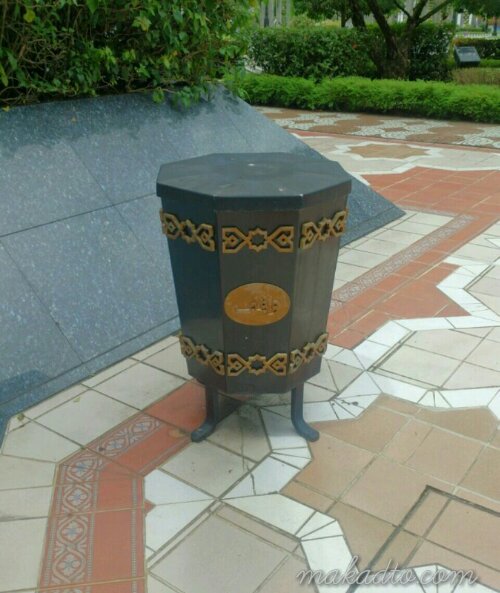
Octagram in this garbage receptacle

image

Mathematics is truly beautiful

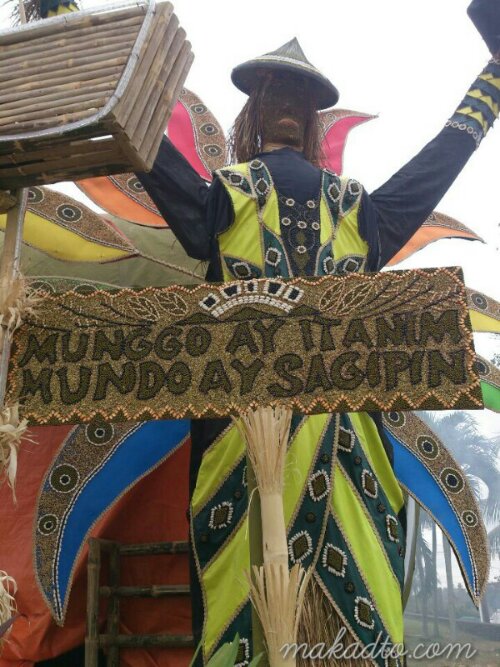
Scarecrow Wisdom

Javanese Batik: Stamped Ones

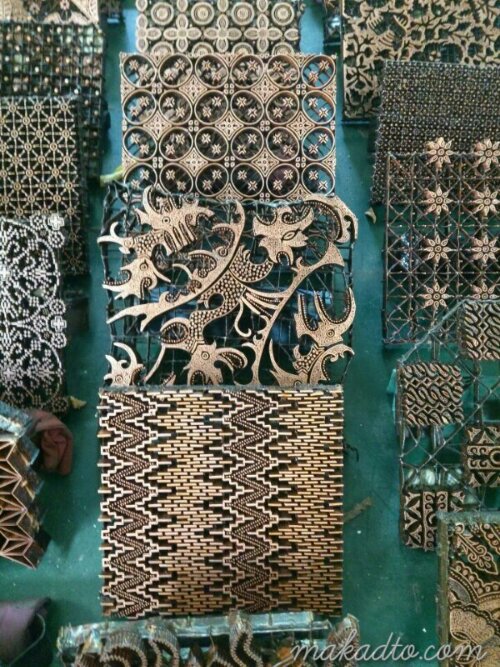
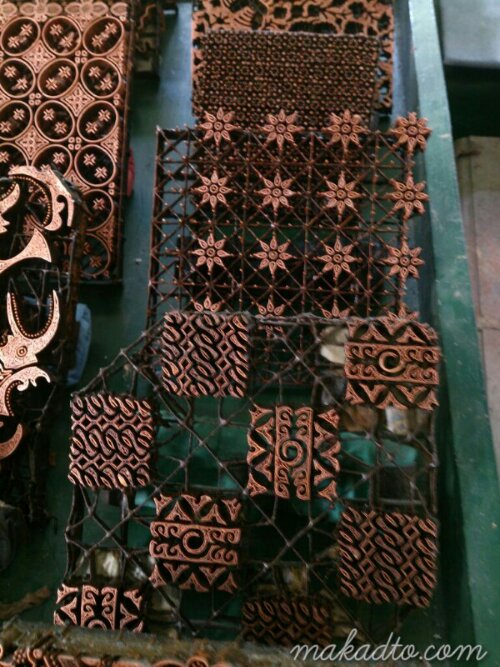
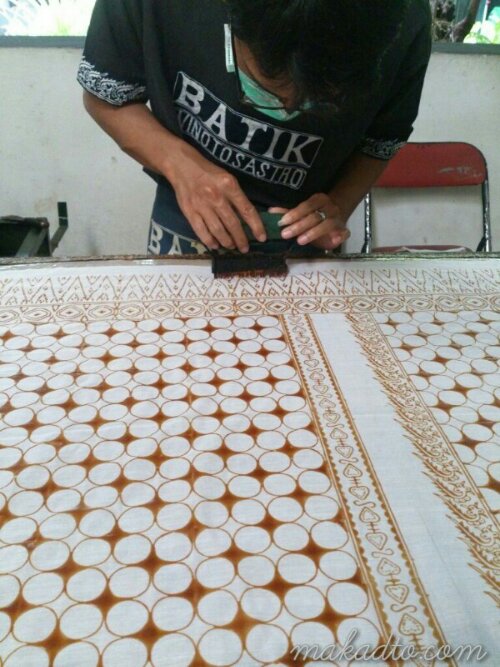
Still handmade as the motif is stamped by hand although in this way one can now mass produce the designs. 

Artisans in Solo created these art in copper blocks.
image

image

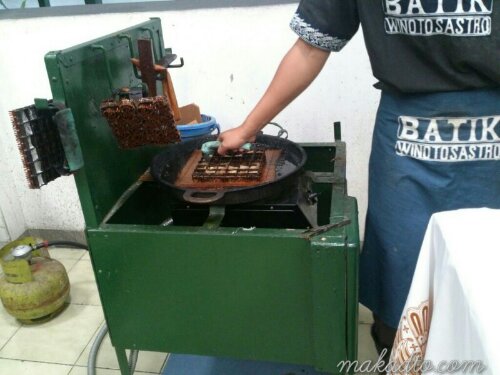
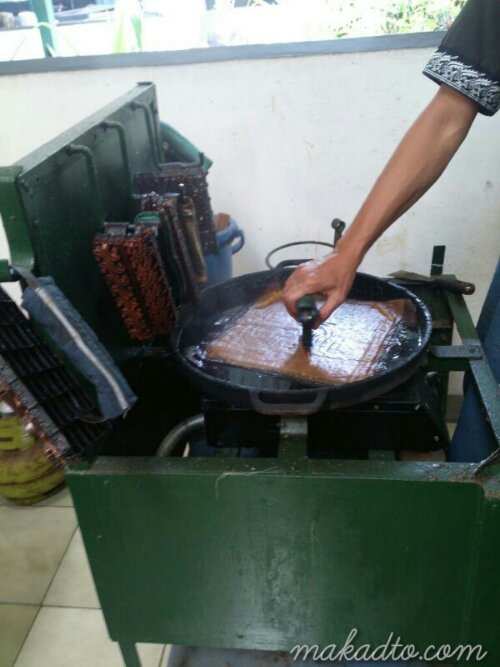
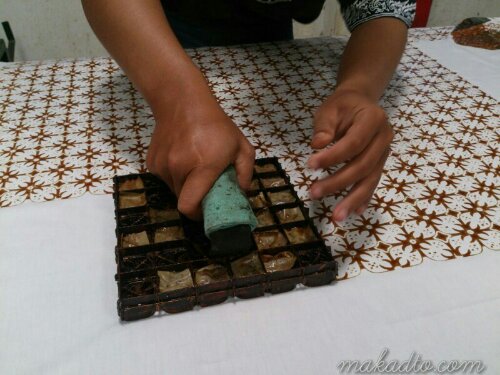
The copper block is dipped in hot wax and stamped into the fabric carefully. The sizes of the blocks vary like there’s a small rectangular one below for the border.
image

image

And this one’s a square block to cover large areas like the center of the round table cloth. 
image

image

The above pattern in brownish wax will be the white area when the round table cloth is dyed in indigo.
image

Javanese Batik: Hand Painted Ones

A hand painted batik motif (batik tulis) will take about three months to finish. Longer than those stamped ones (though still by hand).

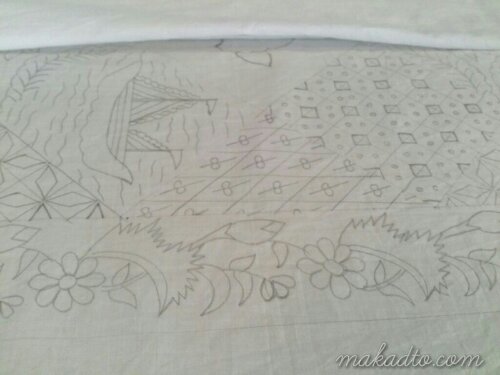
Motifs are hand-drawn in white fabric.
image

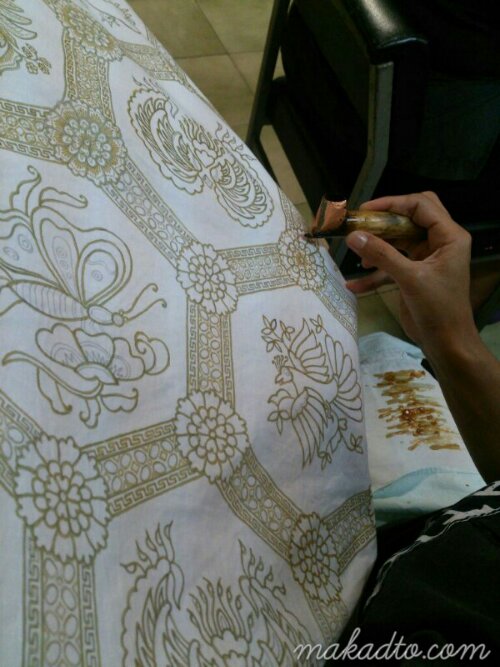
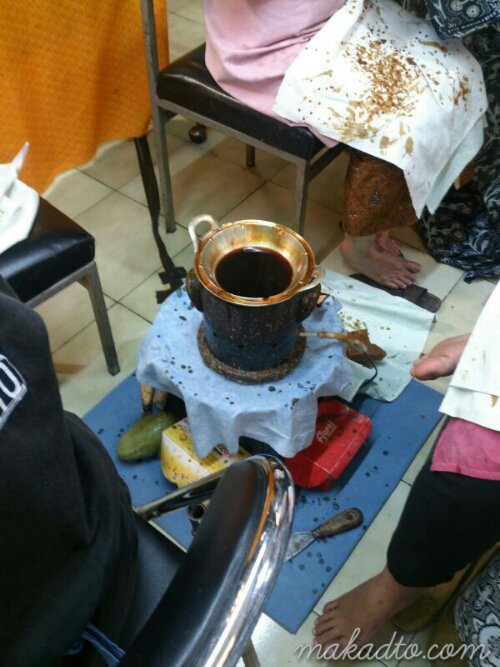
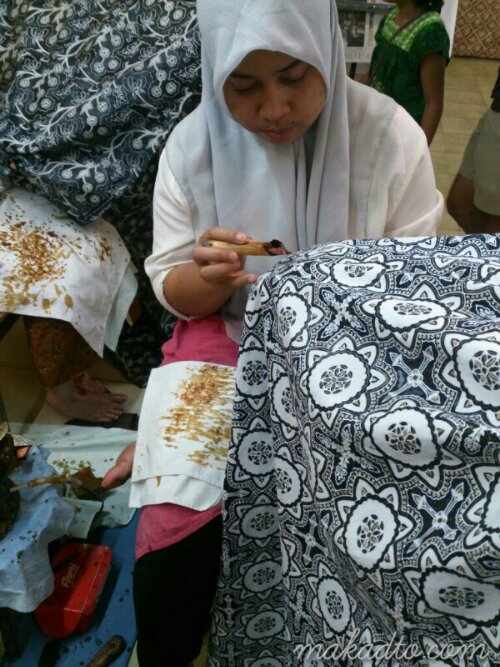
Then, waxing those parts that will remain white or will be in different color using that pen like tiny tool with metal cup and spout for the wax.
image

At the center is the wax in copper container used by the craftswomen.
image

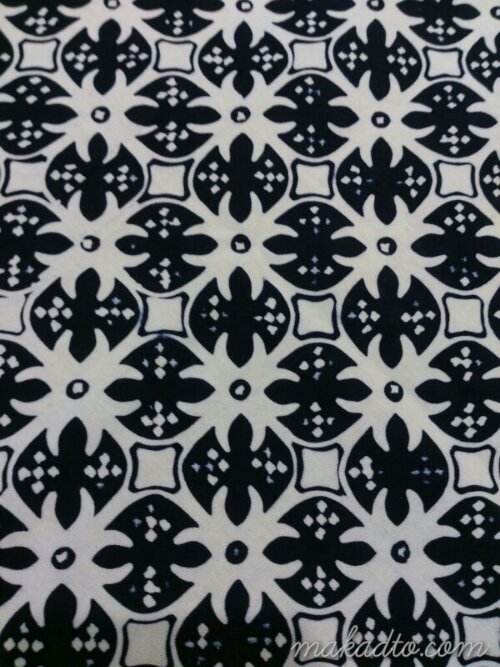
After dyeing in blue (dark blue/indigo), those white ones have remained white because the patterns were covered in wax. Wax was removed by means of boiling water.
image

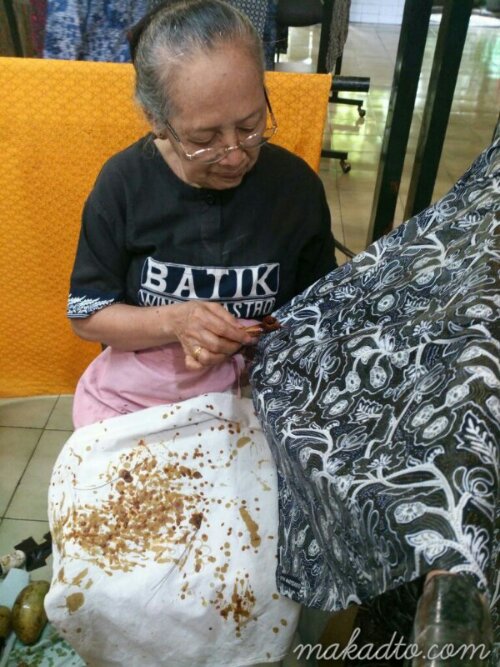
Waxing those blue area that will remain blue and white area that will remain white when cloth is dyed in brown color (or in any other color).  Blue and brown are natural dyes that came from plants and also the traditional colors of Javanese batik.
image

Dyeing area.
image

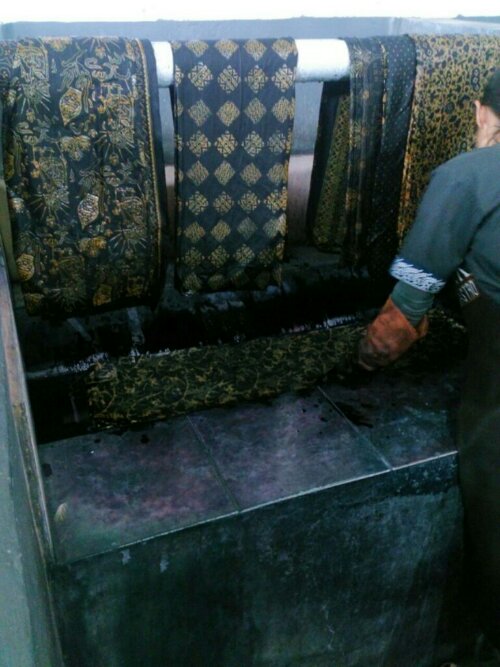
To remove all the wax, boiling water is used on the fabric. To remove some of the wax (for selective dyeing on various sections of the fabric), manual scraping is done by hand.

Waxing, dyeing, drying, scraping/boiling water, then repeat until desired color combination is accomplished. The end product is the beautiful batik fabric.
Underground Art

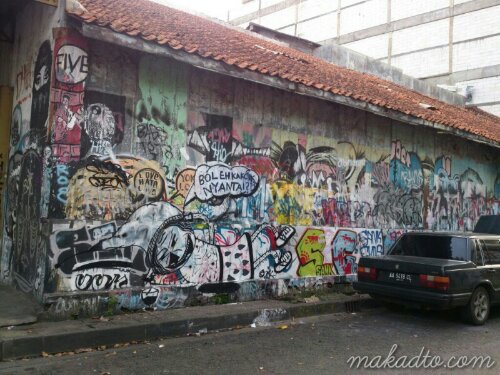
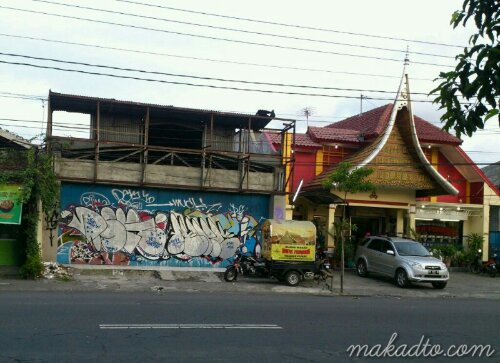
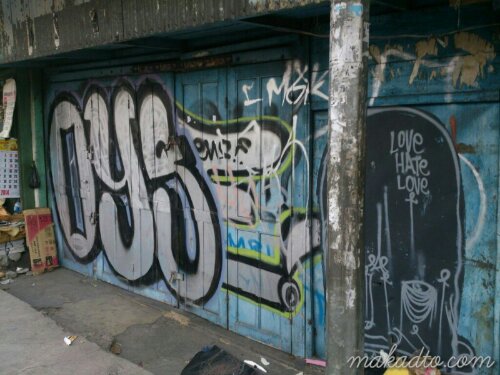
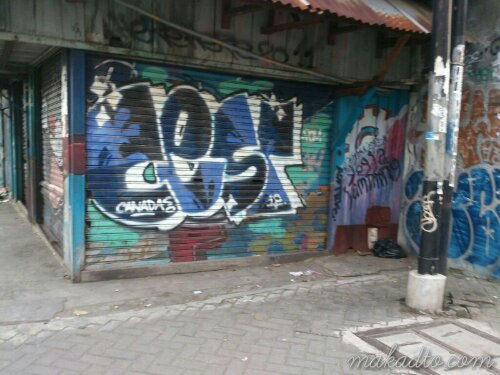
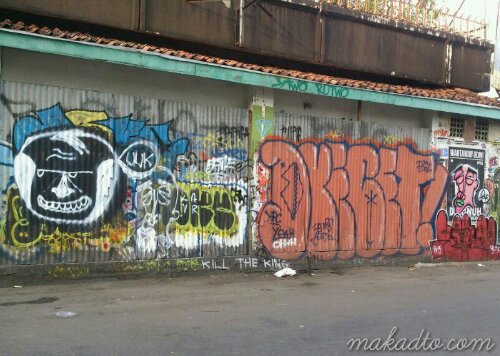
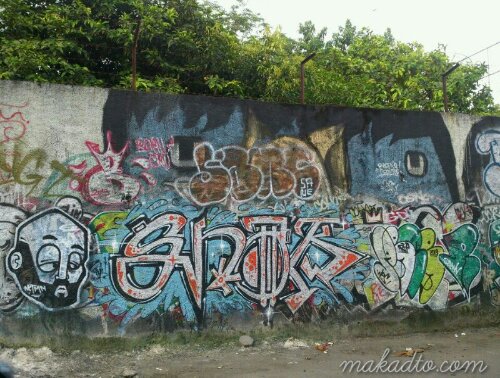
Walking around Jogja one can notice the prevalence of graffiti everywhere.
image

image

image

image

image

image

image

Wall art even in this place where I took Javanese cooking lessons (and that explains the apron).
image

Meri Kurisumasu

Recently in a Daiso shop I heard Christmas songs rendered in a cute Japanese way not like the cute singing of Santa elf helpers, and so the memory of that audio cuteness became tangible as it made me fold a tree and Star of David (as Star of Bethlehem) from chiyogami paper.

image

Apt Art

Eats Illustration

Merrymaking Festival

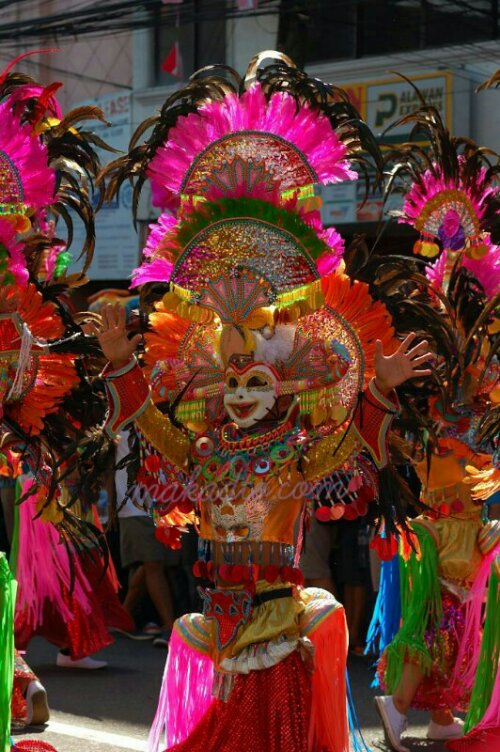
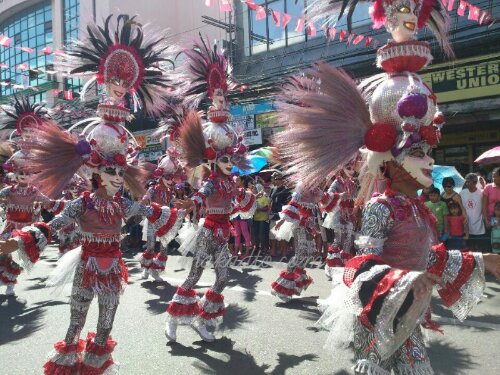
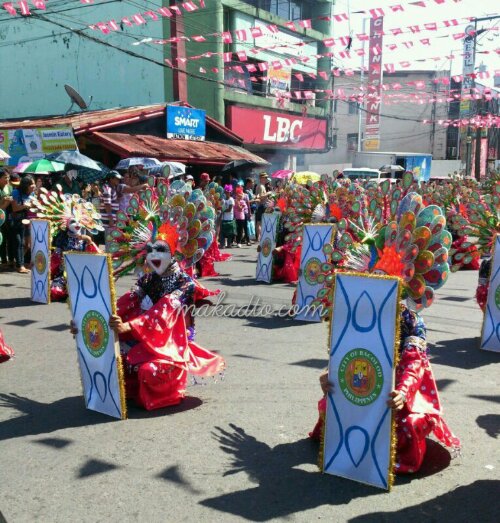
Masskara is an annual festival of Bacolod City with no folk Catholicism connotations. Most festivals in the country are associated with religious icons like for example the Sinulog of Cebu, Ati-atihan of Kalibo and Dinagyang of Iloilo were all for the veneration of the Sto Nino, the Pahiyas harvest festival of Lucban is the feast of San Isidro Labrador and so on. Even the fiestas at the barangay level are dedicated to their patron saint.

Partying in an urbanite sense isn’t my thing but folk fiestas and city festivals are enjoyable mainly for their cultural touch.

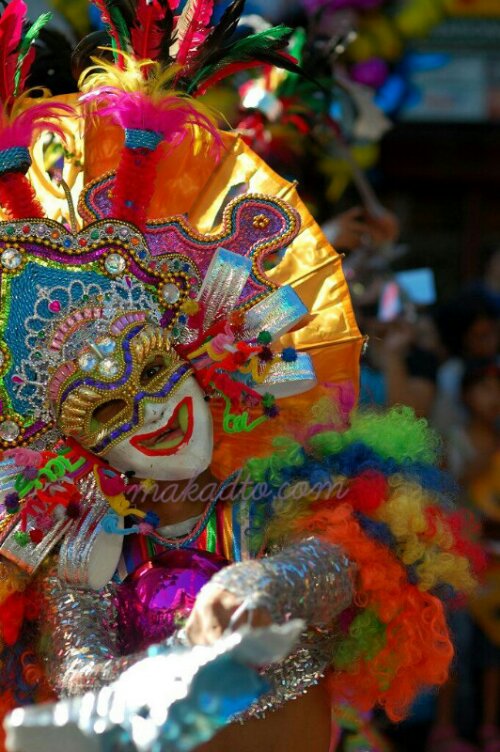
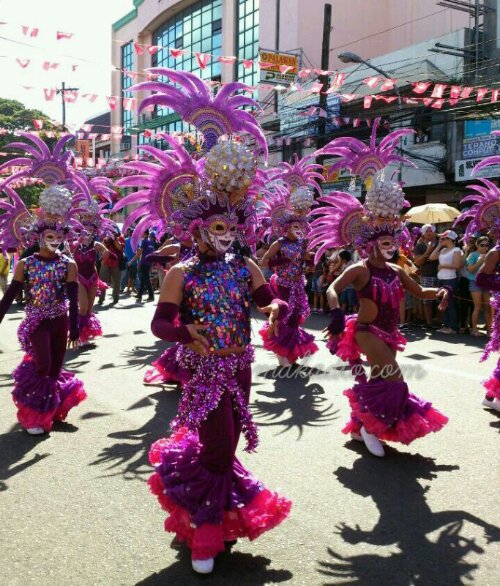
Masskara partying includes eating inasal and you go home smelling like inasal and then looking forward to the festival highlight – street dancing. So here are some of the photographs among the many masks of Masskara 2013.

image

Best in mask

image

Reason why Bacolod is the City of Smiles

image

Street dancing started at 1 pm and the city was booming with Latin beat as they dance their way towards the plaza

image

Even walis tambo can be mask material

image

Not just elaborate masks but costumes too

image

Not just having masks and costumes but props too