Category Archives: Malaysia

Flowered Trishaw

image

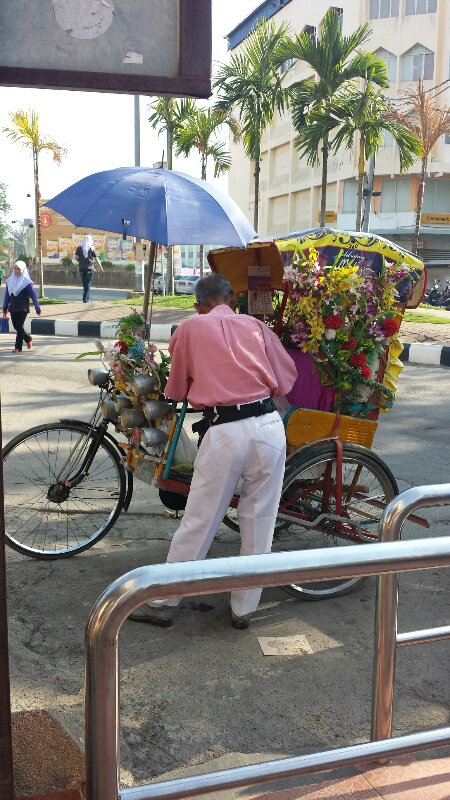
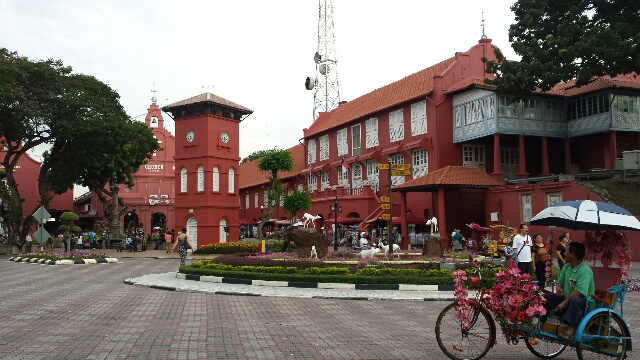
An elderly driver stood by his trishaw with fog lamps as props in Kota Bharu. Seems Malaysia has this penchant for artificial flower adorned trishaws. I have two more pictures below from Melaka to prove this.

image

image

Pasar Snapshots: Kuih-Muih

image

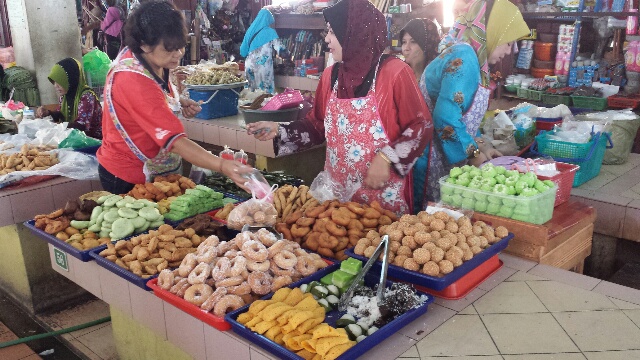
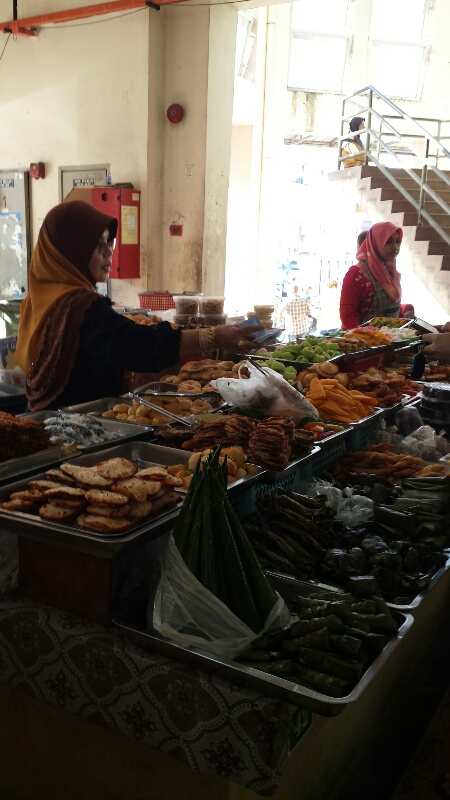
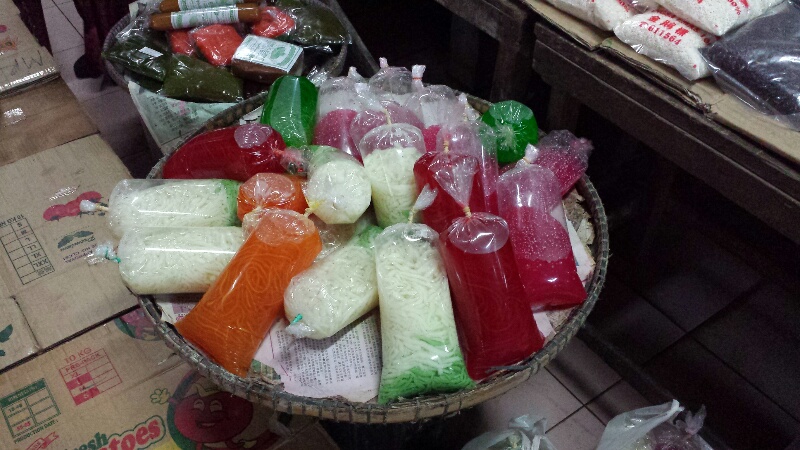
If Philippines has all sorts of kakanin, then Malaysia has all sorts of kuih-muih. Whereas the kakanin is something that you have to deliberately find because native food has taken a back seat over Western bites, kuih-muih contrastingly can be found in cafes, airports, streets, markets, everywhere – even in Kuala Lumpur. How nice it is to have something uniquely Southeast Asian that remains to be part of everyday breakfast, snack, tea or coffee accompaniment, or dessert.

image

image

image

Nasi Tumpang

image

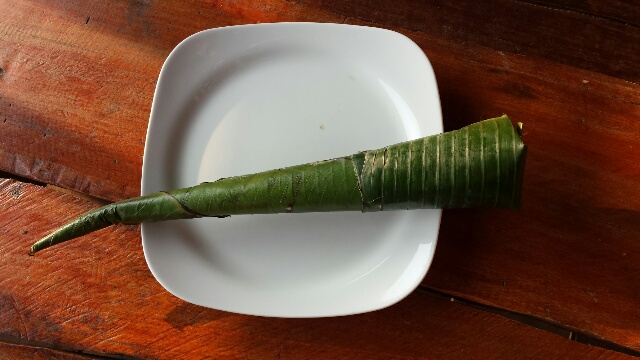
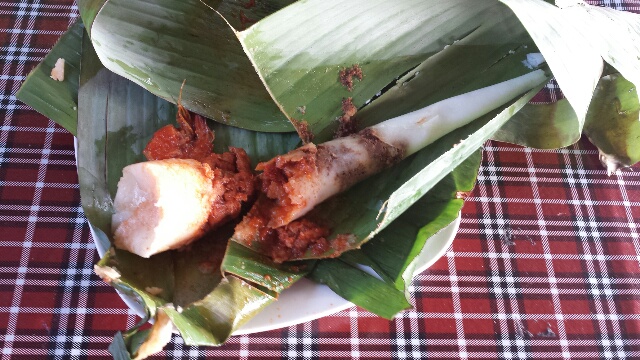
Nasi tumpang is a Kelantanese breakfast staple similar to nasi lemak but the rice with viand inside the banana leaf packaging is more compact in conical form. Its packaging makes it a portable meal (just like the banana leaf wrapped nasi lemak). The texture of the rice inside is like the ketupat – so dense. I suppose nasi tumpang is always eaten cold like the onigiri in Japan but I find its curry-sambal flavor layering quite appealing.

image

Nasi tumpang served by my host in Kota Bharu for breakfast

Hygiene Paraphernalia

Nasi Kerabu

image

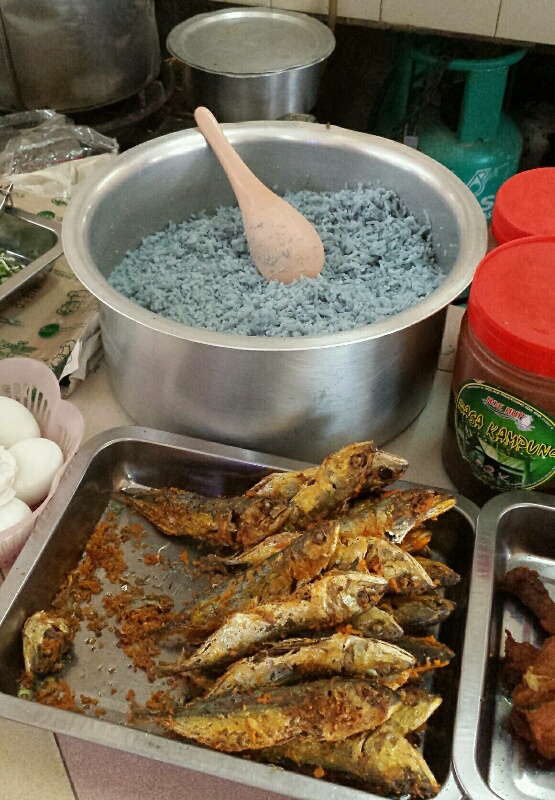
Blue rice and fried fish

In Kelantan, they have blue rice. It’s not the grains that are blue, rather it became blue because of the blue flower known in Malay as bunga telang, a natural food color just like how turmeric is used as yellow food color.

image

You can see toasted grated coconut topping while in the process of putting together my nasi kerabu dish

Nasi kerabu is a dish of blue rice with toasted grated coconut, herbs, some sauce, vegetable garnishing, and keropok and is normally eaten with viand. When you mix the rice and vegetables with your right bare hand, then use hand as utensil as well, and you find the combination of flavors quite appealing,  then you’ll feel like a true blue Kelantanese.

image

Hand mixed nasi kerabu with fried fish, keropok, and solok lada

Police Tiny Box

image

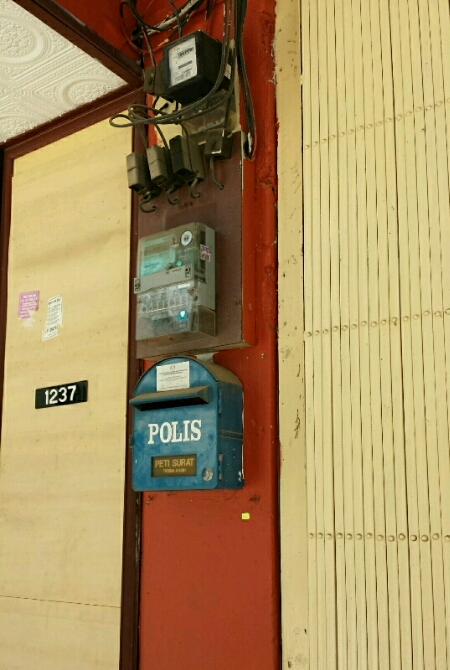
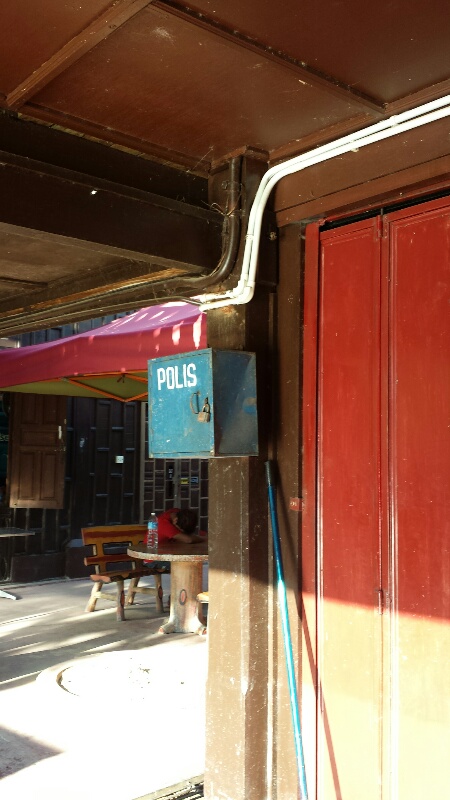
I asked my host regarding the purpose of those small tin boxes that says “polis.” From what I gathered from her, the policemen doing rounds make use of those boxes as receptacle for their logs.

image

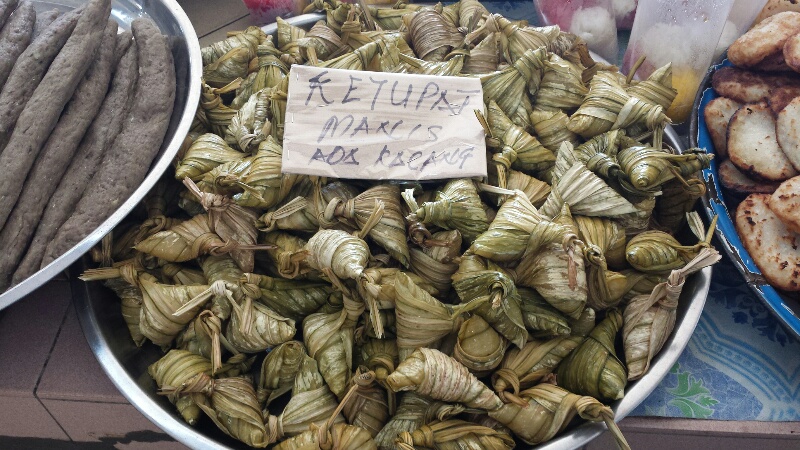
Pasar Snapshots: Kelantan Ketupat

Hot Weather Solution

image

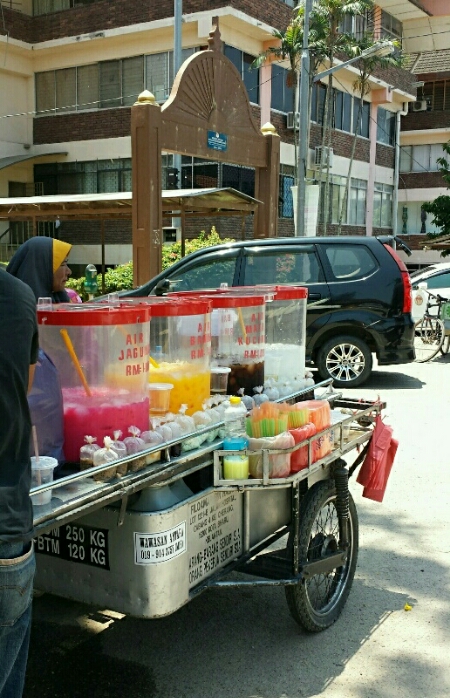
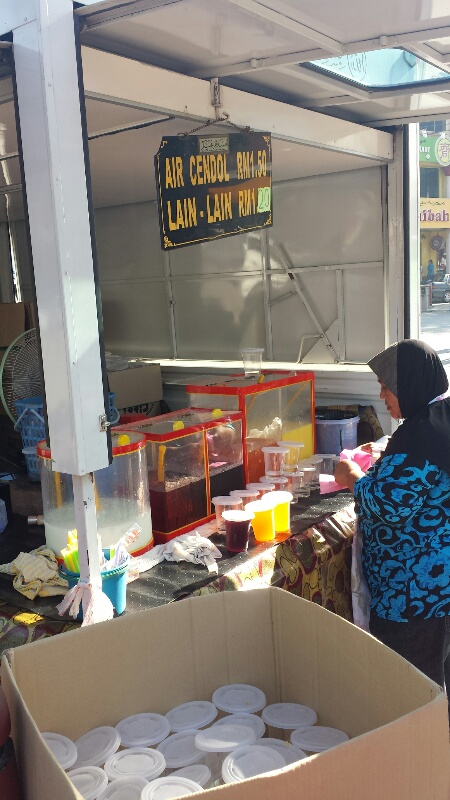
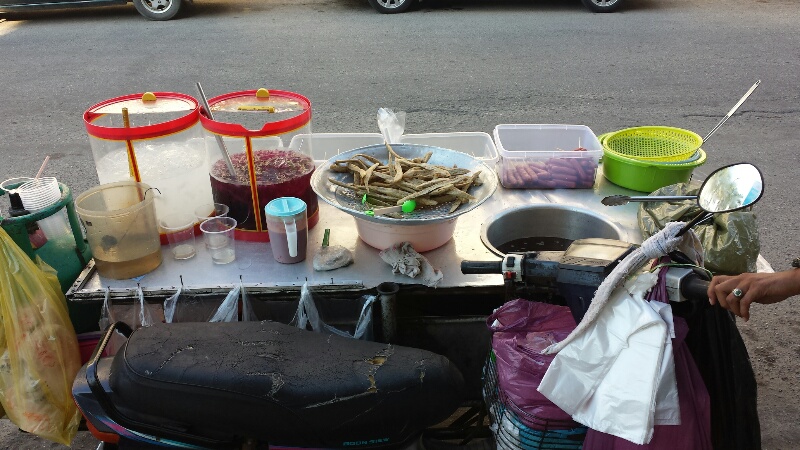
Obviously there is market for assortment of cold drinks in Malaysia’s hot weather but it’s interesting to note that the beverages are quite exotic, not like the usual soft drinks or flavored fruit drinks one can just easily buy and sell. Except for the coconut-based and sugar-based ones which have Philippine counterparts when it comes to roadside drinks, they have syrup-based drinks. The pink one known as bandung is quite popular. It tastes creamy floral syrupy sweet and refreshing though I’d prefer the a la gula Melaka drink, an improved taste of the Philippine palamig – must be the type of sugar used.

image

Then of course they have cendol drinks.  I’ve had cendol in various preparations from drinks to alphabetic desserts in Singapore, Indonesia, Malaysia and Thailand, must be a Southeast Asian thing except that it’s unknown in the Philippines – which is unfortunate. My Malay blood responds very well to it. In short, I love cendol.

image

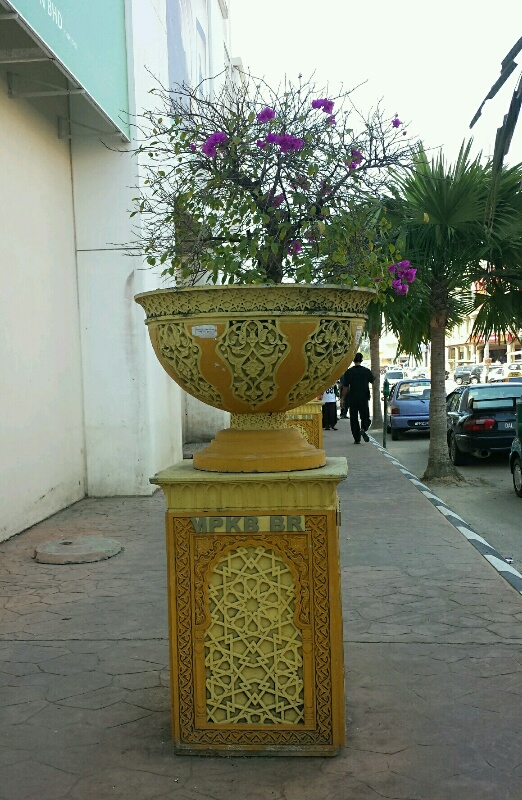
Sidewalk Plant Pot

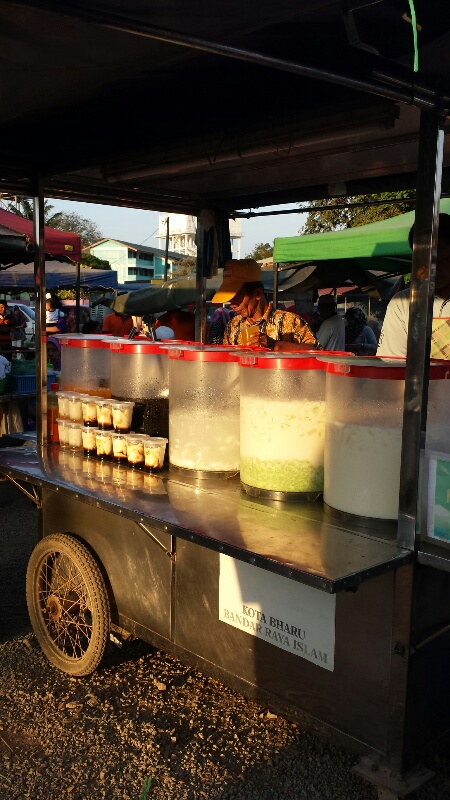
Pasar Snapshots: Cendol et al

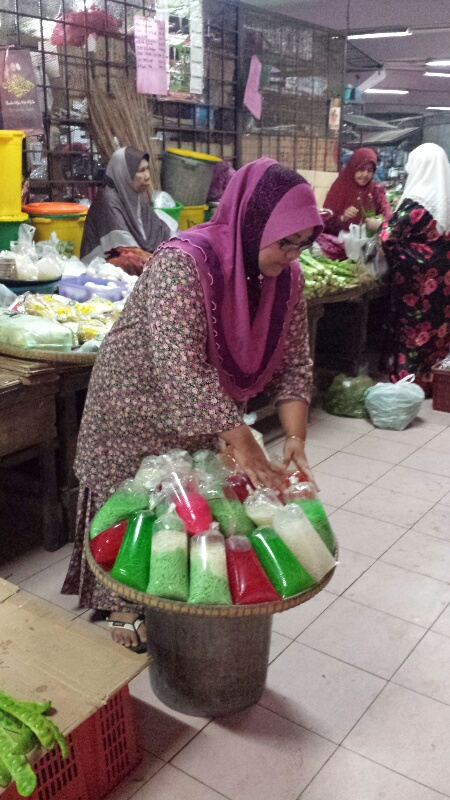
Pasar Snapshots: Jar Covers

Pasar Snapshots: Telur Penyu

Popo Snack, etc.

image

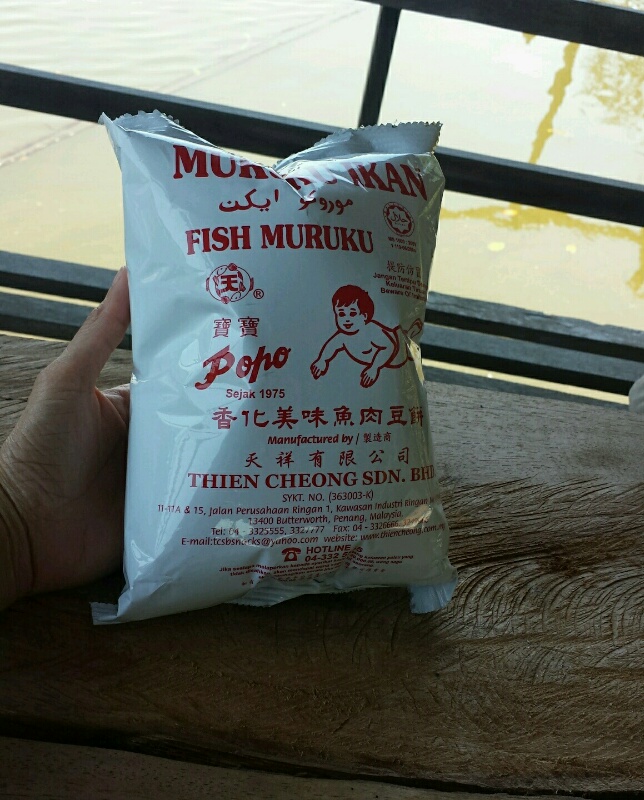
Yummy popo by the river, yummy popo everywhere

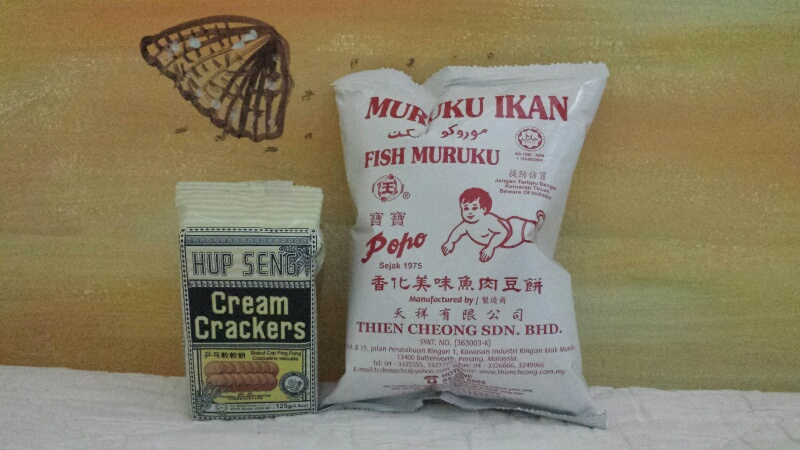
There are two packaged snacks that I would buy every time I’m in Malaysia – Popo Muruku Ikan and Hup Seng’s Cream Crackers. Other than as emergency carry snack when wandering around, I would buy these two just because I look forward to simply eat it – with pleasure.

image

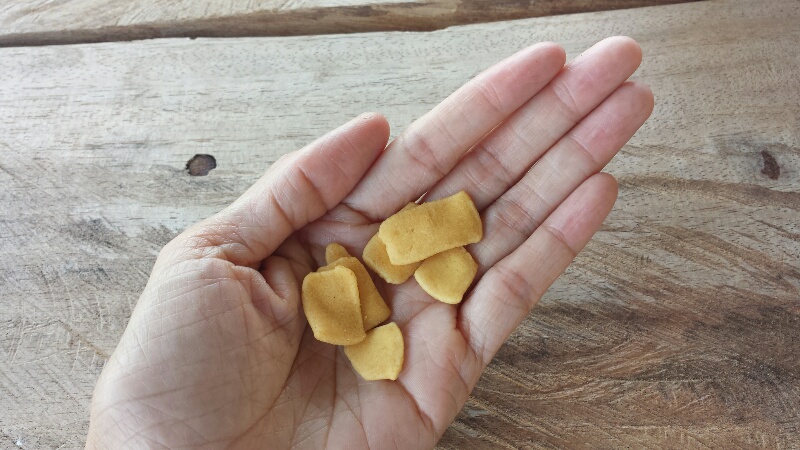
Popo Muruku Ikan: A lentil based fish chips. I can’t even think right now of anything comparable to this

image

Hup Seng’s cream crackers on the left. I’d choose this over Ritz Crackers anytime

Most Picturesque Tropical Market

image

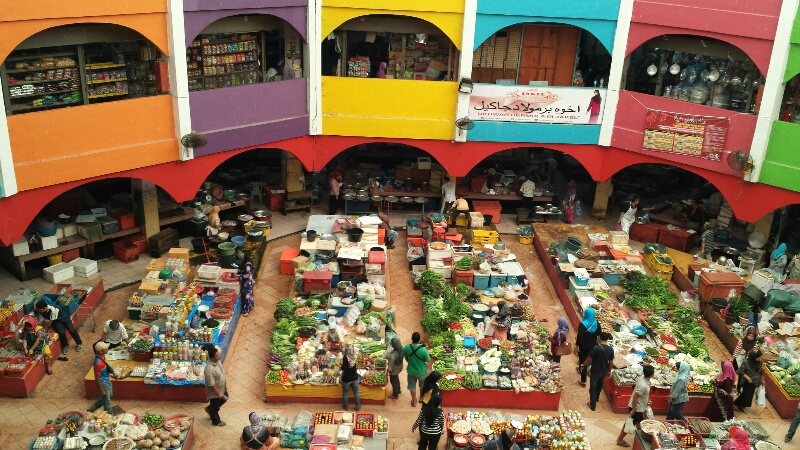
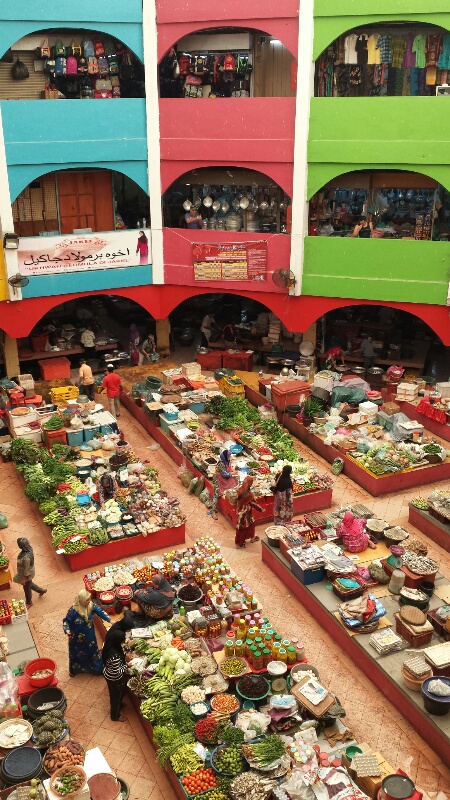
The produce section of local traditional markets have something in common – full of colors. But there is one market in Southeast Asia that stood out when viewed in its entirety. Literally, in a bigger picture, the top view sight of Siti Khadijah Market is truly beautiful.

image

The multitude of colors coming from the produce, bottle covers, traditional garbs of the sellers and customers, and the walls of the building make the entire scene picturesque. It’s full of life and its crudeness is its charm. Hoping the look will stay the same for long time.

image

image

image

Keropok Lekor

image

Fish sausage known as keropok lekor

If there is one thing that stood out among the curiosities in the east coast of Malaysia, then it’s the keropok lekor (fish sausage). So far I have only seen it being served as fried from the street vendors to market eating stalls, and in a kopitiam’s menu.

image

Keropok lekor in the market

Keropok lekor has a strong fish taste that unlike the fish balls I’ve snacked on in the Philippines, this one has definitely more fish in its fish:flour ratio.

image

Deep fried thinly sliced keropok lekor for snacking

image

Keropok lekor as a common street food

By the way, as I write this I kept thinking that I’ve seen this thing somewhere in Sabah. So I perused my Kota Kinabalu photographs and found two pictures. At that time I had no idea what lekor was. It was a one-time encounter unlike the plentiful lekor encounters in Kota Bharu.

image

Kota Kinabalu: Stall sign at the night market that says lekor

image

Kota Kinabalu: Deep fried keropok lekor at the night market

Patin

image

Patin is a freshwater fish, a river fish

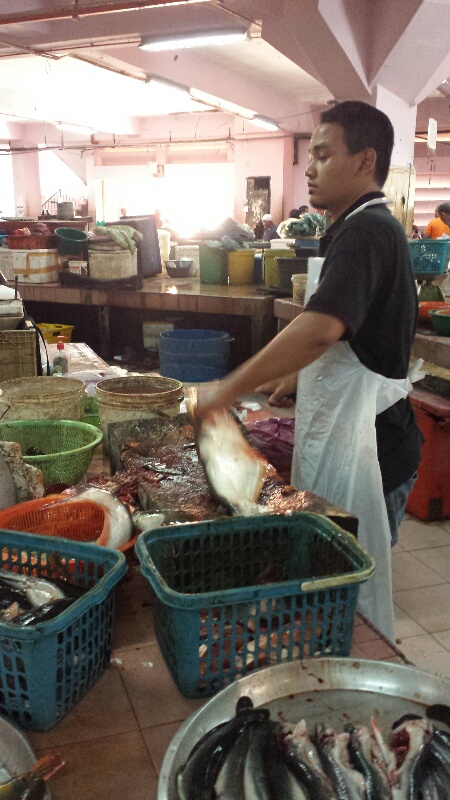
Inside Siti Khadijah market, one can notice plenty of patin fish.  Looks like a very common food fish in Kota Bharu much like the tilapia fish in Manila.

image

Cleaning several patin for a customer

Logical Place for a Tissue Box

image

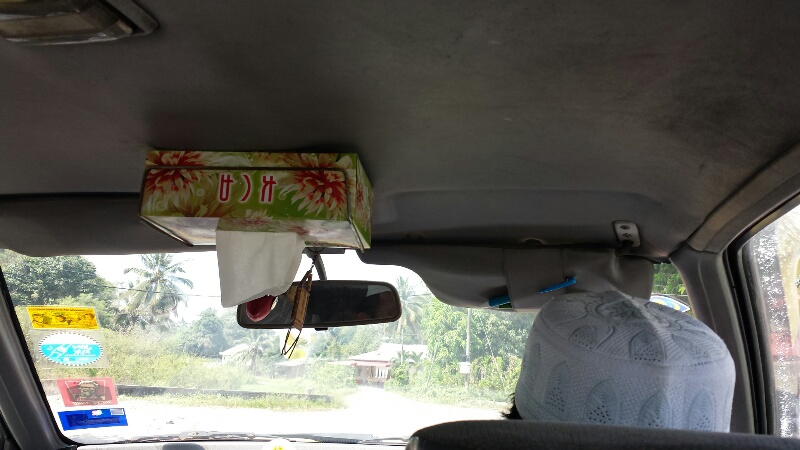
The most logical place for a pull-out tissue box for this taxi driver in Kota Bharu is on the ceiling, in an upside down mode. I must agree. It’s visible yet not obstructing both the driver and passengers’ view. Secure. Most importantly, it’s very convenient to reach out and pull down a piece of tissue rather than up.

River Waltz

image

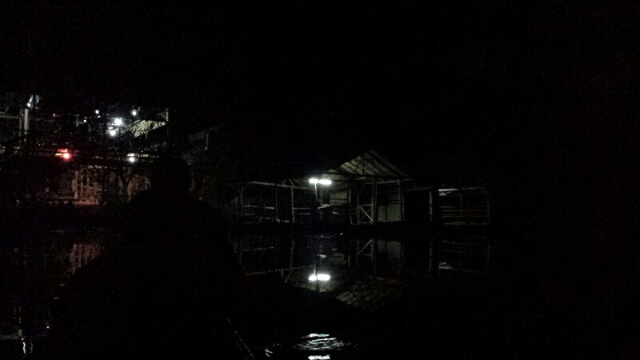
Approaching the jetty of our host as we end our river cruise

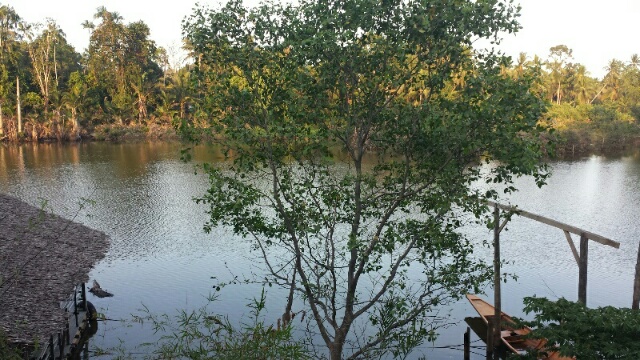
It was around 10:00 in the evening when we cruised the Pengkalan Datu River. There were no artificial lights seen along the way except from distant houses, from the torch of lone fisherman seen occasionally by the riverbank working on his net or trap, and from the headlights of the boat navigator. The water was so eerily still and quiet except for the sound of some huge fish jumping now and then.

image

We cruised that night on a boat just like this one

We were actually cruising deep in the night to see the fireflies. Those insects must be huge for I can see them flicker from distant trees and bushes as we ride along the river. Too bad the moon was very bright that the simultaneous flickering was not that spectacular. On the other hand, the full moon was perfect. It made the night so beautiful while we waltz along the river.

image

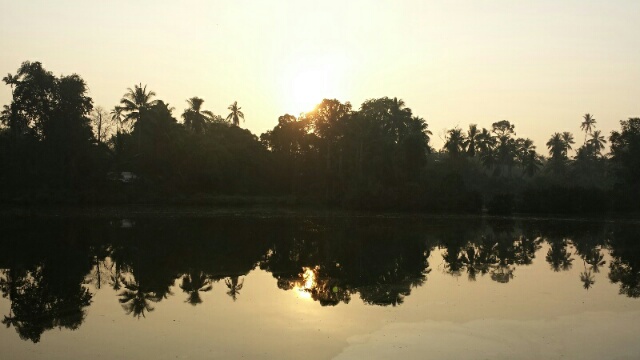
Pengkalan Datu River at sunset

image

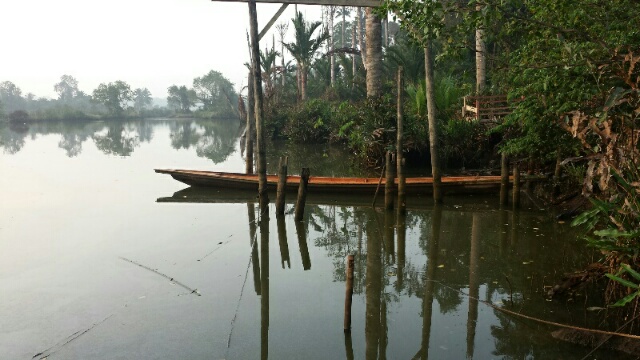
Pengkalan Datu River at sunrise

Modern Tradition

image

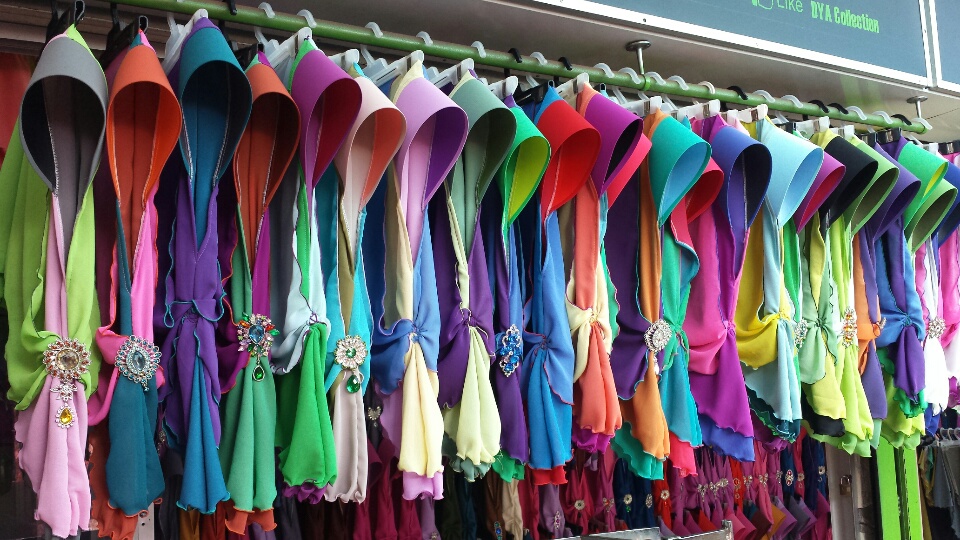
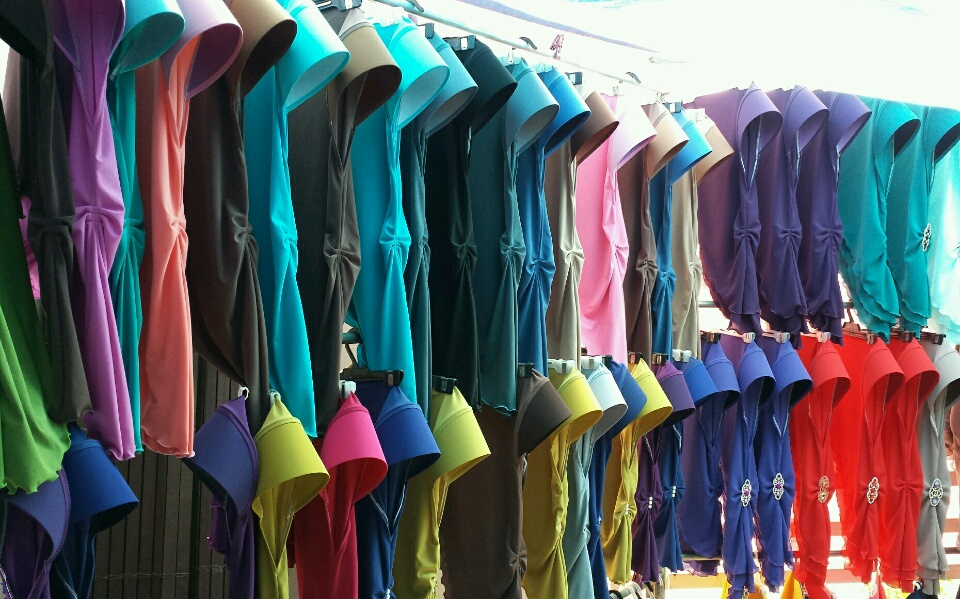
Ready-to-wear tudung with visor on display at a bazaar in Kota Bharu. Pins not needed, nor folding and adjustments when putting it on.  One can just quickly slip it on and off.  A modernize head cover for traditional purposes.

image

No GST

image

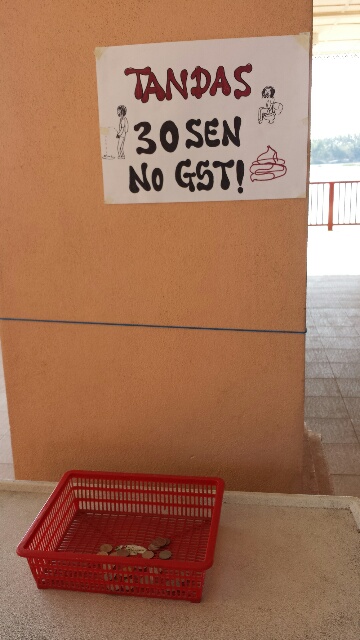
With all the fuss right now on Malaysia’s GST (Goods and Services Tax) which was implemented just last week (April 1, 2015), I find this toilet usage fee sign at the jetty for Kampung Laut in Kota Bharu quite funny.