Category Archives: Pilipinas

Well Bucketball

image

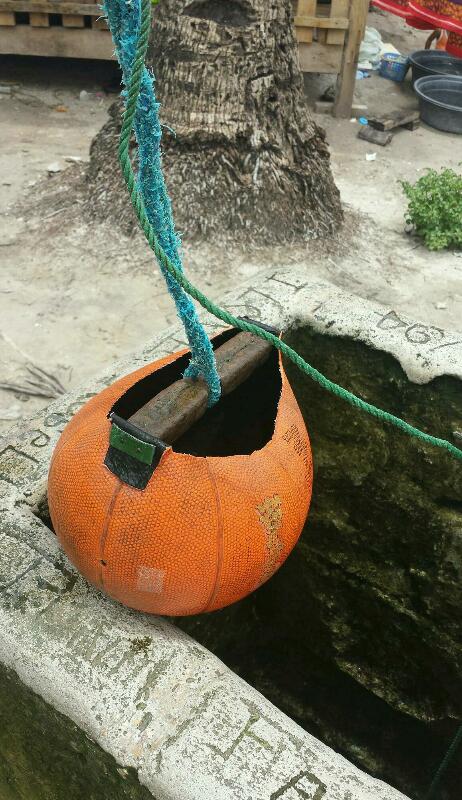
Well bucket from repurposed basketball ball

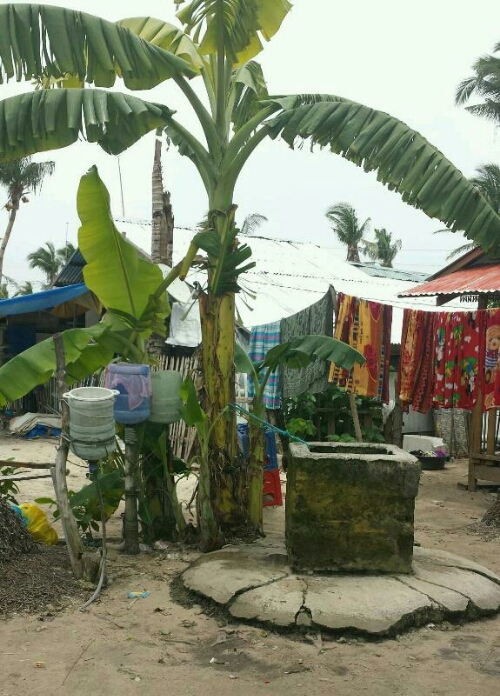
There is no drinking water source in Malapascua but there are several wells scattered in the island for household use.

image

At the left side of the well are three funnels for each pipeline of three separate houses

One can notice these makeshift pipelines with funnels beside each well as a way to bring manually fetched water using a bucket and rope system to the nearby houses.

image

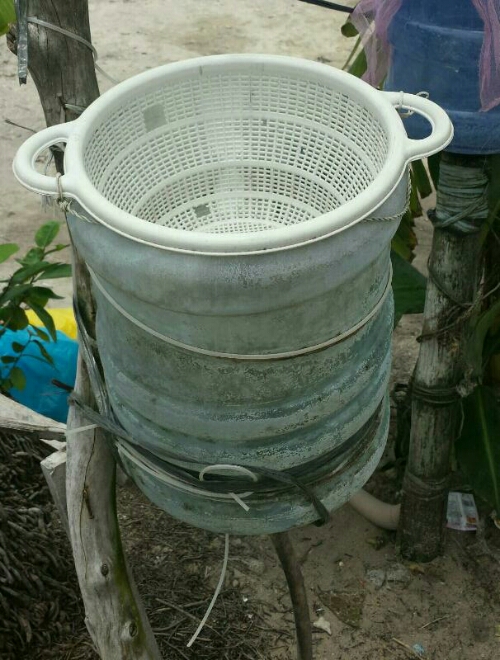
Plastic strainer for this 5-gallon water container repurposed as funnel

image

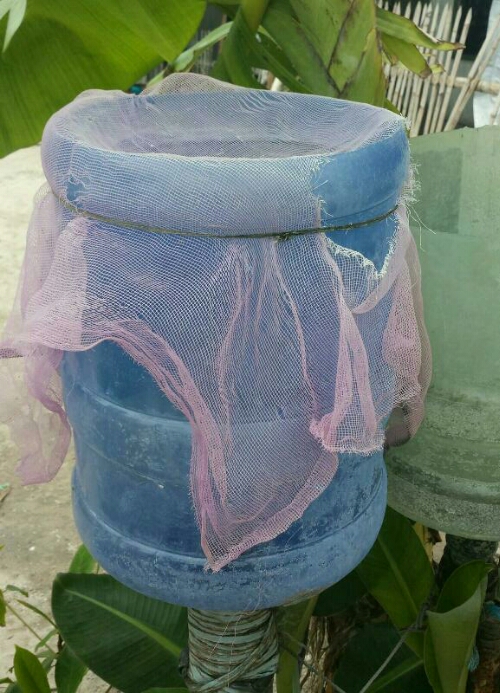
Net strainer

image

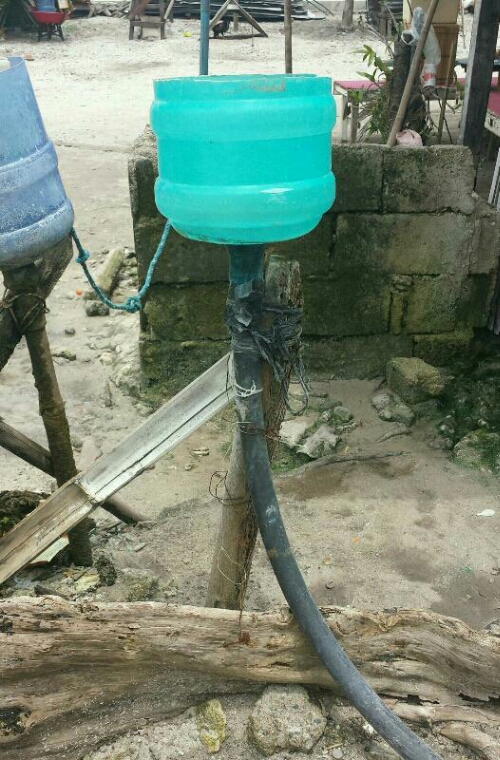
A closer look of the well water funnel and the attached pipe

image

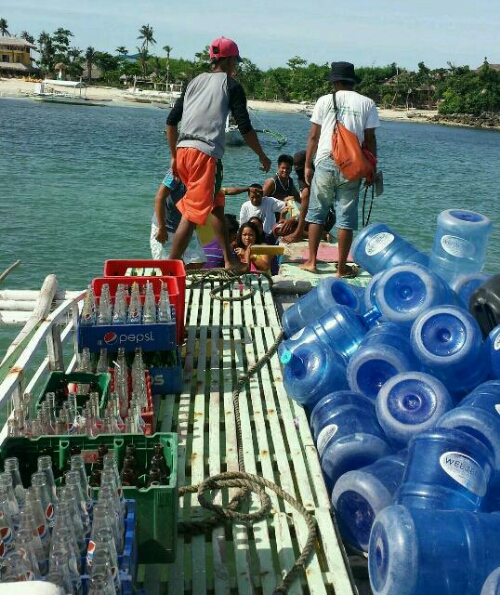
Empty 5-gallon drinking water containers off to be refilled at mainland Cebu

The Instant Jamu in Zambo

image

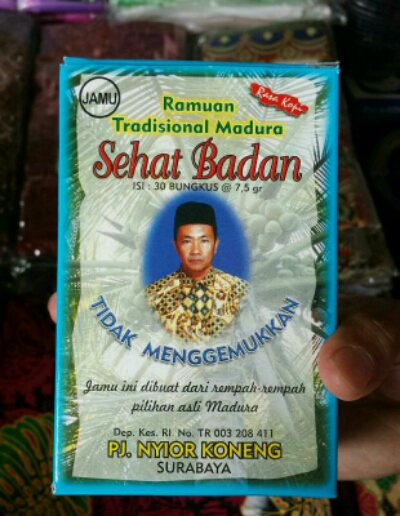
This medicinal drink tastes like coffee says the writings in red background at the upper right corner

At the barter centers in Zamboanga City, one can most likely notice the presence of this particular jamu. Jamu is a traditional Indonesian medicinal drink, a herbal concoction of whatnot. 

image

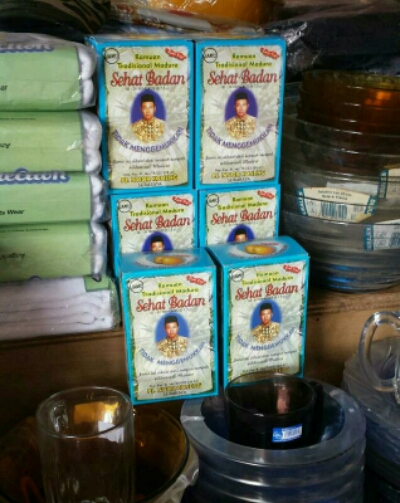
Jamu at the barter (and Duralex glassware)

From what I understand of the writings at the back of the carton, Sehat Badan treats varied ailments such as arthritis, asthma, heart disease and more. There is local demand said the Muslim lady tending the stall in the pictures, and she even ships this to a customer based in Leyte. I’ve seen plenty of jamu shops in Yogyakarta, and when I go back, I’ll document more about jamu (and Malay medicine in general). It seems fascinating.

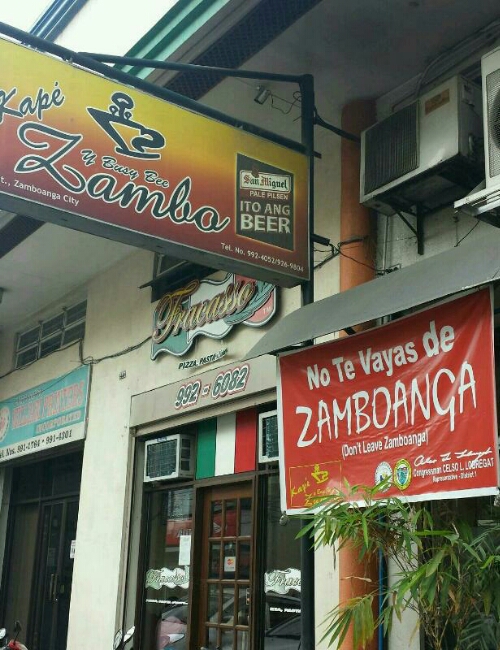
No Te Vayas de Zamboanga

image

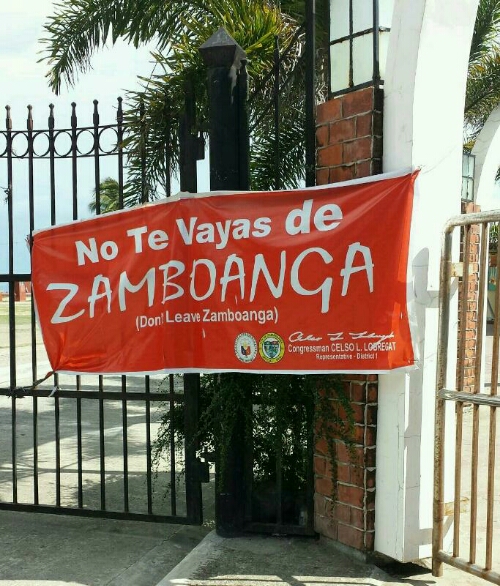
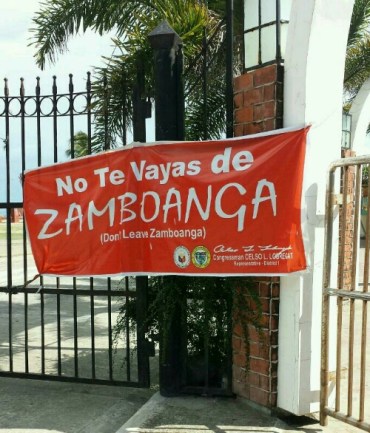
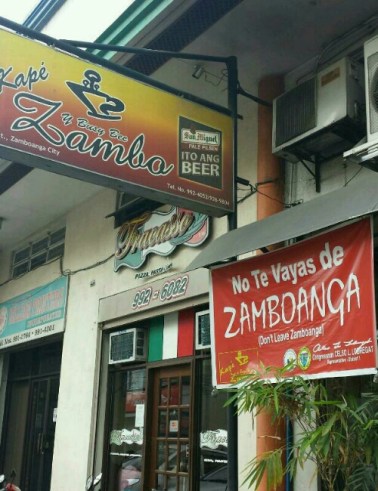
Don’t leave Zamboanga campaign banner in chavacano is posted all over the city, mostly in public places, and I’ve seen a couple at the rear side of a tricycle. Jun, a gracious host and a Christian local says residents are in exodus. He mentioned about the unsolved crimes, and I listened to his tales about the 2013 MNLF siege such as how they brought food to the displaced residents, how they can’t still use the sports complex as the grandstand became a shelter for evacuees, thus he runs at the Pasonanca Park instead. Through him,  I actually saw the displaced residents at the sea boulevard, and even “toured” the “ground zero” with all those burned down houses and structures ruined by bullets. With his tales, it’s not surprising that plenty have opted to relocate in order to live in a consistently secure place.
image

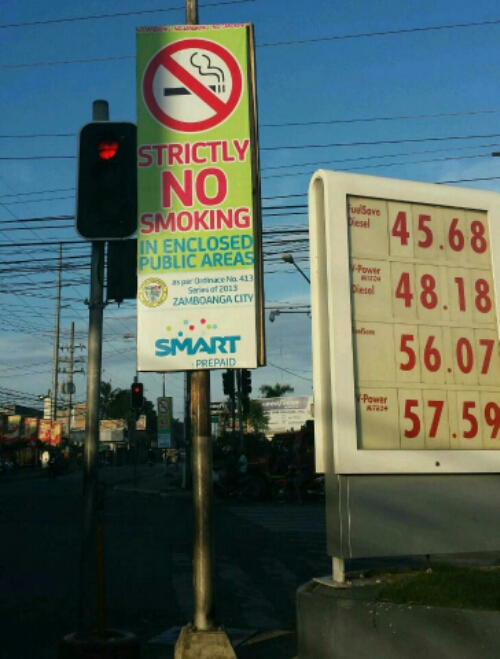
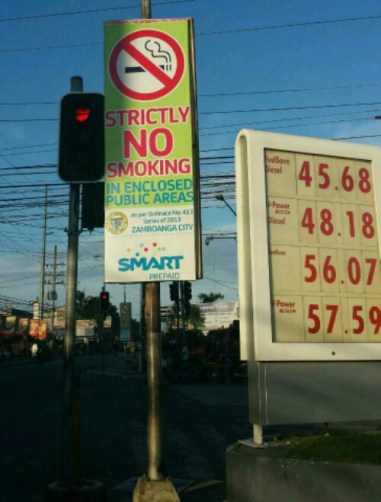
More often than not, the everyday life is peaceful. The vendors I’ve noticed don’t force you to buy their goods or even suggest that you buy a bit more.  Ironically, in other places I’ve visited, the more touristy it is, the more badgering you’ll encounter.  Even the beggars in Zamboanga City are not insistent. I also love the fact that there is local law against smoking in public places. It really looks like the local government is exerting some effort to maintain control, peace, and order, and with this, I feel they are also hoping for some understanding from the residents, hence the plea No Te Vayas de Zamboanga.
image

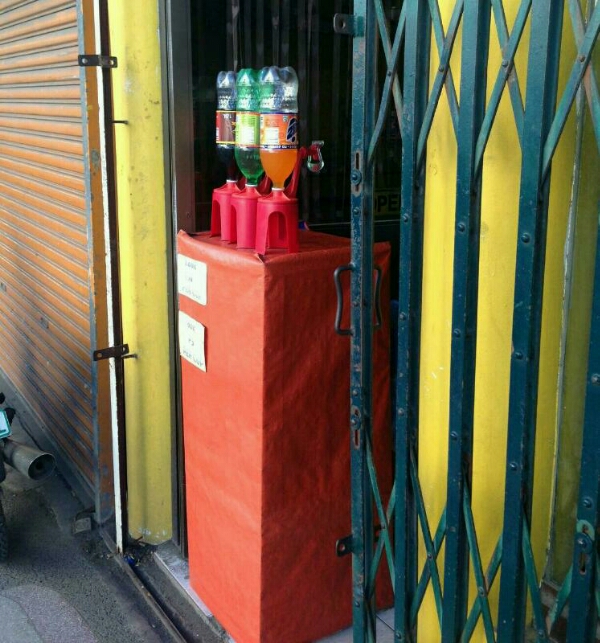
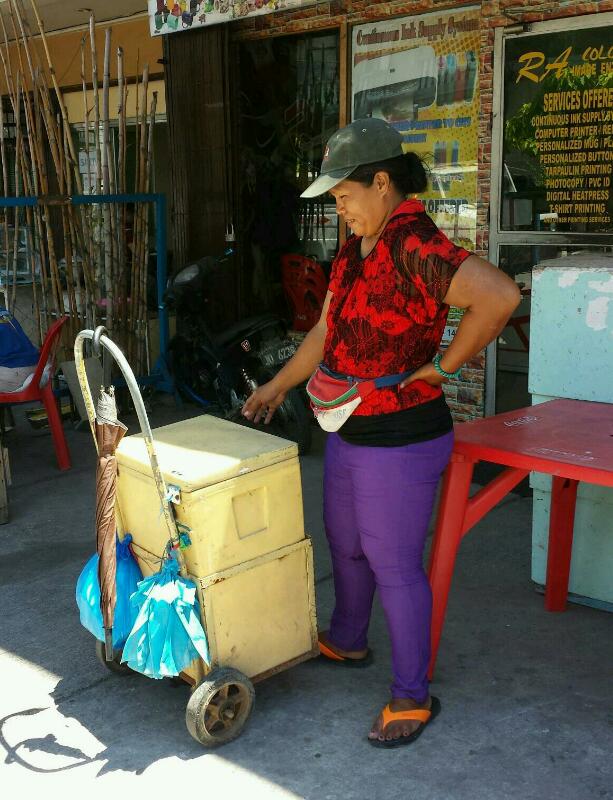
Microretailing Soft Drinks

Zamboangueña Yakult Lady

Señor Pagi Vendor

image

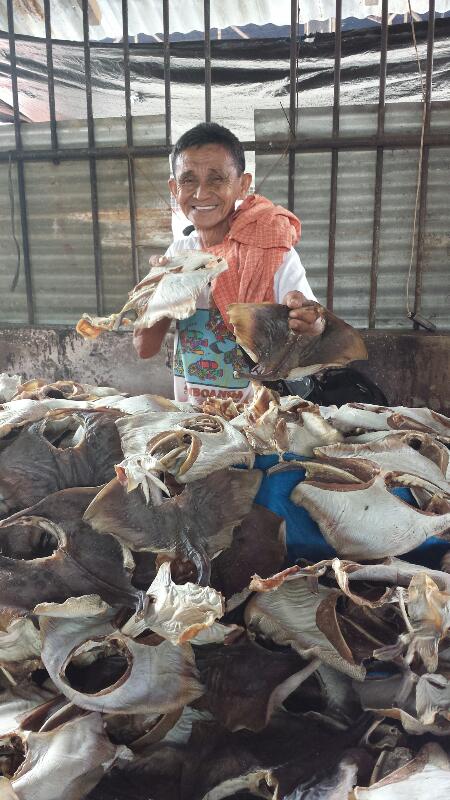
This señor is selling dried pagi (stingray) at Zamboanga City public market

Upon seeing me taking snapshots of his rays, he funnily posed. This señor and the rest of them palengke folks love to have their photographs taken. This is what I’ve observed with palengke vendors anyplace, and so I oblige each time, and they were giggly happy afterwards. I never tried to ask a vendor to pose for me, they just do it, and they’ve consistently amused me.

image

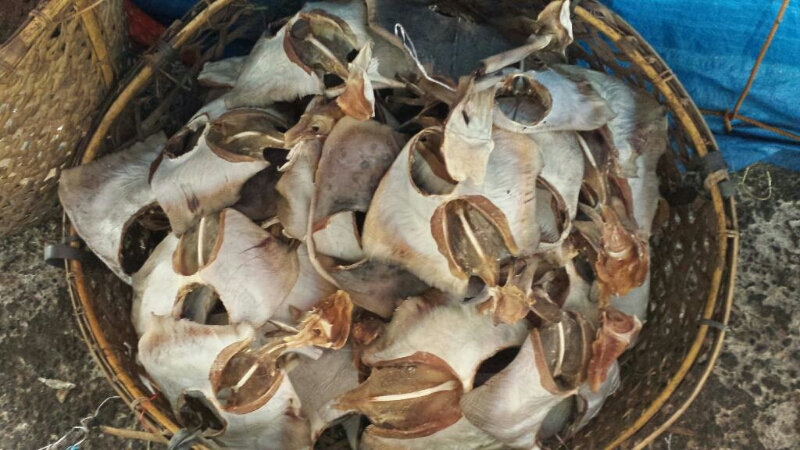
Señor's stock of dried pagi in the bamboo basket

More often than not, this sort of welcoming atmosphere gives me a chance for some cordial exchange in bisaya dialect. That’s how I usually acquire firsthand local knowledge of their trade.

Zambo Public Beach

image

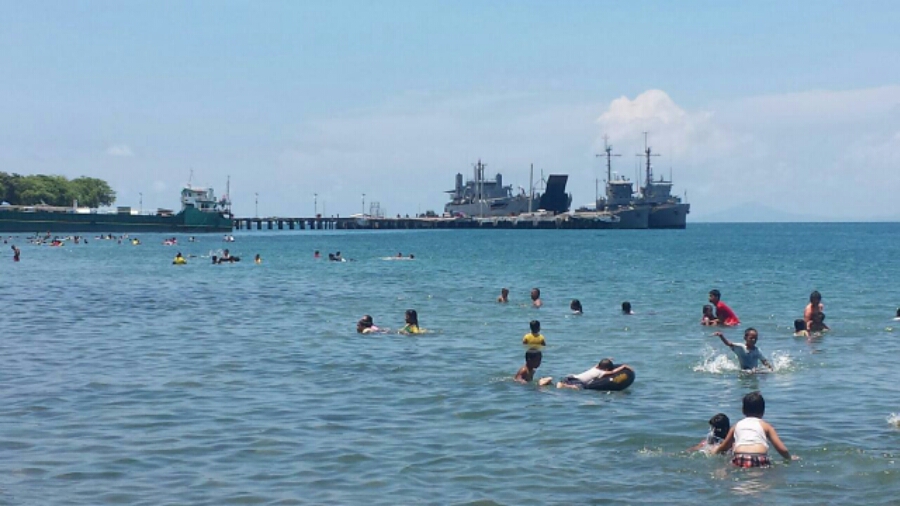
That's the Naval Forces Western Mindanao in the background

It’s a Sunday and locals trooped to this beach beside the Naval Forces Western Mindanao HQ. There were thousands of people in the beach today, including those from a high school grand homecoming group where one can see banners of different batches in different huts from 60’s to present scattered all over the beach.

image

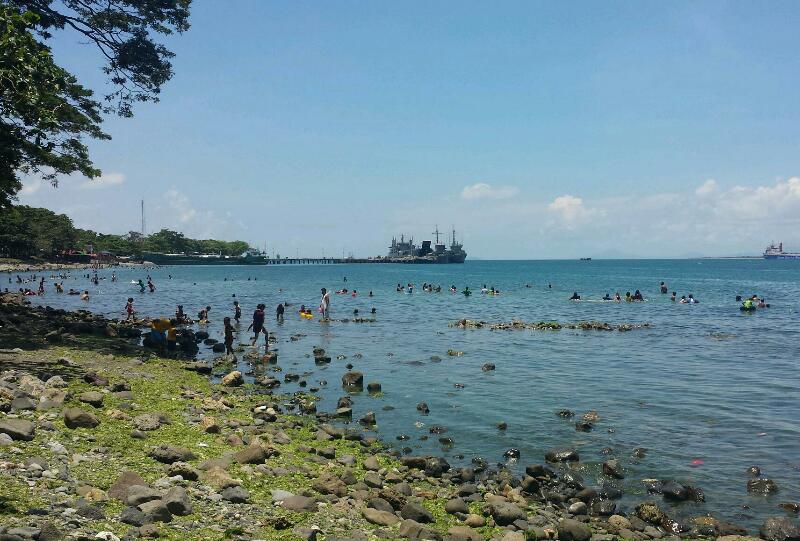
Rocky at the shore but sandy a few meters past it. I went in for an uncomplicated fun of soaking in the waters of Basilan Strait

This government managed beach seems a favorite picnic place of the residents.There were other beaches farther from the city but due to the red alert status, locals don’t venture far. Generally, it has been peaceful here even on the day I arrived where the city was on a triple red alert status.

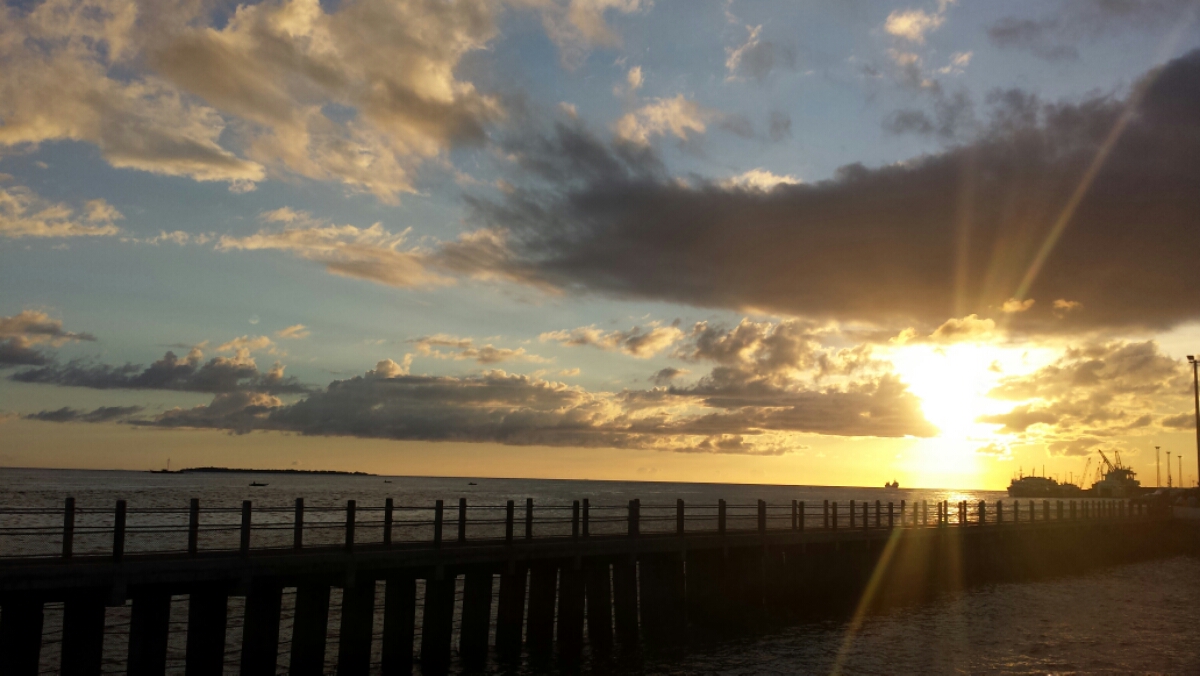
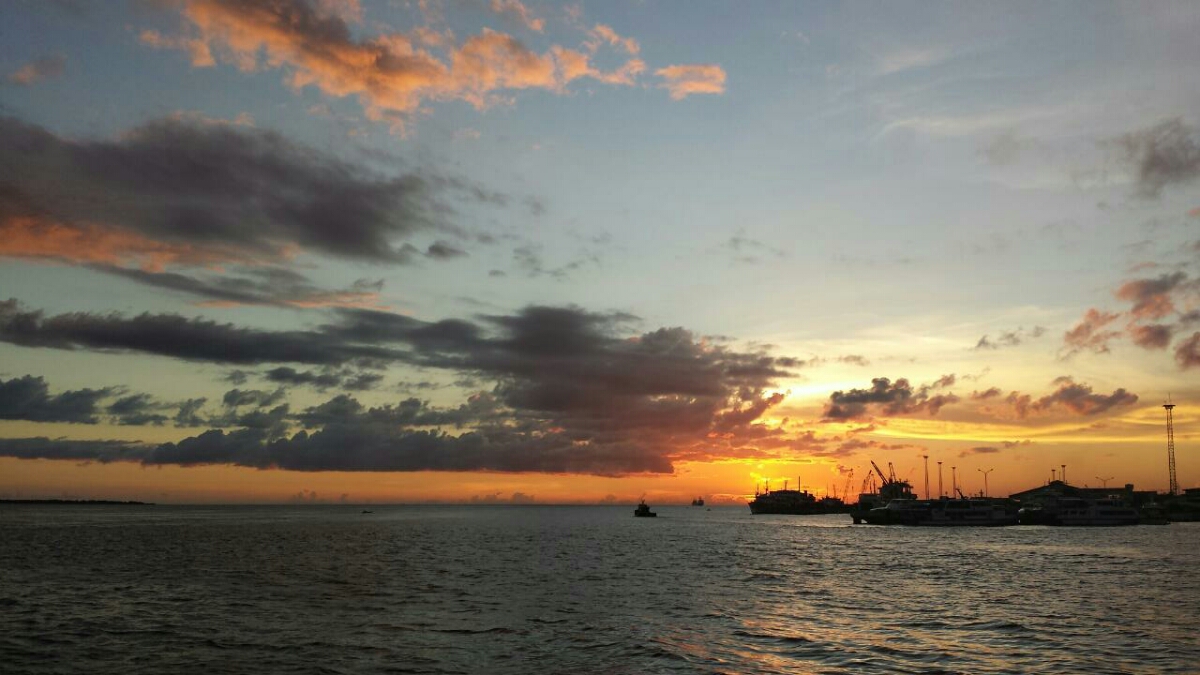
Basilan Strait Sunset

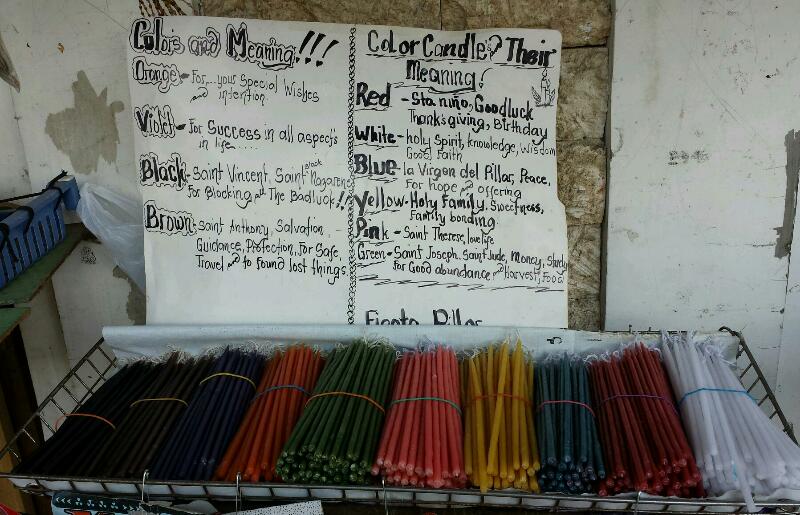
Prayer Requests Via Multicolored Candles

Snapshots: Ciudad de Zamboanga

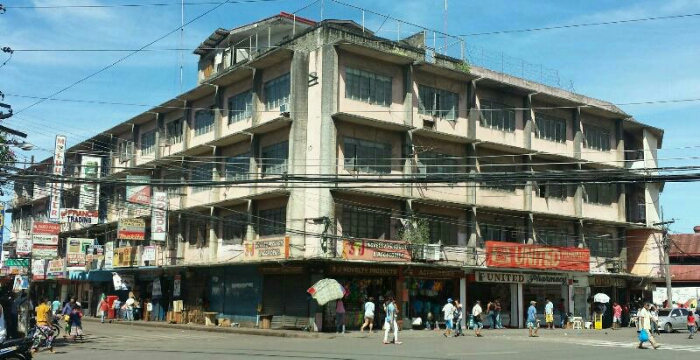
Some snapshots of the structures in Zamboanga City.

image

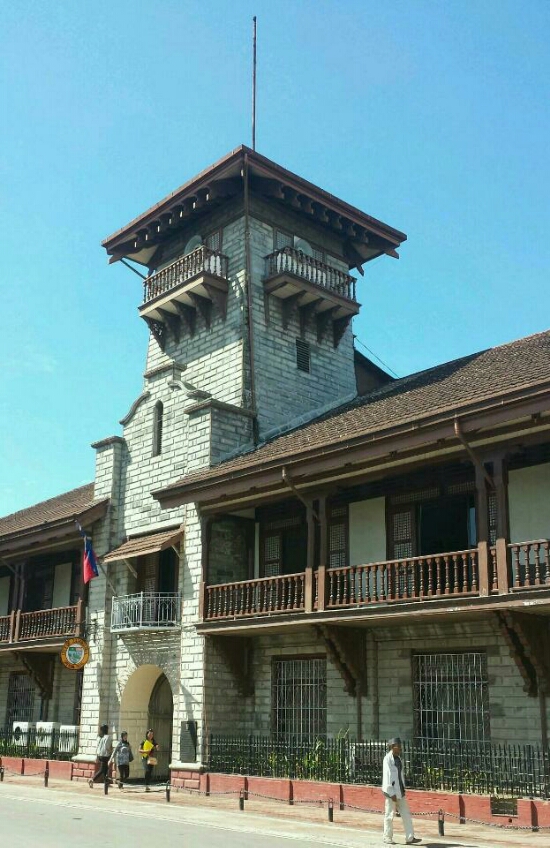
Local government building with watchtower

image

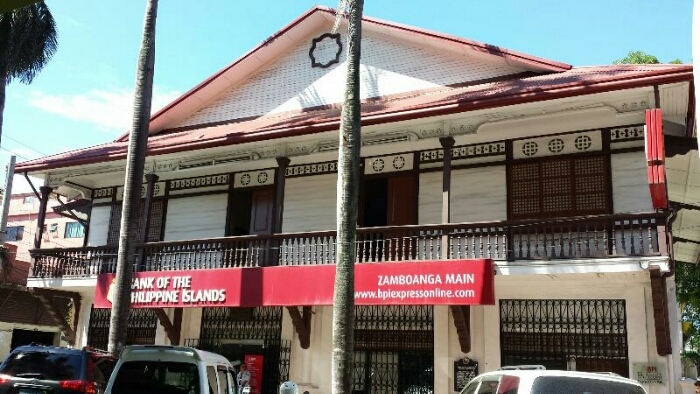
The most good looking BPI in the country

image

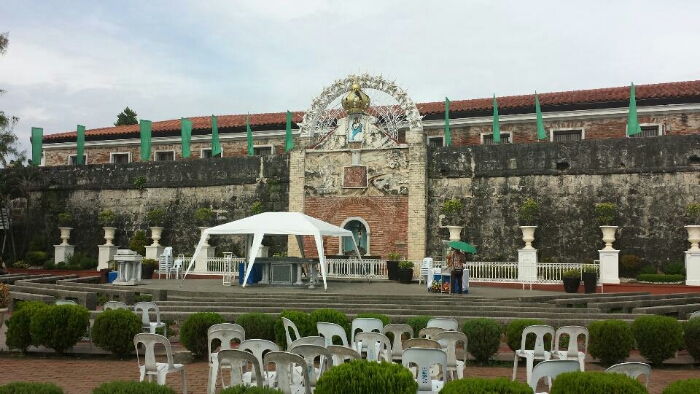
Fort Pilar: A very sacred fort worshipped by locals. Apparently there was an apparition here

image

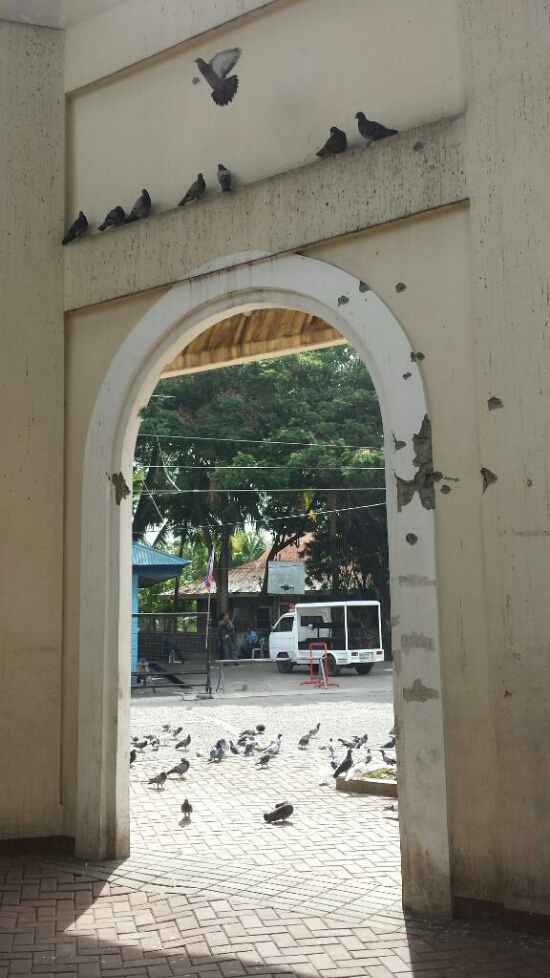
Bullet holes from the urban warfare last year and doves near Fort Pilar

image

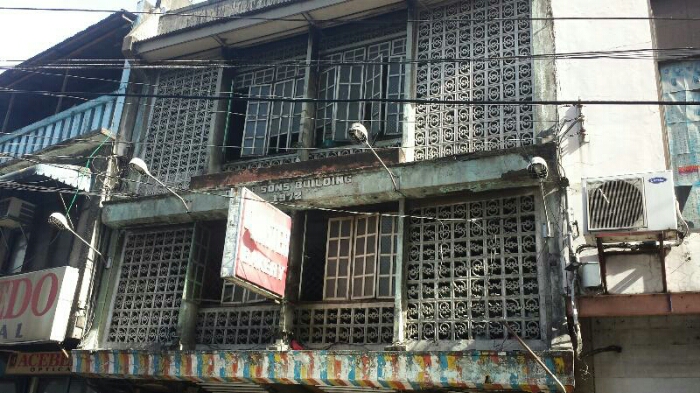
Concrete ventilation design. There is beauty in decay

image

Near the mercado (palengke)

image

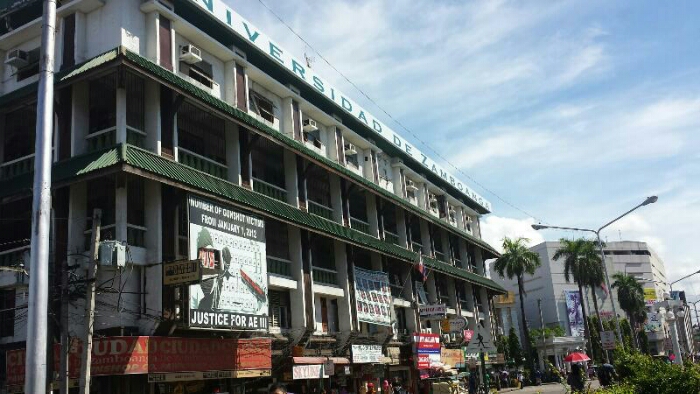
Universidad de Zamboanga

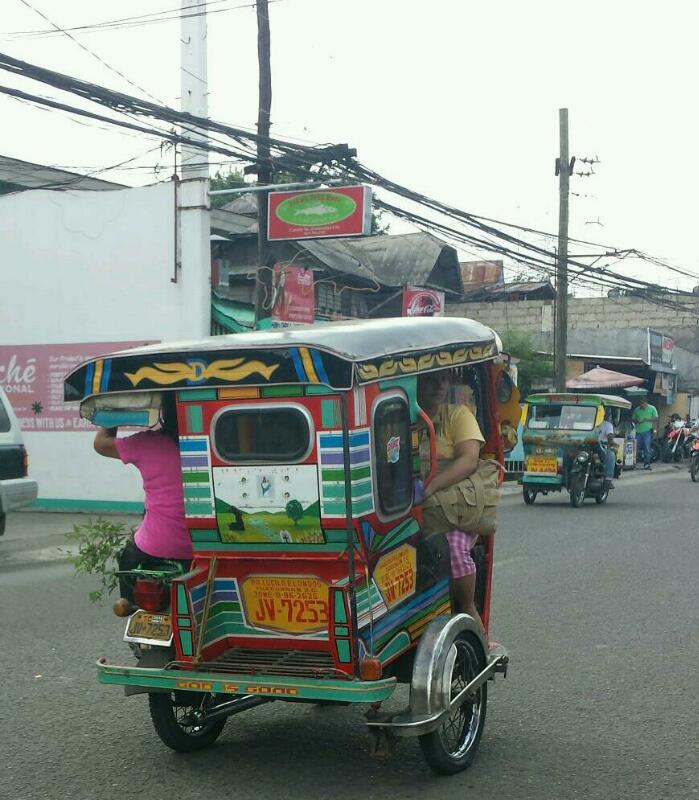
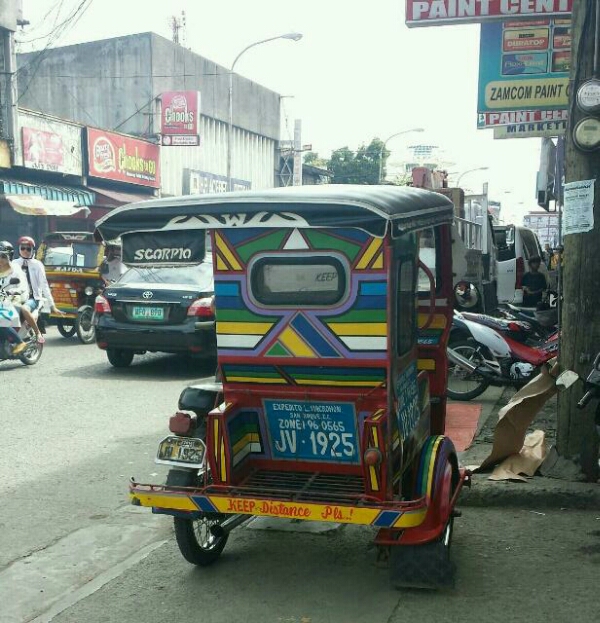
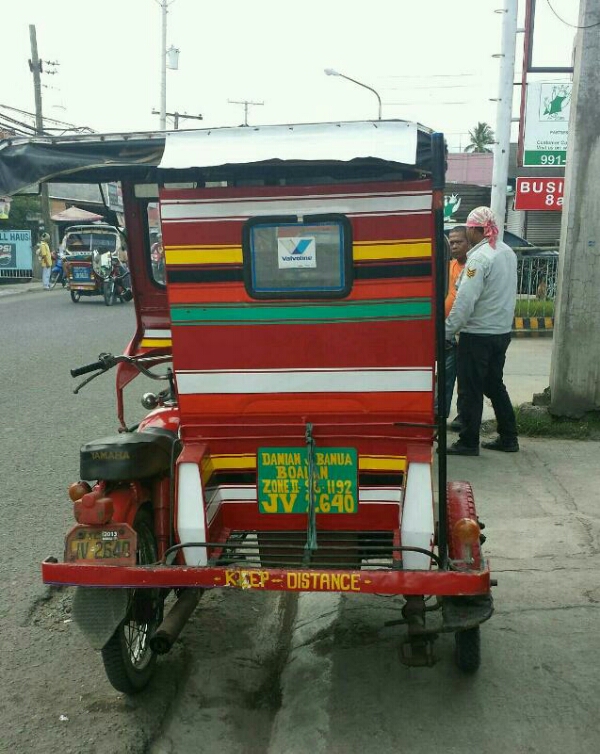
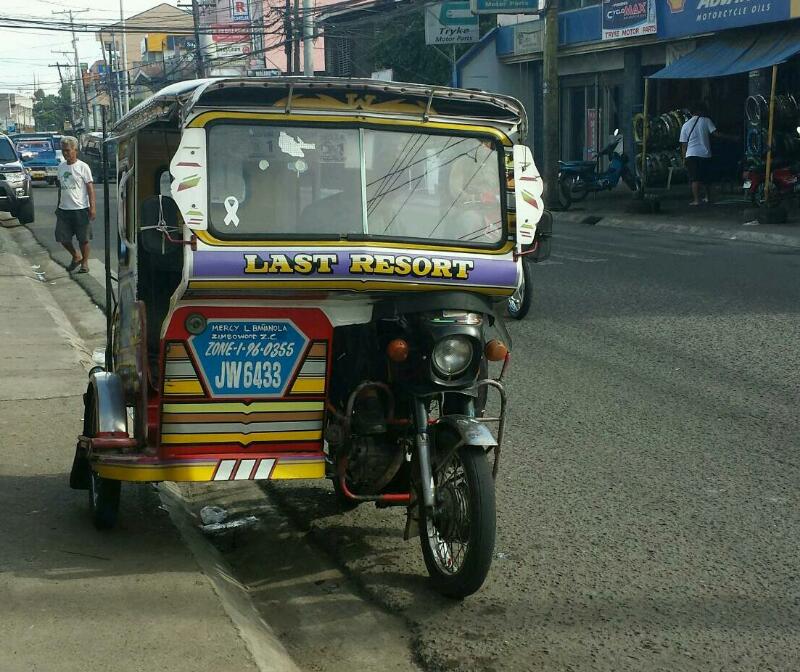
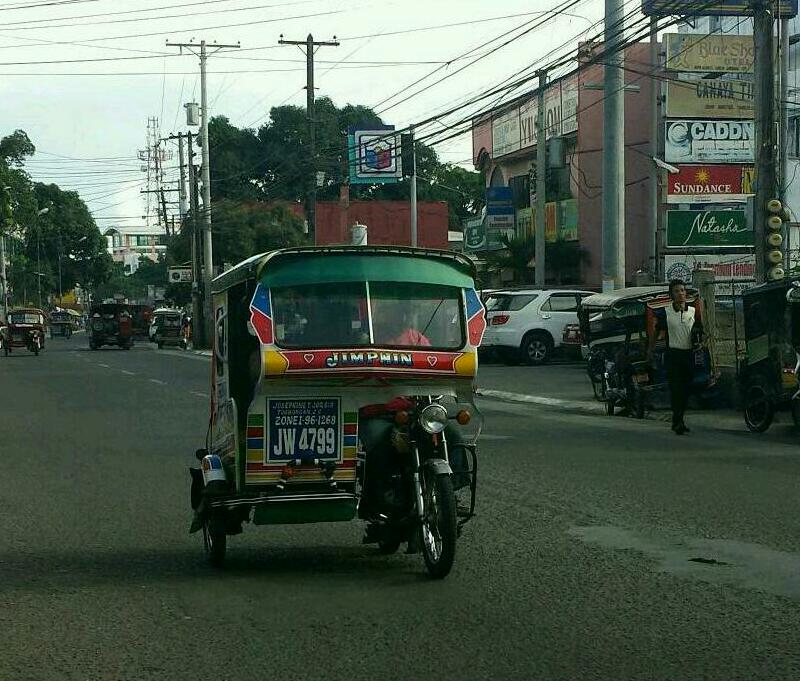
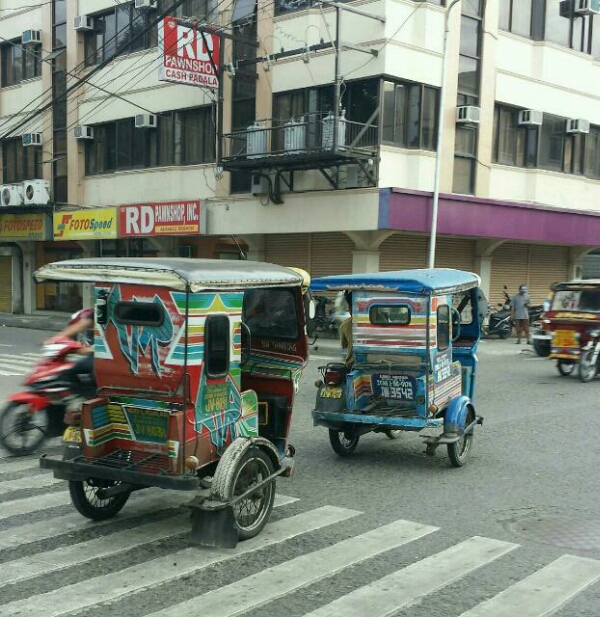
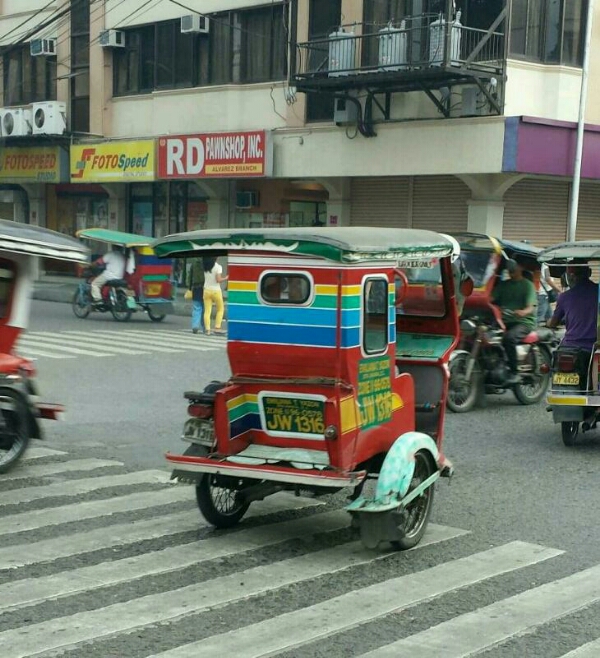
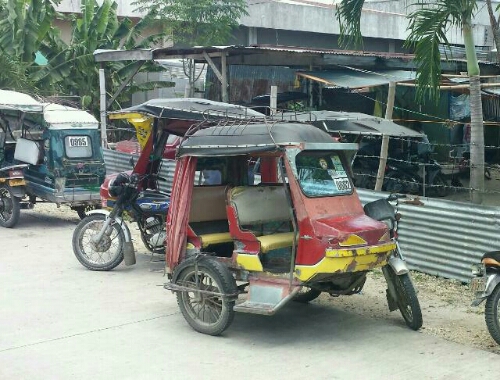
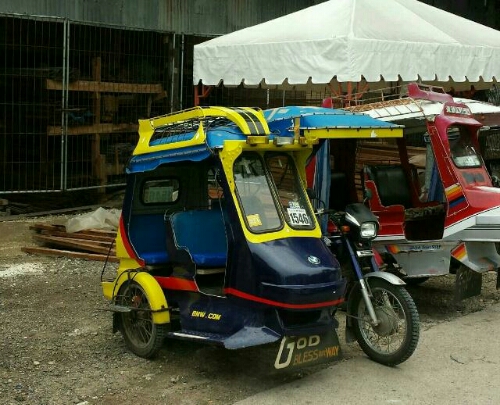
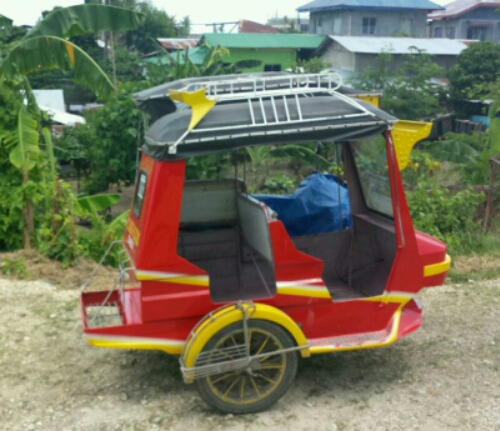
Technicolor Striped Tricycles

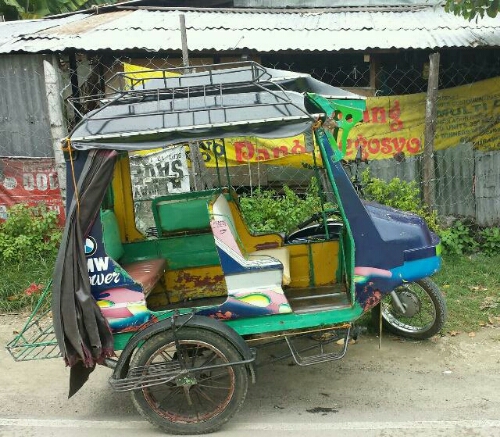
The tricycles of Zamboanga City are as colorful as their vintas.

image

Rear view looks better than front view

image

image

Reminds me of 7-Eleven

image

Front view

image

image

image

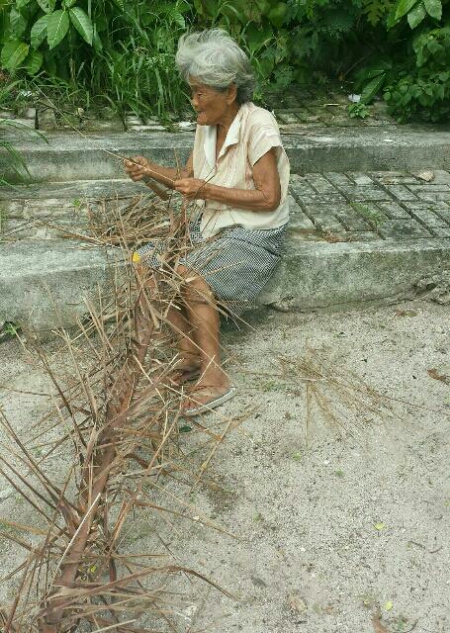
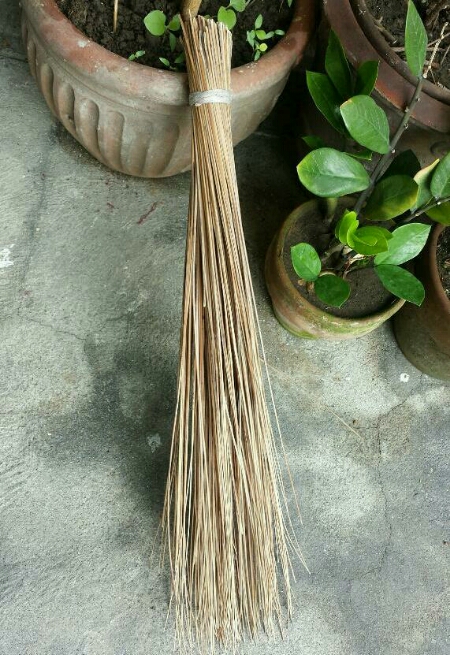
Walis Tingting

image

Mundane life in the island

This old lady repetitively scrape each leaflet from its rib that came from a fallen dead coconut frond, then she’d set aside each stick on the ground for her to bind all of those together to form walis tingting.

image

A broom out of sticks aka walis tingting

Buriring Season

image

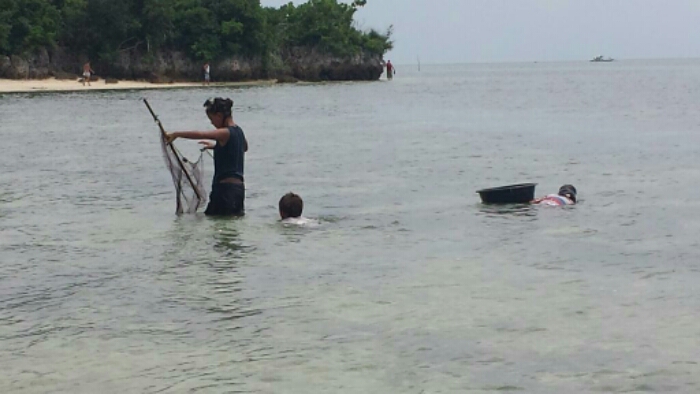
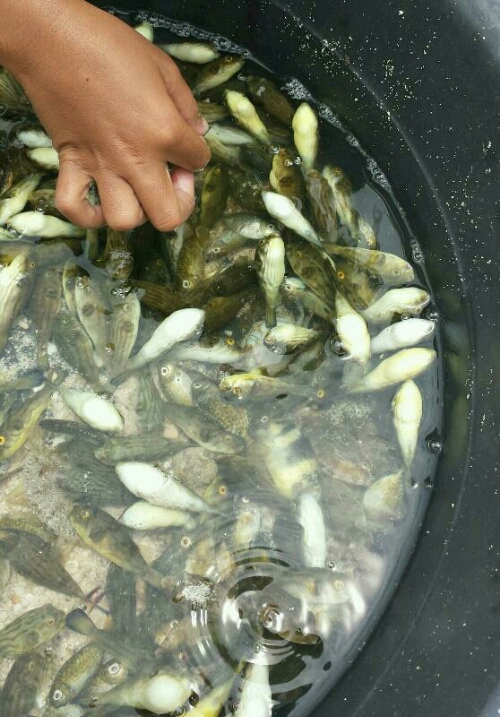
The defense mechanism of buriring is to inflate but the container is too small for everyone to puff up

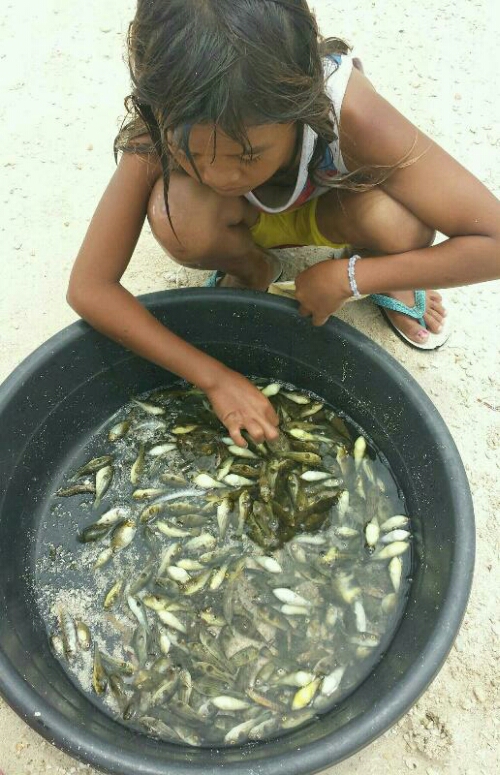
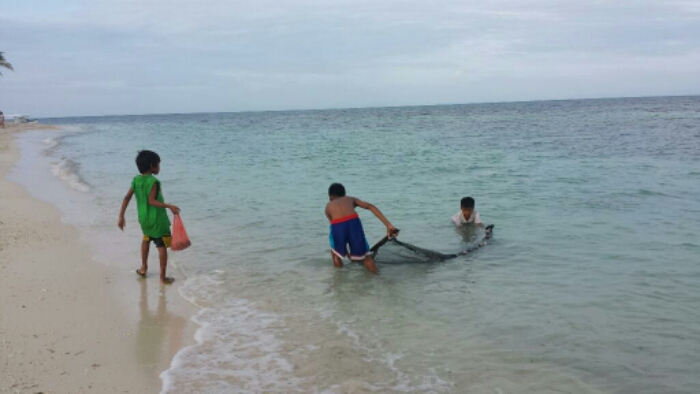
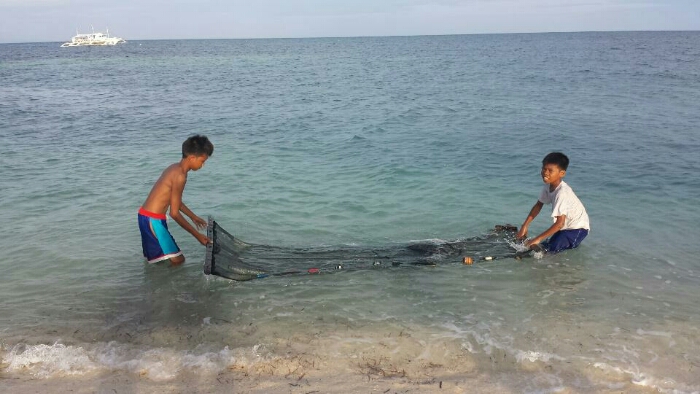
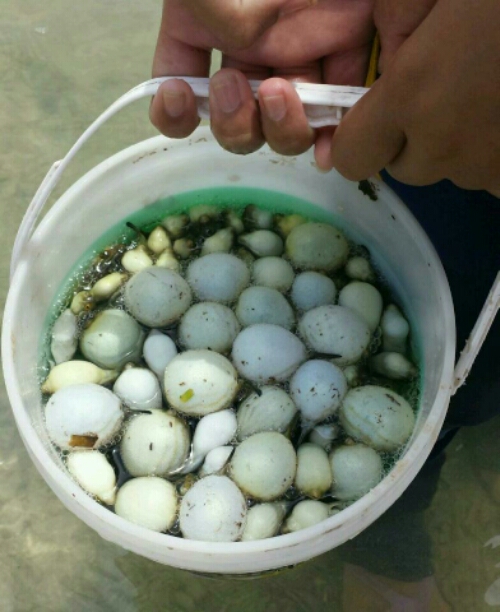
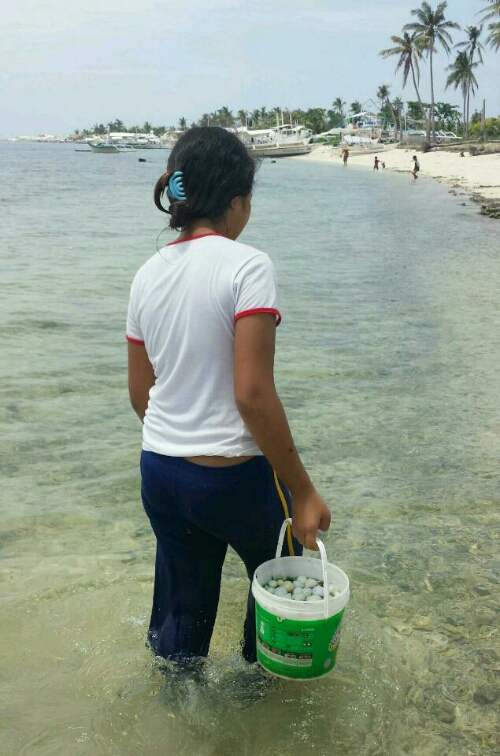
When I was in Malapascua Island at the end of July until early days of August, I came upon residents gathering buriring (pufferfish) just near the shore of the beach. This small edible species is being fished for local consumption.

image

Her dinner probably

image

A tub for the catch

image

A closer look of buriring in its normal size

image

Keeping it alive, keeping it fresh

image

Buriring fishing instead of playing or schooling

image

Packing-up time for mission was accomplished - dinner procurement

image

A shopping bag-full of catch

image

Bloated yet truly cute

A Table of Binignit Ingredients

image

A table of binignit ingredients seen in Carbon Market, Cebu City. They are even retailing the vanilla flavoring (near a bunch of plantain)

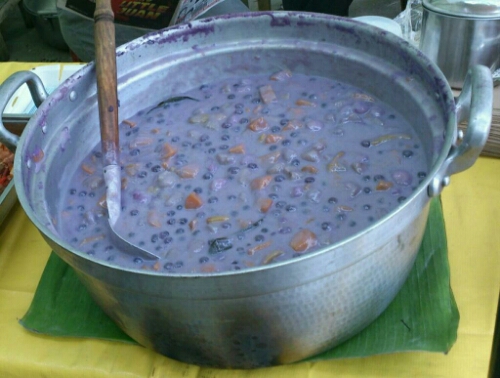
Binignit is the Cebuano variation of ginataang halohalo. A sweet mixture of root crops such as sweet potato and yam, also plantain, sago, landang, jackfruit and rice balls stewed in coconut milk.

image

Closer look of the sago. Food color makes binignit visually appealing

image

Landang for a thick and filling binignit

image

Binignit

Coco Bamboo Seating

Two Row Seating Tricycles

The Making of Puto Maya

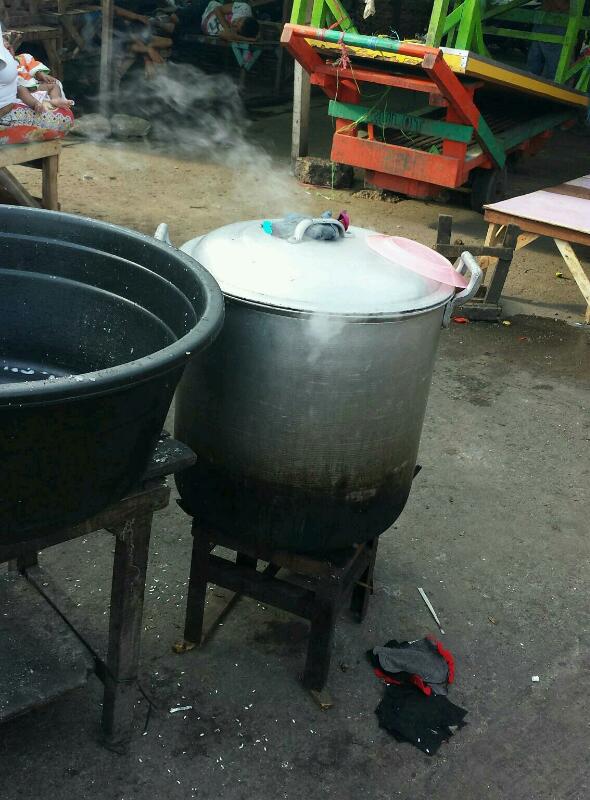
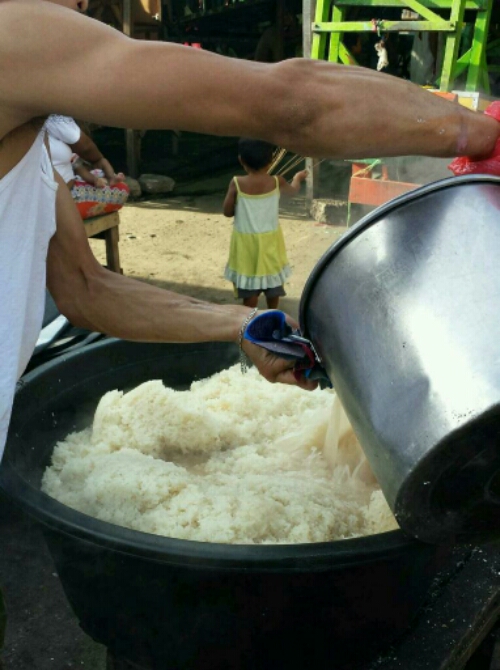
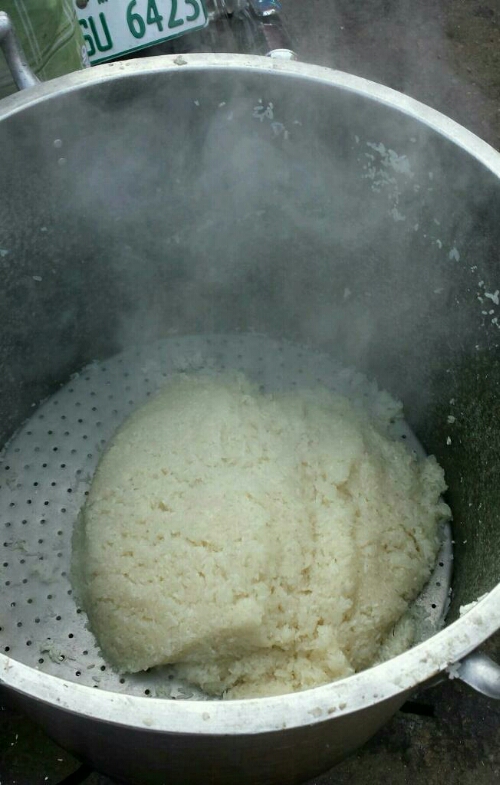
I chanced upon this guy steaming glutinous rice and about to make puto maya in Carbon Market. Here’s a photo narration in the right sequence of this guy’s method in making puto maya.
image

Steam the glutinous rice (bugas pilit) al dente in the caldero

image

In a sando plastic bag covered hand, use plastic plate to transfer the steamed pilit into a tub

image

Prepare a mixture of coconut milk (gata) and sugar with salt

image

Pour the gata onto the cooked pilit

image

Mix well the gata with the cooked pilit using the versatile plastic plate

image

Put the well mixed pilit back in the caldero

image

After putting everything back, steam again until fully cooked. From what I gather from the guy’s conversation with another person, this puto maya was ordered for a wake
image

A jolly puto maya vendor in Carbon Market. Another type of glutinous rice for this one known locally as tapol. My favorite

image

Got some puto maya from the jolly vendor

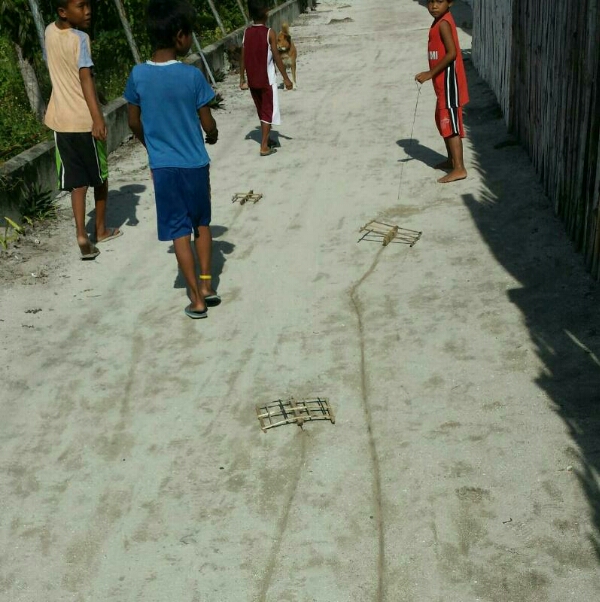
Scrap Wood Boat Toys

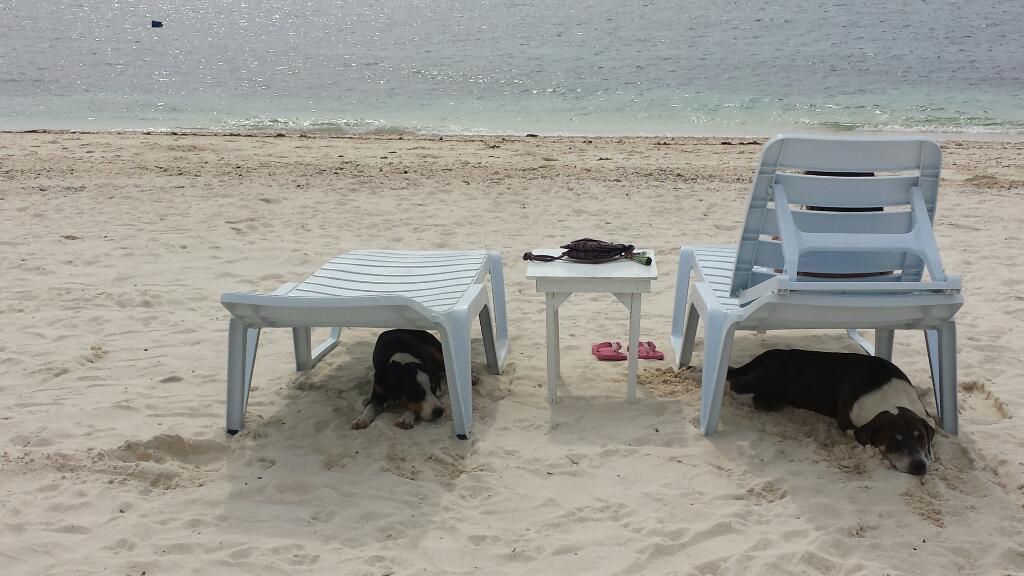
Of Canine and Sunning

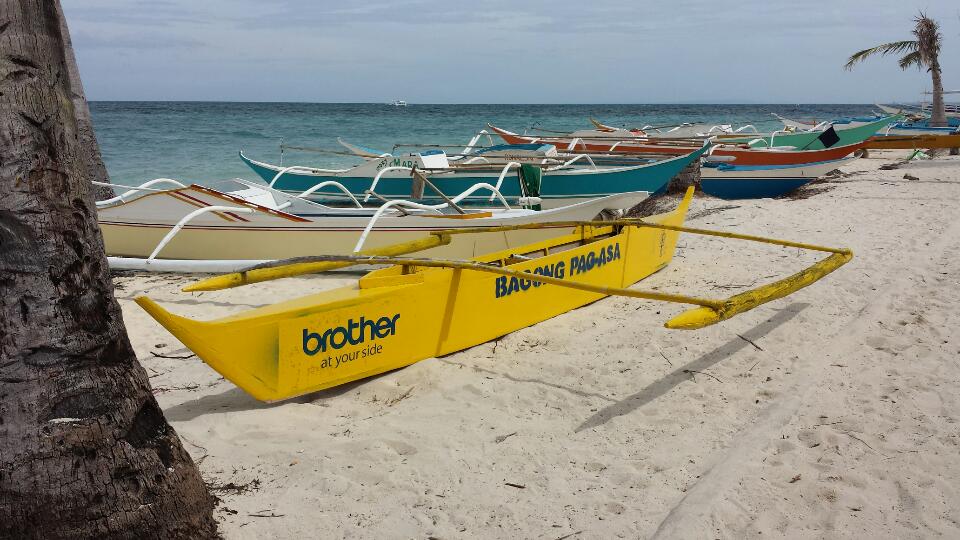
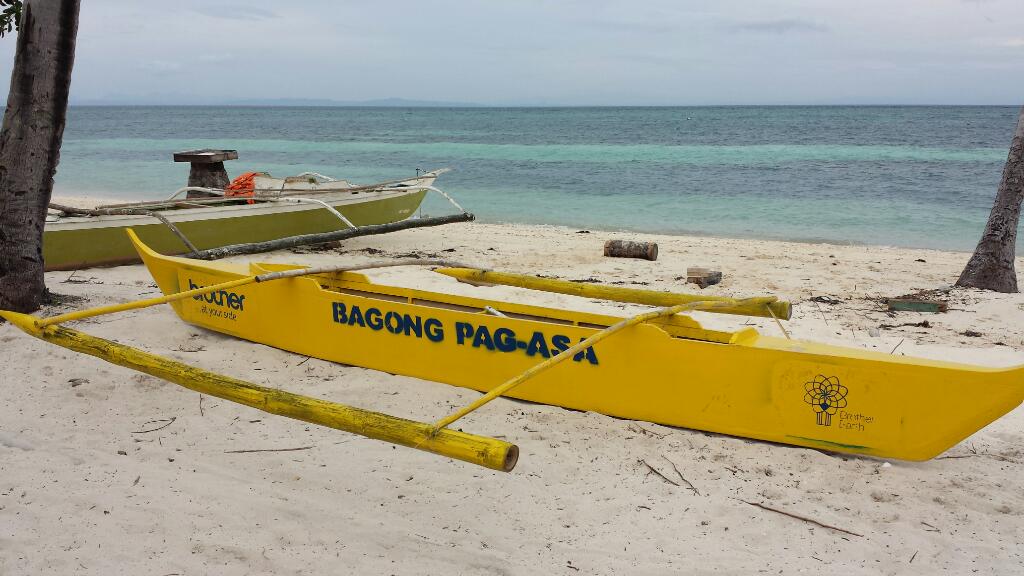
Bagong Pag-asa

image

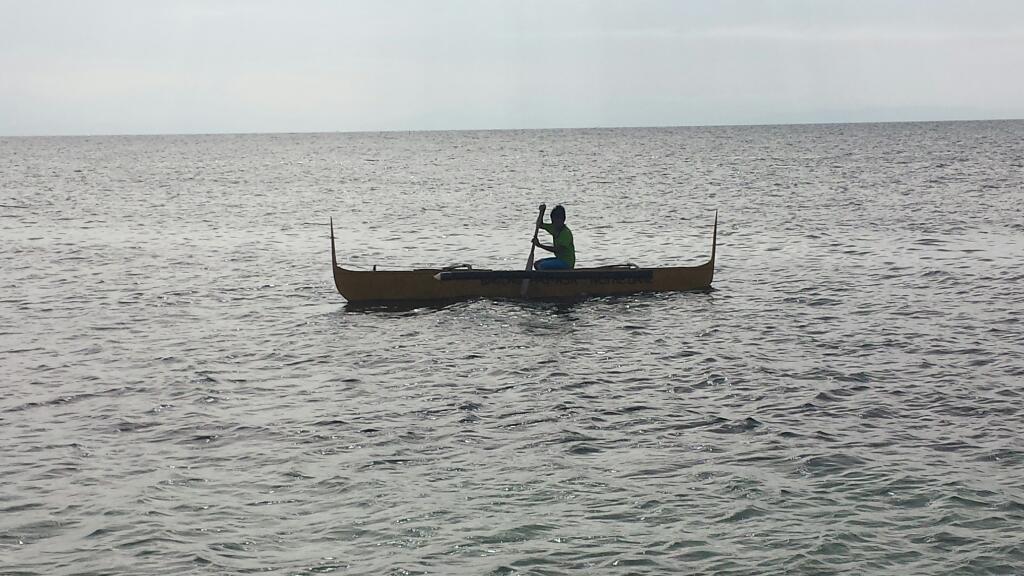
Almost all boats in Malapascua were destroyed by typhoon Yolanda says Mike, a German who runs a resort in the island. In the present, one can notice plenty of yellow bancas around the island. These yellow boats called Bagong Pag-asa (translated as New Hope) were donated by entities all over the world to help in the livelihood rebuilding of affected residents.

image

image

image

image

image

image

image

image

image

New hope...