Category Archives: Public Transportation

Jeepney Spare Tyre

image

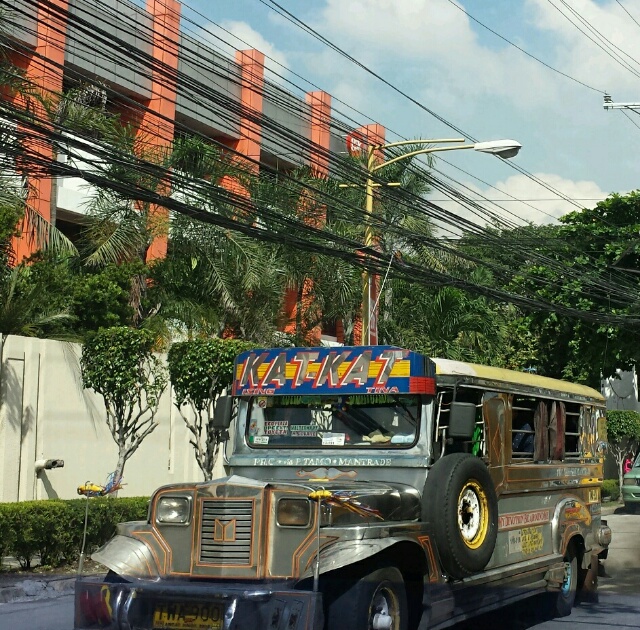
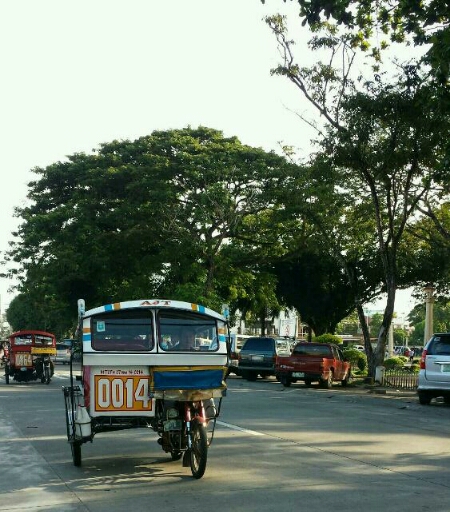
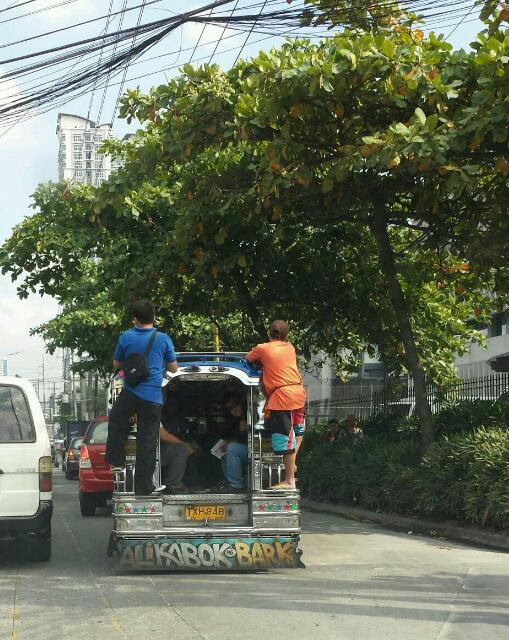
Jeepney drivers must be acrobatically inclined. Apart from the ability to drive defensively in one hand while the other hand is collecting fare, a jeepney driver can apparently go in and out with ease. One could see that the driver’s door is significantly blocked by a spare tyre. And yes, that’s the standard location for the spare.

image

Driving tip: Distancia amigo, your side mirror will never be up against that spare tyre.

image

Benguet Jeepneys

image

Reminds me of John Denver

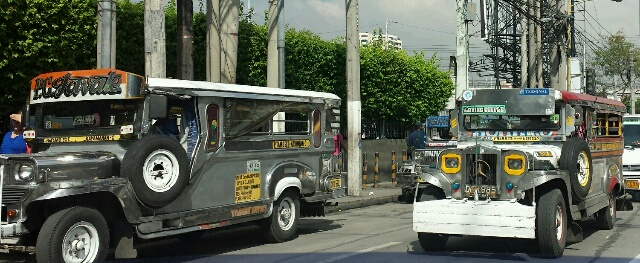
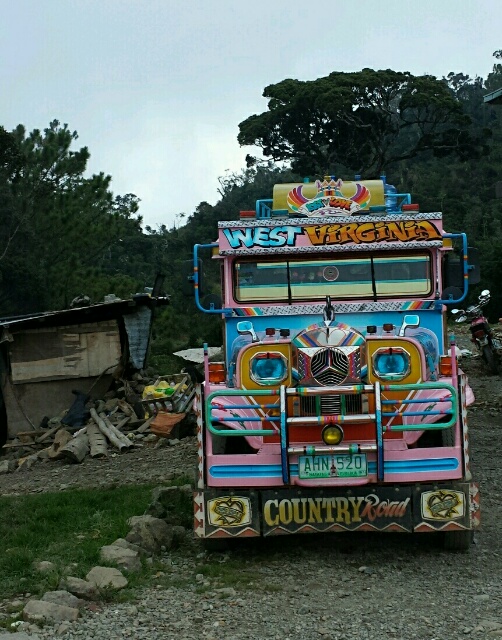
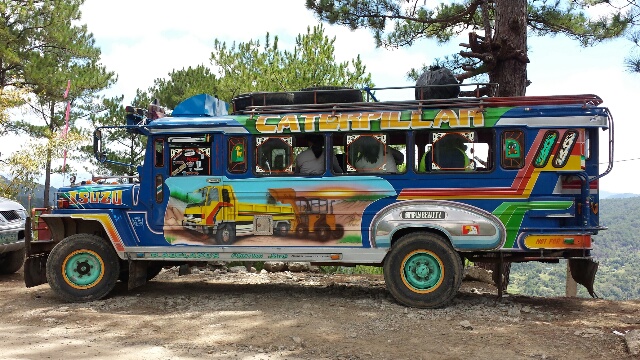
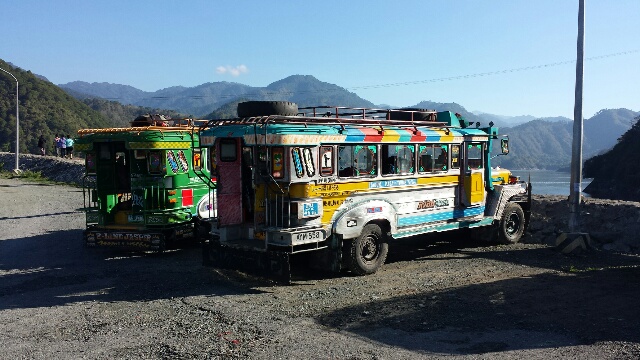
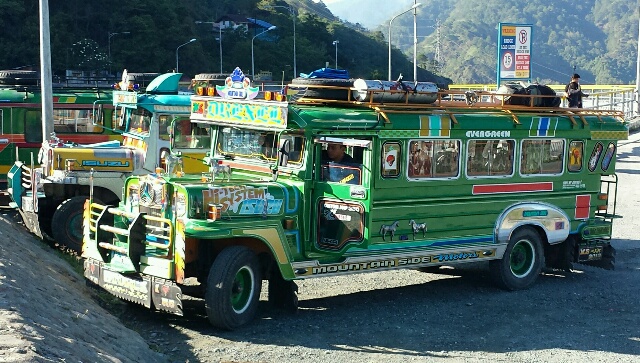
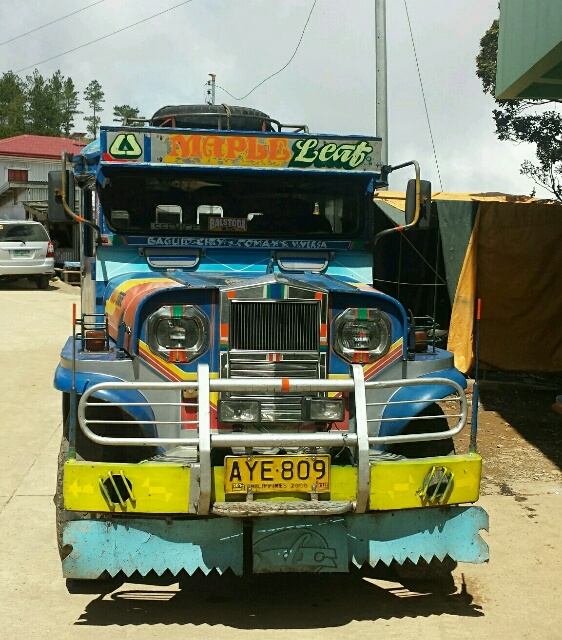
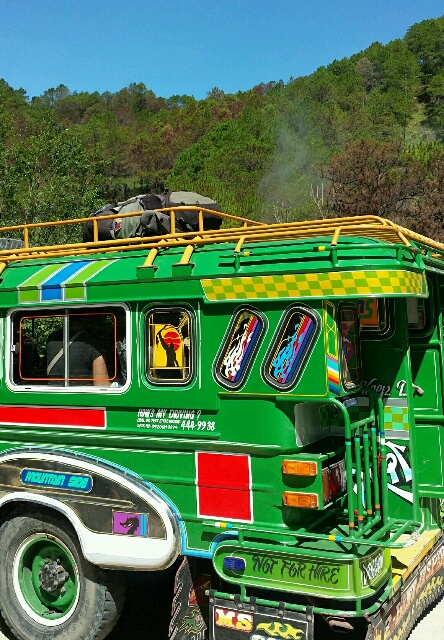
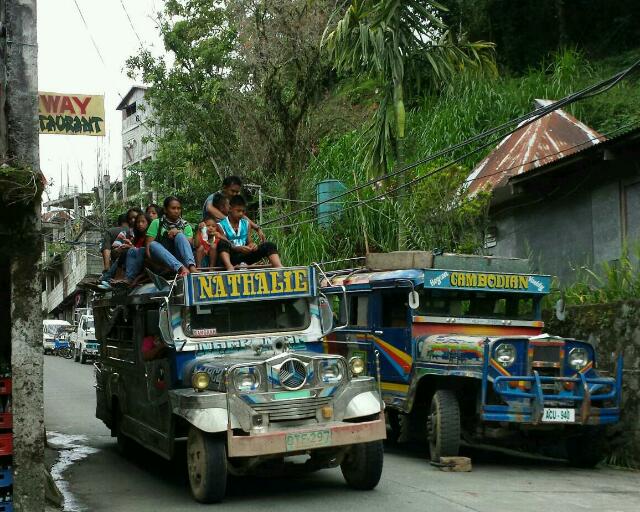
These are the mountain jeepneys seen along the Benguet-Nueva Vizcaya Road. Most of them are chartered ones traveling between Baguio and Kabayan.

image

image

image

image

image

Flowered Trishaw

image

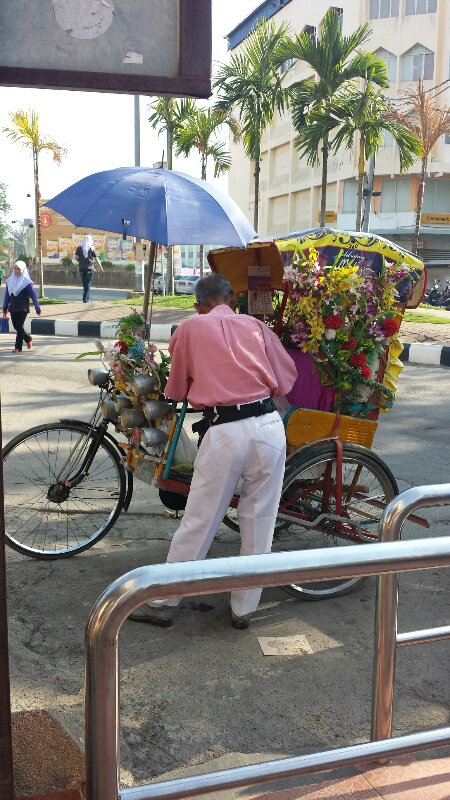
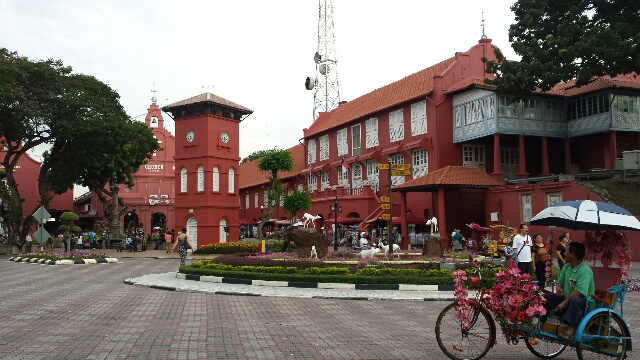
An elderly driver stood by his trishaw with fog lamps as props in Kota Bharu. Seems Malaysia has this penchant for artificial flower adorned trishaws. I have two more pictures below from Melaka to prove this.

image

image

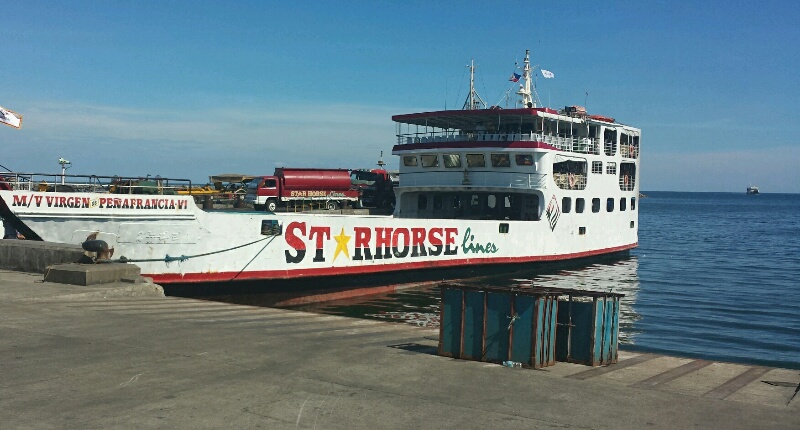
Typography: Starhorse Lines

Logical Place for a Tissue Box

image

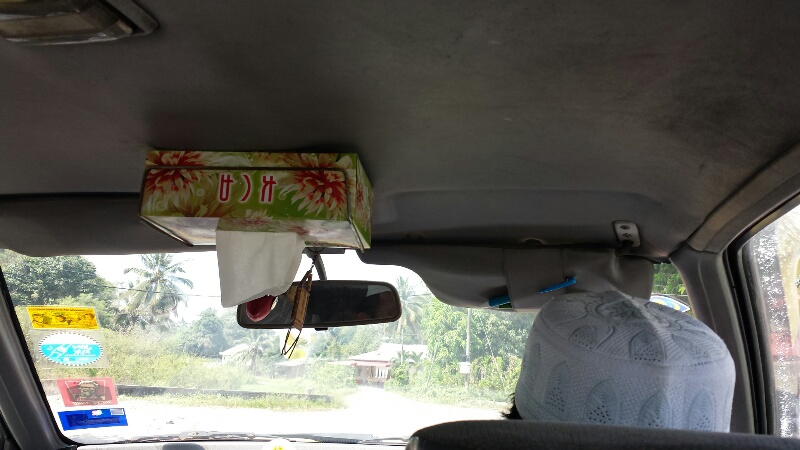
The most logical place for a pull-out tissue box for this taxi driver in Kota Bharu is on the ceiling, in an upside down mode. I must agree. It’s visible yet not obstructing both the driver and passengers’ view. Secure. Most importantly, it’s very convenient to reach out and pull down a piece of tissue rather than up.

Puerto Galera Snapshots: Sabang

image

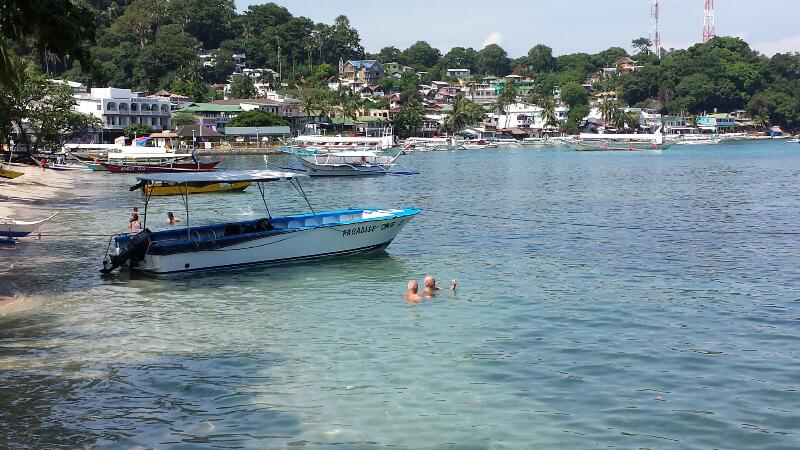
Most of the structures by the Sabang beach are dive shops or guest houses for diving tourists

image

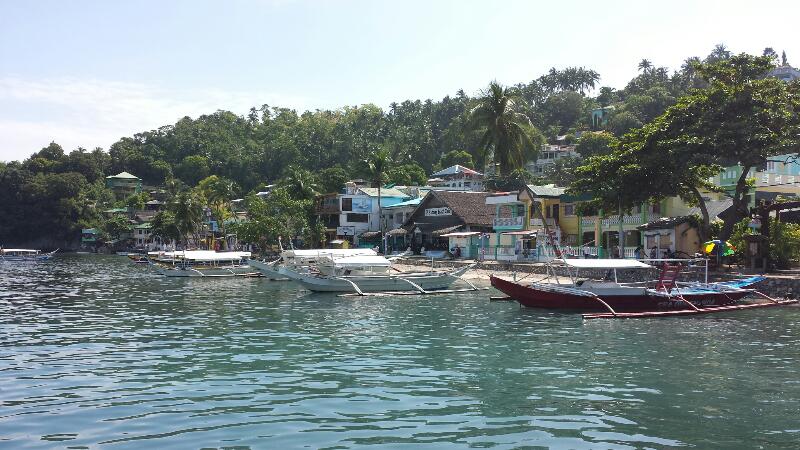
Diving tourist base

image

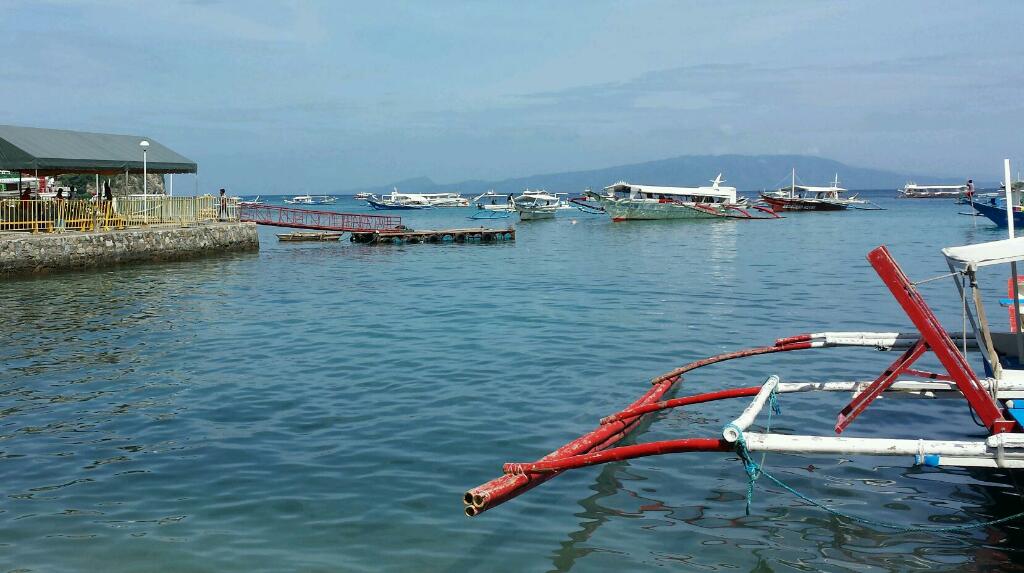
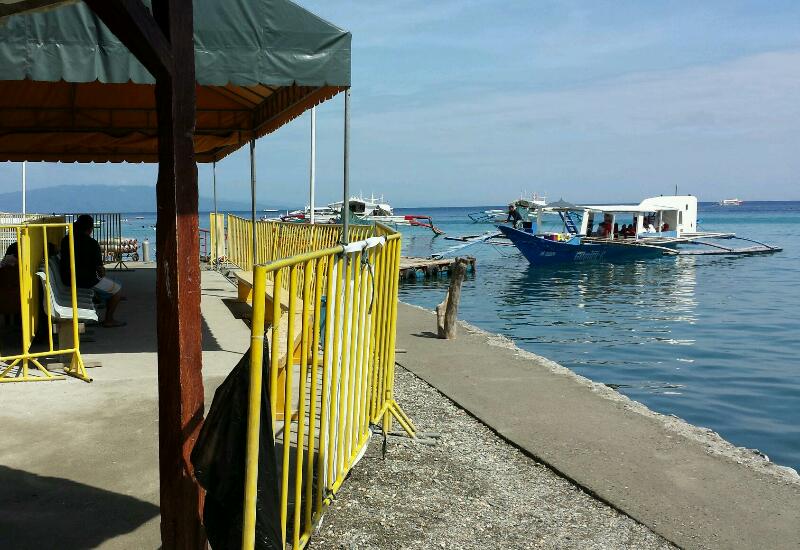
Jetty for passenger outrigger boats that ply between Batangas and Sabang

image

Sabang terminal as the gateway to diving in Puerto Galera

image

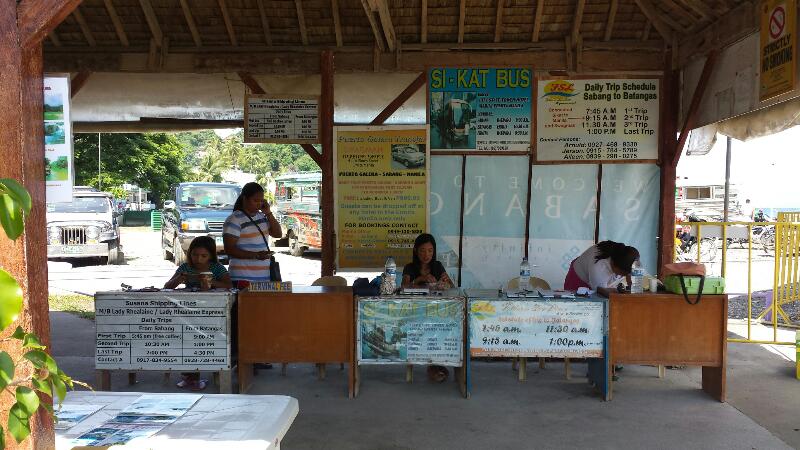
Ticketing tables for the outrigger boats between Batangas and Sabang

image

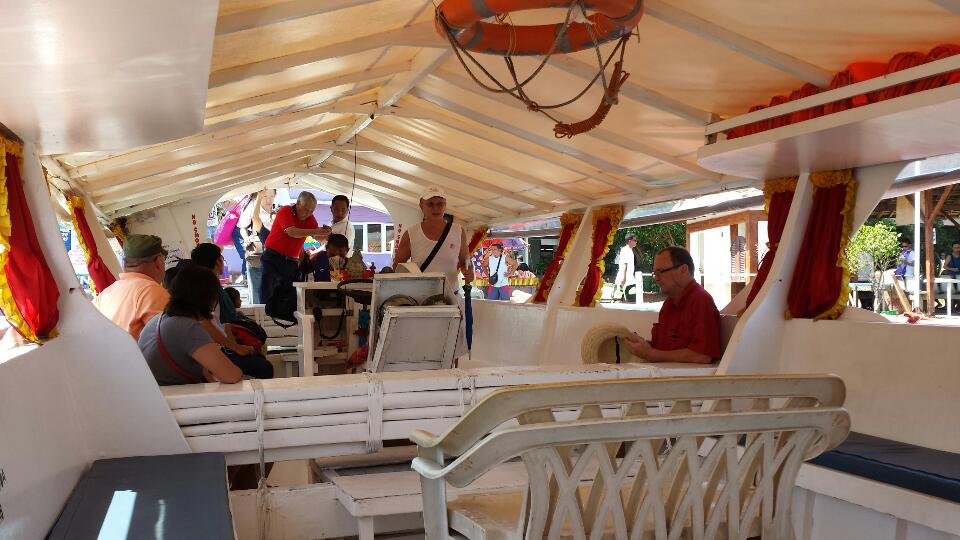
Inside the outrigger boat bound for Batangas pier. Fare is 230 pesos per passenger

From Island To Mainland

The uncomplicated manner of commuting from the island of Malapascua to mainland Cebu province.

image

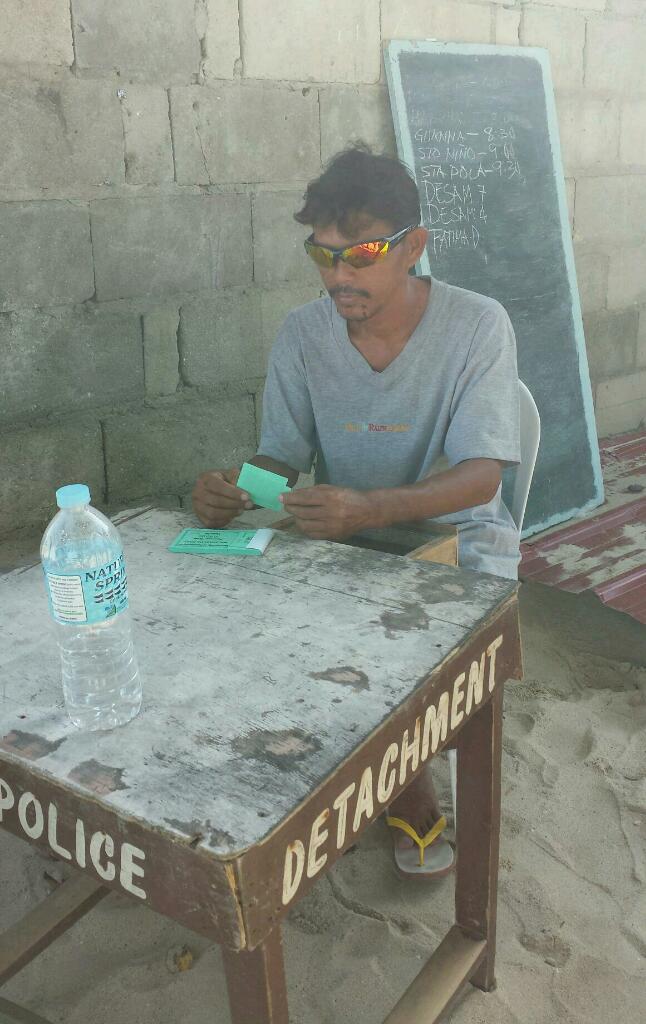
At Logon beach, procure a green paper ticket from the one-man ticketing office comprising of a small table that also serves as police detachment (says the sign) and a blackboard where the name of the boats and their corresponding schedules are written.

image

Ticketing office


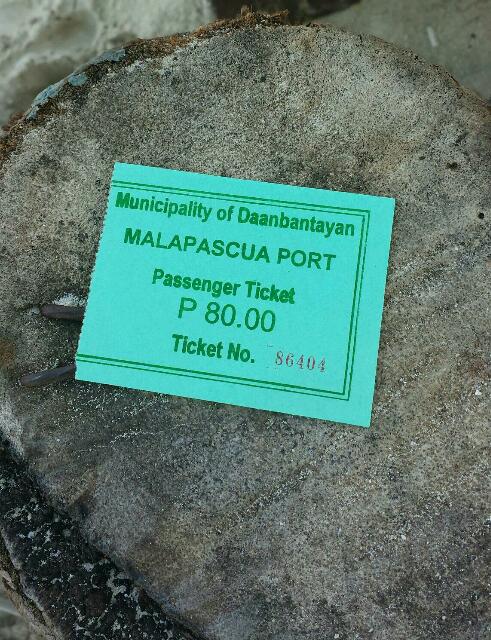
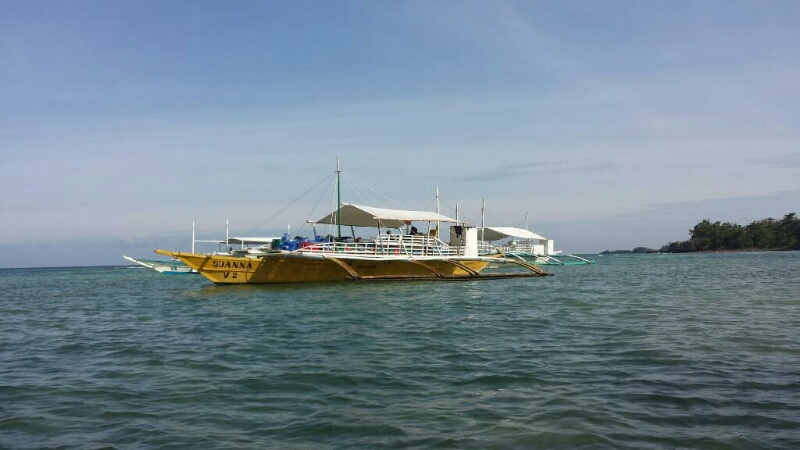
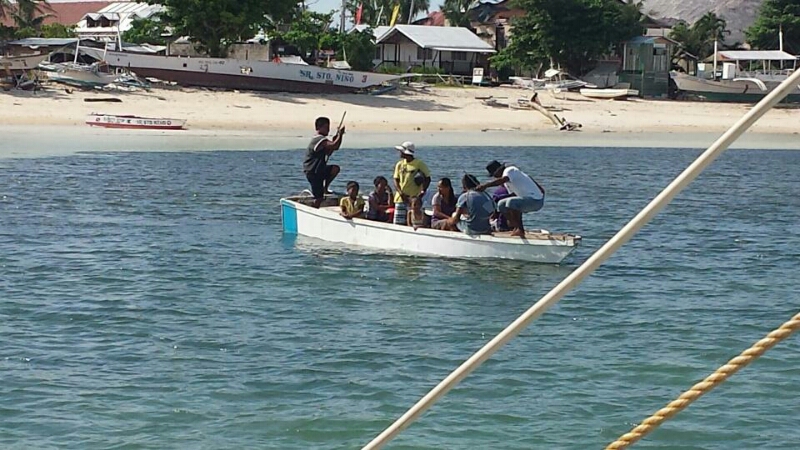
The green ticket says Malapascua Port. Where’s the port? The Guanna boat, a yellow banca anchored far from the beach, will leave at 8:30 according to the blackboard. How to get there? Ride a small paddle flat boat for 20 pesos per passenger. Simple. Uncomplicated.

image

Guanna, the commuter boat in “Malapascua Port”

image

Short transfer from Logon beach to Guanna boat

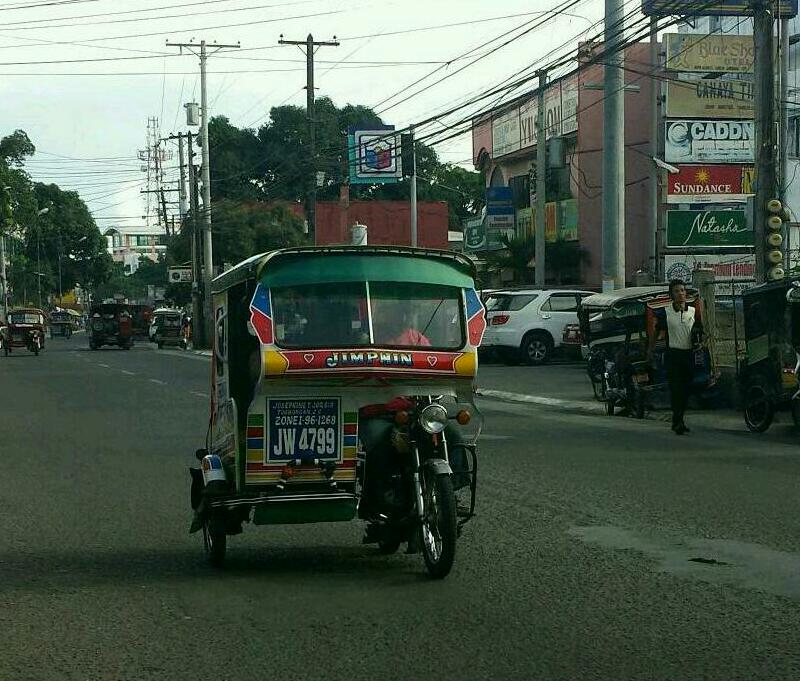
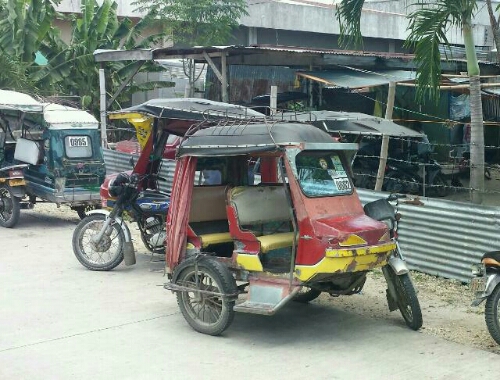
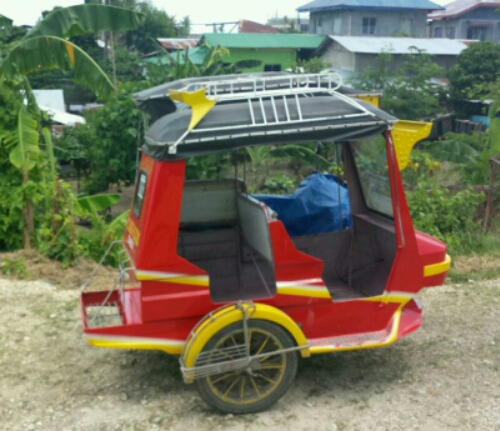
Mega Tricycles

Middle Finger As Money Clip

image

Filipino drivers don’t need paper money sorter

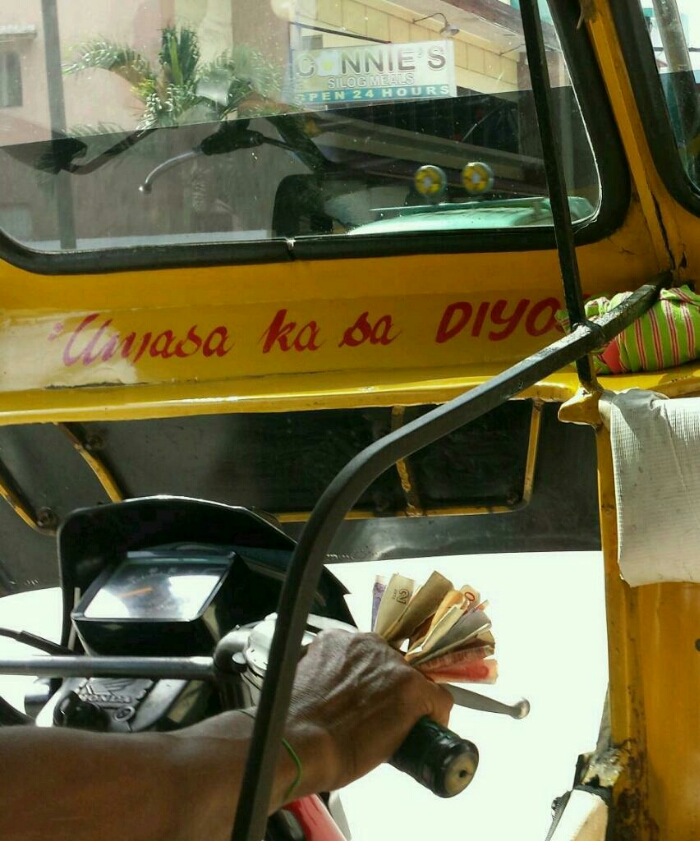
The role of a tsuper’s middle finger is similar to a money clip and is basically used to secure fare income. Therefore, holding bills while driving is possible using this fold and tuck around the middle finger method.

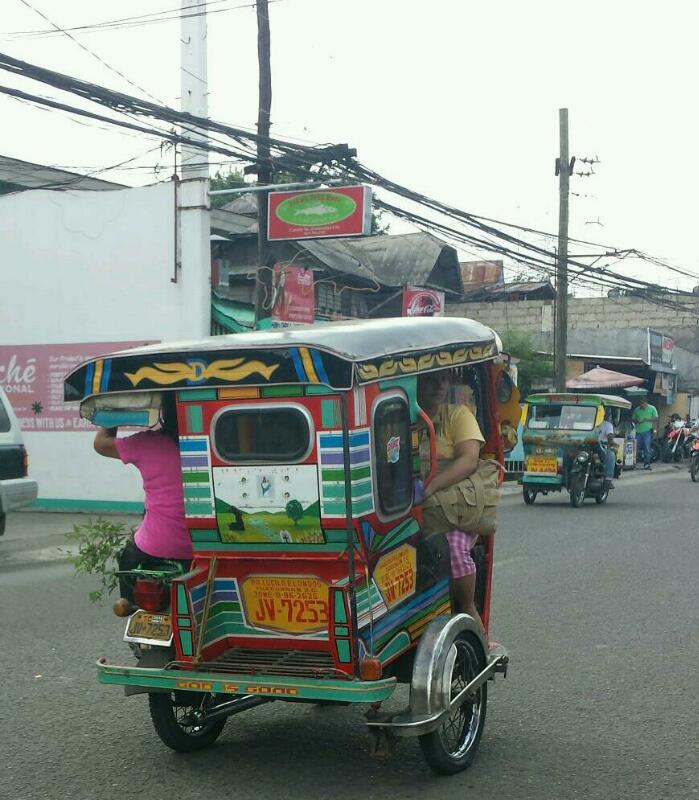
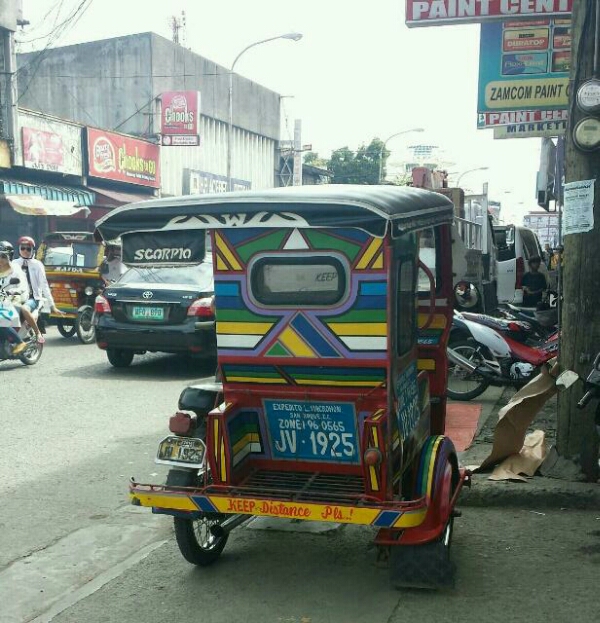
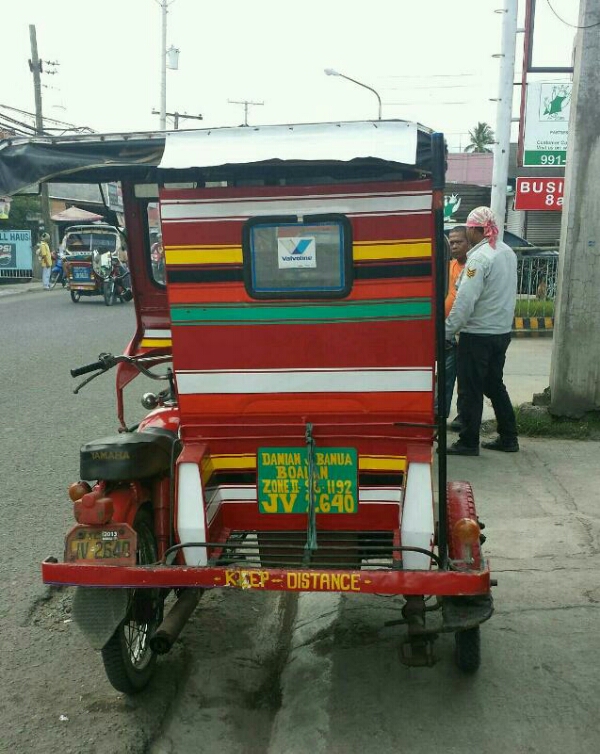
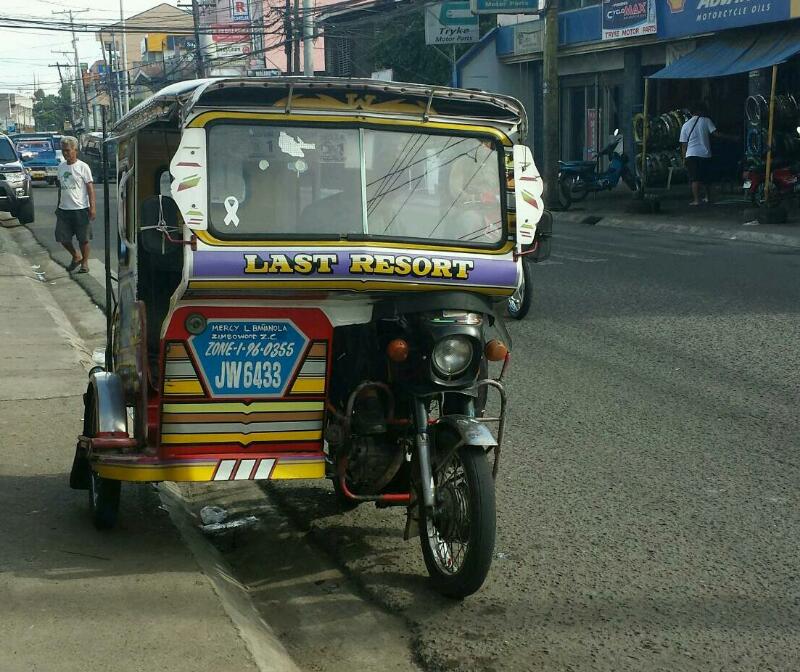
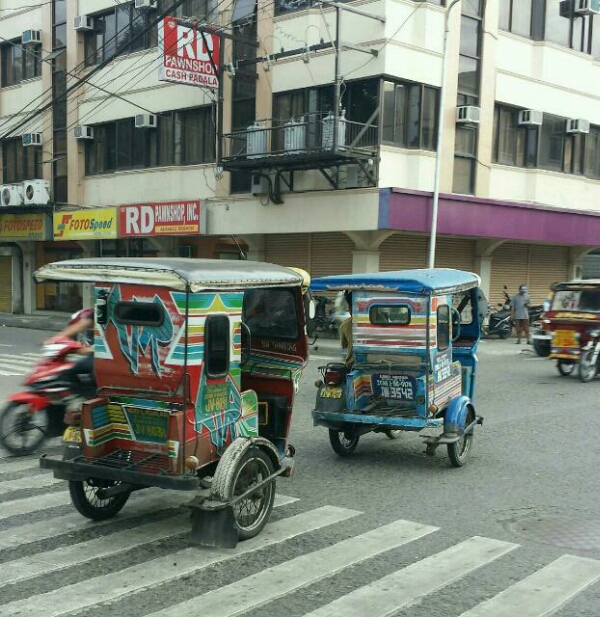
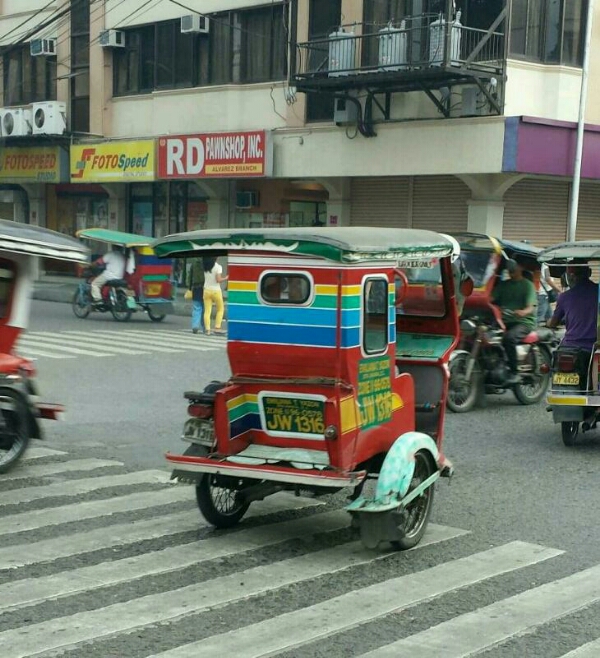
Technicolor Striped Tricycles

Two Row Seating Tricycles

Pintos

image

Bus window peddling is one reason why I prefer ordinary non-aircon bus apart from the chance of smelling each passing town and having clear view of roadside everyday life

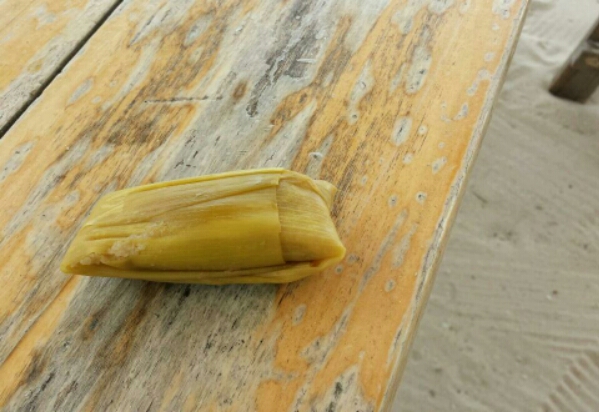
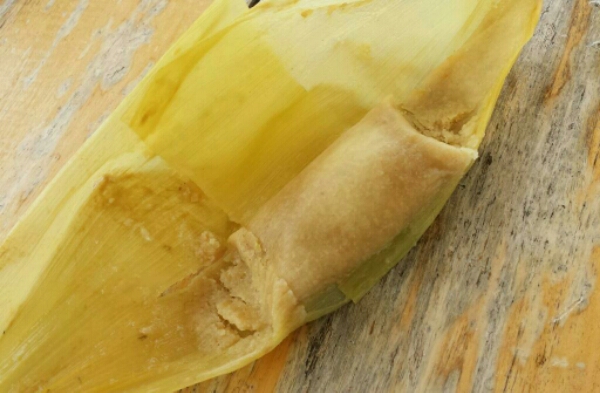
When traveling by bus to northern Cebu, whether to Hagnaya or to Maya, it’s highly likely that Ceres bus will have rest stop for few minutes in Bogo. A happy stop for it means one is almost at the end of the bus journey, and also it means the acquisition of pintos via bus window sellers.

image

A pack of 5 costs 20 pesos

Pintos is distinctively Cebuano, a specialty of Bogo City that’s primarily made from ground corn. The smell of the warm corn husk wrapping is pleasantly barriotic, and snacking on pintos is akin to making memories where one would love to recall fondly this delight especially its texture, taste and aroma sometime in our lives.

image

Honestly simple packaging of young corn husk

image

For only about 15 minutes of stop in Bogo, bus vendors’ pintos will do for now

Sailing Toyota Vios

image

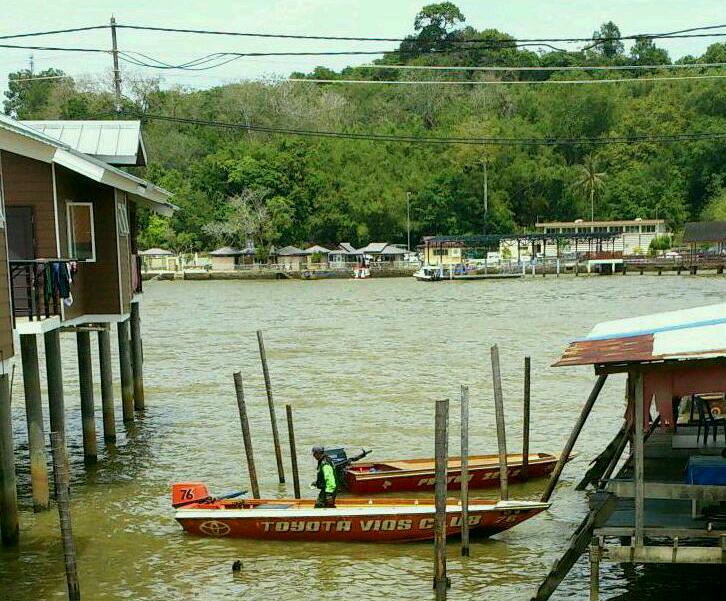
Toyota Vios and Proton

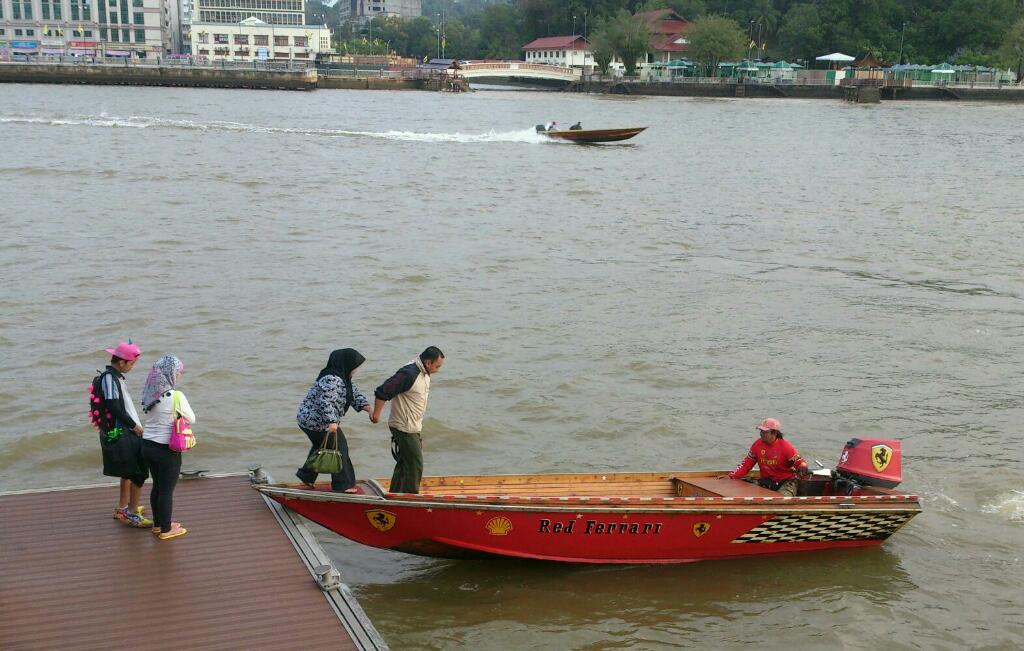
Some water taxis (tambangs) in Kampong Ayer are personalized with automobile brand names and logos. In similar fashion, stickers, embellishments, or knickknacks associated with certain automobile brand have adorned some jeepneys in the Philippines.

image

Red Ferrari

Hole Punched Info

image

Bus paper ticket of OHAYAMI Trans operated by Mr. Imayaho (Ohayami in reverse)

Provincial buses in the Philippines commonly use hole punched paper tickets as passengers’ fare document. By means of hand-held single-hole puncher, the bus conductor or the ticket guy at the terminal will put holes on the ticket to indicate fare amount and other relevant details.

Banaue Snapshots: Town Center

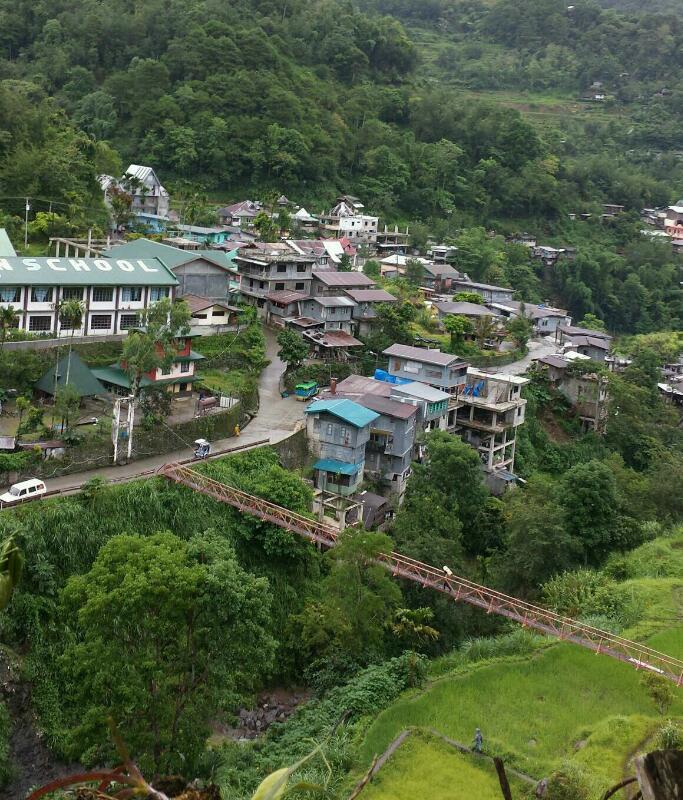
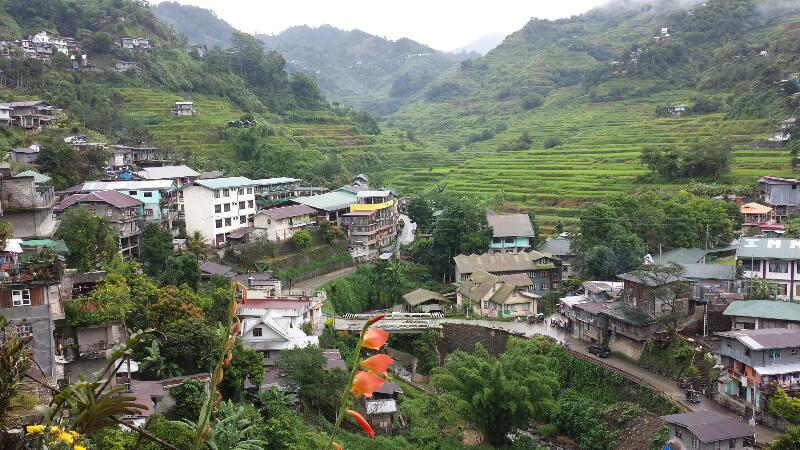
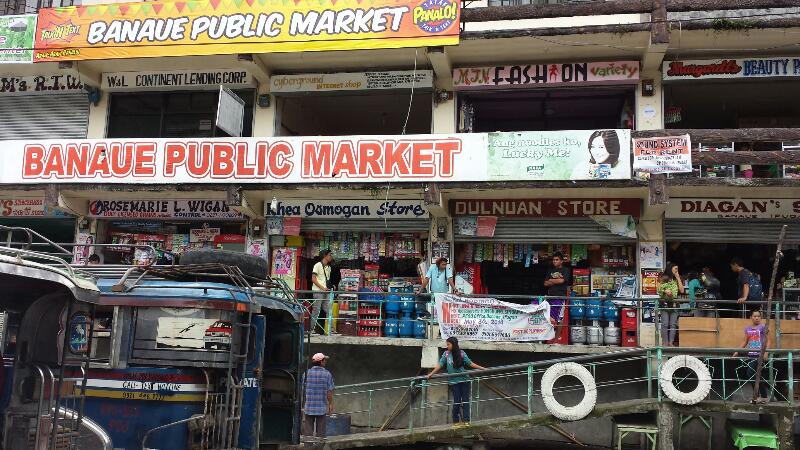
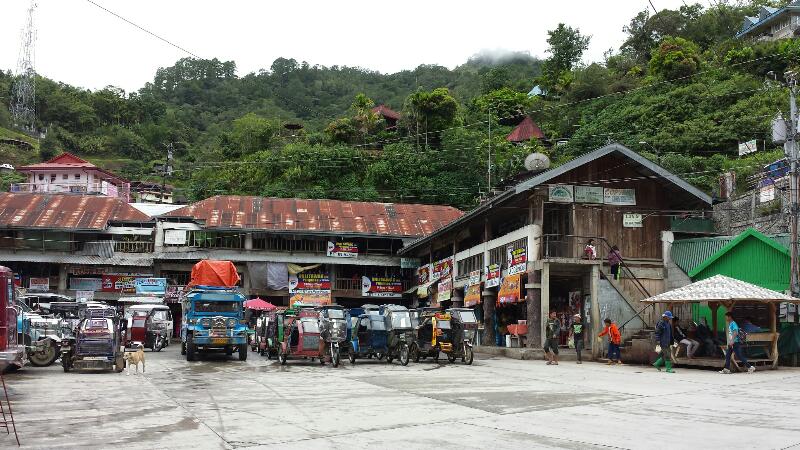
Banaue town center as the commerce hub of the municipality.

image

image

image

image

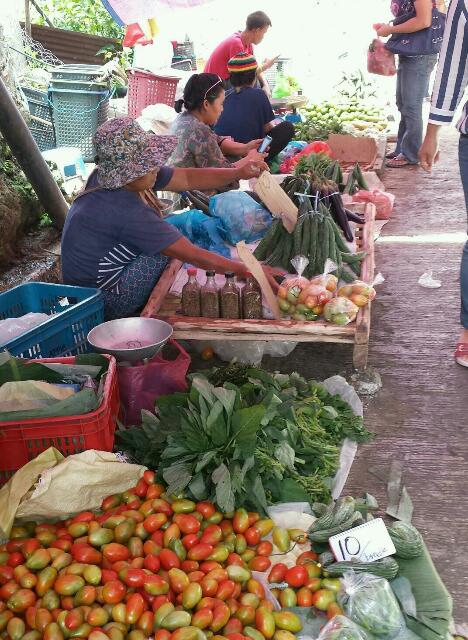
Sunday is market day

image

image

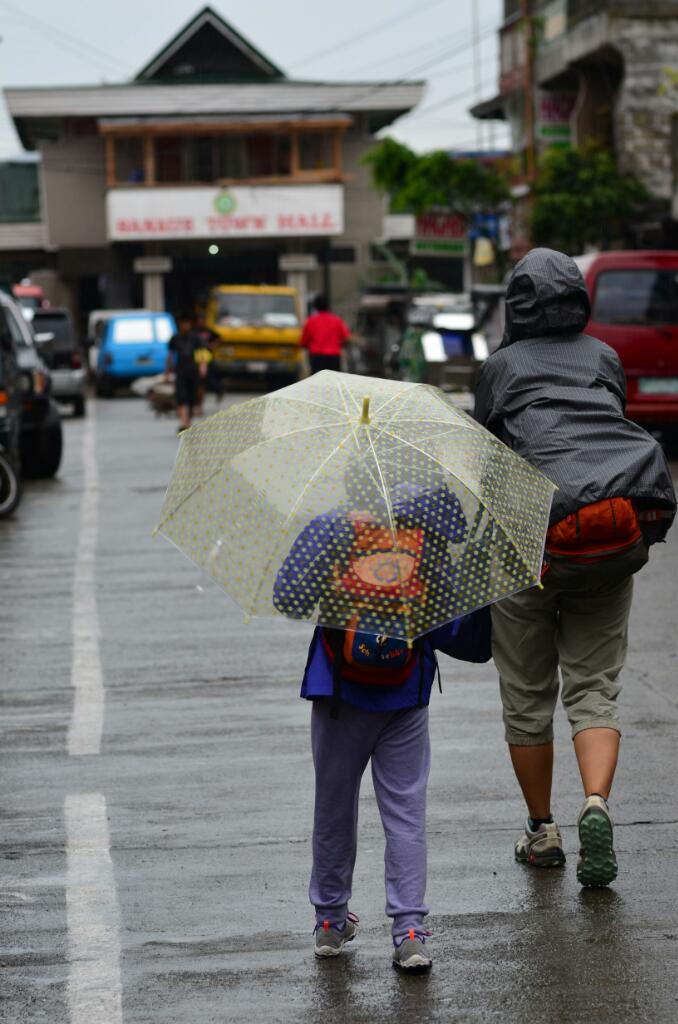
Town Hall

image

Topload is a way of life

image

Meal from a carinderia

image

Public transportation hub

image

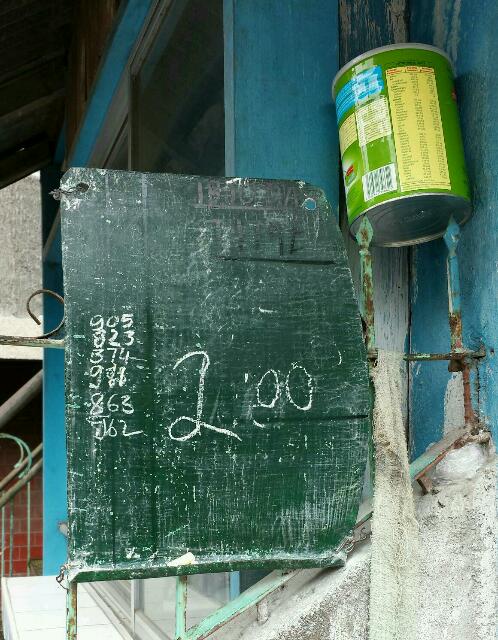
Jeepney scheduling

Mountain Jeepneys

image

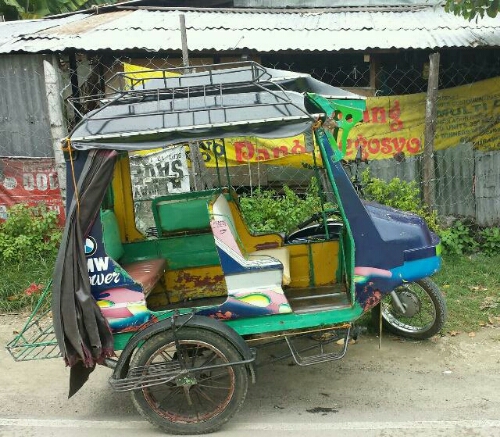
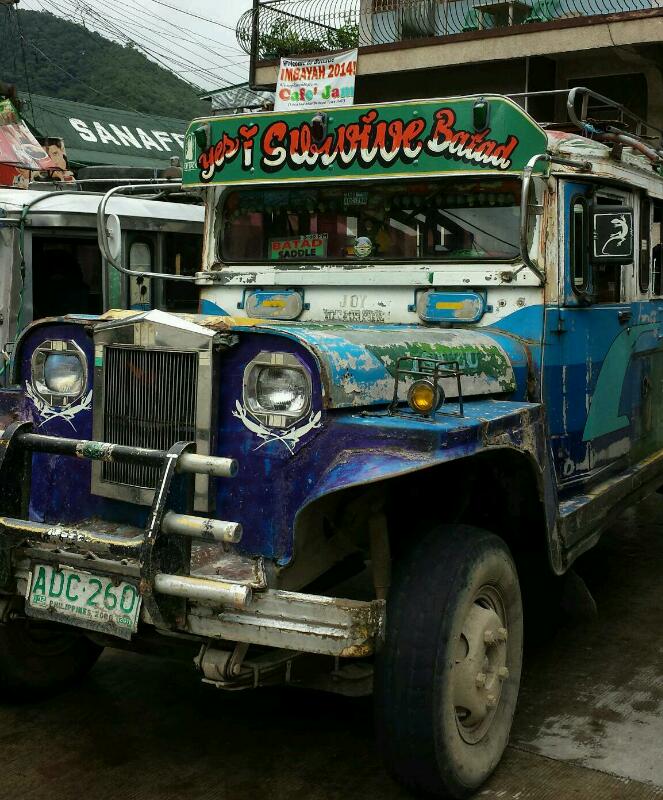
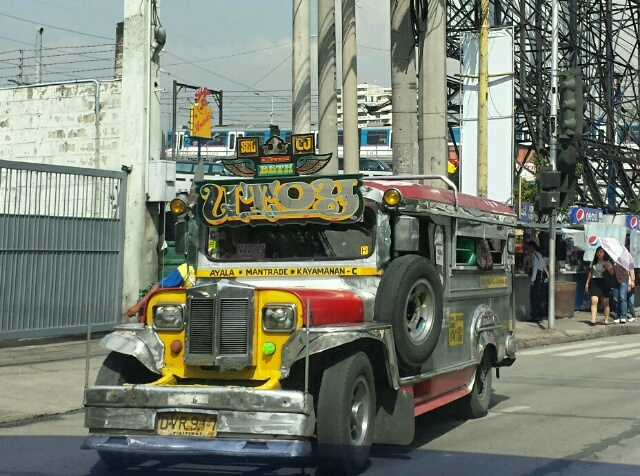
Jeepney designed for the steep climb to Batad saddle. I like how the headlights are framed by lizards and that lizard on the side mirror

image

image

Waiting for couple of hours before this jeep leaves for Batad saddle

image

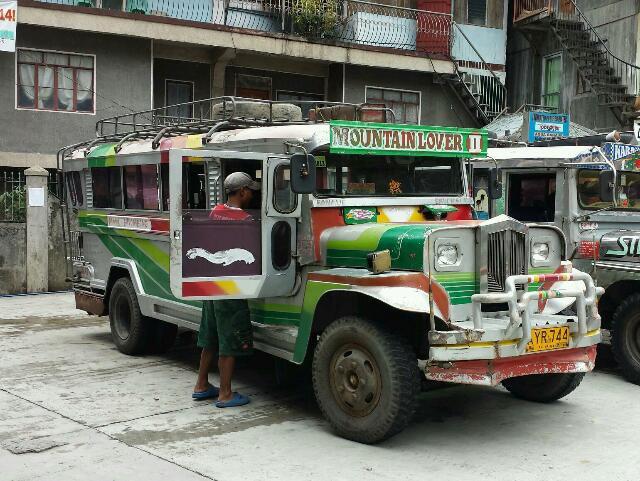
The “Mountain Lover”

Jeepney Fare Sorter Tray

image

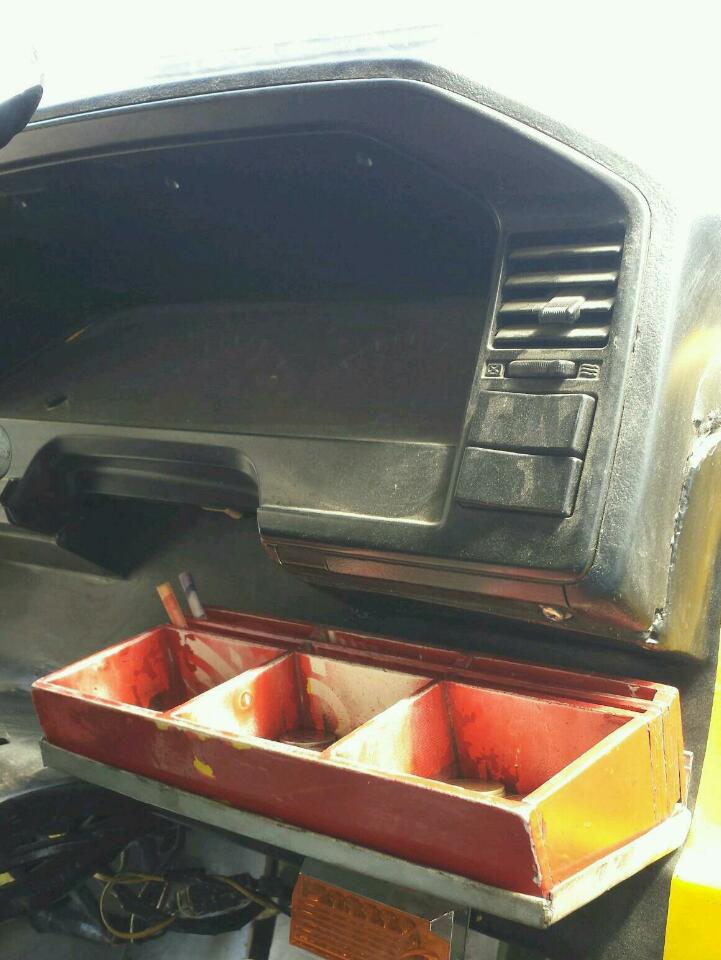
A customized wooden tray for sorting coins with a recess for sorting rolled paper bills. Makes it easy for the jeepney driver to deposit fare and give change while handling the wheel at the same time.

Toden Arakawa Line is Special

image

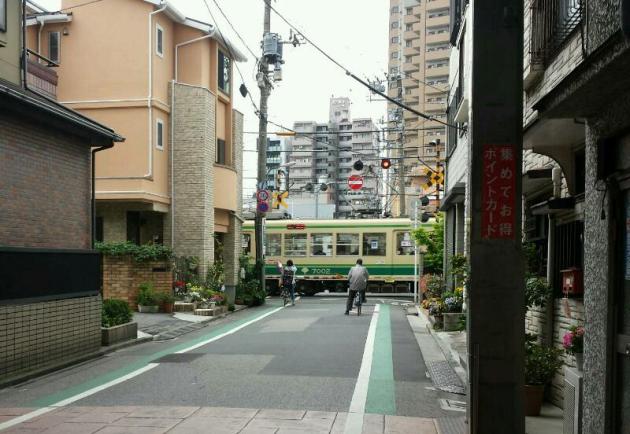
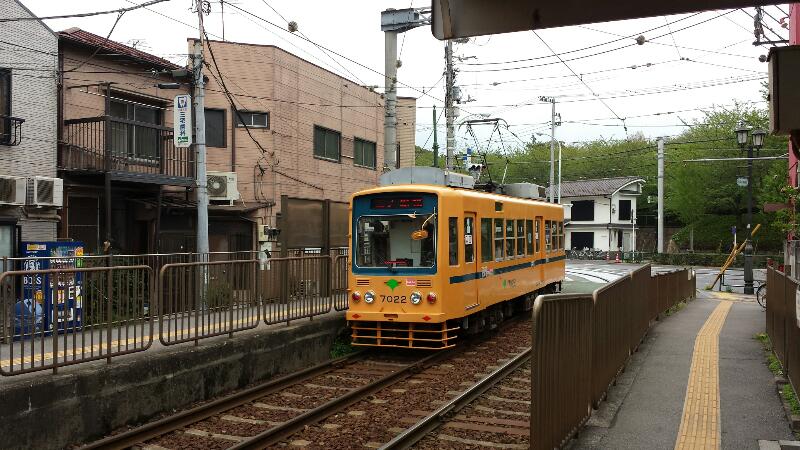
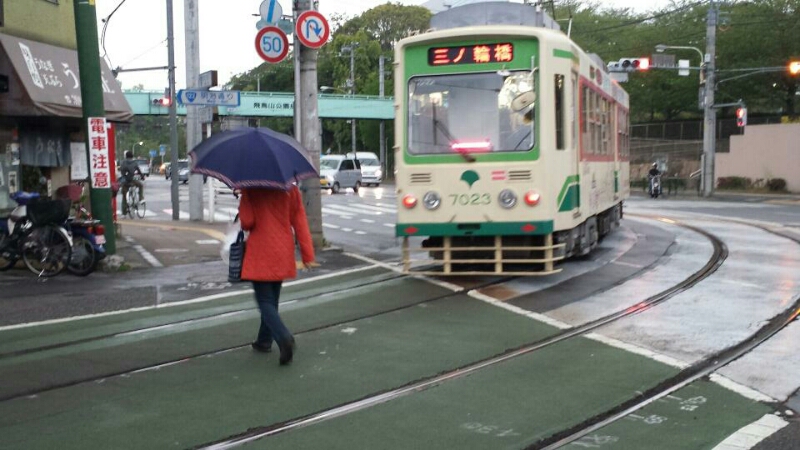
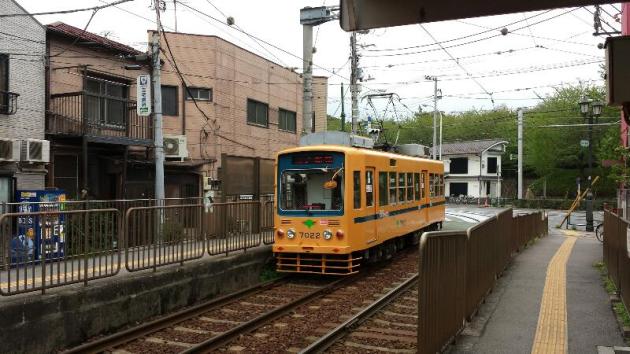
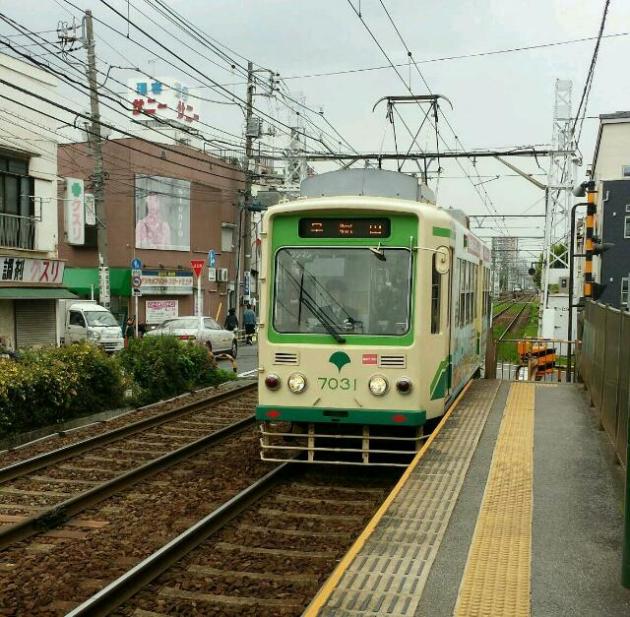
The cutest public transportation in Tokyo

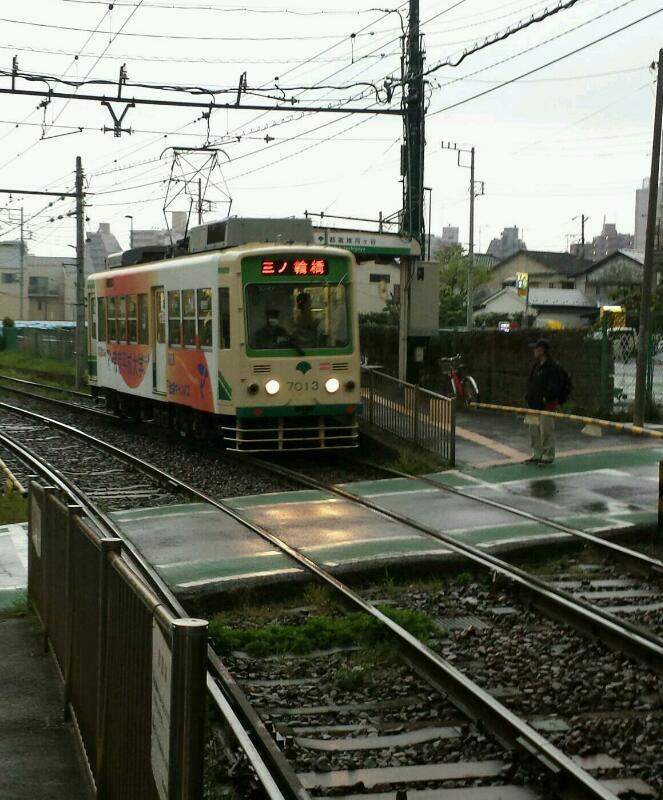
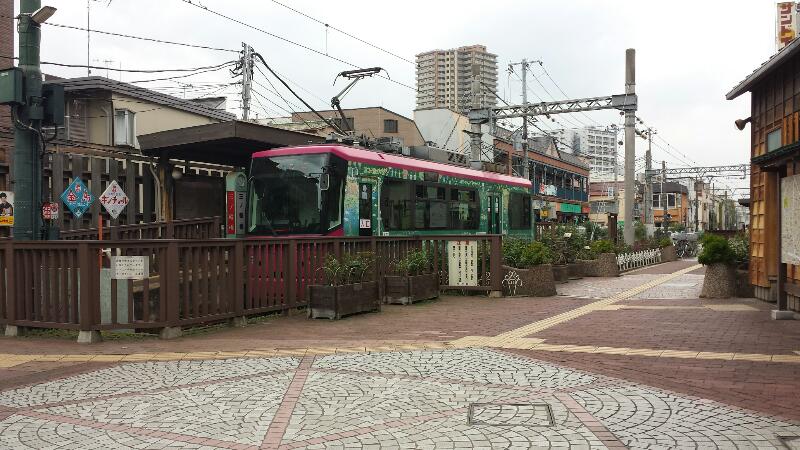
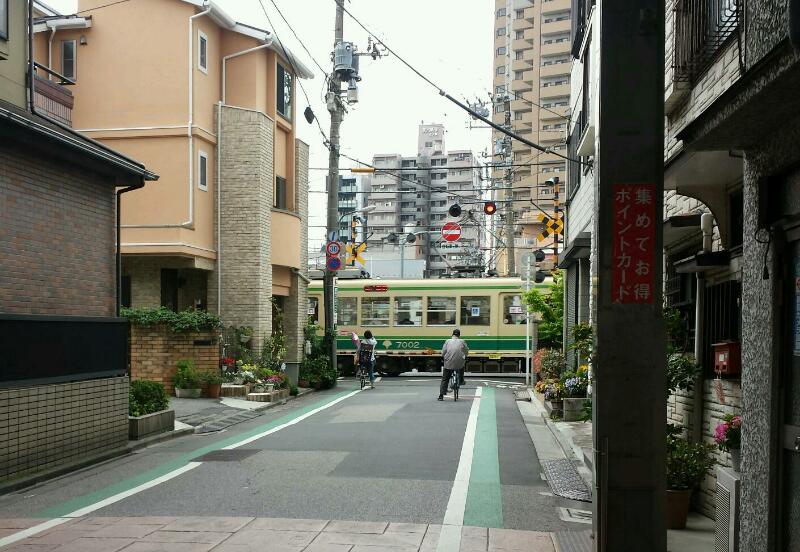
At the Northern area of Tokyo, there is this streetcar line that passes through secondary streets and stopping in neighborhoods where the atmosphere is different from our usual mental model of futuristic Tokyo.

image

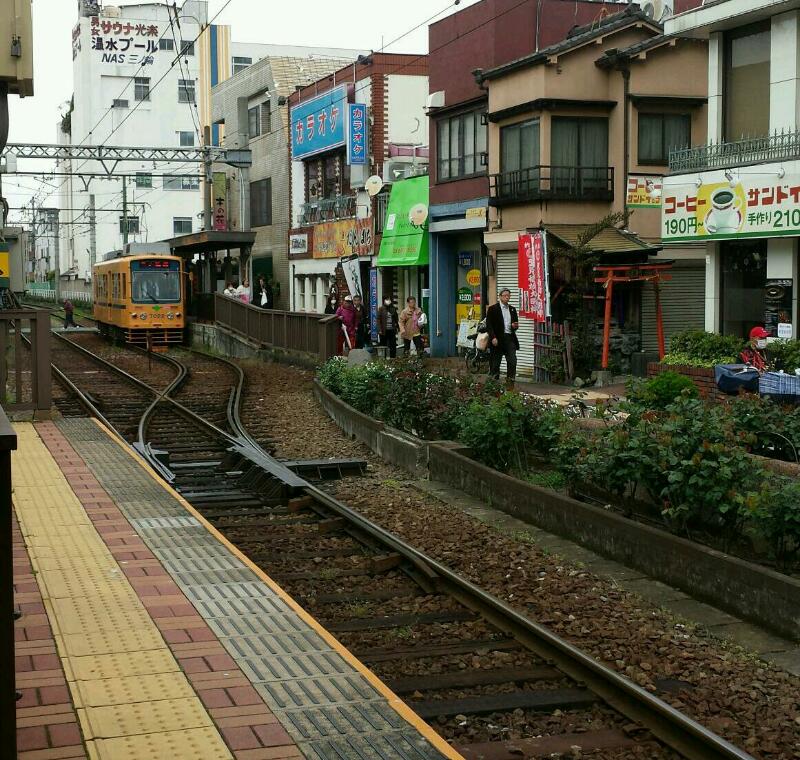
Are we really in Tokyo?

Running through Tokyo side streets makes this line somewhat hidden (hence it is special) unlike the very visible tram in Hong Kong where its tramway traverses the Hong Kong Island from east to west (or west to east) as it cuts through the busy districts and major roads and looking very tall (double-decker trams).
image

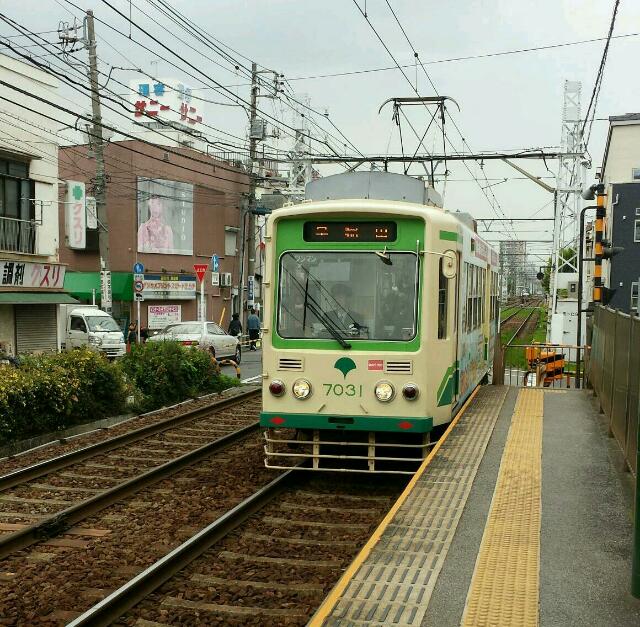
Tokyo tramway (Toden Arakawa Line) is relatively short in distance having less than an hour of travel time from one end to the other end, taking into account the traffic.
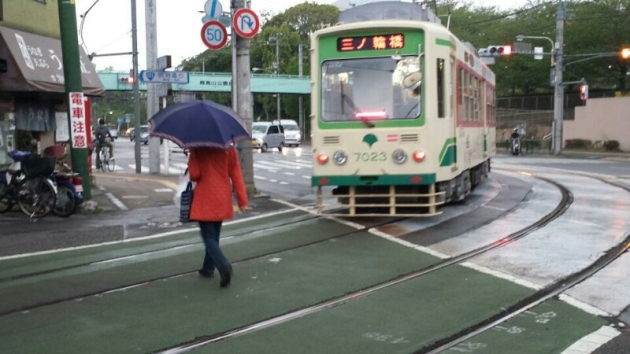
image

Lady crossing the street as the streetcar leaves

Yes it is indeed special for there is traffic factor here, seeing that streetcars follow the rules of the road (unlike trains), hence the term “streetcar”, I suppose.
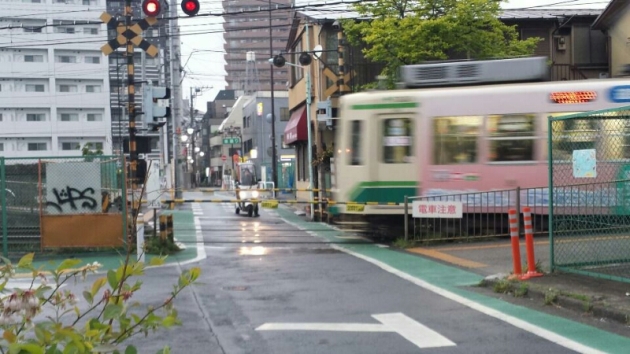
image

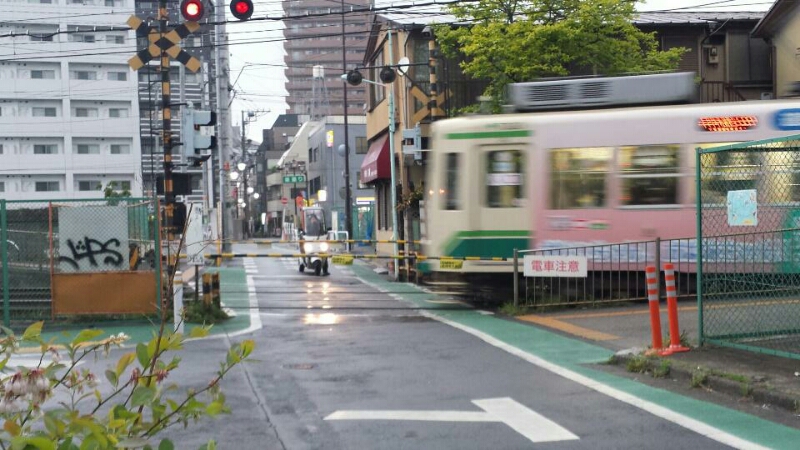
Road barrier in place as the streetcar crosses
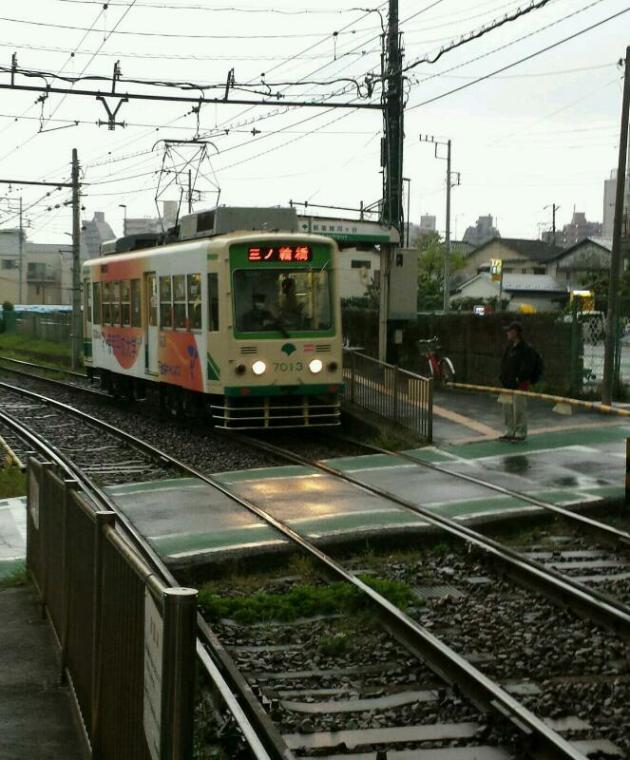
image

At dusk

image

Minowa station is the last station on one end of the line
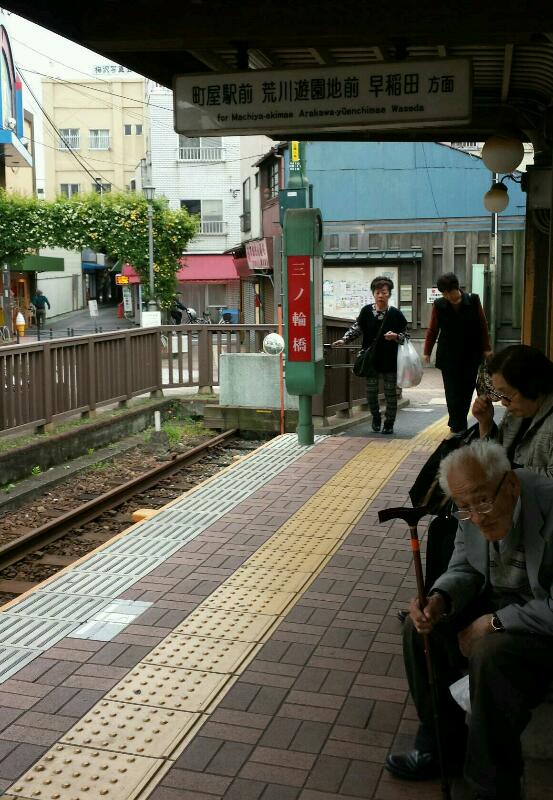
image

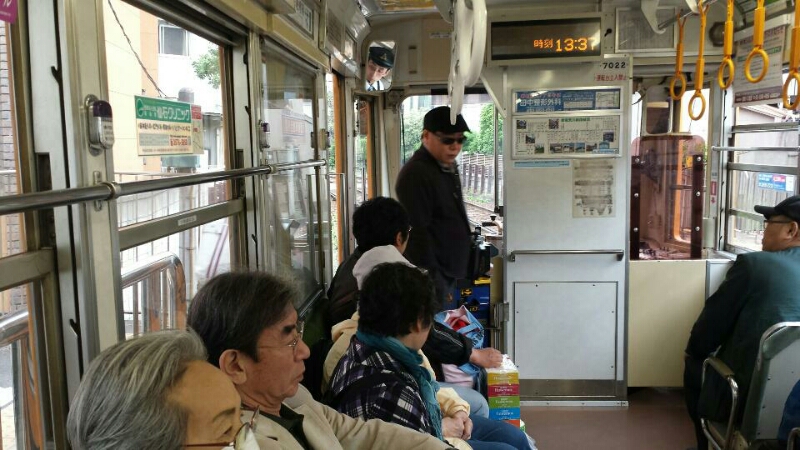
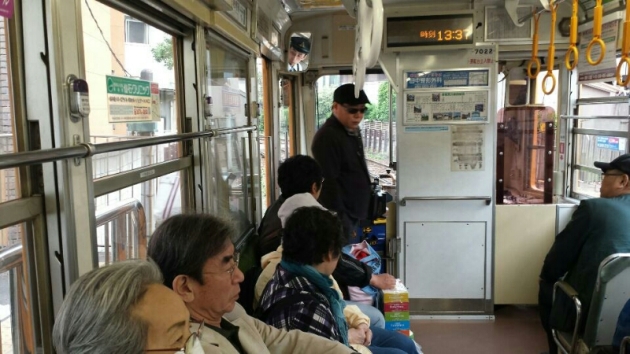
Seems like majority of the streetcar passengers are elderly
image

Inside the streetcar

image

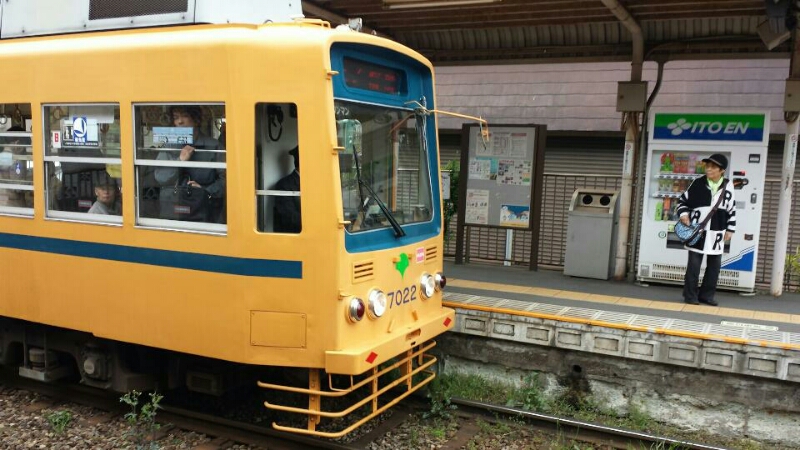
Streetcar stopping at a station

image

Streetcar as seen from a side street in Minowa
Tokyo Station

image

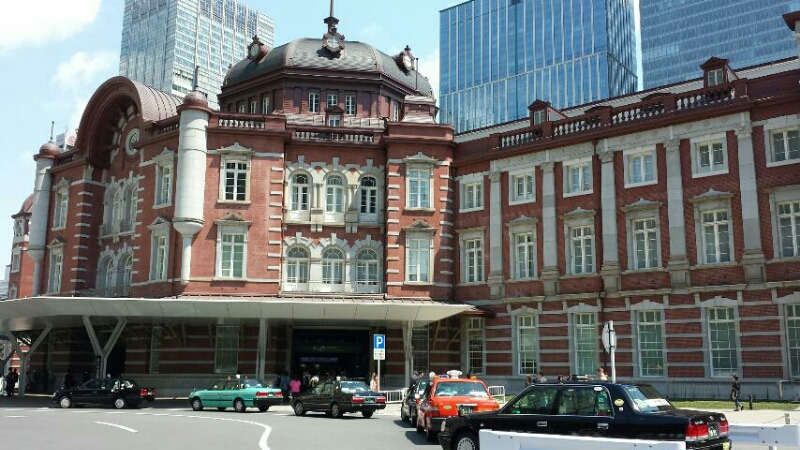
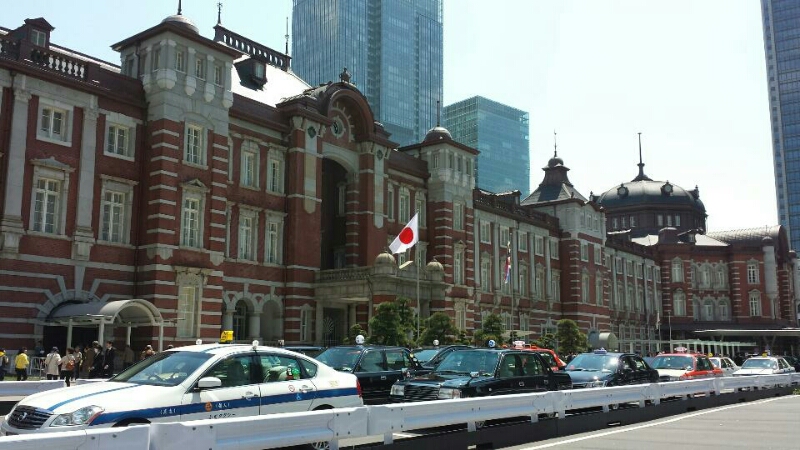
Such a beautiful railway station structure , a terminal hub for several lines from the Tokyo Metro to regional lines (JR including shinkansen).
image

Tokyo prefecture itself is vast already but I’ve noticed that there are quite a number of employees who work in Tokyo but live outside the metropolis, in Chiba Prefecture, Saitama Prefecture, among others.

image

Travel time is more or less an hour for nearby prefectures in the Kanto region and everyday, every train arrive and depart as scheduled.

image

Even though train fare (or transportation fare in general) is expensive as compared to food in Japan, however its efficiency and predictable arrival time to one’s destination (including multiple transfers between subway and JR) is all worth it. Only a fool (or stupidly rich as what one Japan article refer to) would ride the terribly expensive taxi (even from Narita airport). Unless maybe you’d want to pay for the experience of taxi doors opening and closing by itself (yes I’ve seen it myself without riding one).

Testament in Mud Flap