Category Archives: Market

The Pasar Near Melaka Sentral

image

Live catfish for sale

Upon reaching Melaka’s central bus terminal coming from Kuala Lumpur, I went inside this market across the street still carrying my duffel bag. I just came all the way from Terminal 2 of KLIA, and before that, all the way from Manila. My bag was light and manageable enough to lug while wandering from stall to stall, eager to see some curiosities of the pasar.

image

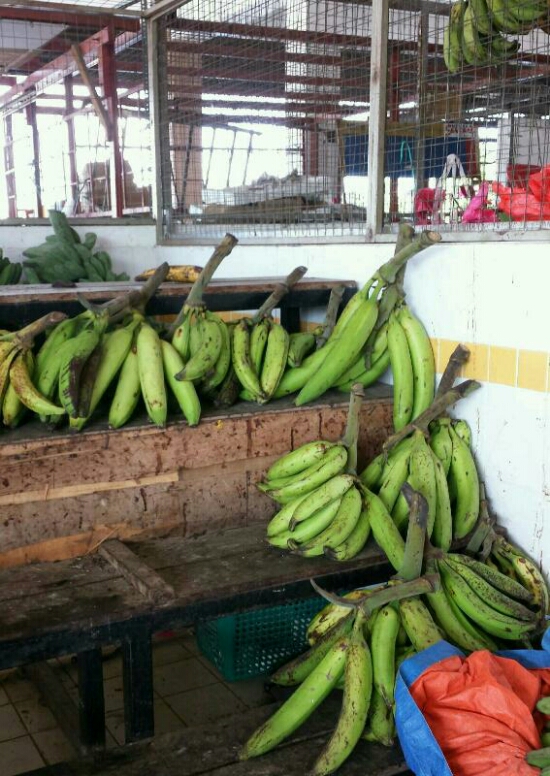
Huge bananas

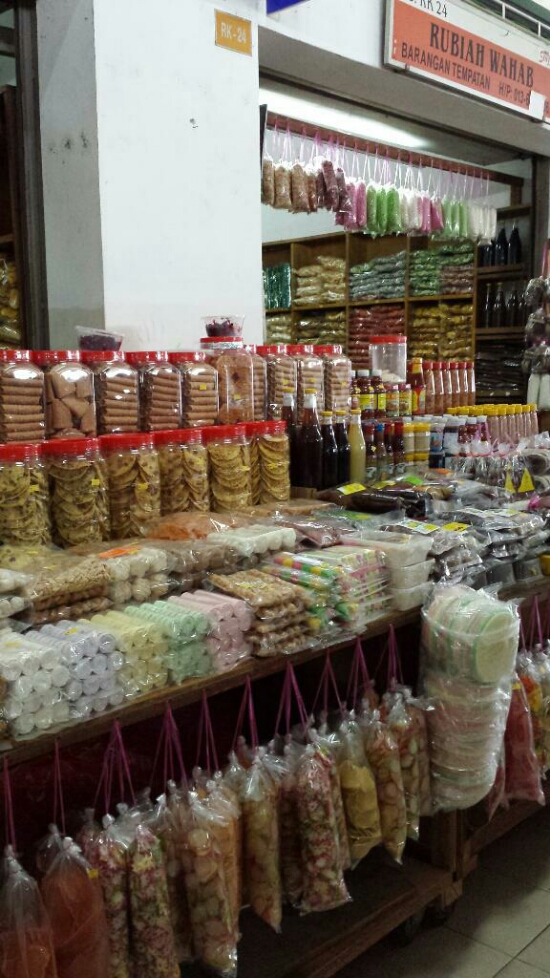
The marketplace was clean and organized from the fish section to the local delicacies section where I got a pack of gula melaka and dodol.

image

In one empty stall, I took snapshot of jumbo green bananas (or plantain?). And in one table, there was this unidentified yellow seed in dark brown hard shell that seems to come from a tree like the petai. I inquired and the answer I got sounds like gering ulam.

image

And so I continued to check the produce, ready made sauces, belacan etcetera, taking my time until I felt like eating.

image

Gering ulam? That’s what I heard from the vendor

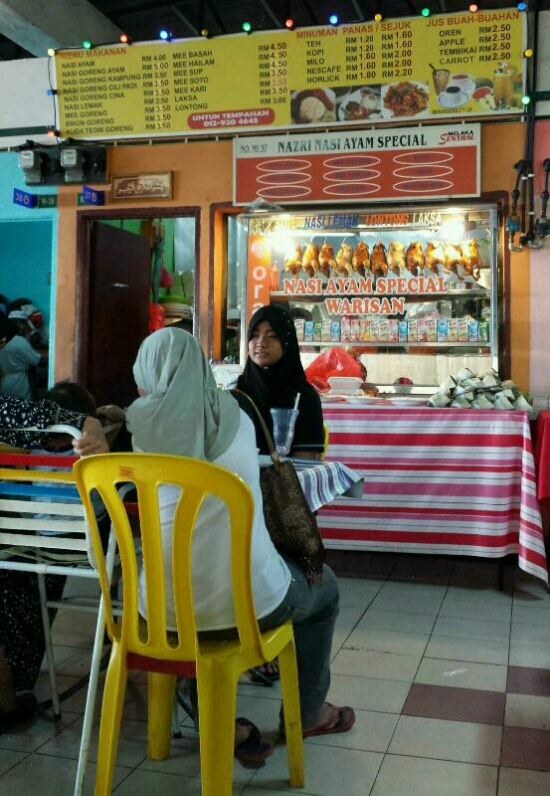
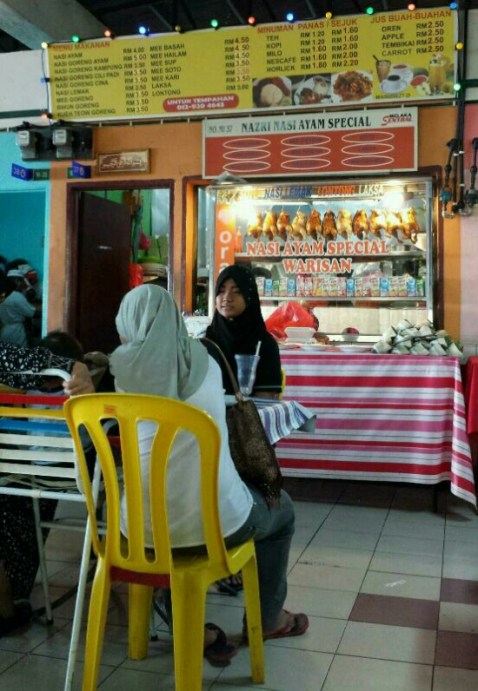
That ended my market loitering. I then partook mee goreng (with ais kopi) at one of the food stalls in the second floor of the market. After which I rode a bus towards Bukit China to commence my five day Melaka trip.
image

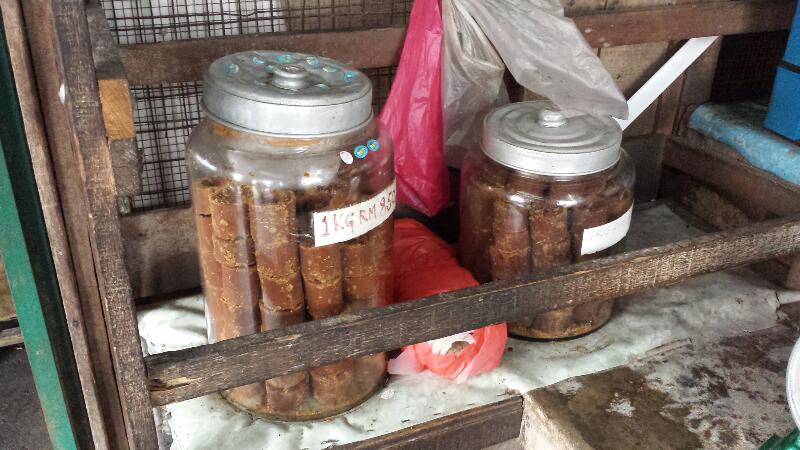
Gula Melaka

image

Gula melaka (translation: Melaka sugar) is the palm sugar of Malacca and used as sweetener for Peranakan desserts (e.g. kuih) and beverages. The crudeness of gula melaka reminds me of Philippine panocha, likewise a raw sugar in hemisphere form but extracted from sugarcane instead. Whereas the panocha’s hemisphere came to be because half coconut shells were used to solidify cane sugar, comparatively, the cylindrical shape of gula melaka was formed by solidifying palm sugar in bamboo tubes. Charmingly crude.
Jonker’s Oyster Cake

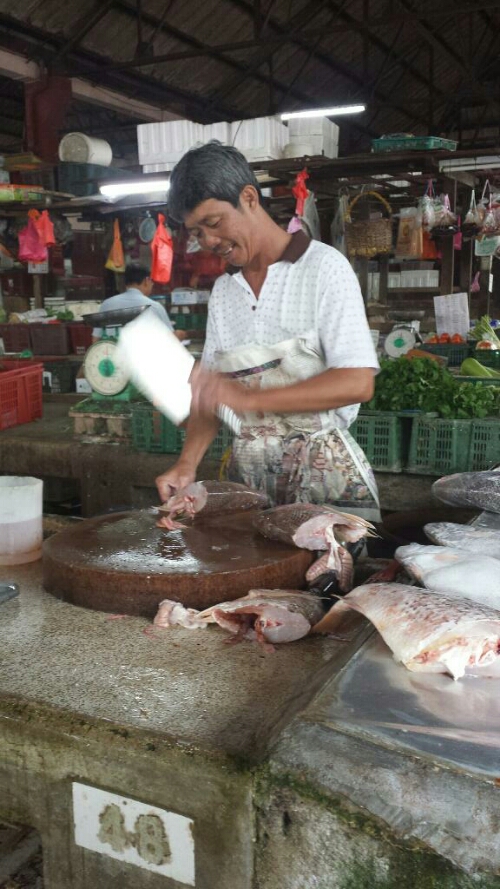
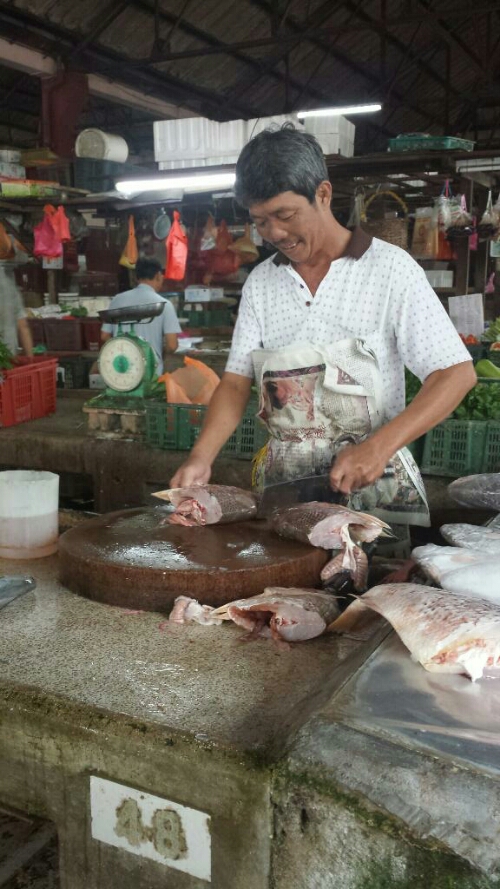
Newsprint Apron

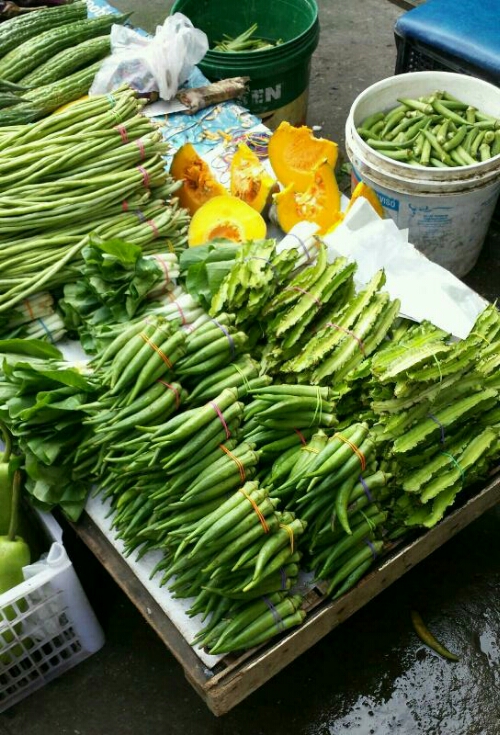
Gulay Bundles

image

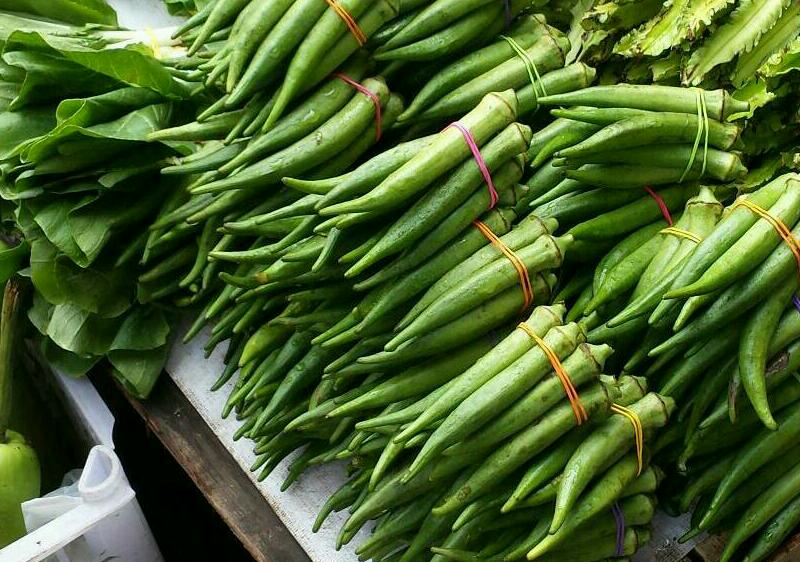
Gulay bundles at the talipapa or palengke are tied together nowadays by rubber band. Because of that, I’ve accumulated plenty of elastics from regular gulay buying. Bundles of gulay are often priced in multiples of five starting from five pesos and most belong in this cheapest set. Examples of gulay in five peso bundle are okra, sitaw, alugbati, saluyot, kangkong, malunggay, and pechay.

image

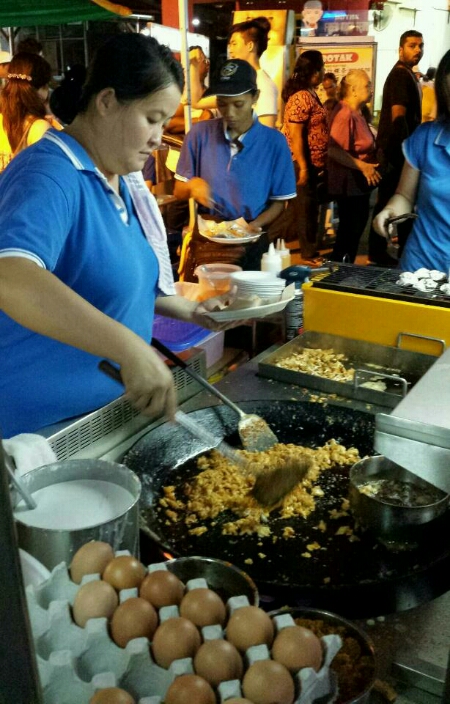
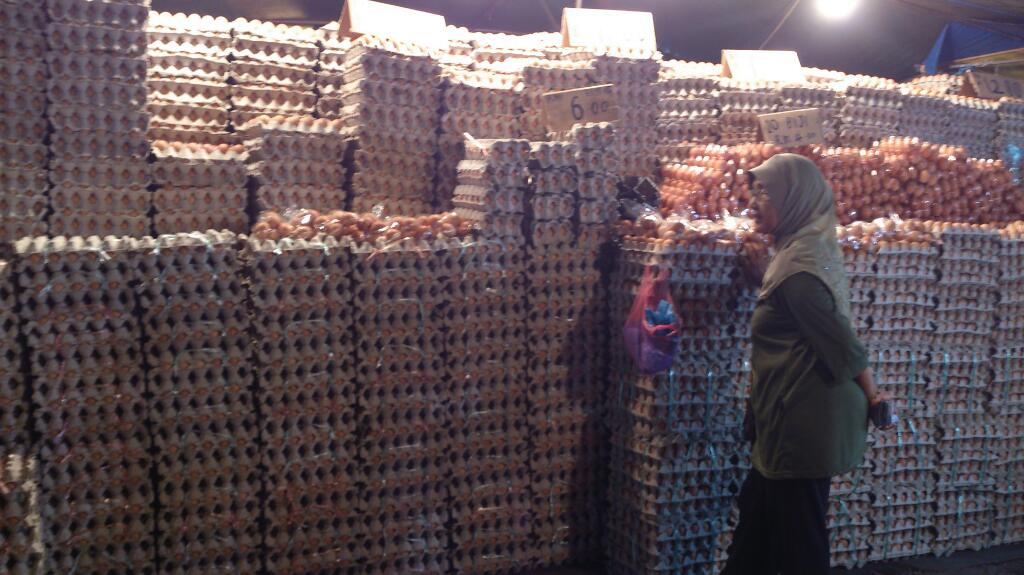
Stack of Egg Stocks

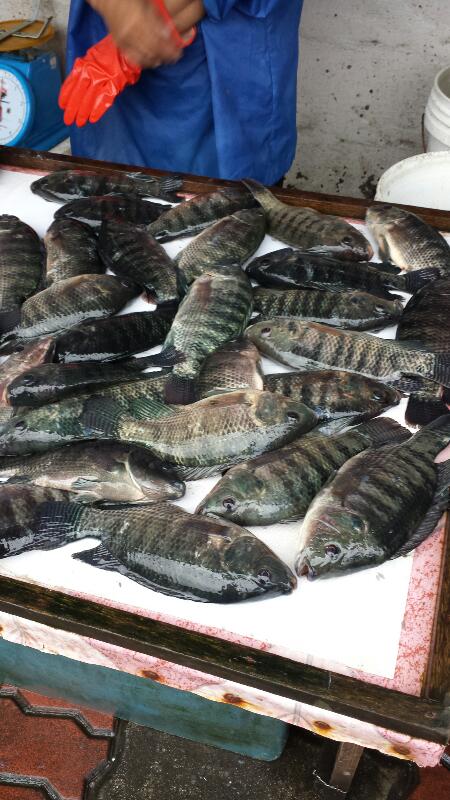
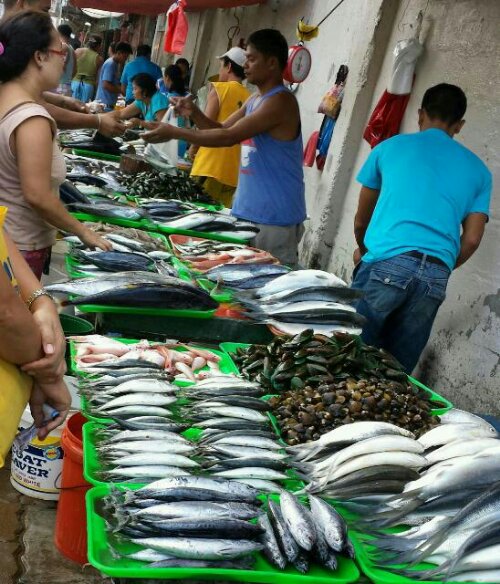
Tilapia at Talipapa

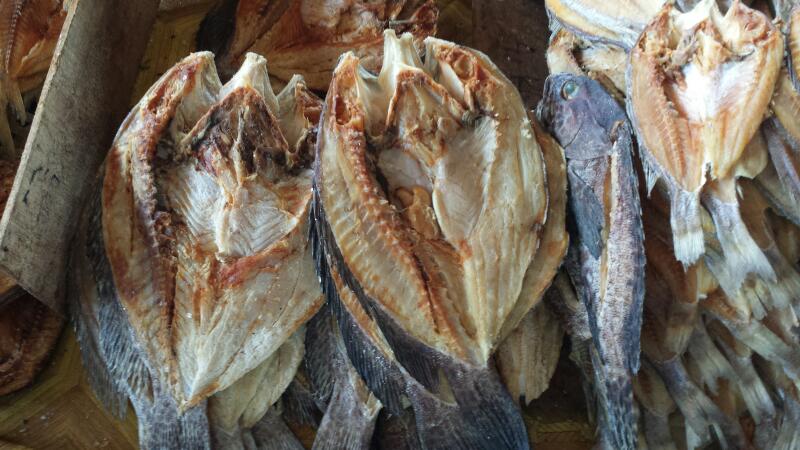
Bulad

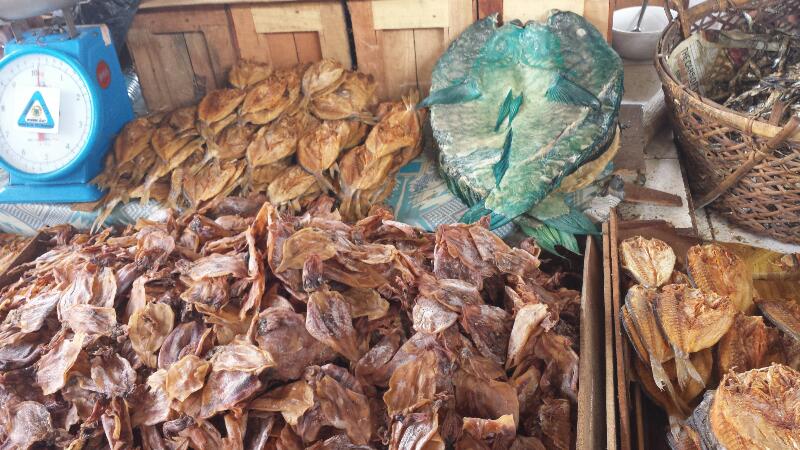
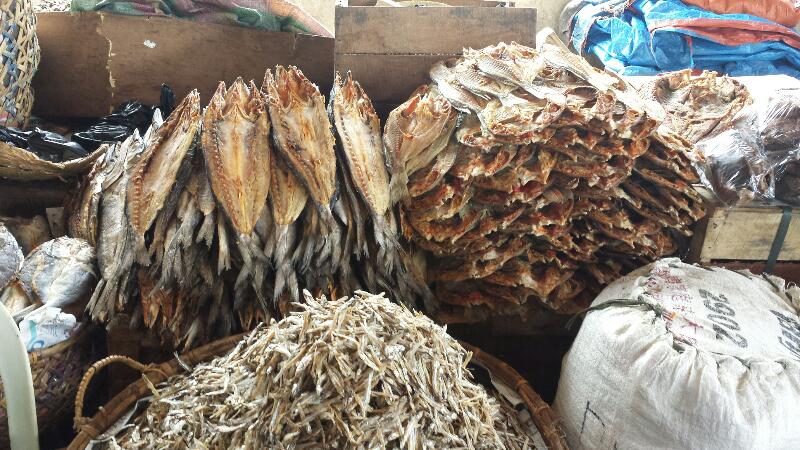
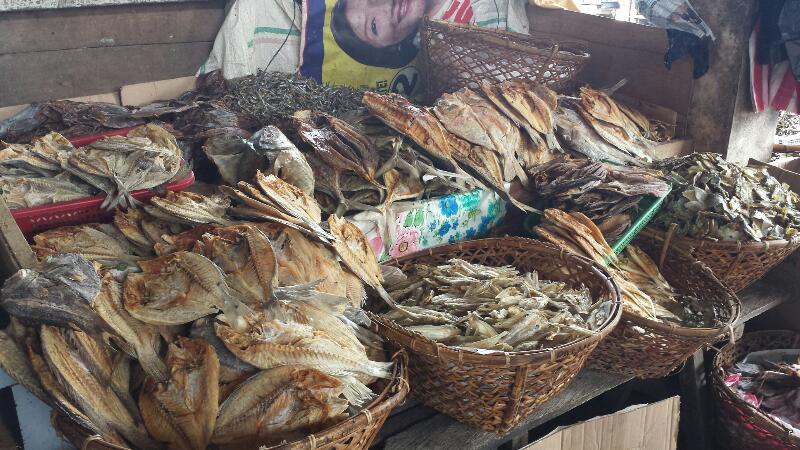
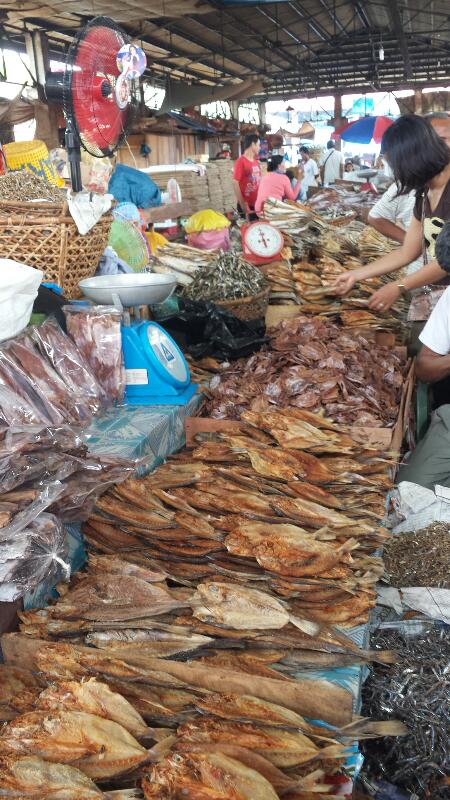
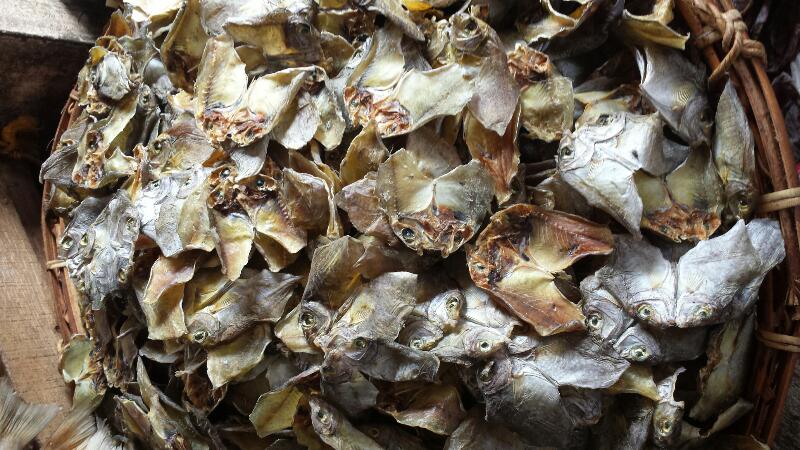
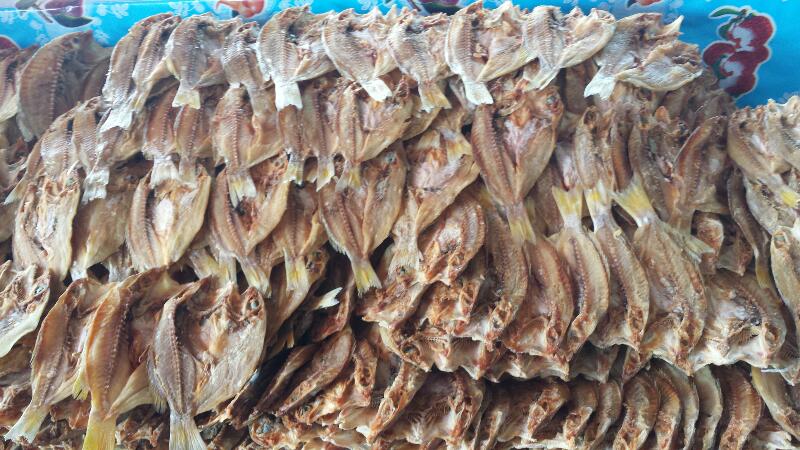
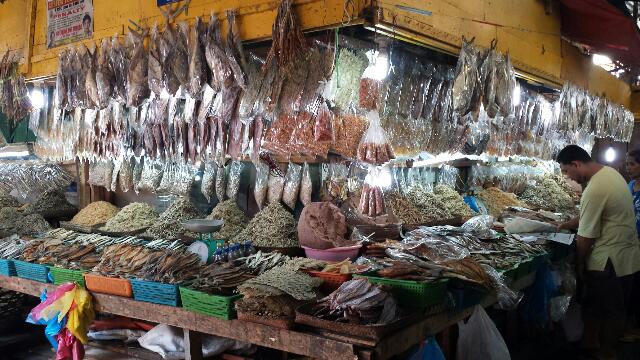
Bulad (dried salted fish) of superior quality is plentiful in Zamboanga City public market. Fried bulad with warm rice as accompaniment is best eaten mano mano (hand as utensil). Moreover, think of bulad as fish bacon.

image

Lapu lapu

image

Dried squid and isda sa bato (that green one)

image

image

image

image

Danggit

image

Malatapay Market

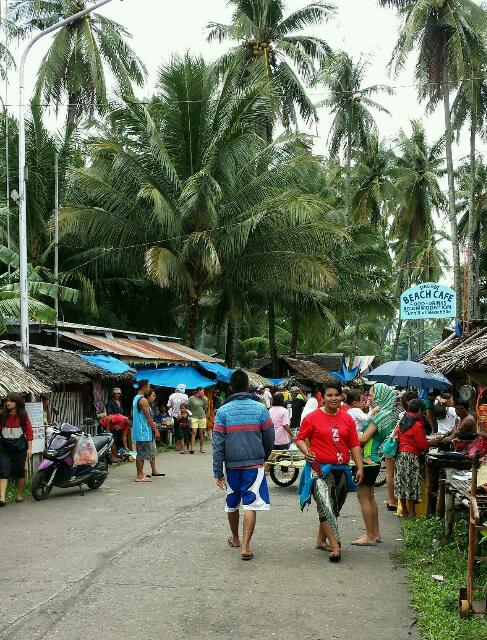
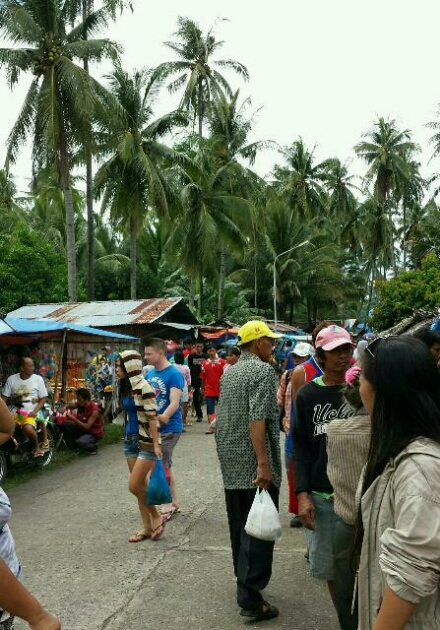
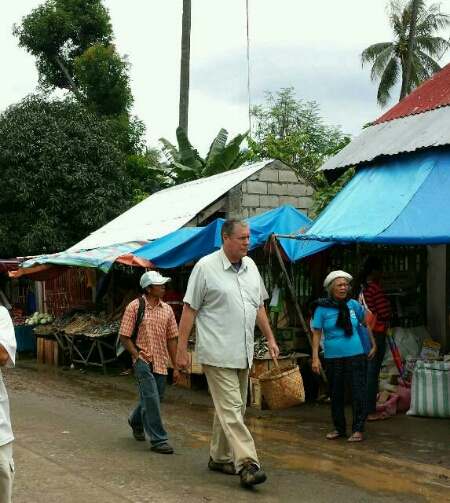
Market folks gather every Wednesday to trade at Malatapay market in Zamboanguita, Negros Oriental. Reminds me of the tamu concept in Malaysia which means a gathering of market merchants on a certain day designated as market day.

image

image

image

Basket is the perfect palengke bag

image

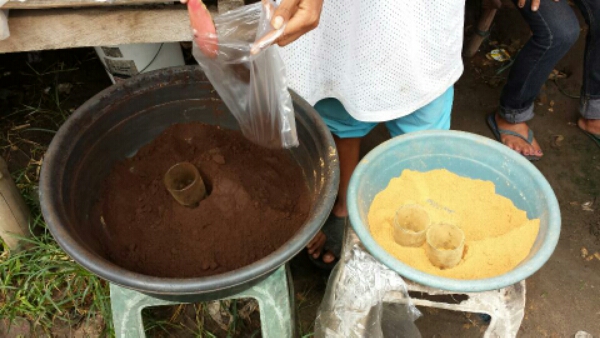
Ground roasted coffee and ground roasted soybeans at 10 pesos per glass

image

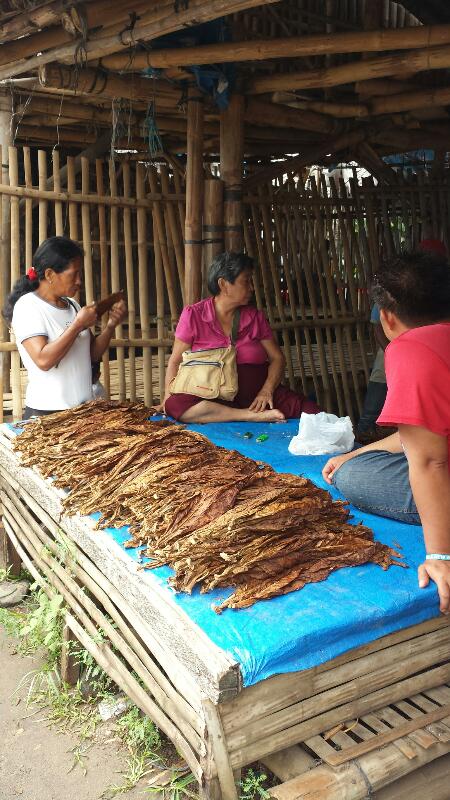
Tobacco stall. When it comes to market stalls, I love the bamboo ones

image

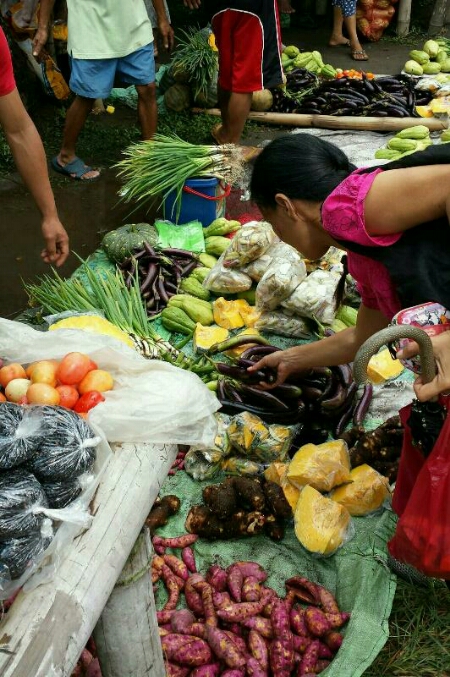
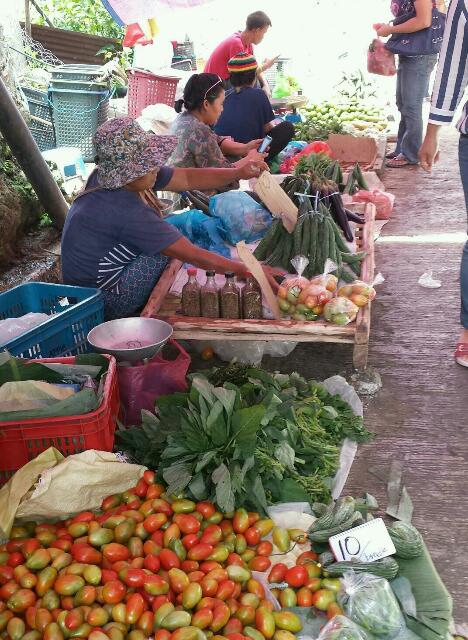
My kind of vegetables

image

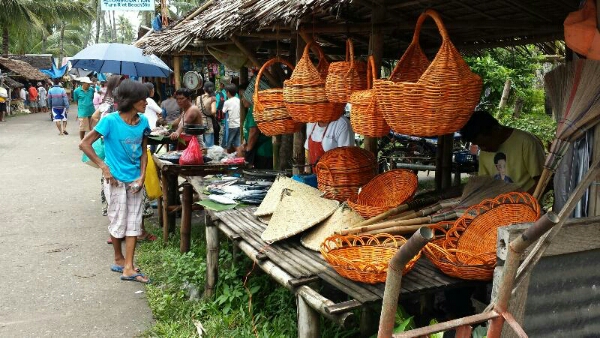
Assortment of dry goods like baskets

image

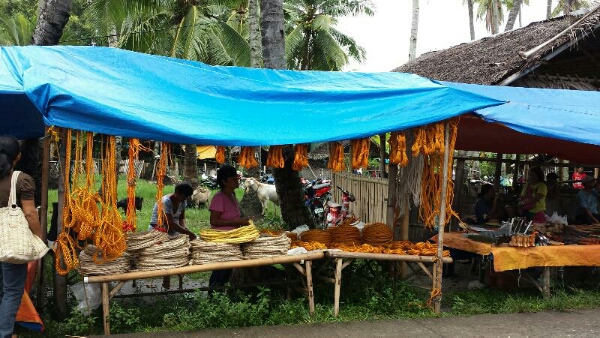
And ropes

image

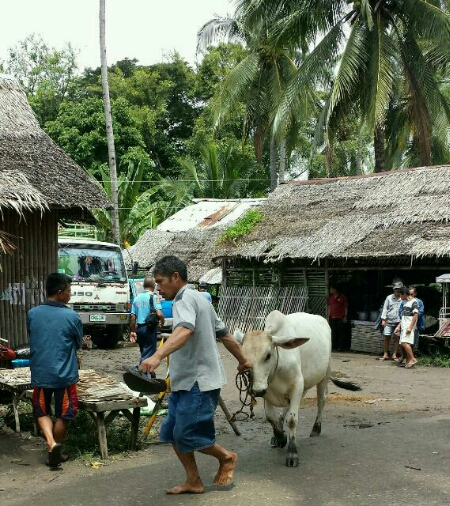
Near that truck is an open space for livestock auction

image

Guinamos na isda (fermented fish fry). This is a very appetizing stall

image

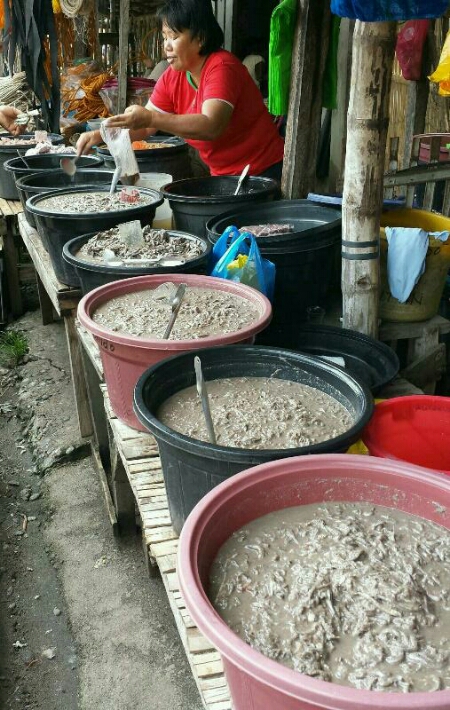
The biggest guinamos I've seen

image

If I have to choose only one among three plates of appetizers from the sea namely, guso, lato or lukot, I'd choose lukot

image

Lukot salad. Mouthwatering

image

Bibingka and salvaro?

image

Hot meals and dine in tables are available

image

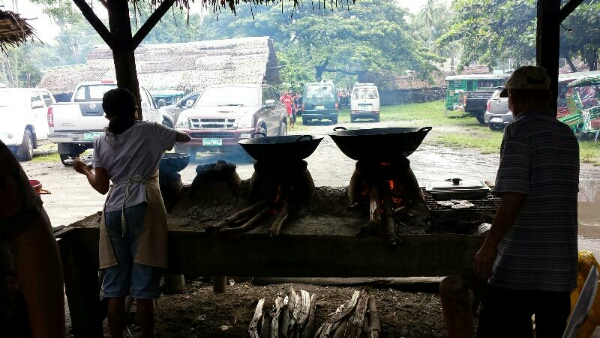
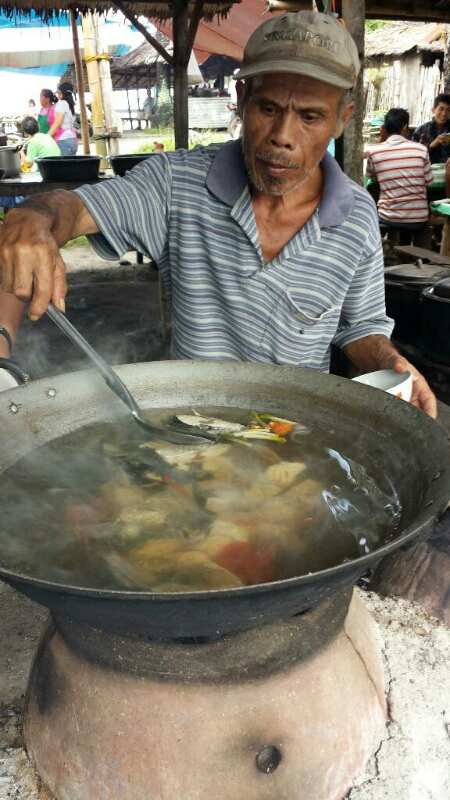
Tinolang isda for my meal

image

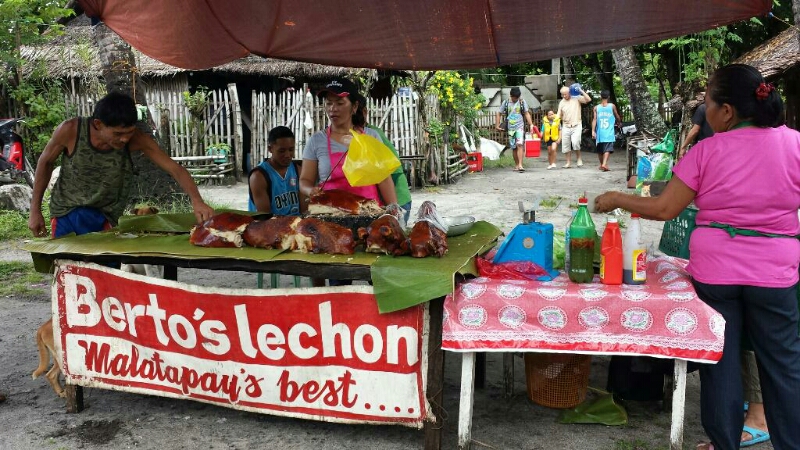
A quarter kilo of lechon for my meal too

Señor Pagi Vendor

image

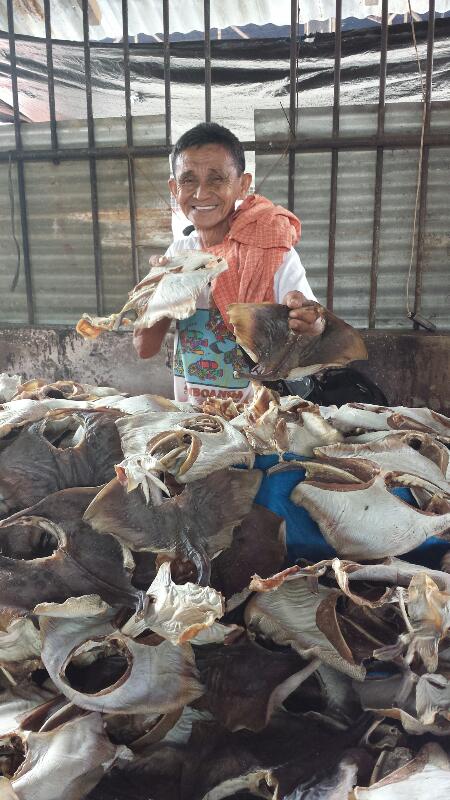
This señor is selling dried pagi (stingray) at Zamboanga City public market

Upon seeing me taking snapshots of his rays, he funnily posed. This señor and the rest of them palengke folks love to have their photographs taken. This is what I’ve observed with palengke vendors anyplace, and so I oblige each time, and they were giggly happy afterwards. I never tried to ask a vendor to pose for me, they just do it, and they’ve consistently amused me.

image

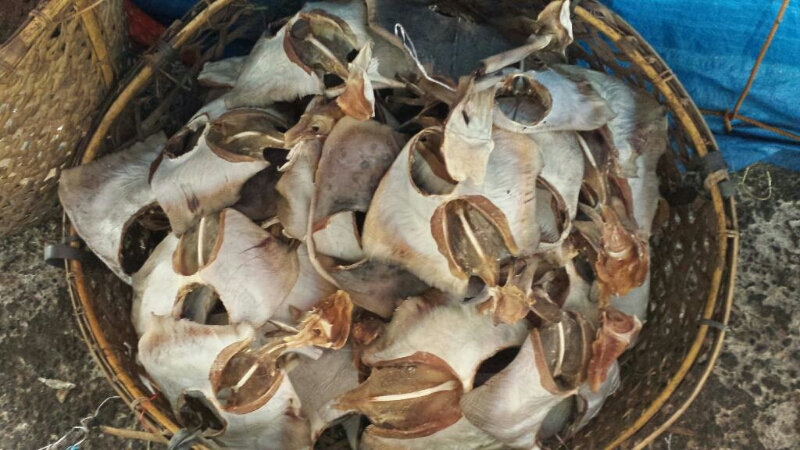
Señor's stock of dried pagi in the bamboo basket

More often than not, this sort of welcoming atmosphere gives me a chance for some cordial exchange in bisaya dialect. That’s how I usually acquire firsthand local knowledge of their trade.

Boxing Day Everyday

image

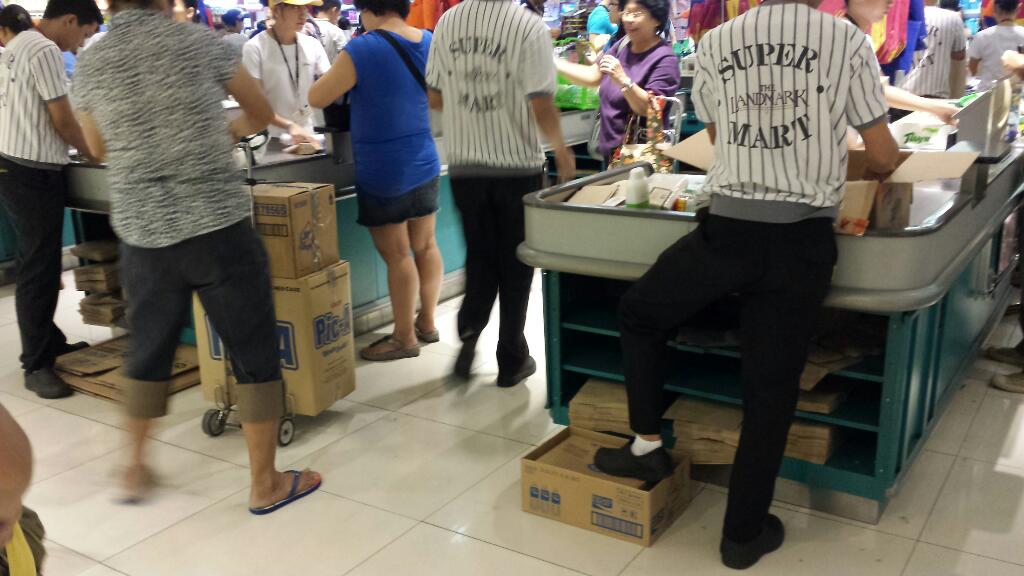
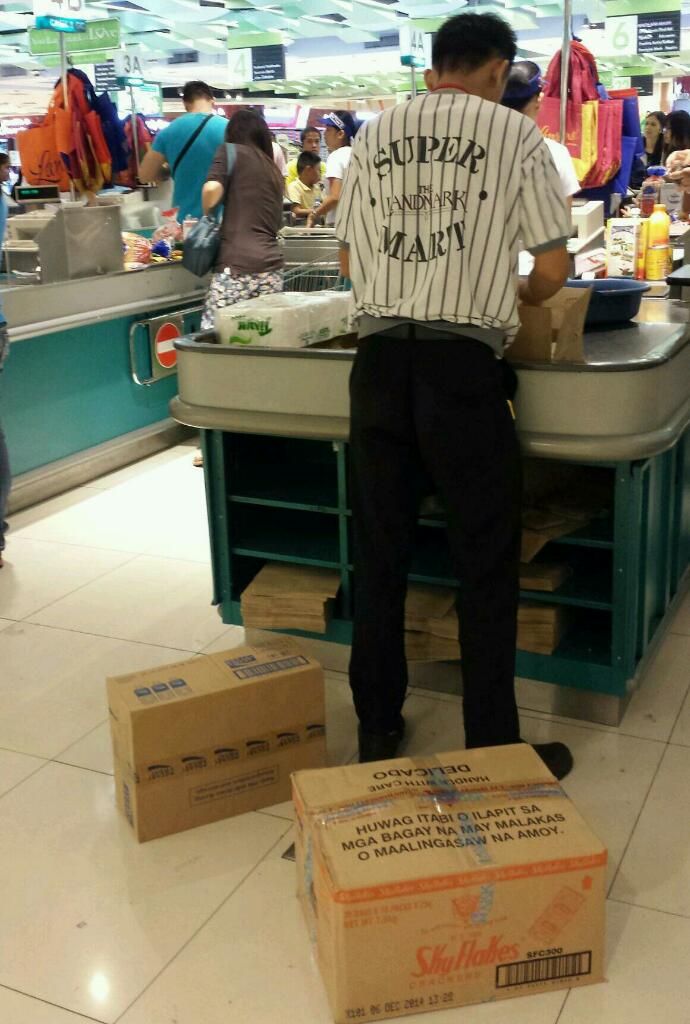
At the checkout counter, bagging of groceries can be three ways: In one’s brought bag, in supermarket provided paper bag, or in supermarket provided used carton. It’s been this way ever since plastic bags were banned in Makati City.

image

Used cartons for groceries

Elastic Phenomenon

image
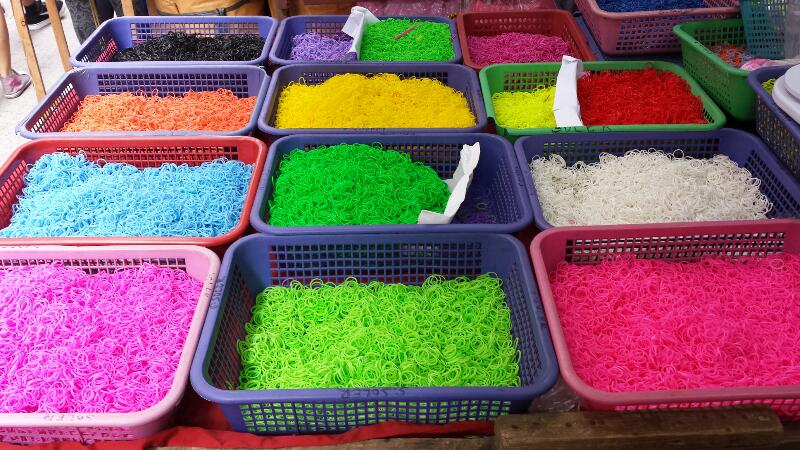
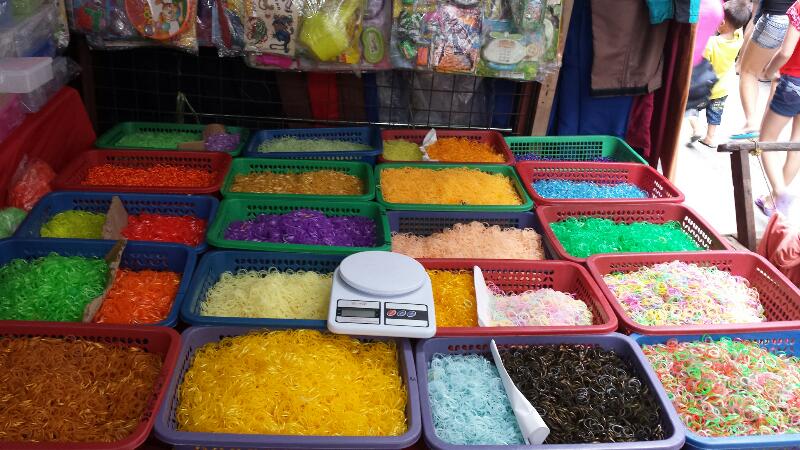
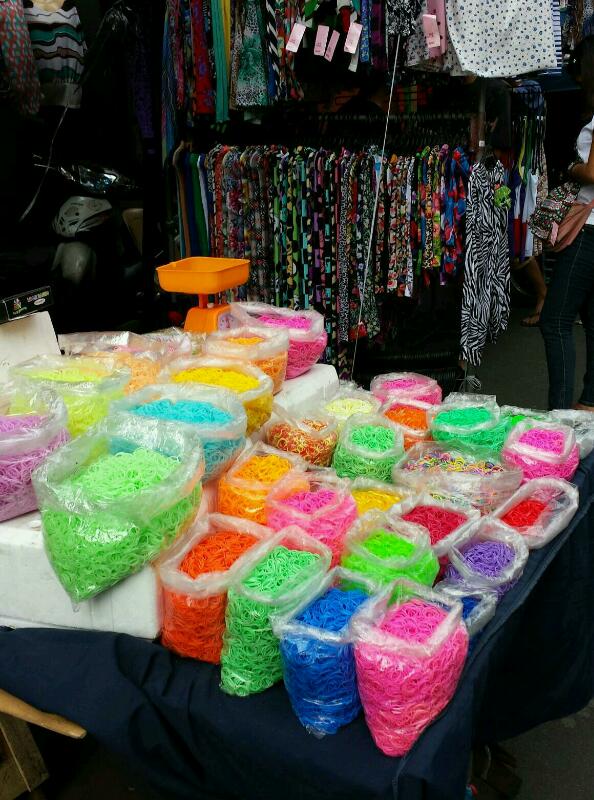
There’s some kind of a rubber band craze now, among children particularly, and this loom band thing found its way to my home even if I’ve spent zero pesos on it. Somebody gifted my kid…for it’s the “in” thing.
image

image

One can really gauge the hit factor of something through the viral way of it’s being replicated. It doesn’t matter to the masses if it’s the Rainbow Loom or an imitation loom. What matters to most are the acquisition of these colorful tiny rubber bands, and the pleasure of weaving these into jewelry, and accessorizing one self of this DIY stuff… for that’s the “in” thing.

image

Street vendors sell the rubber bands at 50 pesos per 50 grams

image

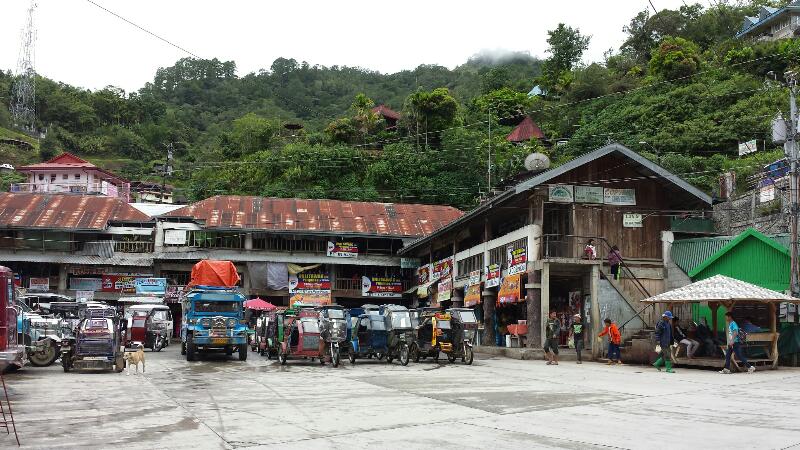
Banaue Snapshots: Town Center

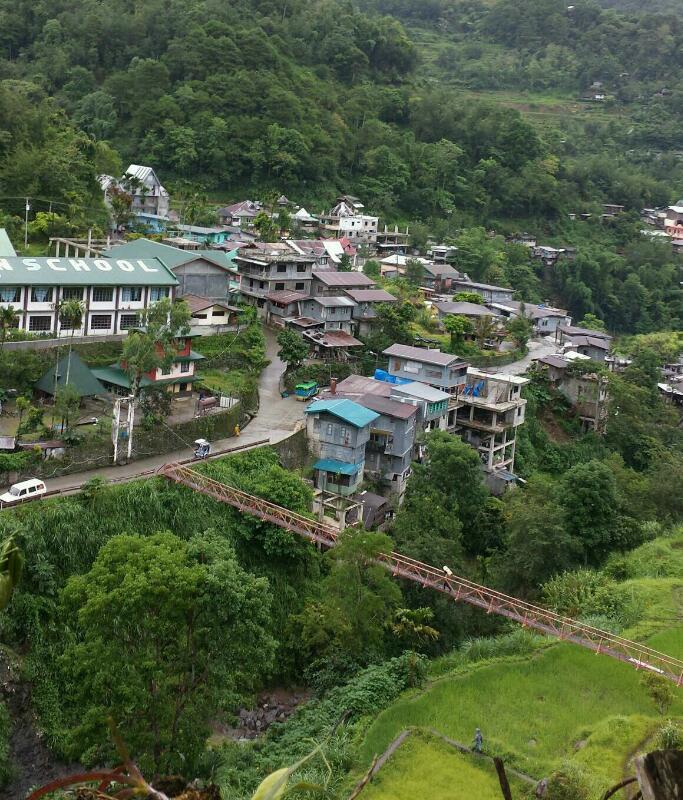
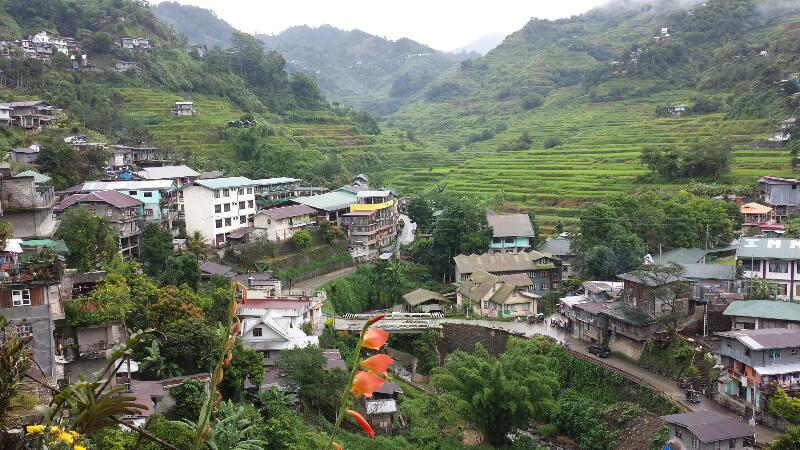
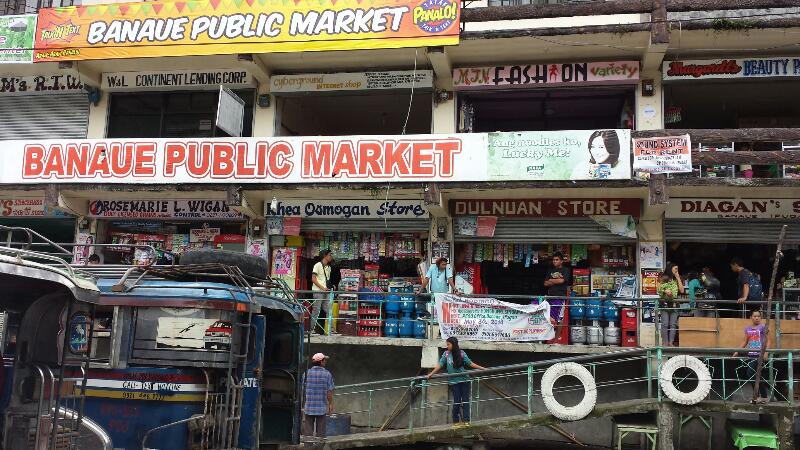
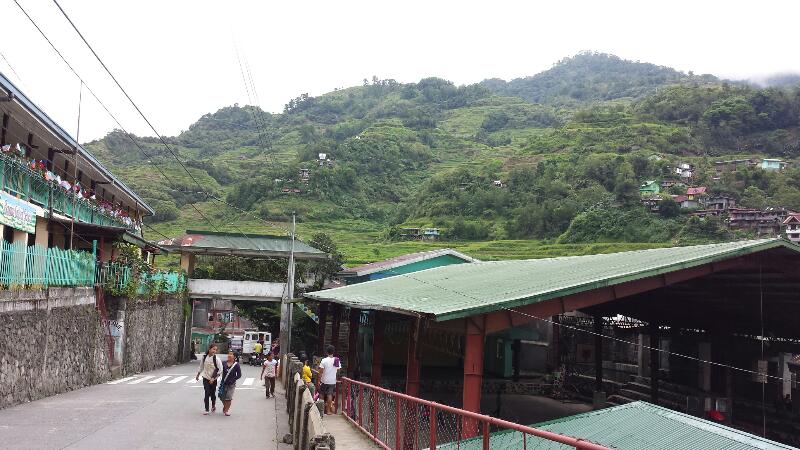
Banaue town center as the commerce hub of the municipality.

image

image

image

image

Sunday is market day

image

image

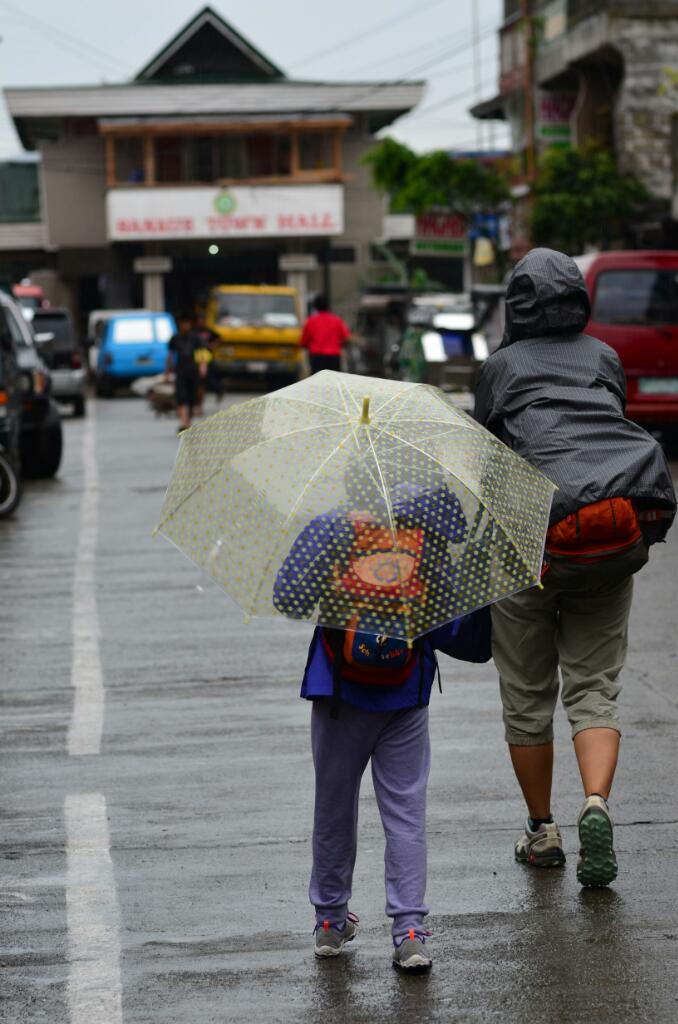
Town Hall

image

Topload is a way of life

image

Meal from a carinderia

image

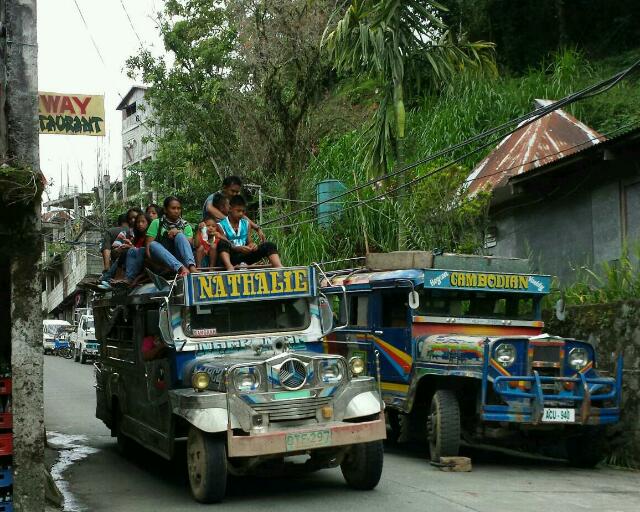
Public transportation hub

image

Jeepney scheduling

Salty Stall

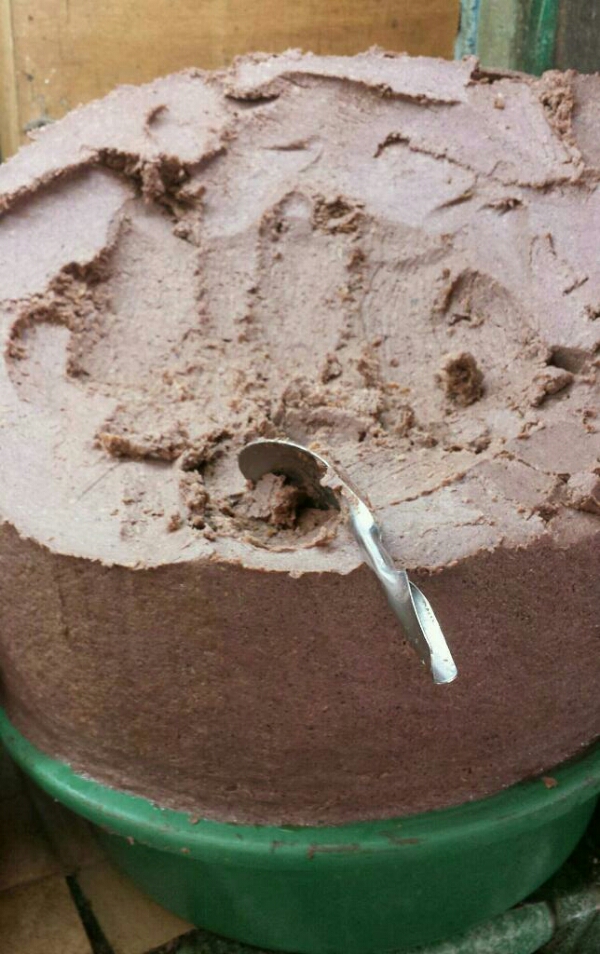
Guinamos Mound

image

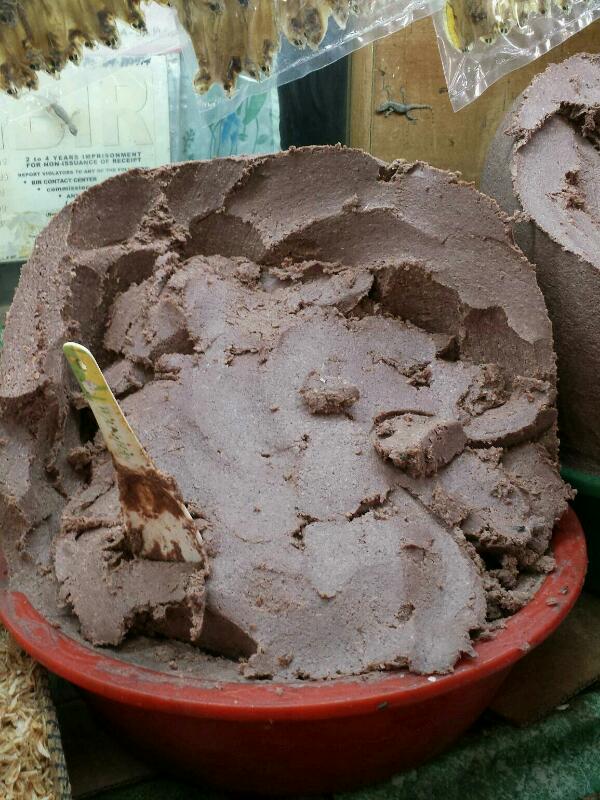
Heaps of guinamos (salted shrimp fry paste)

The guinamos vendor at Iloilo City Central Market procures 100 kilos of guinamos that will be then split into mounds of 50 kilos per plastic tub for retailing.

image

The two lizards in the background love the smell of guinamos, I suppose

Tokyo Snapshots: Ameyoko Market

image

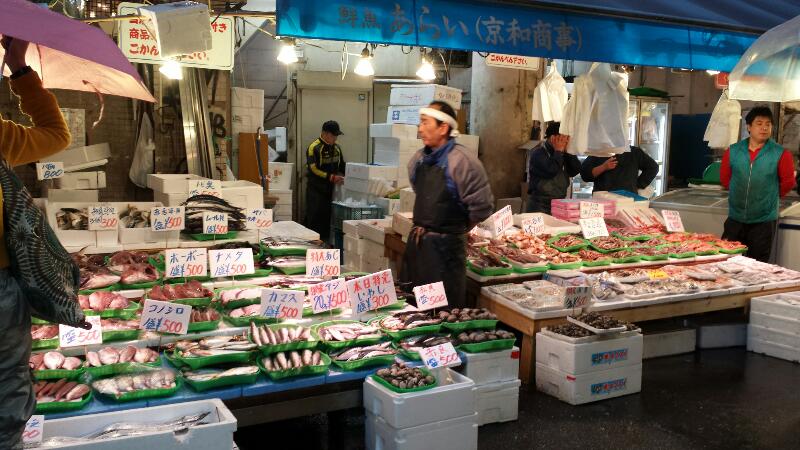
Fish vendor in towel-wrapped head

image

Another fish vendor

image

image

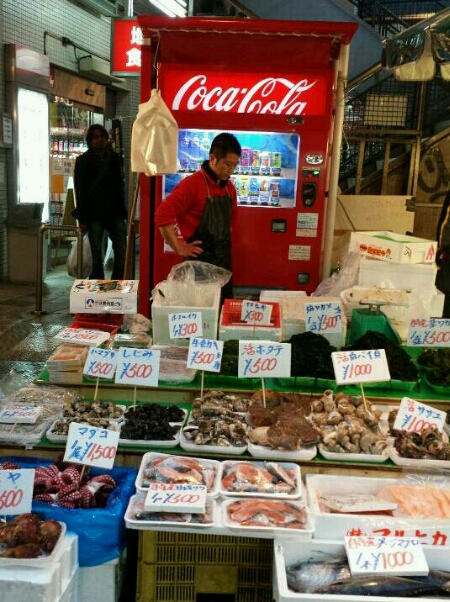
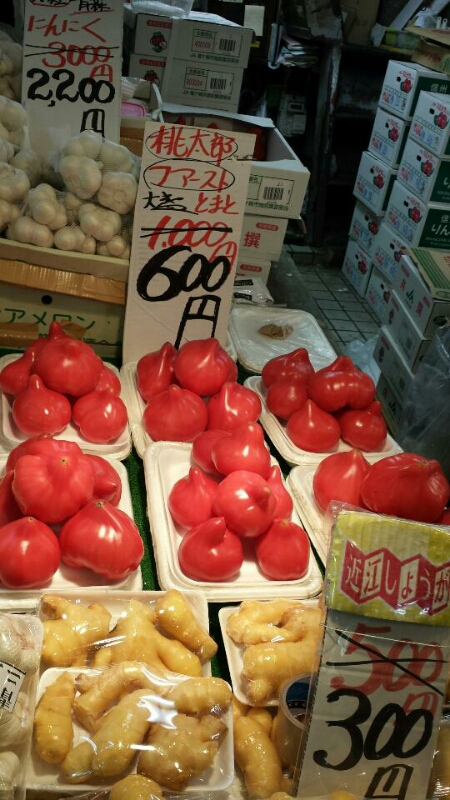
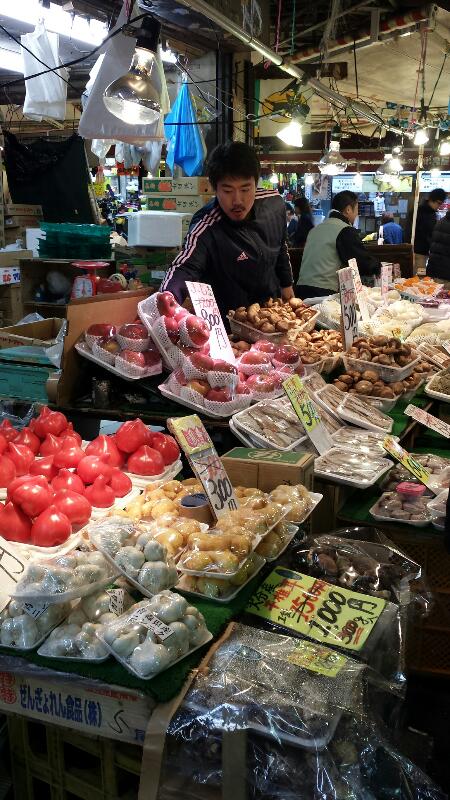
Fruit and vegetable vendor

image

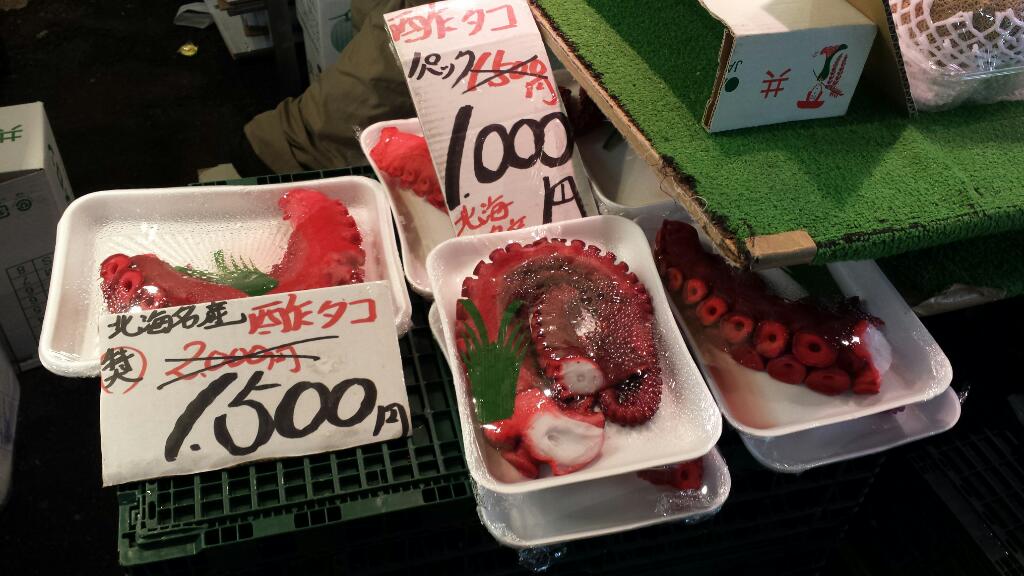
Tako (octopus)

image

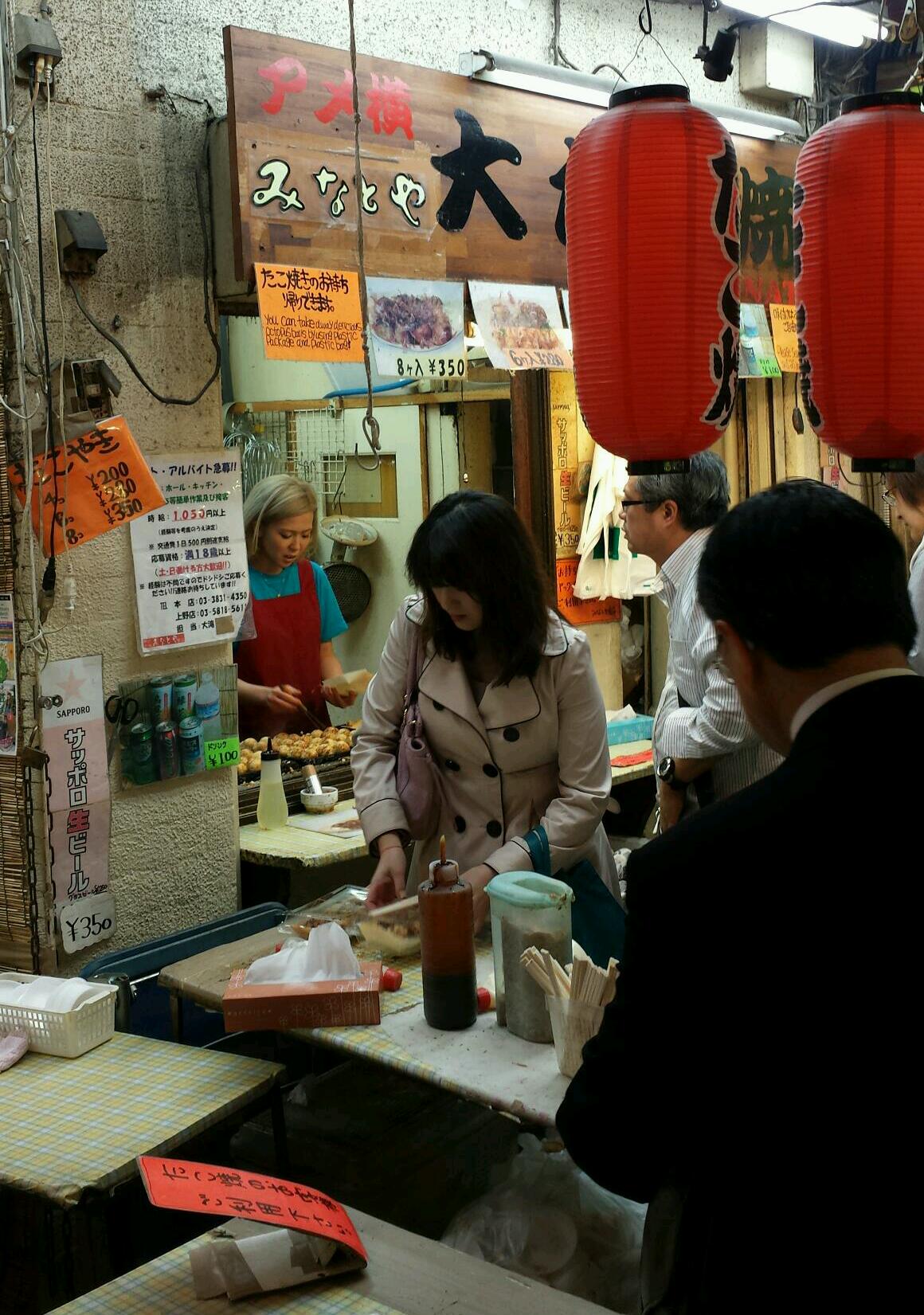
Takoyaki (octopus balls)

image

A temple (Tokudai-ji) within the market street

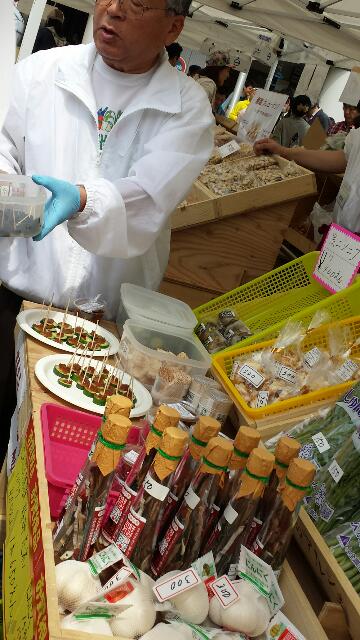
Weekend Farmer’s Market

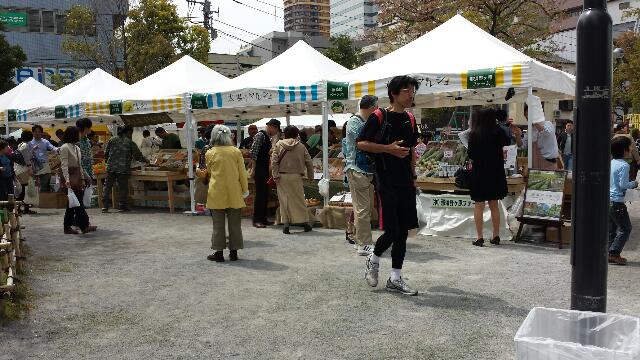
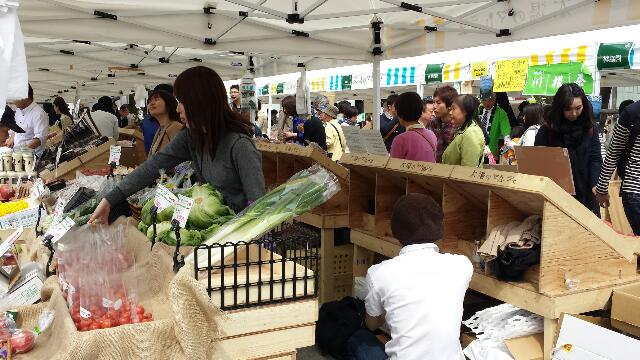
What it is like to be in a Sunday farmer’s market in Tokyo…

image

Not too crowded and a very pleasant day

image

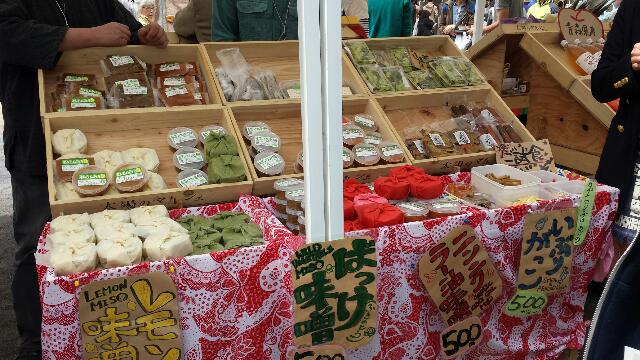
Colorful packaging/wrapper is so Japan

image

image

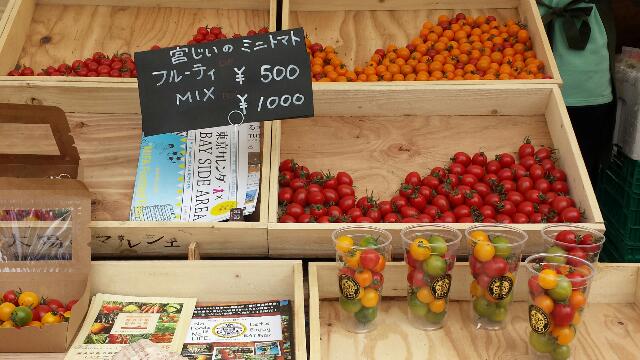
Tomatoes in different colors

image

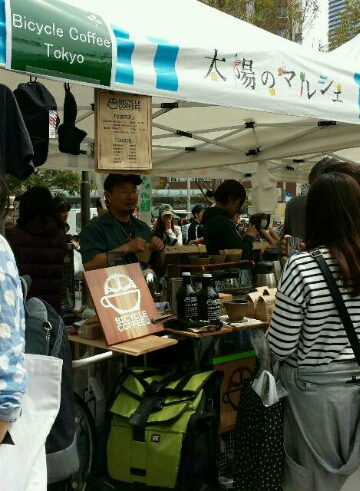
Bicycle coffee

image

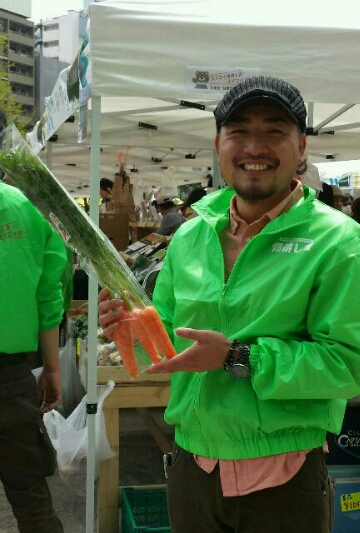
Lovely carrots and a genuine smile

image

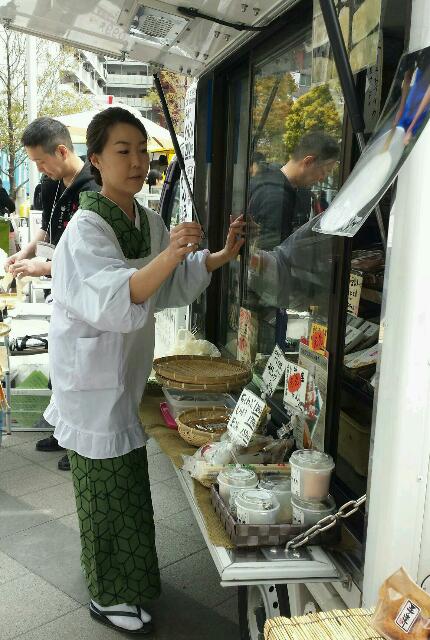
Kimono lady

image

Gives me an impression of sanitary food handling

image

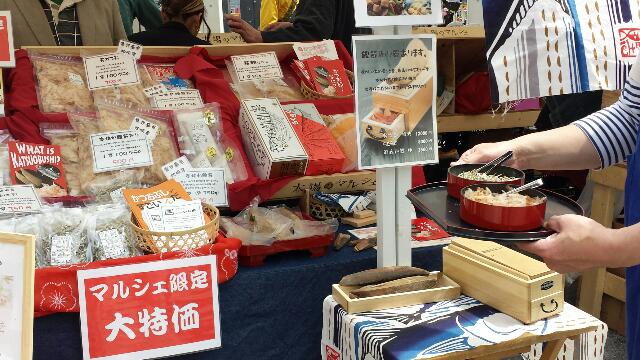
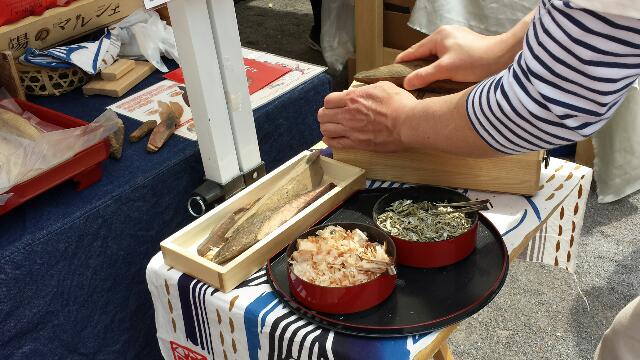
Their specialty is katsuobushi

image

Shaving katsuobushi block

image

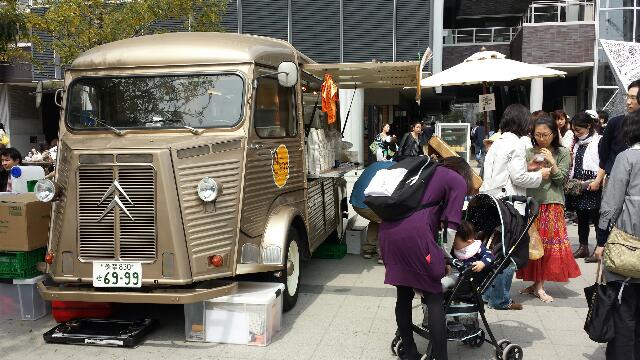
Presence of several food trucks such as this

Roadside Seafood Commerce

Pinakbet Packets

image

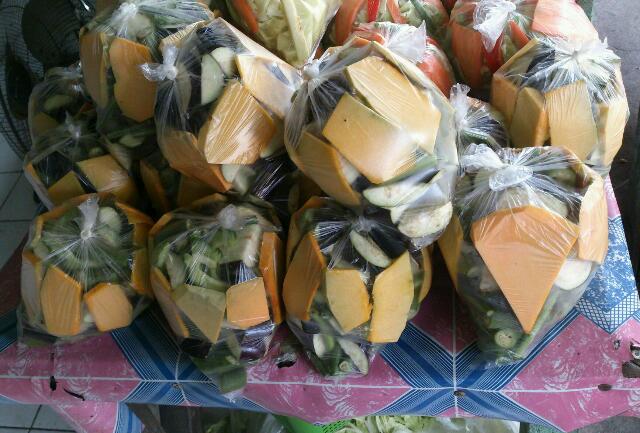
Pinakbet packet members: bitter gourd, string beans, squash, okra, eggplant

Vegetables needed for a pinakbet dish are sliced and packed for the convenience of the cook and also for the seller to dispose of those imperfect whole ones (e.g. whole eggplant) by slicing the good sections from it of which these will then be sold as members of the pinakbet packet.

Patani