Category Archives: Food

Pasar Snapshots: Keropok of all sorts

image

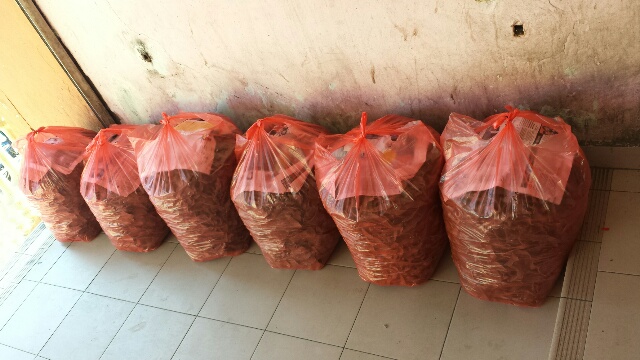
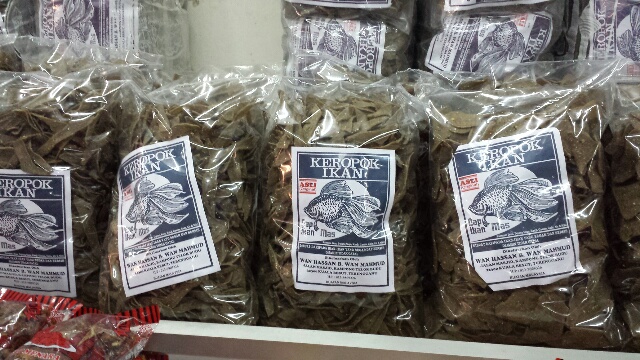
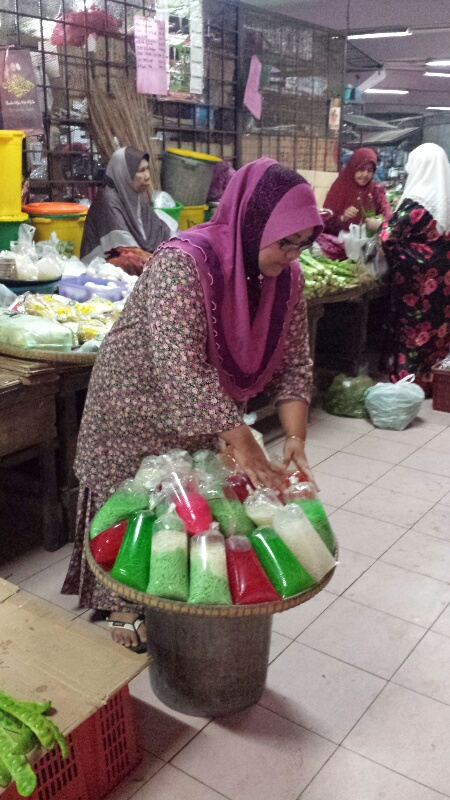
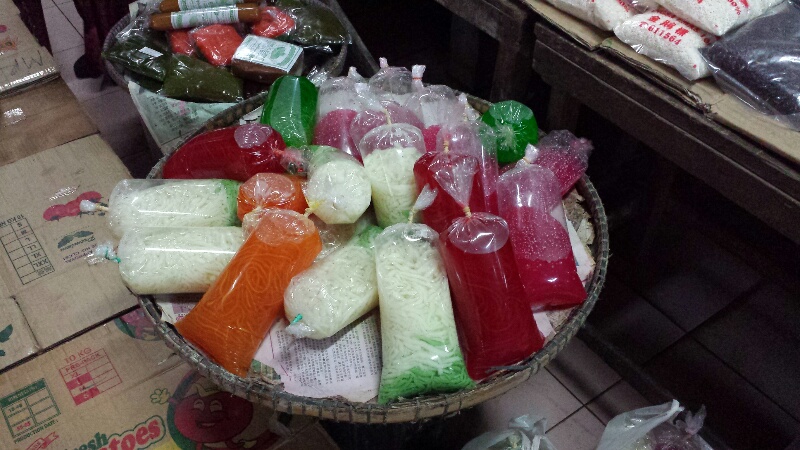
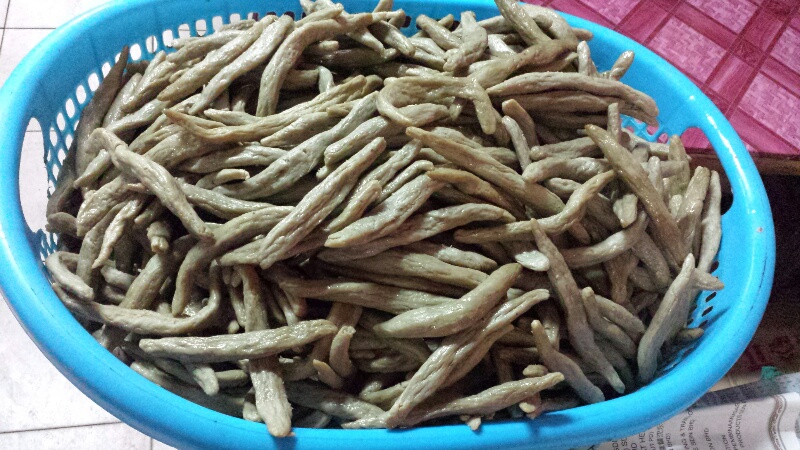
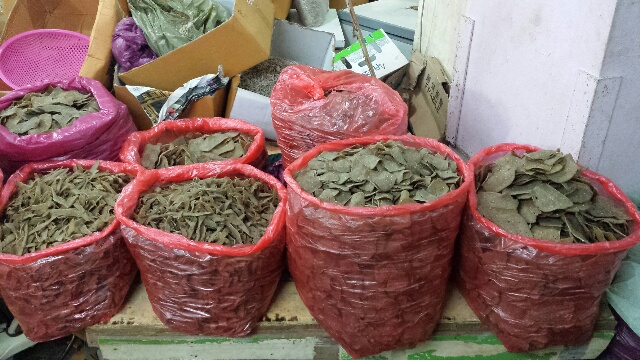
Keropok is the traditional chips of the Malays, particularly in Brunei, Indonesia, and Malaysia. The pictures here were taken from a market in Kelantan.

image

image

image

Pasar Snapshots: Kuih-Muih

image

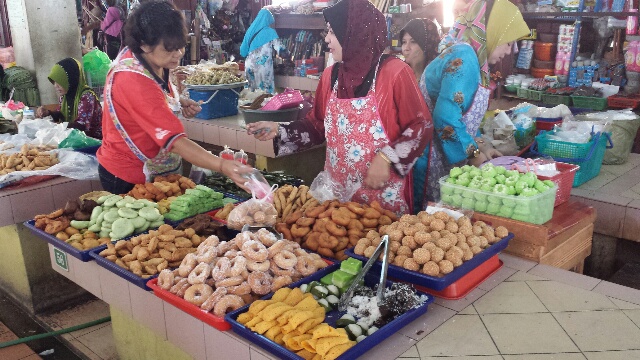
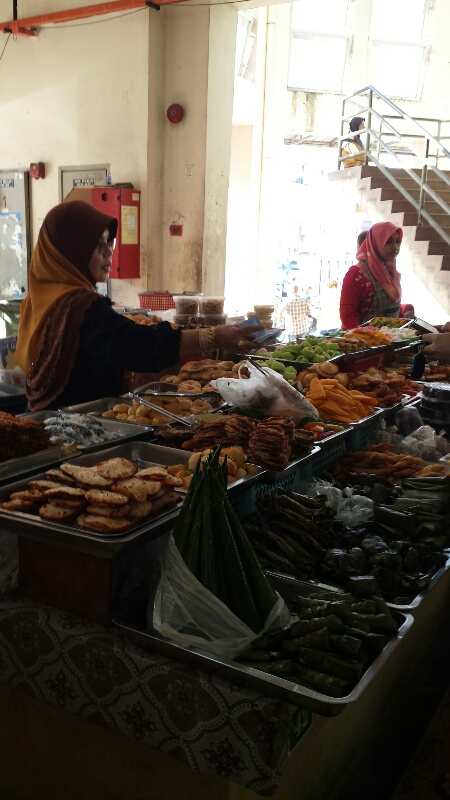
If Philippines has all sorts of kakanin, then Malaysia has all sorts of kuih-muih. Whereas the kakanin is something that you have to deliberately find because native food has taken a back seat over Western bites, kuih-muih contrastingly can be found in cafes, airports, streets, markets, everywhere – even in Kuala Lumpur. How nice it is to have something uniquely Southeast Asian that remains to be part of everyday breakfast, snack, tea or coffee accompaniment, or dessert.

image

image

image

Nasi Tumpang

image

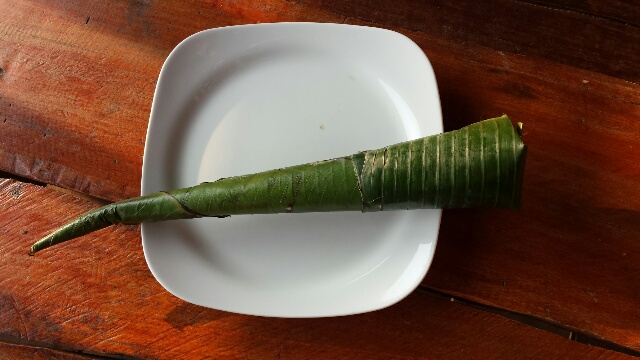
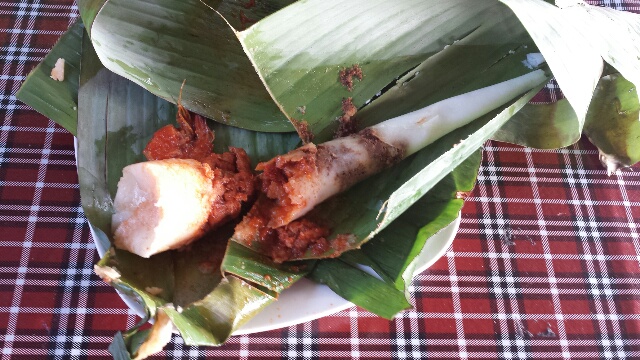
Nasi tumpang is a Kelantanese breakfast staple similar to nasi lemak but the rice with viand inside the banana leaf packaging is more compact in conical form. Its packaging makes it a portable meal (just like the banana leaf wrapped nasi lemak). The texture of the rice inside is like the ketupat – so dense. I suppose nasi tumpang is always eaten cold like the onigiri in Japan but I find its curry-sambal flavor layering quite appealing.

image

Nasi tumpang served by my host in Kota Bharu for breakfast

Nasi Kerabu

image

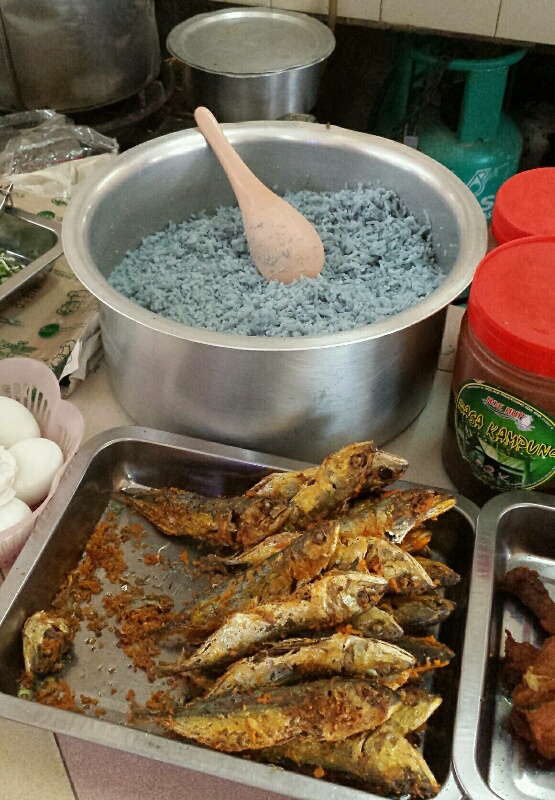
Blue rice and fried fish

In Kelantan, they have blue rice. It’s not the grains that are blue, rather it became blue because of the blue flower known in Malay as bunga telang, a natural food color just like how turmeric is used as yellow food color.

image

You can see toasted grated coconut topping while in the process of putting together my nasi kerabu dish

Nasi kerabu is a dish of blue rice with toasted grated coconut, herbs, some sauce, vegetable garnishing, and keropok and is normally eaten with viand. When you mix the rice and vegetables with your right bare hand, then use hand as utensil as well, and you find the combination of flavors quite appealing,  then you’ll feel like a true blue Kelantanese.

image

Hand mixed nasi kerabu with fried fish, keropok, and solok lada

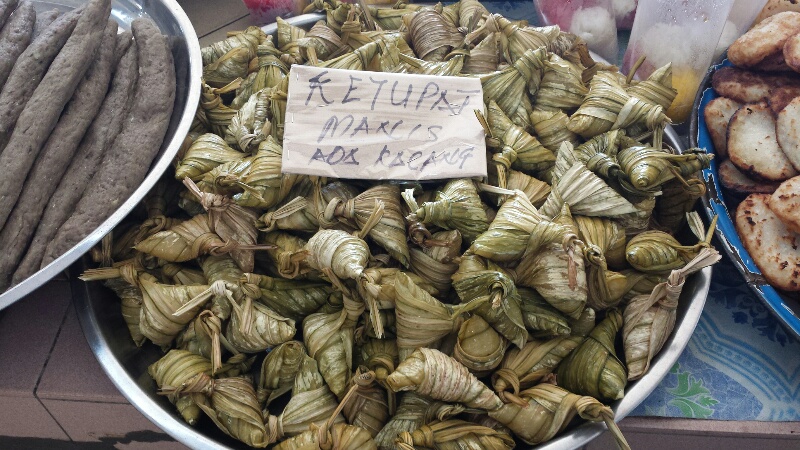
Pasar Snapshots: Kelantan Ketupat

Pasar Snapshots: Cendol et al

Pasar Snapshots: Telur Penyu

Popo Snack, etc.

image

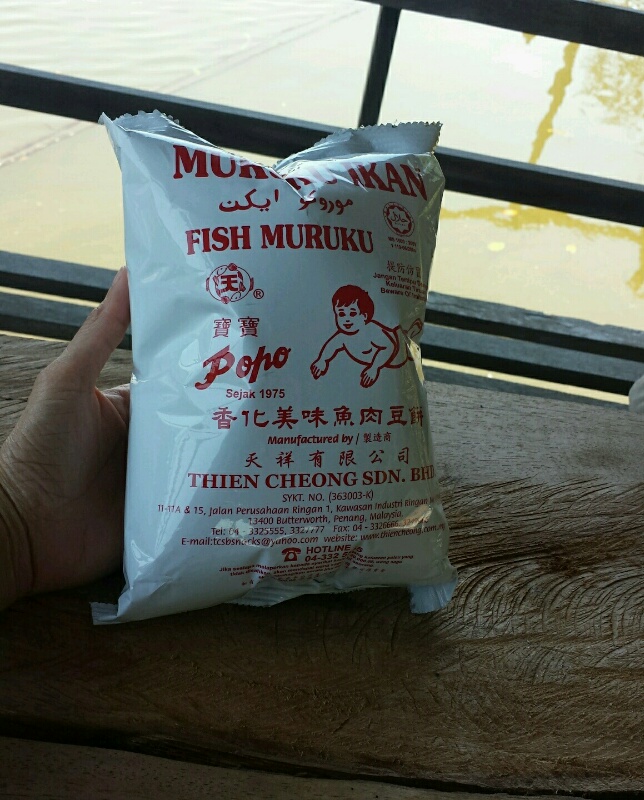
Yummy popo by the river, yummy popo everywhere

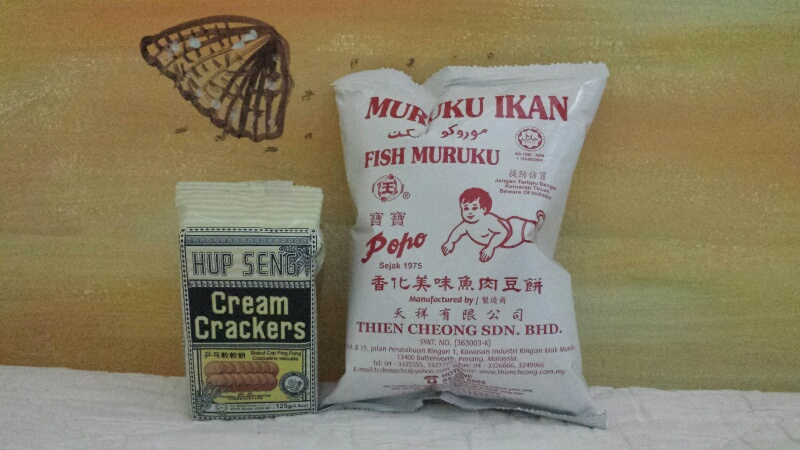
There are two packaged snacks that I would buy every time I’m in Malaysia – Popo Muruku Ikan and Hup Seng’s Cream Crackers. Other than as emergency carry snack when wandering around, I would buy these two just because I look forward to simply eat it – with pleasure.

image

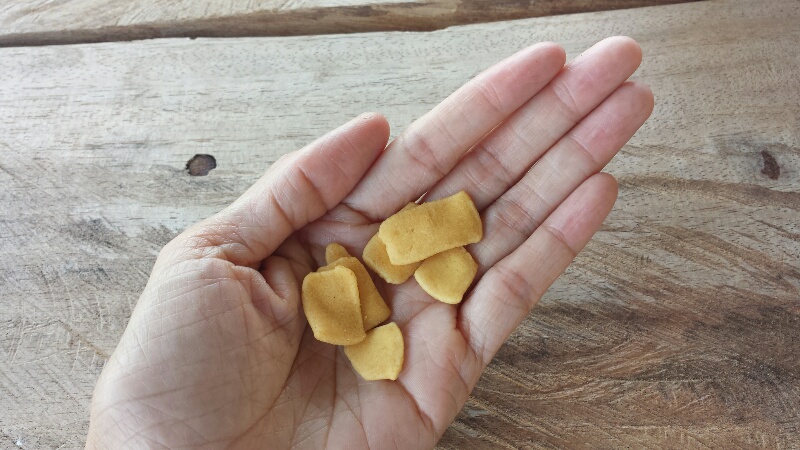
Popo Muruku Ikan: A lentil based fish chips. I can’t even think right now of anything comparable to this

image

Hup Seng’s cream crackers on the left. I’d choose this over Ritz Crackers anytime

Keropok Lekor

image

Fish sausage known as keropok lekor

If there is one thing that stood out among the curiosities in the east coast of Malaysia, then it’s the keropok lekor (fish sausage). So far I have only seen it being served as fried from the street vendors to market eating stalls, and in a kopitiam’s menu.

image

Keropok lekor in the market

Keropok lekor has a strong fish taste that unlike the fish balls I’ve snacked on in the Philippines, this one has definitely more fish in its fish:flour ratio.

image

Deep fried thinly sliced keropok lekor for snacking

image

Keropok lekor as a common street food

By the way, as I write this I kept thinking that I’ve seen this thing somewhere in Sabah. So I perused my Kota Kinabalu photographs and found two pictures. At that time I had no idea what lekor was. It was a one-time encounter unlike the plentiful lekor encounters in Kota Bharu.

image

Kota Kinabalu: Stall sign at the night market that says lekor

image

Kota Kinabalu: Deep fried keropok lekor at the night market

Patin

image

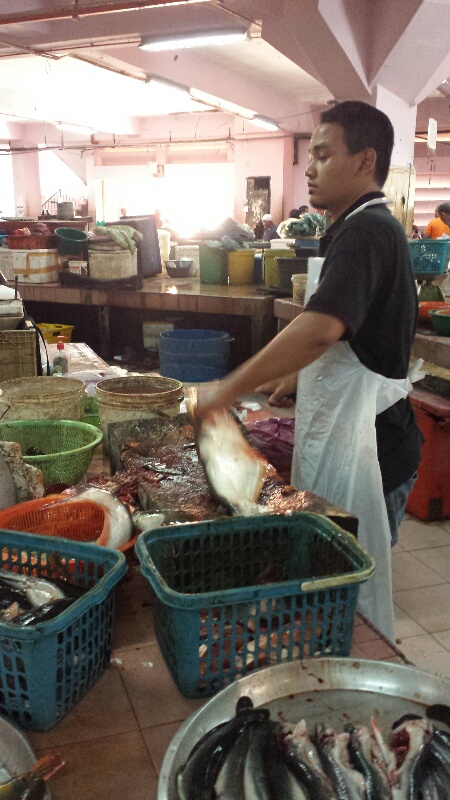
Patin is a freshwater fish, a river fish

Inside Siti Khadijah market, one can notice plenty of patin fish.  Looks like a very common food fish in Kota Bharu much like the tilapia fish in Manila.

image

Cleaning several patin for a customer

A Tribute to Langka, Papaya, & Mango

image

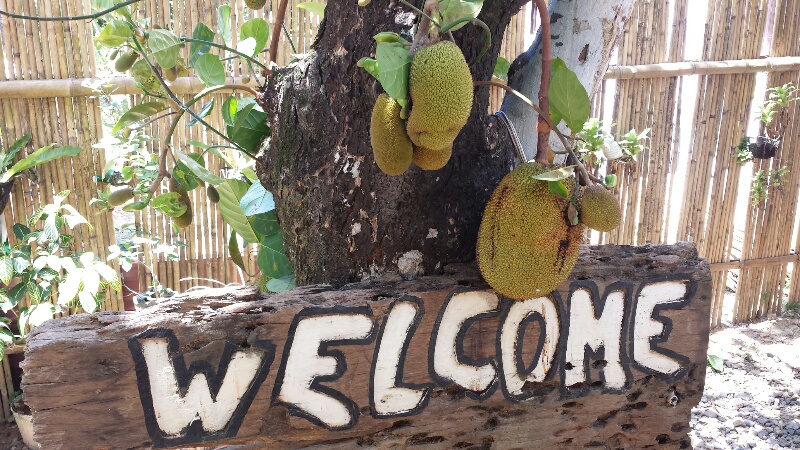
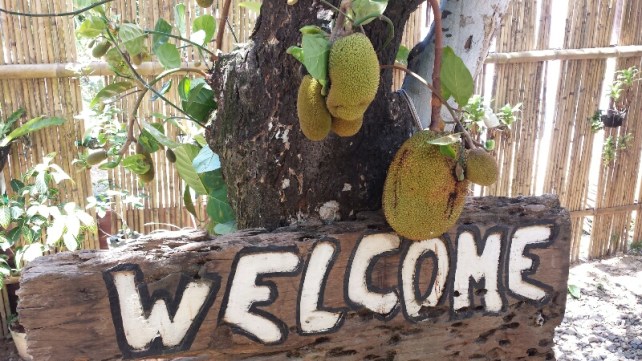
A guest house welcome sign on a jackfruit tree

Langka (jackfruit) is normally cooked as vegetable when unripe as in the ginataang langka of the Philippines, or the gudeg of Yogyakarta. It is typically eaten raw when ripe, though usually candied if used as dessert ingredient – halo-halo for instance. This is royalty in the kingdom of fruits.
image

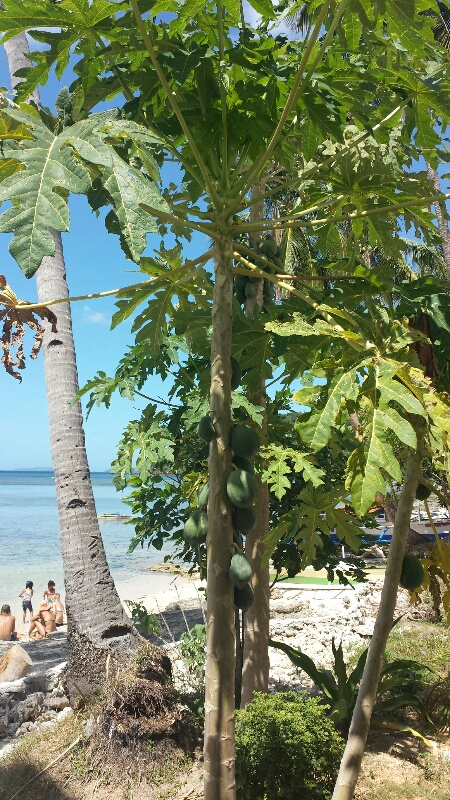
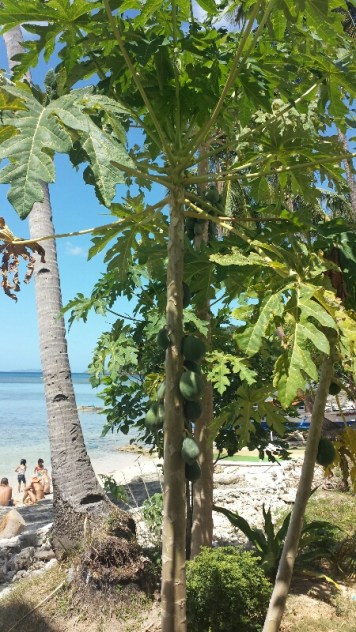
Undoubtedly a tropical fruit tree

Similarly, a papaya fruit when unripe is usually cooked as vegetable in tinolang manok for example and eaten raw when reddish or golden ripe. The green unripe papayas are also grated and made into delectable salad like the one I had in Thailand, or it can be pickled, as in atchara. Give me papaya over apple or oranges anytime.

image

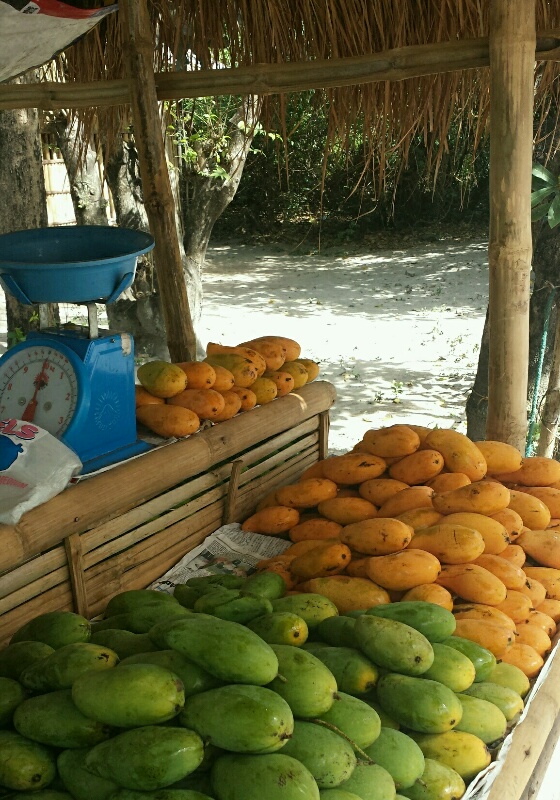
Very sweet Zambales mangoes

And here is one reason why I won’t leave the Philippines – mango. I have tried mangoes in other countries but not one of them can beat the taste of Philippine mangoes. The moment I tasted its sweet ripe meat, all political ugliness of the country became tolerable.

image

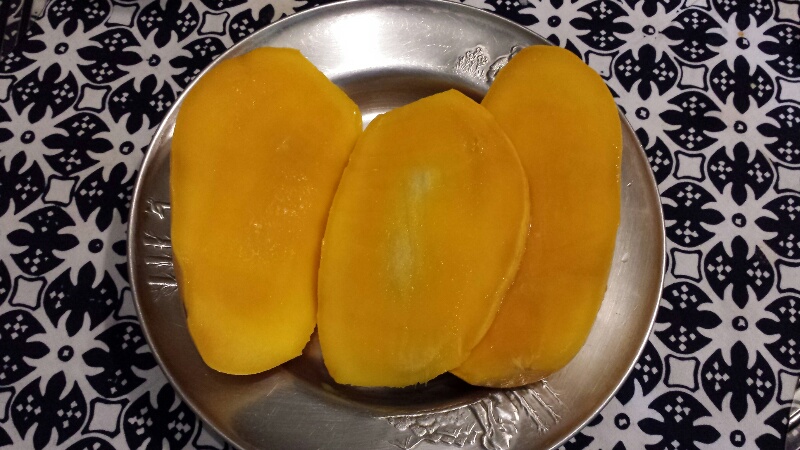
This is the normal way to serve ripe mango though it is more fun to just peel off the soft skin and bite…juices dripping
Chaolong

image

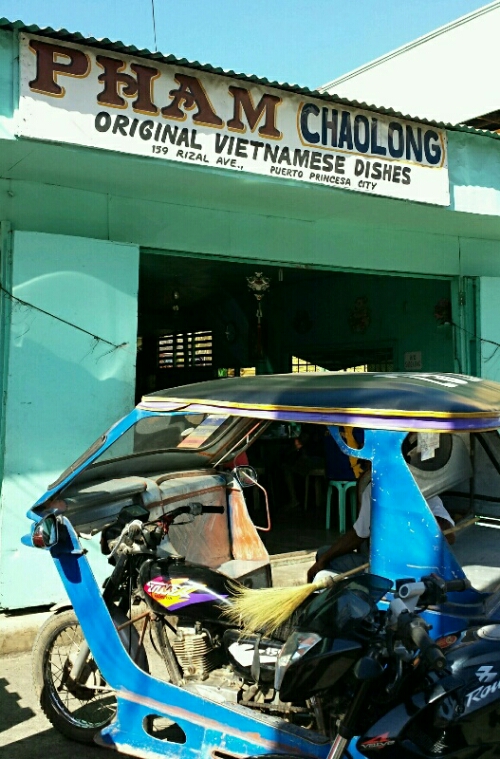
When talking about examples of regional fastfood such as batchoy in Iloilo, lomi in Batangas, pancit cabagan in Isabela, ngo hiong in Cebu, satti in Zamboanga, inasal in Bacolod and so on, for Puerto Princesa it’s the chaolong. Chaolong is a Vietnamese influenced rice noodle soup with meat (e.g. pork, or beef) and basil. It’s the broth that tastes Vietnamese.

image

From the inside of the chaolong eating house

image

Chaolong with pork bones

Egghead Octopus Snack

image

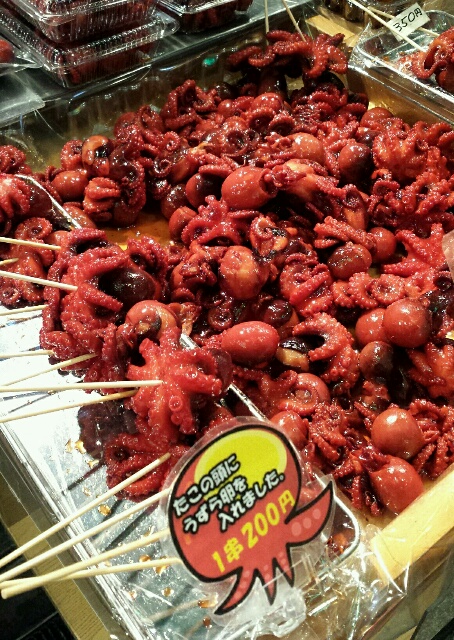
Cute like an alien infant

To retain the figure of the marinated boiled baby octopus, someone thought of filling its head with boiled quail egg. Or perhaps, the idea is how to eat whole quail eggs in an innovative way – by using octopus head as edible packaging. Whatever it is, the outcome is an appealing, appetizing and filling snack. I shall never forget how I stood near the skewered stuffed octopus table at Nishiki food market as I chewed the egghead in wonderment.

image

One way of eating quail eggs is to stuff it in the head of a baby octopus

Rice Breakfast over Continental Anytime

image

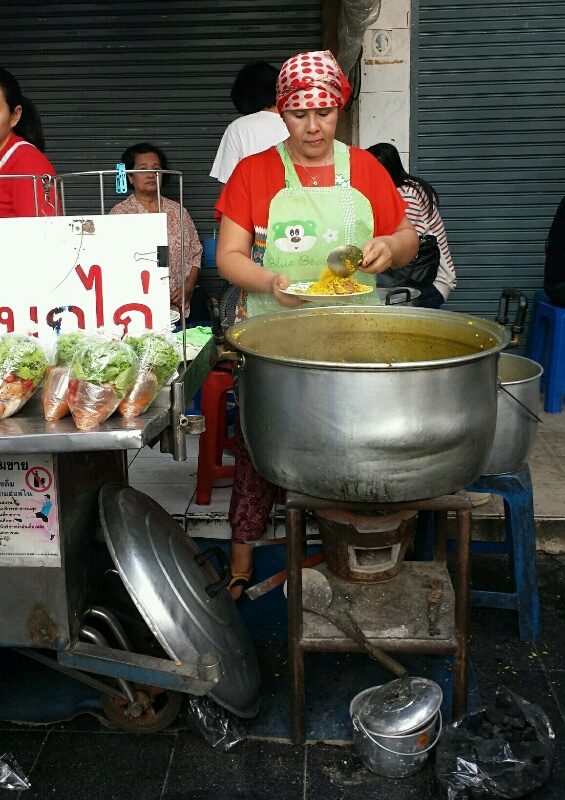
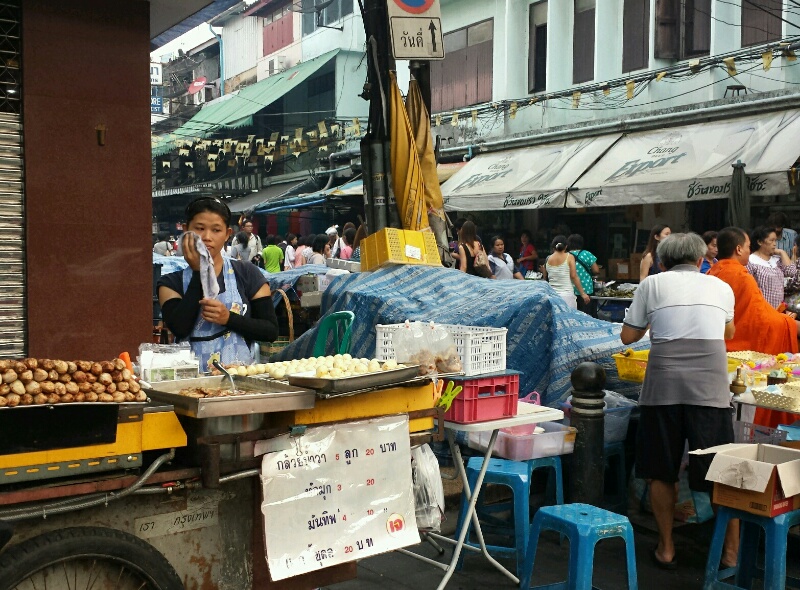
It was an early morning weekday rush hour where street food vendors abound. And where locals hurriedly buy either packed breakfast or packed lunch to bring to work.

From the lady with huge pot in front her; I got packed rice meal that was a cross in taste between chicken biryani and Ilonggo’s valenciana. I wished I had more breakfast mornings in Bangkok – it was that good.

image

Early morning street food

Back at the hostel where travelers of different nationalities were having breakfast too in the “mess hall”, I was very delighted of my rice meal packed in brown paper than the Continental breakfast set some just ordered in there for 65 baht, which looked good by the way. But Continental breakfast is so dull and the last thing I would have. However, the-last-thing-I-would-have-for-breakfast is eternally present in almost every breakfast menus.

Dual Priced Coconut Ice Cream

image

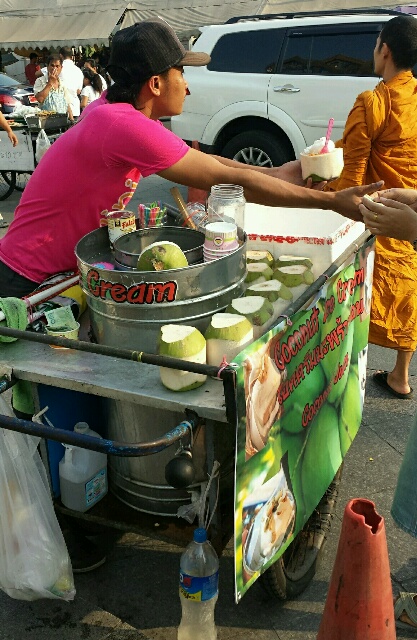
This vendor was selling coconut ice cream served in half coconut shell with its coconut meat, then poured with condensed milk for a 30 baht refreshment. Moments later, one may find out that it was just 20 baht for locals but still consistently priced as 30 baht for foreigners. This realization came as I hung out just across the ice cream guy while quietly eating my delicious foreigner-priced ice cream.

Ikura at Nishiki Market

image

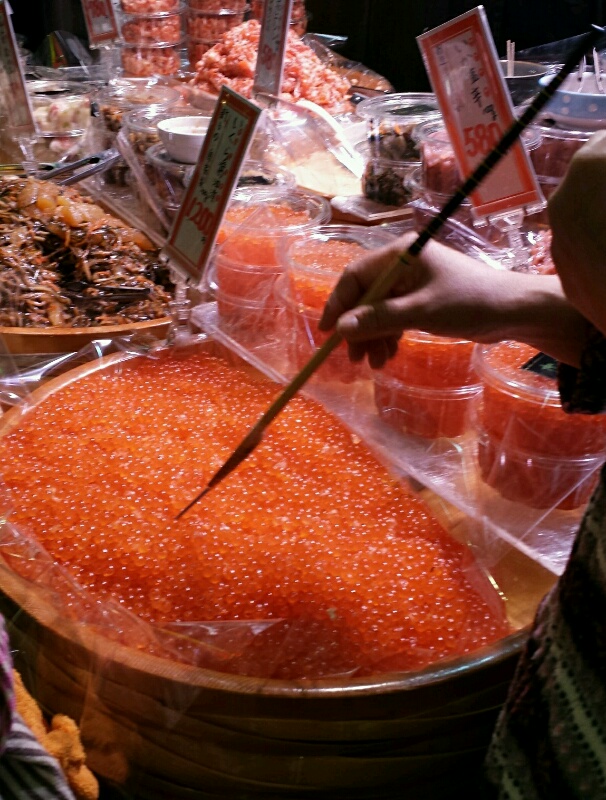
Salmon roe locally known as ikura are those orange spheres and usually sold like this – without its sac. Tastes quite similar to lato in the Philippines with its burst of subtle saltiness that initially I thought it’s a kind of seaweed.

image

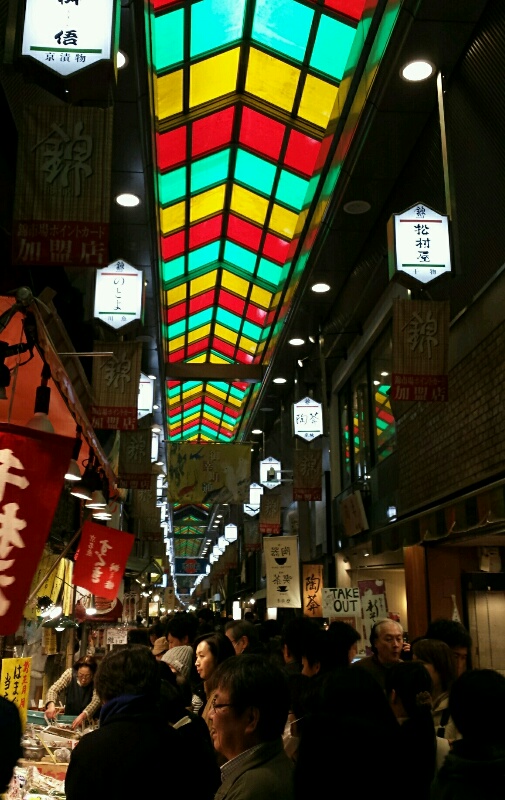
Nishiki market where I took snapshot of the ikura. Pretty crowded as this was New Year’s rush

Of Chicken Noodle Soup

image

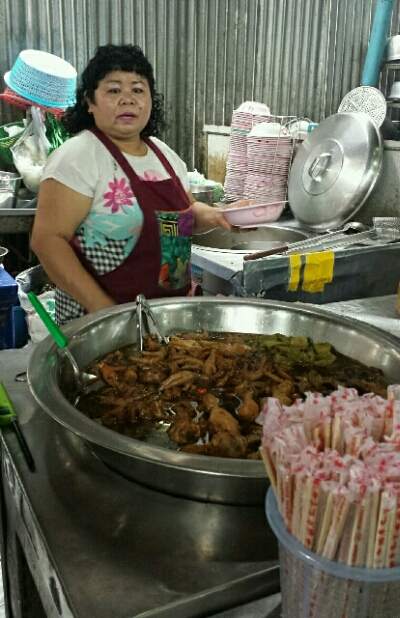
In this noodle stall
Soy or white chicken she asked
White please Thai lady

image

Perhaps, it would be tough to catalogue all kinds chicken noodle soup in Asia, with its infinite combinations (of ingredients) and recipe permutations. To simplify life, just have one in every town, and then savor its originality.

Laswa

image

A meal over lovingly prepared laswa sounds intimate

There are several variations in the ingredients of a Visayan soup known as laswa in Western Visayas and utan bisaya in Eastern Visayas. In a nutshell, laswa is simply boiled local lowland vegetables with a bit of fresh, dried or salted seafood (normally) for its stock. I grew up eating this soup and I still regularly prepare one in varying soup base. Apart from its regional variations, the vegetable set may not be exactly the same from one household to the next.
Here’s one recipe using fresh clams instead of my usual shrimp fry or dried fish for the soup flavoring.

image

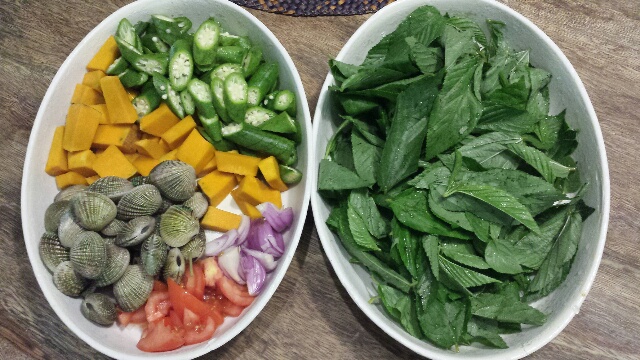
Ingredients: Onion, tomato, clams, saluyot, squash, and okra

image

To begin cooking, bring to boil the chopped onion and tomato

image

Then add the kalabasa (squash) and okra, let it boil for a minute. Lastly, add the clams and saluyot, then let it simmer for less than a minute. All in all it will take just about 5 minutes or less of cooking time

Parallelism between M16 and Watermelon Seeds

Narazuke