Typhoon Prone

image

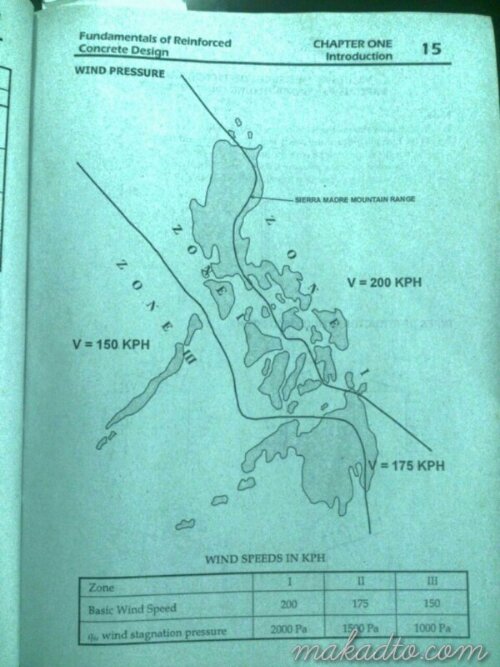
Concrete structures were designed to withstand 200 kph wind only for example in the Pacific side but with Yolanda’s 300+ kph…

It’s about time to update the building code.

Tacloban Then

Walking and running around Tacloban sometime in August of 2012, I noticed the effort being done by the local government in beautifying the city. I saw jogging lanes near the water and the slogan “I love Tacloban” was all over. Here are some of my photographs I have then knowing that now this city was completely destroyed by super typhoon Yolanda last November 8, 2013.
image

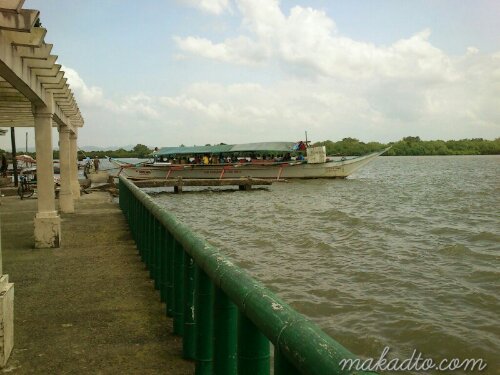
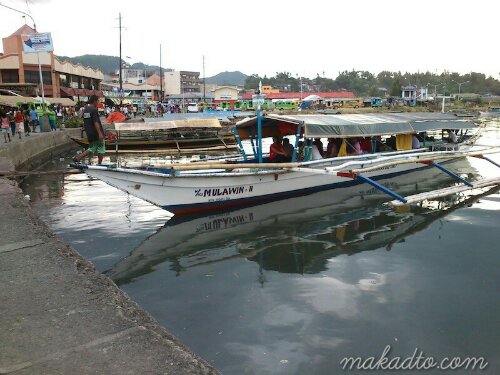
Water in downtown Tacloban with commuter boats
image

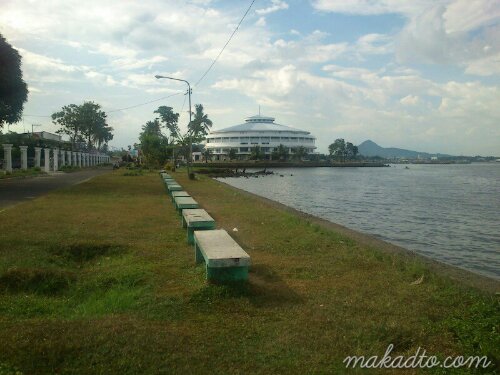
Convention Center by the water

image

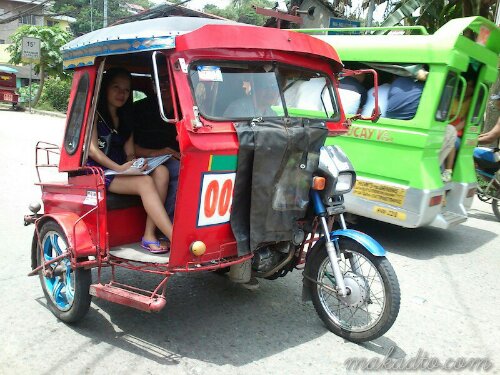
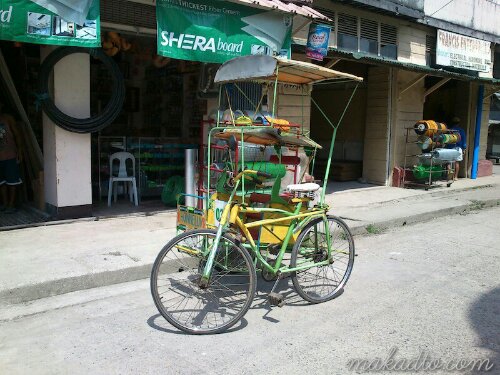
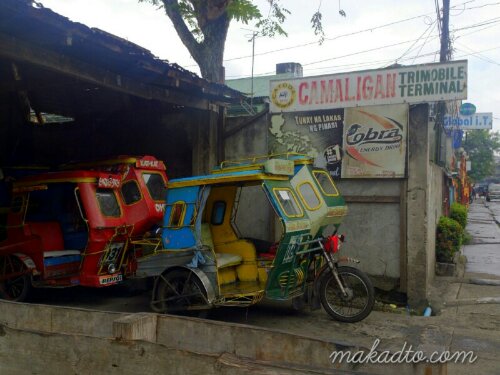
One way of going around is by trike

image

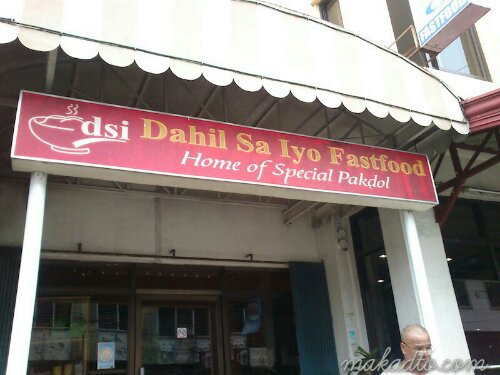
I like the name of this carinderia

image

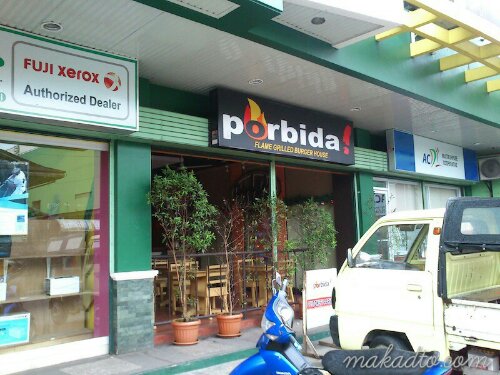
This burger joint signage made me smile as I always hear that word from my father. Porbida! is a Cebuano expression meaning "damn!"
image

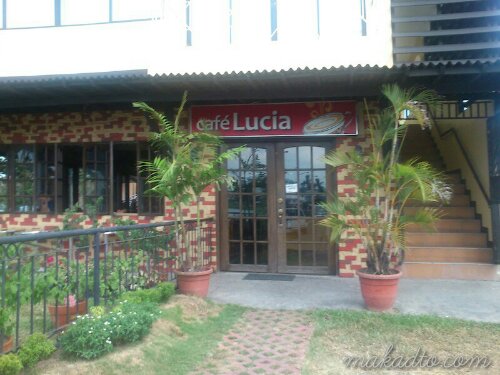
If you go inside that cafe then turn left you'll be sitting by the water side
image

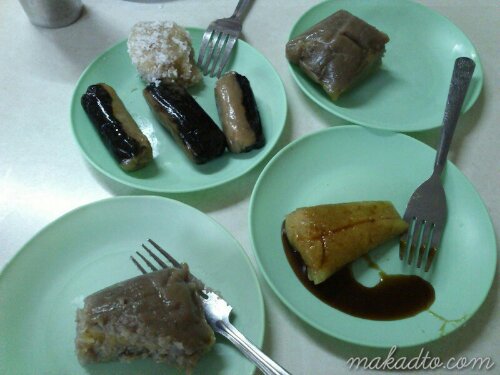
Tacloban's kakanin such as the sagmani and moron in one of those humble snack house in downtown area
image

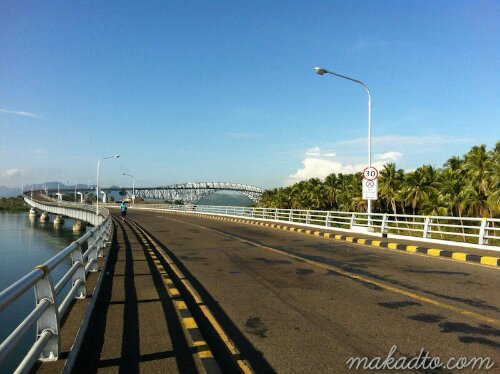
Joining a 50 km race, I was able to run in Tacloban and out of the city towards Palo then back and going out again towards Samar side by crossing the San Juanico bridge then back to Leyte again ending in the City Hall area of Tacloban. This is the bridge crossing part of the run
image

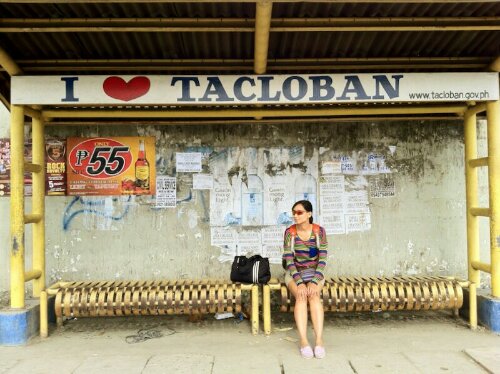
I love Tacloban
Basey Town

Situated in the Samar side just opposite of Tacloban City in the Leyte side. Here are some photographs I have of Basey circa March 2012. I went through these pictures again thinking about the super typhoon Yolanda devastation in this mat weaving industry town.
image

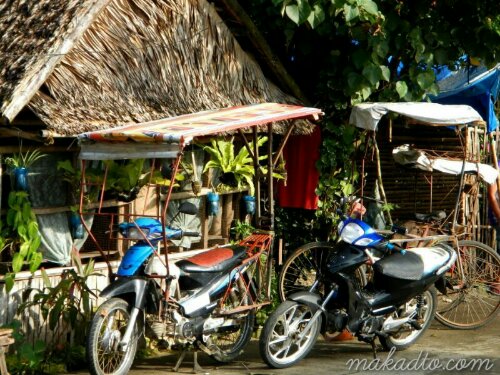
Local transportation known as 'single' or habal-habal

image

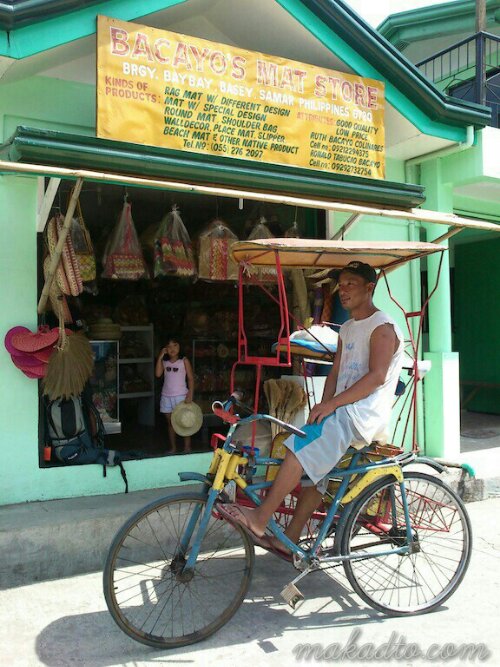
Banig products store

image

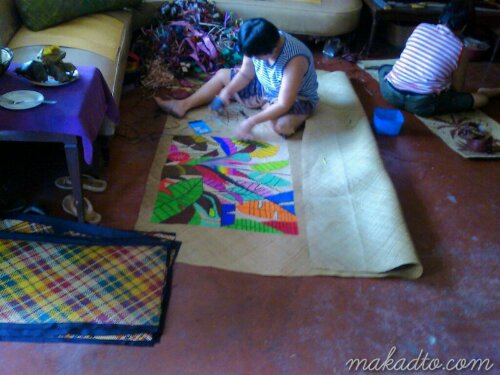
Banig making is an old industry of Basey

image

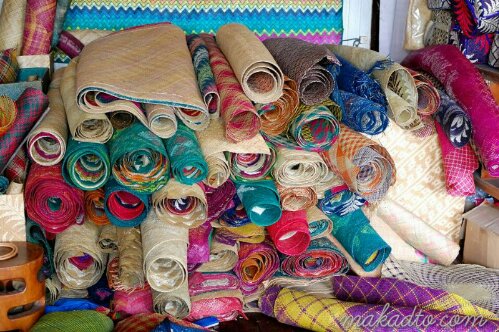
Beautiful Basey banig

image

Pedicab as local transportation

image

Near the palengke and van terminal area

Pili

image

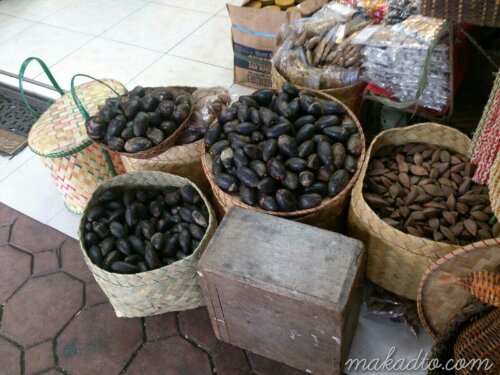
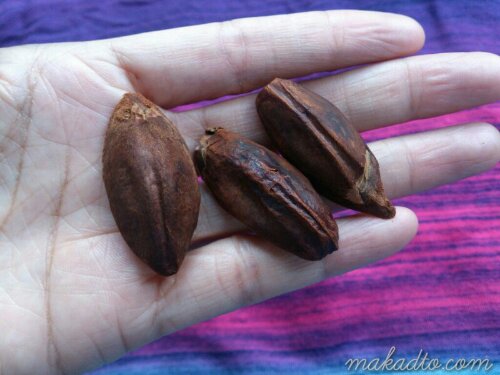
Pili fruits and unshelled pili kernels

image

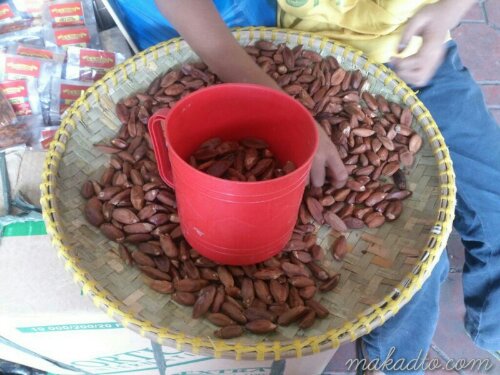
Pili kernels

image

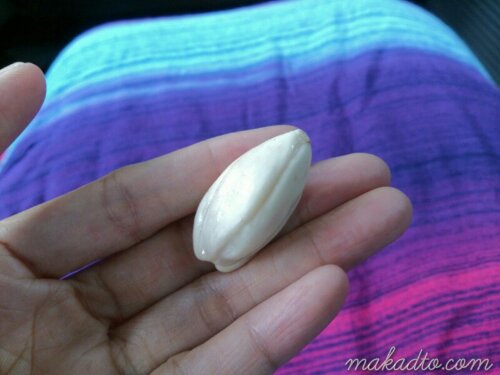
Closer look at the kernels. When boiled, the white core will just easily slide out when removing the skin by hand

image

Boiled pili kernels taste like edamame

Vetsin Condiment

image

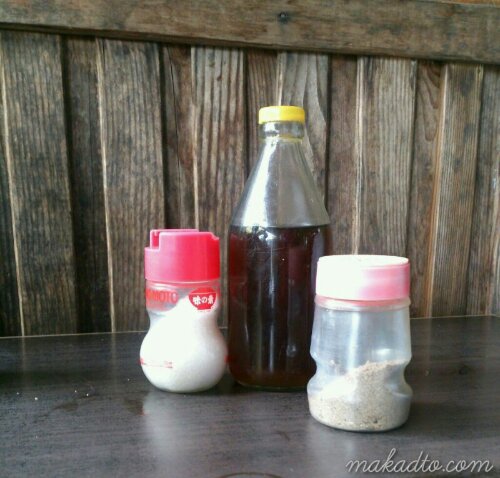
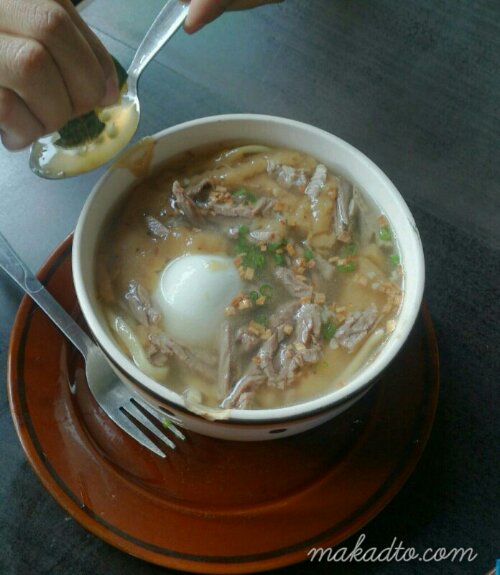
Walking aimlessly in Naga streets one can see several kinalas eateries around the city and in one of those I took cover from rain, had a bowl of kinalas and noted that they have Ajinomoto vetsin condiment in the tables. It’s not usual to have vetsin as table condiment here in Philippines but it was a common sight in the humble eating tables in Kota Kinabalu, Sabah.

image

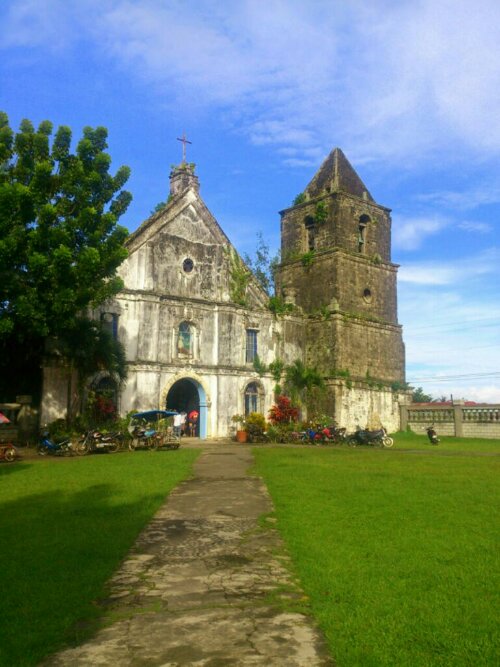
Leaning Belfry

Yolanda in Real

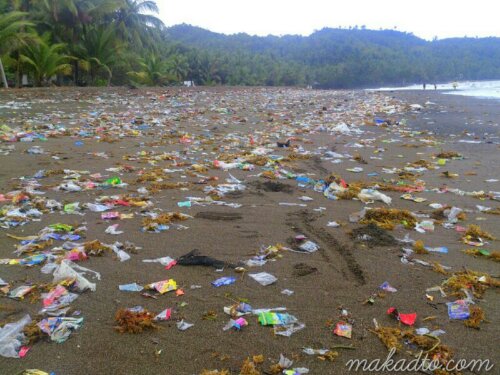
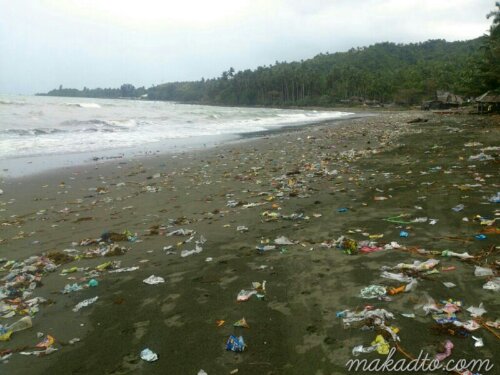
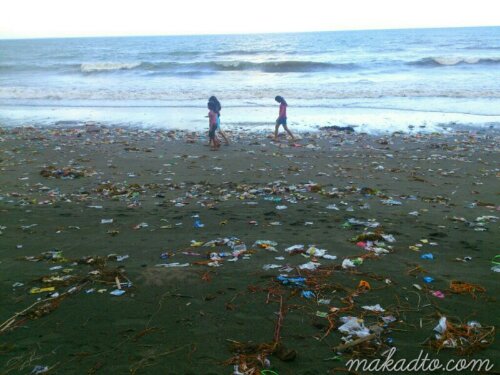
November 10, 2013: Trash mostly plastic were washed ashore in the beach of Real town in Quezon province. An aftermath of typhoon Yolanda that was felt here in the evening of November 8.

image

image

image

Yaya’s Alupi

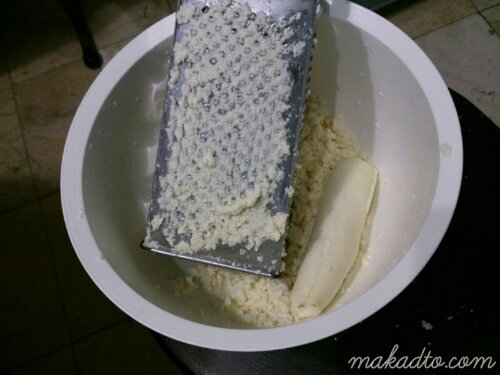
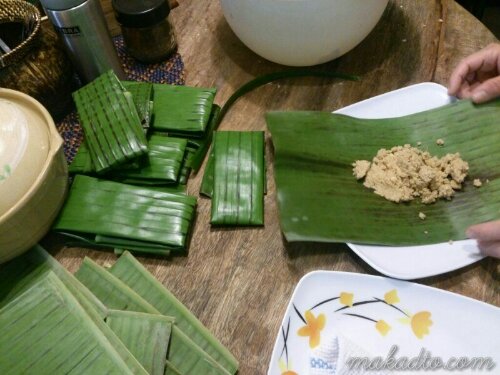
How yaya cooked alupi (kamoteng kahoy suman).

image

Grate the cassava

image

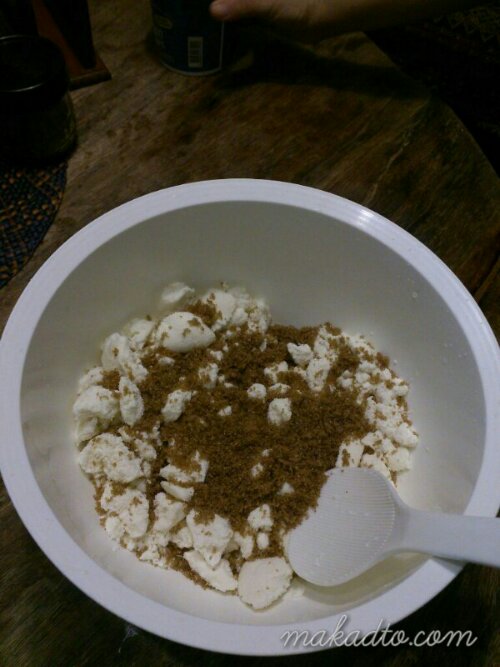
Using a cloth squeeze the grated cassava dry then add brown sugar

image

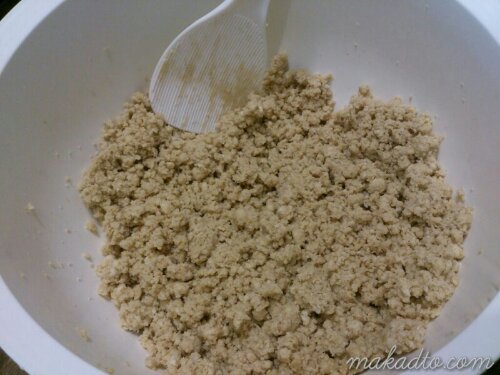
Mix well the grated cassava and brown sugar

image

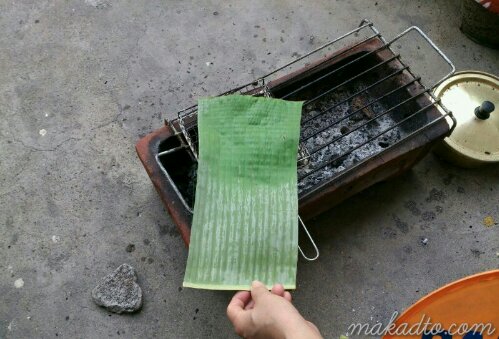
Next prime the banana leaf by putting each over live charcoal

image

Wrap the mixture in banana leaf

image

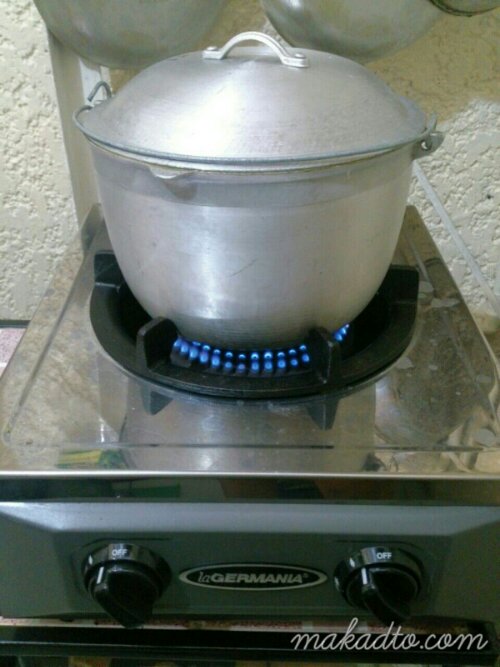
Boil in caldero

image

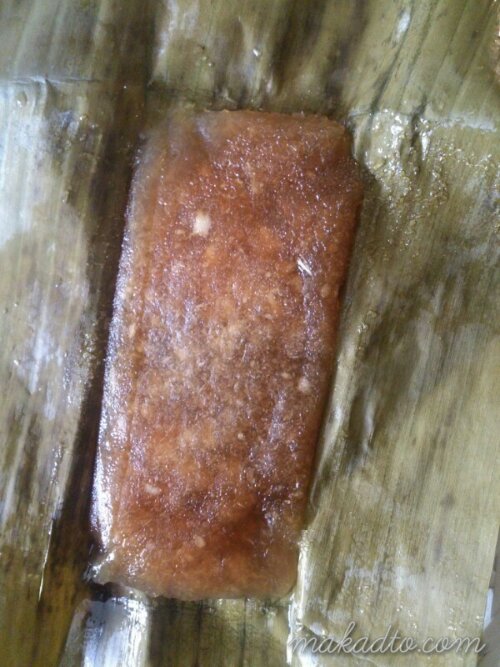
Presenting yaya's alupi

image

Bombon’s Binamban
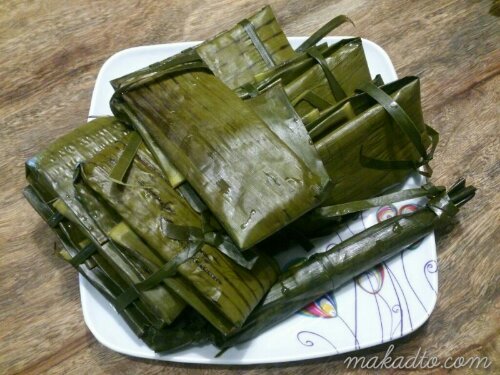
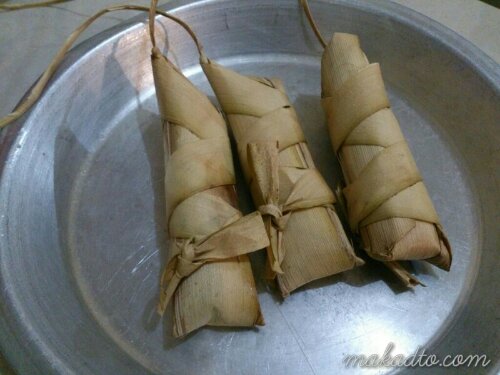
Binamban is the rice-based delicacy of Bombon town. The first time I had this, a bundle was given to me when I won first place in a 14 km foot race during Binamban Festival where I also saw several binamban vendors that time near the church area. Recently I find myself in Naga so I made a side trip to Bombon just for this unforgettable kakanin. I didn’t see any vendors near the church and it was a Sunday. I went in the palengke area beside the church and bought the last five pieces I could find at 5 pesos each.
image

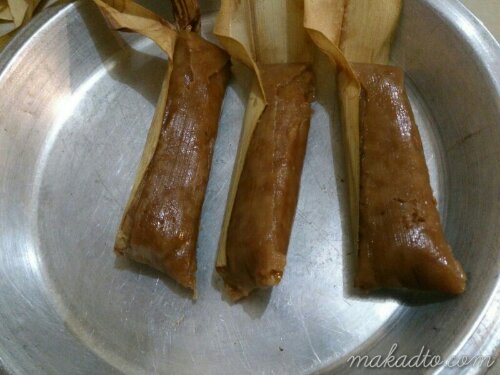
Of all the kakanins I've tried, this is a favorite of mine

image

Glutinous rice flour, brown sugar and shredded coconut are the ingredients of this rice delicacy. Coconut fronds for the packaging.

Green Idea

Store in the Wall

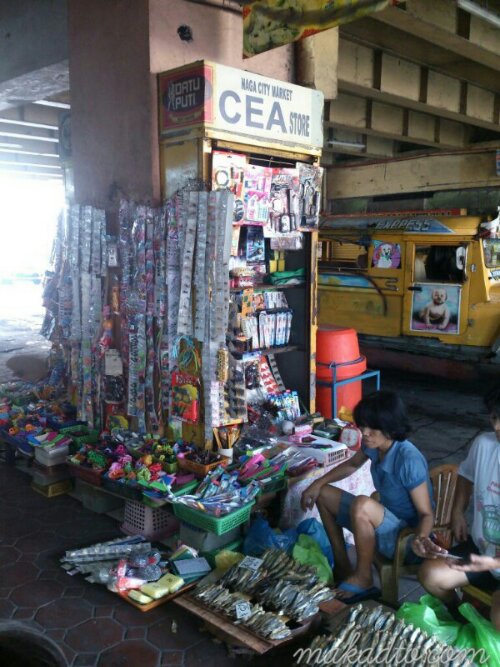
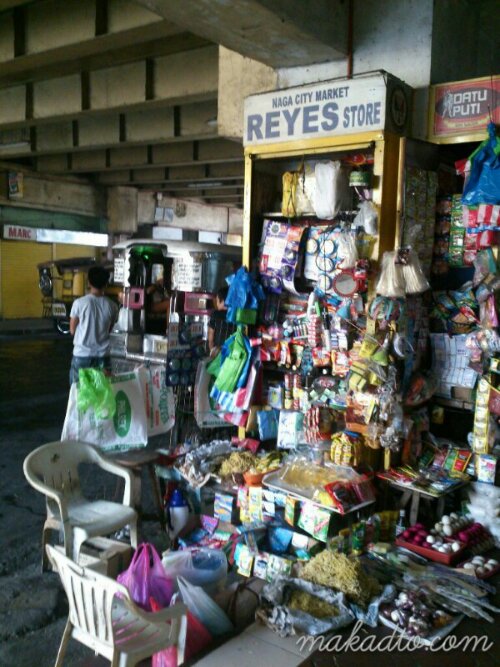
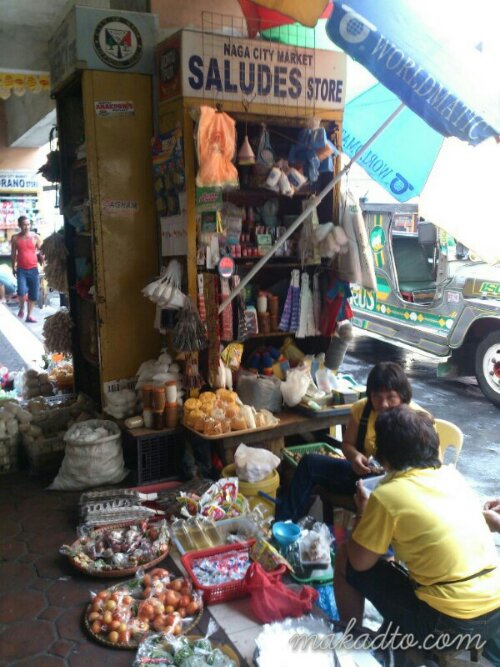
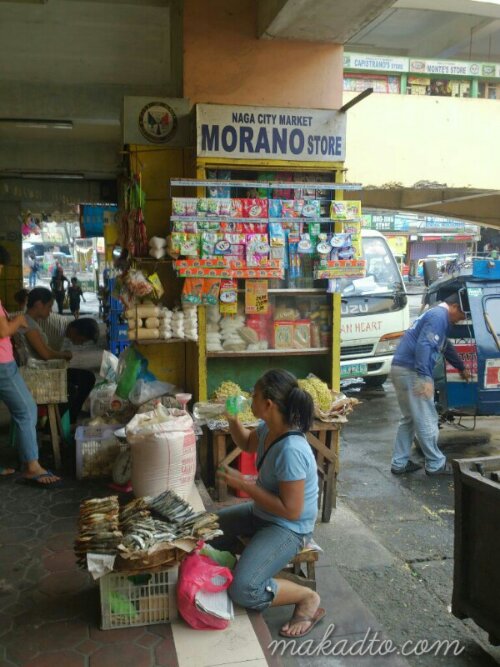
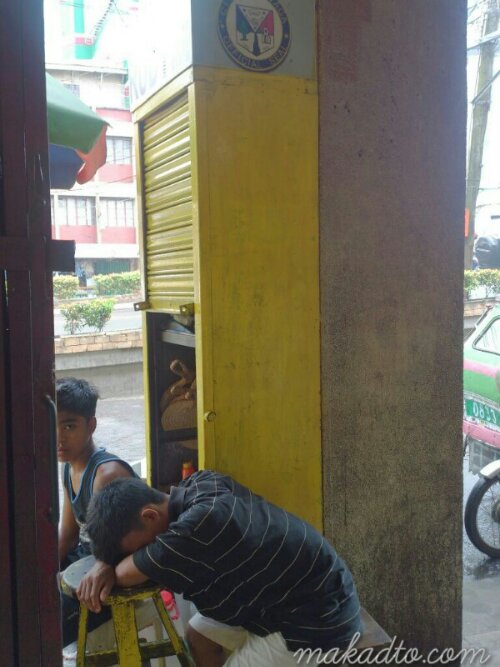
In Naga centro particularly around the wet and dry market building, one can notice these rectagular shelves attached to a wall column that serve as modular stores for bangketa sellers. Looks like it was provided by the city government to minimize the spaces occupied in the bangketa.

image

City seal in the wall store

image

Shelves are not enough for all the goods

image

image

image

Paksiwan

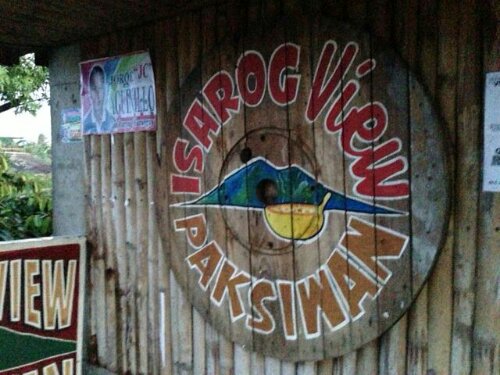
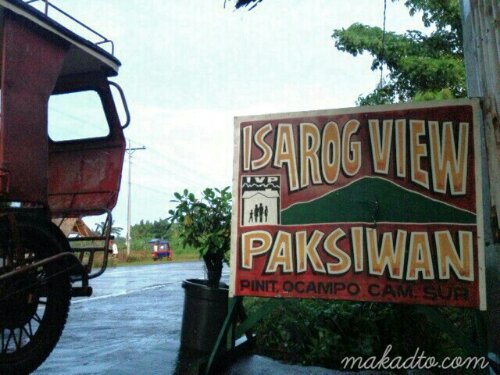
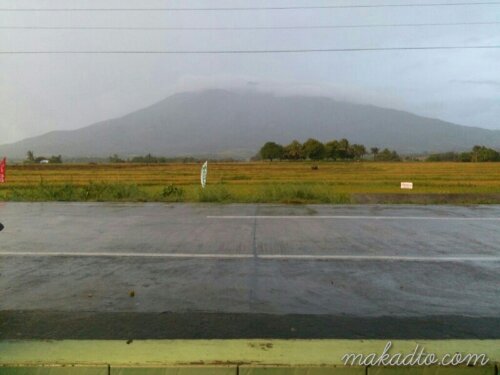
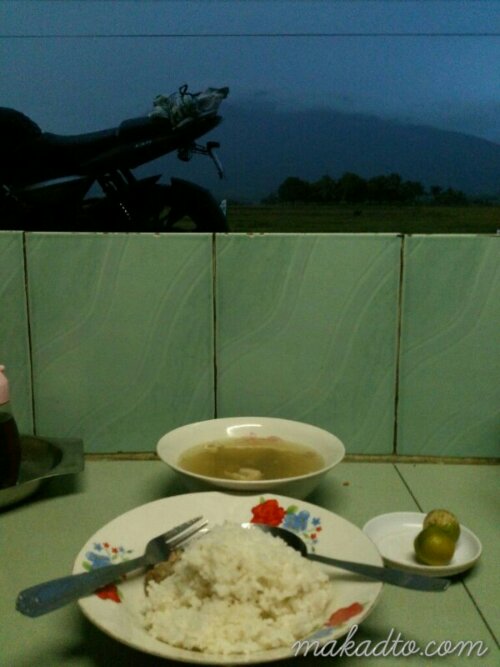
Passing through the highway between Pili and Sagñay in Camarines Sur I’ve noticed several paksiwan carinderia patronized by motorists. Curious about what kind of paksiw they have, I decided to have one in a place named Isarog View Paksiwan in Ocampo town. And so it’s not the paksiw I had in mind but it was boiled beef soup or beef nilaga. Just like the nilaga in Bacolod minus the atsuete.

image

Painted sign with Mt Isarog

image

Another sign

image

Mt Isarog as seen from the paksiwan

image

My delicious paksiw halo (offals included but one can opt with just the meat only) and rice with Mt Isarog view at dusk obscured partially by the motorcycle whose driver went for a paksiw break also

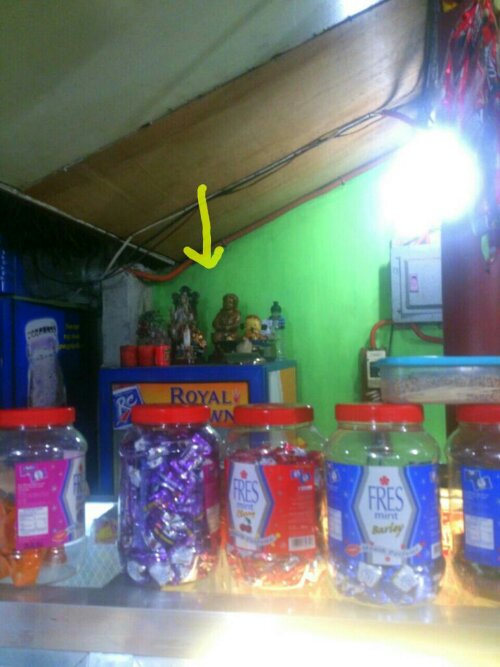
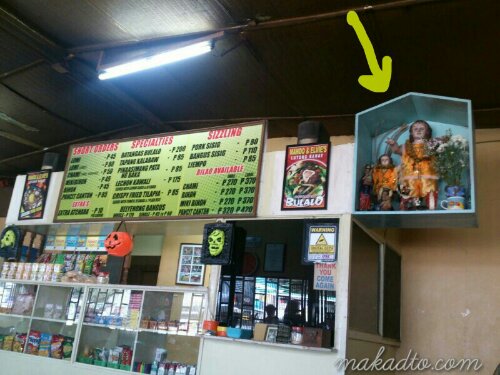
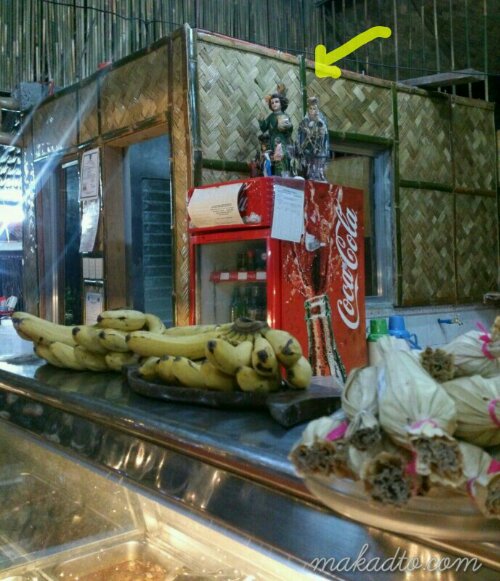
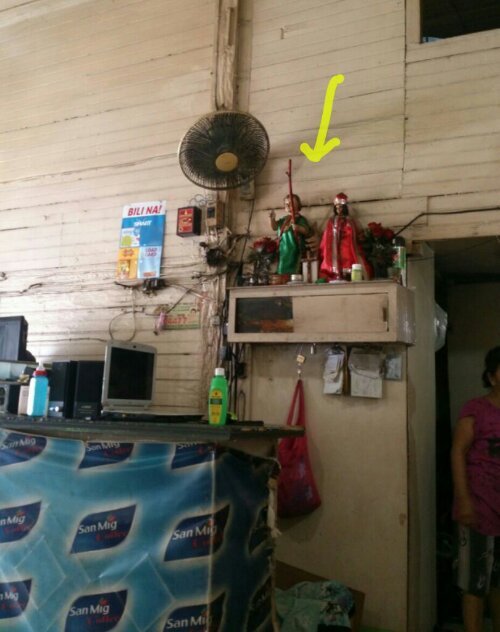
Carinderia Altar

Assimilation aids of Spaniards as noted in the present times.

image

Motorist stop carinderia in Gumaca, Quezon

image

Bulalohan in Sto Tomas, Batangas

image

24/7 carinderia named 'Lolo Ompoh' in Calauag, Quezon

image

Kapihan in Bacolod, Negros Occidental

image

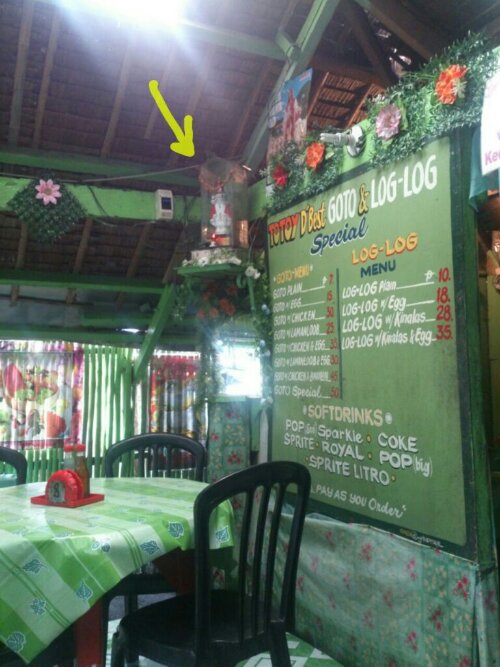
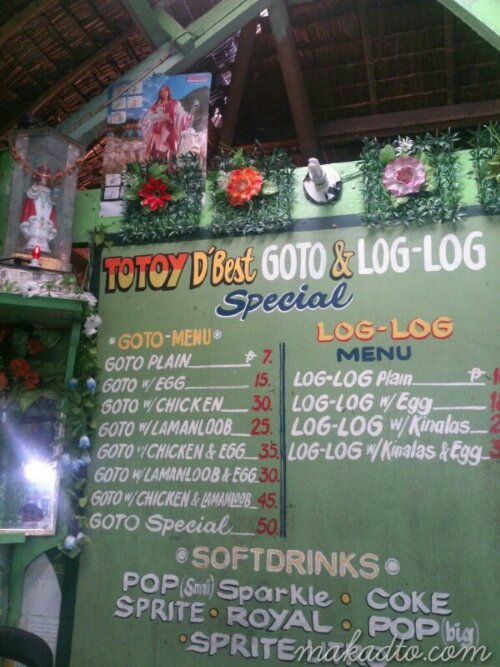
Goto/log-log/kinalas carinderia in Magarao, Camarines Sur

Typography: Goto & Log-log

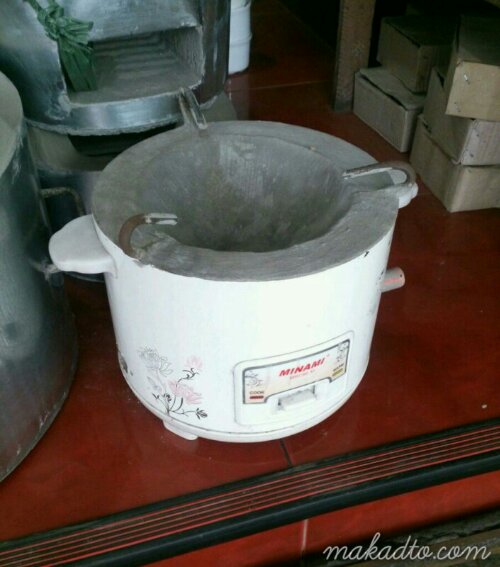
Repurposed Rice Cooker

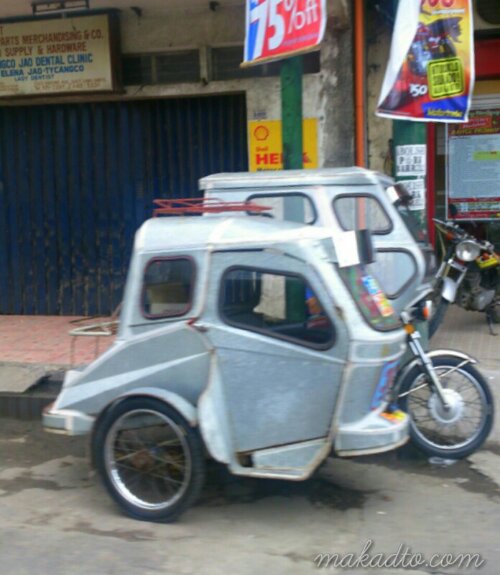
Trike With Door

Abo Dried Fish

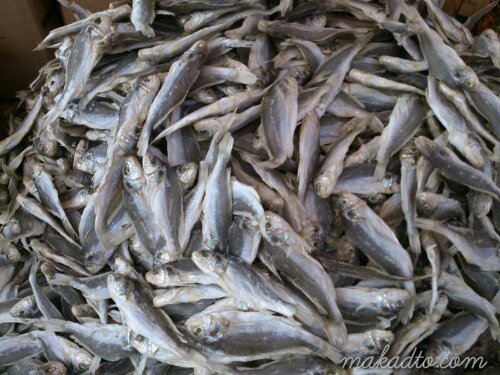
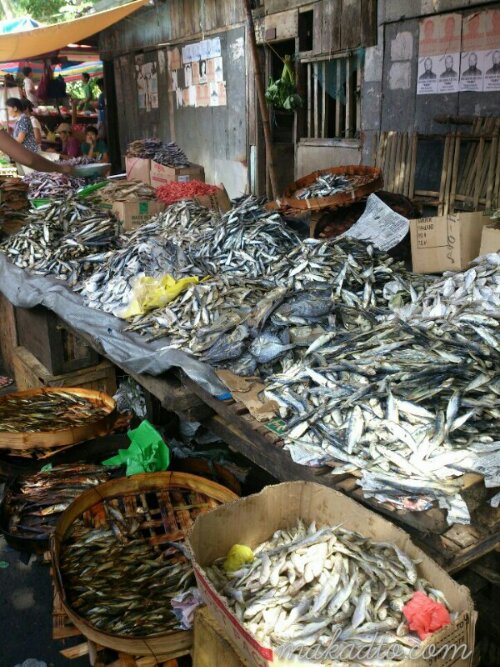
I grew up eating fried fresh abo in Bacolod but in Camarines Sur salted dried abo is quite common.

image

Abo tuyo at 140 pesos a kilo

image

One of the many tuyo tables in Sipocot palengke

Bagasbas Beach

Trimobile

Buyo

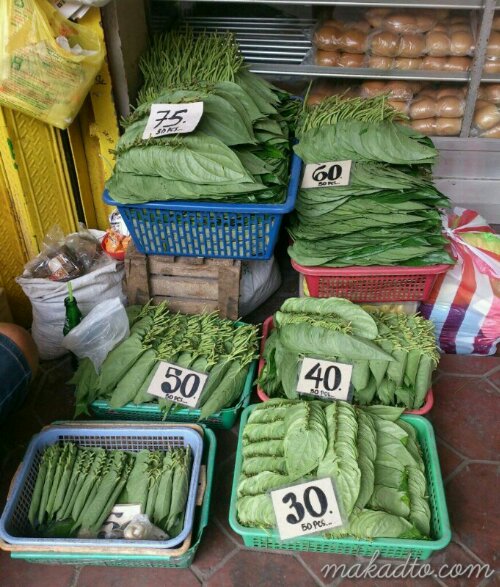
Aside from the tobacco leaves, betel leaf known as buyo in Bicol is a primary member of the nganga set (ugbas in Bicol).

image

Heart-shaped leaves that contribute to the "high feeling" of our geriatic folks (typically)