Category Archives: Pinoy Way of Life

Flavier’s Parable

image

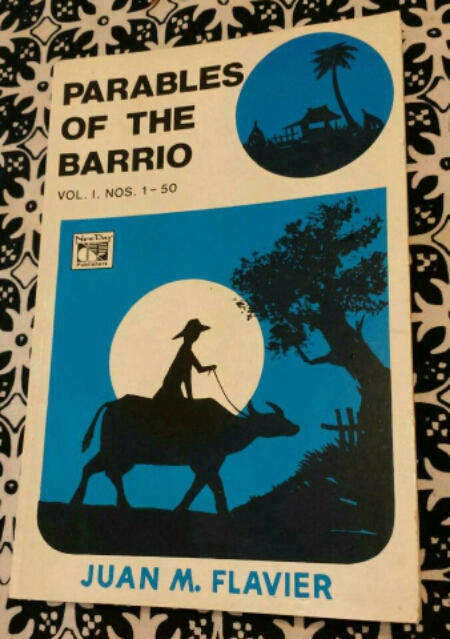
Here is one parable from Juan Flavier’s compilation – Parables of the Barrio.

Parable of the Letter to God

During the last typhoon, Lencho lost all his rice crop because of a severe flood. The whole barrio was affected so he had no one to turn to for help. In sheer desperation, Lencho wrote a letter to God:

“Dear God:

The typhoon devastated my whole crop. We have nothing left. I have seven children. Please, God, send me one hundred pesos to tide us over.

Sincerely Yours,

Lencho”

He actually placed the letter in an envelope, stuck a stamp on it, and mailed it to “God in Heaven.”

The letter reached the post office but it could not be delivered. However, the postmen had the time of their life laughing at the oddity of a man actually writing to God. Some people said God was dead, but here was a farmer writing to God out of sheer faith. The postmen decided to show the odd letter to their postmaster.

“Do you want to laugh today, sir?” the postmen asked their boss.

“Why, yes,” answered the postmaster eagerly.

And so the letter was handed to the postmaster who read the letter to God. But he did not laugh. Instead he reread the letter in all seriousness and then faced the postmen.

“We talk of social action,” he said. “We all speak of the brotherhood of all men. Yet here is a man in dire need and you think it is funny? Shouldn’t we pool our resources instead and help Lencho?”

The postmen were embarrassed by the truth of the postmaster’s remarks. So the group decided to pass the hat around and raise money among them to assist Lencho.

But they were few and money was difficult to come by, so all the post office personnel could raise was eighty pesos. Nevertheless that was better than doing nothing.

They also decided to play the game with Lencho, so they placed the money in an envelope, put a stamp complete with stamp mark, and wrote on the upper left-hand corner: “From God in Heaven.”

A postman personally hand carried the letter with the money to Lencho in the barrio, who was ecstatic with joy. “I knew God would answer my plea,” he exclaimed. “God did not forget to send the money!”

Lencho quickly counted the paper bills and found only eighty pesos, instead of one hundred he had asked for. So he wrote another letter.

“Dear God:

Thank you for answering my prayer, God. But, please, next time, do not send the money through the post office, because the people there are thieves.

Sincerely Yours,

Lencho”

Parables of the Barrio
Vol 1, Nos 1-50
Juan M. Flavier
Copyright 1988
New Day Publishers
Notes on Souvenirs, Generally

image

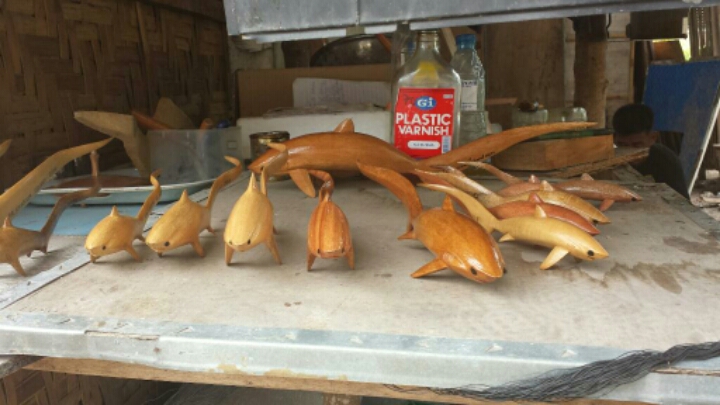
Malapascua Island attracts foreign diving tourists because of the thresher sharks, but I guess this souvenir stall profits more from local tourists

Trip souvenir acquisition is a big thing among Filipinos, generally speaking. It’s a proof of “I’ve been here“, regardless of the amount of visiting time in that statement. Outside the country, if you want to meet Filipino travelers, it is highly likely you’ll see them in keychain, t-shirt and ref magnet sort of souvenir shops.

image

To have seen that man making thresher shark figurine and documenting it here is my kind of souvenir

Again, generally speaking, it’s not limited to souvenir shops where one can see some concentration of Filipino travelers, but also in popular shopping stores or districts with affordable popular items associated with the destination. Keyword is “popular”. This penchant for imported goods makes destination shopping an unwritten constant itinerary of Filipino travelers, generally.

image

Varnished thresher sharks

Tamperproofing Electric Meters

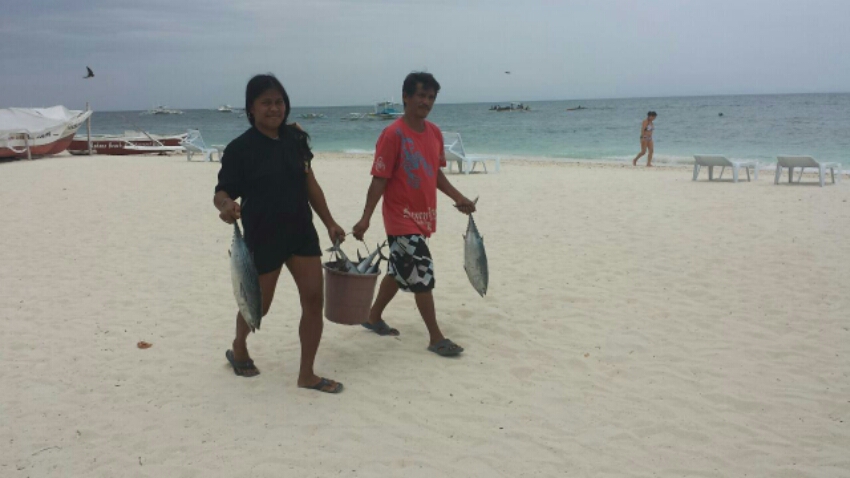
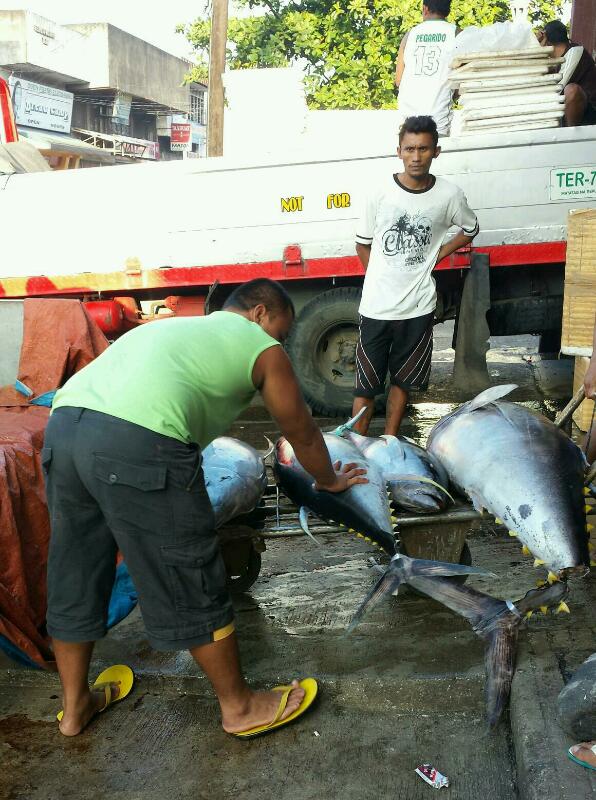
Fish Occupation

Rofat’s et al

image

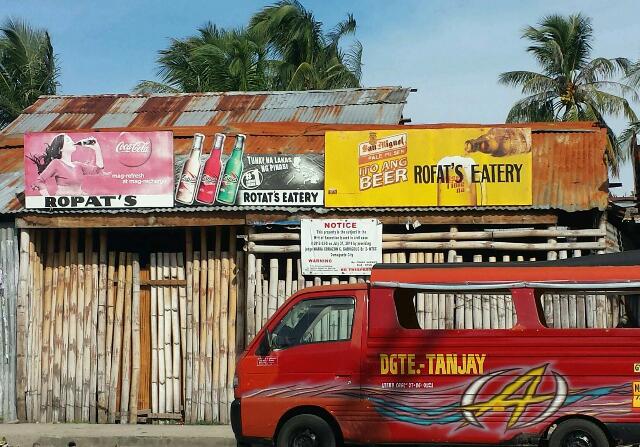
A carinderia spotted in Dumaguete has variation of its name written in its sponsored signages. What we have here presumably are exemplifications of name mispronunciation and misinterpretation of penmanship. My guess is that the correct name is Rofat and San Miguel got it right on its signage –  ROFAT’S EATERY. Meanwhile, the Coca-Cola agent must have heard it as Ropat due to mispronunciation of f, hence its ad signage for the eatery has the big bold ROPAT’S on it. On the other hand, Cobra agent probably wrote Rofat correctly on paper but the guy who painted the sign mistook the f as t, hence ROTAT’S EATERY. Who cares, these agents might have thought, as long as Coca-Cola or San Miguel or Cobra brands are explicit and unmistakable.


T-shirt Head Wrap

image

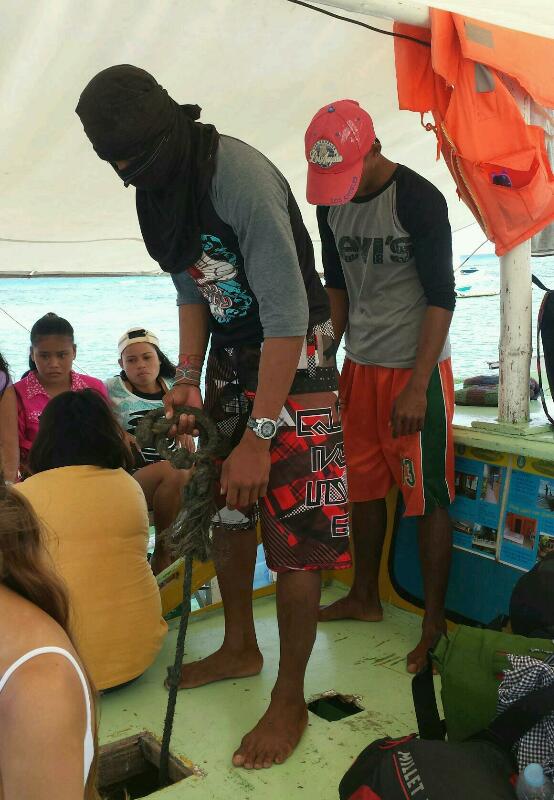
What they’ll do? Three bangkeros will hold the rope then pull it abruptly at the count of three to manually start the motor of this banca. Malapascua Island, Cebu

An old t-shirt is the stereotypical head wrap or mask of bangkeros where the neck hole becomes the opening for the eyes. Frequent windy conditions on the job make this t-shirt headwear as the more secure (readily available and cheaper) option than a baseball cap.

image

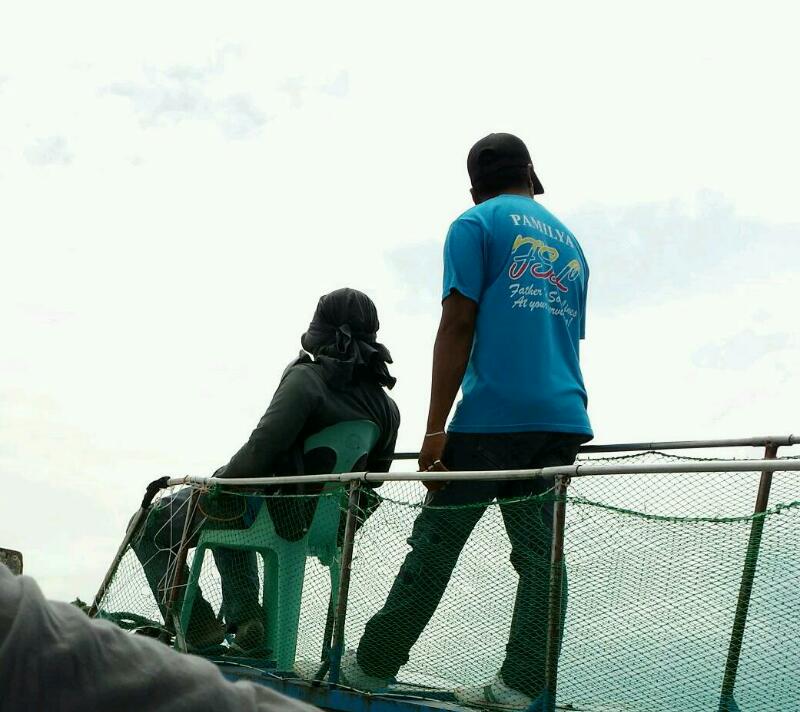
Lookout and passenger assistance task for these two banca men in this motorized outrigger boat from Batangas bound for Puerto Galera

Caballas

image

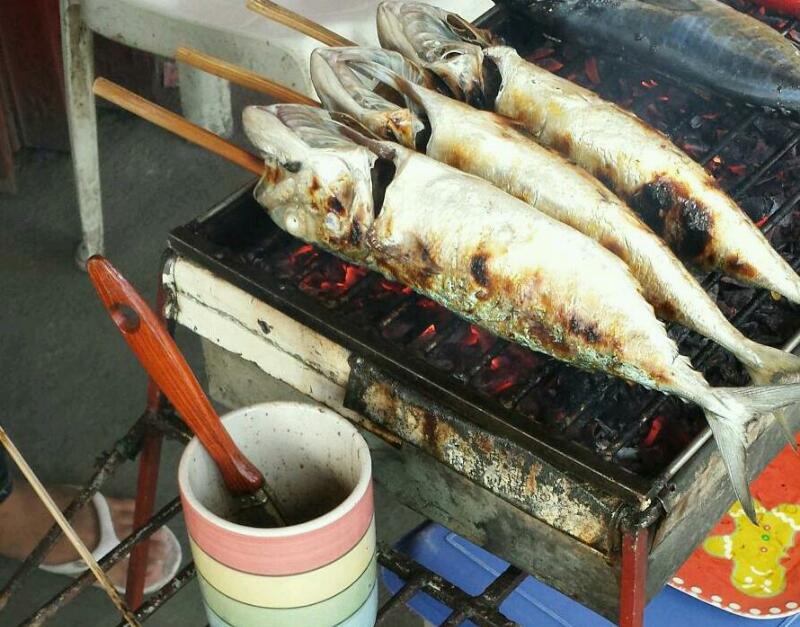
Dusking in the Philippines triggers the setup of grilling stand for selling hot-off-the-grill skewered viands.  We see pork or chicken barbeque in those ihaw-ihaw/sinugba stands that materialize every night in Luzon, Visayas, and Mindanao – generally.  But those typical Filipino barbeques are not widespread in Zamboanga City. What’s typical in Zambo for evening repast are these grilled caballas.

Plaza Kodaker

image

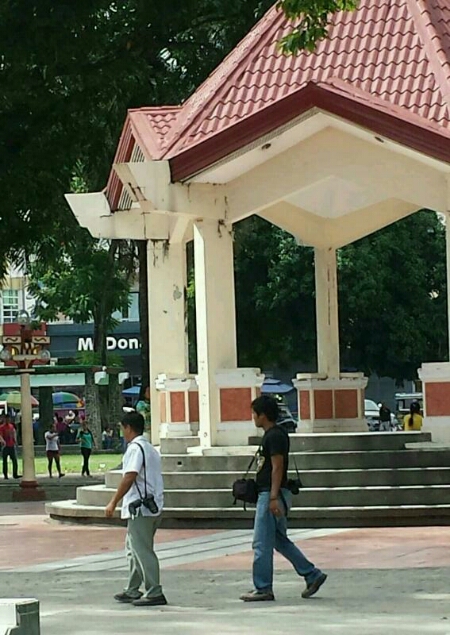
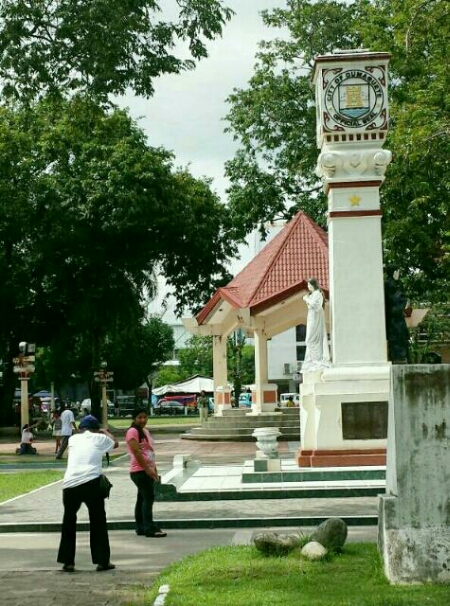
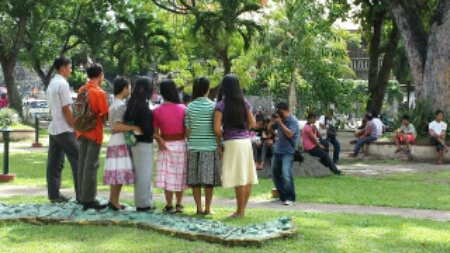
In Dumaguete City plaza, whether it’s inday’s day off,  or lovers date, or friends or family hanging out after mass, moments can still be captured in an old school way, as one can see men with some photographic equipment roaming around the plaza for an on-call portrait shoot.

image

Superior than selfie

These ambulant kodakers have contributed in the masses keepsakes – plaza photographs stored in those old school photo albums.

image

image

One-man enterprise

Middle Finger As Money Clip

image

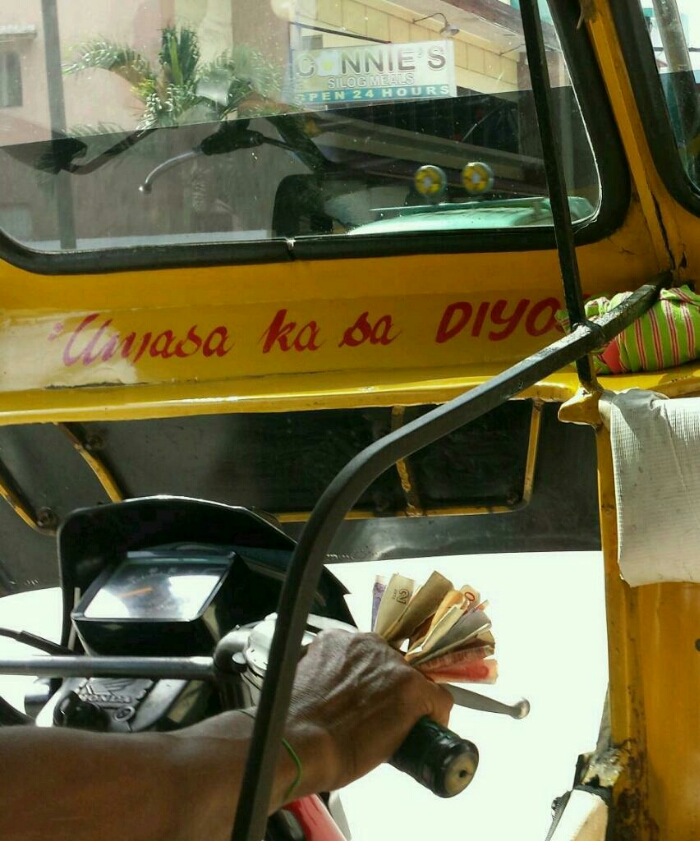
Filipino drivers don’t need paper money sorter

The role of a tsuper’s middle finger is similar to a money clip and is basically used to secure fare income. Therefore, holding bills while driving is possible using this fold and tuck around the middle finger method.

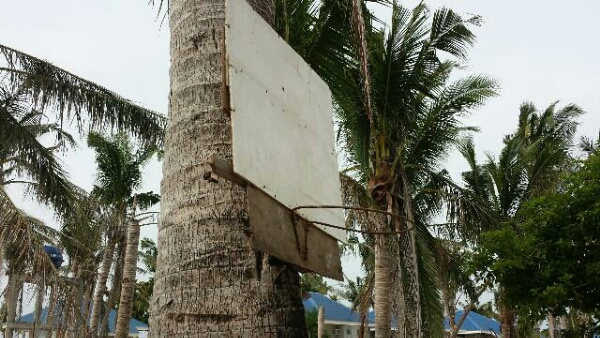
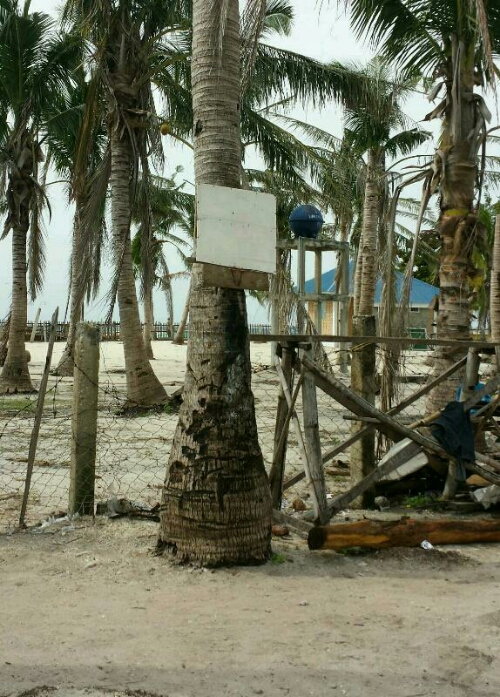
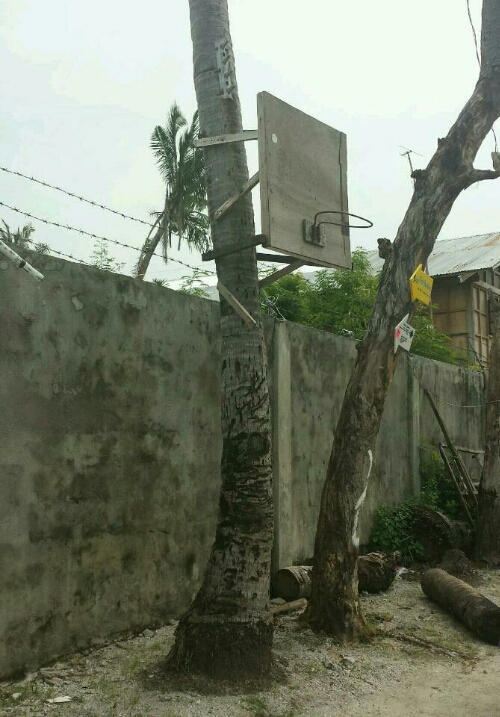
Hoops in Coconut Tree

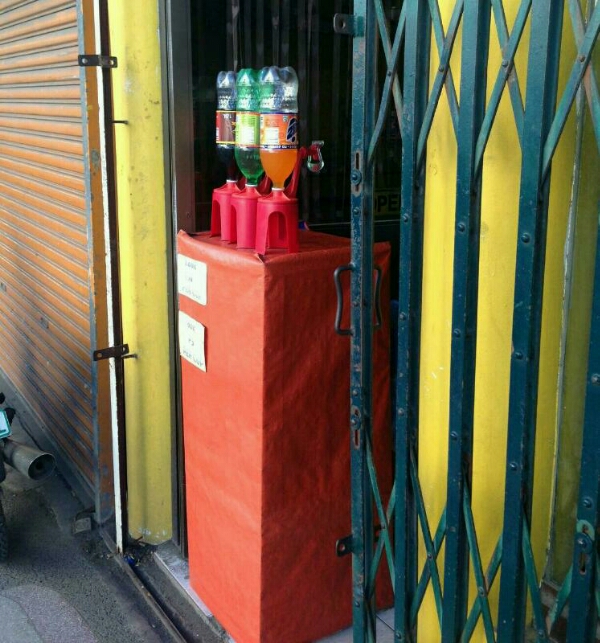
Microretailing Soft Drinks

Banca Boatyard

image

This banca will take 5 days to finish and sells for 15,000 pesos

image

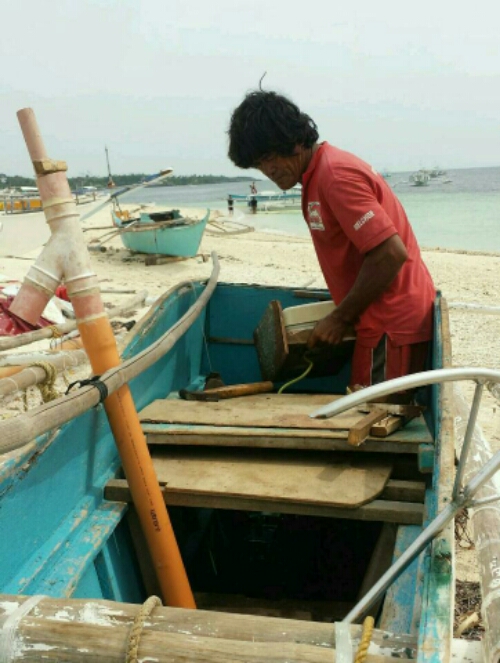
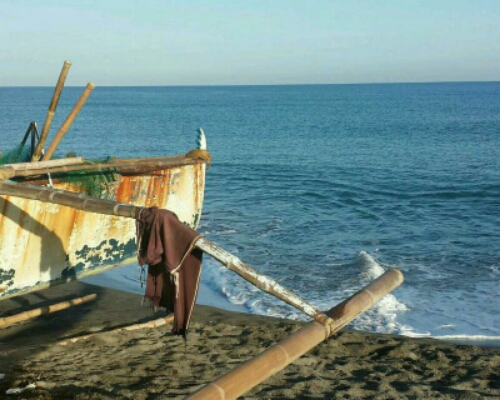
Banca making is a livelihood here in Malapascua island

image

image

He maintains the banca of others
image

Working daily by the white sand beach. Such a beautiful workplace

image

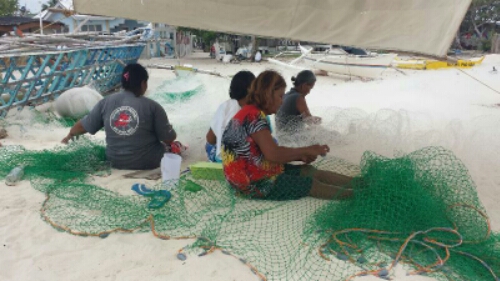
Men build bancas, women mend fishing nets

Piso Water

image

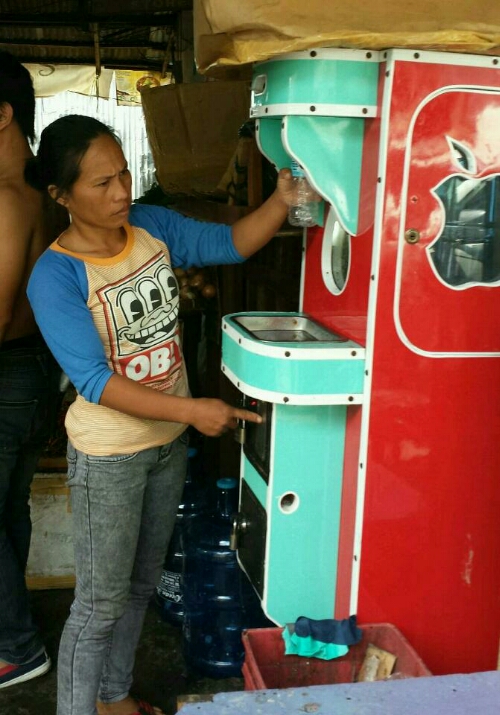
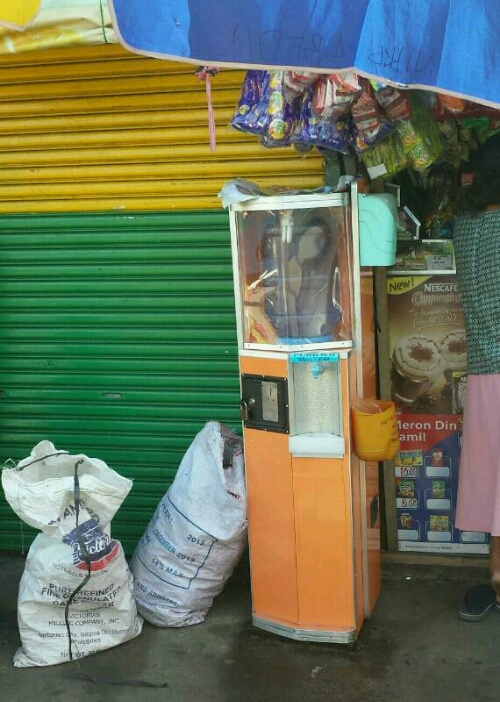
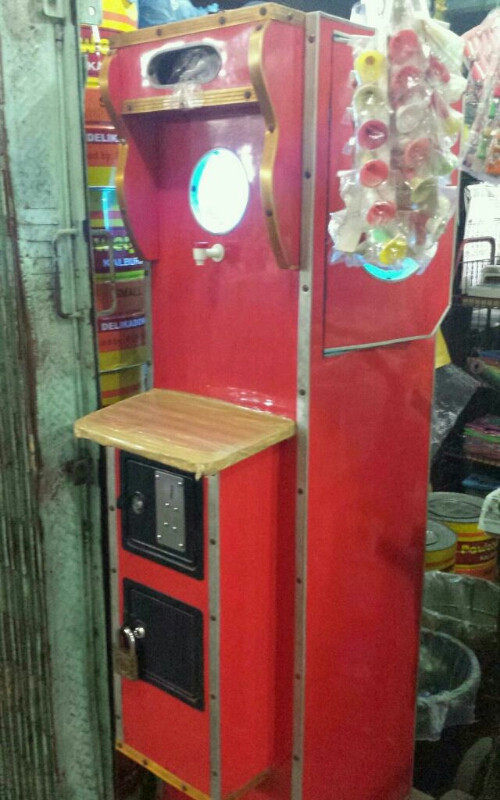
ATM or iWater? (ATM – Automated Tubig Machine)

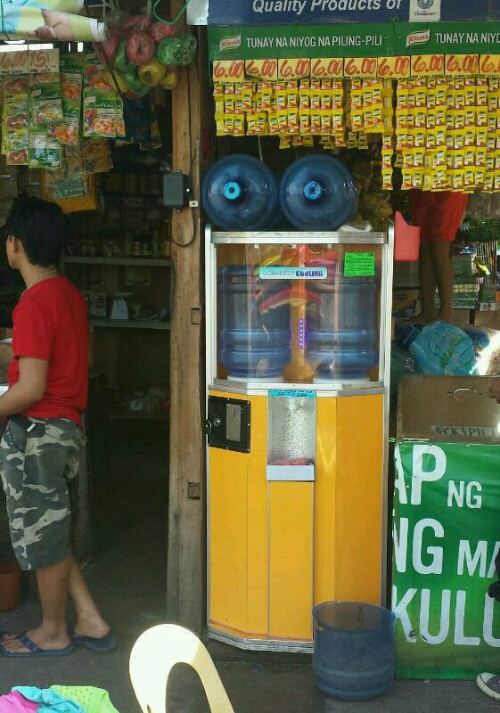
Such a common sight in Cebu is this drinking water vending machine of various color, model and style (of its box). What is typical is the faucet, the round 5 gallon bottled water as its source, piso coin slot, and the glassful amount of water that comes out for every one peso coin eaten.

image

Lesser frequency of replacing the 5 gallon purified water in this dual container model

One has to bring some container to catch the water that automatically comes out of the spout once you drop one peso inside. I expect the water to be tepid, but amazingly it was cold.

image

A trash receptacle at the side of the tubig machine

image

Looks like a karaoke machine

image

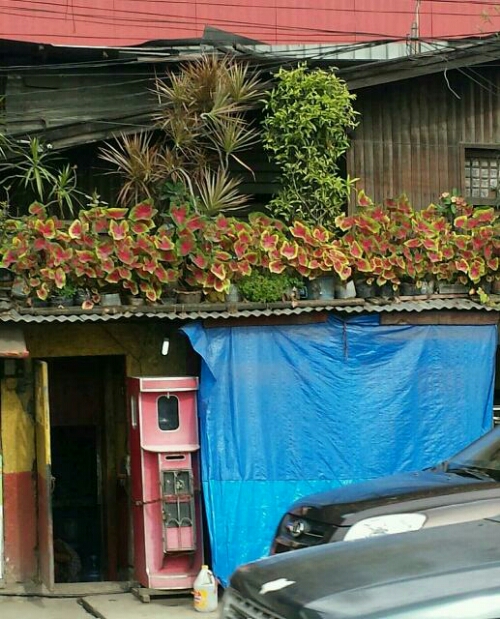
This one is chained as precautionary measure against thieves that may cart it away I suppose. Love the mayana plants on the roof

Secondary Function

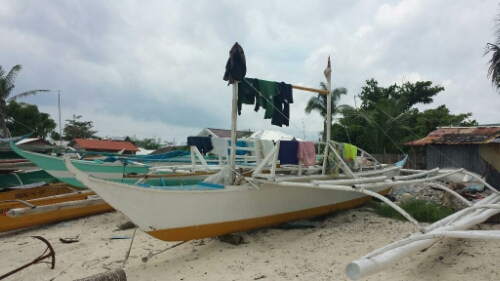
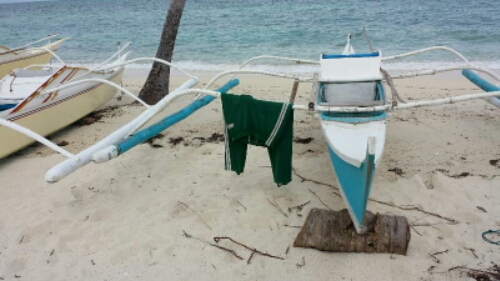
A beached banca’s great exposure to tropical sun makes it a practical option for clothes drying.

image

Banca as clothes drying rack in Malapascua Island

image

Fishing pants I suppose, also at Malapascua Island, Cebu

image

Fishing pants in San Juan, La Union

Filipinized Spaghetti

image

Dole’s ready-made Filipino style spaghetti sauce

Filipino variation of spaghetti is sweet, cheesy and meaty, generally. No vegetables added aside from onions and garlic used in sautéing ground meat. Sub variations exist depending on family heirloom recipe.

image

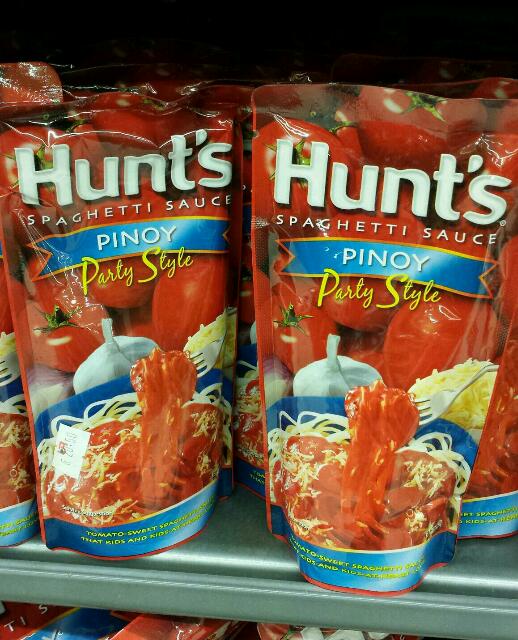
Hunt’s

Apart from being sweet, ingredients are namely, ground beef or ground pork or corned beef (depending on one’s budget), hotdogs (those red Filipinized hotdogs like Purefoods), canned spaghetti meat sauce or canned tomato sauce, Filipinized ketchup (made from bananas, not tomatoes), evaporated milk (my mother also put this in the sauce), sugar, processed cheese food (like Eden or Kraft), and of course dried processed spaghetti noodles (like Royal). All these create a spaghetti variation that only exists in the country.

image

Also Del Monte. Plenty of branded pre-made Filipino style spaghetti sauce for the big market in the country and the Filipino marts worldwide

Perhaps the introduction of spaghetti concept  is a legacy of American colonization, and along with it the affinity for processed ingredients.

image

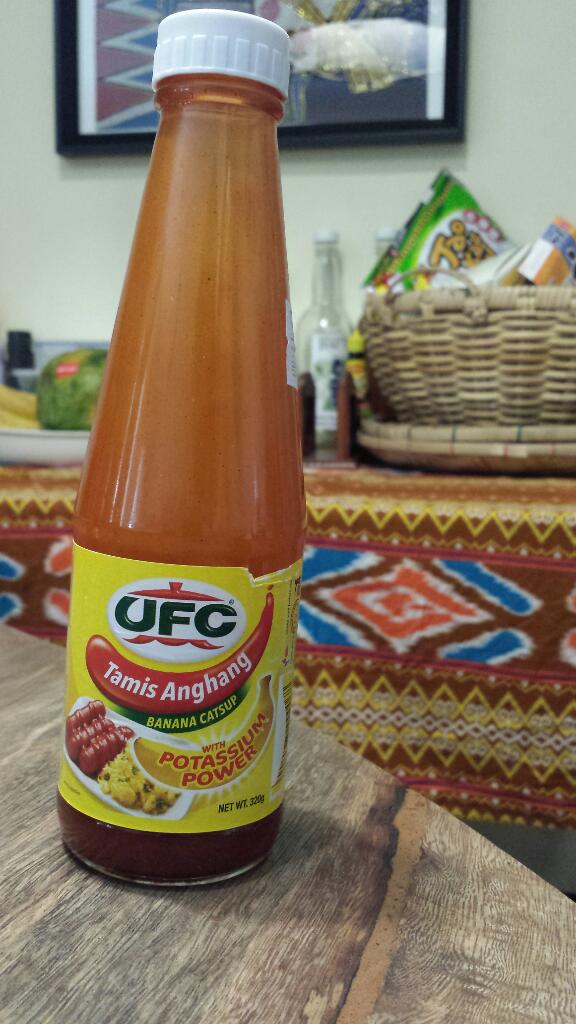
Ketchup that is close to the hearts of Filipino masses. This Filipinized ketchup is made of bananas, hence the potassium power in place of lycopene power

Such is the affection of the Filipinos for spaghetti that several brands of ready-made spaghetti sauce sell Pinoy style sauce, also that imported fastfood chains have spaghetti in their menu. McDonalds and KFC for instance, but only a local chain knows how to make better spag (local nomenclature for spaghetti). Sa Jollibee bida ang sarap.

image

No one makes a fastfood Filipinized spaghetti better than this Filipino chain. Sweet sarap na the best!

Metro Mornings

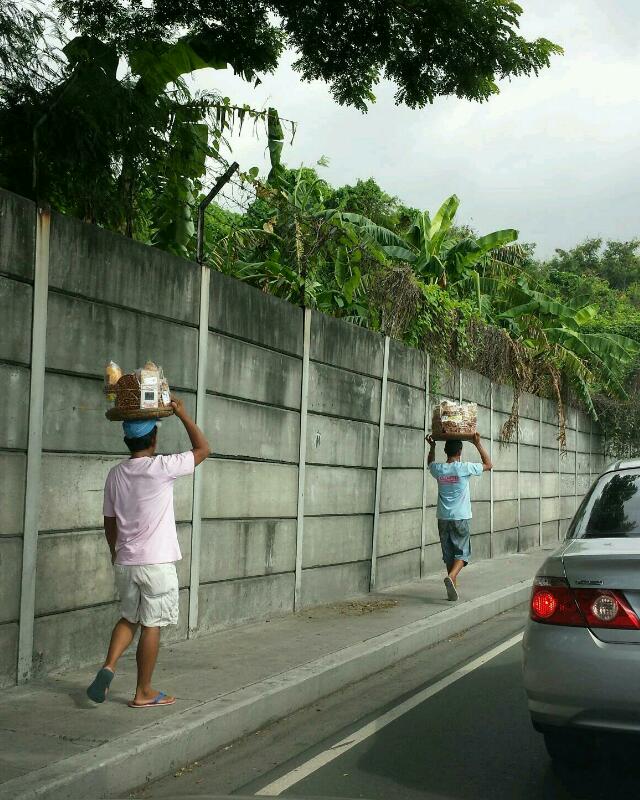
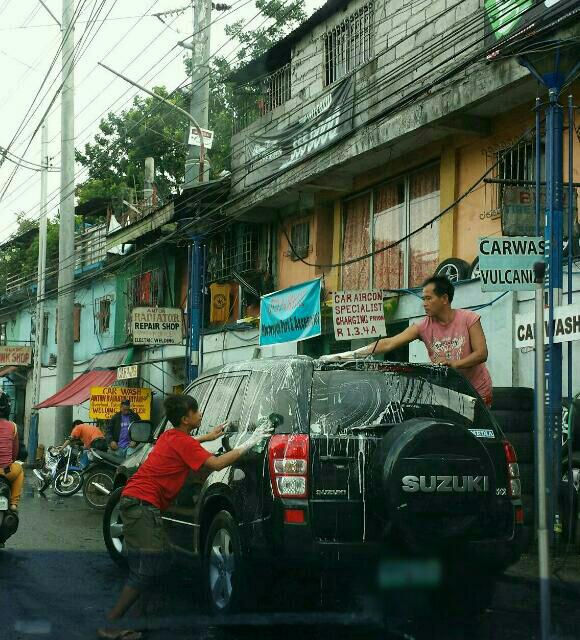
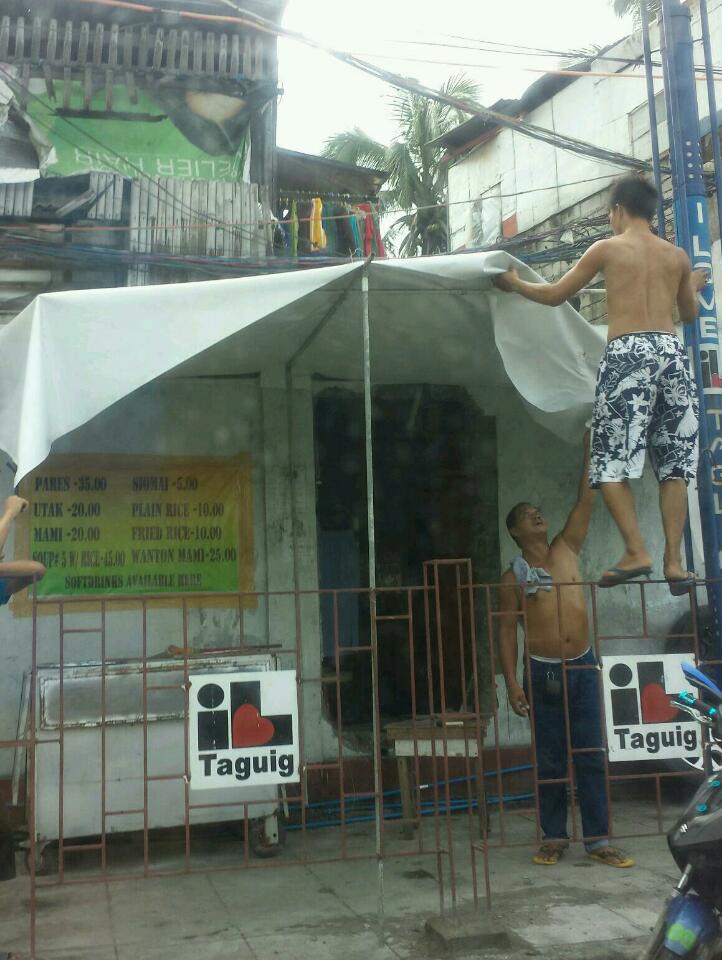
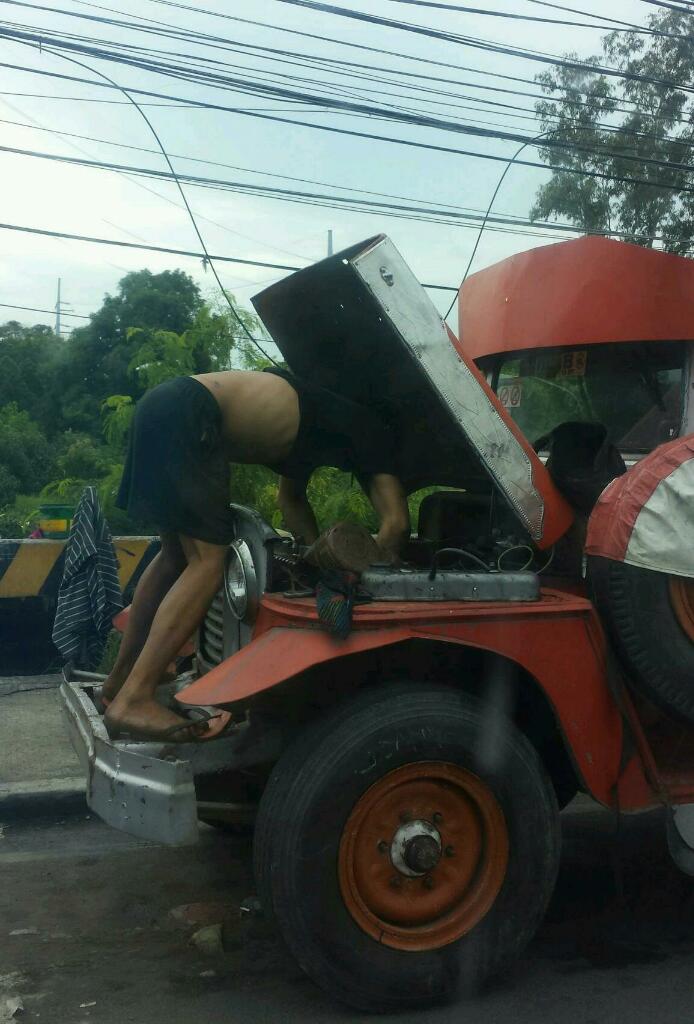
Typical scenes everyday in Metro Manila mornings.

image

image

They are most likely ambulant vendors that peddle inside a moving bus

image

Car washing and other car services done on the road eating up a lane. Yet another typical scene

image

Rain proofing a sidewalk carinderia by setting up tarp

image

Mekanikong tsuper

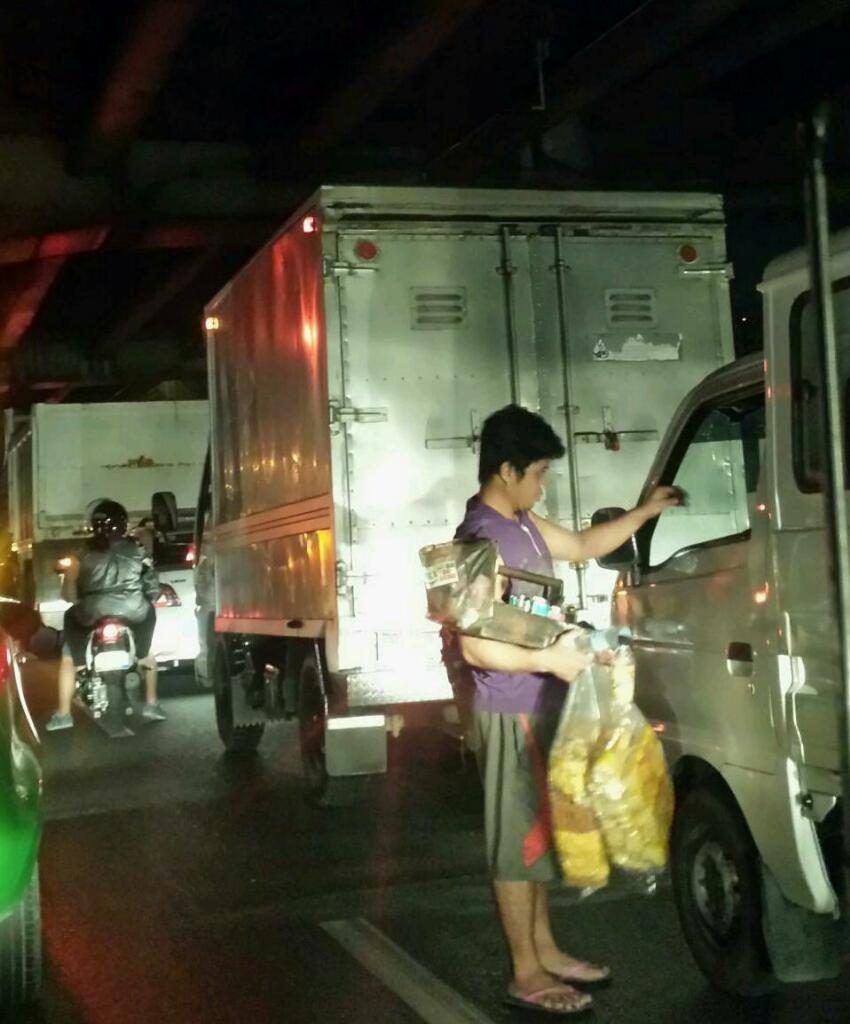
Traffic Jam Microenterprise

image

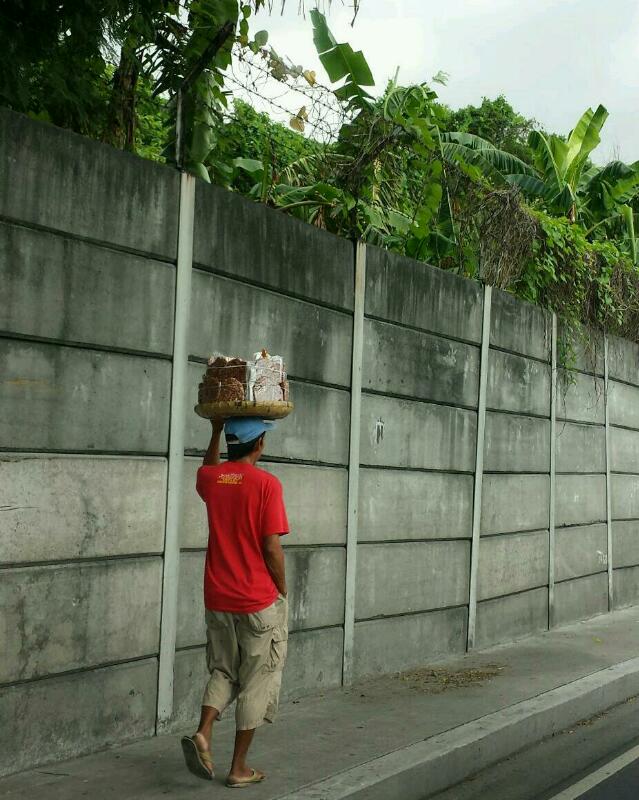
Peddling candies, cigarettes and chicharon/fish crackers in South Super Highway underneath the Skyway

Quite common in Manila to see ambulant vendors, taking advantage of constant stops from traffic jam, or red light waiting time, to peddle all kinds of stuff, from food to rags, in the middle of the road.

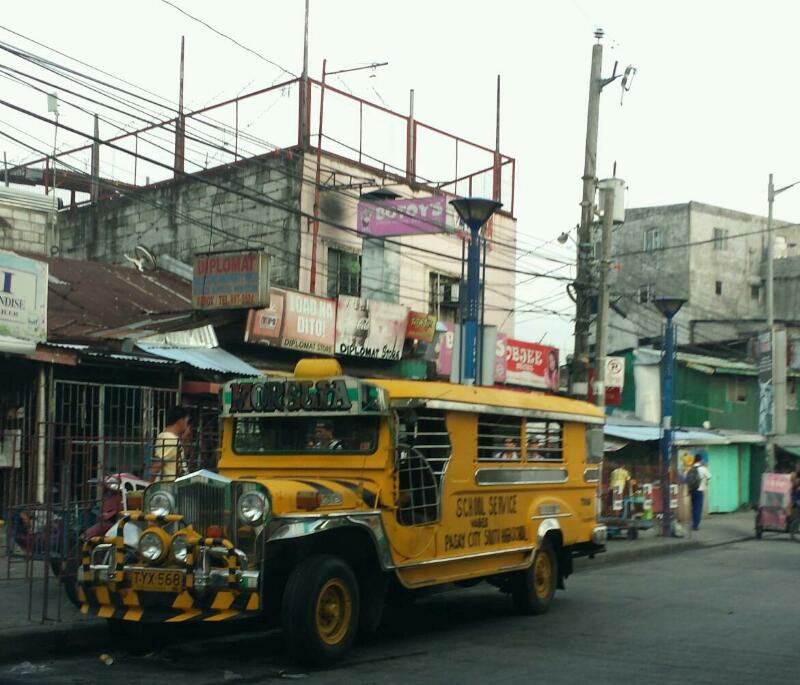
School Jeepney

Hole Punched Info

image

Bus paper ticket of OHAYAMI Trans operated by Mr. Imayaho (Ohayami in reverse)

Provincial buses in the Philippines commonly use hole punched paper tickets as passengers’ fare document. By means of hand-held single-hole puncher, the bus conductor or the ticket guy at the terminal will put holes on the ticket to indicate fare amount and other relevant details.

Kulambo Nights

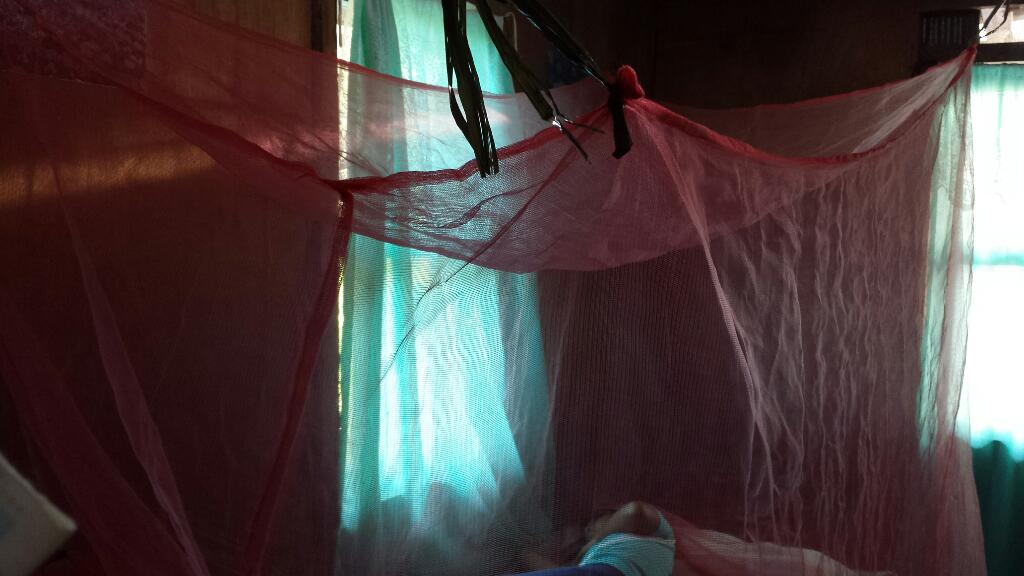
image

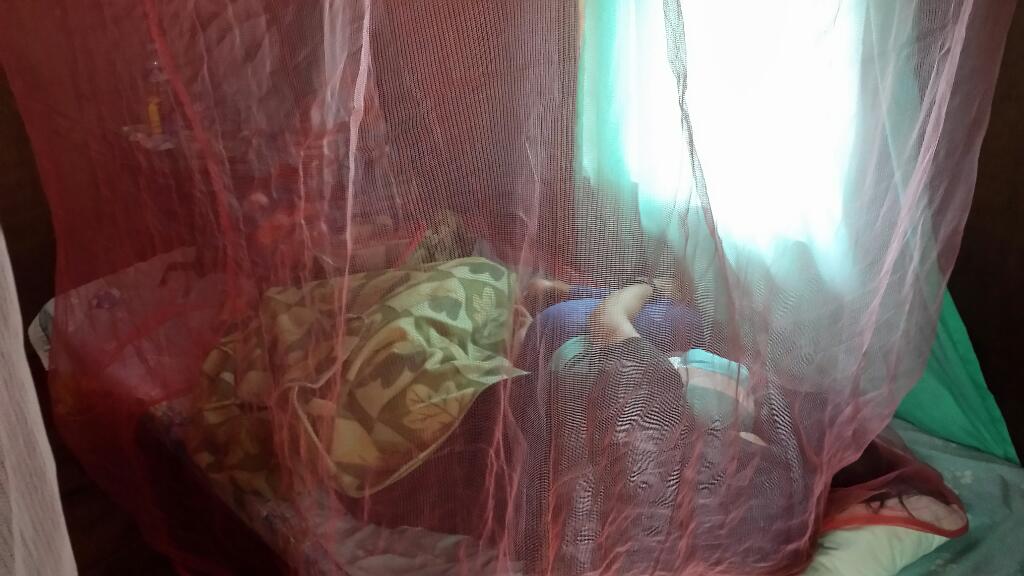
Sleeping with kulambo (mosquito net) is a must for nights in the bukid, or mountain, or in any place surrounded by nature. More so if the dwelling is not screened.

image

No mosquitos in this mountain inn but moths, beetles, and other flying night critters that may bother one’s sleep