Ondeh-Ondeh

image

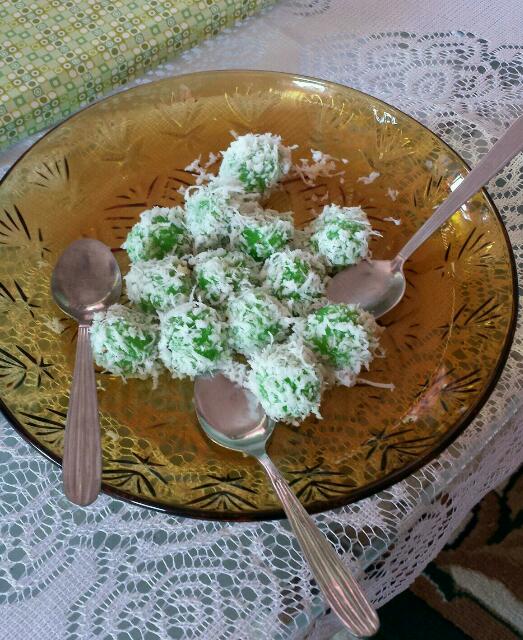
Ondeh-ondeh c/o Mr Ibrahim's hospitality at his traditional house in Kampung Morten

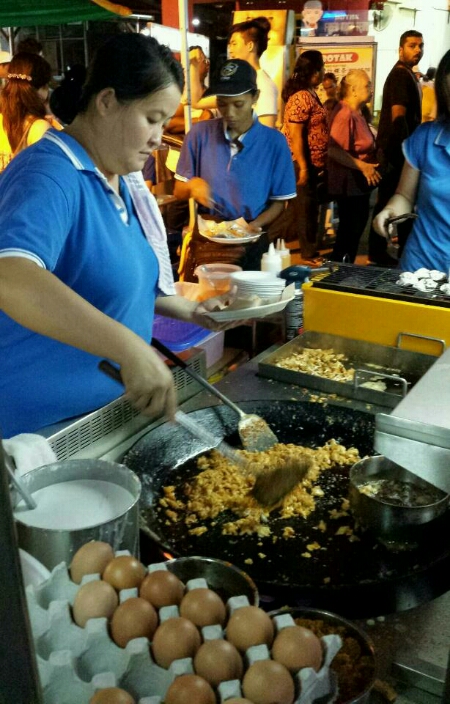
Ondeh-ondeh is one of the many variations of kuih (confection) in Malaysia. Made from glutinous rice flour, mashed sweet potato and tapioca flour, then filled with palm sugar, and covered in desiccated coconut. It’s their pichi-pichi in looks and taste, minus the sweet burst of palm sugar at the core which I’m so fond about the ondeh-ondeh. See, even the name repetition of Filipino kakanin pichi-pichi is another similarity to the kuih.

image

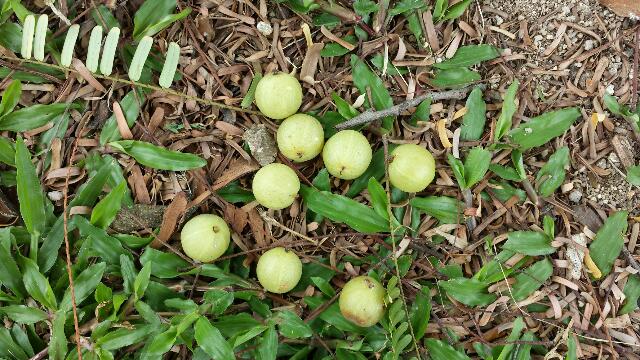
Fallen fruits of Melaka tree

Pertaining to the kuih’s green color and round shape, there’s a reason for that, which made it distinctly Melakan.

image

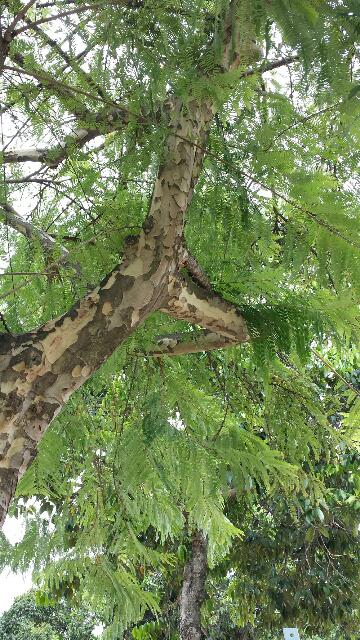
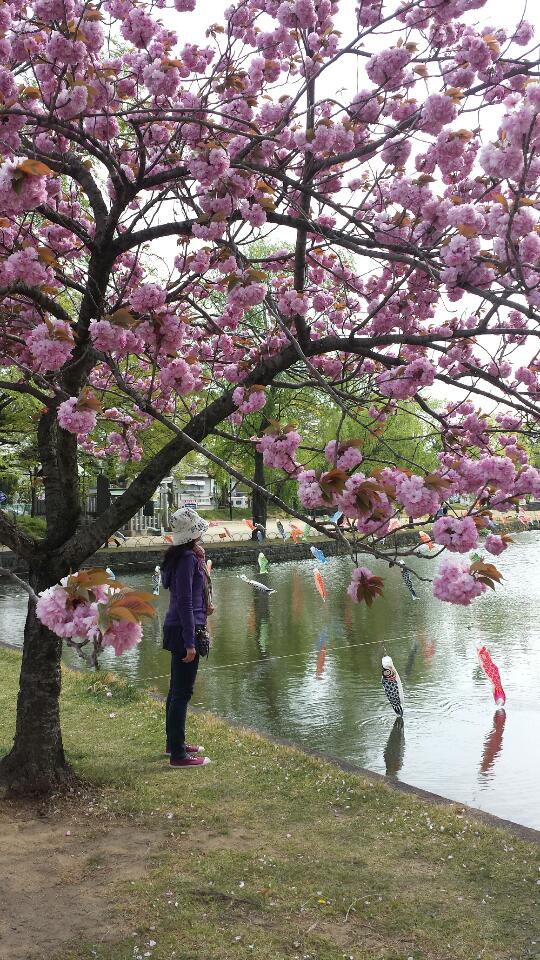
I'm pretending to be Parameswara looking up at this Melaka tree

Notably, ondeh-ondeh’s other name is Buah Melaka (translated as Melaka Fruit). So the kuih got its name and appearance from Melaka fruit like how the Melaka State got its name from Melaka tree.

image

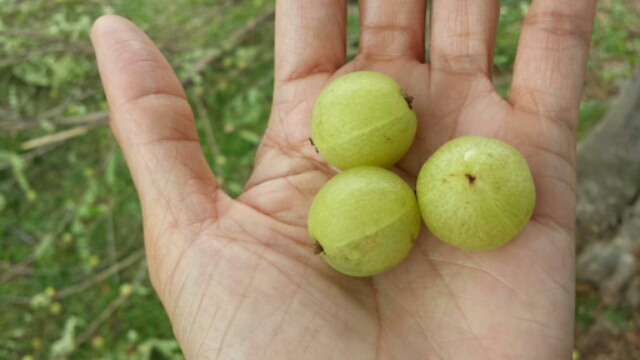
My host says Melaka fruit is not edible

image

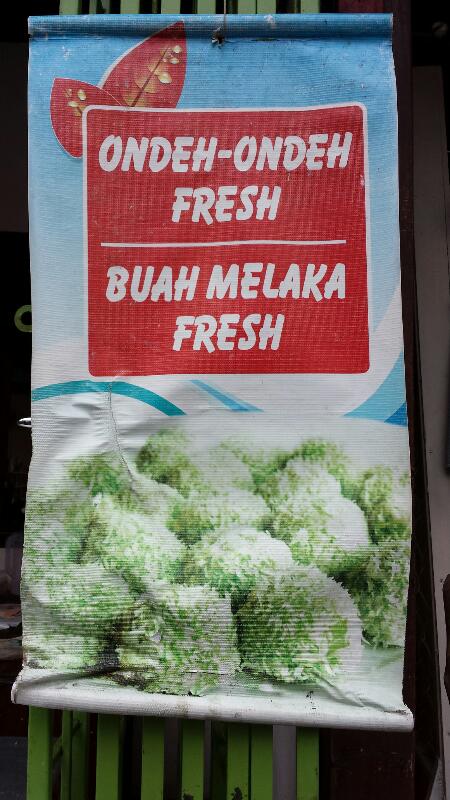
Ondeh-ondeh's ad somewhere at Jonker street

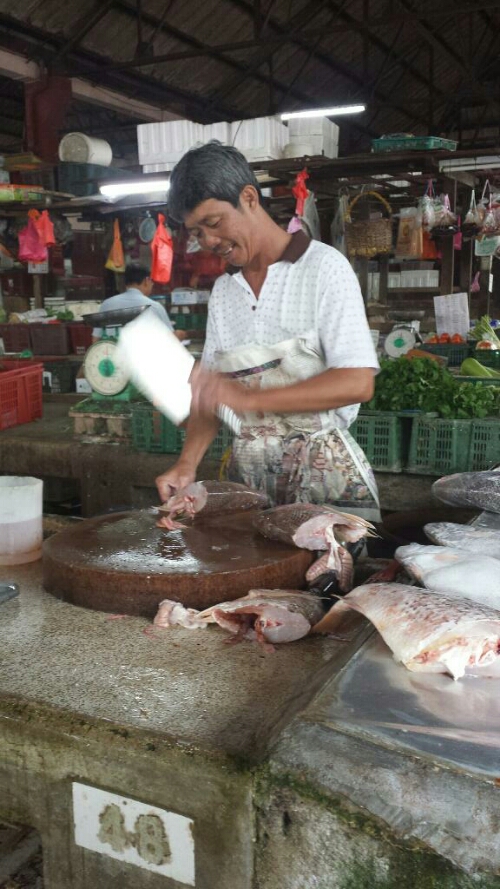
Jonker’s Oyster Cake

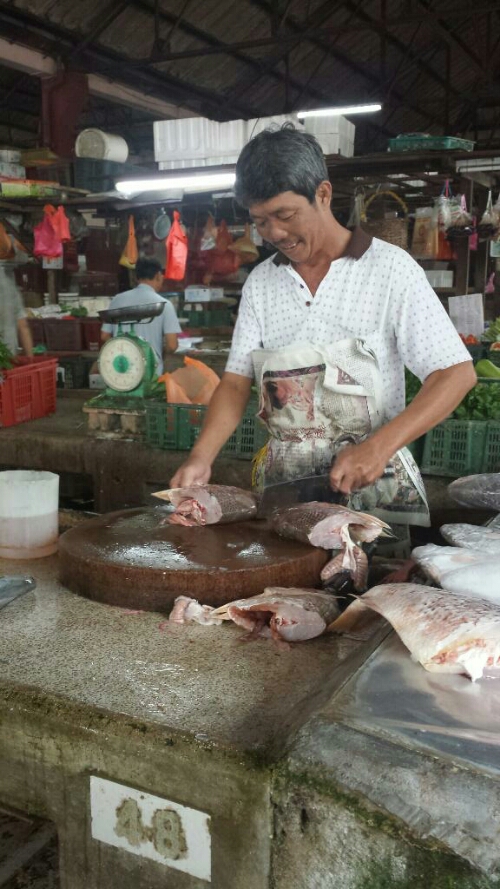
Newsprint Apron

Notable Incense Holders

image

Humble

Aimless walking in Melaka brought about snapshots of some notable incense holders of the Straits Chinese, like those tiny humble ones outside their shops, or the growing ones outside their temple.

image

image

Old incenses unintentionally repurposed as holder for new ones

Cow Urine

image

Used for spiritual healing

A bottle of cow urine found in a store that sells incenses, incense holders, cow’s milk, and other prayer paraphernalia in Little India, Melaka.

Cats of Melaka

image

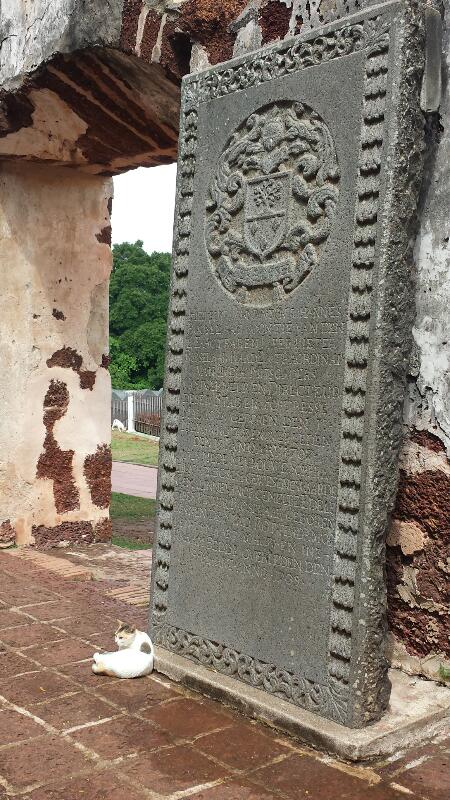
By the church ruins on the hill


image

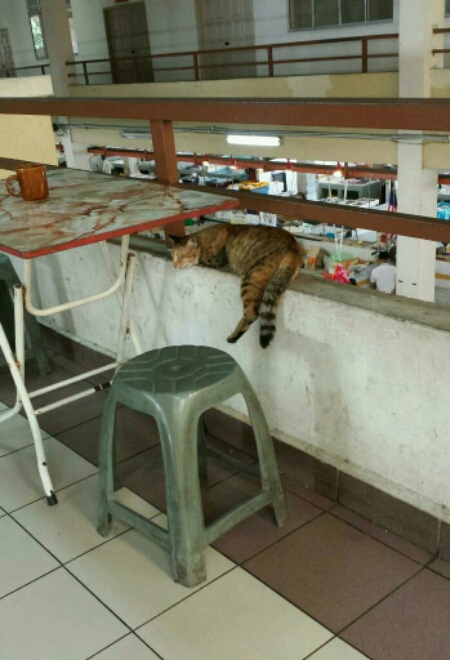
Cafeteria of the pasar at Melaka Sentral Bus Terminal


image

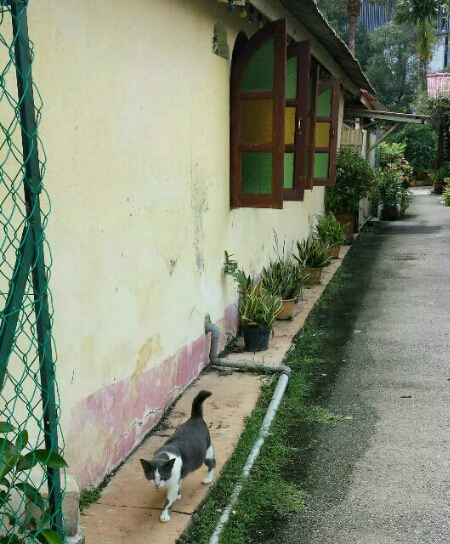
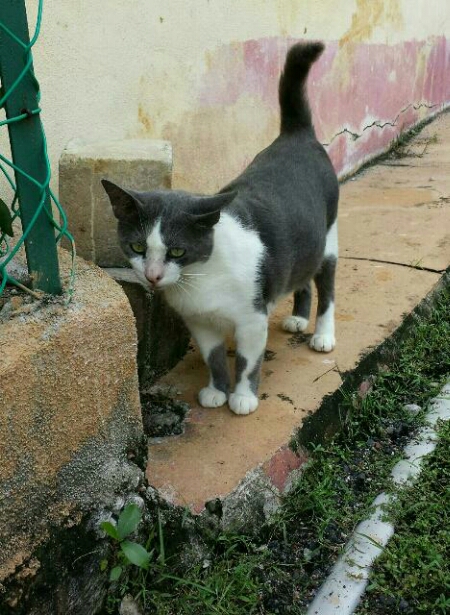
At the back of a traditional Malay house in Kampung Morten


image

Kampung Morten cat is pregnant


Malacca Fesyen et al

image

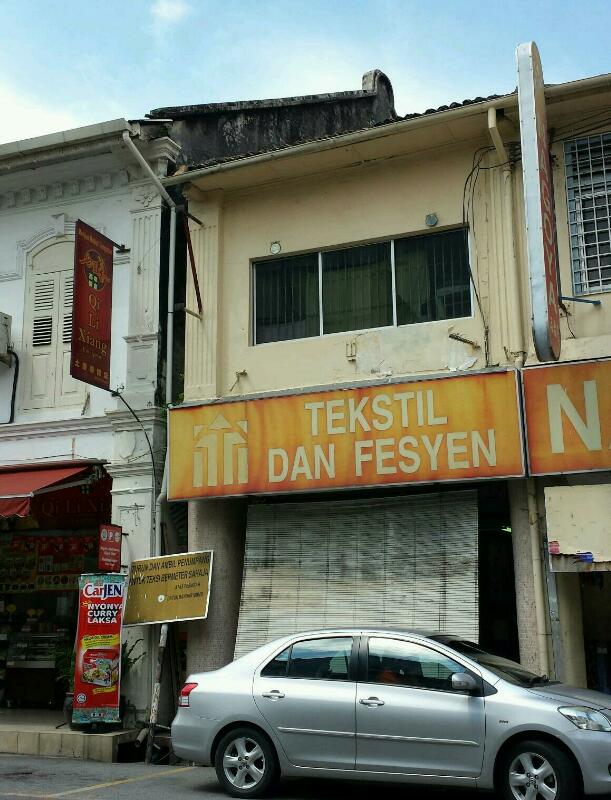
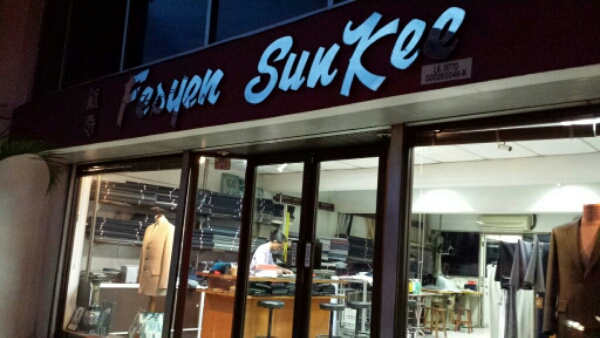
Say fesyen

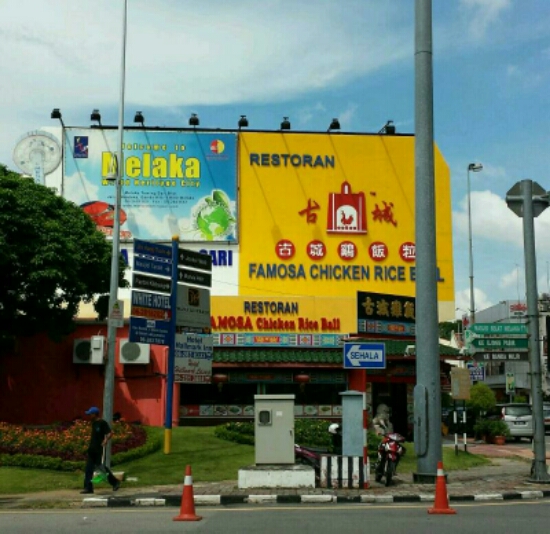
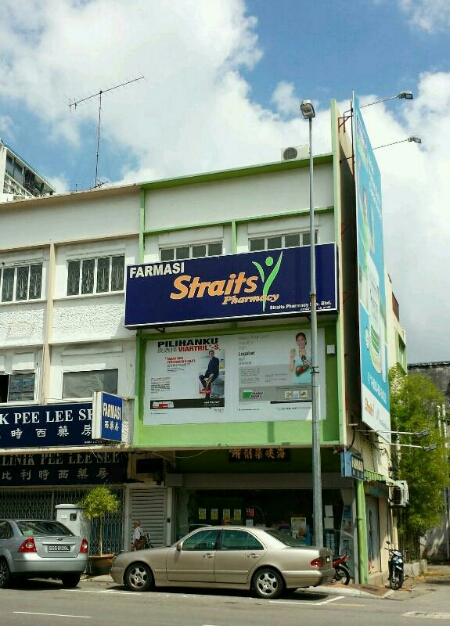
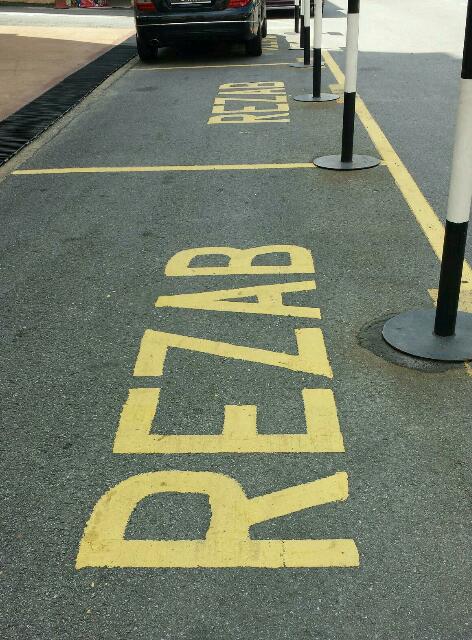
Fesyen for fashion, tekstil for textile, farmasi for pharmacy, restoran for restaurant and rezab for reserved (my favorite), are some examples of Malay words loaned from English.

image

Say restoran

The spelling resulted from how they are actually pronounced in Malay, I suppose. Truth is, the simplicity of how you say it, how you write it spelling (with minimum number of alphabet letters) made those loan words very straightforward to use by Malay writers than their English versions by English writers.

image

Say farmasi

image

It’s rezab parking, get it?


image

See the fesyen guy inside?


Flower Garland Job

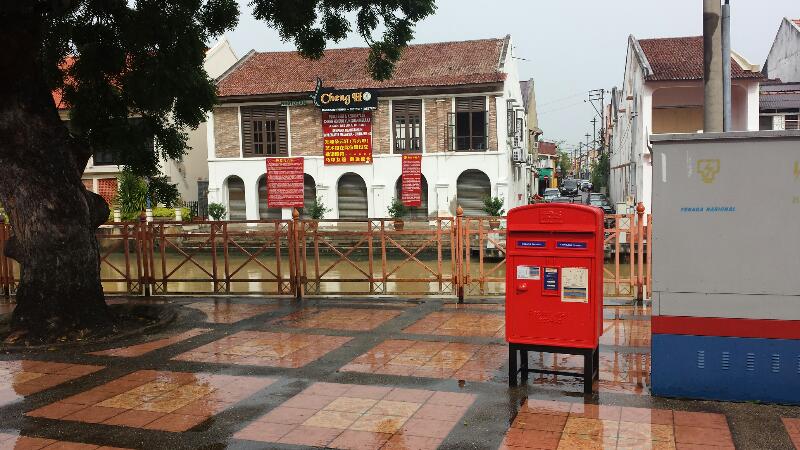
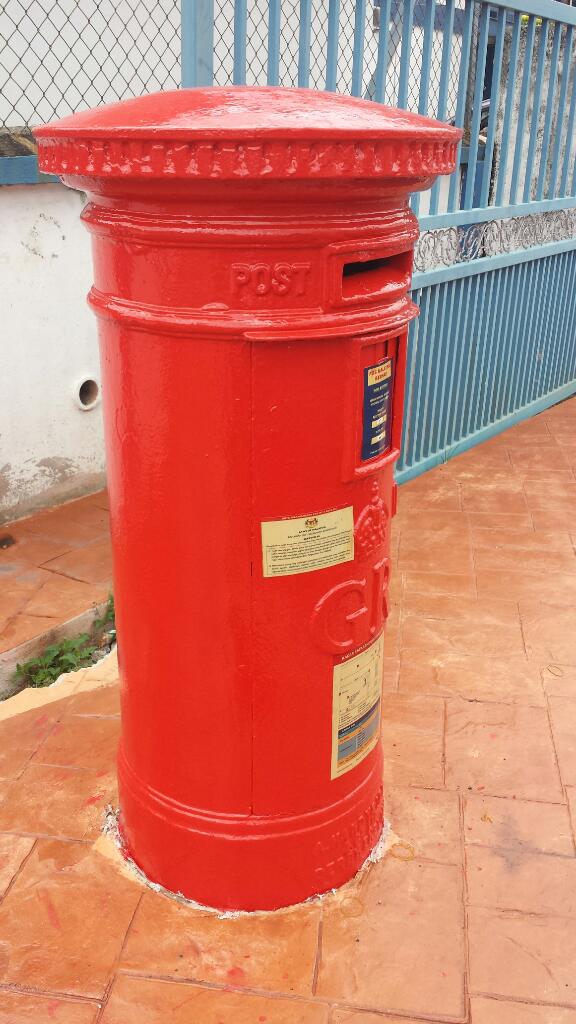
Red Post Boxes in Melaka

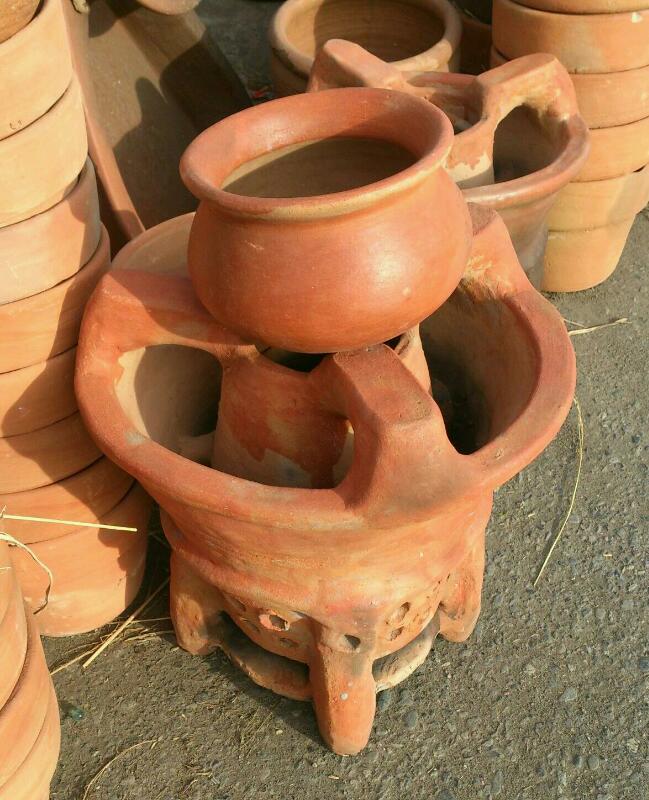
Rice Hull Stove

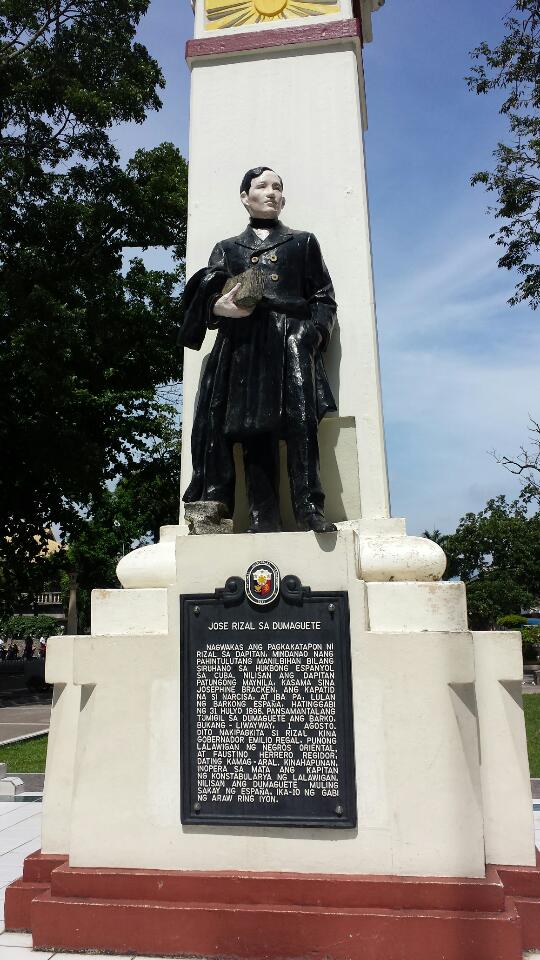
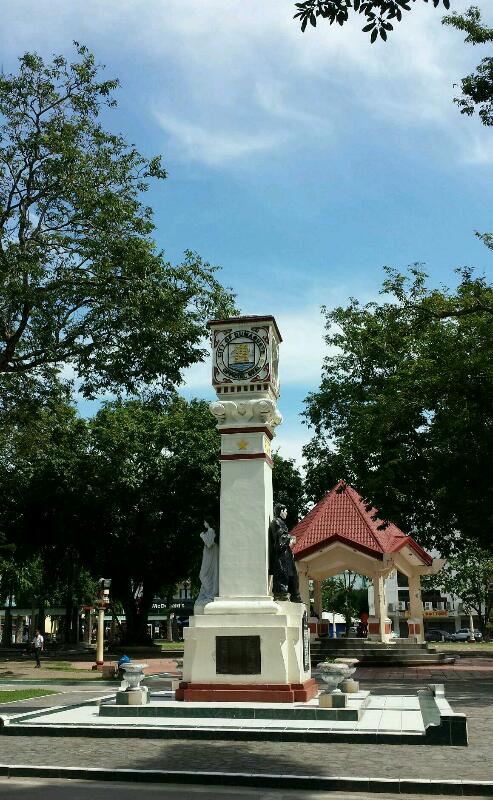
Rizal in Dumaguete

image

‘Rizal was here’ marker in Dumaguete plaza

Dr. Jose Rizal’s exile in Dapitan came to an end when he was permitted to serve as surgeon of the Spanish armed forces in Cuba. Leaving Dapitan City for Manila on board the steamer España on July 31, 1896, with Josephine Bracken, sister Narcisa and others, España temporarily stopped by Dumaguete at sunrise on August 1, 1896. There he met with the governor of Negros Oriental Emilio Regal and his former classmate Faustino Herrero Regidor.

image

In the afternoon of the same day, Rizal performed eye operation for the kapitan ng konstabularya of the province. At 10 PM of the same day, Rizal left Dumaguete on board the same ship. (Reference: National Historical Institute).

image

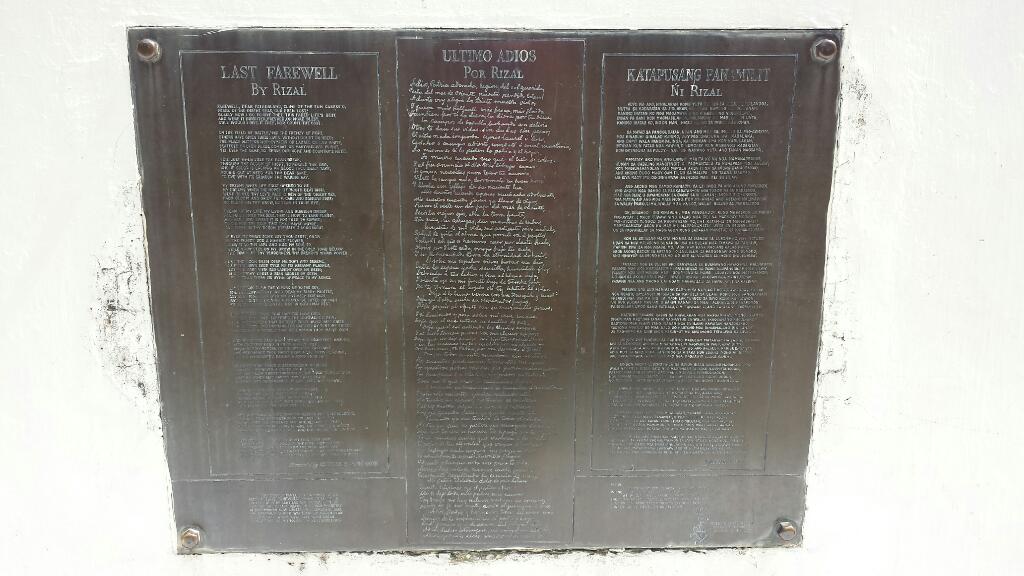
Rizal’s Ultimo Adios in English, Spanish and Visayan

image

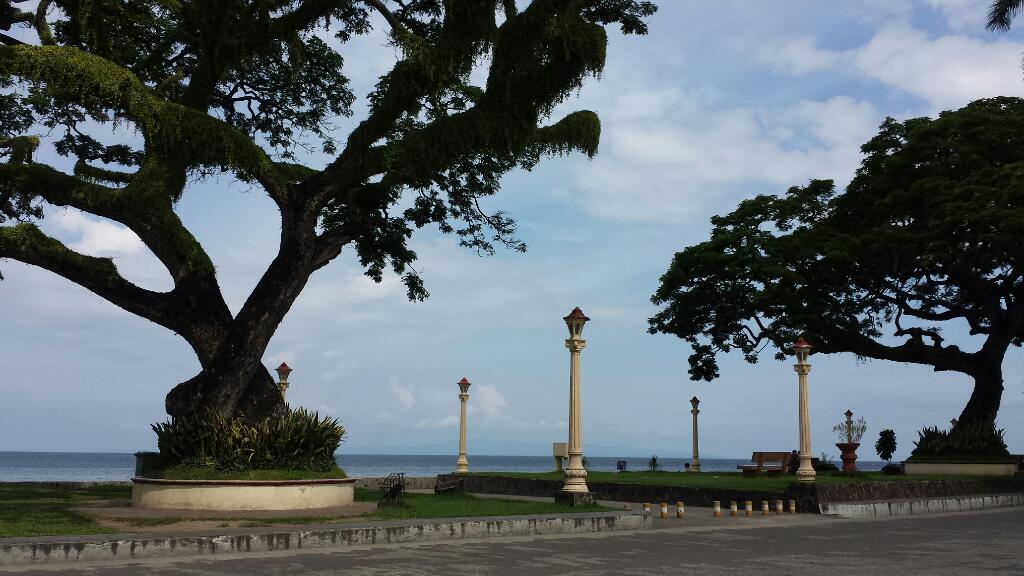
I wonder which zone of the Rizal Boulevard now did the steamer España exactly docked on August 1, 1896


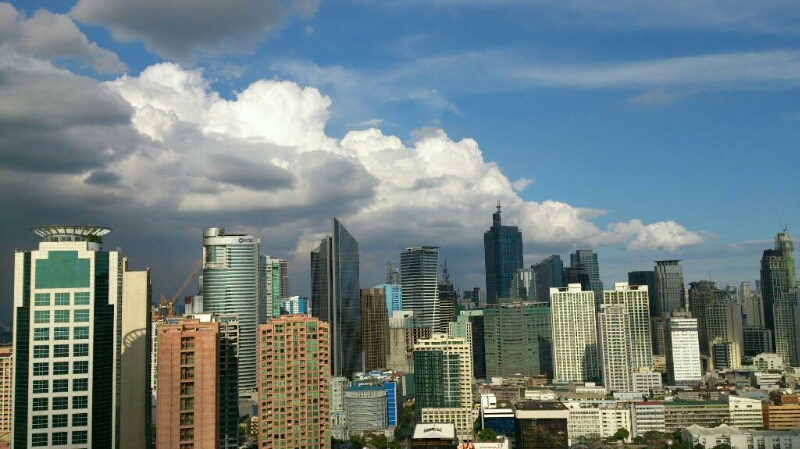
Laid Back Existence in the City

image

Social media has become a mainstream source of every sort of high level information. Things have seen to evolve just to integrate social media, a telephone for example. As observed, the fundamental needs of food, water, clothing and shelter in order to live are not enough any longer. Internet is on the list. Filipinos type their complaints of slow internet connection in social media as if it’s a life and death situation. Just the same I believe they would die, though not physically. That’s how dependent humans have become to our virtual society in order to live.

Personally, social media, websites and television have become burden to the soul. The downpour of information along with trivial, useless  and false ones give extra work for my mind to filter out those relevant, original and well-researched data only. On the other hand, I can also limit information overload instead of letting myself be fired upon with television ads, self-praising paragraphs from social media, brain carcinogenic television entertainment,  consumerism driven blogs, shallow topics on vanity driven pursuits, and all sorts of public display of affection, spending, narcissisim, and affliction – again in social media.

How can one control unnecessary information overload? Information technology (IT) has always been my occupation where I design software and process data all the time. Implausible it may sound,  but I don’t spend on gadgets and never felt tiny bit of affection for iStuff. Likewise, I haven’t subscribed for broadband connection at home, neither do I have television connection for 8 years already (not missing this at all). Mobile phone internet is the only connection I have. In fact I’m publishing this essay on WordPress just using my phone (which I always do). I guess, this how I forge my laid back existence in the city.

Gulay Bundles

image

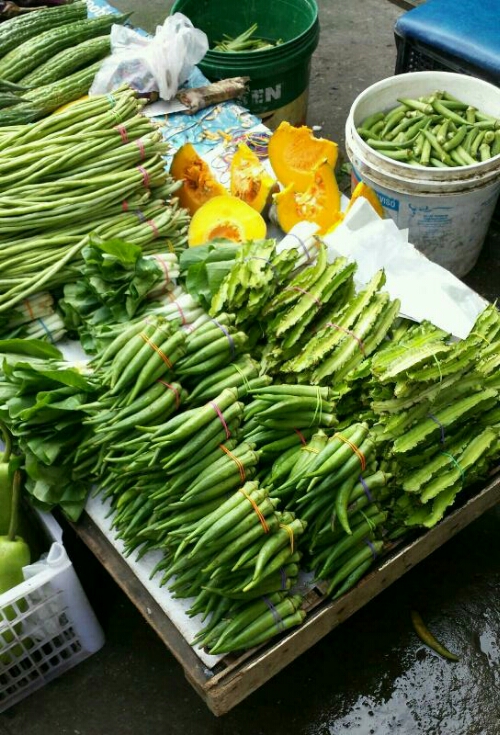
Gulay bundles at the talipapa or palengke are tied together nowadays by rubber band. Because of that, I’ve accumulated plenty of elastics from regular gulay buying. Bundles of gulay are often priced in multiples of five starting from five pesos and most belong in this cheapest set. Examples of gulay in five peso bundle are okra, sitaw, alugbati, saluyot, kangkong, malunggay, and pechay.

image

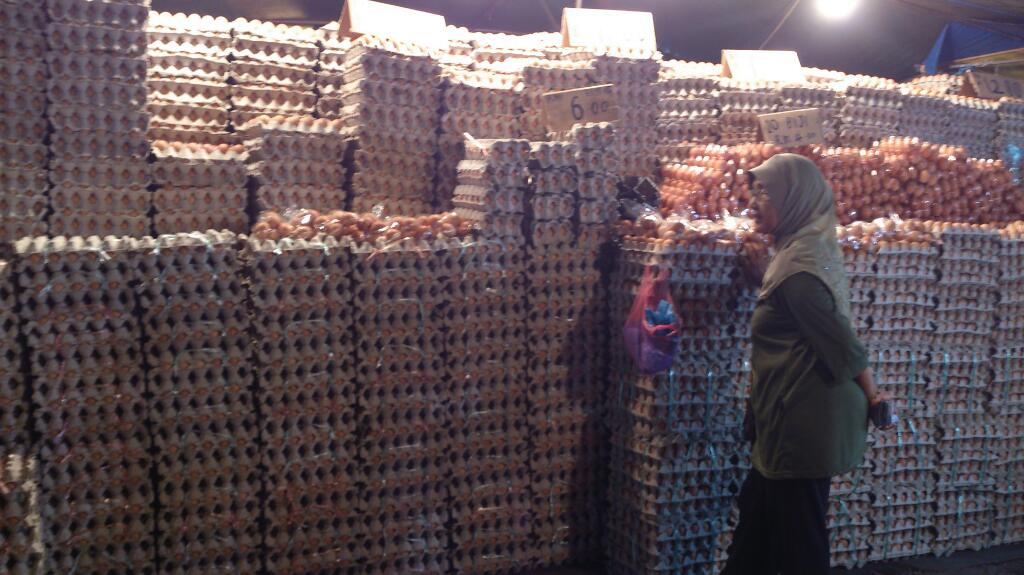
Stack of Egg Stocks

Haiyan Aid Remnants

image

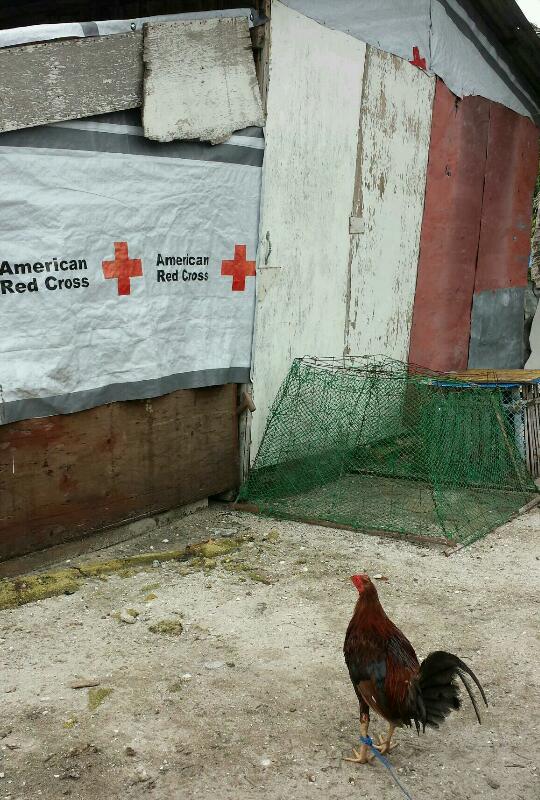
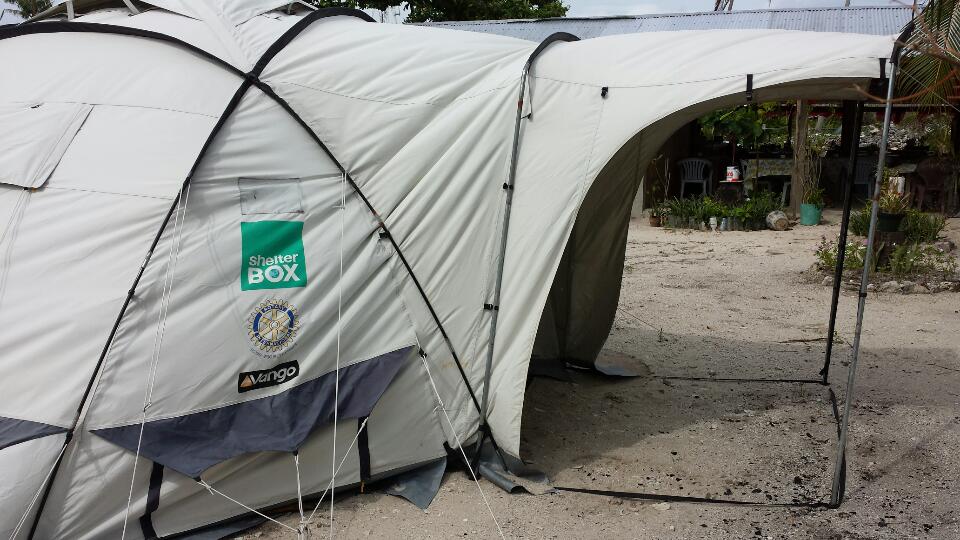
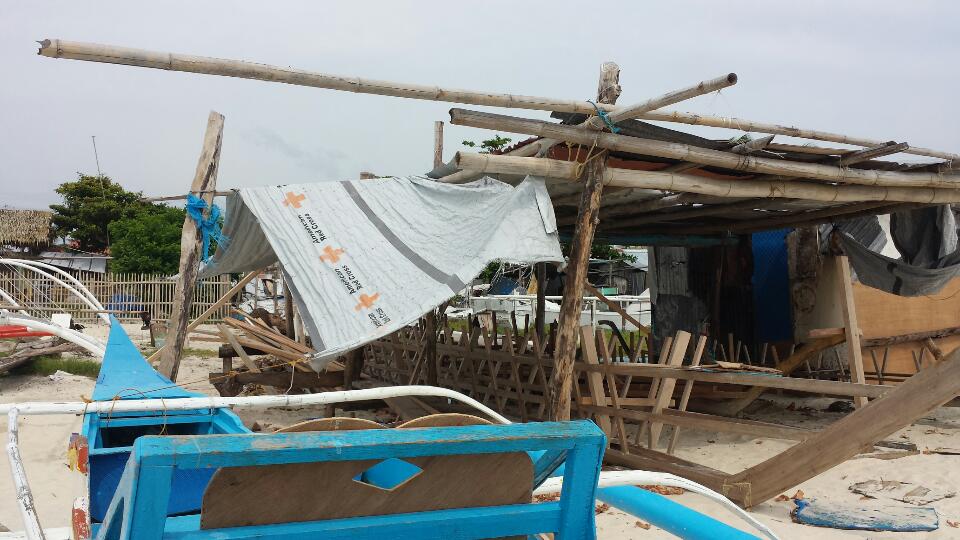
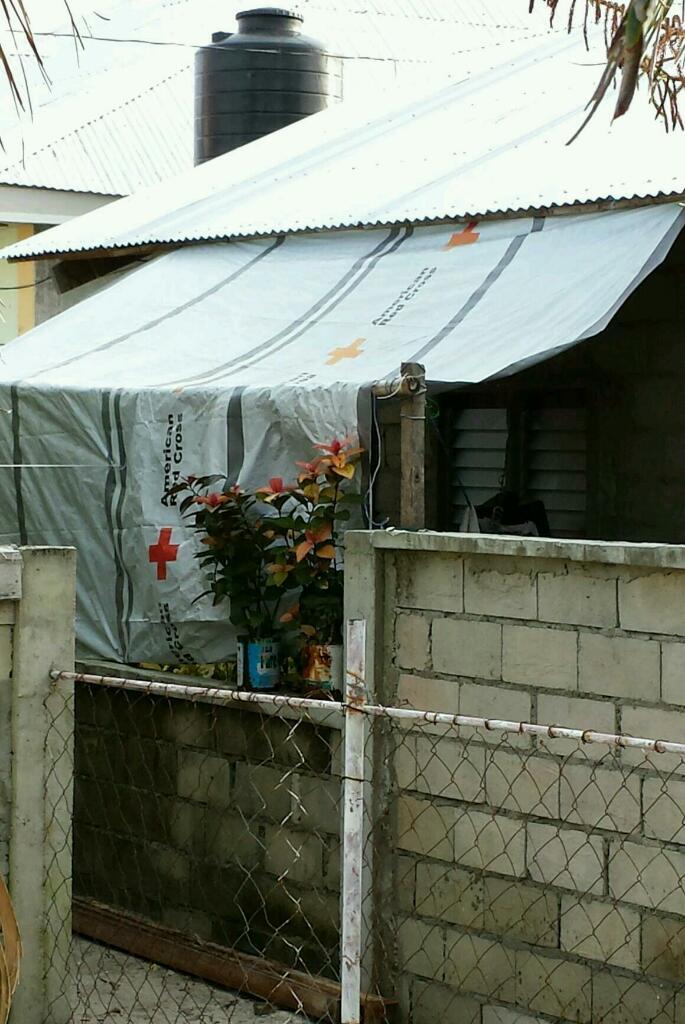
Last August, throughout the island of Malapascua in Northern Cebu, I’ve seen plenty of Red Cross tarpaulins repurposed as house roof extension for the rebuilt homes or as boatyard shade. I even came across a Shelter Box – still standing.

image

Shelter Box (Rotary)

So to those who have donated for the Shelter Box or to Red Cross for Typhoon Yolanda, I’d say those have certainly arrived as aid to the people of Malapascua as manifested from these remnants.

image

Boatyard shade

image

Roof extension

Note: Typhoon Yolanda first anniversary is on November 8.

Flavier’s Parable

image

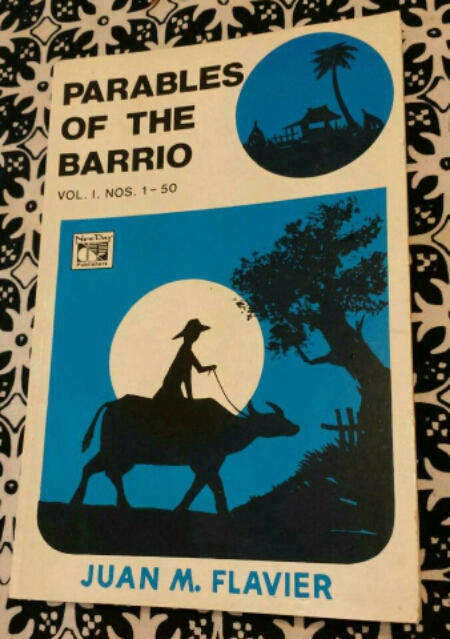
Here is one parable from Juan Flavier’s compilation – Parables of the Barrio.

Parable of the Letter to God

During the last typhoon, Lencho lost all his rice crop because of a severe flood. The whole barrio was affected so he had no one to turn to for help. In sheer desperation, Lencho wrote a letter to God:

“Dear God:

The typhoon devastated my whole crop. We have nothing left. I have seven children. Please, God, send me one hundred pesos to tide us over.

Sincerely Yours,

Lencho”

He actually placed the letter in an envelope, stuck a stamp on it, and mailed it to “God in Heaven.”

The letter reached the post office but it could not be delivered. However, the postmen had the time of their life laughing at the oddity of a man actually writing to God. Some people said God was dead, but here was a farmer writing to God out of sheer faith. The postmen decided to show the odd letter to their postmaster.

“Do you want to laugh today, sir?” the postmen asked their boss.

“Why, yes,” answered the postmaster eagerly.

And so the letter was handed to the postmaster who read the letter to God. But he did not laugh. Instead he reread the letter in all seriousness and then faced the postmen.

“We talk of social action,” he said. “We all speak of the brotherhood of all men. Yet here is a man in dire need and you think it is funny? Shouldn’t we pool our resources instead and help Lencho?”

The postmen were embarrassed by the truth of the postmaster’s remarks. So the group decided to pass the hat around and raise money among them to assist Lencho.

But they were few and money was difficult to come by, so all the post office personnel could raise was eighty pesos. Nevertheless that was better than doing nothing.

They also decided to play the game with Lencho, so they placed the money in an envelope, put a stamp complete with stamp mark, and wrote on the upper left-hand corner: “From God in Heaven.”

A postman personally hand carried the letter with the money to Lencho in the barrio, who was ecstatic with joy. “I knew God would answer my plea,” he exclaimed. “God did not forget to send the money!”

Lencho quickly counted the paper bills and found only eighty pesos, instead of one hundred he had asked for. So he wrote another letter.

“Dear God:

Thank you for answering my prayer, God. But, please, next time, do not send the money through the post office, because the people there are thieves.

Sincerely Yours,

Lencho”

Parables of the Barrio
Vol 1, Nos 1-50
Juan M. Flavier
Copyright 1988
New Day Publishers
Notes on Souvenirs, Generally

image

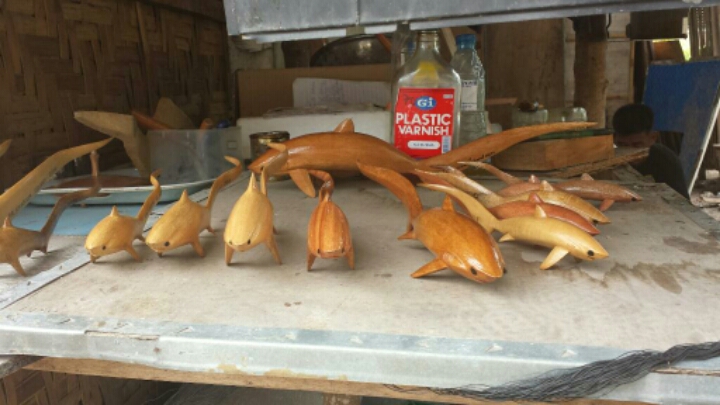
Malapascua Island attracts foreign diving tourists because of the thresher sharks, but I guess this souvenir stall profits more from local tourists

Trip souvenir acquisition is a big thing among Filipinos, generally speaking. It’s a proof of “I’ve been here“, regardless of the amount of visiting time in that statement. Outside the country, if you want to meet Filipino travelers, it is highly likely you’ll see them in keychain, t-shirt and ref magnet sort of souvenir shops.

image

To have seen that man making thresher shark figurine and documenting it here is my kind of souvenir

Again, generally speaking, it’s not limited to souvenir shops where one can see some concentration of Filipino travelers, but also in popular shopping stores or districts with affordable popular items associated with the destination. Keyword is “popular”. This penchant for imported goods makes destination shopping an unwritten constant itinerary of Filipino travelers, generally.

image

Varnished thresher sharks

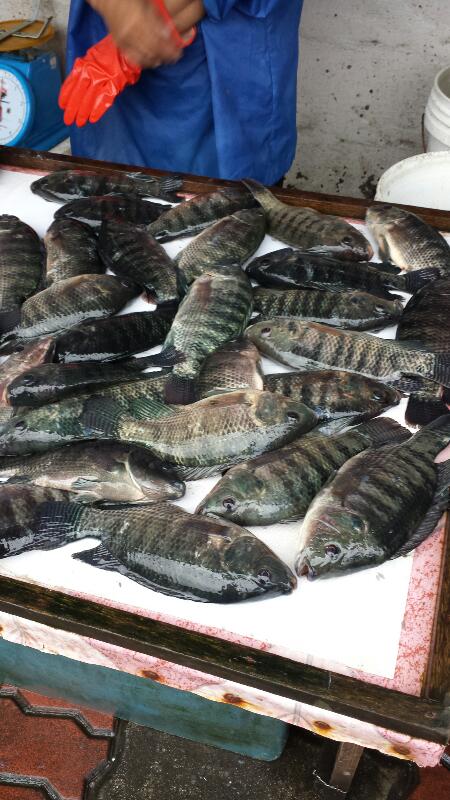
Tilapia at Talipapa

Sambal

image

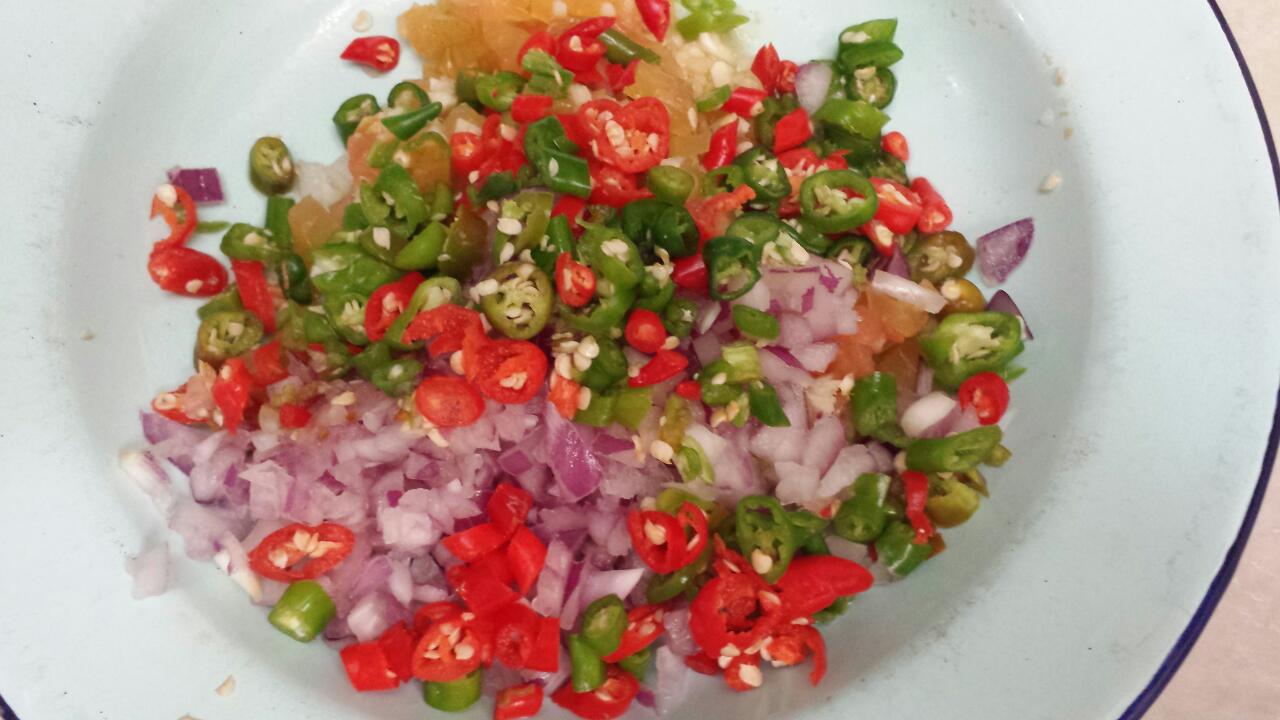
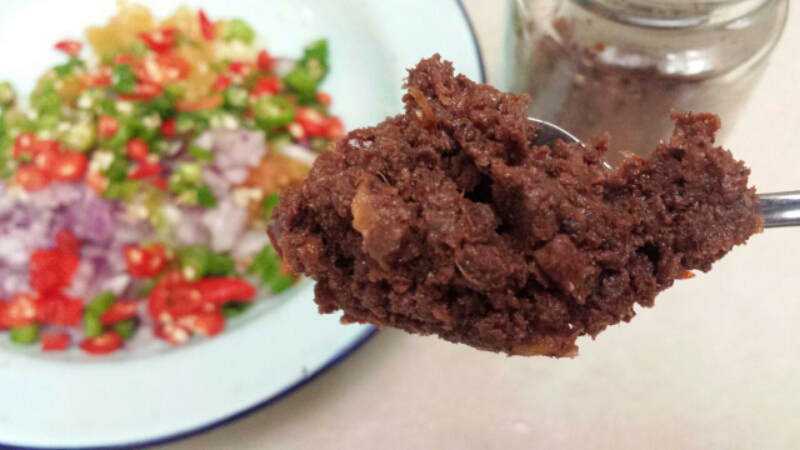
Chopped ingredients

Sambal is a Southeast Asian condiment, a sauce, an appetizer, or an accompaniment to rice or viands. And because it’s hot and spicy, it’s something I have dearly adopted. I have learned to prepare sambal in Yogyakarta through Made, a Balinese cook.

image

Shrimp paste

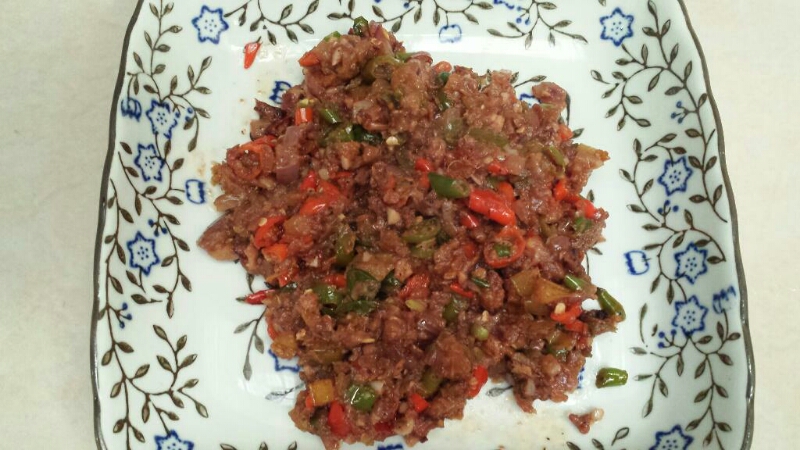
There are several variations of sambal, and one can modify the proportions of certain ingredient to suit one’s taste. In a nutshell, here’s the process: chop shallots, garlic, chili peppers, and tomatoes, you may crush all together with a squeeze of calamansi juice, then saute everything with belacan (shrimp paste) in a small amount of oil. You’re done if you feel the urge to sneeze.

image

Not the saucy version as I didn’t crush the ingredients. Perfect accompaniment to my weekend lunch of fried eggplant and fried fish

image

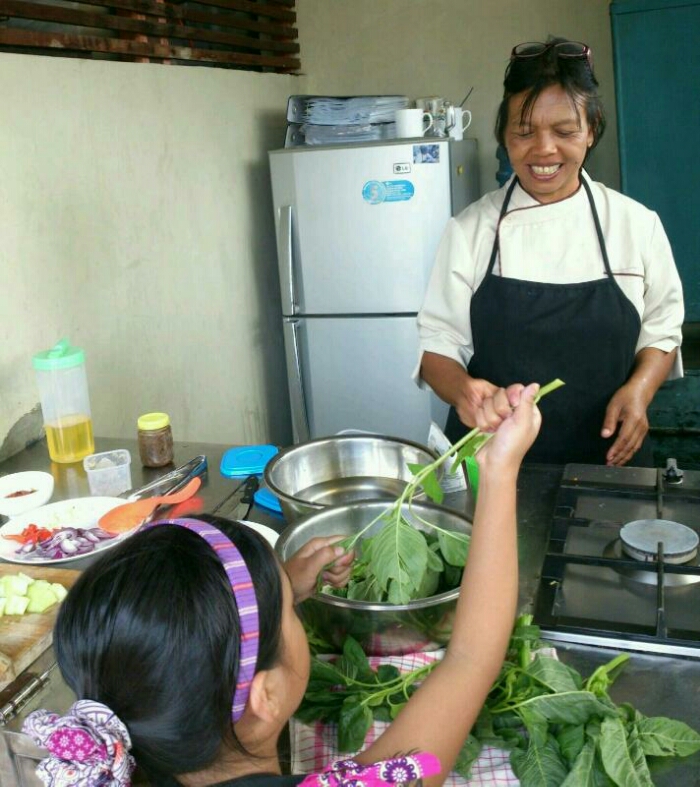
Here’s Made, the Balinese cook

image

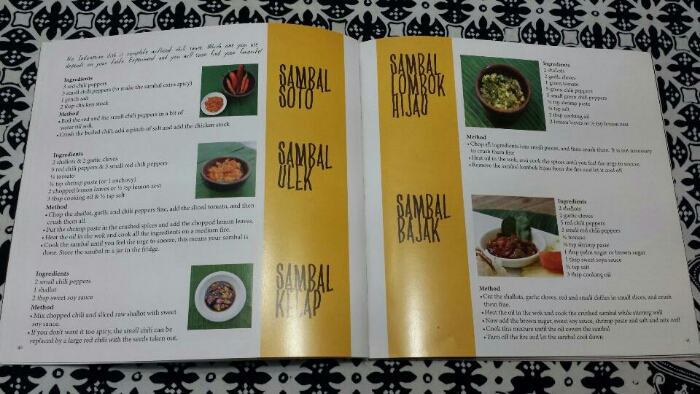
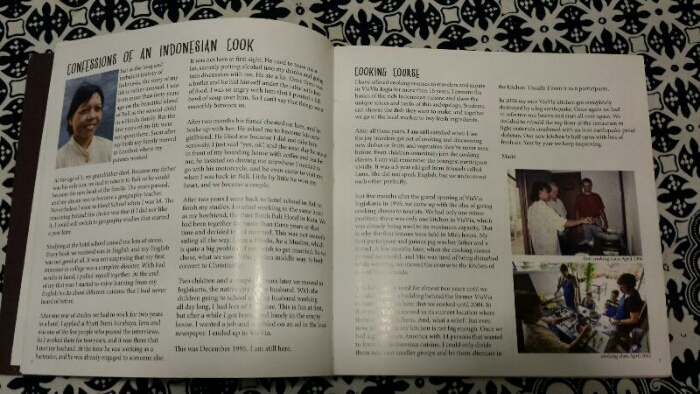
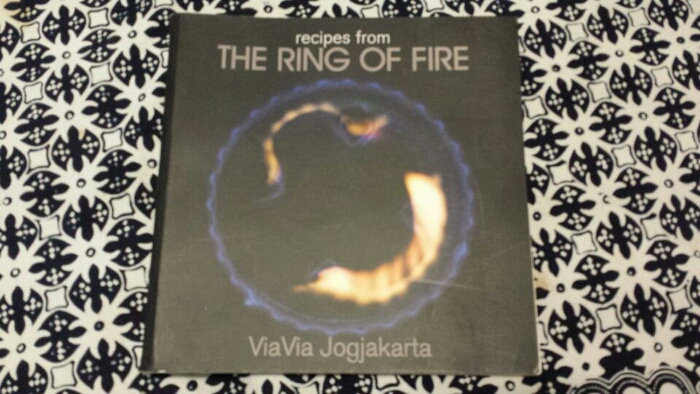
Made’s recipes in our cooking class can be found inside this Javanese cookbook

image

Here’s Made again

image

Front cover of the cookbook. A souvenir from my Jogja trip

Traveling Light in Life

My next door husband-wife neighbor are both in their twilight years, and one day I went to their property somewhere in Makati for Mister knew about my gardening pastime, and he wanted me to have his terracotta plant containers he was planning to dispose. Their house in Makati is too big and impractical for both of them to stay, so they have it rented instead. Yearly, they live half of the time in America to be with their only daughter, while the other half is spent in the country to manage their properties and be with their relatives and friends. While touring his Makati house, Mister talked about his prized collections of this and that, some stored at his brother’s house, some he sold already. He said, when one gets old, all these stuff don’t matter anymore. I guess his remaining worldly effects have tied him down to Manila. My conversations with him upheld my belief on what I have been doing all along – not being possessed by my possessions.
image

To most middle class in the country, the idea of renting is lowly as opposed to owning. Understandably, this frame of mind revolves around material wealth, the kind of thinking where one needs a tangible proof to display one’s success, and again, this sort of “success” they have in mind revolves around properties and possessions. What’s the use of owning a house when years from now, one cannot be certain if the location of the property you’ve invested all your time, money and effort is still desirable for living in every aspect? Just the idea of investing all my resources on a thing is unappealing. When renting, one can easily transfer from one good location to the next, from one town to the next, or from one region to the next.
image

Currently, my occupation is based in Metro Manila, but I wouldn’t invest a property within the city even if I have the means, as what normal people tend to do. I can’t see myself spending my retirement years in Manila and do my geriatric exercises in a shopping mall (nauseating thought). Having a property anywhere would somehow tie me down later in life whether in managing it, or trying to sell it, or worst, witnessing its decay. When I retire, I look forward to being a happy nomad, say live, run and work or volunteer a couple of years in a particular place, learn its dialect or language and curiosities until it’s time again to move. The ability to travel light in life and follow one’s yearning is the kind of wealth I aim for.

image