Category Archives: Food

Pintos

image

Bus window peddling is one reason why I prefer ordinary non-aircon bus apart from the chance of smelling each passing town and having clear view of roadside everyday life

When traveling by bus to northern Cebu, whether to Hagnaya or to Maya, it’s highly likely that Ceres bus will have rest stop for few minutes in Bogo. A happy stop for it means one is almost at the end of the bus journey, and also it means the acquisition of pintos via bus window sellers.

image

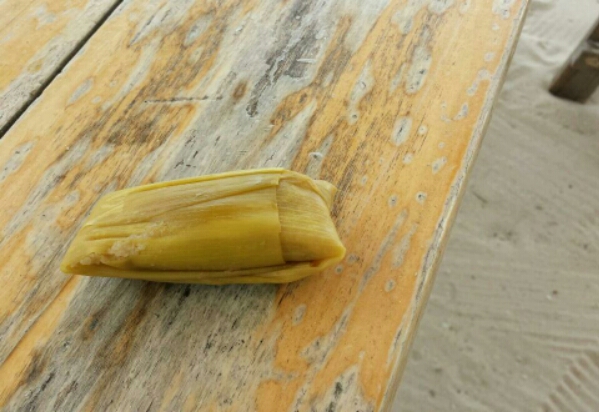
A pack of 5 costs 20 pesos

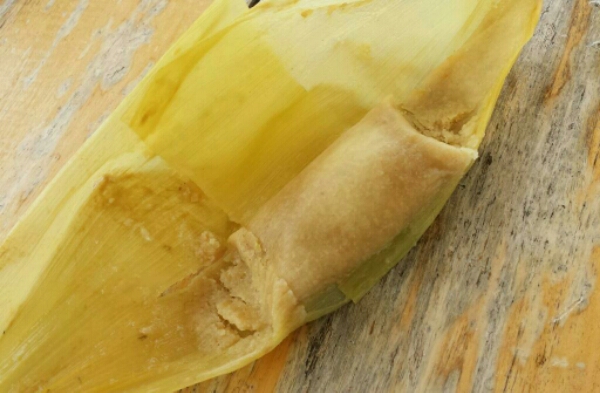
Pintos is distinctively Cebuano, a specialty of Bogo City that’s primarily made from ground corn. The smell of the warm corn husk wrapping is pleasantly barriotic, and snacking on pintos is akin to making memories where one would love to recall fondly this delight especially its texture, taste and aroma sometime in our lives.

image

Honestly simple packaging of young corn husk

image

For only about 15 minutes of stop in Bogo, bus vendors’ pintos will do for now

Anti-Malnutrition Chips

image

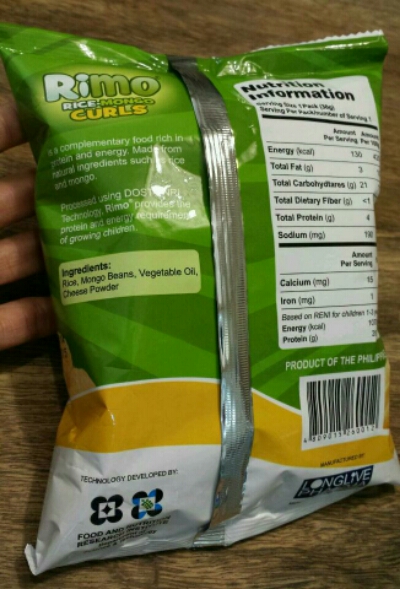
At the science exhibit of Department of Science & Technology, I bought this chips to relieve my starvation in the duration of my 4.5 hours visit. This un-junk food was developed for the purpose of improving nutrition in young children. The snack is made from rice and monggo and it tasted even better than most local junk food, not that because I was starving but the taste is somewhat addicting. Similar to how addicting Chippy is.

image

It’s rare thing where one can see DOST’s and FNRI logos in a chips pack. The high protein and energy content makes this a nutritious and convenient snack in evacuation centers for instance. Other than that, in preparing a disaster grab bag, why not put some Rimos instead of junk crackers inside. The disaster grab bag is a wise move already, having Rimos inside makes it wiser, I suppose.

image

Filipinized Spaghetti

image

Dole’s ready-made Filipino style spaghetti sauce

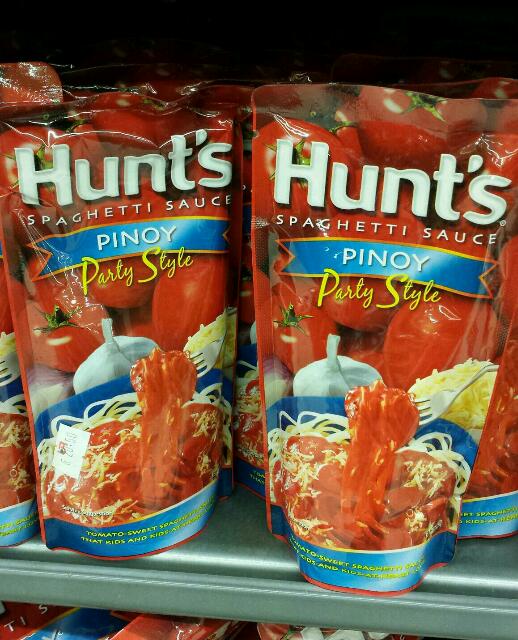
Filipino variation of spaghetti is sweet, cheesy and meaty, generally. No vegetables added aside from onions and garlic used in sautéing ground meat. Sub variations exist depending on family heirloom recipe.

image

Hunt’s

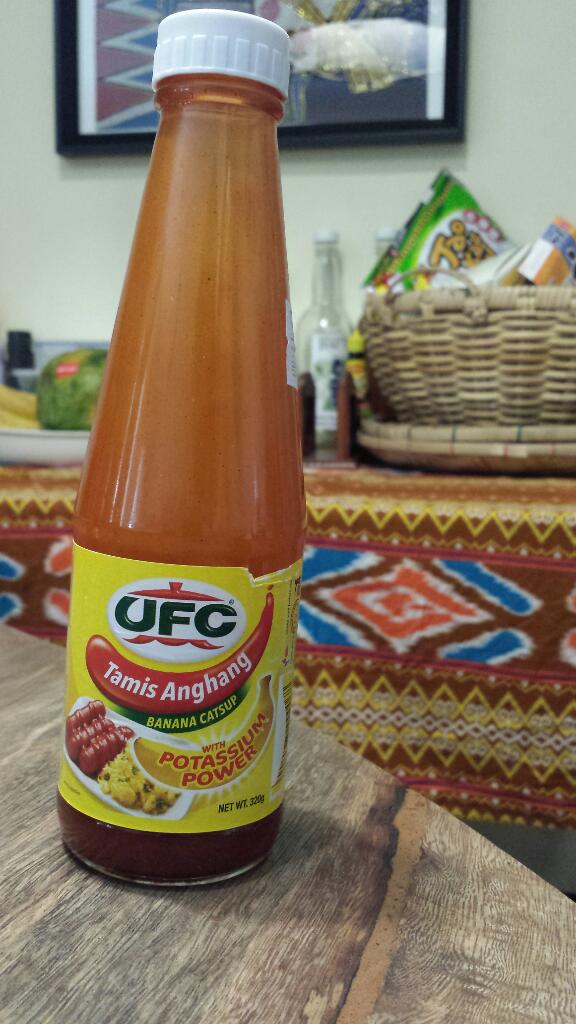
Apart from being sweet, ingredients are namely, ground beef or ground pork or corned beef (depending on one’s budget), hotdogs (those red Filipinized hotdogs like Purefoods), canned spaghetti meat sauce or canned tomato sauce, Filipinized ketchup (made from bananas, not tomatoes), evaporated milk (my mother also put this in the sauce), sugar, processed cheese food (like Eden or Kraft), and of course dried processed spaghetti noodles (like Royal). All these create a spaghetti variation that only exists in the country.

image

Also Del Monte. Plenty of branded pre-made Filipino style spaghetti sauce for the big market in the country and the Filipino marts worldwide

Perhaps the introduction of spaghetti concept  is a legacy of American colonization, and along with it the affinity for processed ingredients.

image

Ketchup that is close to the hearts of Filipino masses. This Filipinized ketchup is made of bananas, hence the potassium power in place of lycopene power

Such is the affection of the Filipinos for spaghetti that several brands of ready-made spaghetti sauce sell Pinoy style sauce, also that imported fastfood chains have spaghetti in their menu. McDonalds and KFC for instance, but only a local chain knows how to make better spag (local nomenclature for spaghetti). Sa Jollibee bida ang sarap.

image

No one makes a fastfood Filipinized spaghetti better than this Filipino chain. Sweet sarap na the best!

Maruya at Home

image

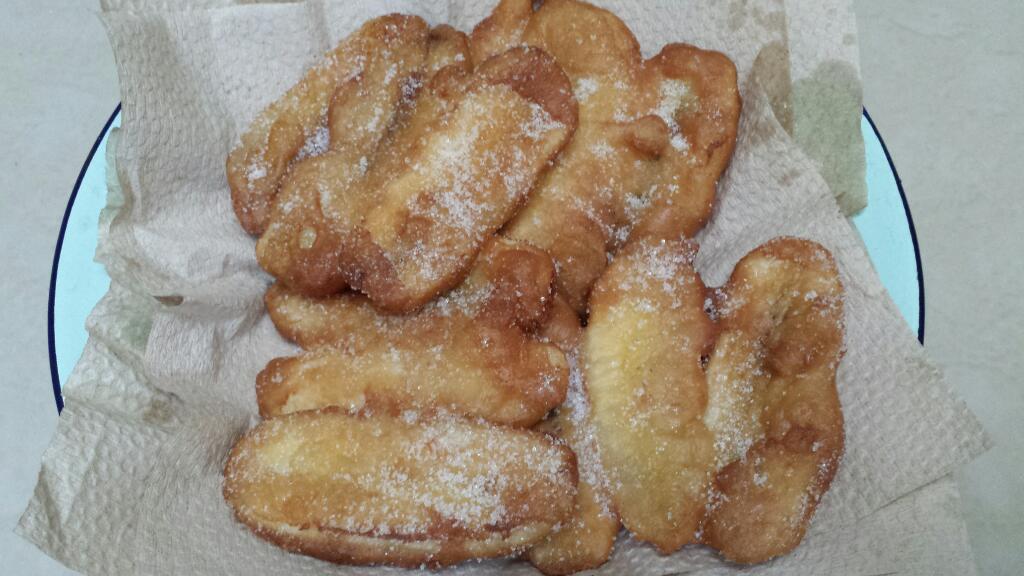
One of those delightful Philippine streetfood is  the maruya, a saba fritter (plantain fritter). Roadside vendors usually sell this hot and just off from the kawali. This merienda fare is very easy to make at home that I made more than enough to share some to a neighbor.

image

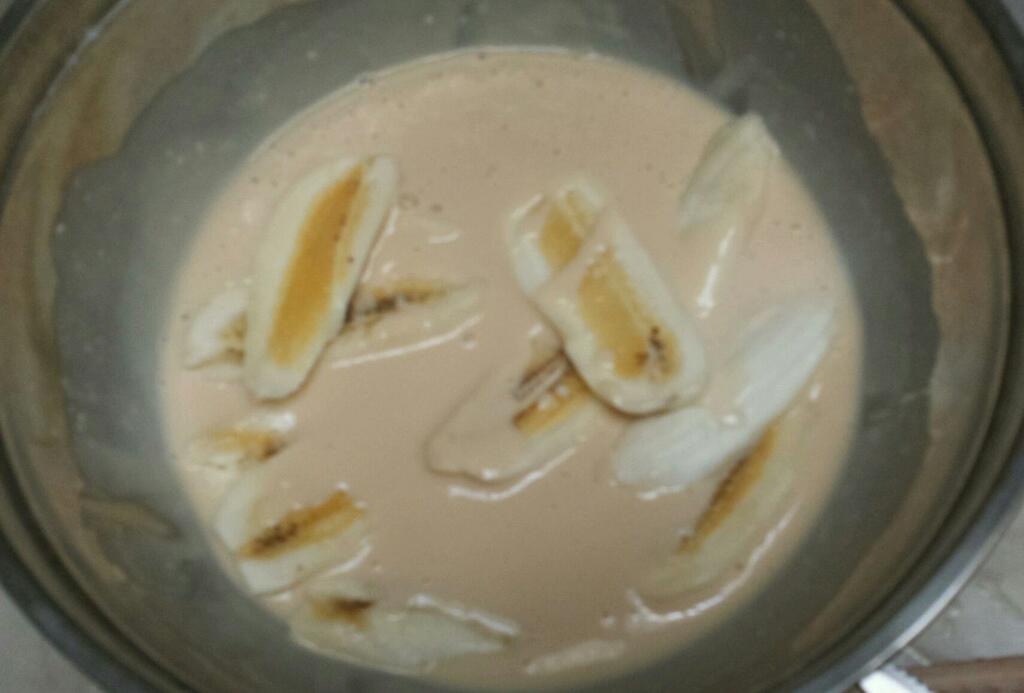
Three slices per saba

image

Batter: flour, baking powder, milk, egg, salt, sugar, oil

image

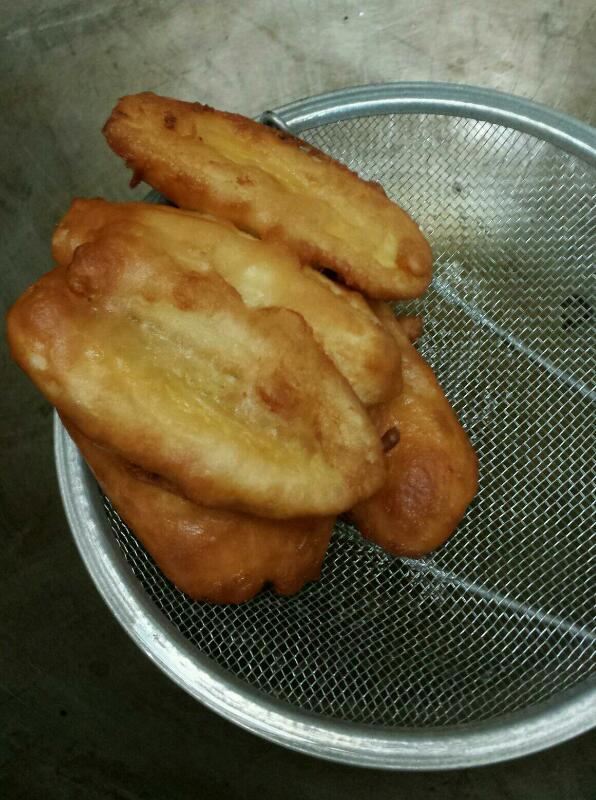
Frying in the kawali

image

After few minutes of frying, drain the fritters and sprinkle with sugar. That’s it

Burara Food Fish

image

Burara is the local name of this food fish

image

Burara tastes good as paksiw or fried, says the fish lady. I had it fried and it was indeed a tasty accompaniment to white rice

Some Notes on Rice

image

Rice store in Minowa

Rice sold and served in Japan are mostly from Japan. At the grocery stores, only Japanese rice is available for local consumers. Moreover, the rice bought from a konbini or served in restaurants is locally produced.  I even saw a sign in one establishment saying they only serve Japanese rice.

All the gohan (cooked rice) I’ve had in there were superior in taste. There is no such thing as inferior rice in Japan, I suppose.

These were my observations in Tokyo…as I have deep love for rice, all sorts of excellent rice.

Balikutsa

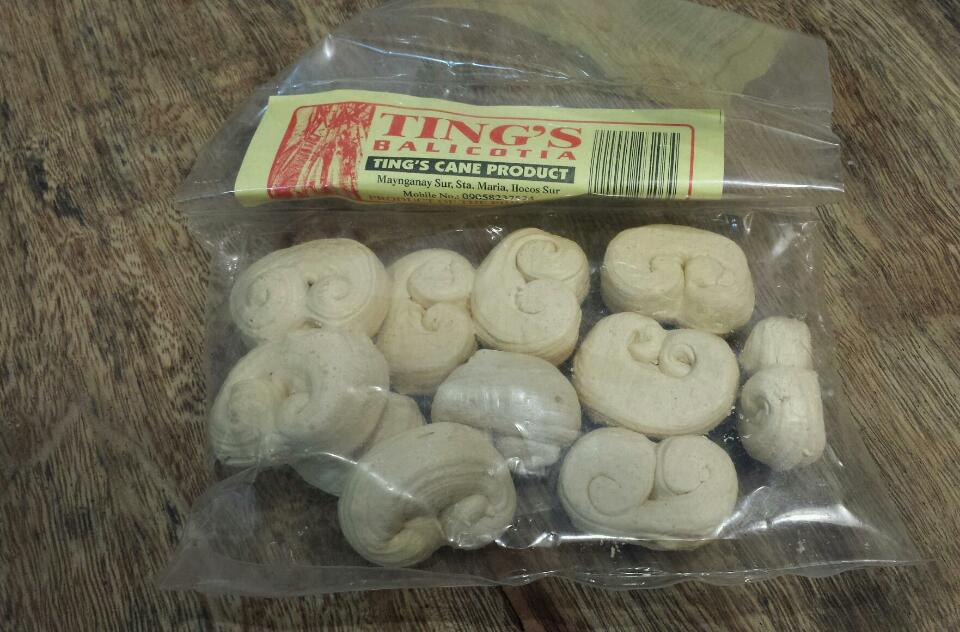
image

When I was young, I would suck this lump of solidified sugarcane juice like candy. But now, I like using this as sweetener for coffee whenever available, and I got that from the Ilocanos.

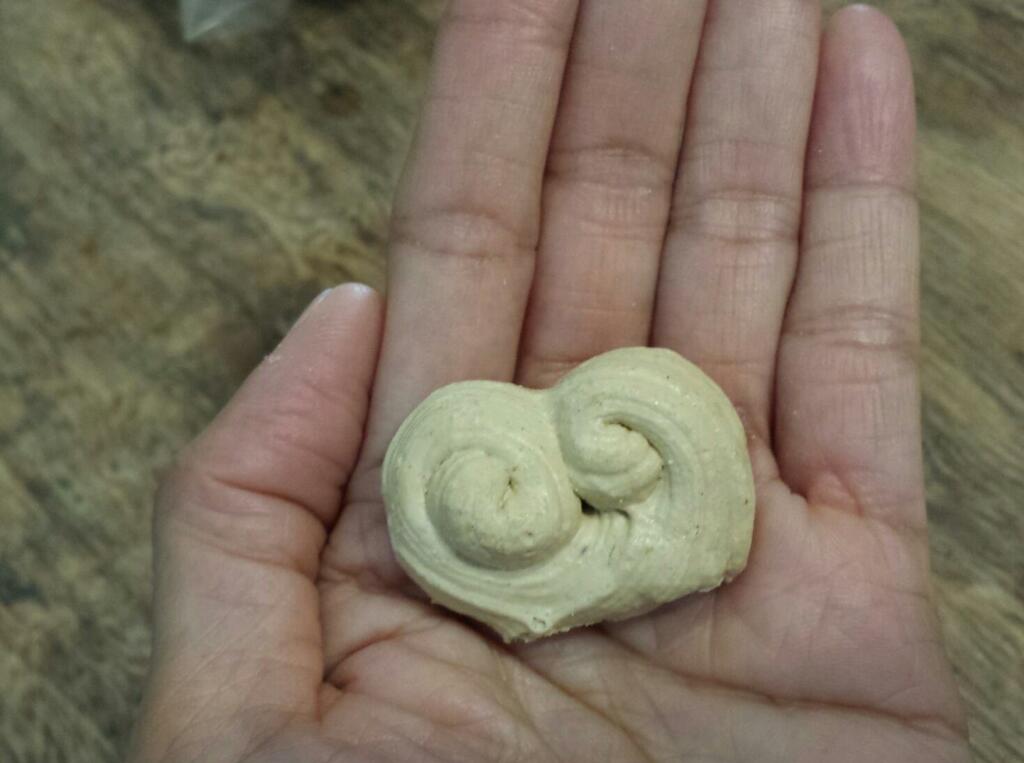
image

Looked simple but it’s very laborious to appear like that with all the repeated hand pulling (after the sugarcane juice was boiled and cooled), to make it white and solid but not stony. And then it has to be curled by hand.

Charcoal Grilled Mais

image

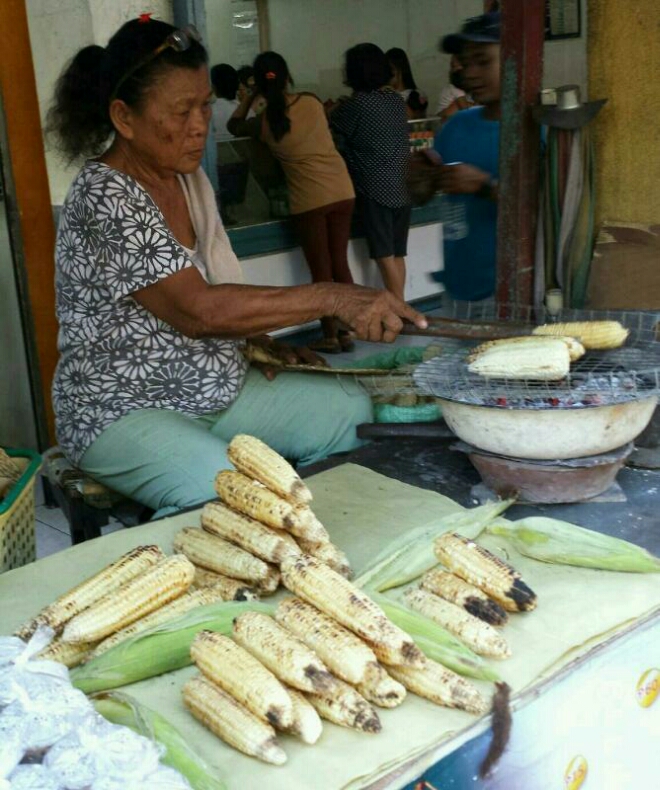
Lady vendor grilling corn over charcoal in downtown Iloilo. Her Weber is an old enamel basin

image

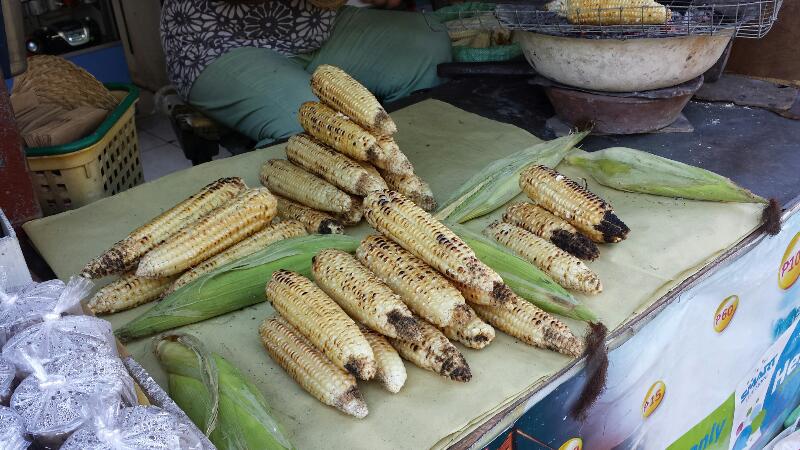
No frills but good eats for just a few pesos

Proof of Sweetness

Calorie Mate

image

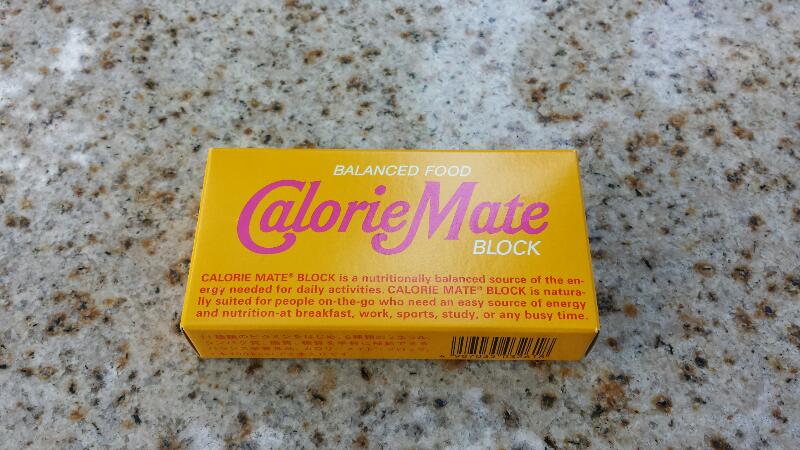
A hundred calorie block

Calorie Mate is a kind of food substitute that I associate with NASA provision for space travel, or soldier provision at wartime, something like that. Sometimes, I think of it as GU gel, where one can restore lost calories conveniently in the middle of activity without having to stop, like running a marathon.

However, unlike GU where one can find it in running stores and similar specialty shops, Calorie Mate is everywhere in Tokyo, and sold like an everyday food. Seems like there’s also a significant market segment that patronizes it as food substitute for an utterly dull endeavor known as calorie counting.

image

Presenting the revolutionary cookie

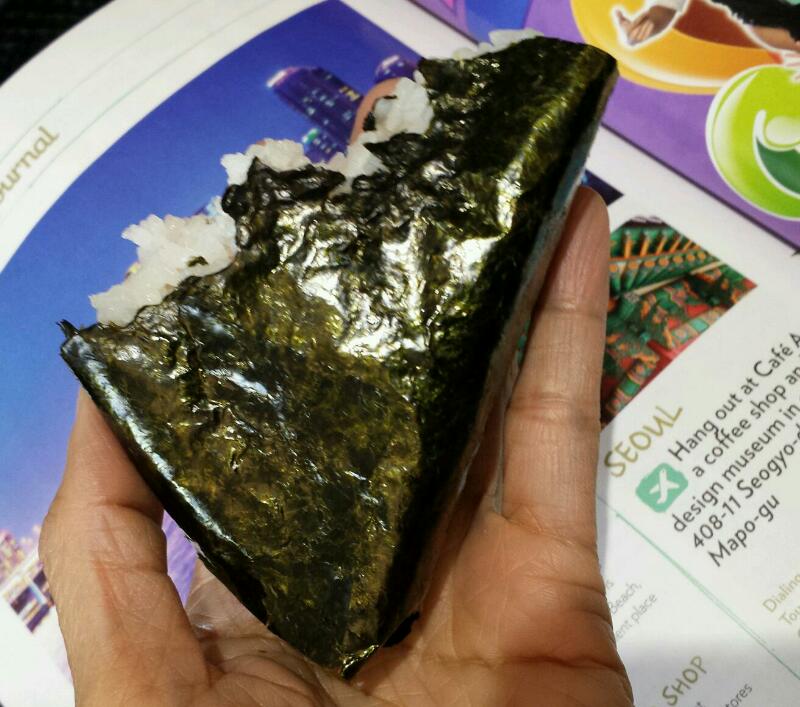
I was truly curious about the taste and effect, so I experimented. After walking for hours that ended in a park with no brought food, I ate one cookie. It’s not unpleasant in taste, which makes this a very convenient emergency food when hiking, or mountain climbing, those sort of expeditions. Otherwise, if I needed sustenance on the go, I’d rather have an onigiri from a konbini.

image

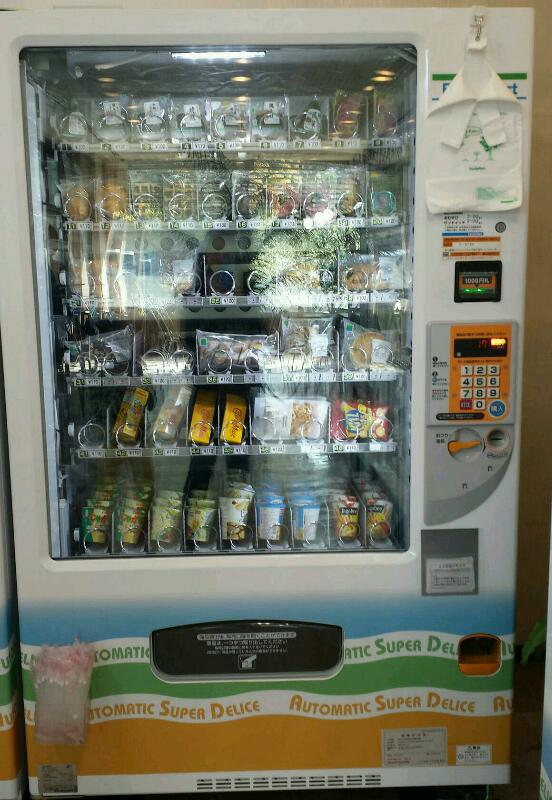
Calorie Mate is ever present in konbinis and also in snack vending machines such as this one

It’s really a smart product for it caters to both lazy and active humans. Didn’t come as a surprise to me for its maker is a smart company, the same one who makes Pocari Sweat, my favorite race beverage.

image

Onigiri, my favorite baon

Unidentified Kakanin in Japan

image

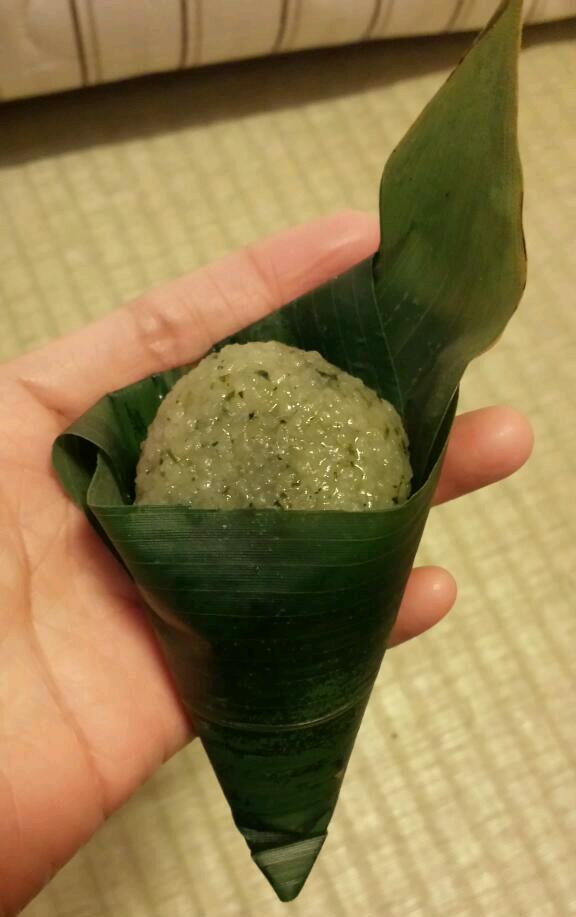
Not far from mochi taste at all

Looks like Philippine kakanin (rice cake) with its sticky rice and unidentified leaf packaging. However, it has bean paste filling which is very common in traditional confections of Japan.

Tinuom

image

Early this month, I found myself checking in at Iloilo airport, about 4:30 PM. Being alone, and seeing that it was still too early for my 7 PM flight back to Manila, I went for a walk outside the airport in search for a carinderia. In other words, looking for something interesting to eat (or something interesting to see), as generally, I find airport restaurants in the country dull.
image

No other passengers. I guess, no one would venture out of the aiport anymore after securing one's boarding pass - except me

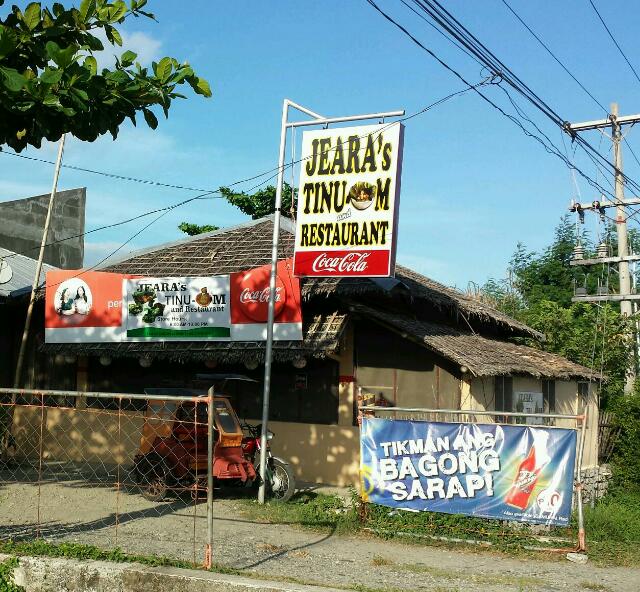
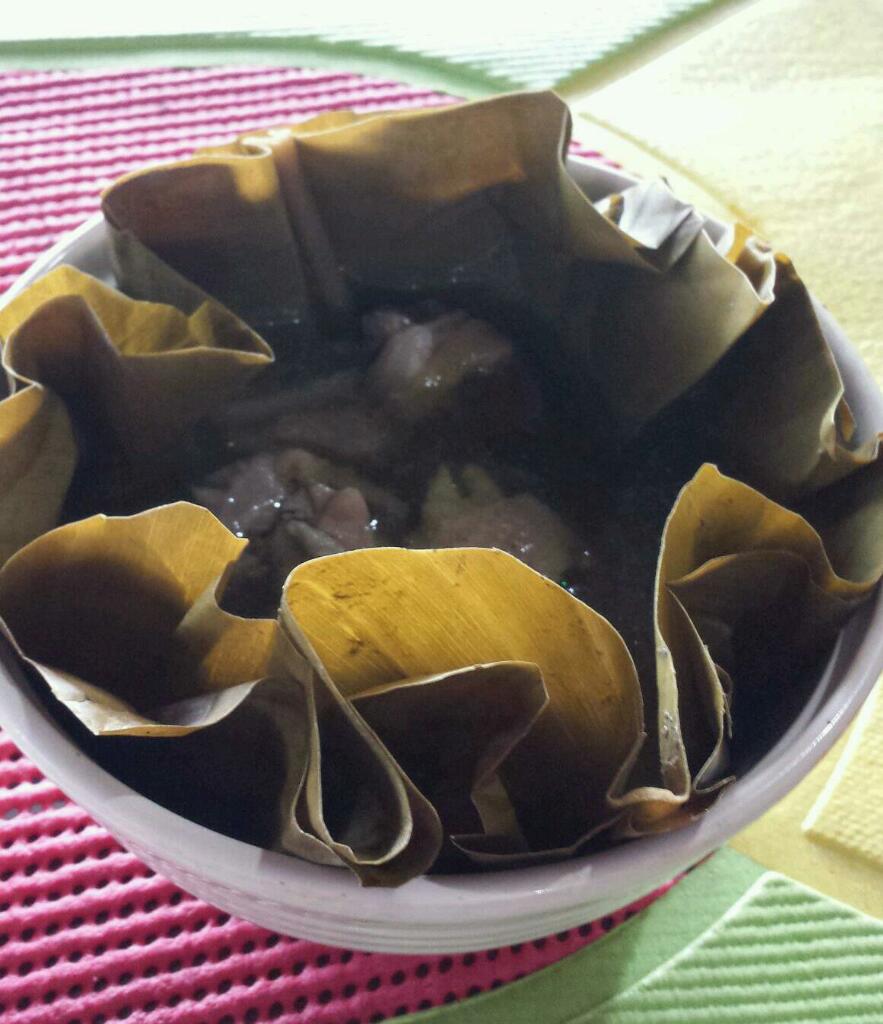
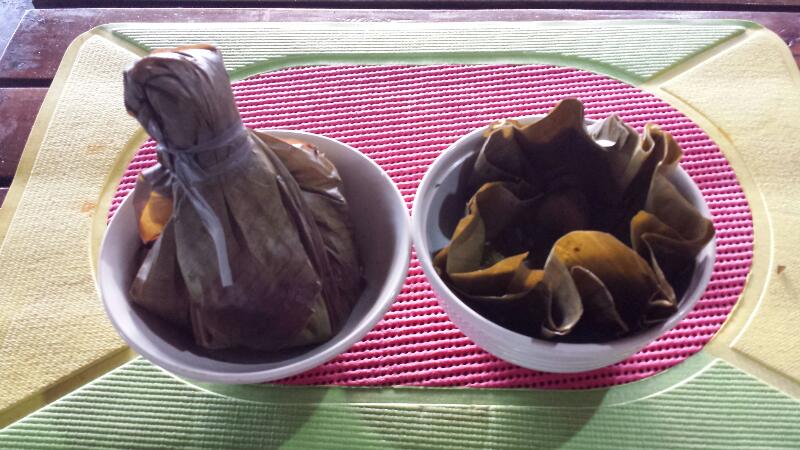
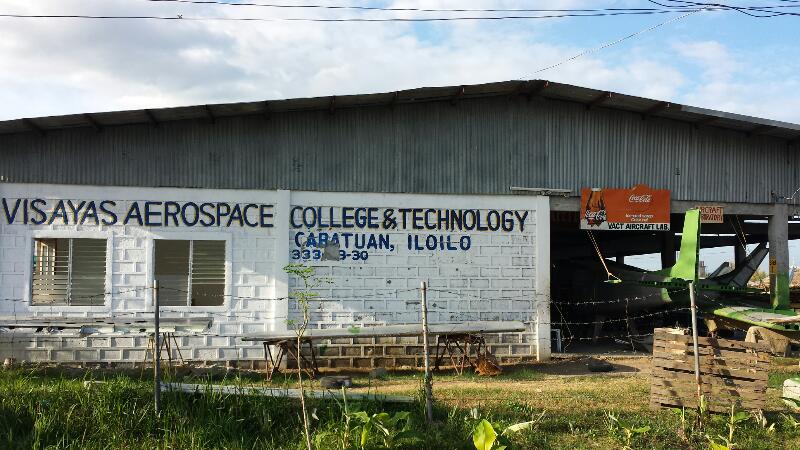
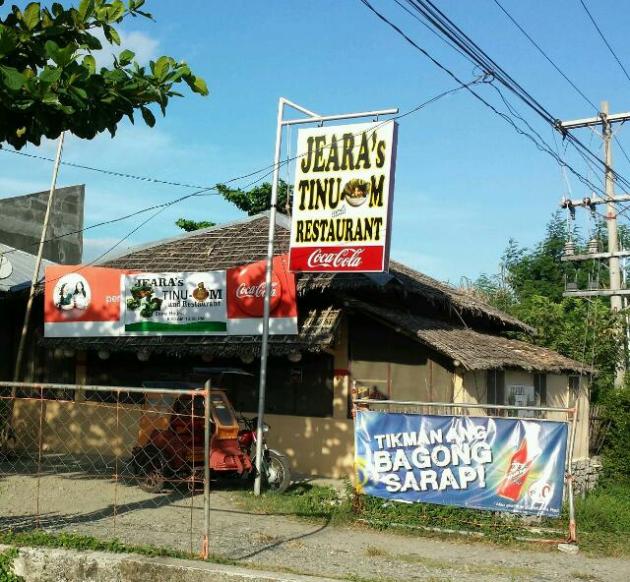
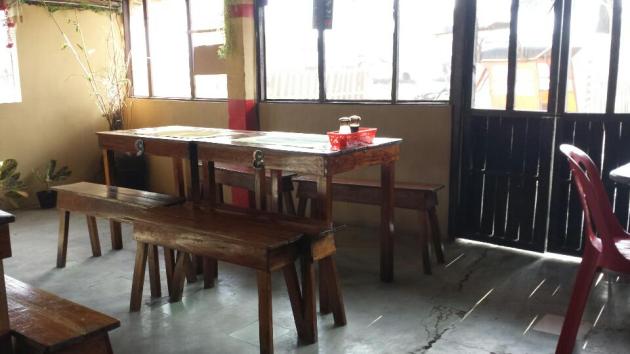
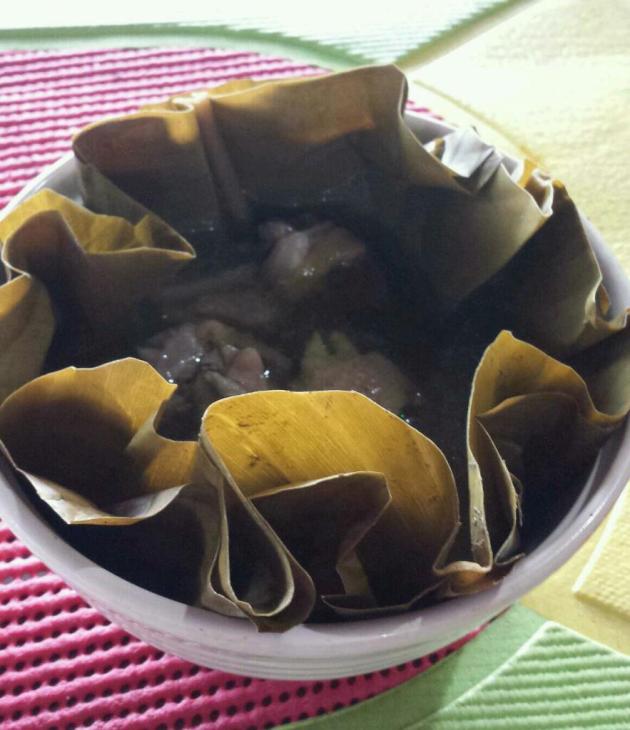
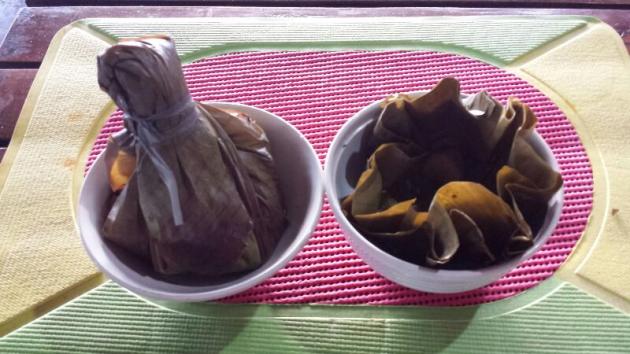
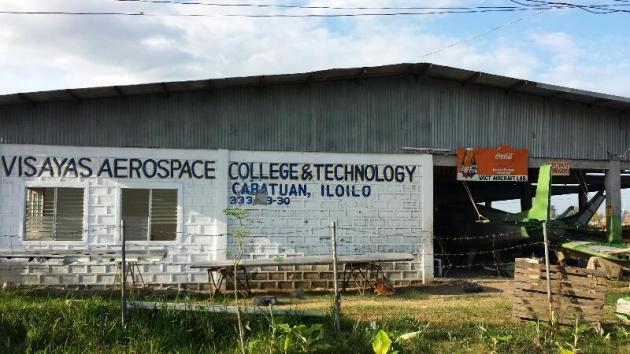
Walking past the airport gate, a little past the flying school’s some kind of an aircraft laboratory, I reached the doorstep of this tinuom carinderia. Tinuom is chopped native chicken that is boiled mainly with tomatoes, onions, salt (and maybe lemongrass), inside a banana leaf. It must be carefully wrapped so the stock won’t leak, else it wouldn’t be as richly flavored as it’s supposed to be.
image

Cooked with banana leaves which makes the broth flavorful in a bukid way. No sautéing done with the native chicken which makes it healthful than tinola, I suppose

Tinuom is said to be Cabatuan’s specialty, a town that has recently become an airport town. More than 2 decades ago, I was playing by the river, by the mango tree in barrio Tiring of this town. Never did I thought that Iloilo airport will be relocated in this countryside (bukid).
image

Tied and wrapped during cooking, the one on the left side. That whole wrapped thing (with water inside) was boiled in a caldero

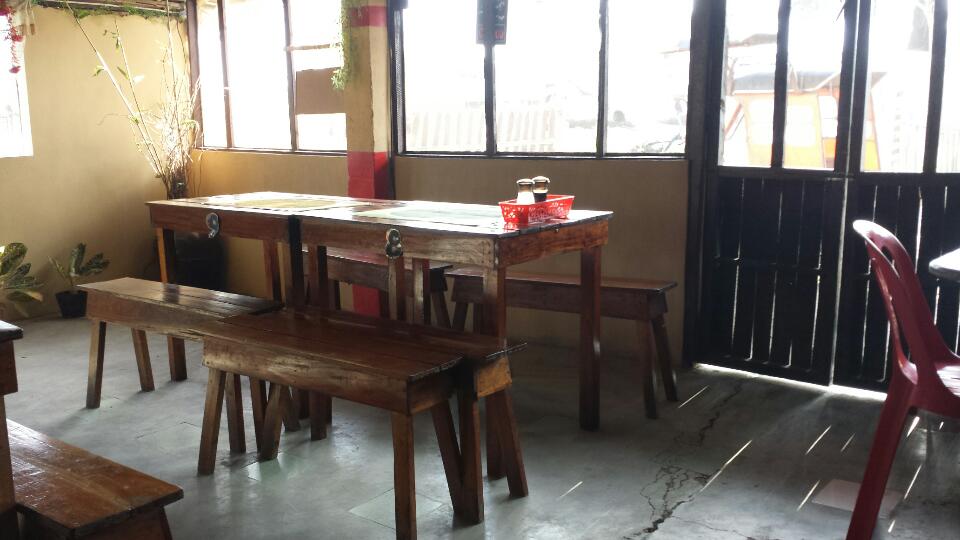
Tinuom is a kind food I can identify with eating in a nipa house in the middle of a bukid. It tasted like bukid, my kind of flavor, my kind of interesting meal before boarding.
image

Flying school just beside the tinuom carinderia. From afar, the lab looked like a sari-sari store. I guess Coca-Cola doesn't limit its signage sponsorship to stores only, for in this case, an aircraft lab
image

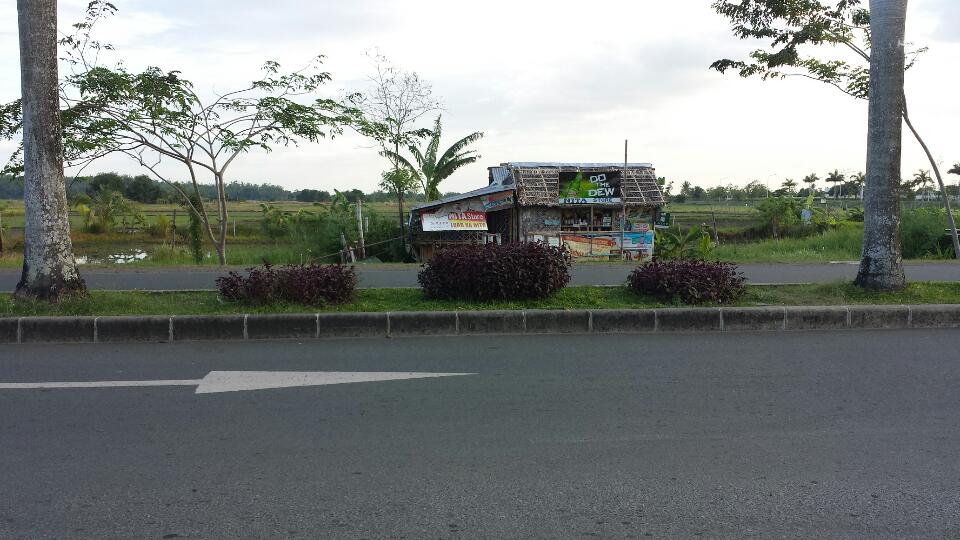
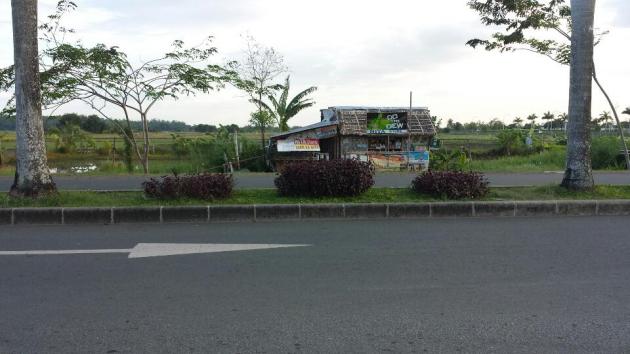
A sari-sari store by the road leading to the gate of the airport. Everything is surrounded by ricefield

Coconut Accoutrements

image

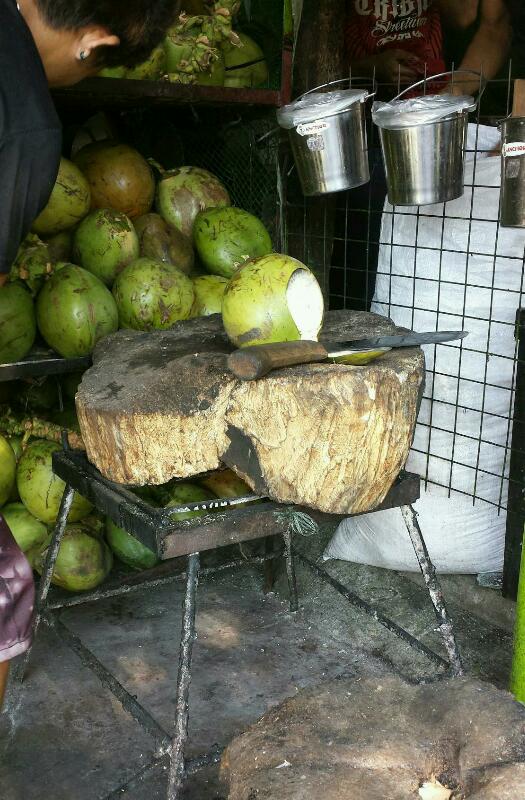
Accoutrements: Sliced tree trunk as chopping board, bolo, and tin buckets for easy decanting of coconut water into a plastic bag

The coconut guy in his small coconut shop would want to know first what you need it for. Usually you’ll say it’s for buko salad, or you need the water as beverage, or whether you’d want the meat thick, or gel-like and runny, is enough information. With that knowledge, his itak (bolo) would then make a tap tap on the hard shell and depending on the sound, he’d know which coconut is the right one for you.
image

Hands free pouring of coconut water into the bucket while busy selecting another coconut

I’ve been here twice already for the same purpose – to buy three coconuts to make agogo (ice candy). Each time, he’d cut all chosen ones for me on the sliced tree trunk as chopping board, then save the water in a plastic bag, and will manually grate the meat for you, but I stopped him for I opted to do it myself at home (downside was I had to lug all three coconuts). All these value added services are free for each coconut that he’s selling at Php20 (.457 USD) only. Labor is indeed dirt cheap in this country. Though unintentionally, the coconut guy gets a nice arm strengthening workout on the side. I’ve never seen a fat coconut guy.

Salty Stall

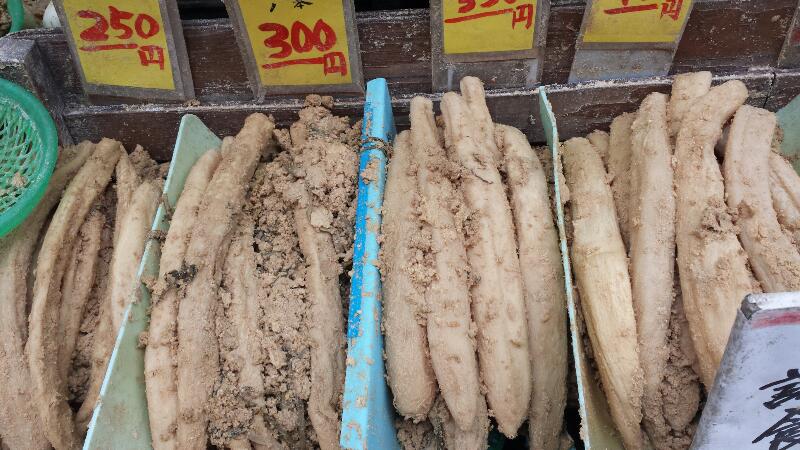
Nukazuke

image

Nuka bed in plastic buckets

There are countless of variations man has come up with when it comes to preserving vegetables. In Japan, they have this nukazuke and it refers to vegetables that were fermented using roasted rice bran.

image

Sometimes it's more healthful to eat fermented radish than fresh ones

Nukazuke is a subset of what they call tsukemono, a general term for preserved vegetable or fruit. Rice bran fermentation is just one of the many methods in preparing tsukemono.

image

image

Easy to locate this shop selling fermented stuff along Minowa covered street, just follow your nose

Guinamos Mound

image

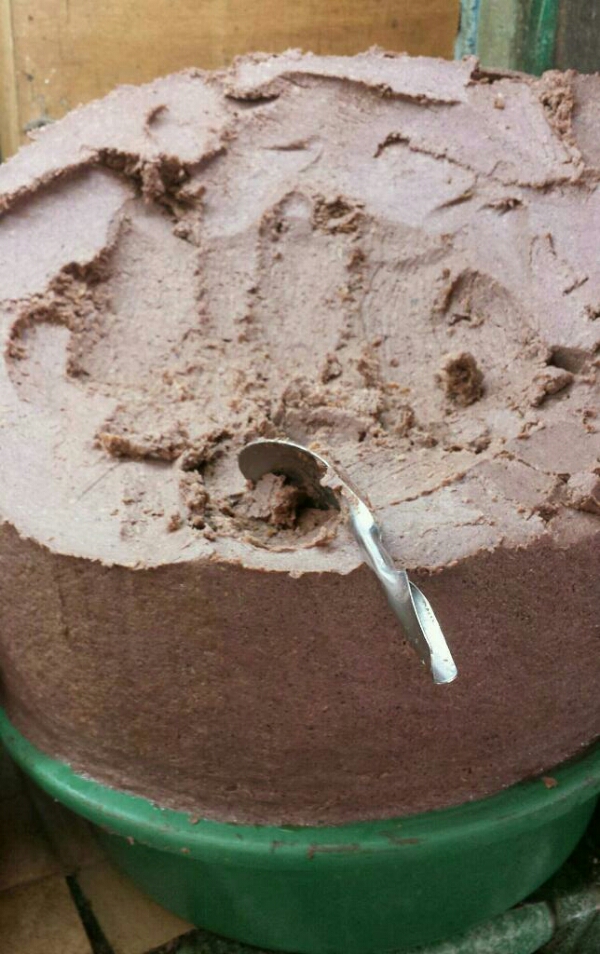
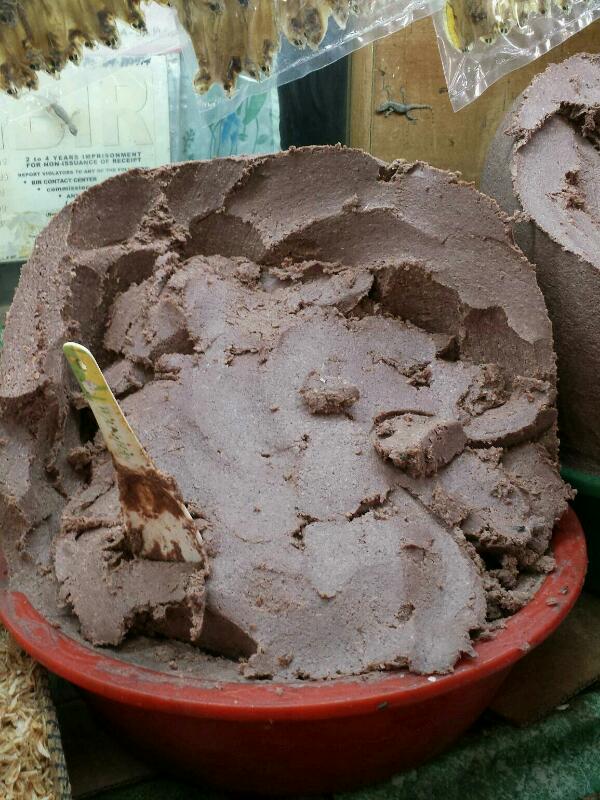
Heaps of guinamos (salted shrimp fry paste)

The guinamos vendor at Iloilo City Central Market procures 100 kilos of guinamos that will be then split into mounds of 50 kilos per plastic tub for retailing.

image

The two lizards in the background love the smell of guinamos, I suppose

Kawaii Omiyage

image

A box of 10 streetcar cakes

Omiyage culture of Japan is akin to the oleh-oleh habit of Indonesians and the customary pasalubong in the Philippines. 

image

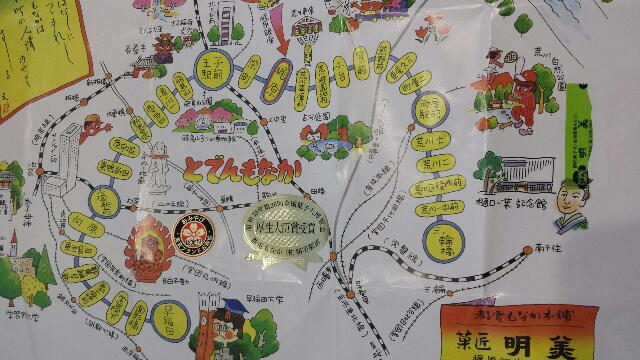
A wrapping paper for the streetcar box with cute map of the Toden Arakawa Line

A souvenir from a trip is something you buy for yourself while an omiyage (or oleh-oleh or pasalubong) is something you buy for others. Normally something edible, a food specialty.

image

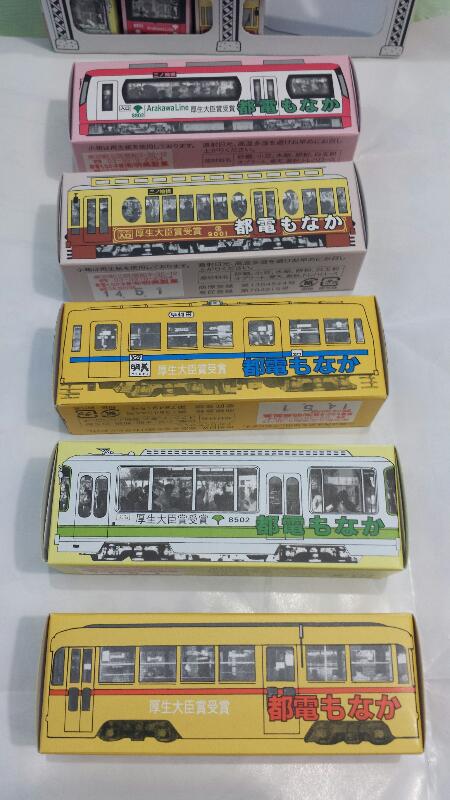
Five streetcar designs

Whereas the oleh-oleh and pasalubong have normal packaging, Japanese cuteness reflects on its omiyage packaging. So cute. So kawaii.

image

A streetcar box for the streetcar cake

image

Streetcar cake. Wafer-like on the outside with red bean paste filling. It's like mochi or hopia

image

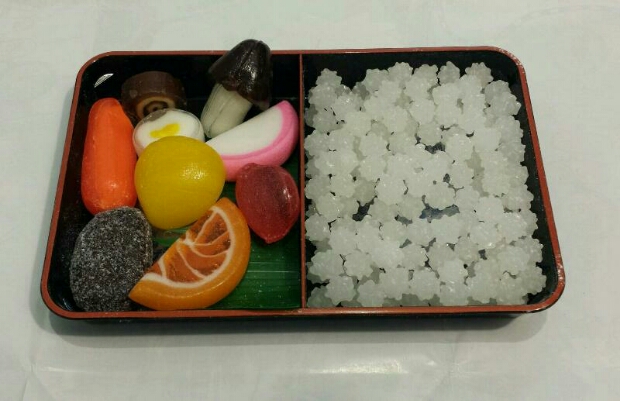
Candies packaged like ekiben from a confectionery shop in Kawagoe

image

Kawaii candies

image

More candies in cute packaging

Kamonsil

Tuko Tinapay

Tokyo Snapshots: Ameyoko Market

image

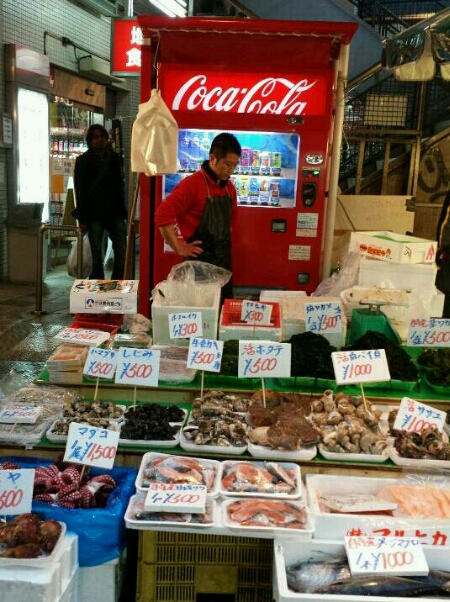
Fish vendor in towel-wrapped head

image

Another fish vendor

image

image

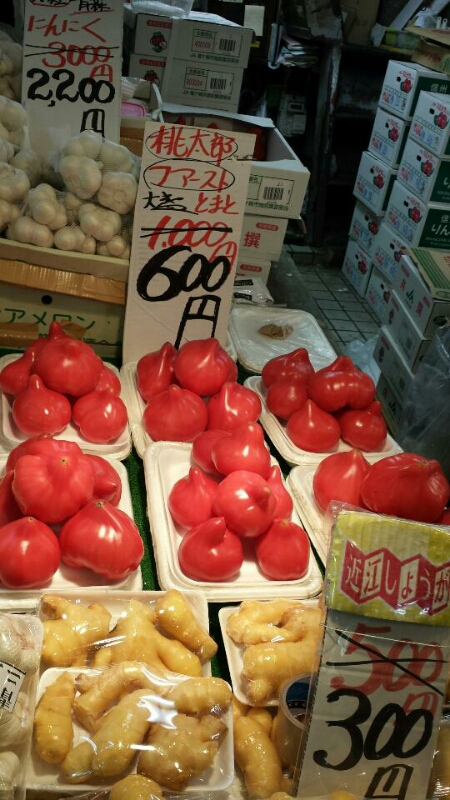
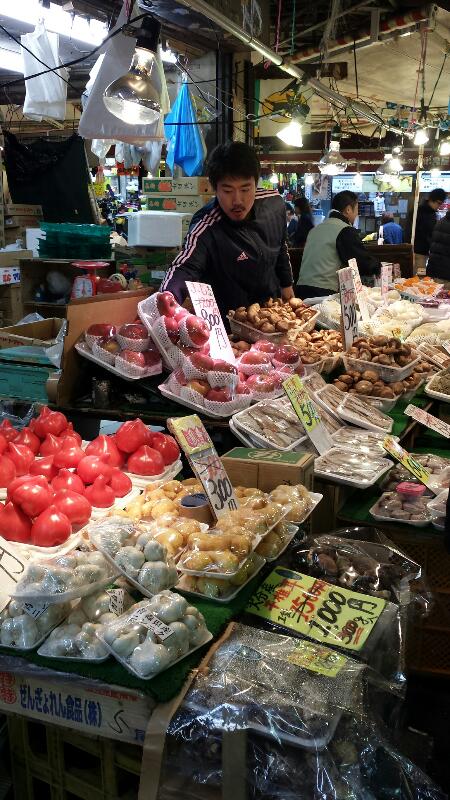
Fruit and vegetable vendor

image

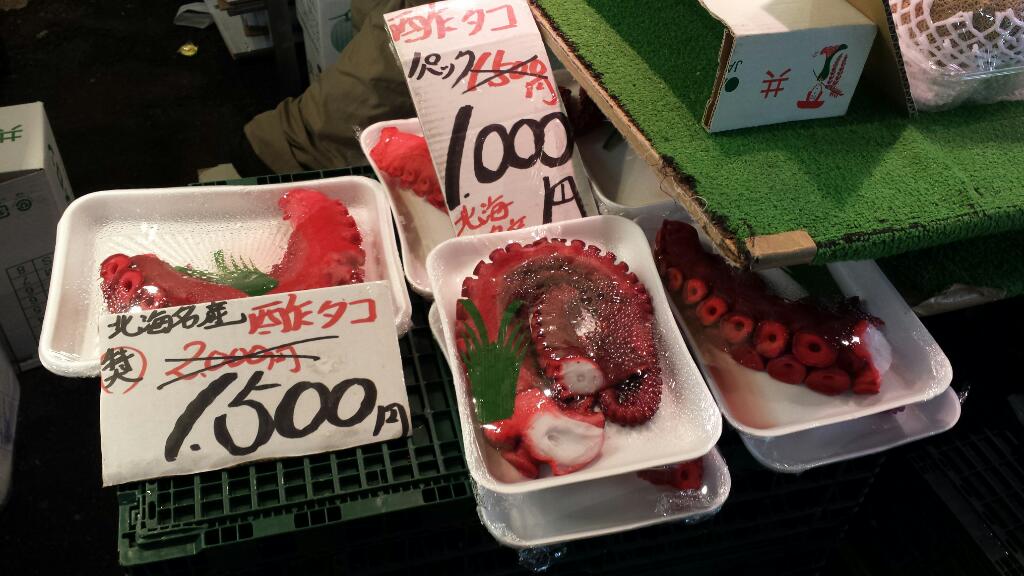
Tako (octopus)

image

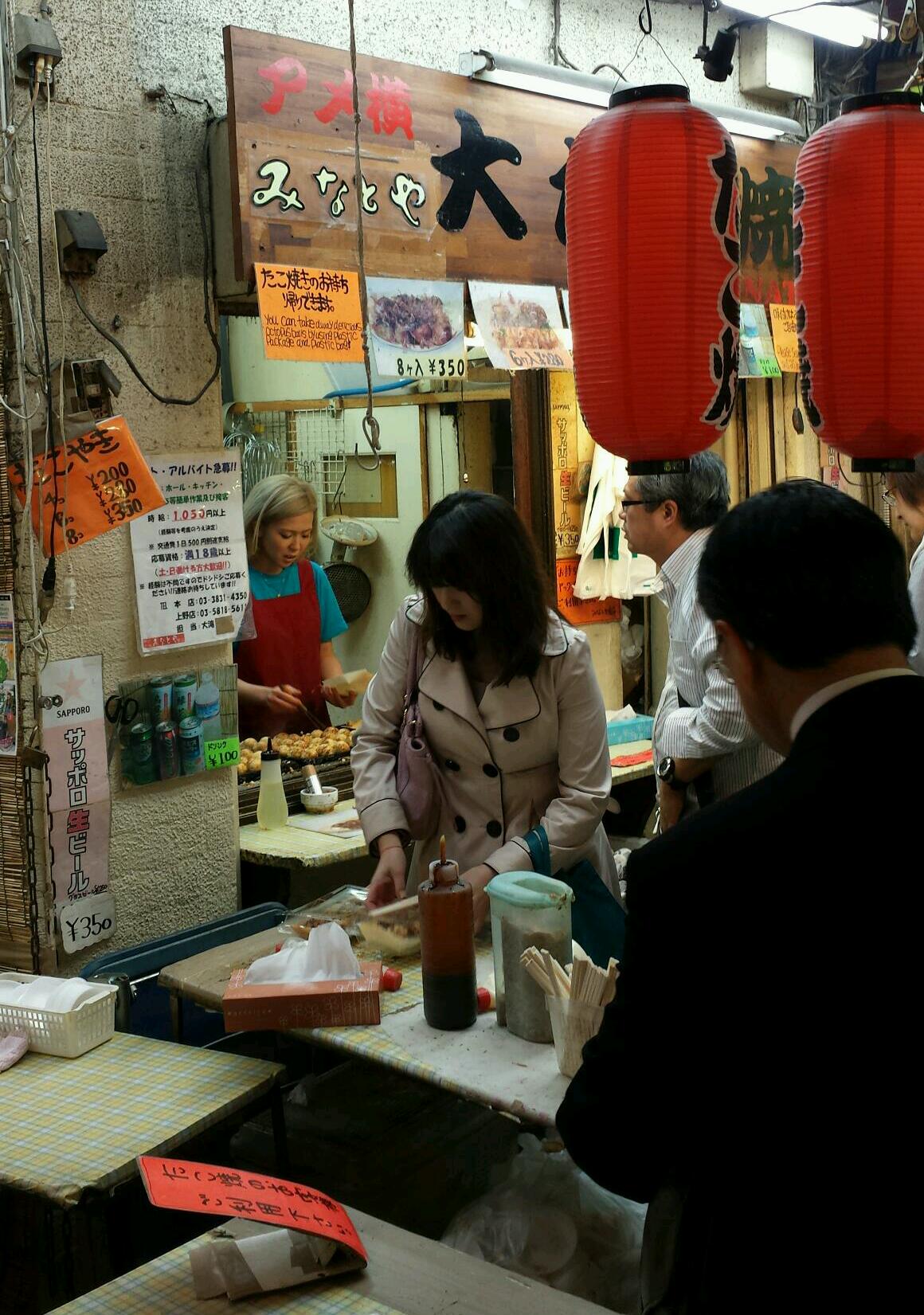
Takoyaki (octopus balls)

image

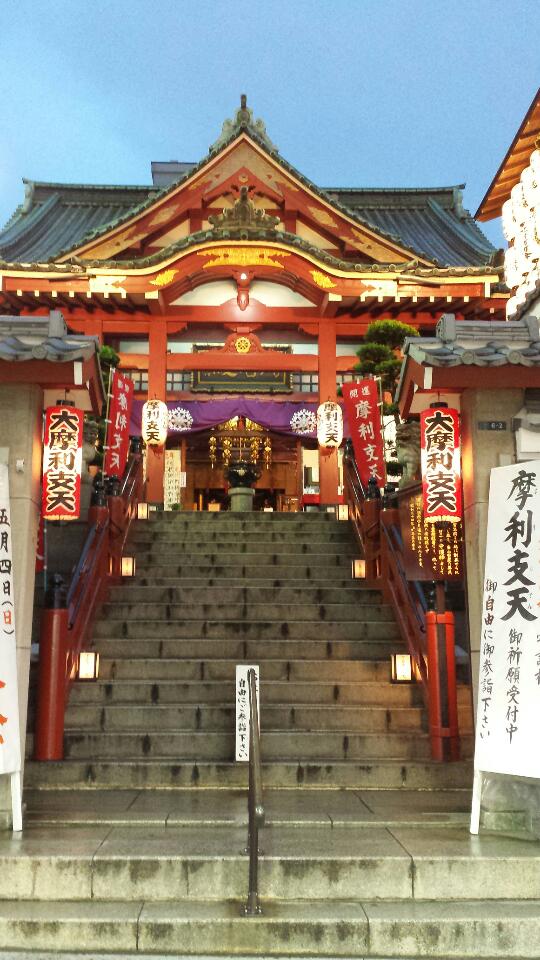
A temple (Tokudai-ji) within the market street