Category Archives: Pilipinas

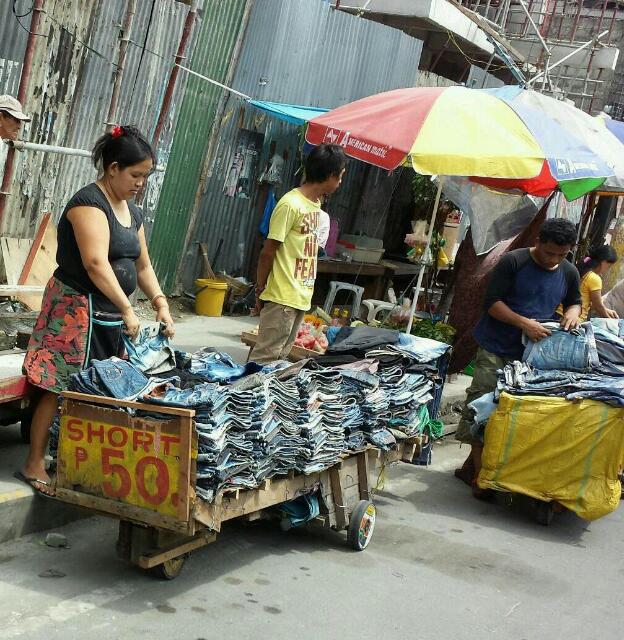
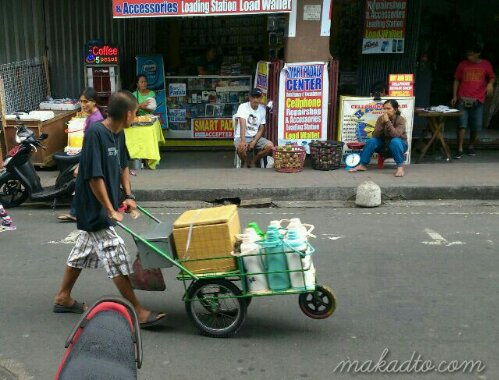
Street Fashion

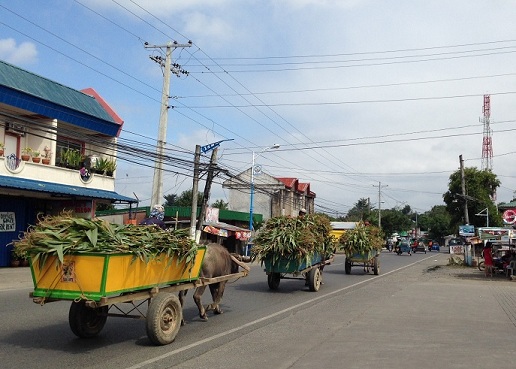
The Convoy

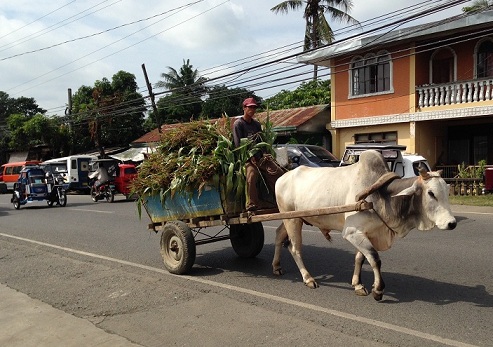
White cow as beast of burden

White cow as beast of burden

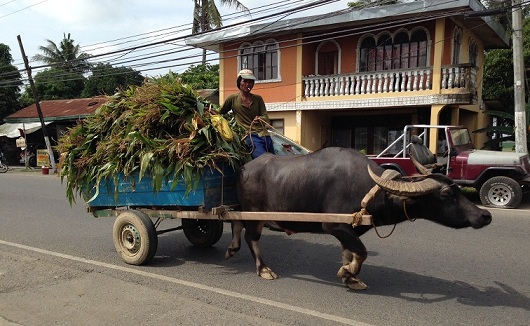
Carabao is a beautiful creature

Carabao is a beautiful creature

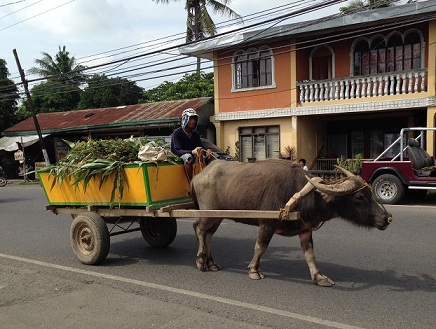
Young carabao

Young carabao

The slow moving convoy

The slow moving convoy of corn stalks cargo

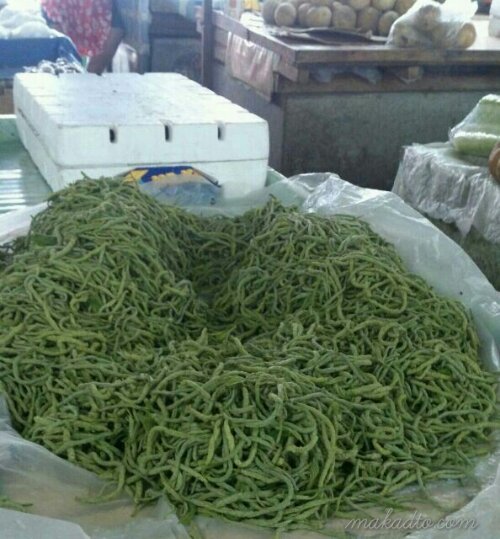
Himbabao

image

At Lipa City public market, several tables were selling this unfamiliar edible flower vegetable that the vegetable lady to whom I bought some educated me on its name, how they call it in Batangas, and what its Ilocano name, and on how to cook. One can’t get this kind of knowledge transfer from a supermarket staff.

image

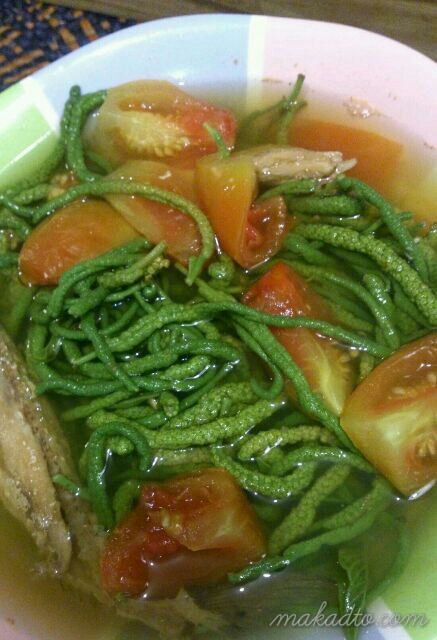
Boil tomatoes and salted dried fish, add himbabao and season with salt. The broth will become a little bit thick and deliciously slimy

It turns out that the himbabao or alocon ( in Ilocano) is even better in taste than sitaw (string beans). It turns out too that I like it very much.

Fisherman at Taal Lake

image

Fisherman readying his instrument

Sunday morning I went for a run starting at Lipa City Hall with a planned 30 km loop by passing through Mataas Na Kahoy town then Balete town then back to Lipa City Hall. But in order to view the Taal lake at the Balete side of Batangas, a detour of 1.5 km needs to be done that I ended up running 31.5 km instead.

image

So for a few minutes of rest here at Taal lake at about 17 km point of my run, I was able to take snapshots of this guy preparing his harpoon rifle to aim for passing fish five meters away from where he is sitting.

image

His paraphernalia – harpoon tip, bag and sunglasses

It’s not just about the short rest which is needed for the non-stop uphill run starting this point up to the 30th km point, but moreover the insight gained from this short detour which made my run an engaging pursuit.

image

His harpoon like instrument

Barako Guy

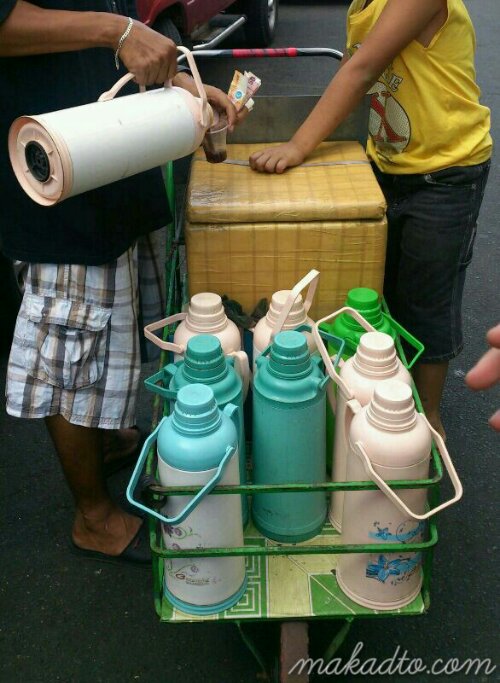
In Lipa City, I spotted this peddling guy with several jugs of hot brewed barako coffee and a chest containing local bread. He is a traveling coffee shop.

image

A traveling coffee shop

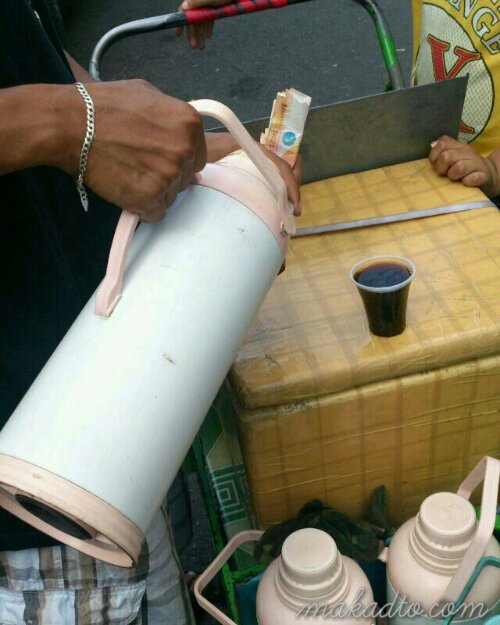
As I observe him, I saw a customer handed a mug to be filled straight from the jug. It’s highly likely his regular customers do that.

image

I wanted one but I don’t have reusable cup and so the barako guy poured my drink in a disposable plastic cup. His coffee tasted simply of brewed barako sweetened with white sugar. A little bit sweet for me but I think it’s the general preference of his market. It was a good sweet hot barako brewed coffee and it calmed my ‘lomi stuffed’ tummy.

image

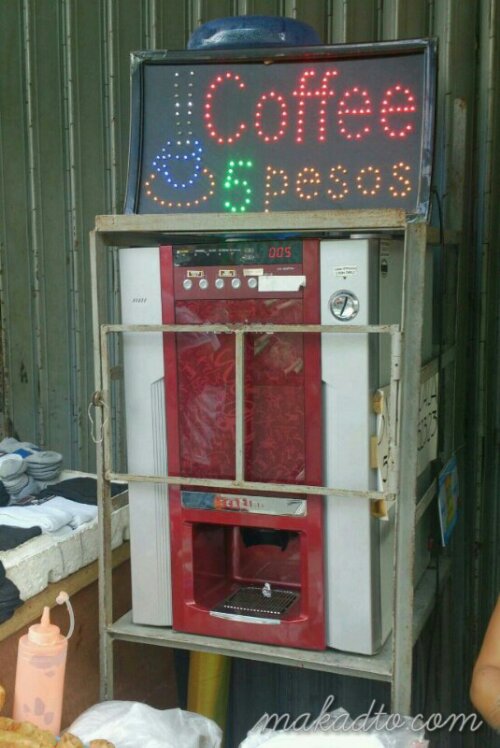
A small serving in plastic cup cost 5 pesos like those cheap coffee vendo machines that have proliferated all over the country and where some are even strategically placed beside a panaderia. I tried but never liked it and barako guy’s native coffee is far more superior than those sweet 3-in-1 like coffee of unknown origin that came from those five-buck machines.

image

I'd rather wait for the barako guy

Adorned With Tomatoes

image

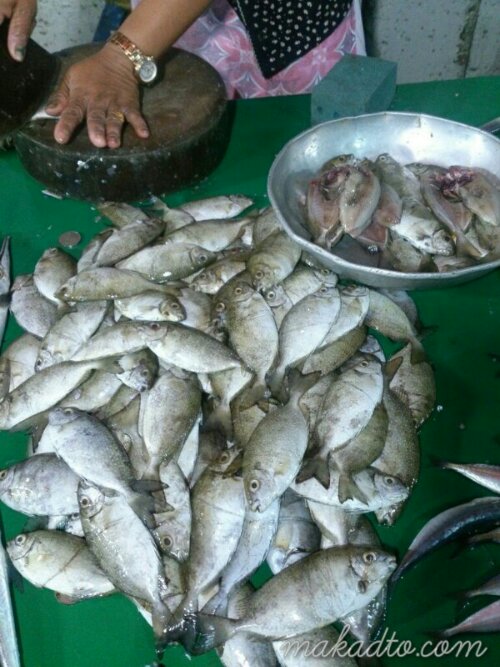
Fish for sale are decorated with tomatoes (and green chili peppers) which gives me the impression that they are fresh. I suppose that’s the purpose of tomato adornment. Next time I’ll ask the vendor.

Kuliglig Relative

Practical Love & Jollijeep

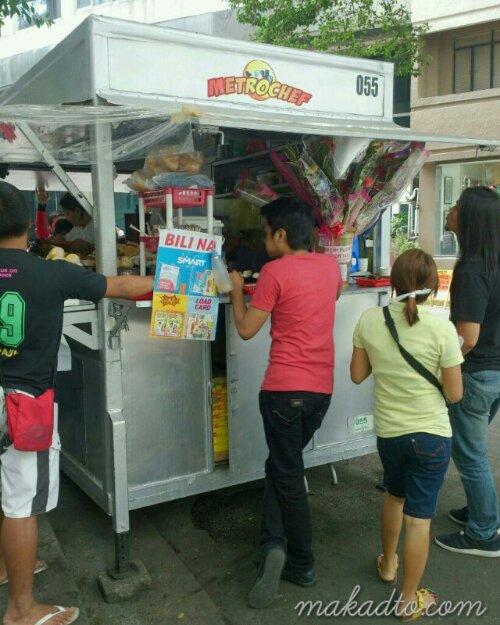
This enterprising jollijeep is selling flowers on the side today, February 14, 2014. In this storyline, it seems that the guy in black shirt on the right is interested to buy one for his office mahal (maybe). And seeing that he doesn’t have Almond Roca in heart-shaped tin can to go with those flowers, a jollijeep packed meal will do perhaps, to express some kind of practical love.

image

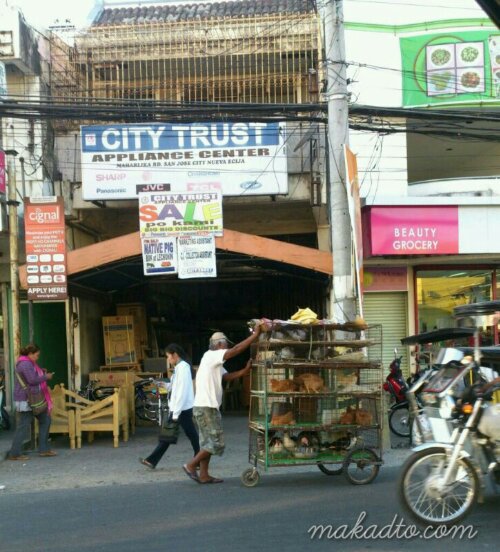
Live Chicken Peddler

Palengke Style Longganisa

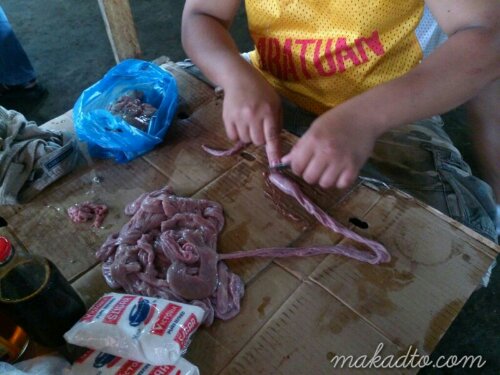
In Cabatuan public market, I came across two guys preparing longganisa (sausage) palengke style.

image

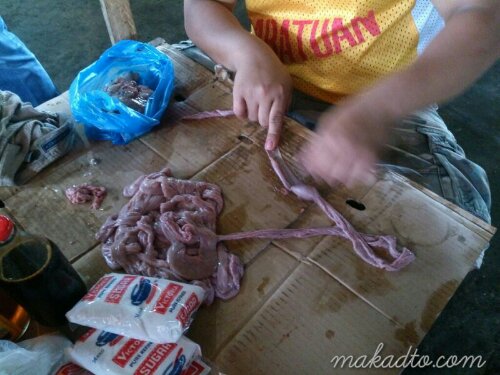
Cleaning the pork intestines by means of scraping

image

Casing of the longganisa from cleaned pork intestines. All natural

image

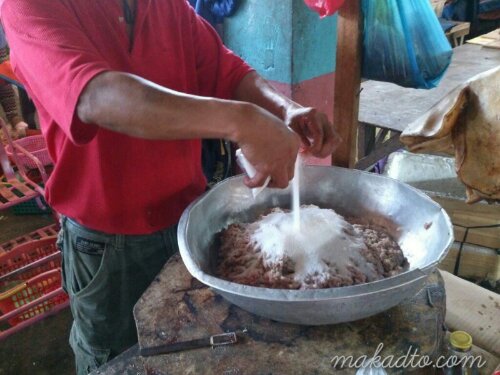
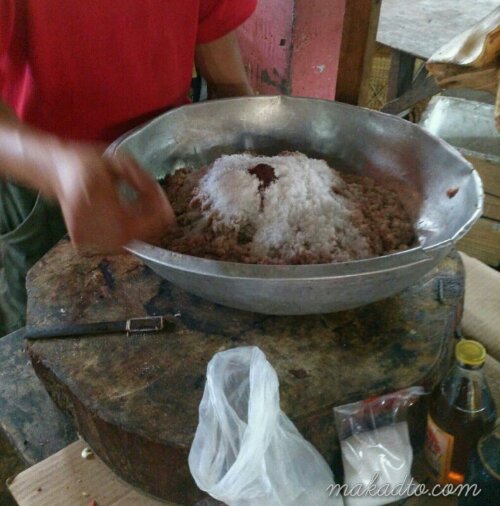
Adding lots of sugar and some salt into the 5 kilo ground pork

image

This is the most unappealing part - the addition of strawberry food color

image

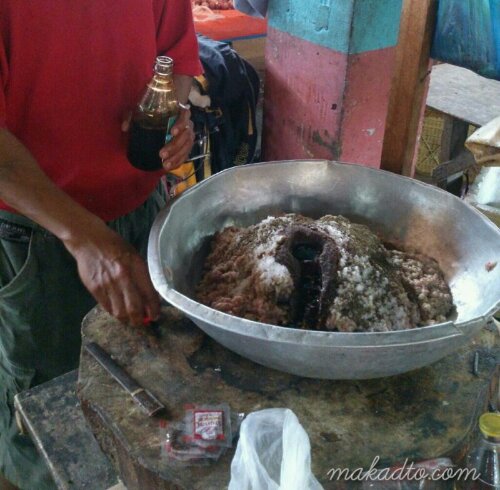
Soy sauce is added

image

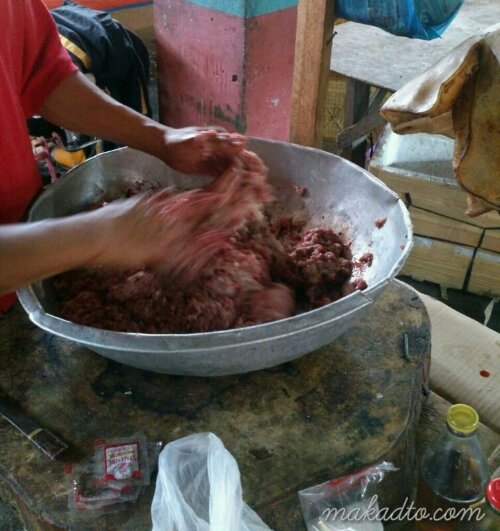
Mixing by hand

image

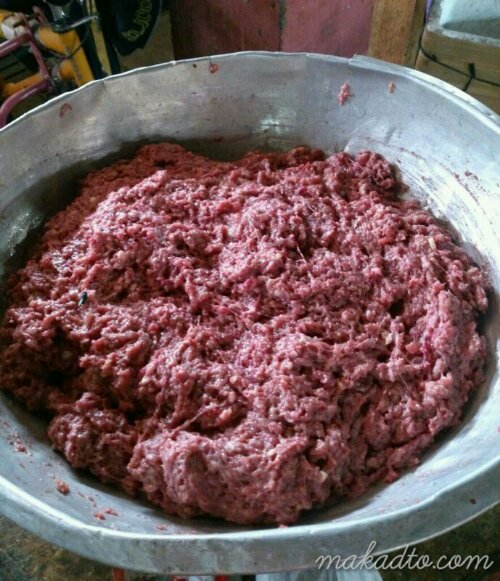
The mix is now ready to be made into links using the natural casing from pig intestines

DIY: Danggit Lamayo

Occasionally there’s fresh danggit in the talipapa near the village where I live so in one of those times I decided to get some (80 pesos/kilo) and asked the fish lady to open it up.

image

Fresh danggit

I marinated the danggit in vinegar, garlic and salt and let the fish absorb the marinade overnight inside the refrigerator before freezing it.
Danggit lamayo is usually eaten as breakfast in Palawan. It was in Coron where I had this for the first time as my daily breakfast. After that first time, I’ve observed that in Puerto Princesa and El Nido, fried danggit lamayo is ever present in the breakfast menu of hotels, guesthouses and resorts.
One thing normal to danggit lamayo (no matter if it’s boneless or not) is the price. It’s expensive even if the concept is the same as those packed marinated bangus. Must be because rabbit fish isn’t farmed.

image

Deep fried danggit lamayo if paired with fried egg and eaten with fried pink rice makes a very satisfying "fried" almusal

Allium Braids

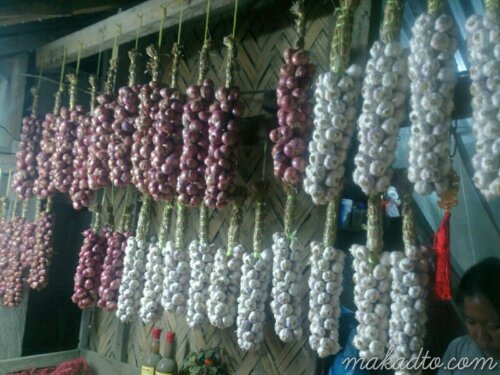
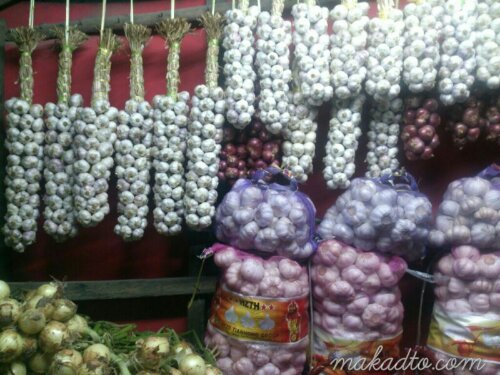
Braiding shallots and garlic in a bundle for selling per bundle

image

It was nighttime when I passed this stall to buy shallots

image

They've really put some effort by braiding the garlic and shallots

image

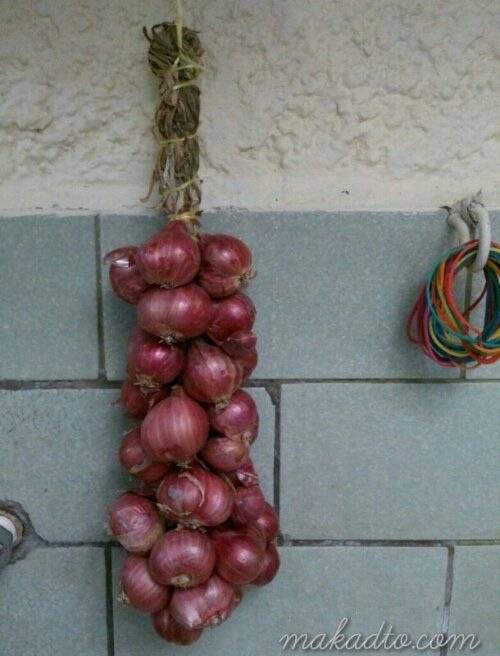
A 50-peso braided bundle of shallots

Panciteria

image

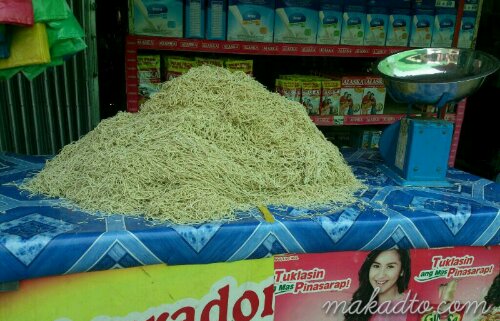
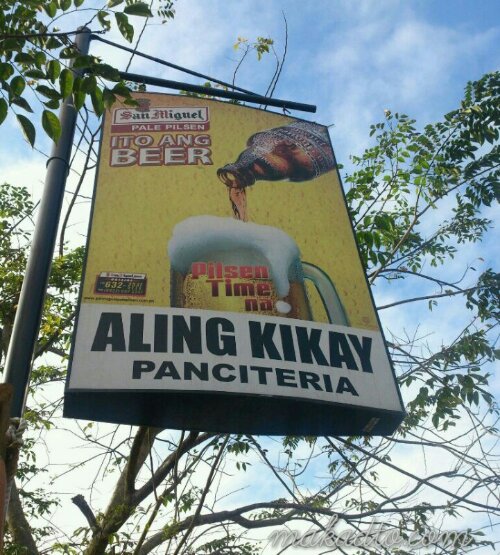
It’s a likelihood that the pancit sold by the kilo in the palengke will be bought for preparing into pancit cabagan or pancit batil patong. These two pancit dishes are always in the menu of panciterias in Isabela.
image

image

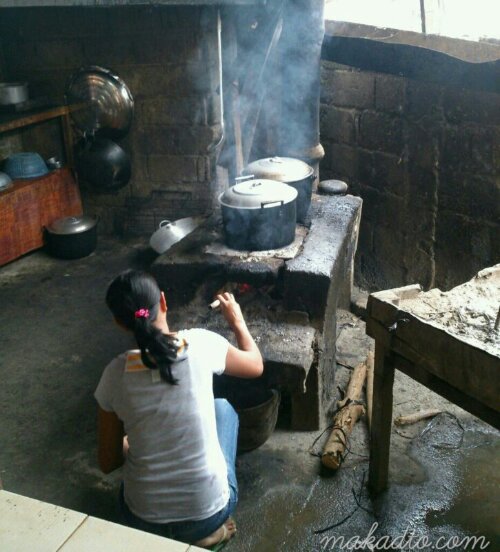
Boiling pork in the panciteria’s kitchen. Afterwards it will be fried to make lechon kawali, a primary topping of pancit cabagan

Brick Beauty

Inatata


image

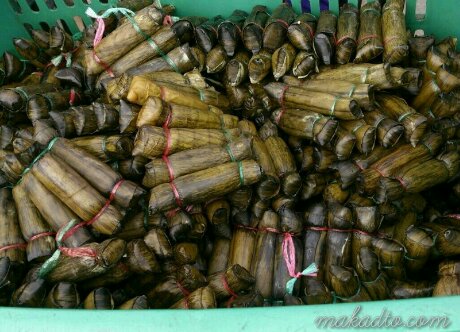
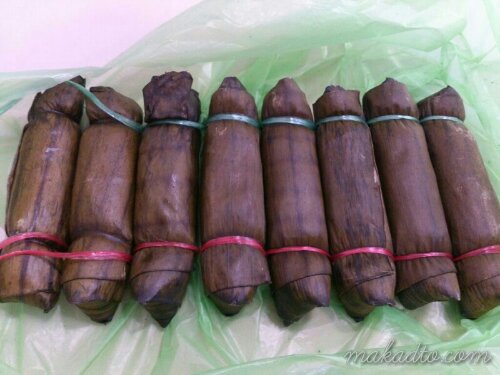
Suman packaged in banana leaf and sold in ammo like bundles in Ilagan

image

Ammunition for hungry self

image

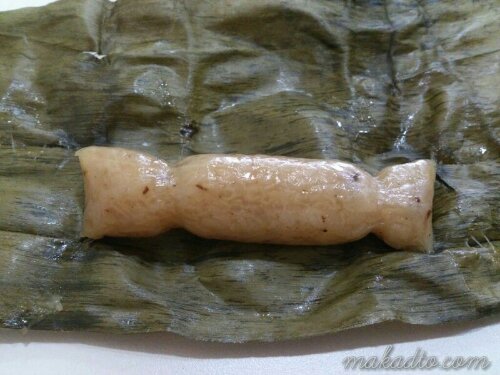
Inatata is one of the good ones (among the many suman in the country)

Scarecrow Wisdom

Kalabasa Ukoy

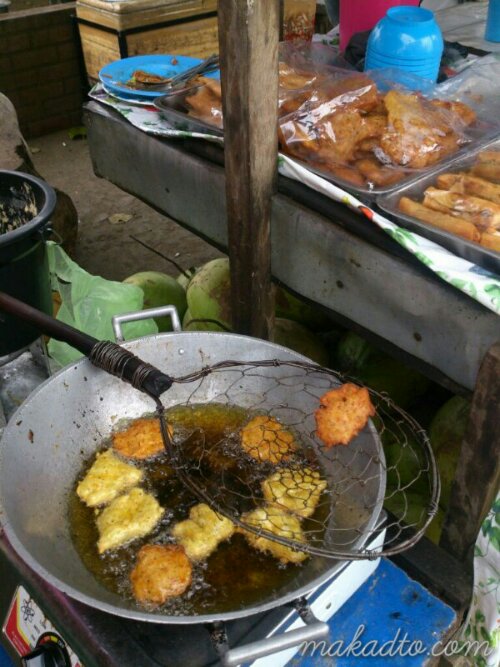
Fritters as street food as usual (in countless variations) like this vegetable one made from squash.

image

Makeshift spider strainer and wok as necessities

Newspaper as Food Wrap

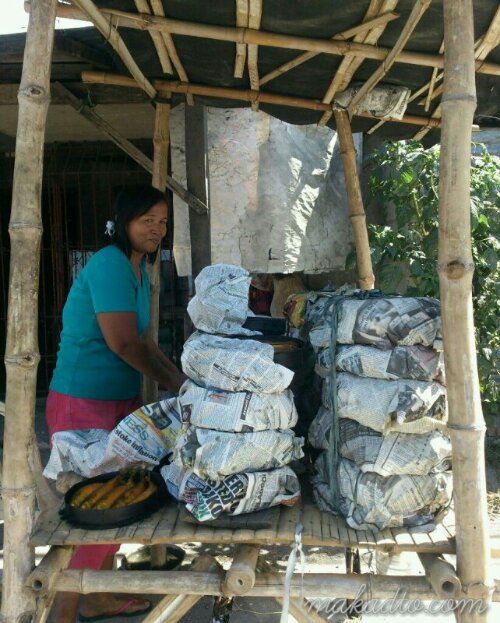
The bamboo container used during smoking process holds the smoked tamban for roadside selling. Each container is wrapped in newspaper as a sanitation idea while being displayed using stacking system on the bamboo shelf just by the national highway.
image

When you buy the smoked tamban, these will also be wrapped in newspaper.

Our Lady of Atocha Church

image

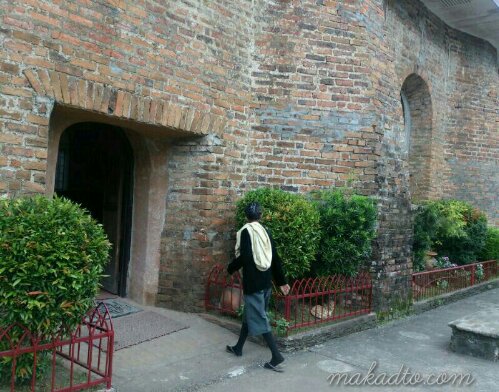
All Spanish period churches I’ve seen (three of them) in Isabela were built from bricks like this one in Alicia town

image

A relatively small side door.

image

The lady at the courtyard.

Lugawan


image

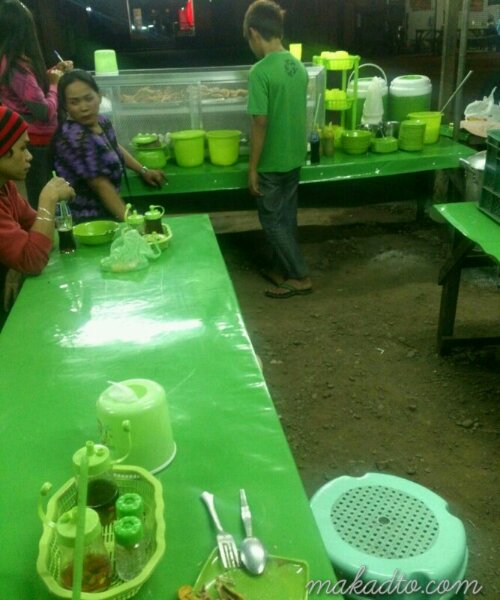
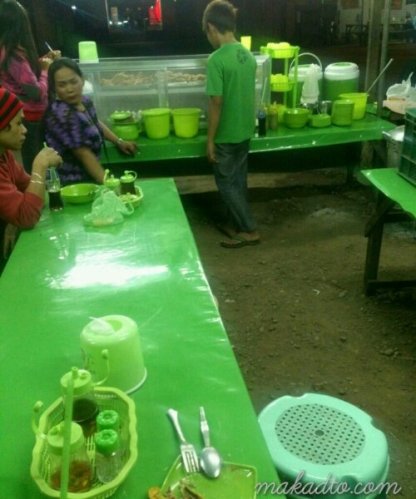
Lugawan is fairly common in every region all over the archipelago. Lugaw (rice gruel) in several variations is an appealing option for a quick meal wherever its location may be, whether in poblacion or town plaza or along highways as food stop for motorists and provincial buses.

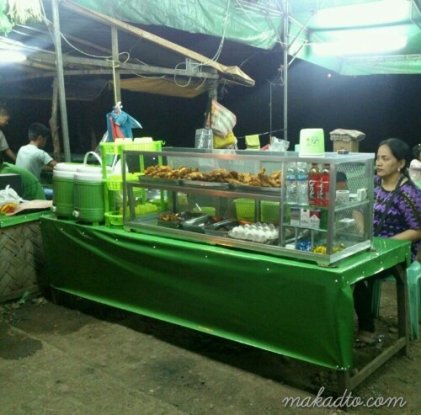
The lugawan in this post is in Alicia town of Isabela province and one can observe several of this table lugawan setup along the national highway where each one serve boiled culled layers as an accompaniment to the plain lugaw. I remember in Bantayan island of Cebu province, grilled culled layers are sold everywhere understandably because chicken egg production is the island’s primary industry. I did enjoy snacking on that tough but tasty meat.

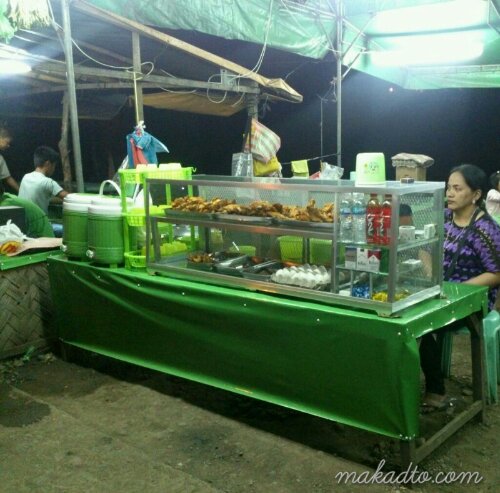
In that clear display shelf, one can choose chicken or egg as lugaw accompaniment or none at all but just plain lugaw depending on one’s budget.
image

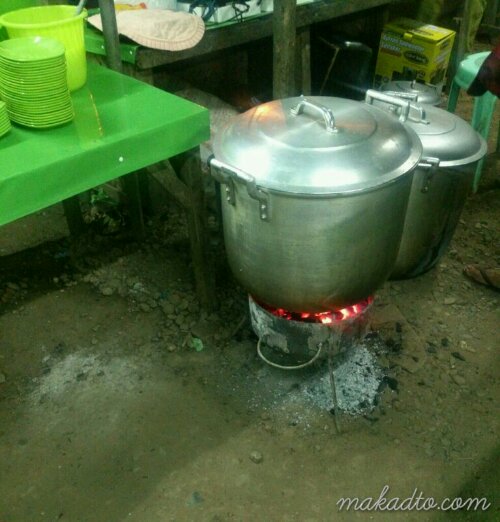
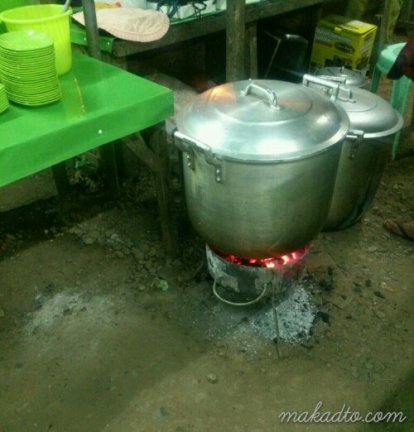
A lugawan place is attractive if there’s a giant caldero full of lugaw continuously heated in a stove using either charcoal or wood as fuel
image

The lugaw proprietor has a penchant for green color
image

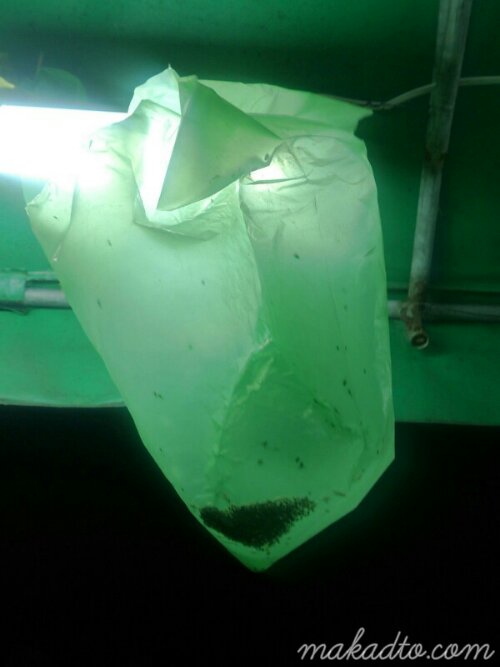
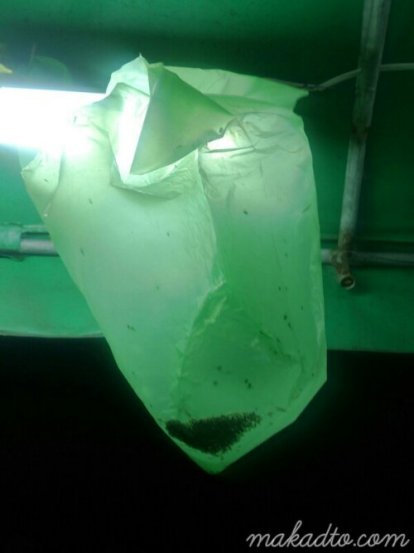
Some kind of a gamu-gamo trap under a light source. Just put a bit of water inside and the gamu-gamo will go in says the lugaw guy