
Category Archives: Food

Sweet Potato Fans

image

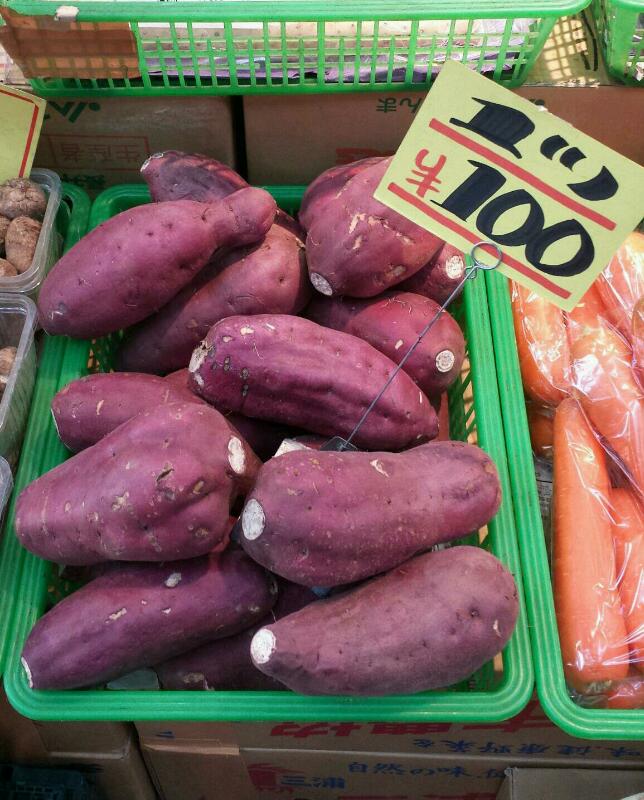
Sweet potato from a shop in Minowa covered street in Tokyo

Japanese are fond of sweet potato. I’ve seen somebody snacking on boiled sweet potato somewhere. Seems she prepared it at home, placed in her tote as an ‘on the go’ snack.  I’ve tried the cut caramelized sugar-coated chilled ones and a sample of boiled ones from Kawagoe City in Saitama Prefecture. I even saw a shop selling sweet potato ice cream in that place.

image

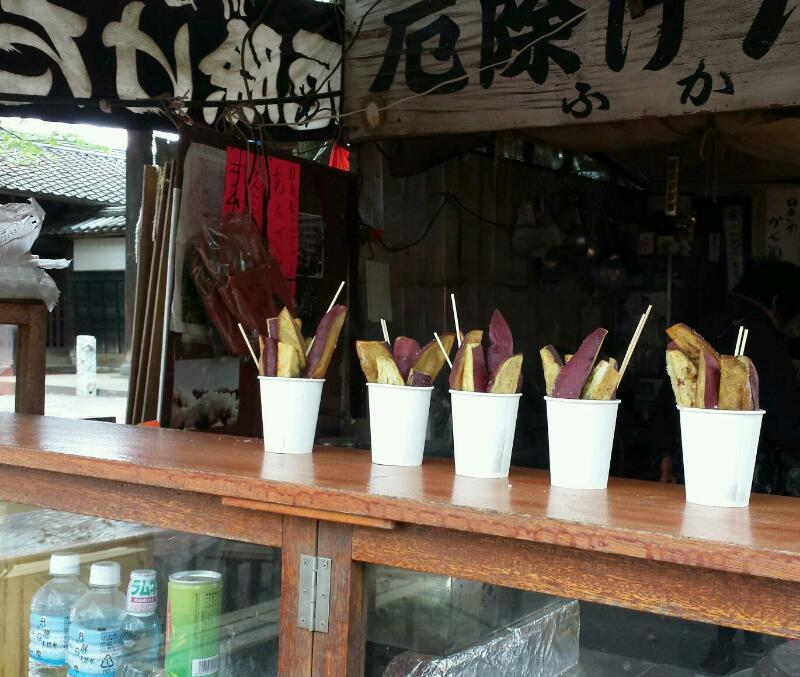
A store selling salted sweet potato fries in Kitain Temple Grounds at Tsuchiura City, Ibaraki Prefecture

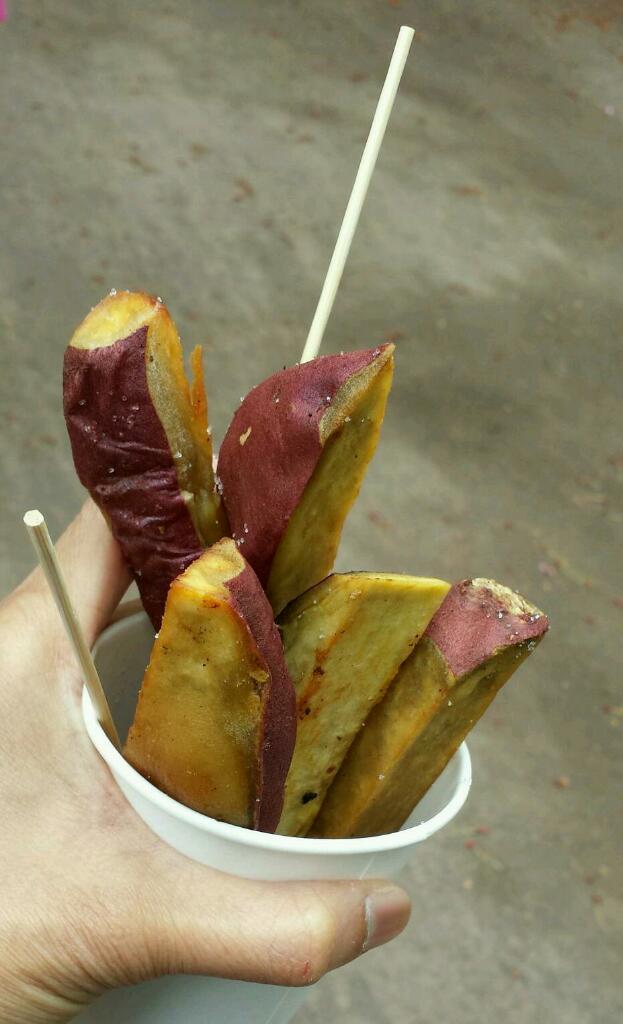
When I was at Tsuchiura City, I’ve blissfully snacked on the salted cut ones, in other words ‘sweet potato fries’ but thicker in pieces.

image

Salted sweet potato, a delicious oxymoron

And so based from I had eaten so far, I think Japan’s sweet potato variety is superior than what I’ve had (so far since childhood) in the Philippines.

image

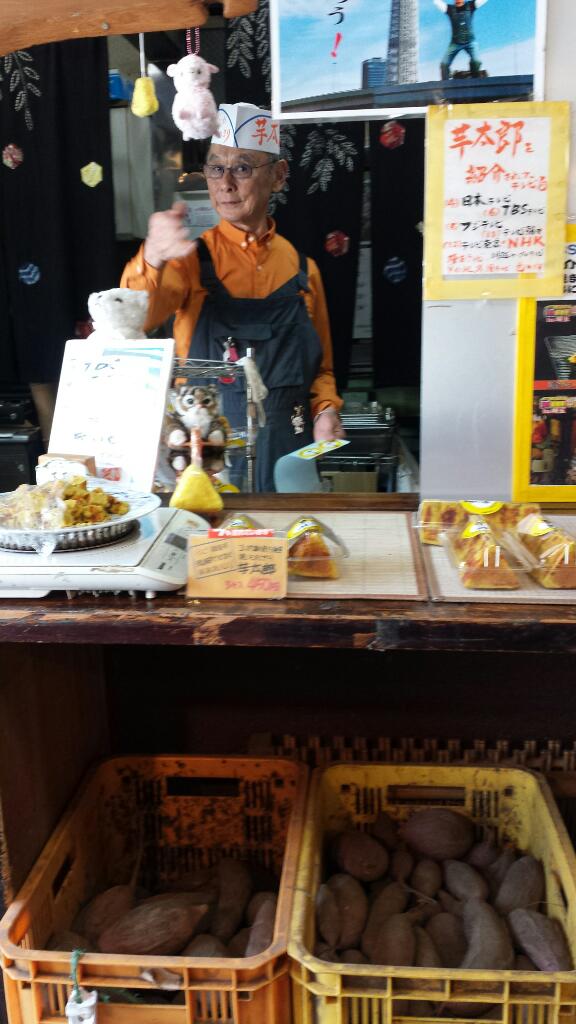
A shopkeeper in Kawagoe selling sweet potato snacks. Sweet potato is a specialty of Kawagoe, so naturally the mascot of this place is a sweet potato

Weekend Farmer’s Market

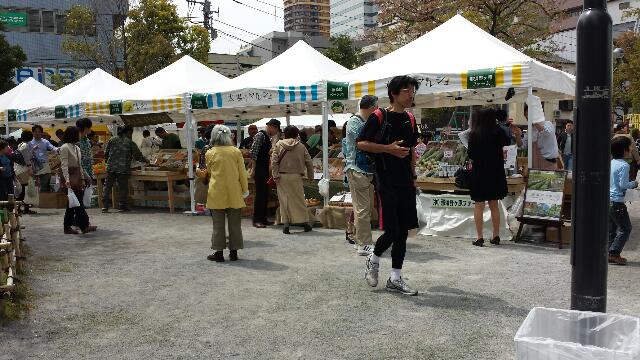
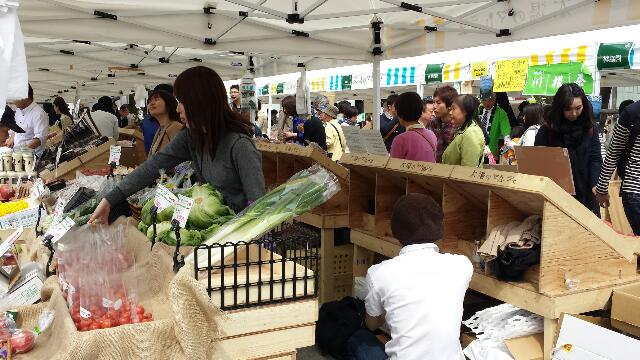
What it is like to be in a Sunday farmer’s market in Tokyo…

image

Not too crowded and a very pleasant day

image

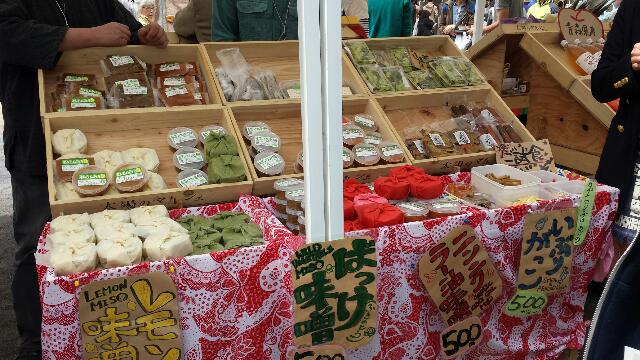
Colorful packaging/wrapper is so Japan

image

image

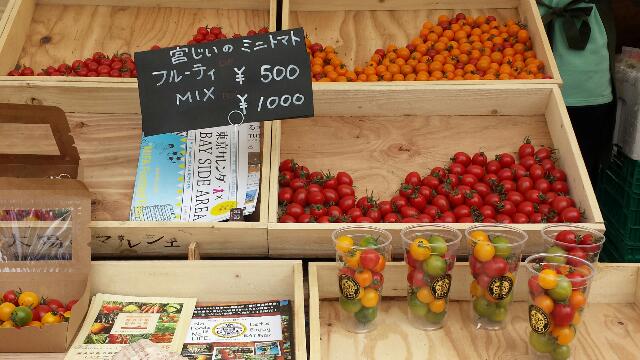
Tomatoes in different colors

image

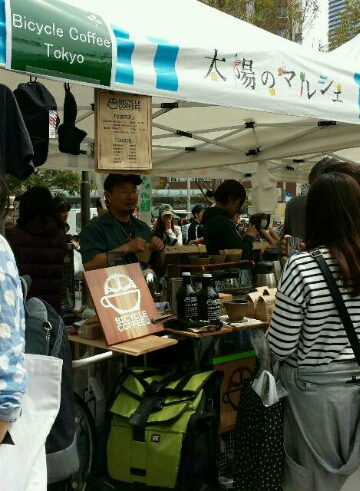
Bicycle coffee

image

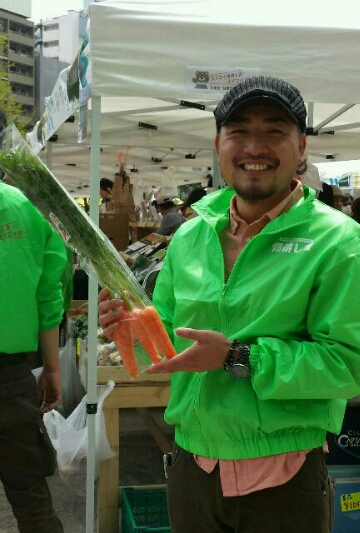
Lovely carrots and a genuine smile

image

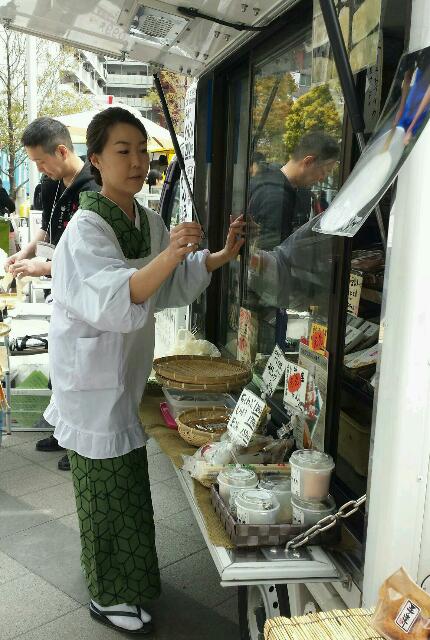
Kimono lady

image

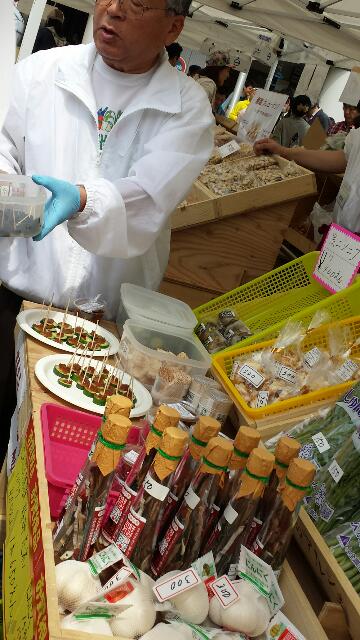
Gives me an impression of sanitary food handling

image

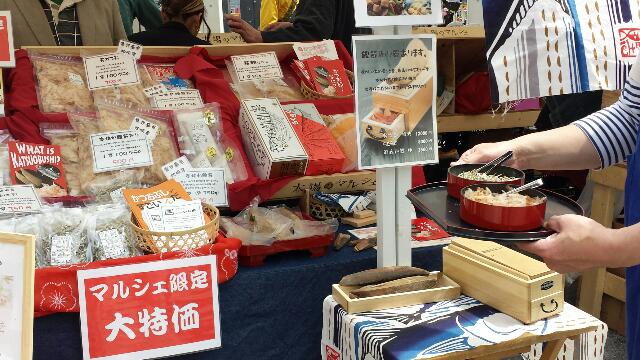
Their specialty is katsuobushi

image

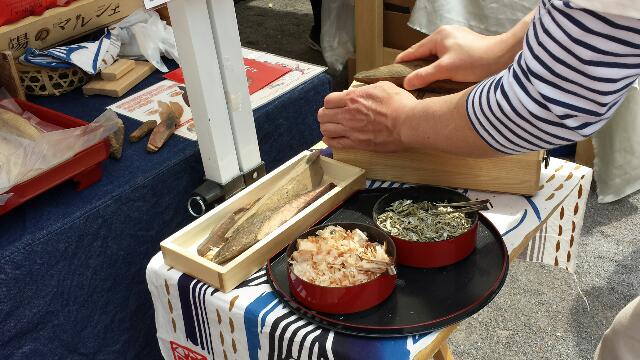
Shaving katsuobushi block

image

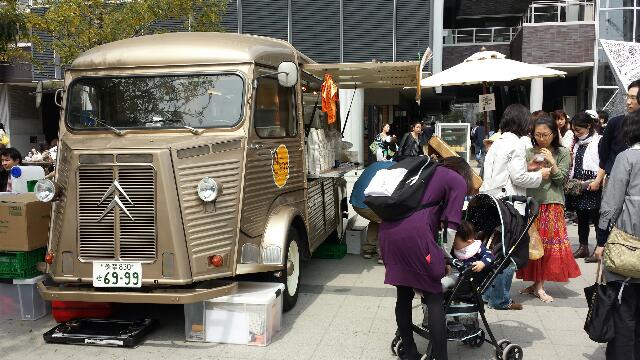
Presence of several food trucks such as this

Roadside Ramen Bar

image

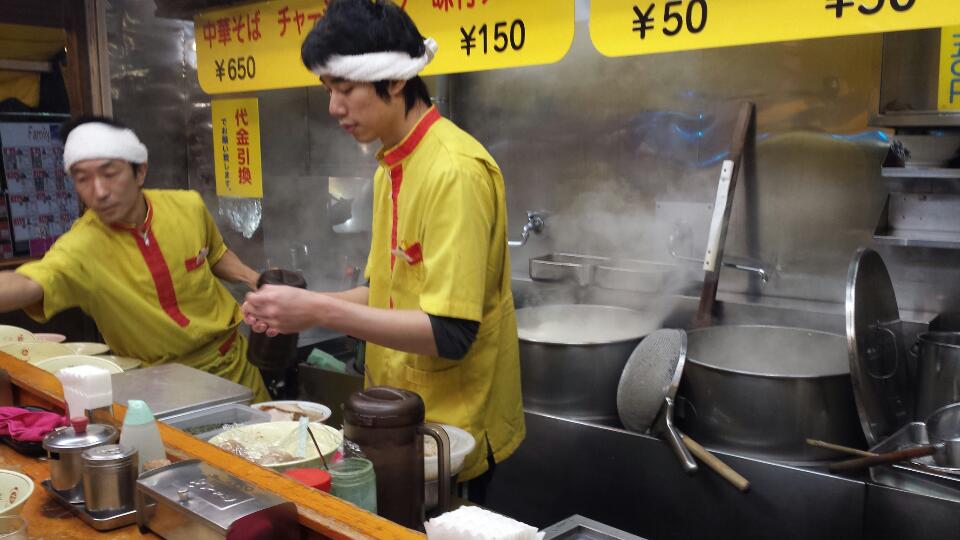
To walk aimlessly in Tokyo evenings, and when hungry and cold, to eat some big bowl of ramen in white broth on a roadside ramen bar. That’s my kind of thing to do in Tokyo and not the Donki thing nor the Uniqlo or GU thing.

Fried Noodle Sandwich

image

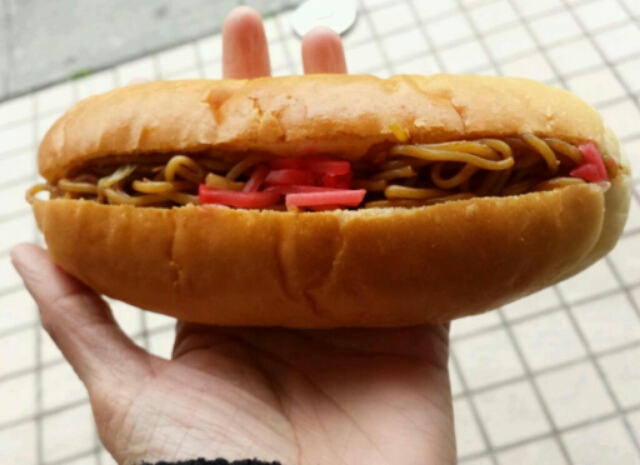
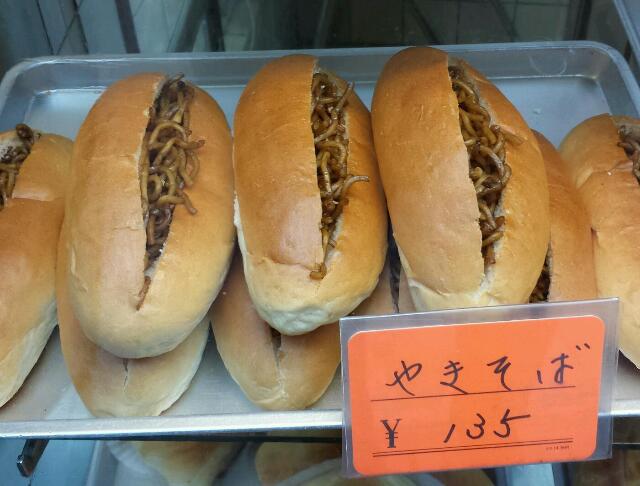
It’s quite a common fare in Japan’s bread shops and even in konbinis this sandwich of fried noodles that is usually garnished with pickled ginger. Now one can eat yakisoba on the go.

image

Boiled Egg Box

Japanized Spaghetti

image

Spaghetti topped with fried egg, a first for me

One afternoon while strolling in Akiba in chilly weather (about 8°C) and trying to find a particular gachapon place, I came upon an underground spaghetti bar where I intentionally chose to take refuge from the cold. 

image

Spaghetti underground bar in Akiba

The reason was because its spaghetti picture menu (placed at the roadside) looked appetizing in a Japanese way, and indeed it was for there was no leftover in my large order.

image

See the spaghetti guy in black?

Bignay Vinegar

image

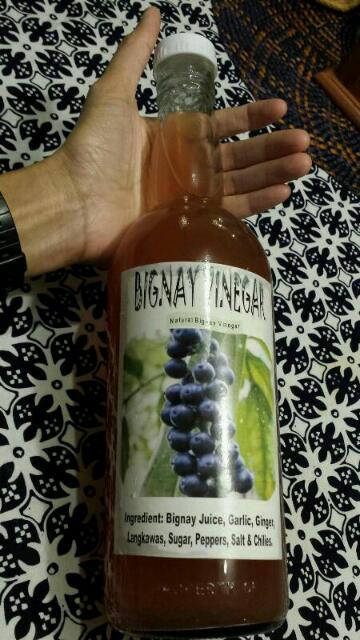
I used to eat bignay (the fruit) with salt in my hometown and Hiligaynons call it bugnay. Now I’m using bignay vinegar as dipping sauce. It’s masarap thanks to the enterprising neighbor who makes wine and vinegar out of bignay.

Bisugo

Mr. Durian is Southeast Asian

image

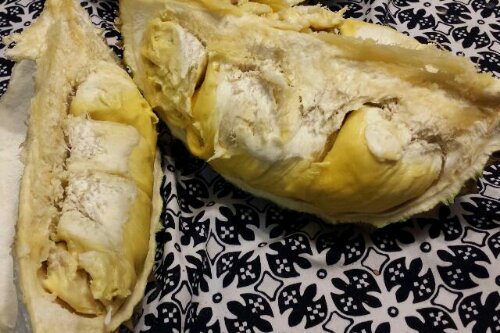
He is very hard and spiky on the outside

image

...but creamy and yummy in the inside

image

He is my post dinner treat that made me post him here

image

I then remember this snapshot I took in Malioboro St, Yogyakarta, Indonesia

Jackfruit Seeds

image

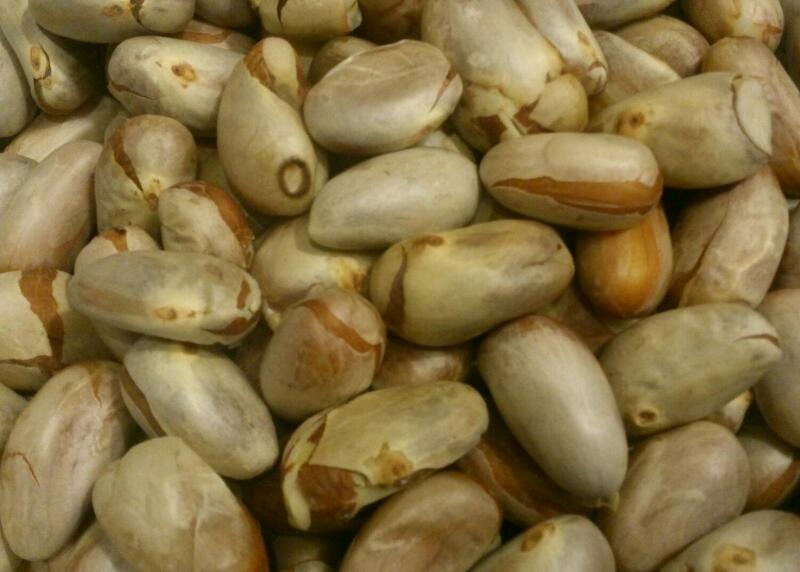
Buto ng langka (jackfruit seeds)

It’s such a waste to throw away the seeds of jackfruit for these are edible, pleasant in taste and very filling that I’ve been eating boiled ones (like how I eat nuts) since I was in grade school.  I think this will make a good trail food.

image

Boiled jackfruit seeds.

Ayamku & Jollibee

image

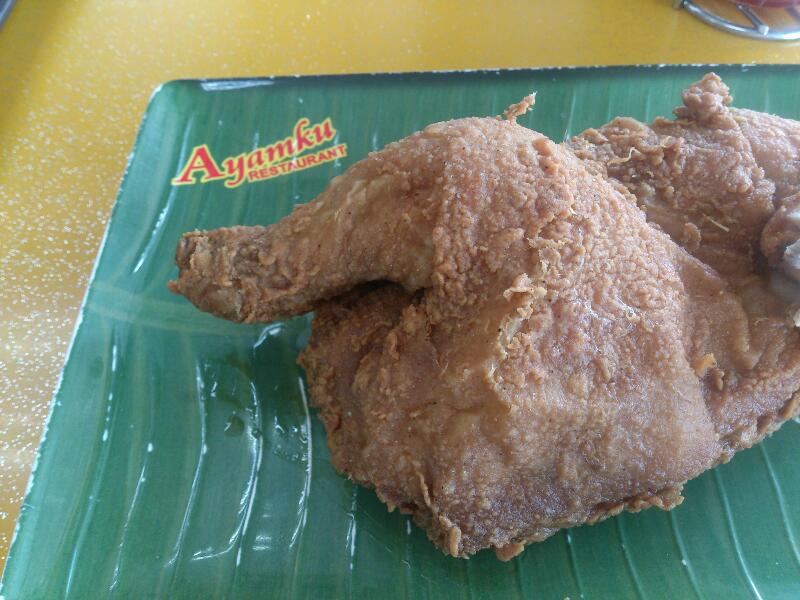
Malays attachment to fried chicken (ayam goreng) is so plain to see. Both in Peninsular Malaysia and Borneo Malaysia, KFCs are everywhere and more popular than any other imported chains. Apart from fastfood chains, in the warungs, padangs and lesehans of Indonesia for example, ayam goreng is always there for you.

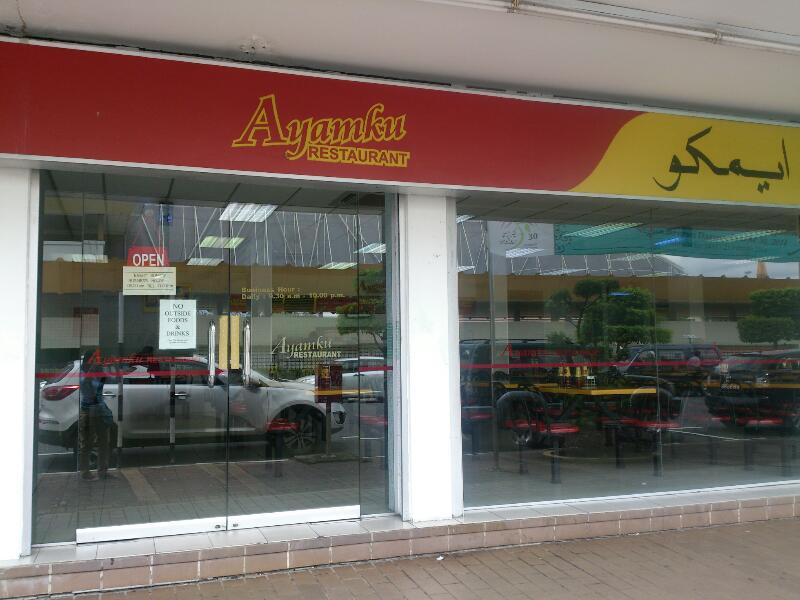
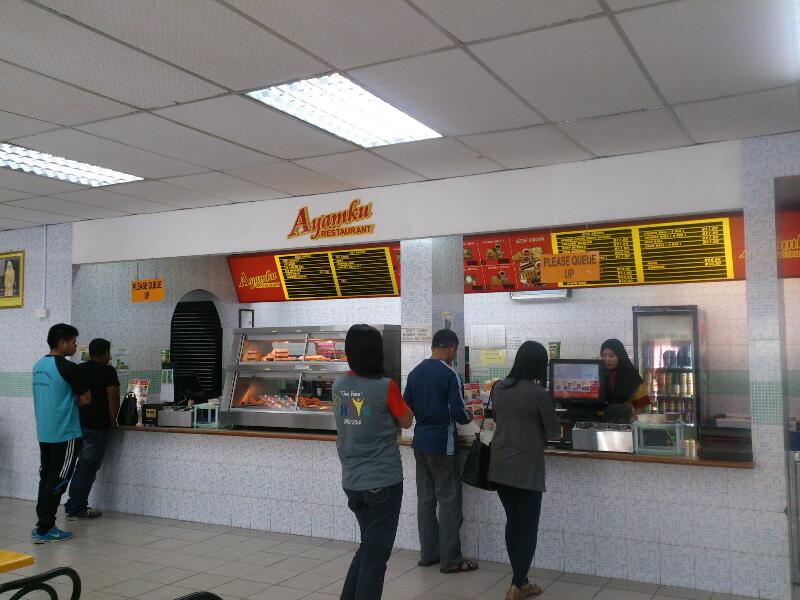
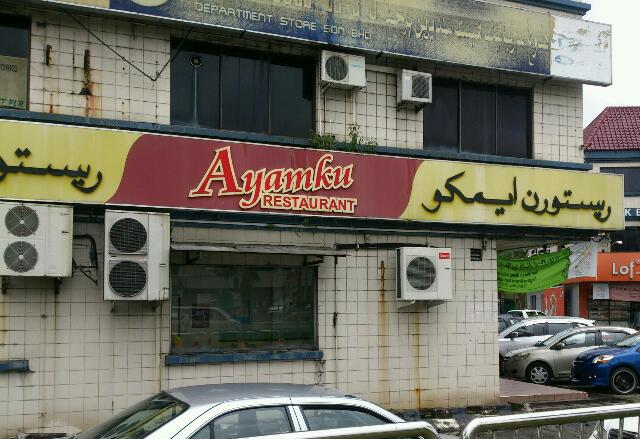
Brunei Darussalam has its own fried chicken chain. Ayamku Restaurant as what I’ve perceived is obviously close to Bruneians heart.

image

Ayamku counter

image

Fried spring chicken

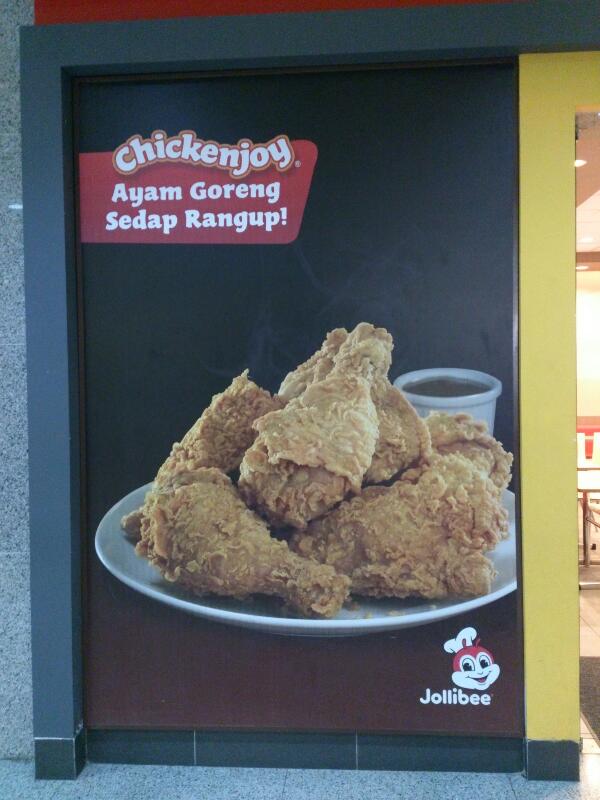
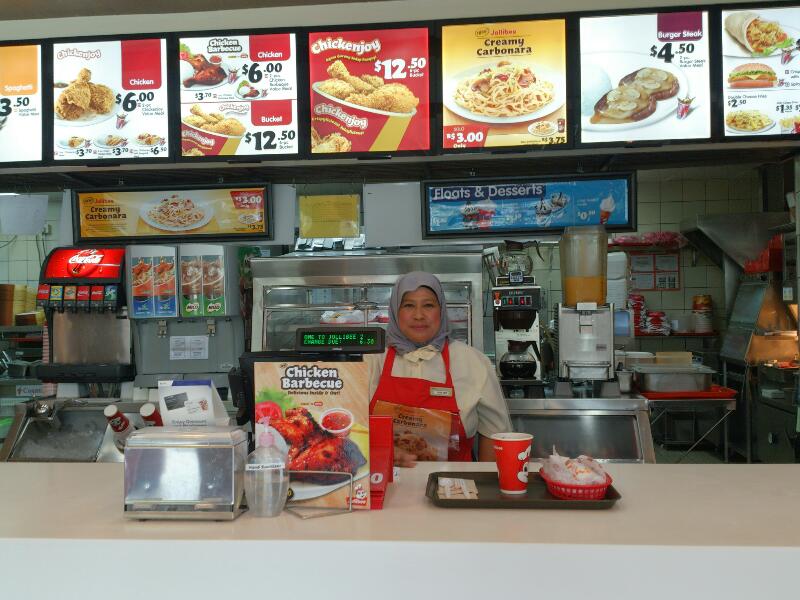
But you know what, Bruneians have also this imported chain and it looks like the locals are in love with its fried chicken known as Chickenjoy that this particular chain has already 14 branches in their country (proudly claimed by the cashier in the picture below).

image

Bruneians love Jollibee too

image

She is proud to be a Jollibee crew

image

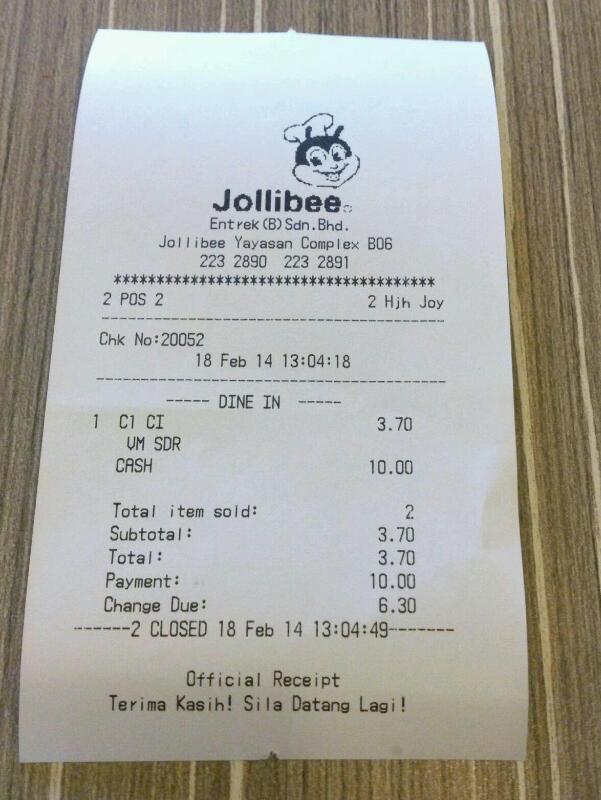
1 piece Chickenjoy receipt

image

Another branch of Ayamku in Bandar Seri Begawan, Kiulap address

Kulitis

image

Kulitis plant (amaranth) in my tiny container garden, my source of green leafy vegetable for viands such as tinolang isda, munggo soup (with malunggay from garden), tinolang manok and for anything else that needed leaves. This plant grows anywhere even in poor soil condition. Not so many know it’s edible. My neighbor says it’s a weed understandably because kulitis is such an underutilized crop in the country.

image

Repurposed bamboo from binungey kakanin I had in Bolinao as container for my kulitis plant

Edible plants such as kulitis is my kind of vegetable, those warm weather ones, those pinakbet and Bahay Kubo ones that grow in lowlands and not those lettuce, broccoli, cauliflower, not those highland high value sort, you know those Ceasar salad kind even if I live and work in the city.

image

Bilong bilong tinola with kulitis

Adorned With Tomatoes

image

Fish for sale are decorated with tomatoes (and green chili peppers) which gives me the impression that they are fresh. I suppose that’s the purpose of tomato adornment. Next time I’ll ask the vendor.

Ambuyat

Filipino is to rice as Bruneian is to ambuyat.

image

This sago paste is also known as ambuyat

image

Eaten like rice (except the chewing part as this is swallowed) with several viands as accompaniment

Sun Drying Keropok

image

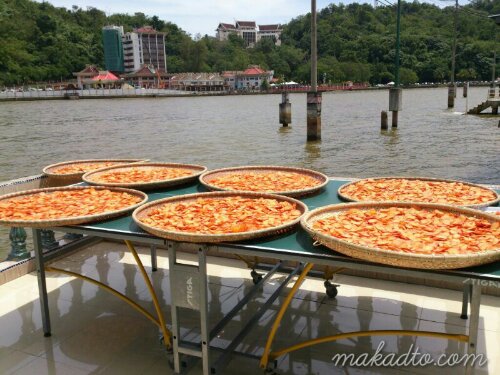
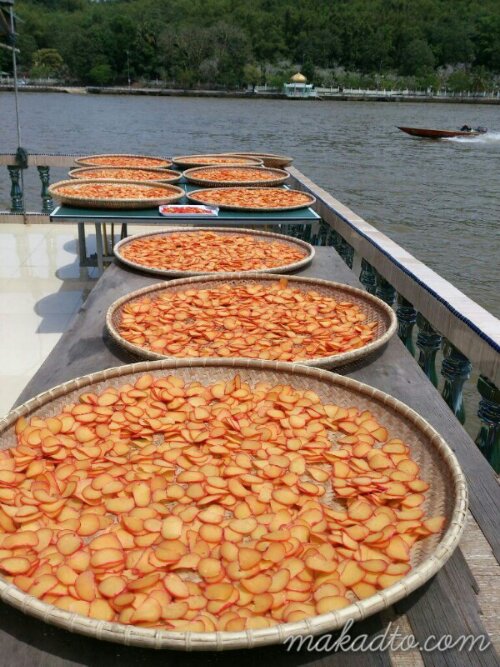
Like a giant crabstick and slices of it will be sun dried

This particular eating place, in one of the water villages of Kampong Ayer, makes its own keropok. I asked the all-around lady helper if it was made from udang (shrimp), but she answered crab. So I guess it’s ketam (crab), and it tasted like one.

image

Sun drying

This keropok was good that I had about 6 packs of cooked ones in the course of several times I went there for a meal.

image

Took a snapshot in this angle to capture the passing water taxi

image

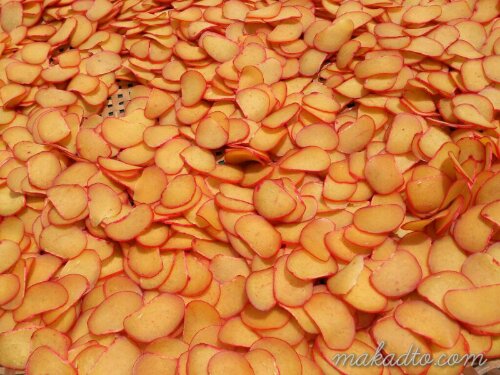
A closer look of the keropok in the winnowing basket

image

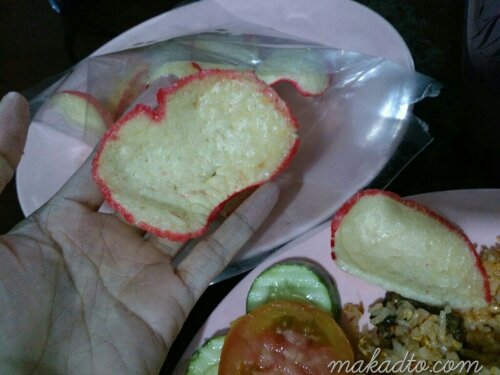
Keropok as an accompaniment to my evening meal

image

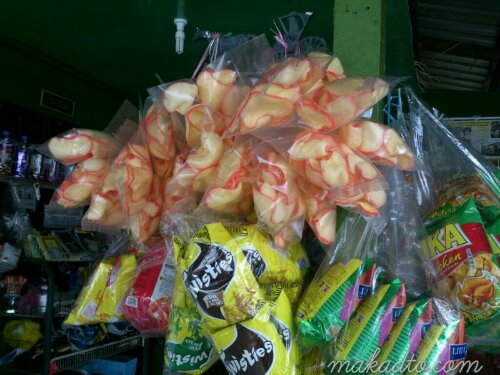
A pack of cooked keropok cost 1 Brunei Dollar

Ketupat

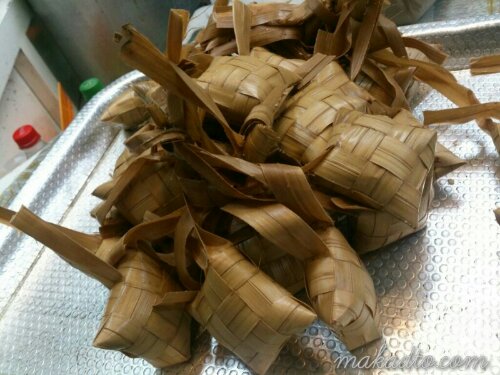
The puso or hanging rice of Cebu isn’t local in that city as what several have claimed  in their writings (even without basis). I’ve eaten puso in Leyte and Negros provinces and have seen it outside the country in Indonesia. Finally I got snaphots of it in Brunei where I had it with satay and where it’s called ketupat.

image

Cooked white rice packaged in weaved palm fronds

image

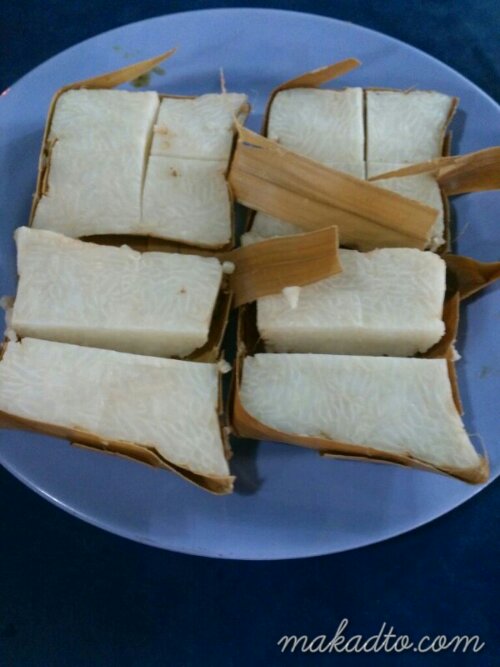
Sliced open by knife, same as how they do it with puso in Cebu

image

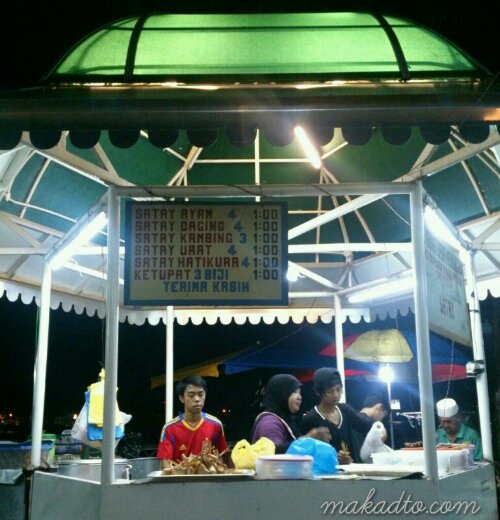
Satay stall in Bandar Seri Begawan where ketupat is 1 BND for 3 pieces. Paired with satay when eaten, just like how it's paired with skewered barbeque in Cebu

Palengke Style Longganisa

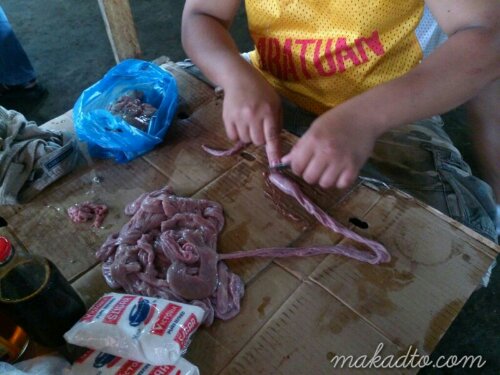
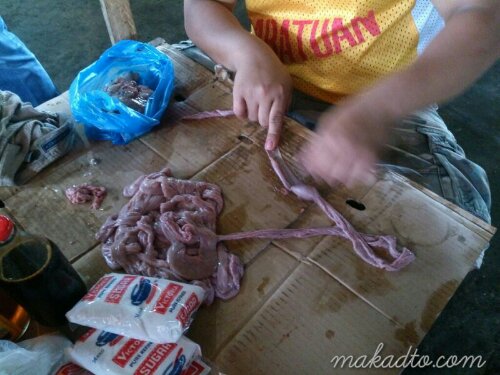
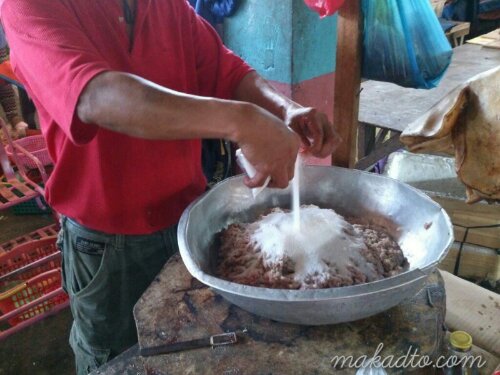
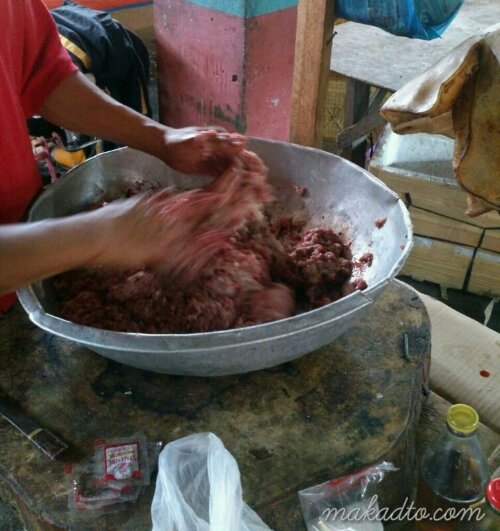
In Cabatuan public market, I came across two guys preparing longganisa (sausage) palengke style.

image

Cleaning the pork intestines by means of scraping

image

Casing of the longganisa from cleaned pork intestines. All natural

image

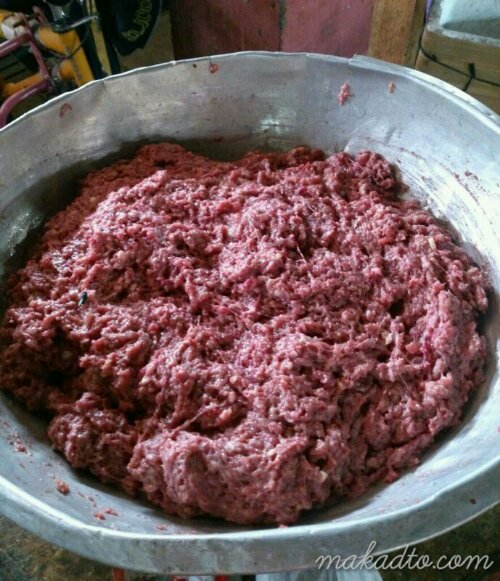
Adding lots of sugar and some salt into the 5 kilo ground pork

image

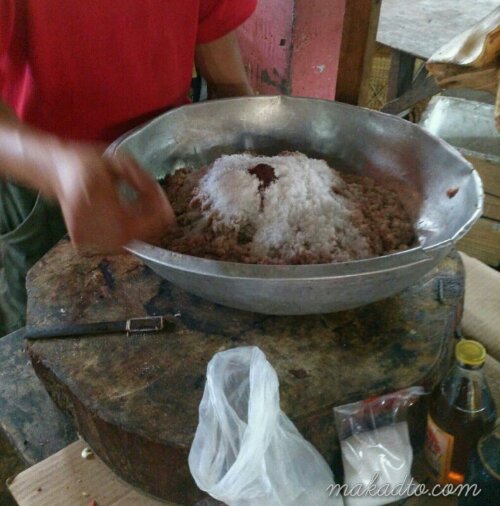
This is the most unappealing part - the addition of strawberry food color

image

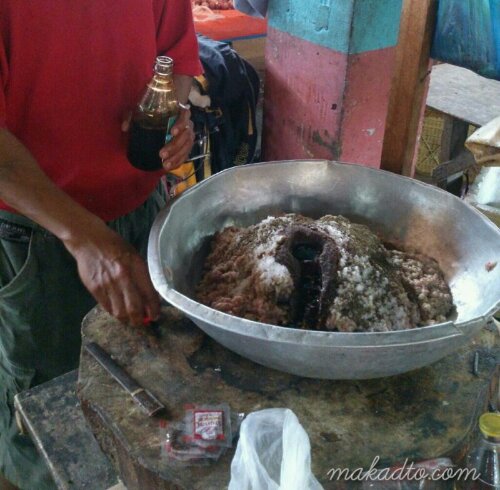
Soy sauce is added

image

Mixing by hand

image

The mix is now ready to be made into links using the natural casing from pig intestines

DIY: Danggit Lamayo

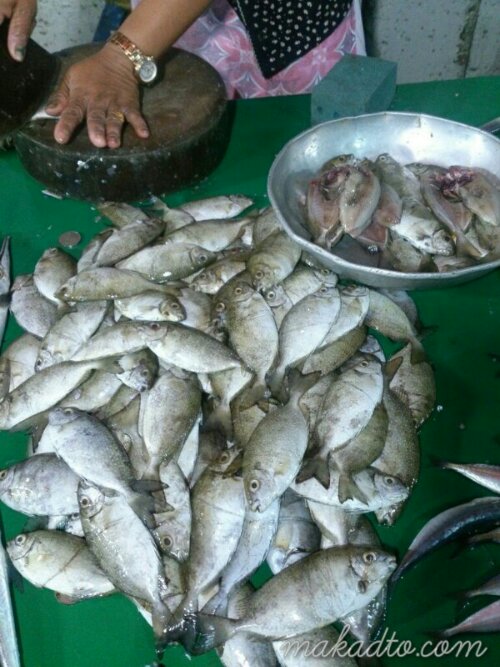
Occasionally there’s fresh danggit in the talipapa near the village where I live so in one of those times I decided to get some (80 pesos/kilo) and asked the fish lady to open it up.

image

Fresh danggit

I marinated the danggit in vinegar, garlic and salt and let the fish absorb the marinade overnight inside the refrigerator before freezing it.
Danggit lamayo is usually eaten as breakfast in Palawan. It was in Coron where I had this for the first time as my daily breakfast. After that first time, I’ve observed that in Puerto Princesa and El Nido, fried danggit lamayo is ever present in the breakfast menu of hotels, guesthouses and resorts.
One thing normal to danggit lamayo (no matter if it’s boneless or not) is the price. It’s expensive even if the concept is the same as those packed marinated bangus. Must be because rabbit fish isn’t farmed.

image

Deep fried danggit lamayo if paired with fried egg and eaten with fried pink rice makes a very satisfying "fried" almusal

Panciteria

image

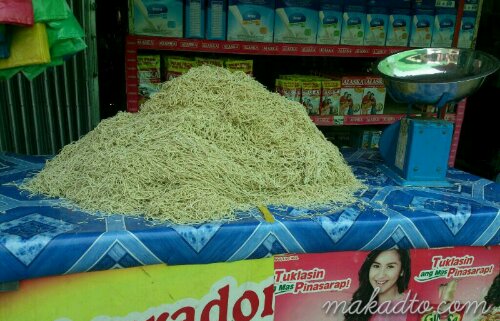
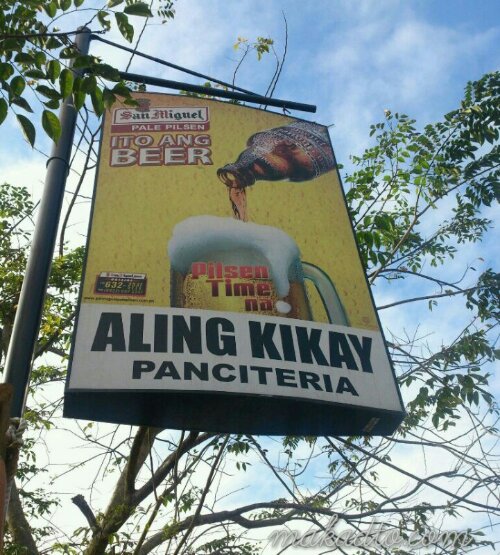
It’s a likelihood that the pancit sold by the kilo in the palengke will be bought for preparing into pancit cabagan or pancit batil patong. These two pancit dishes are always in the menu of panciterias in Isabela.
image

image

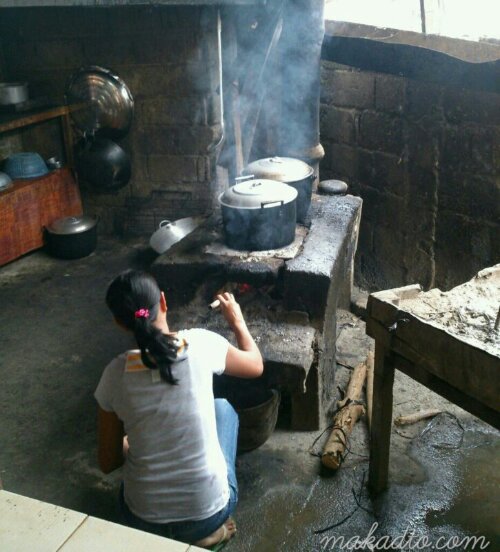
Boiling pork in the panciteria’s kitchen. Afterwards it will be fried to make lechon kawali, a primary topping of pancit cabagan

Inatata


image

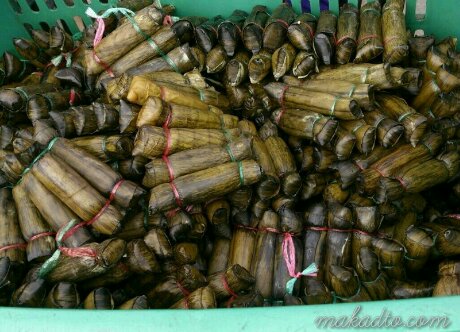
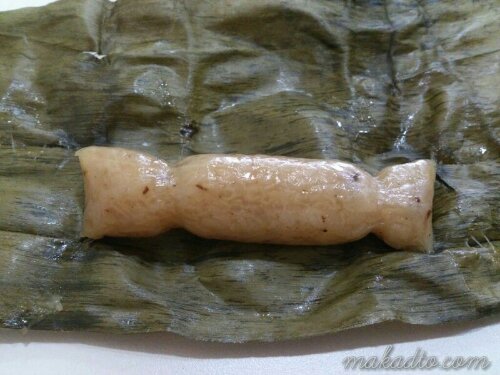
Suman packaged in banana leaf and sold in ammo like bundles in Ilagan

image

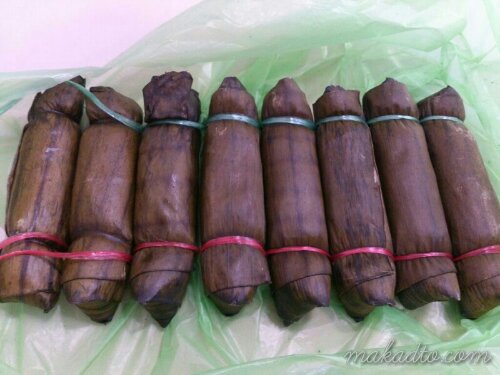
Ammunition for hungry self

image

Inatata is one of the good ones (among the many suman in the country)