
Category Archives: Food

The Ainokura Way of Grilling

image

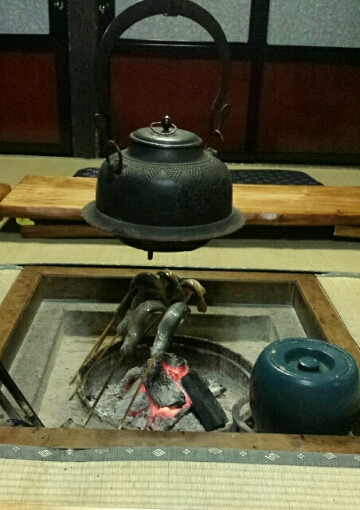
Grilling in an Ainokura way

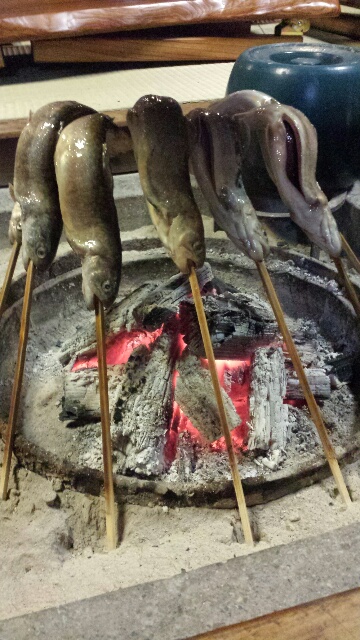
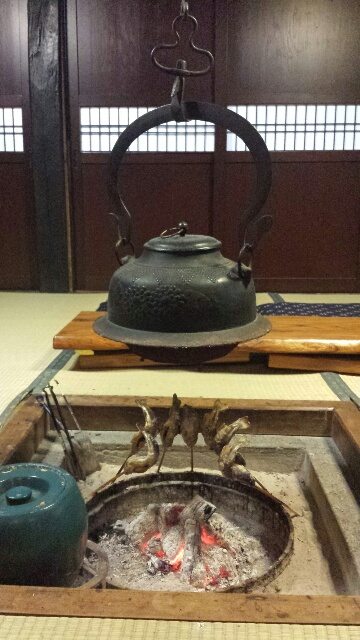
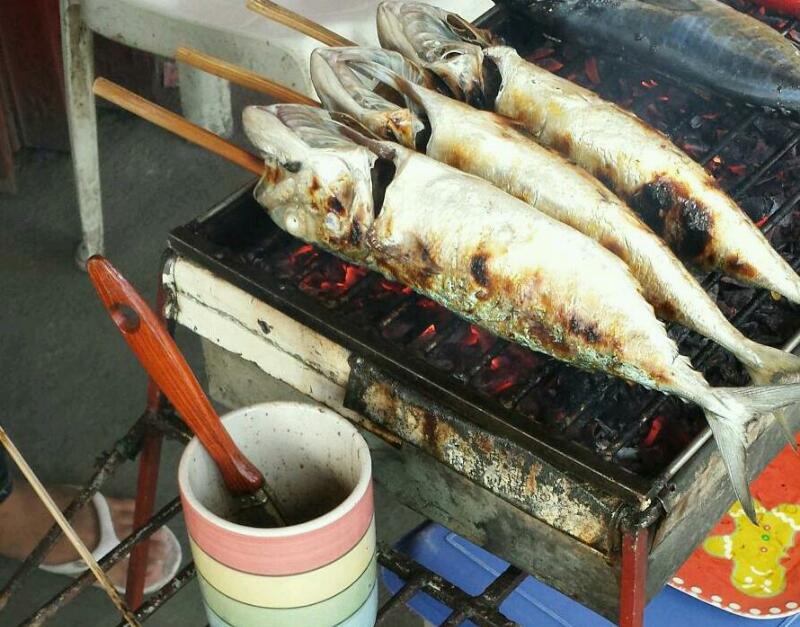
Trout from the mountain streams are grilled with salt in skewers over live charcoals in an almost standing position. It’s a local fare in Ainokura, a remote but very lovely mountain village in Gokayama region.

image

Tastes really smoky good when cooked that I consumed two sticks

image

Fish almost fully-cooked

Gula Melaka

image

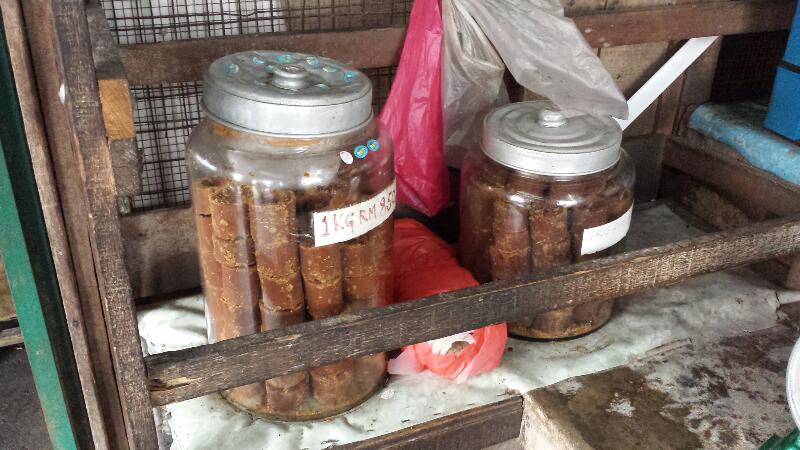
Gula melaka (translation: Melaka sugar) is the palm sugar of Malacca and used as sweetener for Peranakan desserts (e.g. kuih) and beverages. The crudeness of gula melaka reminds me of Philippine panocha, likewise a raw sugar in hemisphere form but extracted from sugarcane instead. Whereas the panocha’s hemisphere came to be because half coconut shells were used to solidify cane sugar, comparatively, the cylindrical shape of gula melaka was formed by solidifying palm sugar in bamboo tubes. Charmingly crude.

Traditional Biscuits in Melaka

image

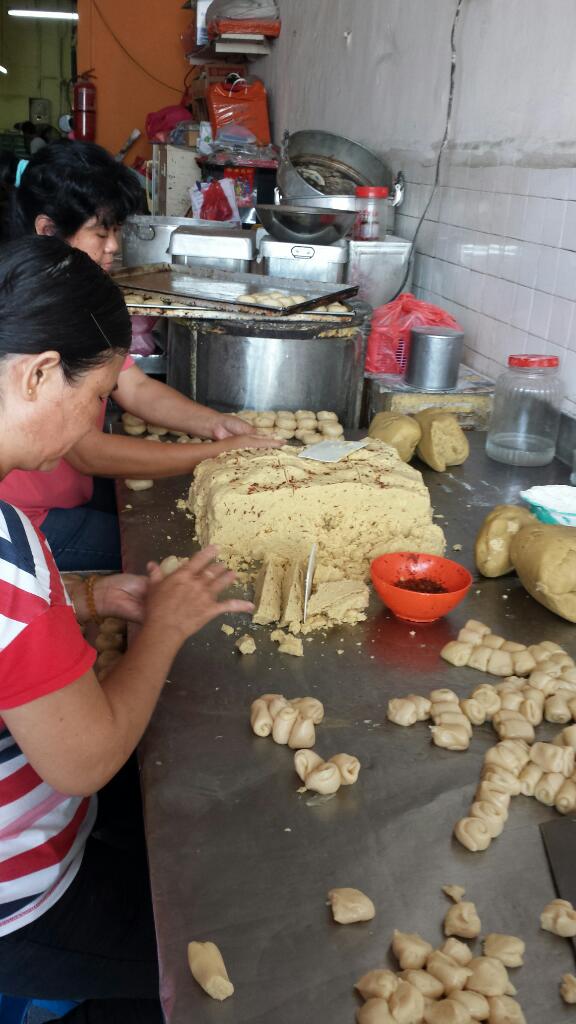
Manual biscuit making at Eng Chee Seng shop in Temenggong street, Bukit China

Whereas the street configuration and structures in Melaka remind me of Georgetown (Penang), their traditional biscuit shops and pineapple tart shops remind me a bit of Macau.

image

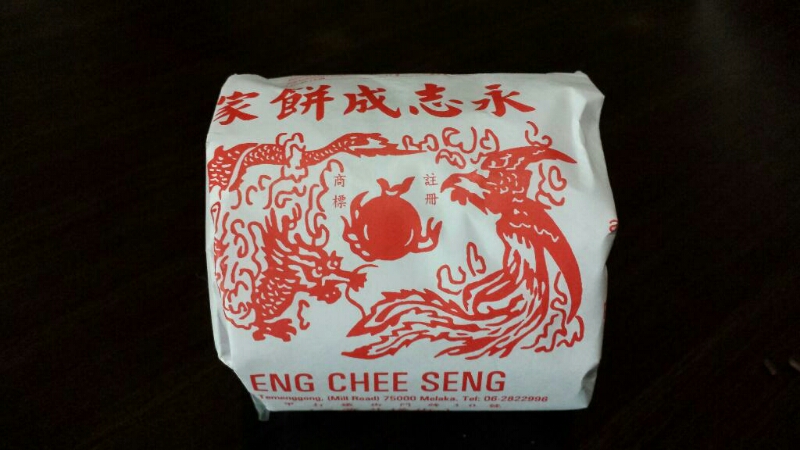
Paper packaging

image

All you need is some tea for these biscuits

Ondeh-Ondeh

image

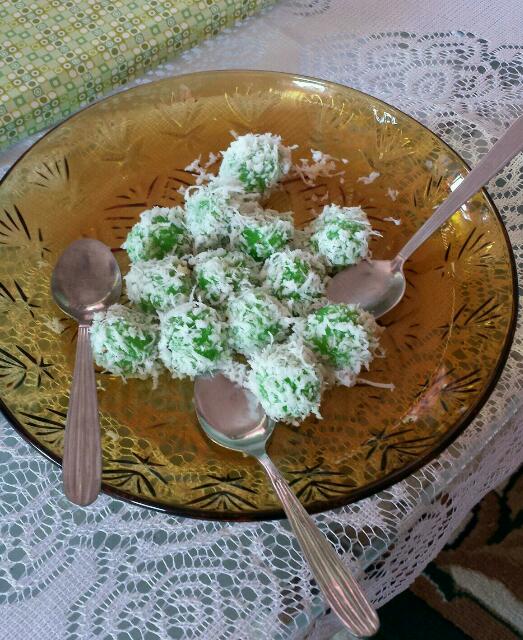
Ondeh-ondeh c/o Mr Ibrahim's hospitality at his traditional house in Kampung Morten

Ondeh-ondeh is one of the many variations of kuih (confection) in Malaysia. Made from glutinous rice flour, mashed sweet potato and tapioca flour, then filled with palm sugar, and covered in desiccated coconut. It’s their pichi-pichi in looks and taste, minus the sweet burst of palm sugar at the core which I’m so fond about the ondeh-ondeh. See, even the name repetition of Filipino kakanin pichi-pichi is another similarity to the kuih.

image

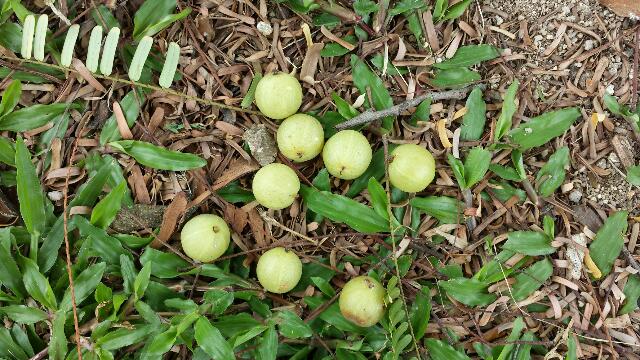
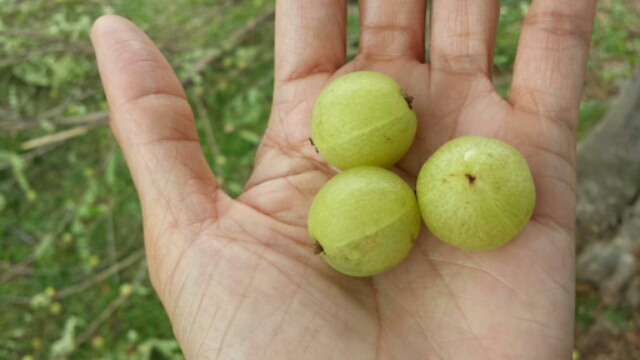
Fallen fruits of Melaka tree

Pertaining to the kuih’s green color and round shape, there’s a reason for that, which made it distinctly Melakan.

image

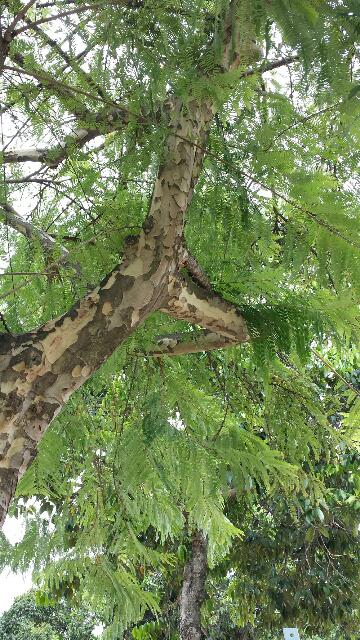
I'm pretending to be Parameswara looking up at this Melaka tree

Notably, ondeh-ondeh’s other name is Buah Melaka (translated as Melaka Fruit). So the kuih got its name and appearance from Melaka fruit like how the Melaka State got its name from Melaka tree.

image

My host says Melaka fruit is not edible

image

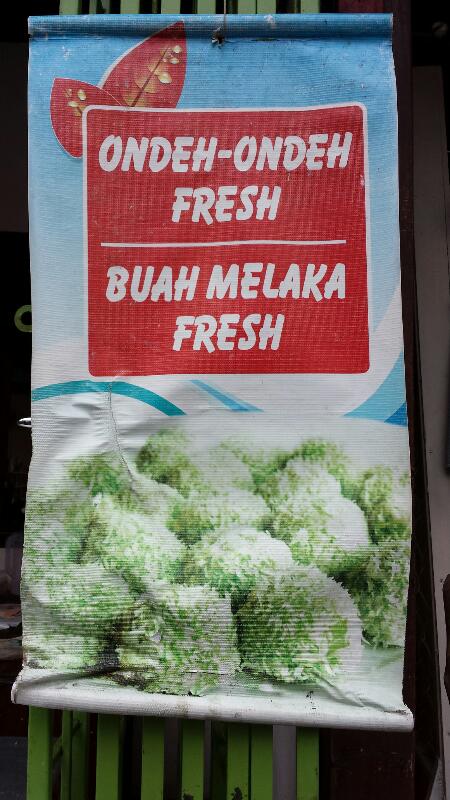
Ondeh-ondeh's ad somewhere at Jonker street

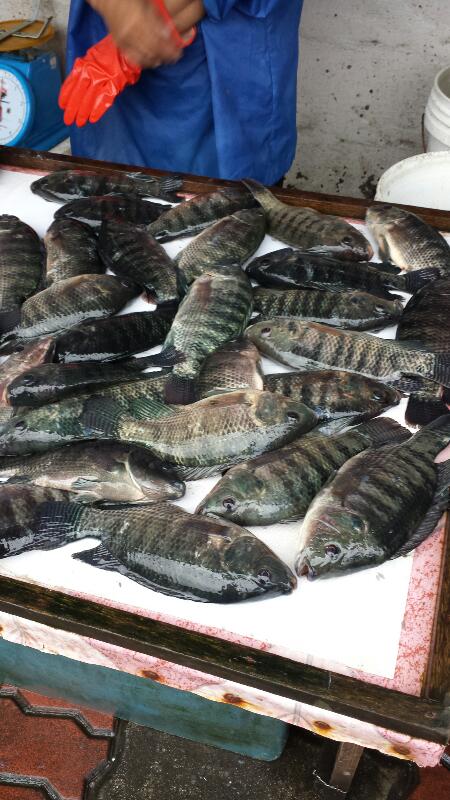
Tilapia at Talipapa

Sambal

image

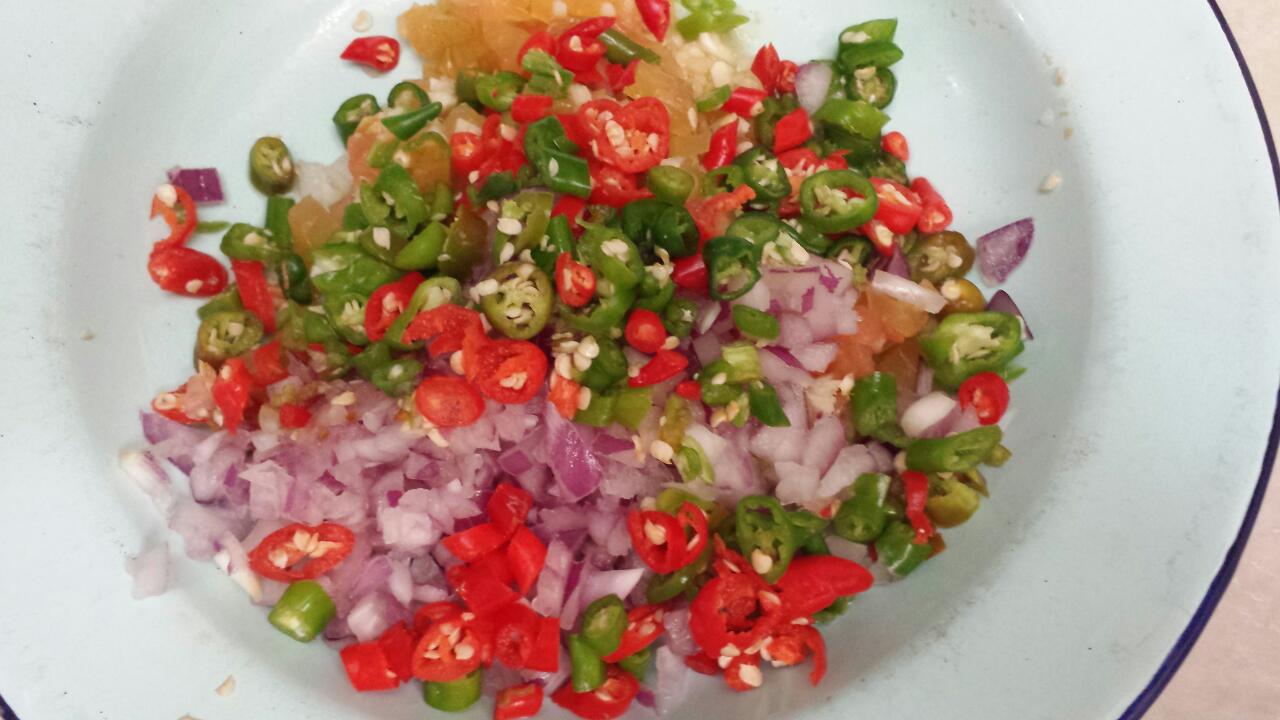
Chopped ingredients

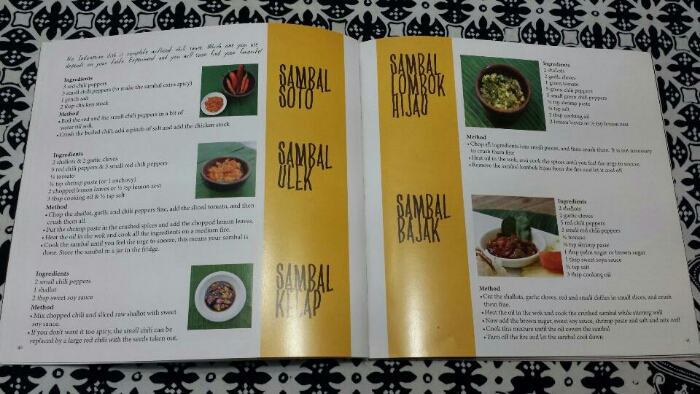
Sambal is a Southeast Asian condiment, a sauce, an appetizer, or an accompaniment to rice or viands. And because it’s hot and spicy, it’s something I have dearly adopted. I have learned to prepare sambal in Yogyakarta through Made, a Balinese cook.

image

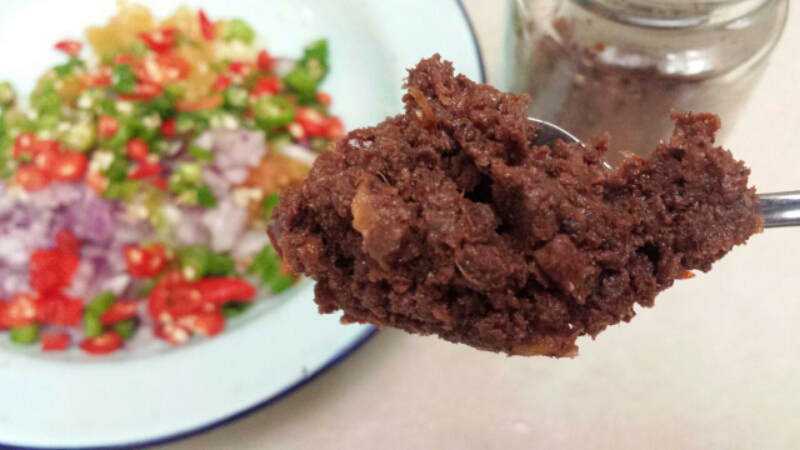
Shrimp paste

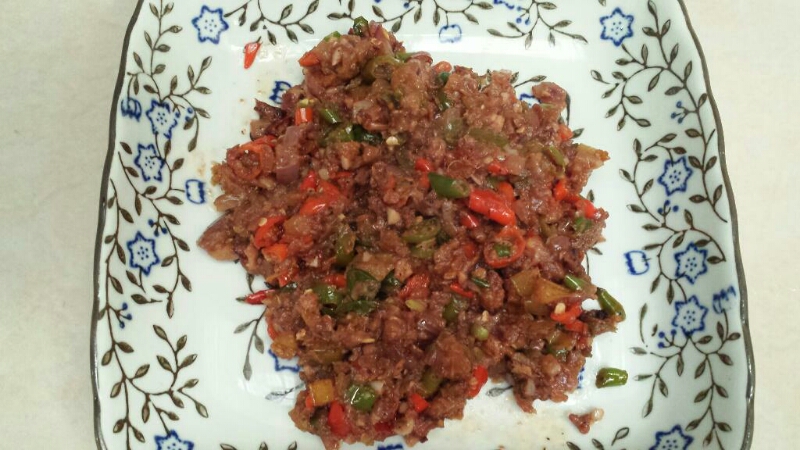
There are several variations of sambal, and one can modify the proportions of certain ingredient to suit one’s taste. In a nutshell, here’s the process: chop shallots, garlic, chili peppers, and tomatoes, you may crush all together with a squeeze of calamansi juice, then saute everything with belacan (shrimp paste) in a small amount of oil. You’re done if you feel the urge to sneeze.

image

Not the saucy version as I didn’t crush the ingredients. Perfect accompaniment to my weekend lunch of fried eggplant and fried fish

image

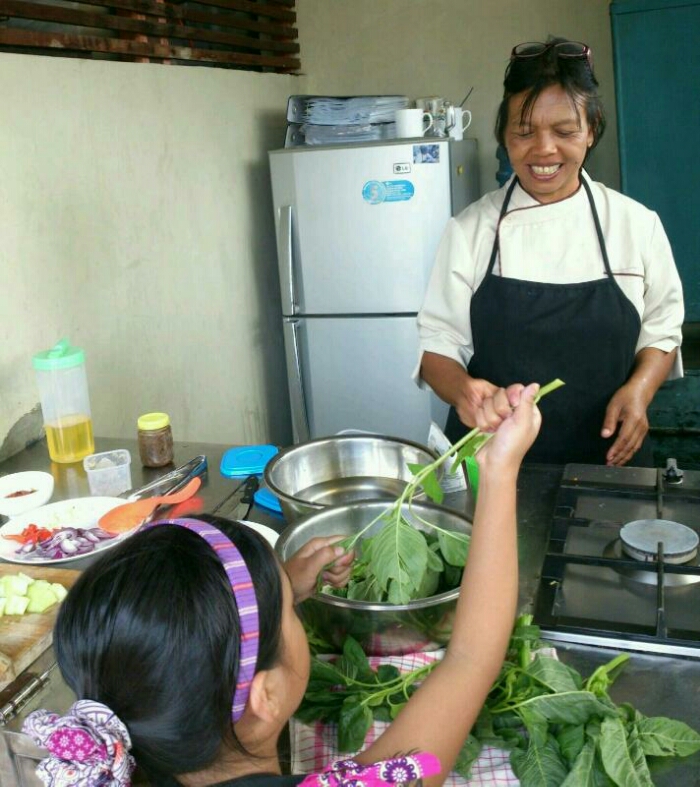
Here’s Made, the Balinese cook

image

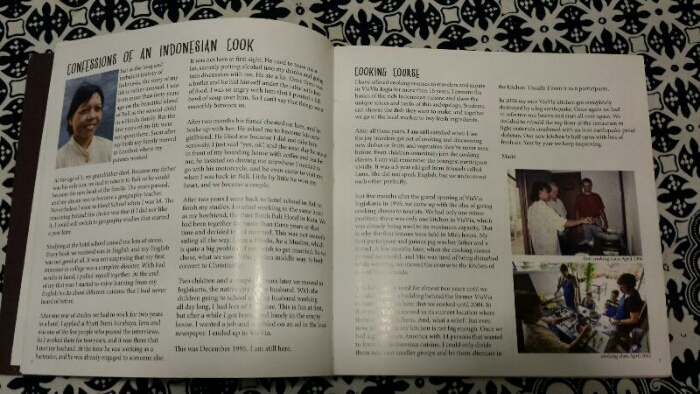
Made’s recipes in our cooking class can be found inside this Javanese cookbook

image

Here’s Made again

image

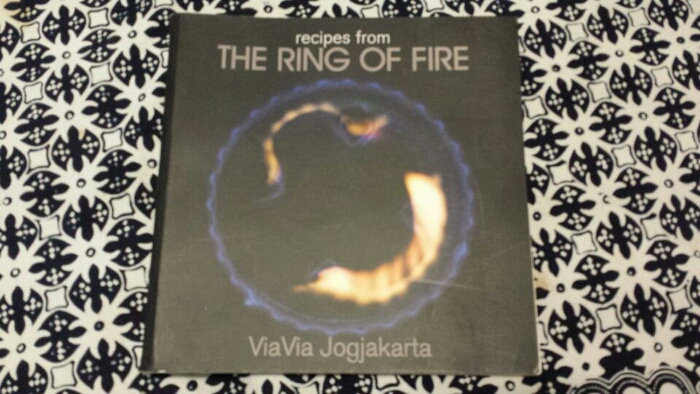
Front cover of the cookbook. A souvenir from my Jogja trip

Chestnuts

Fish Occupation

Caballas

image

Dusking in the Philippines triggers the setup of grilling stand for selling hot-off-the-grill skewered viands.  We see pork or chicken barbeque in those ihaw-ihaw/sinugba stands that materialize every night in Luzon, Visayas, and Mindanao – generally.  But those typical Filipino barbeques are not widespread in Zamboanga City. What’s typical in Zambo for evening repast are these grilled caballas.

Izakaya

Pandan in Rice

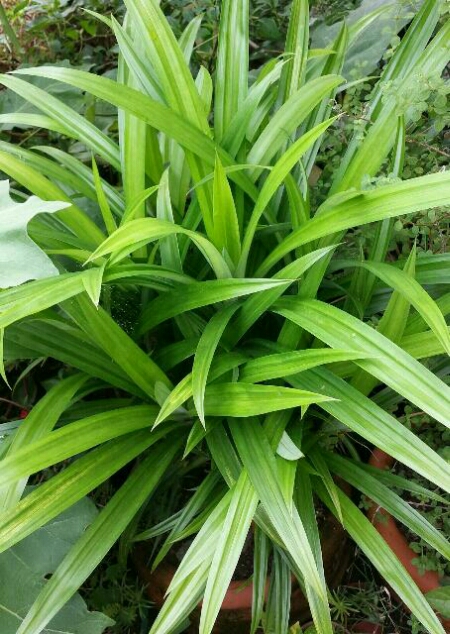
To achieve an aromatic rice every saing, include few blades of pandan leaves in the steaming.

image

My only pot of pandan plant, my source of fresh pandan leaves. Just cut few blades for saing purposes

image

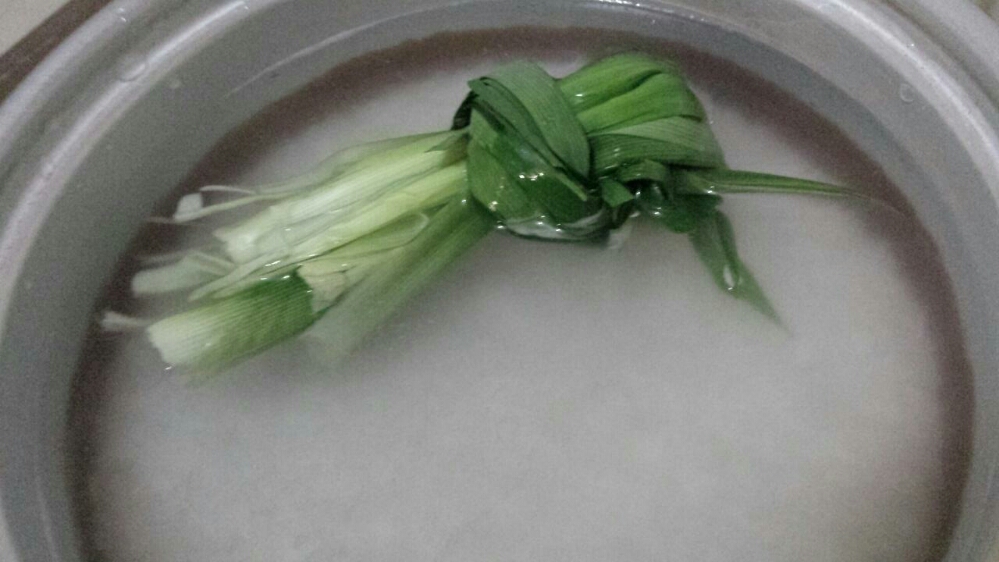
After washing, tie leaves together in the same manner as how tanglad blades are tied. Then place inside the rice cooker or caldero at the start of the saing

image

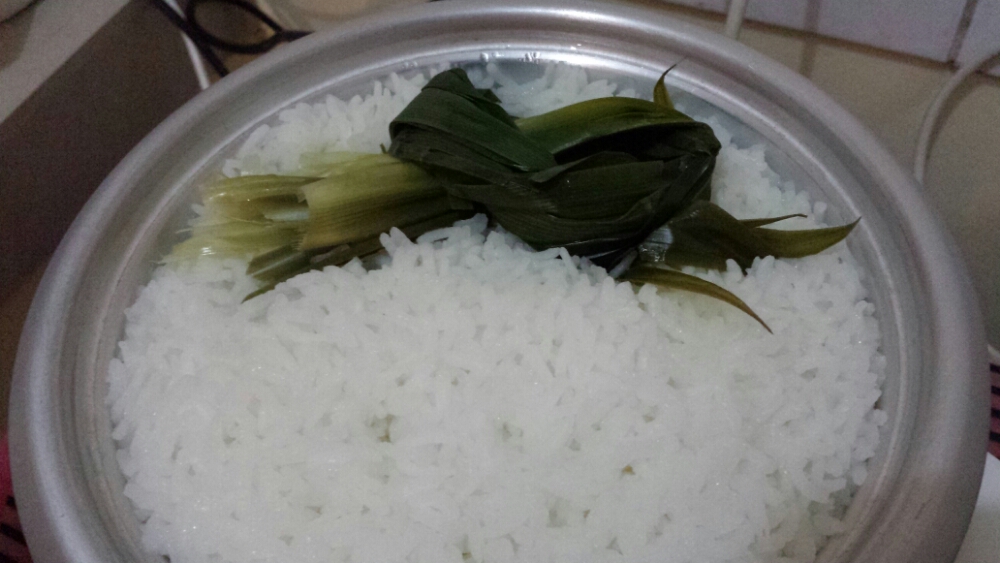
The fragrant cooked rice. Ambrosial.

Pepper from Cambodia

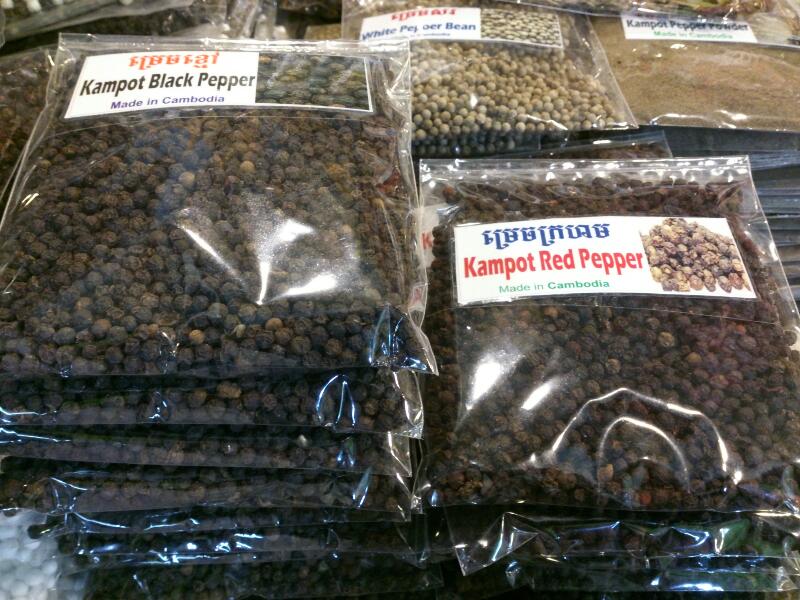
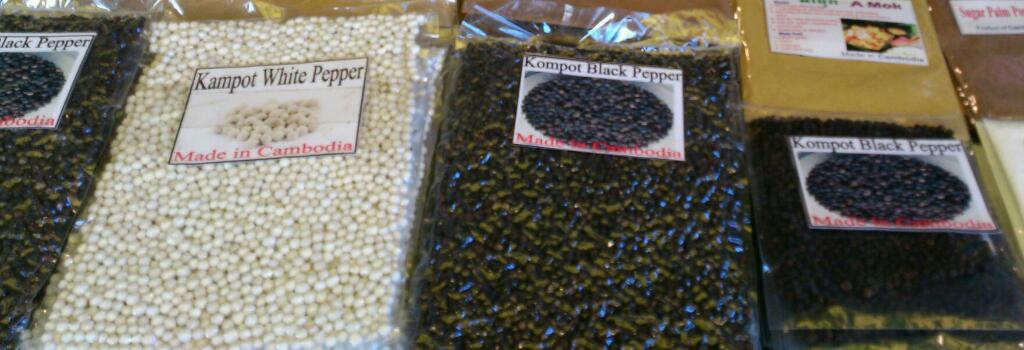
I’m not certain for the rest of Cambodia but in Siem Reap, my impression in such a short visit is that – pepper from Kampot province is the pride of Cambodia. That observation came from personal encounters of the hundreds of packs of dried black, red and white peppercorns in the market and to the viands I’ve partaken with clusters of fresh peppercorns (yes still green and still attached to the vine). Moreover, a hotel in Siem Reap welcomed me with black peppercorns wrapped in a tiny weaved box of pandan.

Bulad

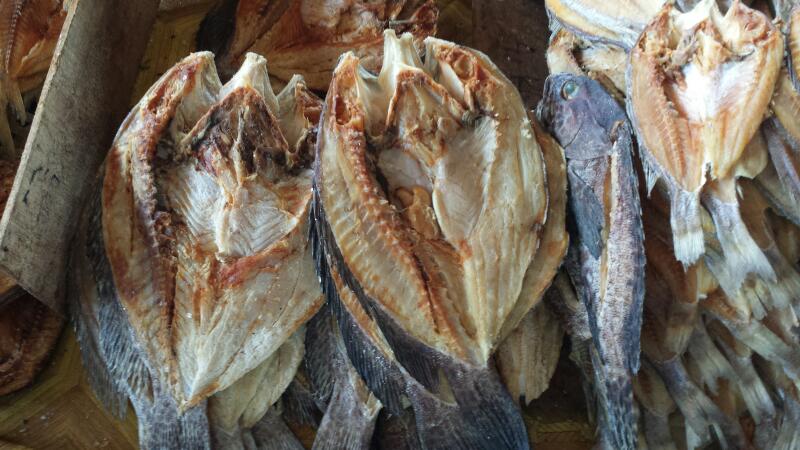
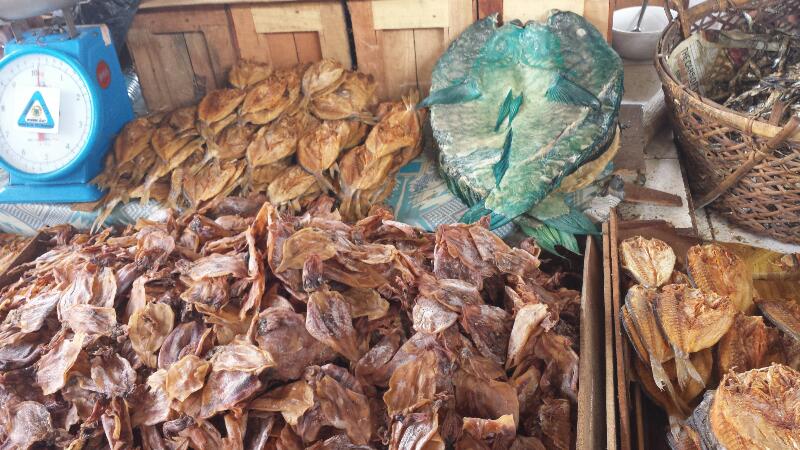
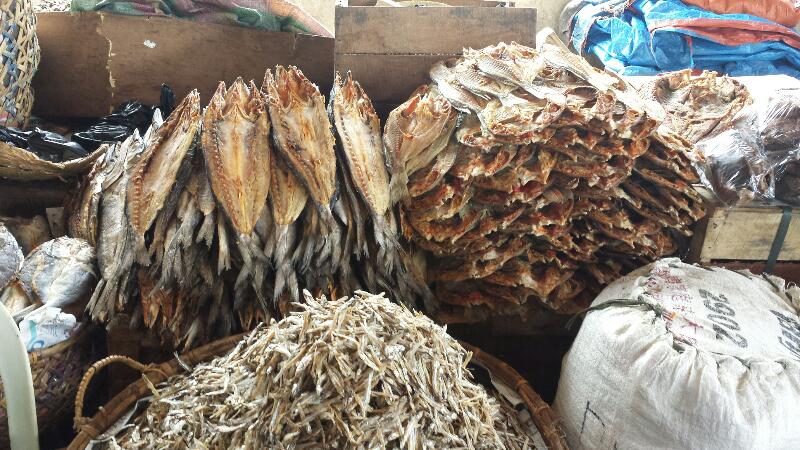
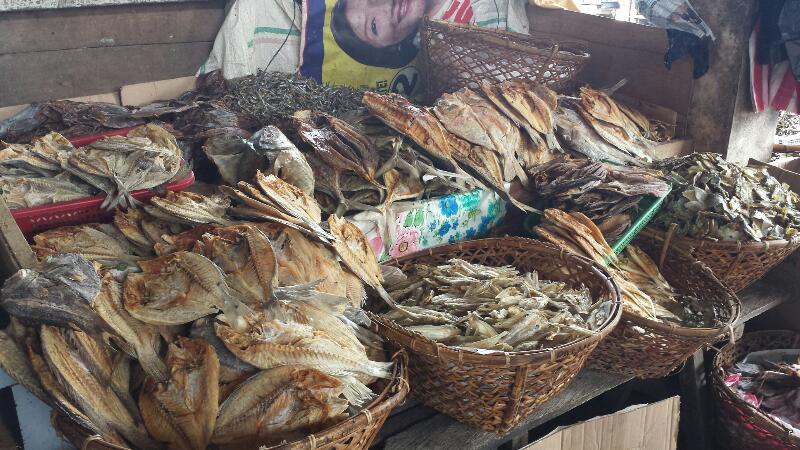
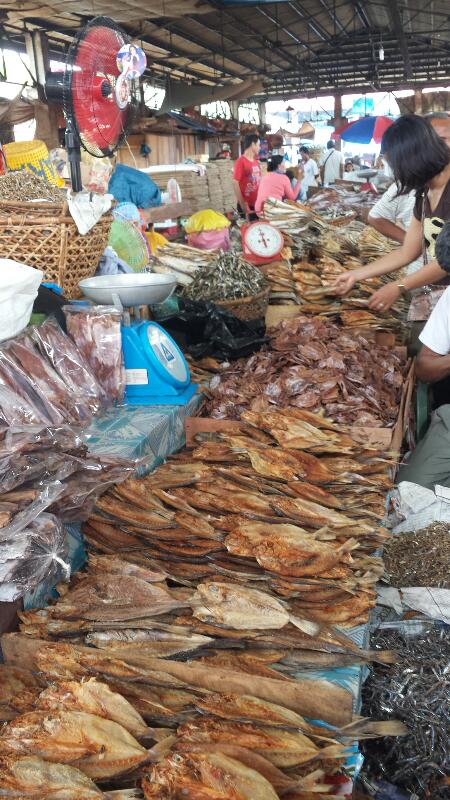
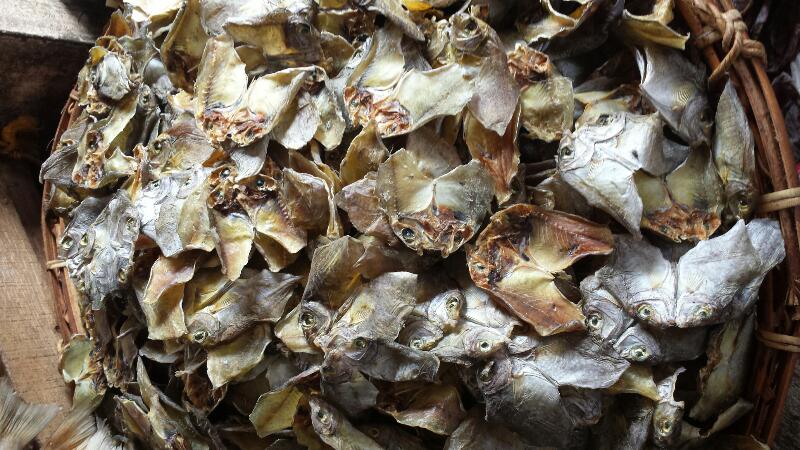
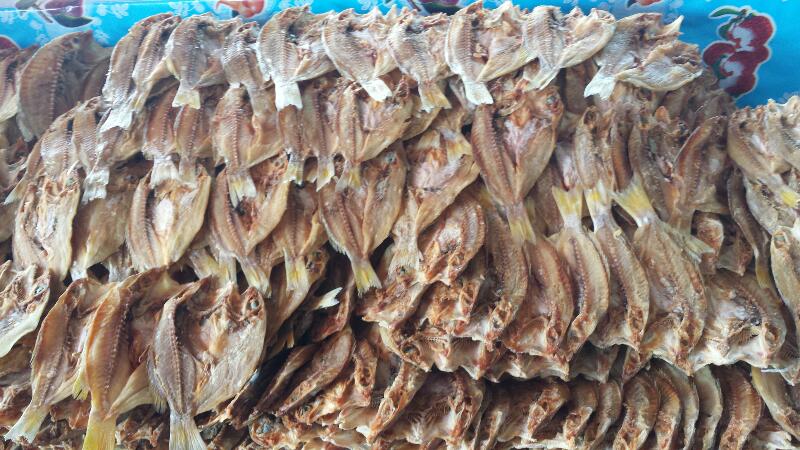
Bulad (dried salted fish) of superior quality is plentiful in Zamboanga City public market. Fried bulad with warm rice as accompaniment is best eaten mano mano (hand as utensil). Moreover, think of bulad as fish bacon.

image

Lapu lapu

image

Dried squid and isda sa bato (that green one)

image

image

image

image

Danggit

image

Typography: Rolling Ice Cream

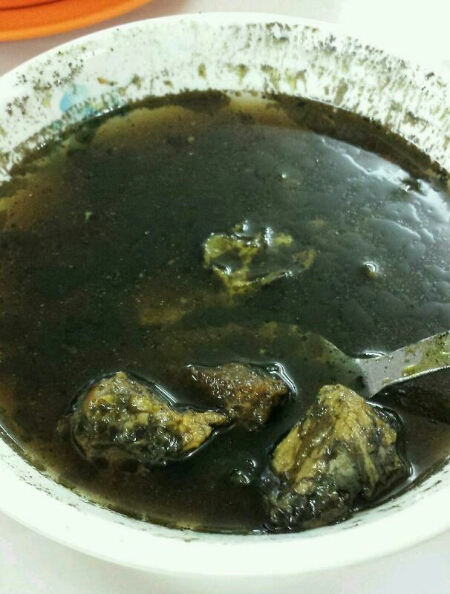
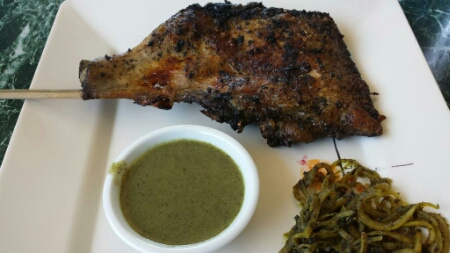
Black Viands

A couple of Tausug viands where the black color comes from burnt coconut.

image

Tula Itum: Spicy beef soup

image

Chicken Pianggang: A variant of grilled chicken

Señor Pagi Vendor

image

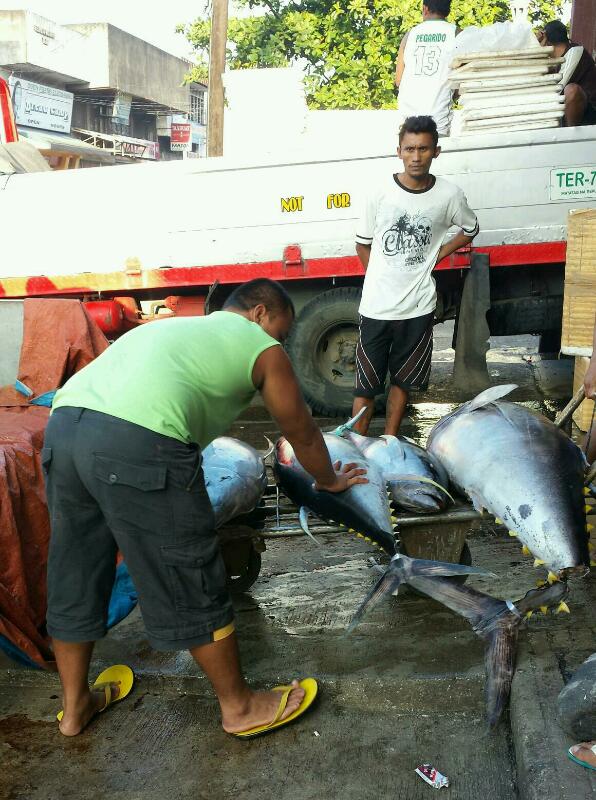
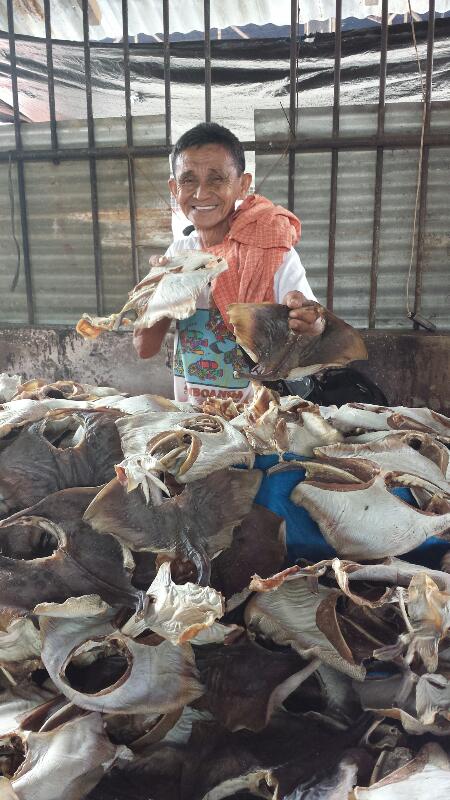
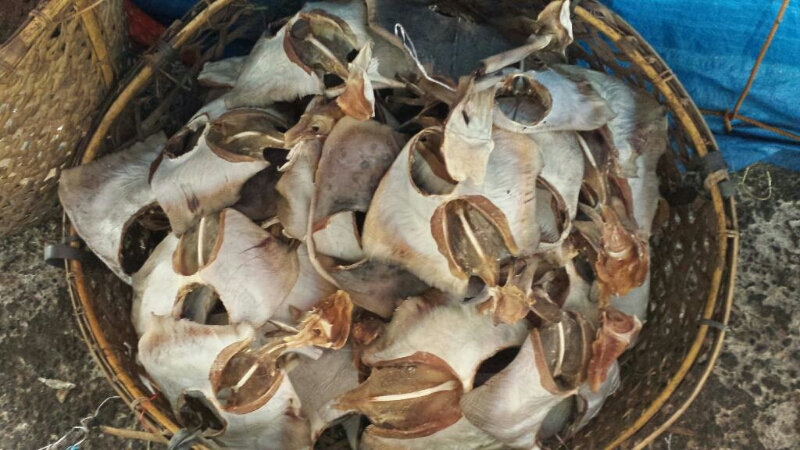
This señor is selling dried pagi (stingray) at Zamboanga City public market

Upon seeing me taking snapshots of his rays, he funnily posed. This señor and the rest of them palengke folks love to have their photographs taken. This is what I’ve observed with palengke vendors anyplace, and so I oblige each time, and they were giggly happy afterwards. I never tried to ask a vendor to pose for me, they just do it, and they’ve consistently amused me.

image

Señor's stock of dried pagi in the bamboo basket

More often than not, this sort of welcoming atmosphere gives me a chance for some cordial exchange in bisaya dialect. That’s how I usually acquire firsthand local knowledge of their trade.

Buriring Season

image

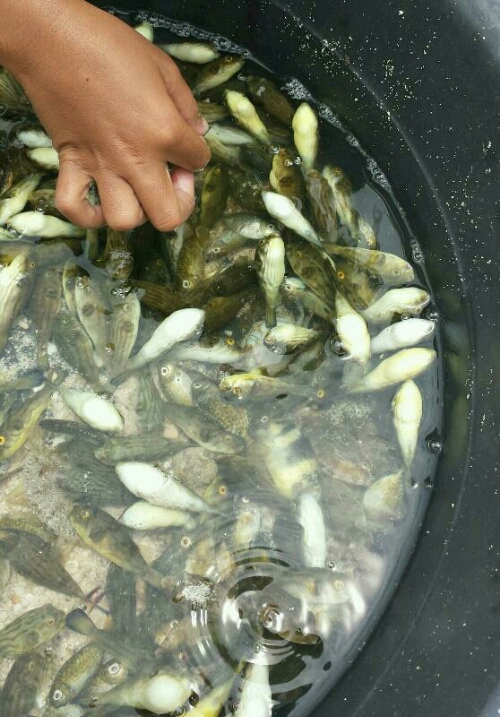
The defense mechanism of buriring is to inflate but the container is too small for everyone to puff up

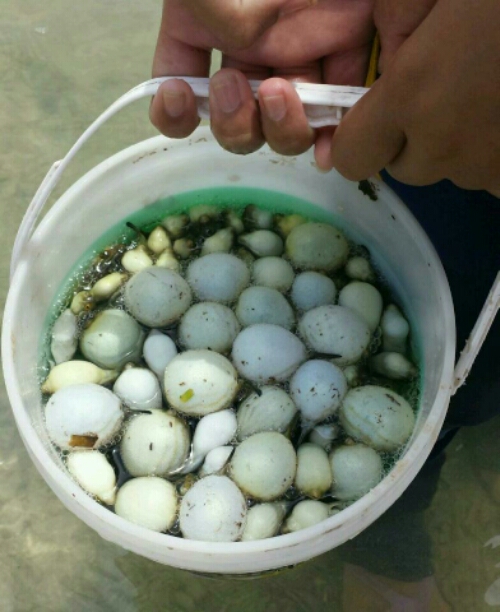
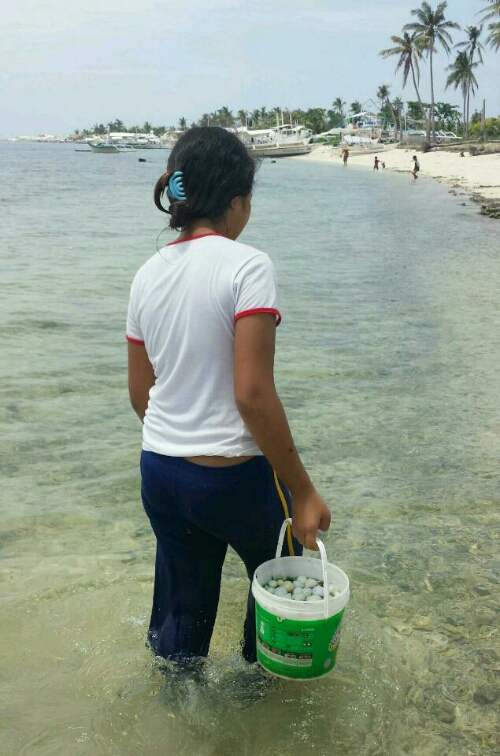
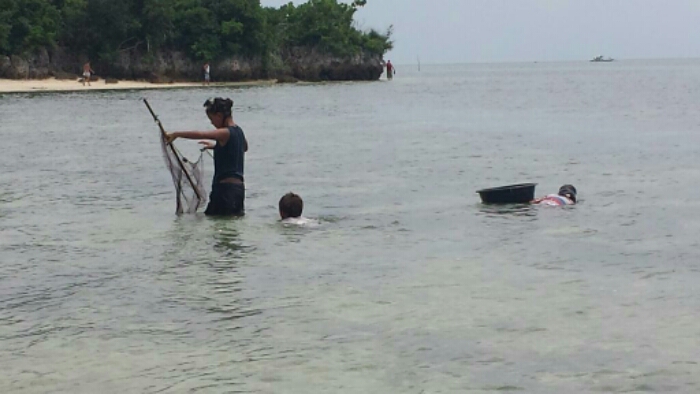
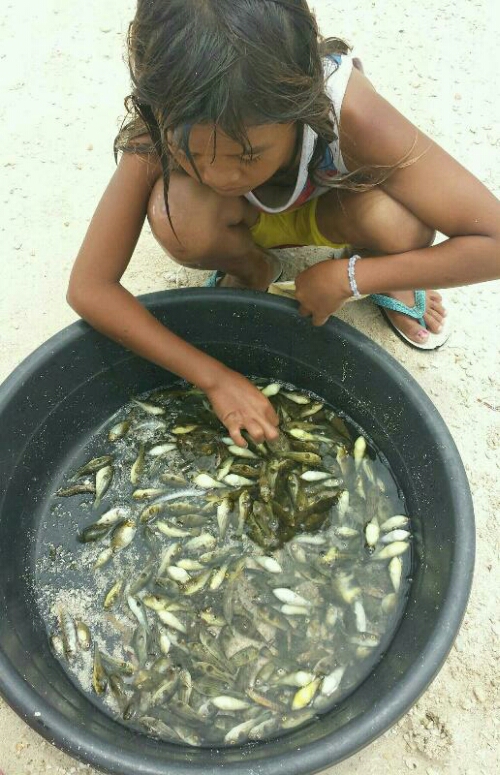
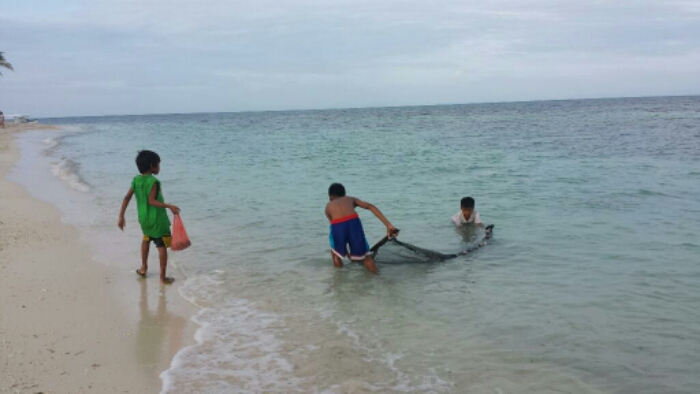
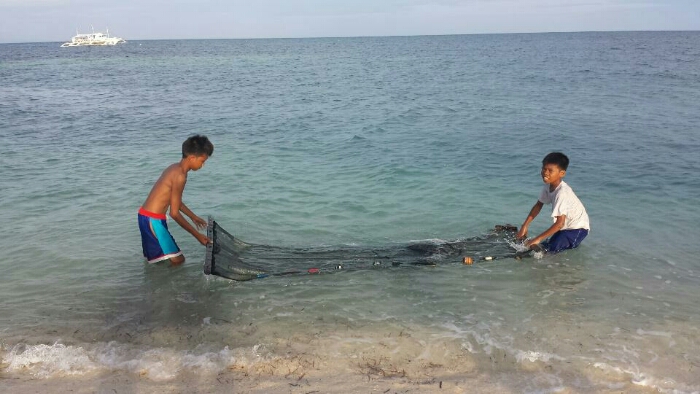
When I was in Malapascua Island at the end of July until early days of August, I came upon residents gathering buriring (pufferfish) just near the shore of the beach. This small edible species is being fished for local consumption.

image

Her dinner probably

image

A tub for the catch

image

A closer look of buriring in its normal size

image

Keeping it alive, keeping it fresh

image

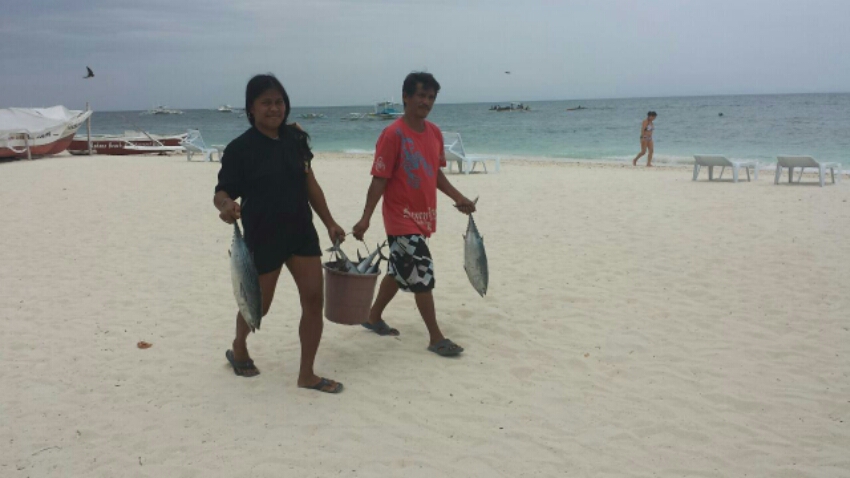
Buriring fishing instead of playing or schooling

image

Packing-up time for mission was accomplished - dinner procurement

image

A shopping bag-full of catch

image

Bloated yet truly cute

A Table of Binignit Ingredients

image

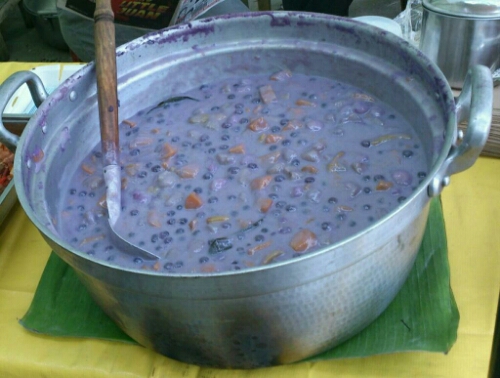
A table of binignit ingredients seen in Carbon Market, Cebu City. They are even retailing the vanilla flavoring (near a bunch of plantain)

Binignit is the Cebuano variation of ginataang halohalo. A sweet mixture of root crops such as sweet potato and yam, also plantain, sago, landang, jackfruit and rice balls stewed in coconut milk.

image

Closer look of the sago. Food color makes binignit visually appealing

image

Landang for a thick and filling binignit

image

Binignit

The Making of Puto Maya

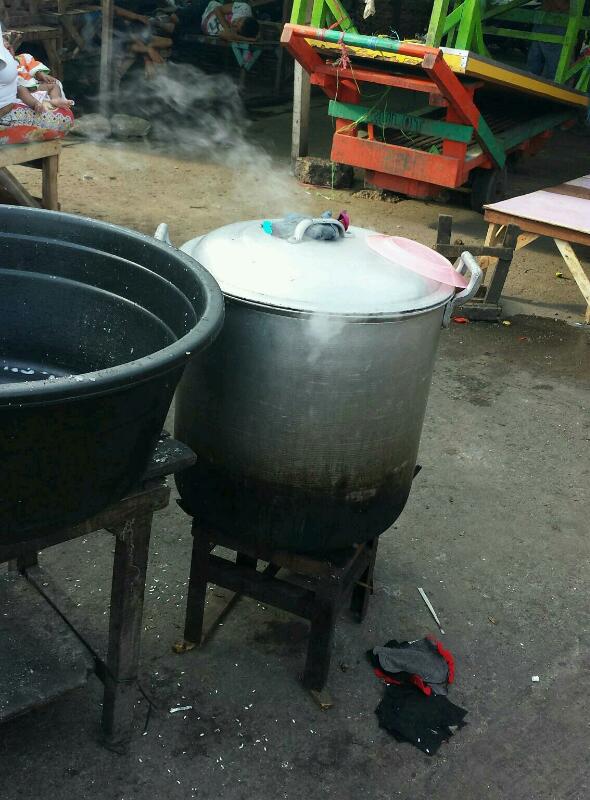
I chanced upon this guy steaming glutinous rice and about to make puto maya in Carbon Market. Here’s a photo narration in the right sequence of this guy’s method in making puto maya.

image

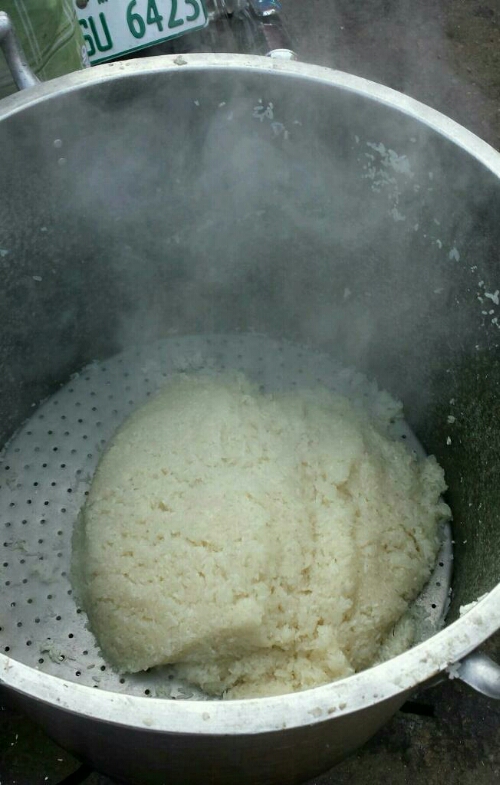
Steam the glutinous rice (bugas pilit) al dente in the caldero

image

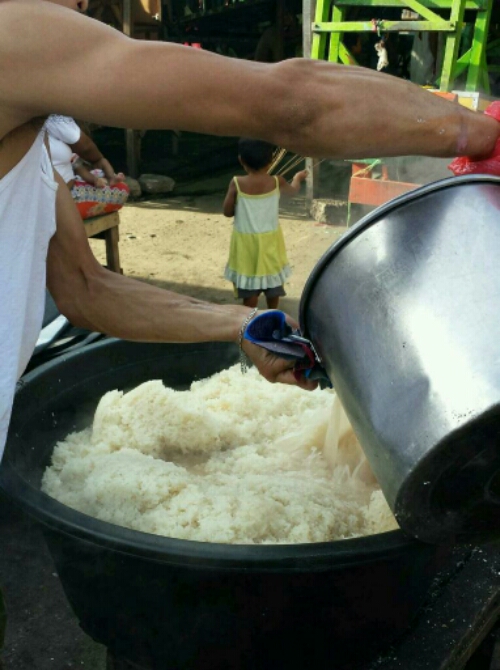
In a sando plastic bag covered hand, use plastic plate to transfer the steamed pilit into a tub

image

Prepare a mixture of coconut milk (gata) and sugar with salt

image

Pour the gata onto the cooked pilit

image

Mix well the gata with the cooked pilit using the versatile plastic plate

image

Put the well mixed pilit back in the caldero

image

After putting everything back, steam again until fully cooked. From what I gather from the guy’s conversation with another person, this puto maya was ordered for a wake

image

A jolly puto maya vendor in Carbon Market. Another type of glutinous rice for this one known locally as tapol. My favorite

image

Got some puto maya from the jolly vendor

Meanwhile…

The partaking of some Cebuano fare which can only be captioned well in the local dialect, particularly:

image

Lami gyud ang tinowa na isda

image

Mao sad ang sinugba na isda

image

Unya apilan kining guso, kanang utan gikan sa dagat ba

image

Usahay mangita man ko ug mais kay bagay man sa tinowa

image

Gimingaw man ko sa ngohiong ug puso