Coconut Accoutrements

image

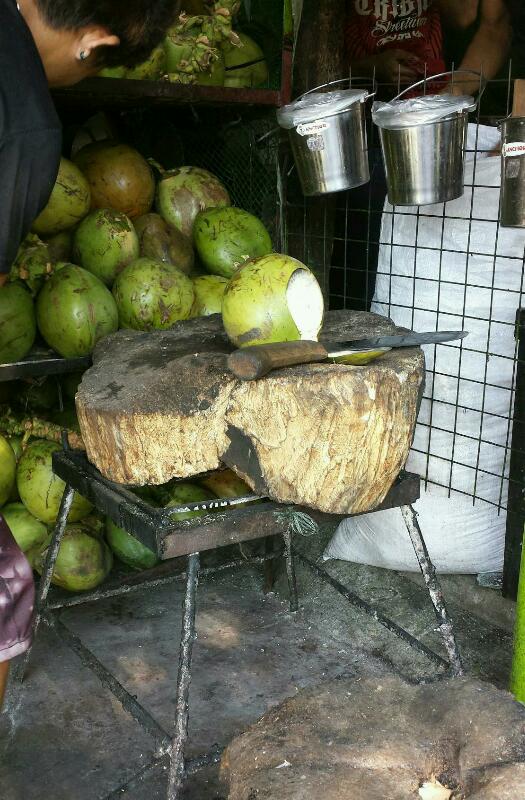
Accoutrements: Sliced tree trunk as chopping board, bolo, and tin buckets for easy decanting of coconut water into a plastic bag

The coconut guy in his small coconut shop would want to know first what you need it for. Usually you’ll say it’s for buko salad, or you need the water as beverage, or whether you’d want the meat thick, or gel-like and runny, is enough information. With that knowledge, his itak (bolo) would then make a tap tap on the hard shell and depending on the sound, he’d know which coconut is the right one for you.

image

Hands free pouring of coconut water into the bucket while busy selecting another coconut

I’ve been here twice already for the same purpose – to buy three coconuts to make agogo (ice candy). Each time, he’d cut all chosen ones for me on the sliced tree trunk as chopping board, then save the water in a plastic bag, and will manually grate the meat for you, but I stopped him for I opted to do it myself at home (downside was I had to lug all three coconuts). All these value added services are free for each coconut that he’s selling at Php20 (.457 USD) only. Labor is indeed dirt cheap in this country. Though unintentionally, the coconut guy gets a nice arm strengthening workout on the side. I’ve never seen a fat coconut guy.

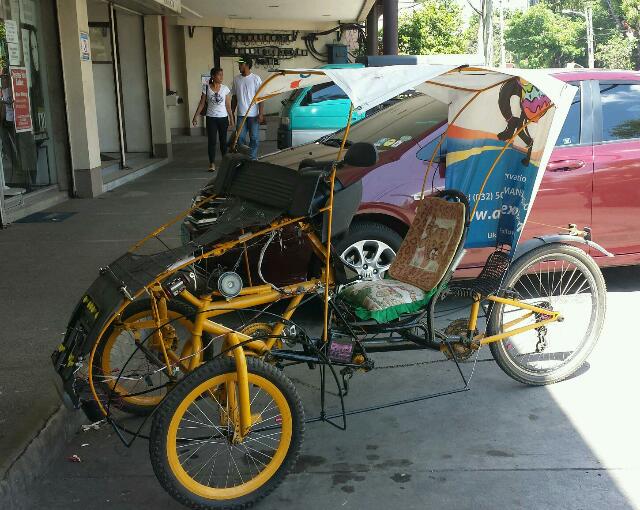
Repurposed Tarp as Trike Roof

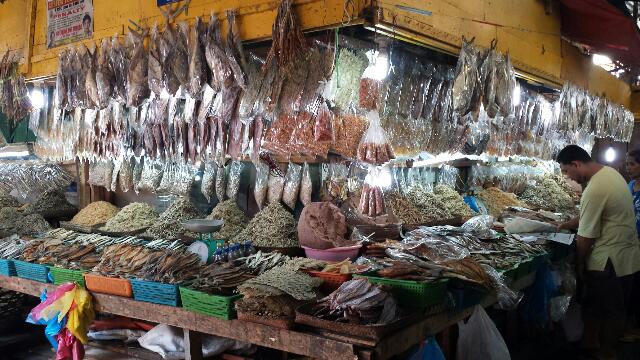
Salty Stall

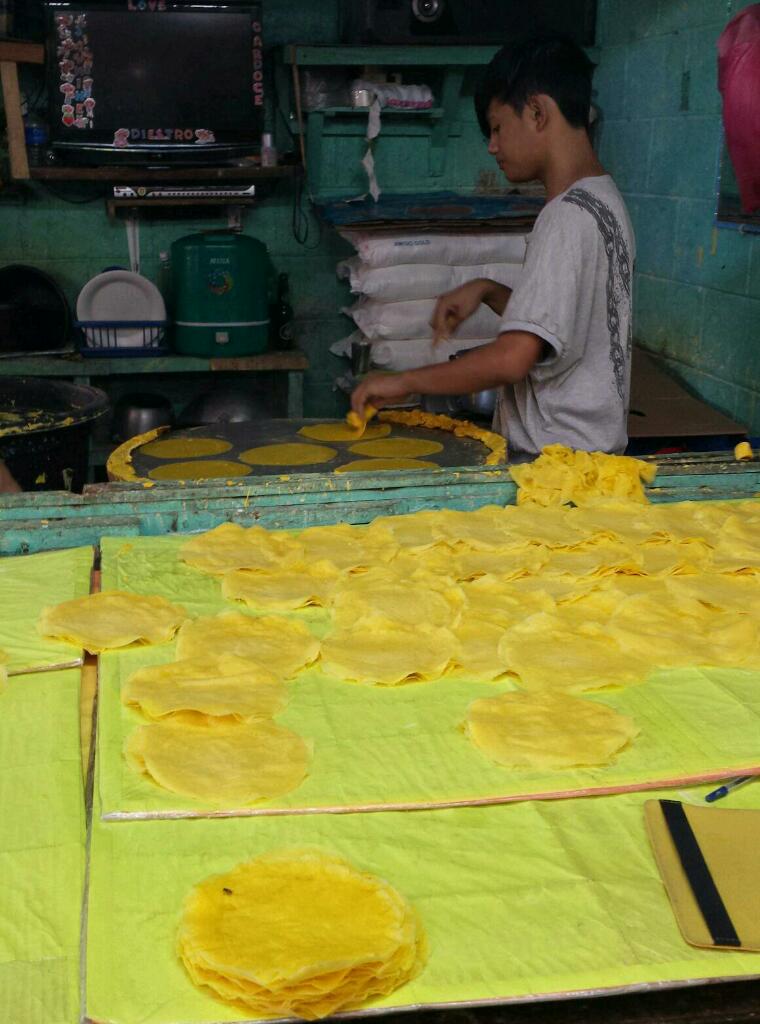
Lumpia Wrapper Maker

Nukazuke

image

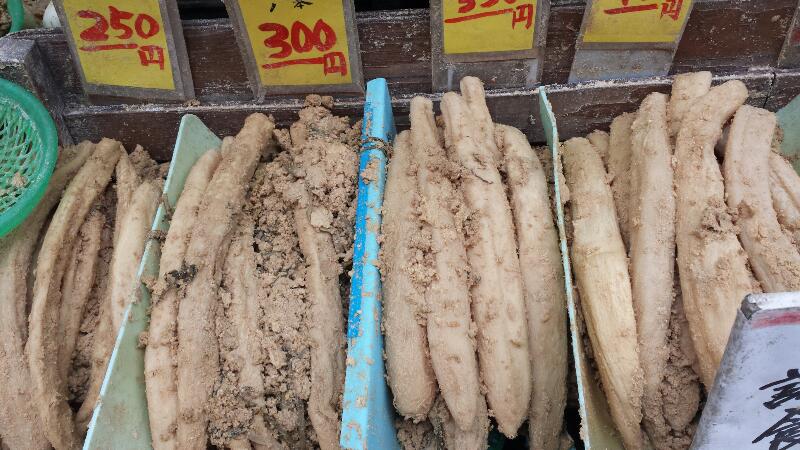
Nuka bed in plastic buckets

There are countless of variations man has come up with when it comes to preserving vegetables. In Japan, they have this nukazuke and it refers to vegetables that were fermented using roasted rice bran.

image

Sometimes it's more healthful to eat fermented radish than fresh ones

Nukazuke is a subset of what they call tsukemono, a general term for preserved vegetable or fruit. Rice bran fermentation is just one of the many methods in preparing tsukemono.

image

image

Easy to locate this shop selling fermented stuff along Minowa covered street, just follow your nose

Jeepney Fare Sorter Tray

image

A customized wooden tray for sorting coins with a recess for sorting rolled paper bills. Makes it easy for the jeepney driver to deposit fare and give change while handling the wheel at the same time.

Arinola Cashbox

image

Red arinola hanging in this fruit stall at downtown Iloilo

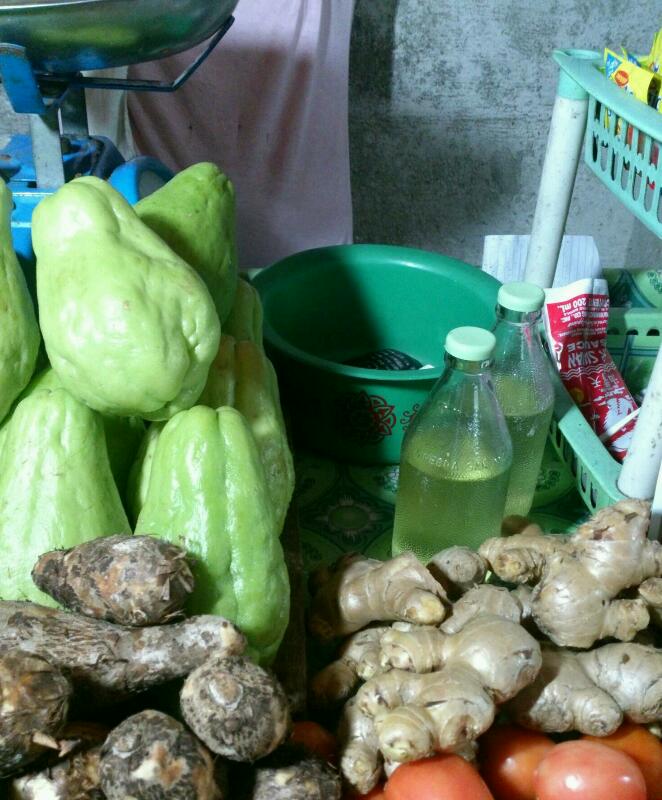
For the palengke or roadside vendors it seems that the portable potty (arinola) is the most efficient receptacle for cash. I’ve seen this type of cashbox-arinola phenomenon all over the country.

image

Arinola is the green one behind the bottles. Seen at a talipapa in Metro Manila

Territorial Mascots

image

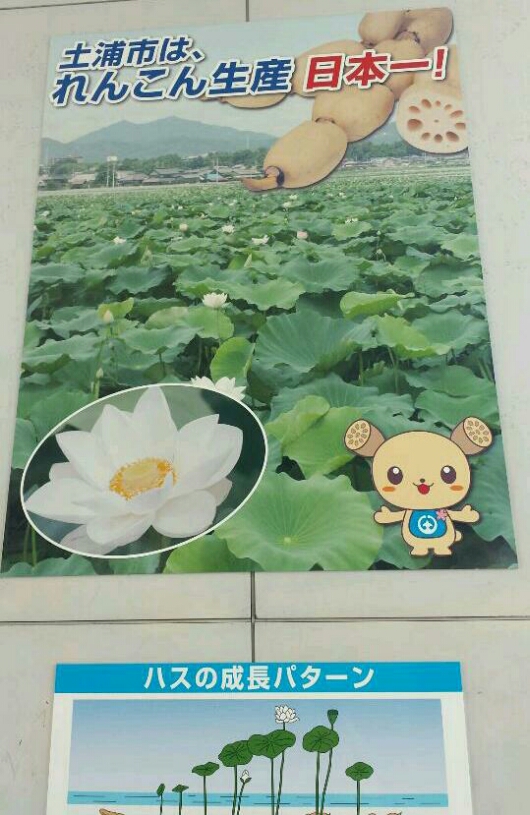
Tsuchiura City in Ibaraki Prefecture is known for its lotus root production and so its mascot somehow depicts its specialty. See the ear of the rodent-like character; it's the cross-section of a lotus root. (This is a local tourism poster at Tsuchiura train station)

I’ve seen how Japanese love to use mascot to represent a place, be it a city or an institution. In some way it’s interesting to note that they found a way to create an identity of sort in a cute way.

image

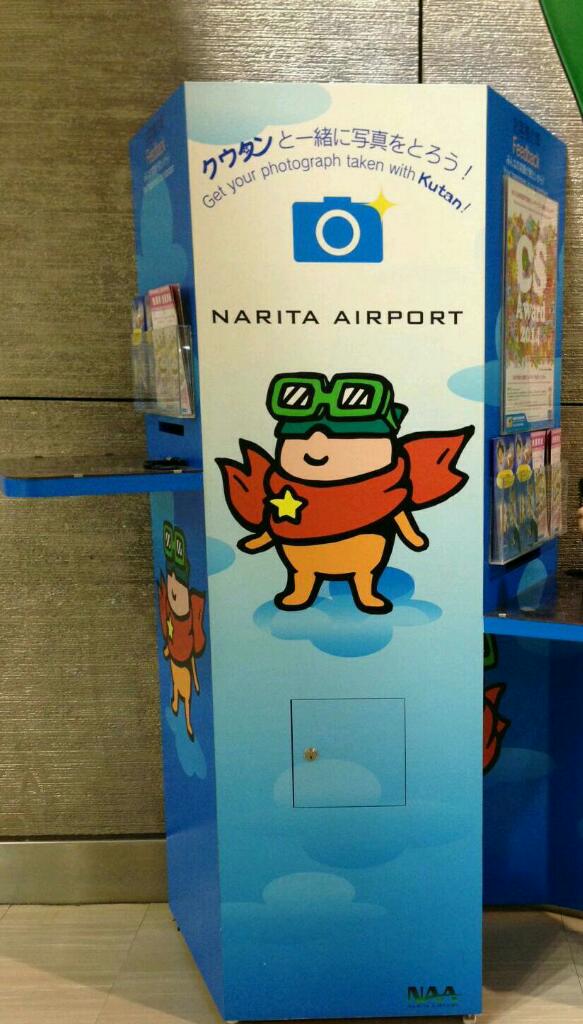
Kutan, the mascot of Narita Airport

From what I’ve observed, local governments largely use these mascots for local tourism campaign and to promote their specialty in a fun way.

Guinamos Mound

image

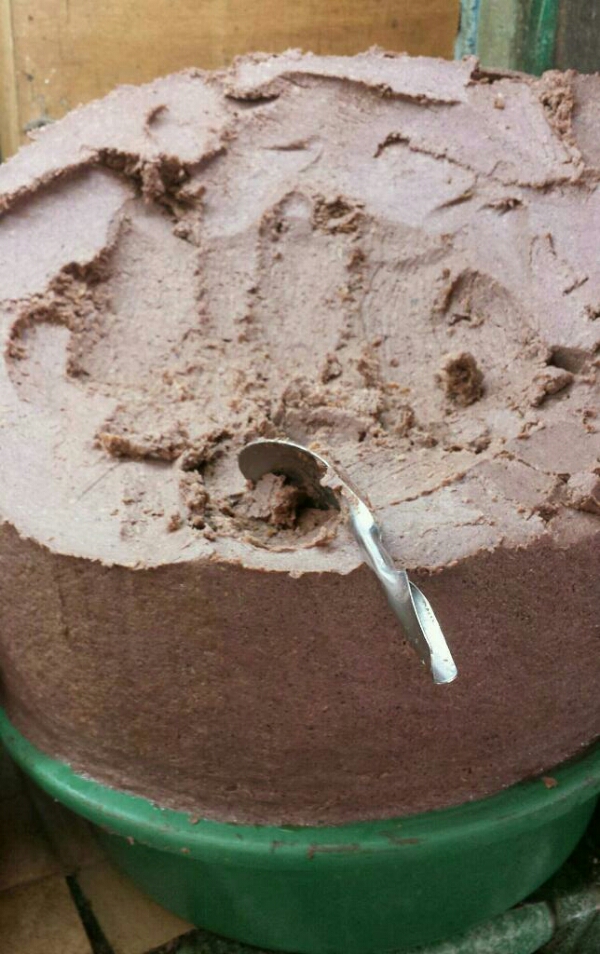
Heaps of guinamos (salted shrimp fry paste)

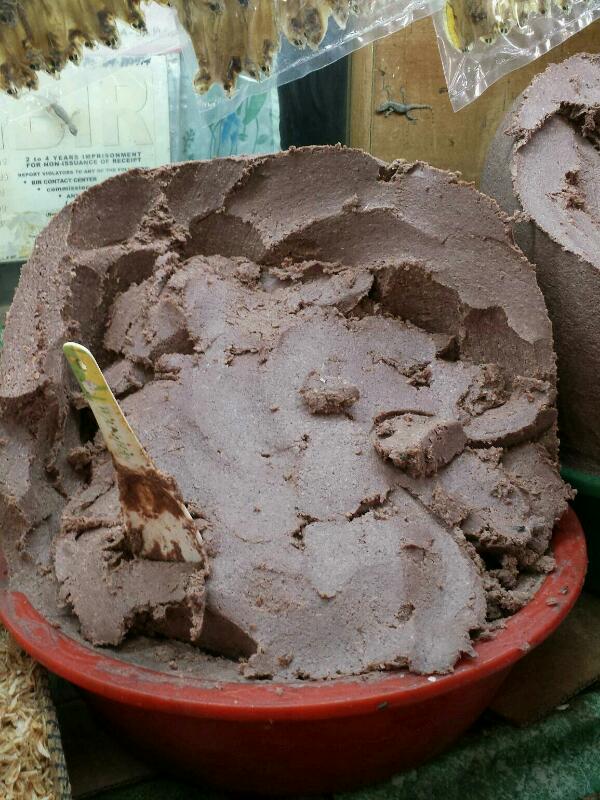
The guinamos vendor at Iloilo City Central Market procures 100 kilos of guinamos that will be then split into mounds of 50 kilos per plastic tub for retailing.

image

The two lizards in the background love the smell of guinamos, I suppose

Live Ornamentation

image

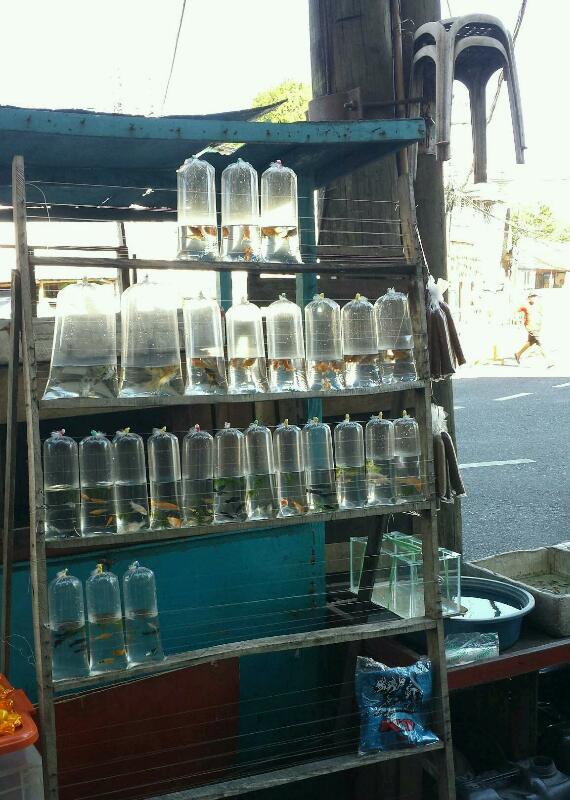
Looks like the aquarium fish vendor found a way to make his seating theft proof

Goldfish and other aquarium fish for sale on a sidewalk in downtown Iloilo.

Flying Folk Art

image

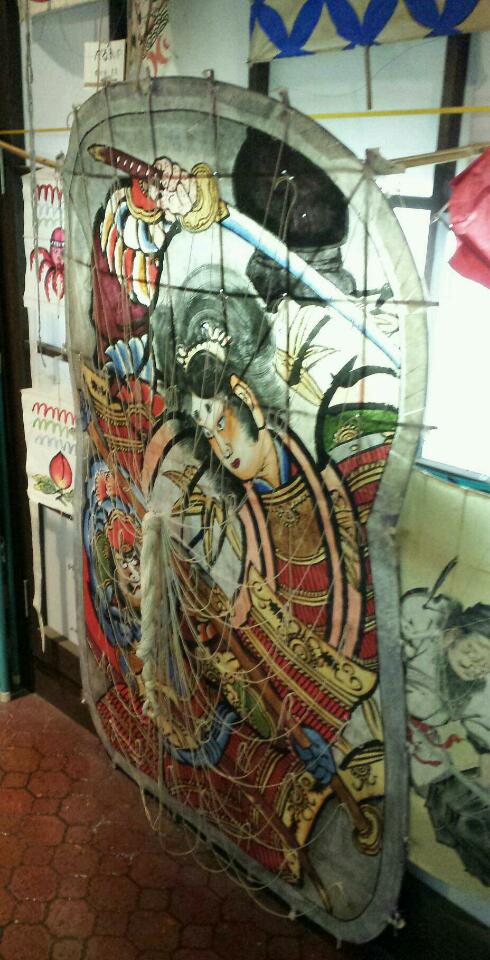
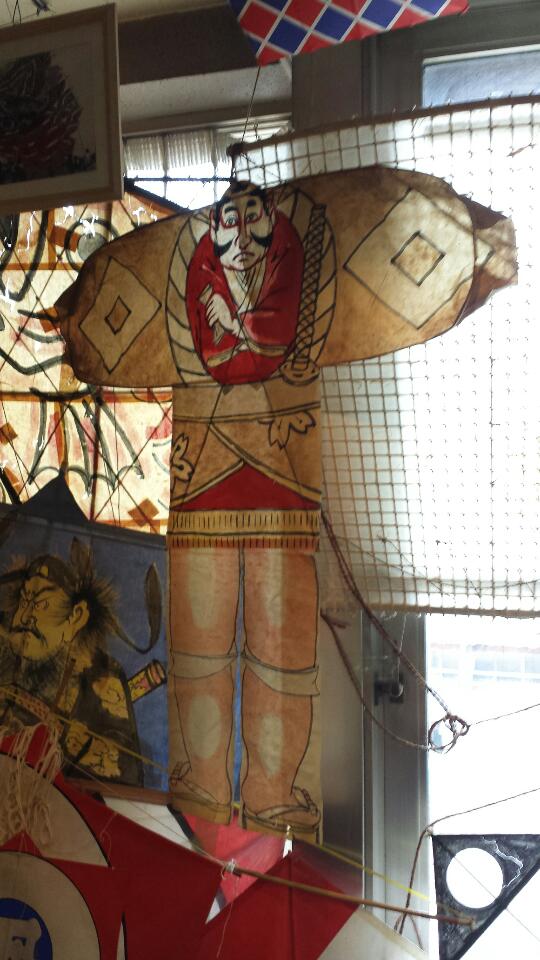
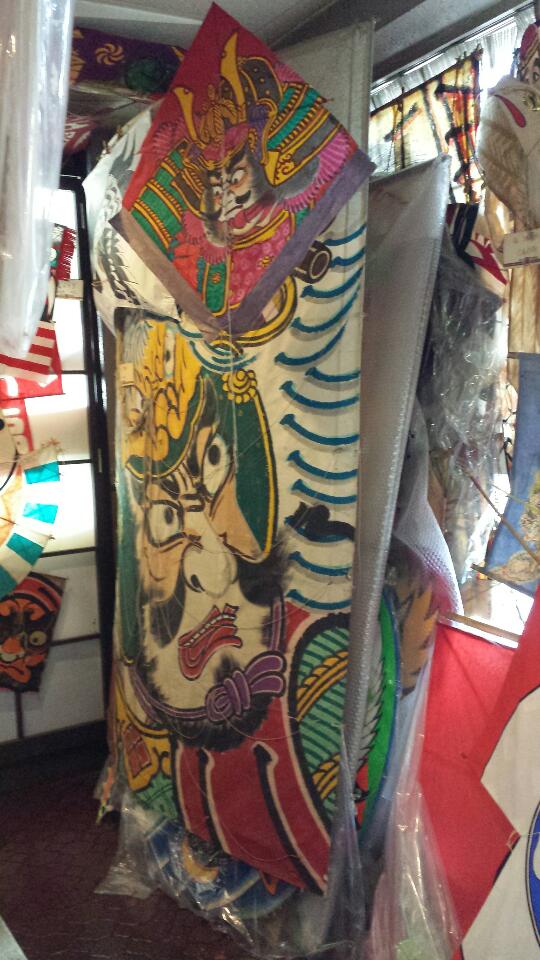
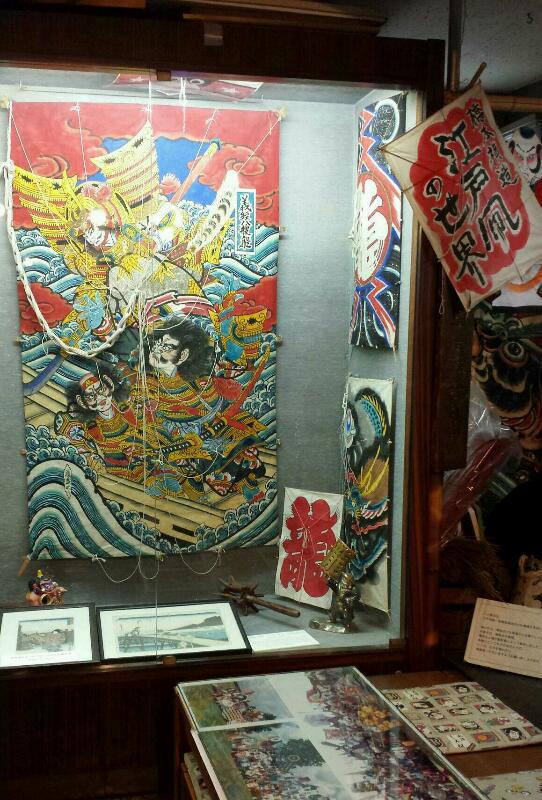
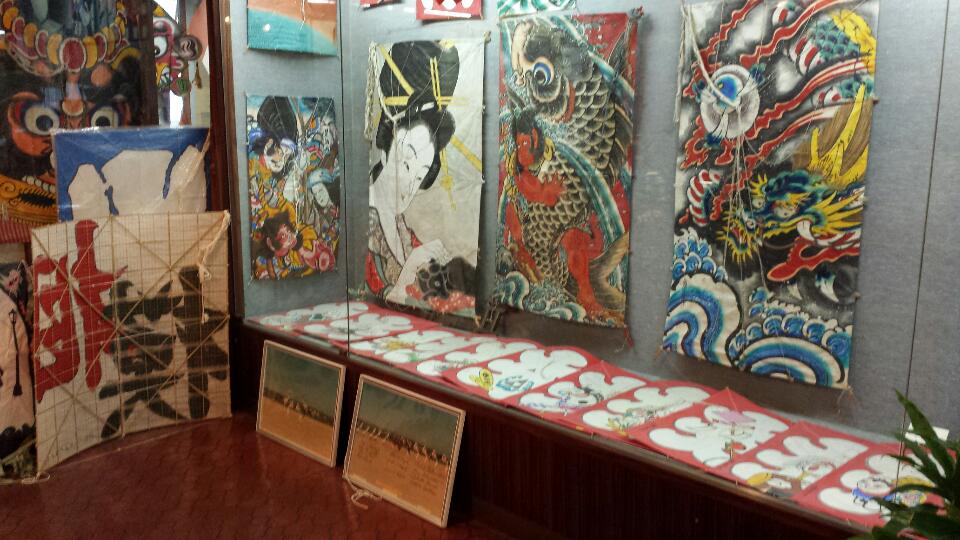
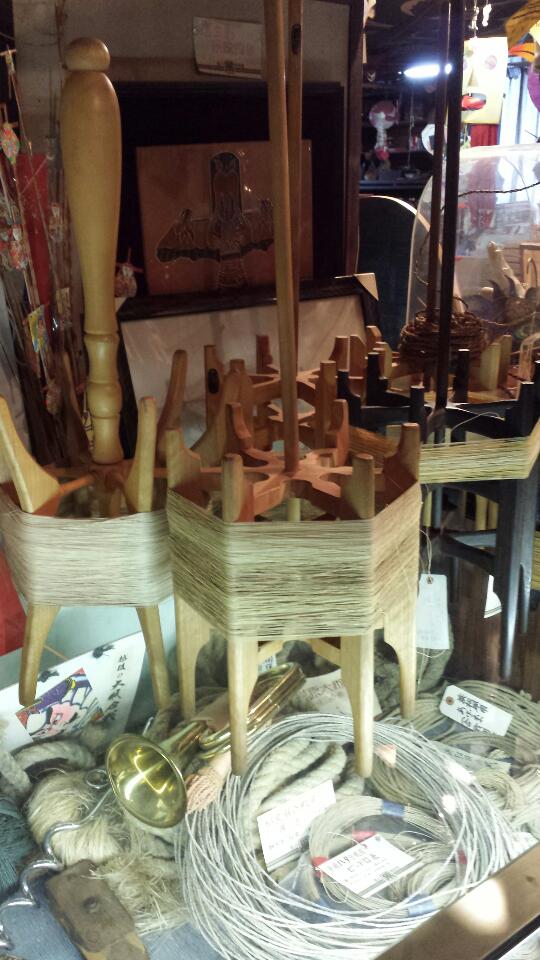
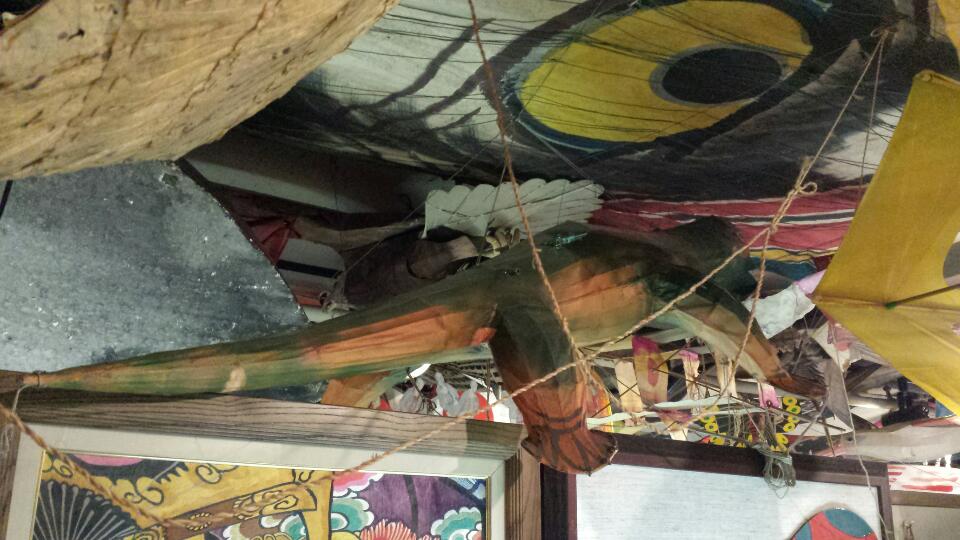
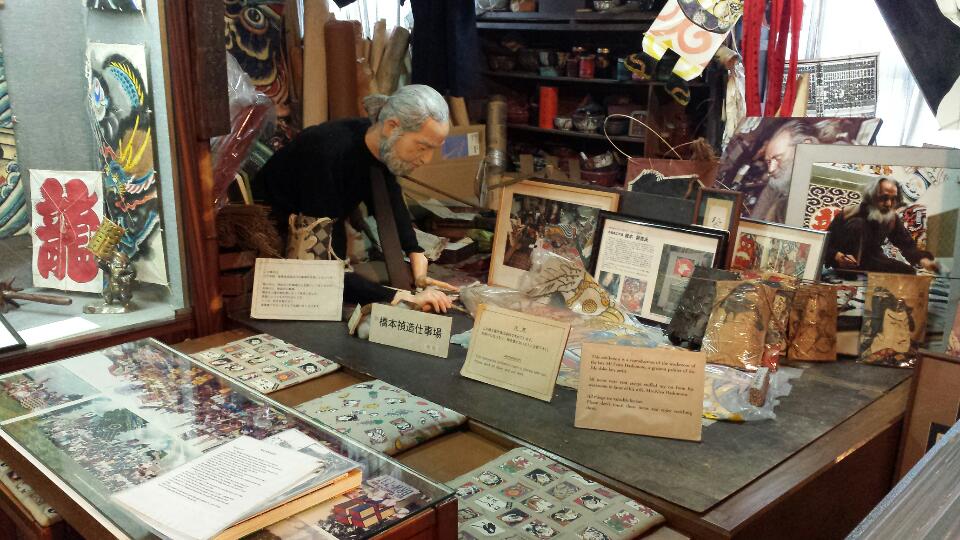
In Nihonbashi, Tokyo, there is this private museum of traditional Japanese kites at the 5th floor of a building where the Taimeiken restaurant is. These are the private collections of Mr. Shingo Modegi, the former master of the Taimeiken restaurant. His successor Mr. Masaaki Modegi is presently the restaurant master and curator of the kite museum. We truly have to be thankful to these two for sharing this wonderful collection.

image

Kite flying is a folk game not just in Japan, but other countries as well. Variations come in the form kite’s craftsmanship. I’ve seen the wau kite in Malaysia with its elaborate detail and moon-like form, very beautiful enough for this cultural icon to be used by Malaysian Airlines as their logo.

image

One day, I really have to see for myself these kites actually flying at the festivals in Kelantan, Malaysia or in Shizuoka, Japan. For these kites aren’t just folk games, these are flying folk arts.

image

image

image

image

image

image

image

image

image

image

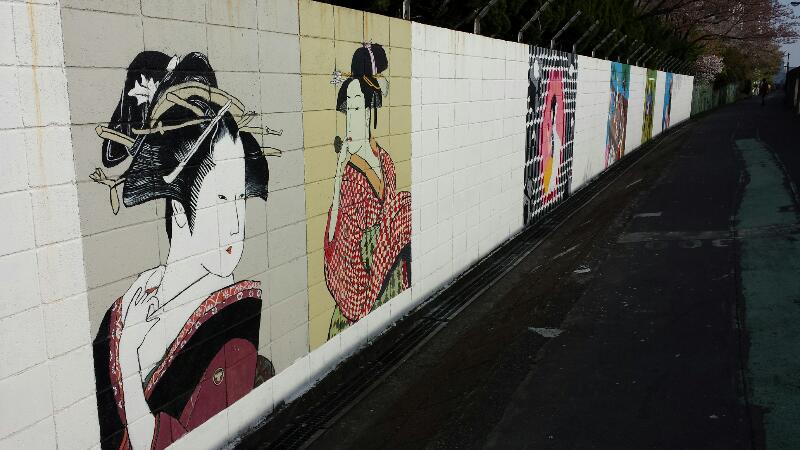
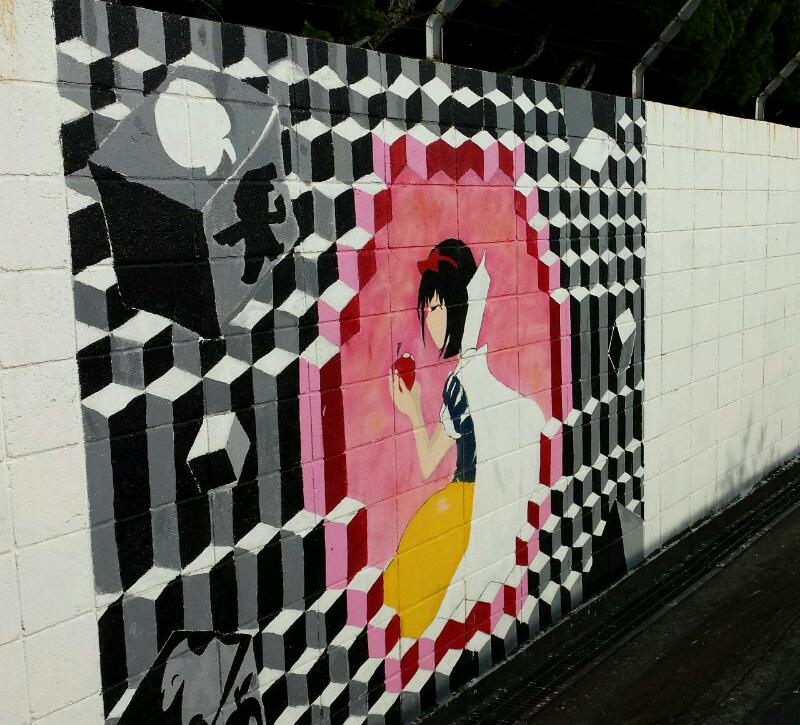
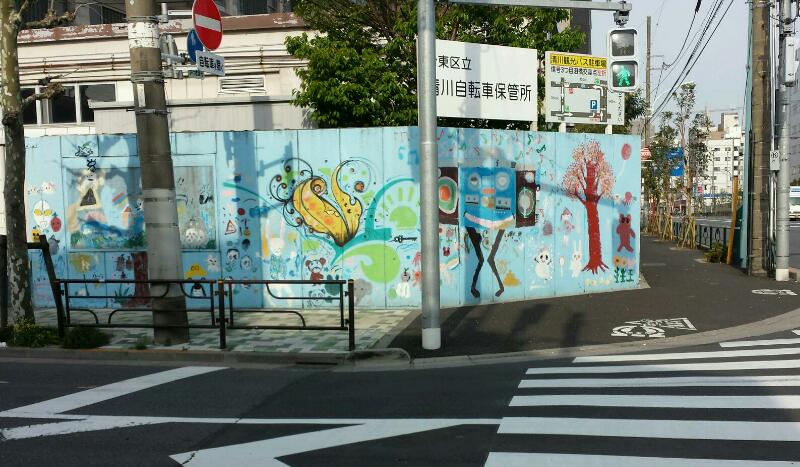
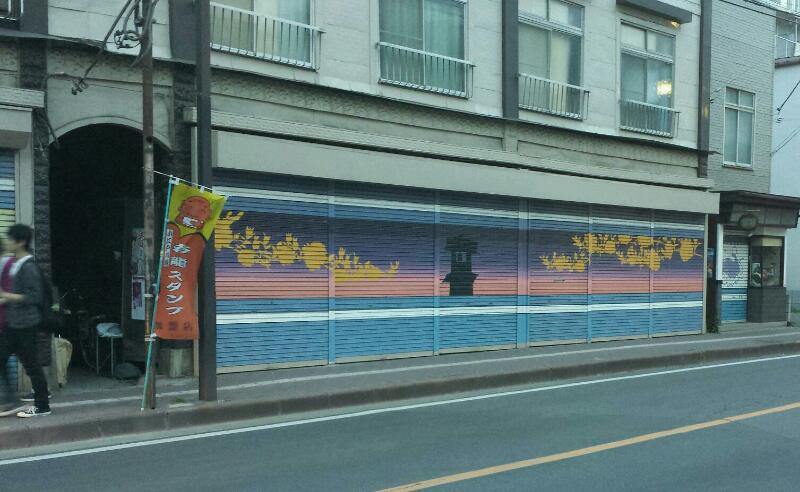
Tokyo Snapshots: Wall Art

Today’s Weather: Bring an Umbrella

image

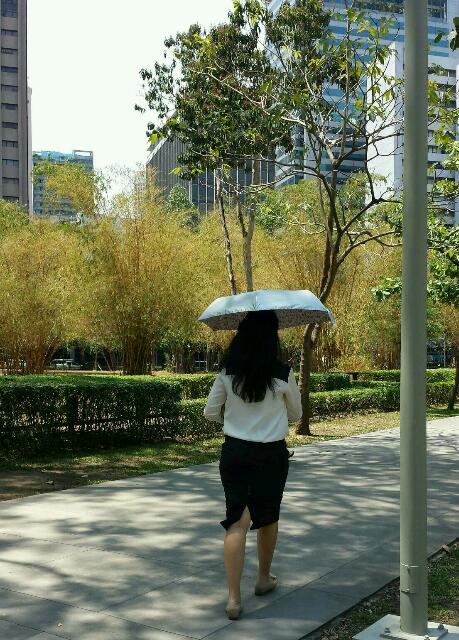
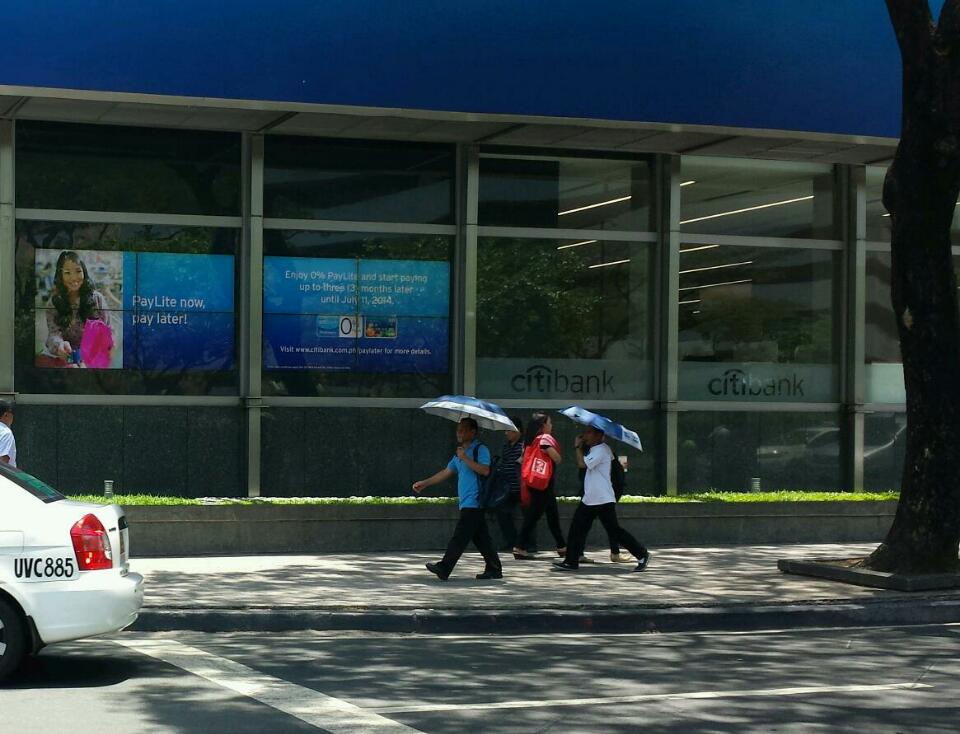
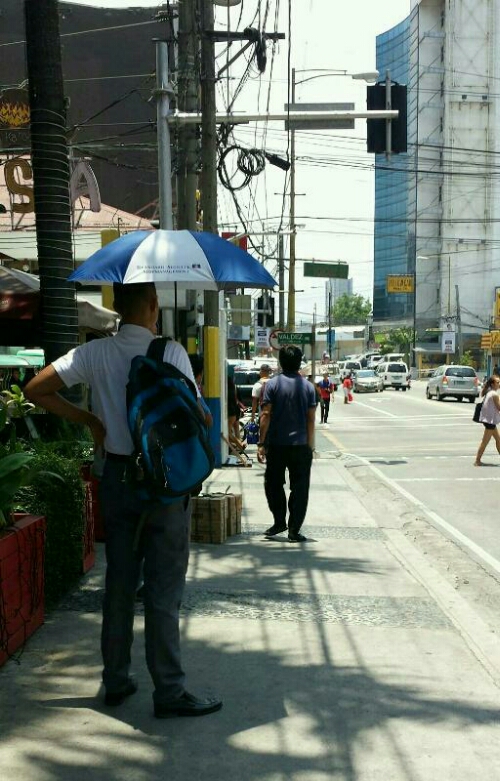
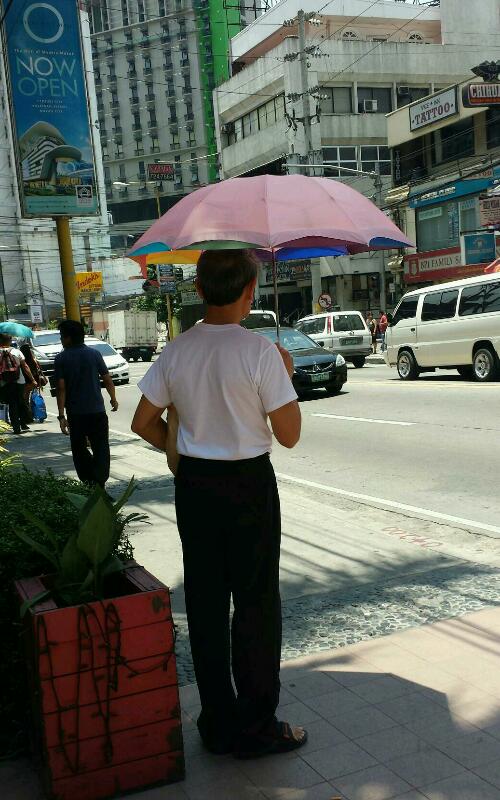
Too hot in the country these days, so bring out an umbrella…and that statement isn’t illogical.

image

Men in umbrella. See what I mean?

image

See what I mean?

image

Can't risk a heatstroke

image

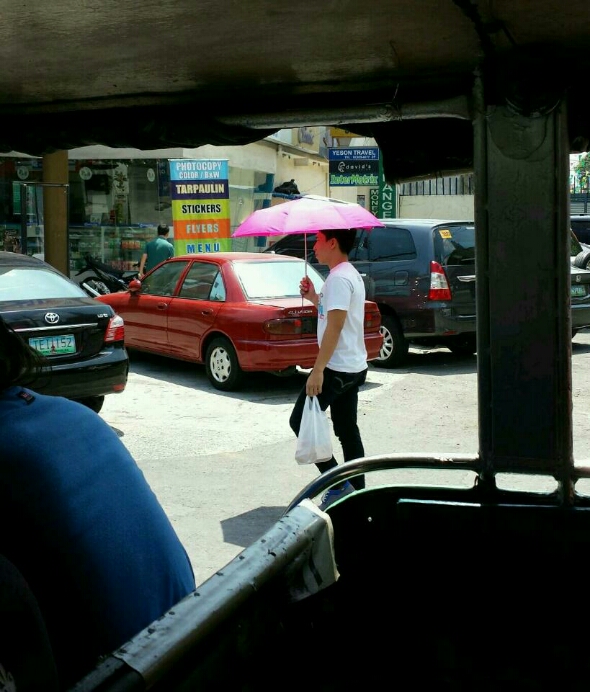
"I don't care if you doubt my masculinity, it's just too hot" - guy in pink umbrella

image

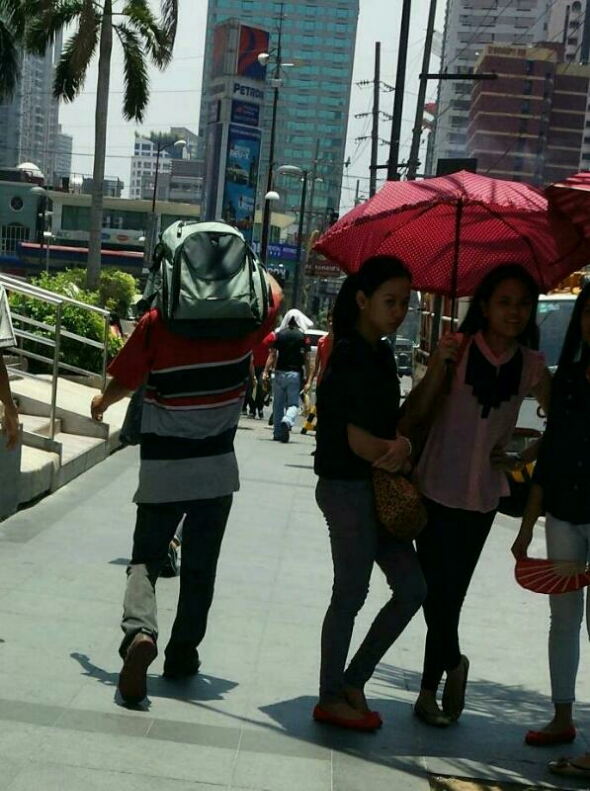
"I wish I brought an umbrella" - guy with bag as head cover

Kawaii Omiyage

image

A box of 10 streetcar cakes

Omiyage culture of Japan is akin to the oleh-oleh habit of Indonesians and the customary pasalubong in the Philippines. 

image

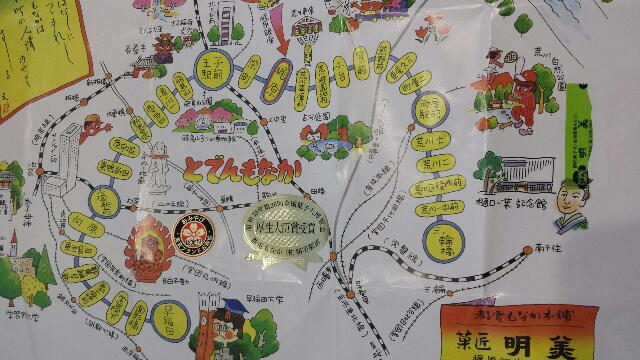
A wrapping paper for the streetcar box with cute map of the Toden Arakawa Line

A souvenir from a trip is something you buy for yourself while an omiyage (or oleh-oleh or pasalubong) is something you buy for others. Normally something edible, a food specialty.

image

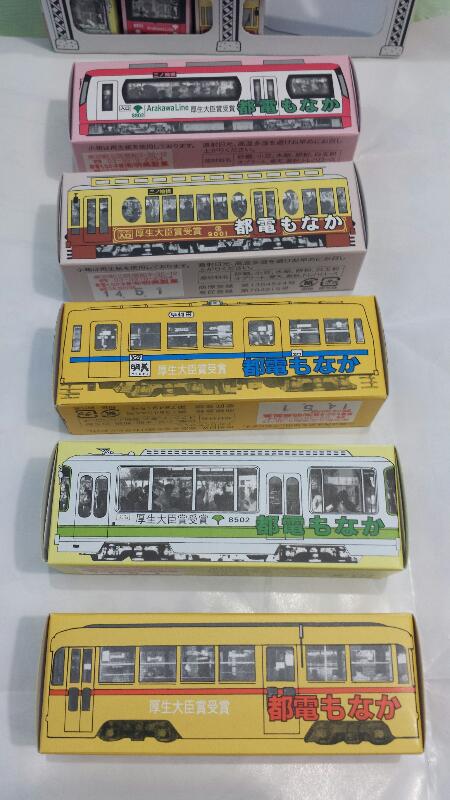
Five streetcar designs

Whereas the oleh-oleh and pasalubong have normal packaging, Japanese cuteness reflects on its omiyage packaging. So cute. So kawaii.

image

A streetcar box for the streetcar cake

image

Streetcar cake. Wafer-like on the outside with red bean paste filling. It's like mochi or hopia

image

Candies packaged like ekiben from a confectionery shop in Kawagoe

image

Kawaii candies

image

More candies in cute packaging

Kamonsil

Tuko Tinapay

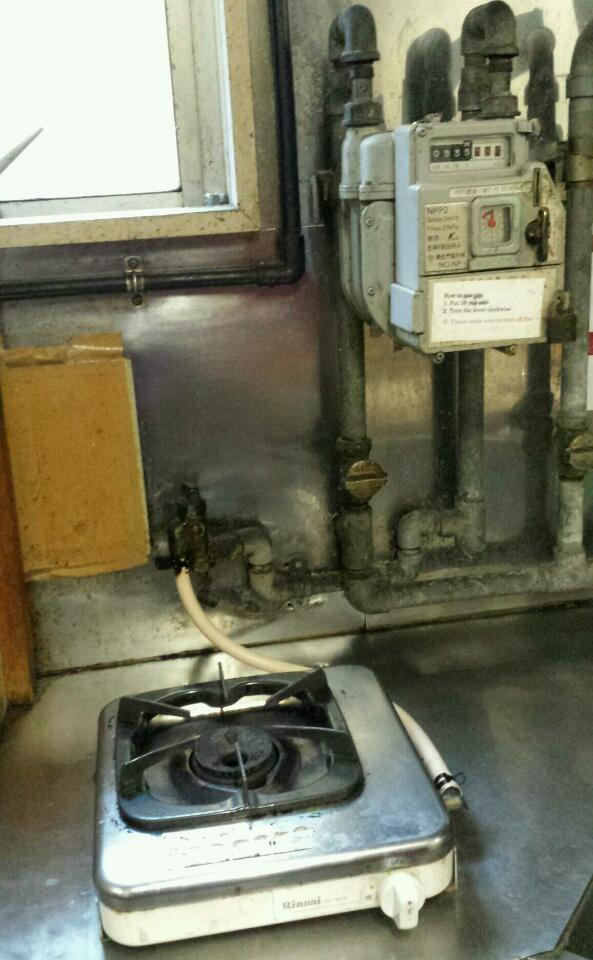
Metered Cooking

By The Sumida River, I Ran

image

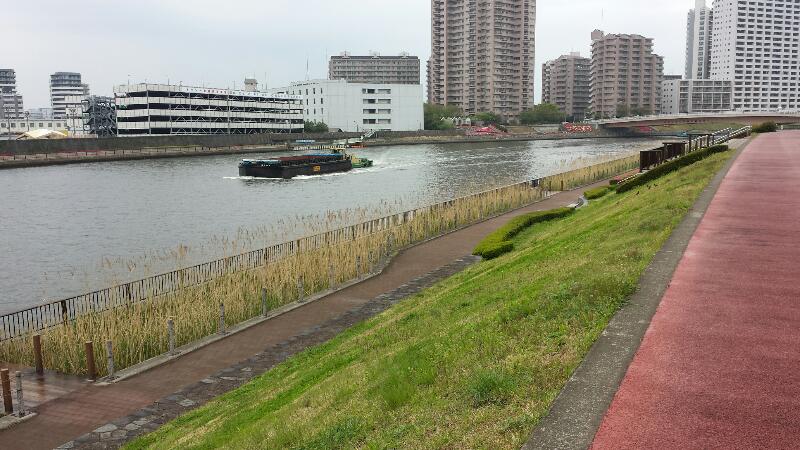
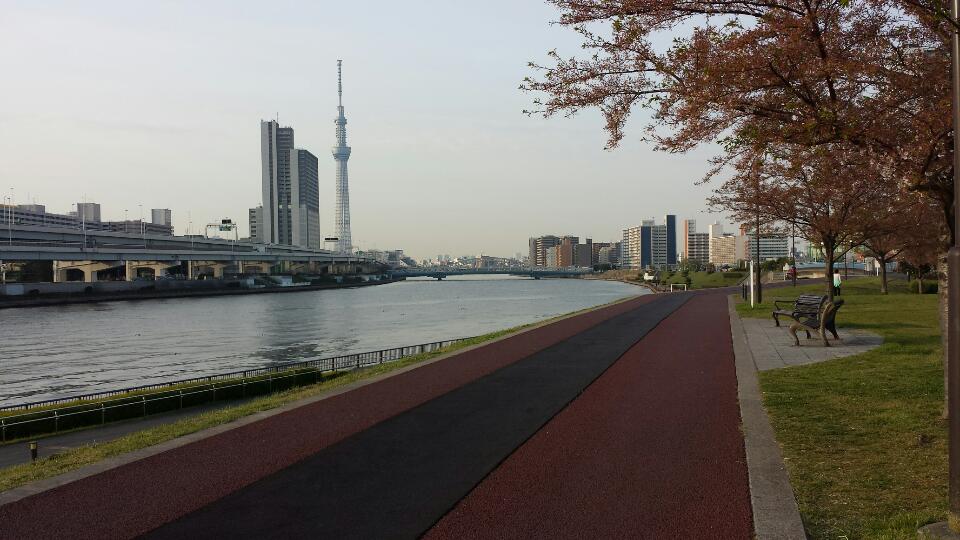
Tartan track by the river. I guess the Taito-ku urban planner must be a runner

During my Tokyo visit, I regularly run by the Sumida River in Taito Ward which is just a seven-minute running distance from where I stayed.

image

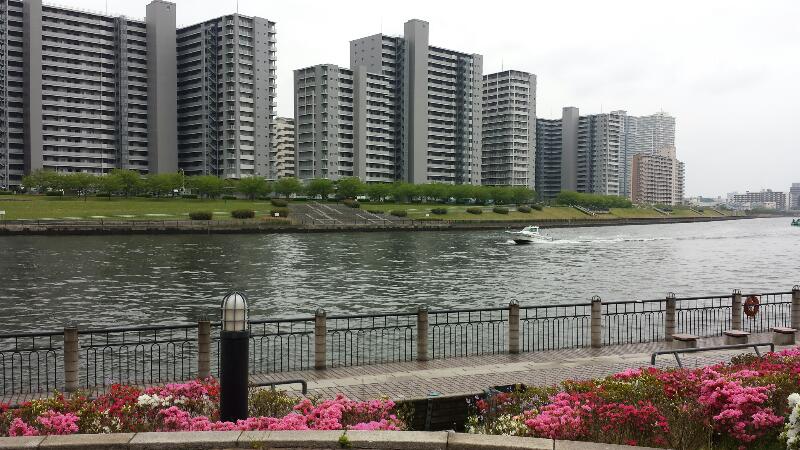
The river view

The path by the river is an ideal place for running with its lovely water view and tartan track.
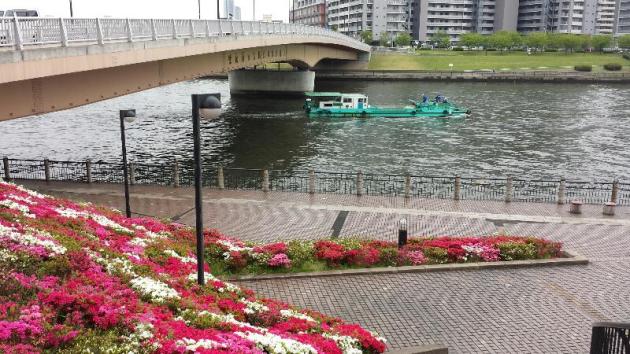
image

Obviously it's spring time

Running and traveling go together as one can run and observe everyday life at the same time. In this case, the morning life in Tokyo.
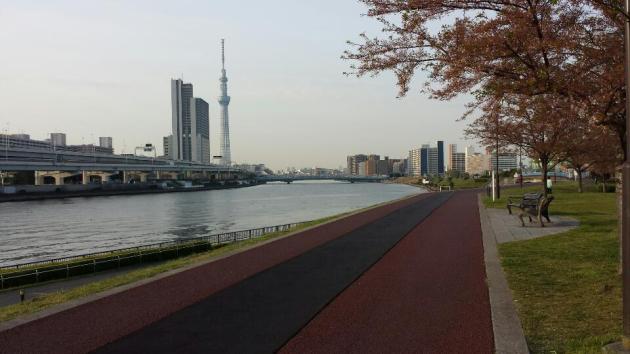
image

One can do interval training in this track

With running, one can also wander far in the corners and side streets than by any other means for a much deeper understanding of the place and its residents.

image

Running will be most beautiful when the cherry trees are in full bloom

Thus, my morning run makes a delightful introductory paragraph in every full day chapter of my Tokyo wanderings.
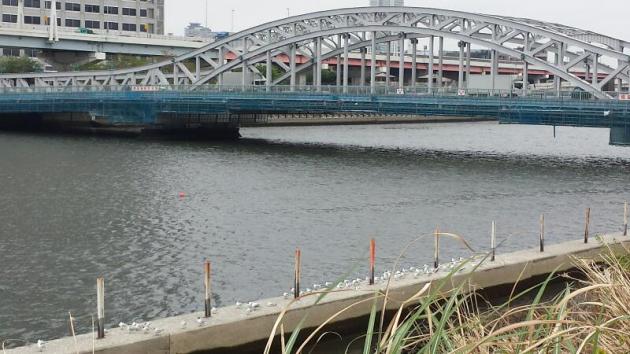
image

Run across any of the bridges spanning the Sumida river like this one to run more at the other side. See those white birds on the river wall ?

image

With all the runner-friendly amenities included in the city's urban planning (especially clean public toilets that never run out of toilet paper), isn't it better to be out there running regularly (when in Tokyo) than not at all?
Tokyo Snapshots: Ameyoko Market

image

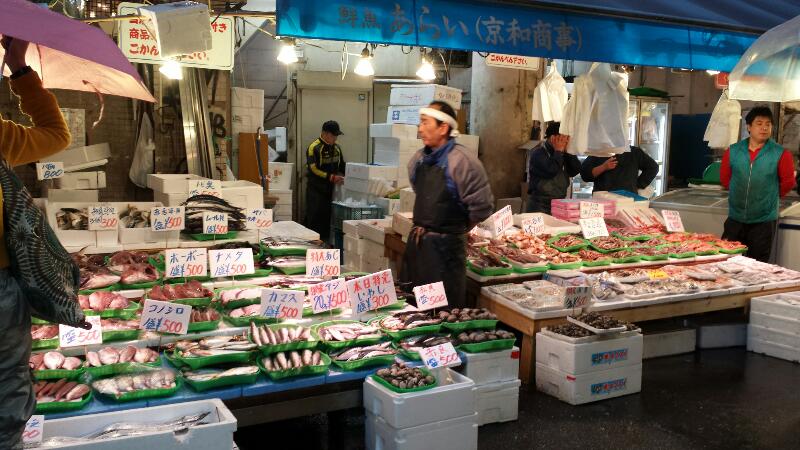
Fish vendor in towel-wrapped head

image

Another fish vendor

image

image

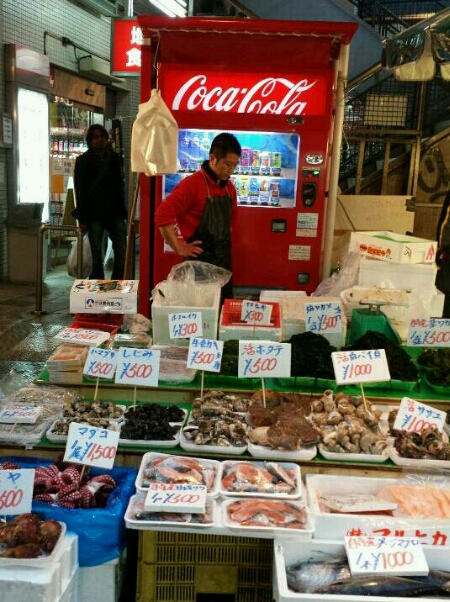
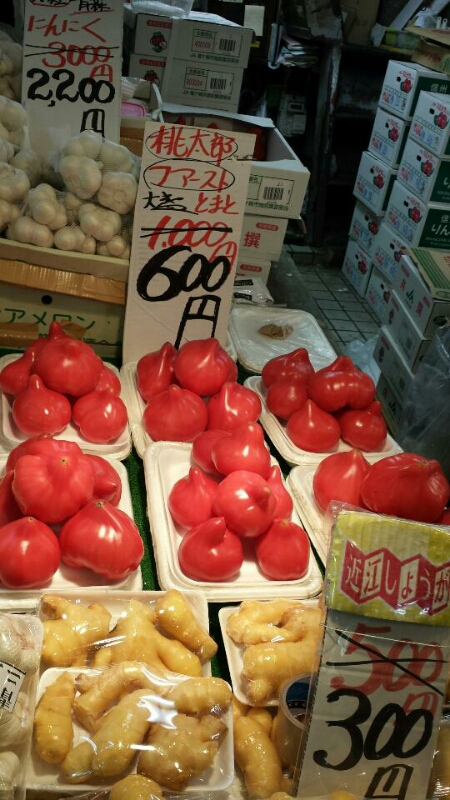
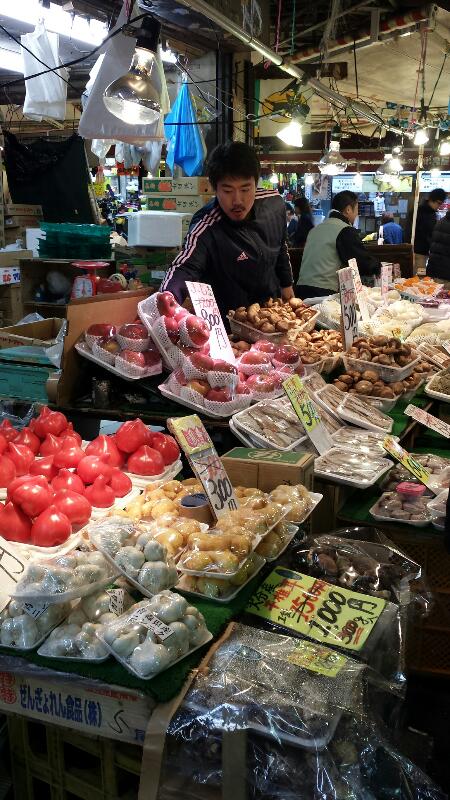
Fruit and vegetable vendor

image

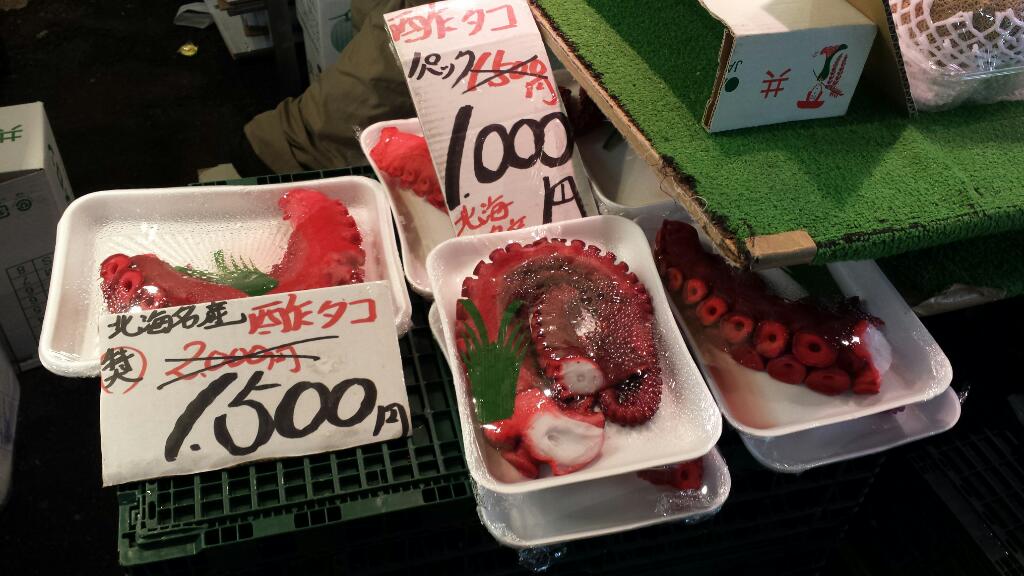
Tako (octopus)

image

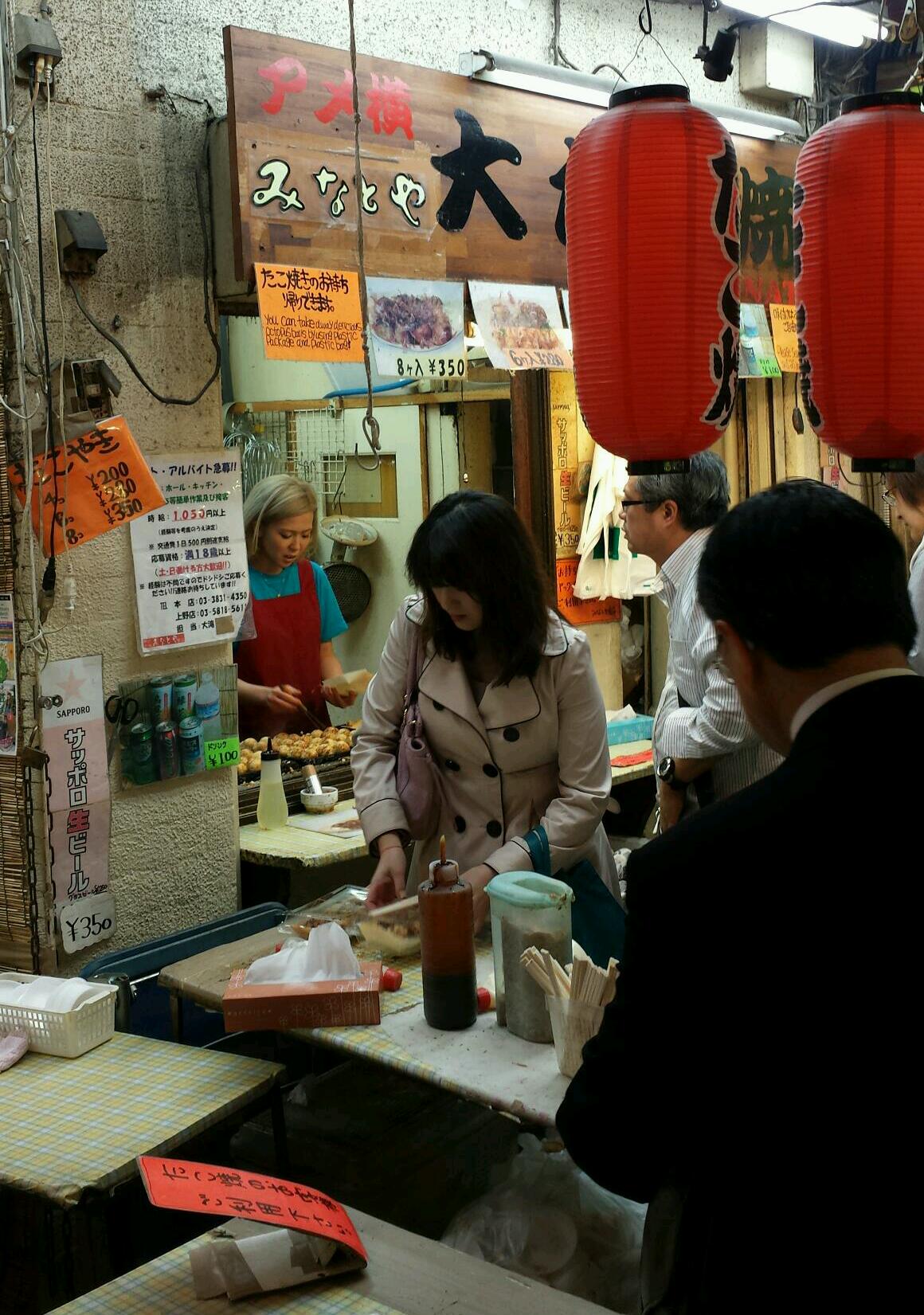
Takoyaki (octopus balls)

image

A temple (Tokudai-ji) within the market street

Sweet Potato Fans

image

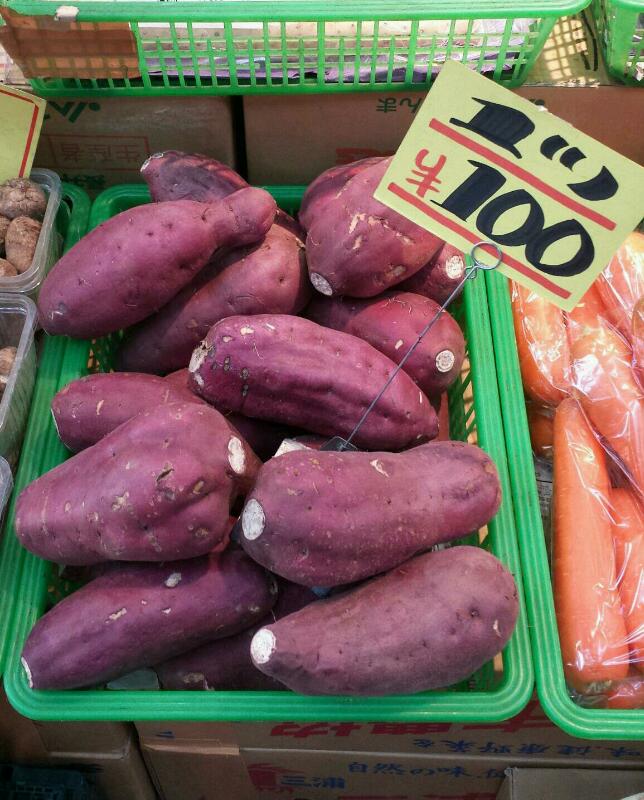
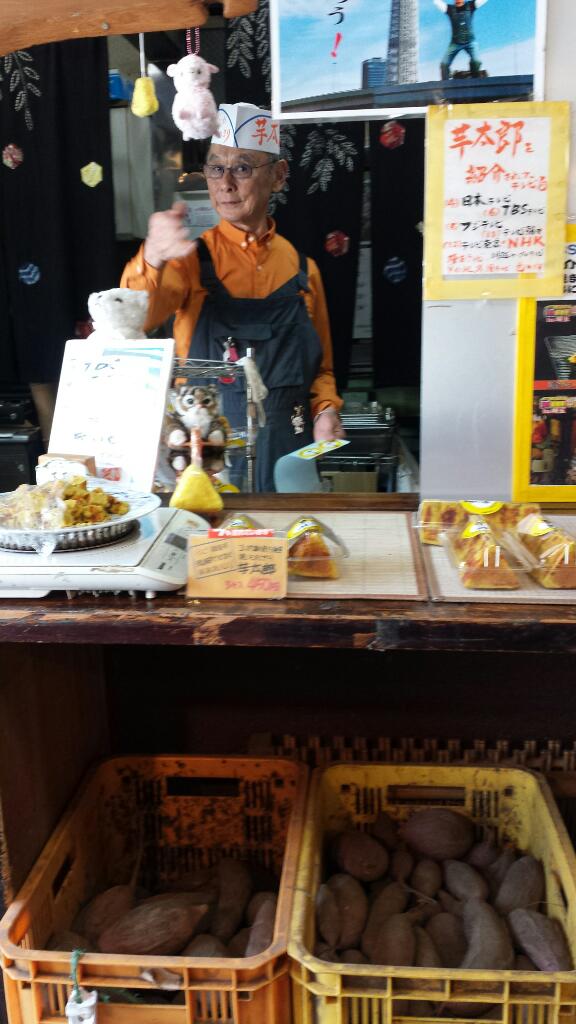
Sweet potato from a shop in Minowa covered street in Tokyo

Japanese are fond of sweet potato. I’ve seen somebody snacking on boiled sweet potato somewhere. Seems she prepared it at home, placed in her tote as an ‘on the go’ snack.  I’ve tried the cut caramelized sugar-coated chilled ones and a sample of boiled ones from Kawagoe City in Saitama Prefecture. I even saw a shop selling sweet potato ice cream in that place.

image

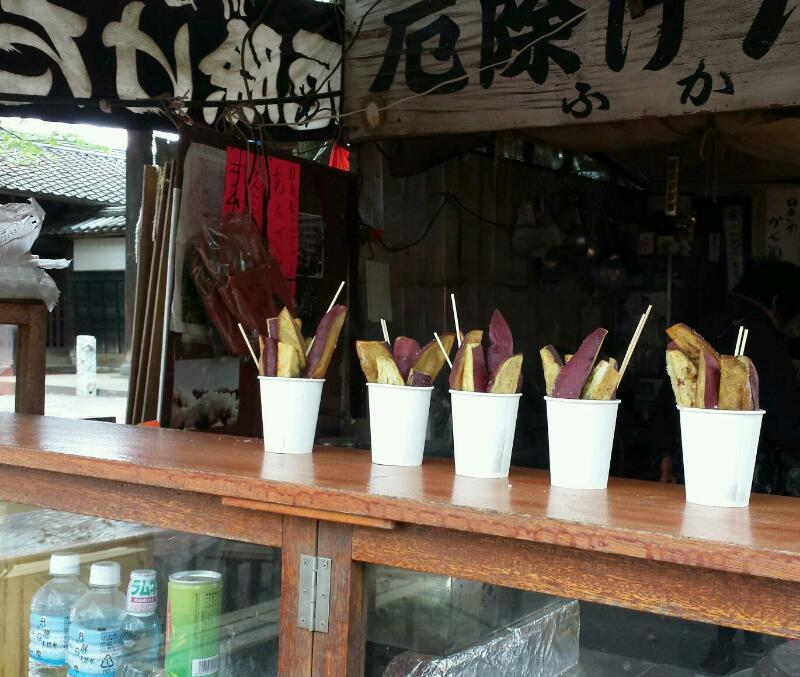
A store selling salted sweet potato fries in Kitain Temple Grounds at Tsuchiura City, Ibaraki Prefecture

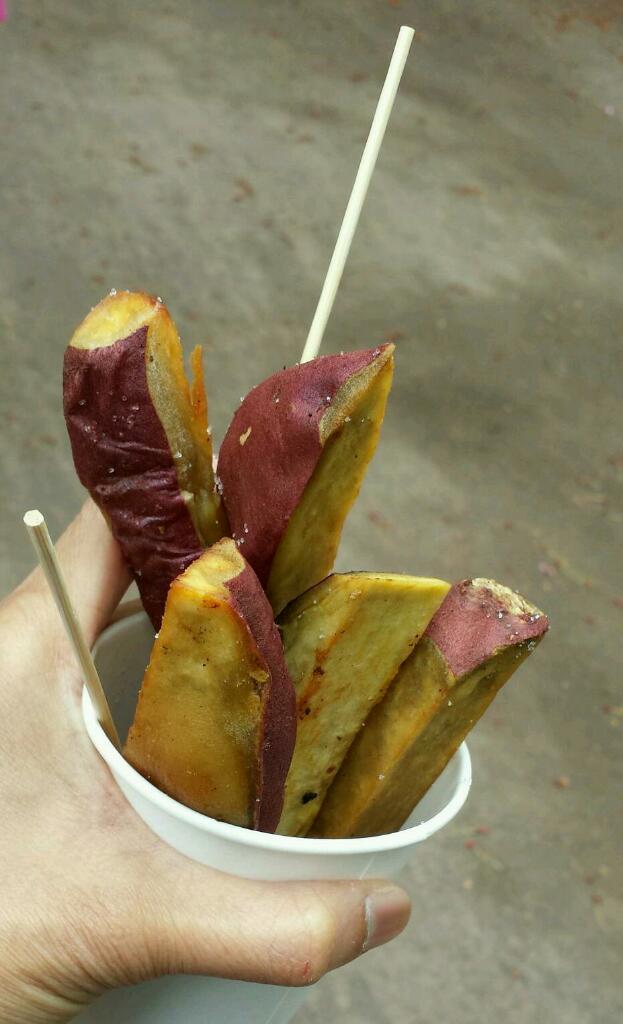
When I was at Tsuchiura City, I’ve blissfully snacked on the salted cut ones, in other words ‘sweet potato fries’ but thicker in pieces.

image

Salted sweet potato, a delicious oxymoron

And so based from I had eaten so far, I think Japan’s sweet potato variety is superior than what I’ve had (so far since childhood) in the Philippines.

image

A shopkeeper in Kawagoe selling sweet potato snacks. Sweet potato is a specialty of Kawagoe, so naturally the mascot of this place is a sweet potato